
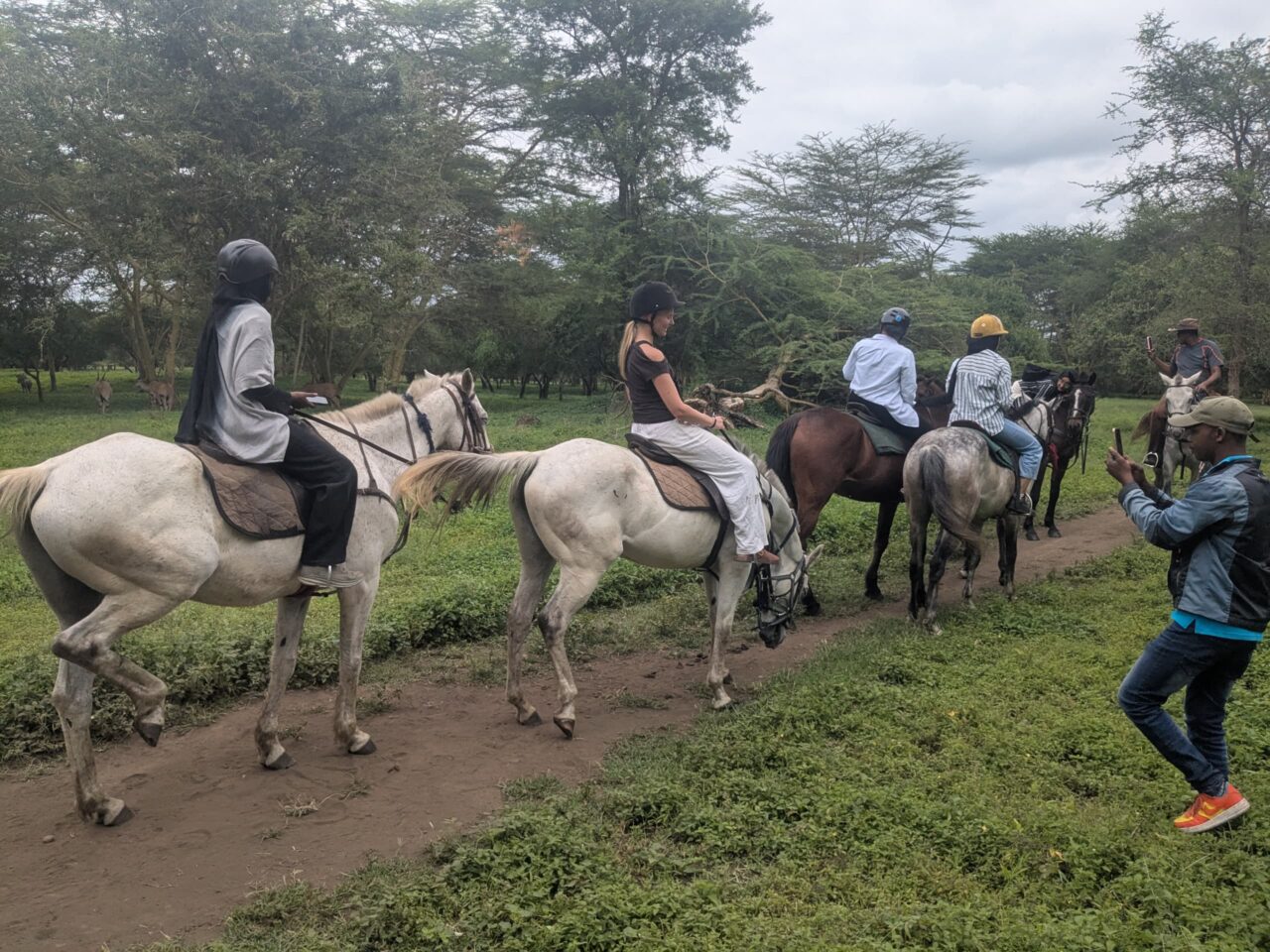
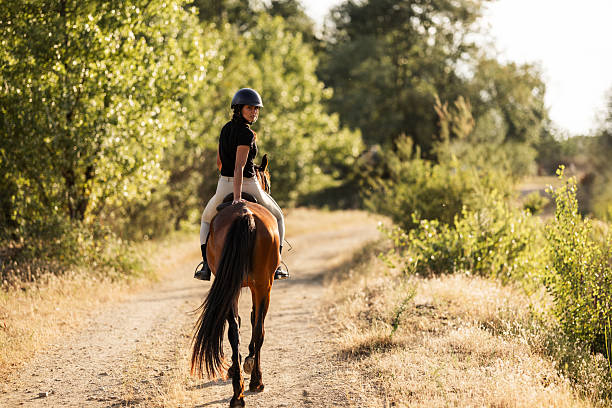
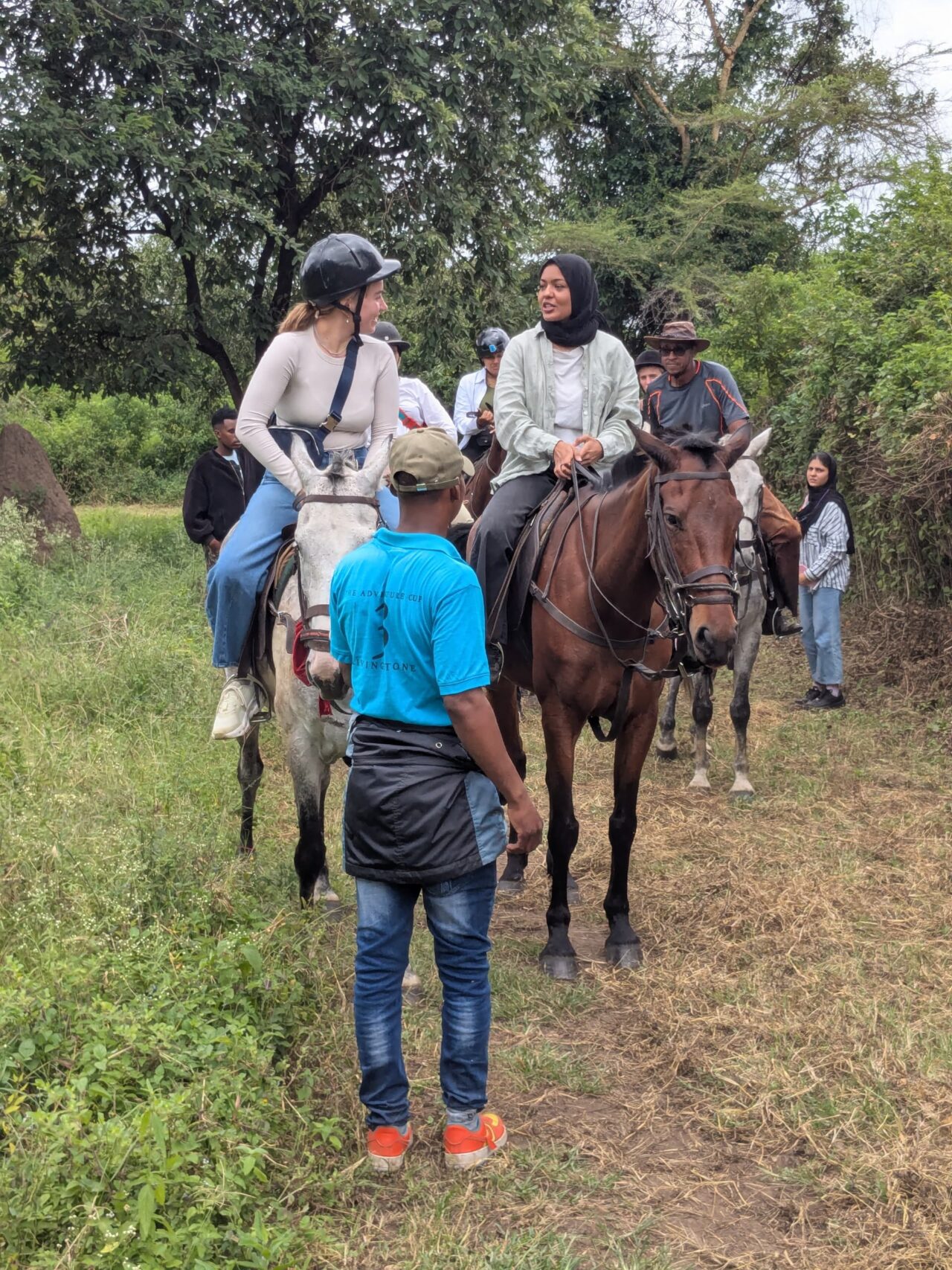
Imagine the wind in your hair, the rhythmic gait of your horse beneath you, and the vast, golden plains of the Serengeti stretching out to the horizon. This isn’t just a dream; it’s the reality of a Serengeti Horseback Safari in Tanzania. For many, the word ‘safari’ conjures images of open-top vehicles navigating dusty tracks. While this is a classic and rewarding way to see the wildlife, a horseback safari offers a profoundly different, more intimate connection with the African wilderness, especially for those planning their adventures for 2026 and 2027.
A horseback safari in the Serengeti allows you to approach wildlife from a unique vantage point. Horses, being prey animals themselves, are often accepted more readily by other herbivores. This means you can get closer, observe natural behaviours, and feel a part of the landscape in a way that a vehicle simply cannot replicate. It’s an experience that appeals to a sense of adventure, a desire for authenticity, and a yearning to connect with nature on its own terms.
Why Choose a Serengeti Horseback Safari? The Unique Advantages
The Serengeti National Park is one of the world’s most renowned wildlife sanctuaries, famous for its immense plains, abundant predators, and the Great Migration. While vehicle safaris provide excellent viewing opportunities, a Serengeti Horseback Safari elevates the experience by offering:
- Unmatched Intimacy with Wildlife: Horses are a natural part of the African landscape. Many animals, particularly herbivores like zebras, wildebeest, giraffes, and antelopes, tend to be less alarmed by a rider on horseback than by a noisy vehicle. This allows for incredibly close and undisturbed observations of their behaviour in their natural habitat. Imagine watching a herd of zebras graze mere meters away, with only the soft sounds of hooves and breath connecting you.
- A Deeper Sensory Experience: Mounted on a horse, you engage all your senses. You feel the vibrations of the earth, smell the wild sage and dust, hear the distant calls of birds and animals, and see the landscape unfold at a pace that allows for true appreciation. It’s a much more immersive way to experience the sights, sounds, and smells of the Serengeti.
- Access to Different Terrain: Horses can navigate areas that are often inaccessible to vehicles, such as dense bush, riverbanks, and areas with challenging terrain. This opens up new possibilities for exploration and wildlife spotting, revealing hidden corners of the park.
- A Thrill of Adventure: For those with a passion for horses and adventure, a horseback safari is the ultimate thrill. It combines the excitement of exploring a wild landscape with the skill and partnership required to ride. It’s an active way to experience the Serengeti, far removed from the passive observation of a car.
- Reduced Environmental Impact: Compared to vehicles, horses have a minimal impact on the environment. They tread lightly on the land, producing less noise and pollution, making it a more eco-conscious choice for exploring this precious ecosystem.
Understanding the Serengeti Horseback Safari Experience
A Serengeti Horseback Safari is not a single, uniform experience. It typically takes place in specific areas of the Serengeti ecosystem, often in concessions or private conservancies adjacent to the national park, where regulations may differ and allow for such activities. These areas are carefully selected for their suitability for both horses and riders, and for their rich wildlife populations.
Types of Horseback Safaris Available
When planning your Serengeti Horseback Safari for 2026 or 2027, you’ll find a few distinct formats:
- Day Rides: These are shorter excursions, typically a few hours long, often based out of a permanent camp or lodge. They are ideal for individuals or groups who want to experience horseback riding without committing to a multi-day expedition. You might ride out in the morning or afternoon, returning to your accommodation afterwards.
- Multi-Day Mobile Safaris: This is where the true adventure lies. You’ll travel with a support team, moving camp each day or every few days, following prime wildlife areas. You’ll spend your days in the saddle, exploring vast tracts of wilderness, and your evenings around a campfire at a new, remote camp. This format offers the deepest immersion into the Serengeti’s wild heart.
- Tented Camp Stays with Riding Options: Some luxury tented camps offer horseback riding as an activity. Guests can choose to ride for a few hours each day, combining it with other safari activities like game drives or walking safaris. This provides a comfortable base with the option for exhilarating rides.
The Horses and Guides
The horses used for Serengeti safaris are typically sturdy, well-trained breeds accustomed to the African bush. They are often a mix of Arabians, thoroughbreds, and local breeds, chosen for their temperament, endurance, and sure-footedness. Riders are matched with horses based on experience and riding style.
Your guides are crucial to the experience. They are not only expert horsemen and women but also highly knowledgeable about the local wildlife, tracking, and the Serengeti ecosystem. Their priority is your safety and ensuring you have an incredible, responsible wildlife viewing experience. They know how to read animal behaviour, how to handle encounters, and how to guide you through the terrain safely.
When is the Best Time for a Serengeti Horseback Safari in 2026-2027?
The timing of your Serengeti Horseback Safari is critical for maximizing wildlife viewing and ensuring comfortable riding conditions. Tanzania’s climate is generally divided into wet and dry seasons, and understanding these will help you choose the best period for your 2026-2027 adventure.
- The Dry Season (June to October): This is generally considered the prime time for a Serengeti Horseback Safari. The landscape is dry, water sources are concentrated, and wildlife tends to gather around them, making for excellent viewing opportunities. The weather is usually sunny with cooler mornings and evenings. The Great Migration is typically in the northern Serengeti during this period, often crossing the Mara River, which can be an awe-inspiring sight, though river crossings themselves are not typically done on horseback for safety reasons. This period is also popular, so booking well in advance for 2026 and 2027 is highly recommended.
- The Shoulder Seasons (Late May, November): These months can offer a good balance. The landscape is beginning to dry or receive its first rains, and wildlife is still relatively easy to find. You might experience fewer crowds and potentially slightly lower prices than in the peak dry season.
- The Wet Season (November to May): While less popular for horseback safaris due to potential rain and muddier conditions, the wet season has its own unique charms. The plains are lush and green, the birdlife is spectacular, and many animals give birth, leading to abundant young wildlife. Predator activity can also be high. Riding might be more challenging in some areas during heavy rains, so choosing an operator experienced in managing these conditions is key. The short rains typically occur in November/December, followed by the long rains from March to May.
For 2026-2027 planning, consider that June through October remains the most sought-after period due to the predictable dry weather and the presence of the Great Migration in areas conducive to horseback riding. However, if you prefer fewer crowds and a greener landscape, the shoulder months or even parts of the wet season can be rewarding with the right itinerary and expectations.
Planning Your Serengeti Horseback Safari: What to Expect and Pack
A Serengeti Horseback Safari is an adventurous undertaking that requires preparation. Understanding what to expect and how to pack will ensure your comfort and safety.
Riding Experience Requirements
Operators typically cater to a range of riding abilities, but it’s important to be honest about your experience. Most multi-day safaris require riders to be:
- Intermediate to Experienced Riders: You should be comfortable and confident controlling a horse at a walk, trot, and canter in open country, over varied terrain, and potentially in the presence of wildlife.
- Fit and Healthy: Spending several hours in the saddle each day requires a reasonable level of fitness.
- Able to Mount and Dismount Independently: Assistance may be limited in remote locations.
Some operators offer rides for less experienced riders on shorter day trips or in controlled environments. Always communicate your riding level clearly when booking your 2026-2027 safari.
What to Pack
Packing for a horseback safari involves balancing comfort, practicality, and the specific needs of riding in a wild environment. Layering is key.
- Riding Gear:
- Riding Trousers/Jeans: Comfortable, durable trousers are essential. Jodhpurs or breeches are ideal if you have them.
- Riding Boots: With a small heel to prevent your foot from slipping through the stirrup. Ensure they are well broken-in.
- Half-Chaps or Gaiters: To protect your lower legs and keep trousers clean.
- Helmet: Most reputable operators will provide helmets, but if you have a well-fitting, comfortable one you prefer, bring it. Safety is paramount.
- Clothing:
- Lightweight, Breathable Tops: Long-sleeved shirts are recommended for sun protection and to prevent chafing.
- Fleece or Warm Jacket: Evenings and early mornings can be cool, especially during the dry season.
- Comfortable Trousers/Shorts: For evenings and downtime.
- Undergarments: Moisture-wicking options are best.
- Protection from the Elements:
- Wide-brimmed Hat: For sun protection when not riding or for use at camp.
- Sunglasses: With UV protection.
- High SPF Sunscreen: The African sun is intense.
- Insect Repellent: Especially for evenings.
- Health and Personal Items:
- Personal First-Aid Kit: Including any personal medications, blister treatment, pain relievers, and antiseptic wipes.
- Toiletries: Biodegradable options are preferred.
- Camera and Binoculars: Essential for wildlife viewing. Extra batteries and memory cards are a must.
- Water Bottle: Hydration is crucial.
- Headlamp or Torch: For navigating around camp after dark.
Note: Most operators will provide saddlebags or saddle packs for your daily essentials. Luggage for multi-day mobile safaris is usually carried by the support vehicle and is often restricted in weight and size. Check with your tour operator for specific packing lists and luggage limitations.
Serengeti Horseback Safari vs. Other Safari Styles
To truly appreciate the unique offering of a Serengeti Horseback Safari, it’s helpful to compare it with other popular safari methods.
Serengeti Horseback Safari vs. Traditional Game Drives
Intimacy: Horseback safaris offer unparalleled closeness to wildlife due to the horse’s natural integration into the environment. Game drives, while effective, maintain a greater distance, with animals often wary of vehicles.
Sensory Experience: Riding is multi-sensory – you feel, smell, and hear the environment directly. Game drives are primarily visual and auditory, experienced through the vehicle.
Access: Horses can reach areas vehicles cannot, offering different perspectives and exploration opportunities.
Pace: Horseback safaris are slower, allowing for deeper observation. Game drives cover more ground but can sometimes feel rushed.
Physicality: Horseback riding is an active pursuit requiring riding skill and stamina. Game drives are passive, requiring only the ability to sit and observe.
Wildlife Encounters: While both offer incredible sightings, horseback safaris often lead to more natural, less startled animal behaviour. However, game drives are generally better for spotting elusive predators that may be wary of horses.
Serengeti Horseback Safari vs. Walking Safaris
Pace and Range: Walking safaris allow for incredible detail observation of tracks, insects, and plants, but cover limited ground. Horseback safaris cover much larger areas, offering a broader perspective of the landscape and larger herds.
Wildlife Encounters: Both offer intimate experiences. Walking safaris are excellent for tracking and learning about the smaller details of the bush. Horseback safaris excel at approaching grazers and observing their behaviour from a comfortable distance.
Safety: Both require expert guides. Walking safaris can be more intimidating with close predator encounters. Horseback safaris carry the inherent risks of riding, but guides are trained to manage wildlife interactions from horseback.
Physicality: Walking safaris require good stamina for hiking. Horseback safaris require riding ability and stamina.
Choosing the Right Operator for Your 2026-2027 Serengeti Horseback Safari
Selecting the right tour operator is paramount for a safe, enjoyable, and authentic Serengeti Horseback Safari. For your 2026-2027 travel plans, consider operators with:
- Proven Experience: Look for operators who have been running horseback safaris in the Serengeti or similar environments for many years.
- Expert Guides: Ensure their guides are not only experienced riders but also possess in-depth knowledge of wildlife, tracking, and safety protocols specific to the region.
- Well-Maintained Horses: The health, condition, and training of the horses are critical. Reputable operators invest heavily in their equine partners.
- Safety Standards: Enquire about their safety procedures, emergency protocols, and the equipment they use (e.g., helmets, first-aid kits).
- Responsible Tourism Practices: Choose operators committed to conservation, ethical wildlife viewing, and supporting local communities.
- Positive Reviews and Reputation: Check independent review sites and testimonials.
Top Guide Adventures is a highly reputable Tanzanian tour operator with extensive experience in crafting unforgettable safari experiences. They understand the nuances of different safari styles, including horseback riding, and can tailor an itinerary to your specific interests and experience level for 2026 or 2027. You can reach them for inquiries and bookings via WhatsApp at +255616946642 or by emailing topguideadventures@gmail.com.
Potential Itinerary Snippet for a Serengeti Horseback Safari
While exact itineraries vary, a multi-day mobile Serengeti Horseback Safari might look something like this, showcasing the immersive nature of the experience:
Example: 5-Day Serengeti Horseback Explorer
Day 1: Arrival and First Ride
- Arrive at a designated airstrip or meet your transfer.
- Welcome and briefing by your guide.
- Introduction to your horse and a short acclimatization ride in the late afternoon, exploring the immediate surroundings of the mobile camp.
- Evening campfire dinner under the stars.
Day 2: Plains Exploration
- Full day in the saddle, riding across the open plains.
- Observe large herds of wildebeest, zebras, and gazelles.
- Picnic lunch in a scenic spot.
- Return to camp as the sun sets.
Day 3: Riverine and Bush Country
- Ride through varied terrain, perhaps towards riverine areas known for birdlife and other species.
- Potential for encounters with giraffes or elephants (from a safe distance).
- Afternoon ride to a new camp location or an extended exploration.
Day 4: Predator Watch and Scenic Vistas
- Focus on areas where predators are more commonly sighted (guides will assess conditions and animal movements).
- Enjoy panoramic views of the Serengeti from elevated points.
- Farewell campfire dinner.
Day 5: Final Ride and Departure
- A final morning ride, perhaps revisiting a favorite spot or exploring a new track.
- Return to camp for breakfast.
- Transfer to the airstrip for your onward journey.
Costs and Budget Considerations for 2026-2027
A Serengeti Horseback Safari is a premium experience, and its cost reflects the specialized nature of the activity, the quality of the horses, the expertise of the guides, and the logistical complexity of operating in remote areas.
For 2026 and 2027, you can expect pricing to vary significantly based on the:
- Duration of the safari: Longer trips naturally cost more.
- Level of luxury: Mobile camps can range from comfortable to extremely luxurious, impacting the price.
- Inclusions: Full-board meals, drinks, park fees, riding permits, transfers, and guide services are typically included.
- Time of year: Peak season (dry season) is generally more expensive.
- Exclusivity: Private safaris will be more costly than small group departures.
As a general guideline, a multi-day Serengeti Horseback Safari can range from USD $500 to USD $1,500+ per person per day. This is a broad estimate, and exact quotes are essential.
Factors influencing cost:
- Park and Concession Fees: These are mandatory and can be substantial.
- Horse Keep and Logistics: Maintaining fit, well-trained horses in a remote location, along with the support crew and mobile camp setup, incurs significant costs.
- Guide Expertise: Highly experienced safari guides and horse handlers command higher fees.
- Accommodation: The quality of the mobile camps (tents, bedding, food, service) plays a major role.
For an accurate quote tailored to your specific 2026-2027 travel dates and preferences, it is best to contact experienced operators directly. Top Guide Adventures can provide detailed pricing and customize a safari to fit your budget and desires. Reach out via WhatsApp +255616946642 or email topguideadventures@gmail.com, and their backup email is info@topguideadventures.com.
Safety on a Serengeti Horseback Safari
Safety is always the number one priority on any safari, and this is especially true for horseback riding in the African bush. Reputable operators have stringent safety protocols in place:
- Experienced Guides: Guides are trained in wildlife behaviour, tracking, horse management, and emergency first aid. They know how to manage encounters with potentially dangerous animals and how to react to unexpected situations.
- Horse Selection and Care: Horses are chosen for their temperament and suitability for safari work. They are well-trained, fit, and regularly checked by veterinarians. Riders are matched with horses appropriate to their skill level.
- Wildlife Management: Guides are skilled at reading animal behaviour and will maintain a safe distance or alter the route if an animal appears agitated. They will instruct riders on how to behave during wildlife encounters.
- Equipment: Well-maintained saddles, bridles, and safety equipment like helmets are provided and checked regularly.
- Communication: Mobile camps and guides often have communication devices (satellite phones or radios) for emergencies.
- Rider Assessment: Guides will assess riders’ abilities and may adjust the pace or route accordingly.
While the inherent risks of riding in the wild exist, a well-prepared rider with a reputable operator significantly minimizes these risks. It’s essential to listen carefully to your guide’s instructions at all times.
Combining Horseback Riding with Other Tanzanian Experiences
A Serengeti Horseback Safari can be the centerpiece of an incredible Tanzanian adventure. For your 2026-2027 trip, consider combining it with other iconic experiences:
- Other Northern Circuit Parks: Extend your safari to include the Ngorongoro Crater, Tarangire National Park (known for its elephants and baobab trees), and Lake Manyara National Park. These parks offer diverse landscapes and wildlife viewing opportunities, best explored via game drives.
- Kilimanjaro Trekking: For the truly adventurous, combine your safari with a climb of Mount Kilimanjaro. This requires separate planning and fitness, but the combination offers an unparalleled African experience. Consider routes like the Machame Route, which offers great scenery. See Kilimanjaro group departures here.
- Zanzibar Holidays: After the dust and excitement of the safari, unwind on the pristine beaches of Zanzibar. Stone Town offers a rich cultural experience, while the northern beaches provide idyllic relaxation.
- Cultural Visits: Incorporate visits to Maasai villages or local communities to gain insight into the diverse cultures of Tanzania.
Top Guide Adventures specializes in creating bespoke itineraries that blend these diverse experiences. Whether you dream of a multi-park safari, a Kilimanjaro climb, or a beach escape, they can craft the perfect journey for 2026-2027.
Booking Your 2026-2027 Serengeti Horseback Safari
Planning a trip for 2026 or 2027 allows ample time to research, plan, and secure your preferred dates and accommodations. For a Serengeti Horseback Safari, booking well in advance is highly recommended, especially if you wish to travel during the peak dry season (June-October) or during specific migration periods.
When you’re ready to turn your dream of a Serengeti Horseback Safari into reality, Top Guide Adventures is your trusted partner. With their expertise, commitment to safety, and passion for Tanzania, they can arrange an unforgettable experience tailored just for you. You can start planning by contacting them:
- WhatsApp: +255616946642
- Email: topguideadventures@gmail.com
- Backup Email: info@topguideadventures.com
Don’t miss the opportunity to witness the majesty of the Serengeti from the unique perspective of horseback. It’s an adventure that promises unparalleled connection with nature, thrilling encounters, and memories that will last a lifetime. Explore more Tanzanian safari options and travel inspiration at our blog or see group departure dates for shared adventures.



