
The journey from Dar es Salaam to Nyerere National Park, once famously known as the Selous Game Reserve, represents one of Tanzania’s most compelling safari experiences. This vast protected area, a UNESCO World Heritage Site, offers a dramatically different feel from the northern safari circuit, characterized by its immense size, diverse ecosystems, and unique wildlife viewing opportunities. For travelers looking to explore beyond the well-trodden paths and experience a wilder, more remote Tanzania, this route is an exceptional choice. Planning a safari for 2026 or 2027 requires understanding the logistics, the best times to visit, and what makes Nyerere National Park so special.
Why Choose a Dar es Salaam to Nyerere National Park Safari?
Nyerere National Park is a sanctuary of unparalleled natural beauty and biodiversity. Its sheer scale, covering over 30,000 square kilometers, means that wildlife is abundant and spread across a landscape that includes the Rufiji River delta, miombo woodlands, acacia savannas, and swamps. Unlike the Serengeti or Masai Mara, Nyerere is renowned for its large elephant and buffalo herds, wild dog populations, and the unique boat safari experience on the Rufiji River.
Choosing to start your safari from Dar es Salaam is practical for many international visitors, as it is Tanzania’s largest city and main port. From here, you can seamlessly transition into the wilderness of Nyerere, often bypassing the need to fly back to Kilimanjaro International Airport. This makes a Dar es Salaam to Nyerere National Park safari an efficient and rewarding part of a broader Tanzanian itinerary, perhaps combining it with a beach holiday in Zanzibar or a cultural experience in the city.
Getting from Dar es Salaam to Nyerere National Park: Your Options
The travel time and method from Dar es Salaam to Nyerere National Park are key considerations for any safari plan. The park is approximately 200-250 kilometers southwest of Dar es Salaam, but the journey can take anywhere from 4 to 6 hours by road, depending on the specific gate and the condition of the roads. For those planning ahead for 2026 or 2027, understanding these options ensures a smooth start to your adventure.
Road Transfer: The Scenic Route
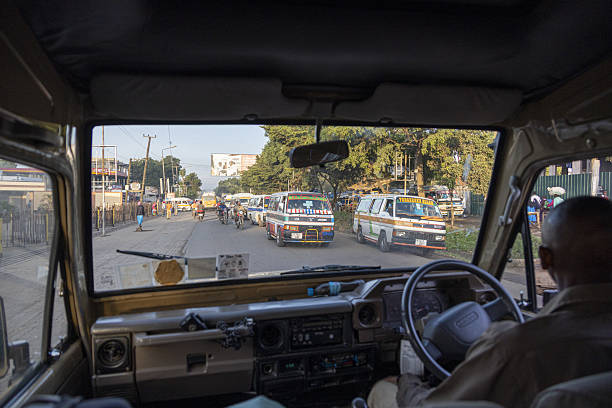
Driving from Dar es Salaam to Nyerere National Park is the most common and often the most cost-effective method. You’ll typically be picked up by your safari vehicle and guide from your hotel or the airport in Dar es Salaam. The journey takes you through rural Tanzanian landscapes, offering glimpses of local life. While the main roads are generally in fair condition, the final stretches leading into the park can be rough, especially during the rainy season.
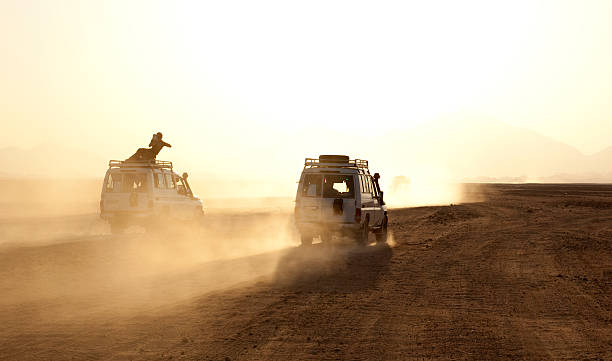
The road journey provides an opportunity to see the transition from urban sprawl to agricultural land, and eventually to the wilder bush. It’s a journey best undertaken in a sturdy 4×4 safari vehicle, which is standard for reputable tour operators. For a Dar es Salaam to Nyerere National Park safari, a full day is usually allocated for travel to allow for stops and to arrive at your lodge in time for an afternoon activity.
Light Aircraft Flights: Speed and Convenience
For those prioritizing time and comfort, flying is an excellent alternative. Several local airstrips serve Nyerere National Park, including Mtemere, Sand, and Kiba Airstrip. Scheduled or private charter flights operate from Dar es Salaam’s domestic airport (Terminal 1) directly to these airstrips. The flight duration is typically around 30-45 minutes.
Flying significantly cuts down travel time, allowing you to maximize your safari days. Upon landing, you will be met by your guide and transferred to your lodge. This option is more expensive than a road transfer but is ideal for shorter trips or for those who wish to minimize travel fatigue. Booking flights well in advance is recommended, especially for peak safari seasons in 2026 and 2027.
When is the Best Time for a Dar es Salaam to Nyerere National Park Safari?
The timing of your safari can profoundly impact your wildlife viewing experience and overall enjoyment. Nyerere National Park experiences a tropical climate with distinct wet and dry seasons, each offering unique advantages.
The Dry Season (June to October): Peak Wildlife Viewing
This period is considered the prime time for a Dar es Salaam to Nyerere National Park safari. The weather is generally sunny and pleasant, with lower humidity. As the dry season progresses, water sources become scarcer, forcing animals to congregate around rivers and waterholes, making them easier to spot. This is also the best time to see predators, as they often follow the migratory herds.
The vegetation thins out, improving visibility across the plains. However, this is also the peak tourist season, meaning lodges and flights can be more expensive and require earlier booking for 2026 and 2027. Expect cooler mornings and evenings.
The Wet Season (November to May): Lush Landscapes and Birdlife
The wet season, particularly from November to March, brings lush green landscapes and dramatic skies. While game viewing can be more challenging due to thicker vegetation and scattered animals, it offers a different kind of beauty. This is an excellent time for birdwatching, as migratory birds arrive, and resident species are in their breeding plumage.
The shoulder months of April and May can offer a good balance, with fewer crowds and the landscape beginning to dry out. However, these months can also experience heavy rainfall, which might affect road conditions and limit some activities. Prices are generally lower during the wet season, making it a more budget-friendly option for planning your Dar es Salaam to Nyerere National Park safari in 2026 or 2027.
What Wildlife to Expect in Nyerere National Park
Nyerere National Park boasts an incredible diversity of wildlife, including some species that are less common in the northern parks. Its vastness supports large populations, offering a truly wild experience.
The Big Five and Beyond
While the Big Five (lion, leopard, elephant, rhino, buffalo) are present, Nyerere is particularly famous for its large herds of elephants and buffalo. Leopards are elusive but can be found, especially in areas with dense vegetation. Black rhinos are present but are extremely rare and difficult to spot. Lions are common, and the park is also home to a significant population of cheetahs, though they are more frequently seen in open plains.
African Wild Dogs: A Nyerere Specialty
Nyerere National Park is one of the best places in Africa to observe the endangered African wild dog (Lycaon pictus). These highly social and efficient hunters are often seen in packs, and their successful conservation efforts here make sightings a highlight for many visitors. Witnessing a wild dog pack on the move is an unforgettable sight during a Dar es Salaam to Nyerere National Park safari.
Birdlife and Riverine Species
The Rufiji River and its delta are teeming with life. Hippos and crocodiles are abundant and easily observed, especially during boat safaris. Birdlife is spectacular, with over 400 species recorded, including kingfishers, fish eagles, bee-eaters, and various waterbirds. The park’s diverse habitats support a wide array of antelope species, giraffes, zebras, and many smaller mammals.
Unique Safari Activities in Nyerere National Park
What sets Nyerere National Park apart are its varied safari activities, offering a comprehensive wilderness experience that goes beyond standard game drives.
Boat Safaris on the Rufiji River
The iconic boat safari on the Rufiji River is a must-do. Glide along the tranquil waters, observing hippos basking, crocodiles lurking near the banks, and a profusion of birdlife. It offers a unique perspective on the park’s ecosystem and is particularly rewarding during sunrise and sunset. This activity is a signature experience for any Dar es Salaam to Nyerere National Park safari.
Walking Safaris: An Immersive Experience
Nyerere National Park is one of the few places in Tanzania where walking safaris are permitted and highly recommended. Accompanied by an armed ranger and an experienced guide, you can explore the bush on foot, learning about tracking, local flora, and smaller fauna. It’s an intimate way to connect with the environment and appreciate the details often missed from a vehicle.
Game Drives: Exploring Diverse Habitats
Classic game drives are, of course, central to the Nyerere experience. Your guide will take you through different zones of the park, from the open plains to the dense woodlands and along the riverbanks, seeking out the diverse wildlife. The park’s immense size means that even during peak season, you can often find yourself with vast areas to explore without encountering many other vehicles, especially if you plan for 2026 or 2027 with a reputable operator.
Choosing Your Accommodation in Nyerere National Park
Accommodation options in Nyerere range from rustic tented camps to luxurious lodges, catering to different preferences and budgets. Selecting the right lodge is crucial for enhancing your safari experience.
Luxury Lodges and Camps
For those seeking comfort and high-end amenities, several luxury lodges offer beautifully appointed rooms or tents, often with private plunge pools and stunning views. These lodges typically provide gourmet dining, excellent service, and a range of activities. They are ideal for honeymooners or travelers looking for a pampered safari experience.
Mid-Range Tented Camps
Mid-range camps offer a comfortable and authentic safari feel. Tents are usually spacious, with en-suite bathrooms and comfortable furnishings. These camps provide a great balance between immersion in nature and essential comforts, often situated in prime wildlife viewing areas. They are a popular choice for families and couples planning their Dar es Salaam to Nyerere National Park safari.
Budget-Friendly Options
While Nyerere is generally a more exclusive destination, some simpler camps and lodges offer more basic accommodation at lower price points. These might involve shared facilities or more rustic tents but still provide a safe and comfortable base for exploring the park. For budget-conscious travelers planning for 2026 or 2027, careful research and booking with a knowledgeable operator are key.
Sample Itinerary: A 4-Day Dar es Salaam to Nyerere National Park Safari
To give you an idea of what to expect, here is a sample itinerary. This can be customized to fit your interests and duration. Planning your Dar es Salaam to Nyerere National Park safari in advance ensures you get the most out of your time.
Day 1: Dar es Salaam to Nyerere National Park
Morning: Depart from Dar es Salaam after breakfast. Choose between a scenic road transfer (approx. 4-6 hours) or a short flight to one of the park’s airstrips. Upon arrival, you’ll be met by your guide and transferred to your chosen lodge/camp.
Afternoon: Settle in and enjoy lunch. In the late afternoon, start your first game drive, exploring the southern part of the park, known for its elephant and buffalo populations.
Evening: Return to the lodge for dinner and overnight. Enjoy the sounds of the African bush.
Day 2: Full Day Nyerere Exploration
Morning: After breakfast, head out for an early morning game drive. This is often the best time to spot predators and observe animals when they are most active.
Midday: Return to the lodge for lunch and a rest during the hottest part of the day. You might have time for a dip in the pool if your lodge offers one.
Afternoon: Experience a unique boat safari on the Rufiji River, offering opportunities to see hippos, crocodiles, and abundant birdlife. Alternatively, opt for a walking safari for a more intimate encounter with nature.
Evening: Dinner and overnight at your lodge.
Day 3: Further Exploration and Wildlife Tracking
Morning: start a full-day game drive, perhaps venturing into areas known for wild dog sightings or exploring different habitats within the park. Your guide will tailor the drive based on recent sightings and your interests.
Picnic Lunch: Enjoy a packed lunch amidst the wilderness, a classic safari experience.
Afternoon: Continue your game drive, focusing on tracking specific animals or revisiting areas where you had interesting sightings. If time and interest permit, a final short boat trip or a visit to a different section of the park could be arranged.
Evening: Farewell dinner at your lodge.
Day 4: Nyerere National Park to Dar es Salaam
Morning: Enjoy a final early morning game drive or a leisurely breakfast, depending on your departure schedule.
Late Morning: Transfer to the airstrip for your flight back to Dar es Salaam, or begin your road transfer back to the city. You will be dropped off at your hotel or the airport.
Planning Your 2026-2027 Safari to Nyerere National Park
Booking your Dar es Salaam to Nyerere National Park safari for 2026 or 2027 well in advance is highly recommended, especially if you plan to travel during the peak dry season (June-October). Early booking secures your preferred accommodation and flight options, which can fill up quickly.
What to Pack for Your Safari
Packing appropriately ensures comfort and practicality. Lightweight, neutral-colored clothing is best for game drives. Essential items include:
- Lightweight long-sleeved shirts and trousers (for sun and insect protection)
- T-shirts and shorts
- A warm fleece or jacket for cool mornings and evenings
- Comfortable walking shoes and sandals
- Sunscreen, a wide-brimmed hat, and sunglasses
- Insect repellent
- Binoculars for wildlife viewing
- Camera with extra batteries and memory cards
- A small backpack for day trips
- Personal medications and a basic first-aid kit
- A headlamp or flashlight
Health and Safety Considerations
Malaria is present in Nyerere National Park. It is advisable to consult your doctor about malaria prophylaxis and other necessary vaccinations before your trip. Applying insect repellent, especially during dawn and dusk, is crucial. Ensure you drink bottled or purified water to avoid stomach issues. Always follow your guide’s instructions, especially during walking safaris and when observing wildlife.
Costs and Budget for Your Safari
The cost of a Dar es Salaam to Nyerere National Park safari can vary significantly based on the level of accommodation, mode of transport (road vs. flight), duration of stay, and time of year. Generally, Nyerere is considered a more exclusive and therefore more expensive destination than some other parts of Tanzania.
Estimated Cost Factors for 2026-2027 Safaris:
- Accommodation: Luxury lodges can range from $500 to $1,000+ per person per night, while mid-range camps might be $300-$600 per person per night. Budget options are fewer and might start from $200-$300 per person per night.
- Transportation: Road transfers are more economical, typically costing $200-$400 per vehicle for the round trip. Flights are significantly more expensive, often ranging from $350-$500 per person for a one-way ticket from Dar es Salaam.
- Park Fees: Nyerere National Park fees are approximately $50-$60 per person per day, plus vehicle fees.
- Activities: Boat safaris and walking safaris are usually included in lodge rates or have a small additional charge.
A typical 3-night/4-day safari, including mid-range accommodation, road transfers, park fees, and activities, could range from $1,200 to $2,500+ per person. Luxury options will be higher. For accurate pricing tailored to your 2026 or 2027 travel dates and preferences, it is best to get a personalized quote.
Why Choose Top Best Tanzania Tour Operator for Your Safari?
As a leading Tanzanian tour operator, we specialize in crafting unforgettable safari experiences. We understand the nuances of traveling from Dar es Salaam to Nyerere National Park and can tailor an itinerary that perfectly matches your interests, budget, and travel style for 2026 or 2027.
Our expert guides are passionate about Tanzania’s wildlife and culture, ensuring you have an informative and exciting journey. We offer a range of safari packages, from shared group departures to exclusive private tours, all designed to provide exceptional value and service. Whether you’re looking for adventure, relaxation, or a deep look at nature, we are here to make your dream safari a reality.
Ready to plan your adventure? Connect with us to discuss your ideal Dar es Salaam to Nyerere National Park safari. You can reach us via WhatsApp at +255616946642, email us at topguideadventures@gmail.com, or our backup email info@topguideadventures.com. Let us help you create memories that will last a lifetime.



