
Standing tall at 5,895 meters (19,341 feet) above sea level, Mount Kilimanjaro is Africa’s highest peak and a bucket-list destination for trekkers worldwide. For many, the dream of summiting this iconic dormant volcano involves securing a well-structured Kilimanjaro climb package. If you’re contemplating this incredible adventure for 2026 or 2027, you’ve come to the right place. As experienced local operators, we understand the nuances of planning a successful and memorable climb.
Choosing the right Kilimanjaro climb package is more than just selecting a route; it’s about ensuring safety, comfort, and the best possible chance of reaching Uhuru Peak. This guide will walk you through every crucial aspect, from the different routes and what’s typically included in a package, to the essential preparation and how to select a reputable tour operator. We aim to provide you with the knowledge to make informed decisions for your 2026-2027 Kilimanjaro expedition.
Understanding Kilimanjaro Climb Package Essentials
A Kilimanjaro climb package is designed to cover the logistical and operational aspects of your trek. While the specifics can vary between operators, a comprehensive package generally includes:
- Park Fees: Entry fees, camping fees, and conservation fees for Mount Kilimanjaro National Park. These are significant costs and a substantial part of any package price.
- Trekking Crew: Experienced, licensed mountain guides, assistant guides, cooks, and porters. The quality and number of your crew directly impact your safety and comfort.
- Accommodation: While on the mountain, this refers to tented accommodation. Pre- and post-climb accommodation in hotels is often separate but can sometimes be bundled.
- Meals: All meals prepared by your cook during the trek, from breakfast to dinner, including hot drinks.
- Equipment: Tents (sleeping tents, dining tent, toilet tent), sleeping mats, and cooking equipment. You will typically need to provide your own sleeping bag and personal gear.
- Safety Equipment: First-aid kits, emergency oxygen cylinders, and communication devices.
- Transportation: Transfers to and from Kilimanjaro International Airport (JRO) and to the mountain’s starting gate, plus transport back after the descent.
It’s crucial to understand what is *not* typically included. These usually consist of international flights, visa fees, travel insurance (mandatory), personal climbing gear (boots, warm clothing, backpack), tips for the mountain crew, personal expenses (like souvenirs or alcoholic beverages), and pre/post-climb accommodation if not specified.
Choosing Your Kilimanjaro Route: The Heart of Your Package
The route you choose is arguably the most significant decision when selecting a Kilimanjaro climb package. Each route offers a different experience, varying in difficulty, scenery, acclimatization profile, and crowd levels. For your 2026-2027 adventure, consider these popular options:
The Marangu Route: “Coca-Cola” Route
Often referred to as the “Coca-Cola” route due to its popularity and relatively gentler ascent profile, Marangu is also the only route offering dormitory-style accommodation in huts rather than tents. It’s known for its direct path and beautiful rainforest scenery. However, its steepness and poor acclimatization profile mean it has one of the lowest success rates. Packages for Marangu are sometimes perceived as cheaper, but the lower success rate can make it a false economy.
- Duration: 5 or 6 days.
- Scenery: Primarily rainforest, then moorland and alpine desert.
- Acclimatization: Poor. The “climb high, sleep low” principle is difficult to implement.
- Crowds: Can be very busy.
- Accommodation: Huts.
- Best For: Those seeking hut accommodation and a shorter, less scenic trek, but not ideal for acclimatization.
The Machame Route: “Whiskey” Route
The Machame route, often called the “Whiskey” route, is one of the most popular and scenic options. It boasts an excellent acclimatization profile, significantly increasing your chances of summit success. The trek winds through diverse ecosystems, offering stunning views as you ascend. Packages for Machame are widely available and recommended for most trekkers aiming for a successful summit.
- Duration: 6 or 7 days (7 days is highly recommended for better acclimatization).
- Scenery: Incredible diversity, from rainforest to moorland, alpine desert, and arctic zone, with dramatic landscapes.
- Acclimatization: Very good, especially on the 7-day itinerary, utilizing the “climb high, sleep low” strategy effectively.
- Crowds: Can be busy, especially the first few days.
- Accommodation: Camping.
- Best For: Most trekkers, particularly those prioritizing acclimatization and scenic beauty. A 7-day Kilimanjaro climb package on Machame is a strong choice for 2026-2027.
For those considering Machame for 2026 or 2027, check for group departure dates like those offered on Machame Route Kilimanjaro Group Departures.
The Lemosho Route
Lemosho is a longer, more remote, and arguably more beautiful route. It starts in the west and traverses the mountain from Shira Ridge, offering spectacular views and excellent acclimatization. It merges with Machame after a few days. Due to its longer duration and remote start, Lemosho packages are typically more expensive but offer a superior trekking experience.
- Duration: 7 to 8 days.
- Scenery: Considered one of the most beautiful, with varied landscapes and fewer crowds initially.
- Acclimatization: Excellent, with a gradual ascent and good “climb high, sleep low” opportunities.
- Crowds: Less crowded on the initial days, merges with Machame later.
- Accommodation: Camping.
- Best For: Trekkers seeking a more pristine experience, better acclimatization, and stunning scenery, with a slightly higher budget. An 8-day Lemosho Kilimanjaro climb package is ideal for 2026-2027 planning.
The Shira Route
Similar to Lemosho but starting at a higher altitude on the Shira Plateau, this route offers immediate scenic rewards. However, the higher starting point can be challenging for some trekkers’ initial acclimatization. It also merges with Machame.
- Duration: 7 days.
- Scenery: High altitude plateau views from the start.
- Acclimatization: Good, but the higher starting altitude requires immediate adaptation.
- Crowds: Less crowded initially.
- Accommodation: Camping.
- Best For: Fit trekkers who want to experience the Shira Plateau early on.
The Rongai Route
The Rongai route approaches Kilimanjaro from the north, near the Kenyan border. It’s the only route that starts in the dry, semi-arid northern side, offering a different perspective and fewer crowds. It’s a good option during the rainy seasons as it tends to be drier.
- Duration: 6 or 7 days.
- Scenery: Starts in farmland and passes through pine forest, then opens up to moorland and alpine desert.
- Acclimatization: Fairly good, especially on the 7-day itinerary.
- Crowds: Least crowded of the popular routes.
- Accommodation: Camping.
- Best For: Those seeking fewer crowds, a different starting landscape, and a good option during wetter months.
The Northern Circuit and The Western Breach
These are longer, more challenging, and typically more expensive routes. The Northern Circuit is the longest route, offering the best acclimatization and highest success rates. The Western Breach is a steep, technical ascent, often used as a descent route from the Northern Circuit or as part of an advanced itinerary. They are less common for standard Kilimanjaro climb packages but are available for experienced trekkers.
- Northern Circuit: 9 days, highest success rate, most scenic, most remote.
- Western Breach: Steep, challenging, requires good fitness and acclimatization.
Pricing Your Kilimanjaro Climb Package: What to Expect for 2026-2027
The cost of a Kilimanjaro climb package can vary significantly based on the route, duration, operator’s quality, group size, and inclusions. It’s essential to look beyond the cheapest options, as these often compromise on safety, crew welfare, and the quality of equipment and food, which directly impacts your experience and success rate.
For 2026 and 2027, you can generally expect the following price ranges for a standard Kilimanjaro climb package per person:
- Budget Operators: Might start from $1,500 – $2,000 USD. These often have lower crew-to-client ratios, less experienced guides, basic equipment, and may cut corners on safety.
- Mid-Range Operators: Typically range from $2,000 – $3,000 USD. These operators offer a good balance of quality, safety, and value, with experienced guides, good equipment, and better crew welfare. This is where most reputable operators fall.
- Premium/Luxury Operators: Can range from $3,000 USD upwards. These focus on higher comfort levels, smaller group sizes, more experienced guides, better food, and potentially added services.
Factors Influencing Cost:
- Route Length: Longer routes (like Lemosho 8-day or Northern Circuit 9-day) are more expensive due to more park fees and crew days.
- Operator Reputation: Established operators with proven safety records and ethical crew treatment command higher prices.
- Inclusions: Packages that include pre/post-climb hotels, extra oxygen, or private toilet tents will be more expensive.
- Group Size: Private climbs are always more expensive than joining a group departure.
- Season: Peak seasons (January-March, June-October) may see slightly higher prices than shoulder or low seasons.
When comparing Kilimanjaro climb package prices for 2026-2027, always ask for a detailed breakdown of what is included and excluded. Transparency is key.
Key Consideration: Crew Welfare and Wages
A significant differentiator between operators is their commitment to crew welfare. Ethical operators pay fair wages, provide adequate gear, and ensure porters are not overloaded. This not only supports the local community but also contributes to a safer and more positive climbing experience for everyone. Don’t hesitate to ask potential operators about their porter policies.
Preparing for Your Kilimanjaro Expedition: Fitness, Gear, and Health
A successful Kilimanjaro climb requires more than just booking a package; it demands thorough preparation. This is crucial for both your physical well-being and your enjoyment of the trek.
Physical Fitness
While Kilimanjaro is not a technical climb, it is a demanding high-altitude trek. The most important factor for success is cardiovascular fitness. Focus on activities that build endurance:
- Hiking: Regular hikes, ideally with a backpack and on varied terrain, are essential. Aim for 2-3 longer hikes (3-5 hours) per week in the months leading up to your climb.
- Cardiovascular Exercise: Activities like running, cycling, swimming, or using an elliptical trainer will improve your stamina. Aim for at least 3-4 sessions per week.
- Strength Training: Focus on leg strength (squats, lunges) and core strength.
- Altitude Simulation: If possible, spend time at higher altitudes to help your body adapt.
Remember, the final summit push is grueling, often taking 6-8 hours from the last camp. Good fitness will make this challenging section more manageable.
Essential Gear for Your Climb
Having the right gear is vital for comfort and safety at altitude. Your Kilimanjaro climb package will provide tents and cooking gear, but you need to supply your personal items. Here’s a general list:
- Clothing: Layering is key.
- Base Layers: Moisture-wicking thermal underwear (merino wool or synthetic).
- Mid Layers: Fleece jacket or down vest for insulation.
- Outer Layer: Waterproof and windproof jacket and trousers (Gore-Tex or similar).
- Insulation Layer: A warm down jacket for evenings and summit night.
- Headwear: Warm hat, sun hat, balaclava or neck gaiter.
- Gloves: Liner gloves and warm, waterproof outer gloves.
- Footwear: Broken-in waterproof hiking boots, comfortable camp shoes or trainers, and warm socks (wool).
- Sleeping Bag: Rated to at least -10°C to -20°C (0°F to -4°F).
- Backpack: A comfortable daypack (30-40 liters) and a larger duffel bag (80-100 liters) for porters.
- Trekking Poles: Highly recommended for stability and reducing knee strain.
- Headlamp: With spare batteries.
- Sun Protection: High SPF sunscreen, sunglasses, lip balm.
- Hydration: Water bottles or hydration reservoir (at least 3 liters capacity). Water purification tablets or filter.
- Personal Items: Toiletries, wet wipes, hand sanitizer, personal first-aid kit, camera, power bank.
Kilimanjaro Gear Checklist Summary
- Waterproof/windproof jacket & trousers
- Warm down jacket
- Fleece layers
- Thermal base layers
- Hiking boots (broken-in)
- Warm socks
- Warm hat & gloves
- Sun hat & sunglasses
- Sleeping bag (-10°C to -20°C)
- Trekking poles
- Headlamp
- Sunscreen & lip balm
- Water bottles/reservoir
- Personal first-aid kit
Health and Acclimatization
Altitude sickness (Acute Mountain Sickness – AMS) is the primary concern on Kilimanjaro. The best prevention is a slow ascent and a well-designed Kilimanjaro climb package that prioritizes acclimatization. Choosing a longer route (6 days minimum, ideally 7 or 8) is critical.
- Consult Your Doctor: Discuss your plans with your physician. They can advise on vaccinations and potentially prescribe medication like Diamox (acetazolamide) to aid acclimatization.
- Stay Hydrated: Drink plenty of water throughout the trek. Aim for 3-4 liters per day.
- Eat Well: Consume high-carbohydrate meals.
- Avoid Alcohol and Smoking: These can exacerbate altitude sickness.
- Ascend Slowly: Follow your guide’s pace. “Pole pole” (slowly, slowly) is the mantra.
- Listen to Your Body: Report any symptoms of altitude sickness (headache, nausea, dizziness) to your guide immediately.
When to Climb Kilimanjaro: Best Seasons for 2026-2027
Kilimanjaro can be climbed year-round, but certain periods offer better weather conditions. The dry seasons are generally preferred for summit success and clearer views.
- Peak Seasons:
- January – March: Generally clear skies, cold but manageable. Good for seeing glaciers.
- June – October: Dry and cool. This is the busiest period, offering excellent visibility and stable weather.
- Shoulder Seasons:
- April – May: Long rains. Can be wet and muddy, with reduced visibility. Fewer trekkers.
- November – December: Short rains. Brief showers, often in the afternoons. Still good trekking conditions.
For 2026 and 2027, the peak seasons of June to October 2026 and January to March 2027 are ideal if you prioritize stable weather and clear views. However, shoulder seasons can offer a more solitary experience and potentially slightly lower prices on some Kilimanjaro climb packages.
Choosing a Reputable Kilimanjaro Climb Package Operator
Selecting the right tour operator is paramount. Your choice directly impacts your safety, comfort, the quality of your experience, and the ethical treatment of the mountain crew. Here’s what to look for:
- Experience and Reputation: Look for operators with a long history of successful climbs and positive reviews. Check platforms like TripAdvisor.
- Safety Standards: Do they carry emergency oxygen? Do they have a high guide-to-client ratio? Are guides trained in wilderness first aid?
- Crew Welfare: Do they pay fair wages? Do they provide adequate gear and food for porters and guides? Are porters treated with respect?
- Acclimatization Focus: Do they recommend longer itineraries (7+ days) for better success rates?
- Inclusions and Transparency: Is it clear what is included in the package price? Are park fees itemized?
- Communication: How responsive and helpful are they in answering your questions?
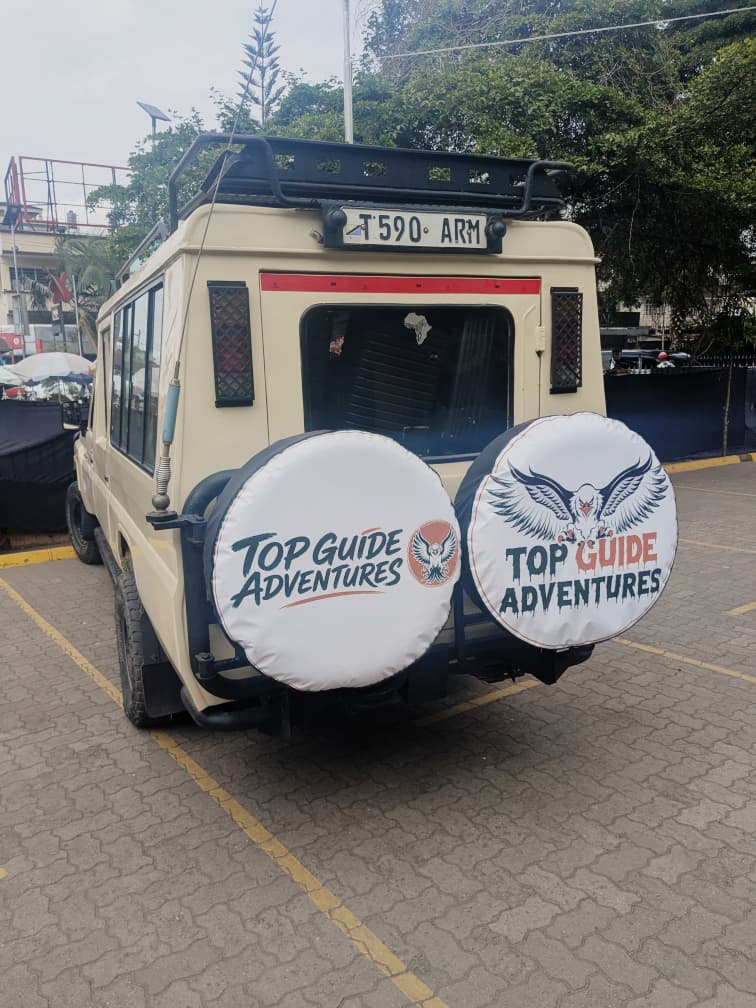
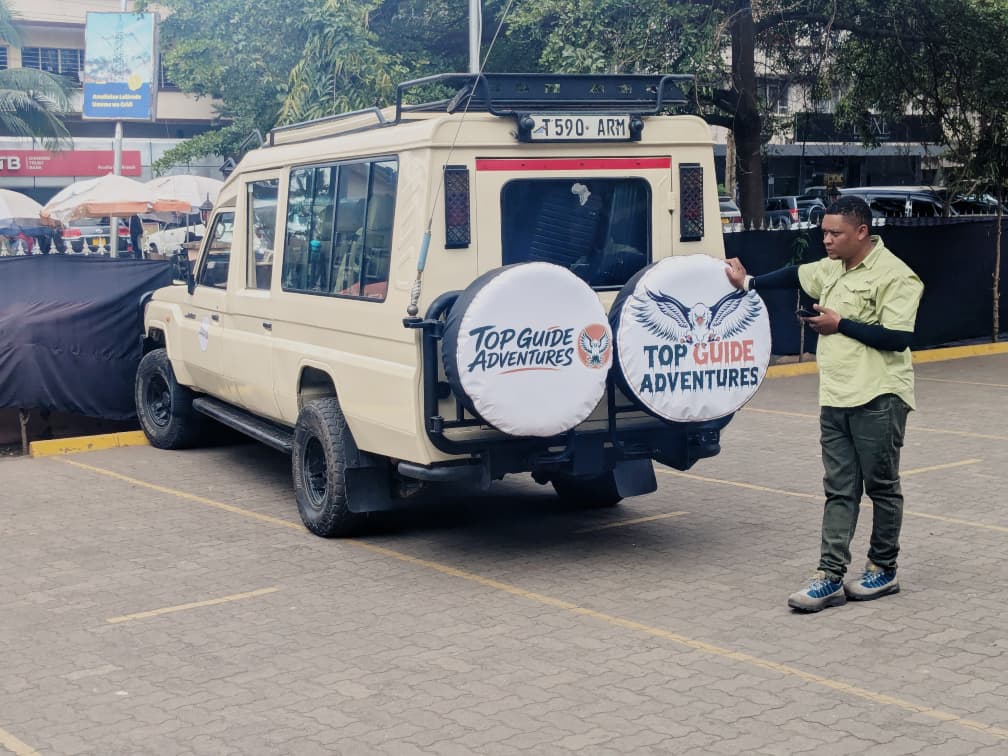
As Top Best Tanzania Tour operator, we pride ourselves on offering well-managed, safe, and ethical Kilimanjaro climb packages. We focus on longer routes for better acclimatization and ensure our crew is well-compensated and equipped. We believe this approach leads to a more rewarding and successful climb for our clients.
You can reach us for inquiries about our 2026-2027 Kilimanjaro climb package options via WhatsApp +255616946642 or email us at topguideadventures@gmail.com. Our backup email is info@topguideadventures.com.
Typical Itinerary: A 7-Day Machame Route Example
To give you a concrete idea of what a Kilimanjaro climb package entails, here is a sample itinerary for the popular 7-day Machame Route:
Day 1: Machame Gate to Machame Camp
Drive: Arrive at Machame Gate (1,800m). Complete park formalities.
Trek: Hike through the dense rainforest for 5-7 hours (approx. 11 km).
Camp: Machame Camp (3,050m).
Scenery: Lush montane forest.
Day 2: Machame Camp to Shira Camp
Trek: Ascend through moorland for 4-6 hours (approx. 5 km).
Camp: Shira Camp (3,850m).
Scenery: Moorland vegetation, rock formations, stunning views.
Day 3: Shira Camp to Barranco Camp
Trek: A day of significant altitude gain, passing through alpine desert for 5-7 hours (approx. 10 km). You’ll traverse the Shira Plateau and reach Lava Tower (4,600m) for lunch before descending to Barranco.
Camp: Barranco Camp (3,950m).
Acclimatization: Crucial day for acclimatization as you gain and lose significant altitude.
Day 4: Barranco Camp to Karanga Camp
Trek: Tackle the Barranco Wall (a steep climb) followed by a trek through alpine desert for 4-5 hours (approx. 8 km).
Camp: Karanga Camp (4,200m).
Scenery: Dramatic views of the Kibo massif.
Day 5: Karanga Camp to Barafu Camp
Trek: Continue ascending through alpine desert for 4-5 hours (approx. 6 km) to Barafu Camp, the base for your summit attempt. Rest and prepare for the night ascent.
Camp: Barafu Camp (4,650m).
Scenery: Stark alpine desert, views of Mawenzi peak.
Day 6: Summit Day! Barafu Camp to Uhuru Peak and Descent to Mweka Camp
Summit Push: Start trekking around midnight. Ascend steeply for 5-7 hours to Stella Point (5,756m) on the crater rim, then continue for another 1-2 hours to Uhuru Peak (5,895m).
Descent: Descend back to Barafu Camp for a short rest, then continue descending all the way to Mweka Camp (3,100m) for the night (total trek 10-15 hours).
Scenery: Sunrise from the summit, glaciers, crater views.
Day 7: Mweka Camp to Machame Gate and Departure
Trek: Descend through the forest for 3-4 hours (approx. 10 km) to Machame Gate.
Transfer: Meet your vehicle and transfer back to your hotel in Moshi or Arusha.
Celebration: Congratulations!
Booking Your Kilimanjaro Climb Package for 2026-2027
Securing your Kilimanjaro climb package well in advance is highly recommended, especially if you are planning for the peak seasons of 2026 and 2027. Popular operators and specific departure dates can fill up quickly.
When you are ready to book or want to discuss customized options, please reach out to us. We offer a range of Kilimanjaro climb packages designed for different preferences and budgets, all adhering to high safety and ethical standards. Whether you are looking for a private climb or wish to join one of our scheduled group departures for 2026 or 2027, we are here to assist you.
Contact us today to start planning your unforgettable journey to the Roof of Africa. You can reach us directly via WhatsApp +255616946642 or email us at topguideadventures@gmail.com. For alternative inquiries, our backup email is info@topguideadventures.com. Let Top Best Tanzania Tour operator help you make your Kilimanjaro dream a reality for 2026-2027!



