
Tanzania is globally renowned for its iconic safari destinations like the Serengeti and Ngorongoro Crater. However, for the traveler yearning for a more profound connection with the wild, a 14-Day Tanzania Remote National Parks Tour offers an unparalleled escape. This journey ventures into the lesser-visited, yet equally spectacular, protected areas of Tanzania, promising intimate wildlife encounters, breathtaking landscapes, and a true sense of discovery far from the typical tourist trails. Planning your 2026 or 2027 adventure with this focus means immersing yourself in pristine wilderness, where every sighting feels like a personal revelation.
This extensive itinerary is crafted for those who seek authenticity and a deeper understanding of Tanzania’s diverse ecosystems. We will guide you through a carefully curated route, highlighting the unique characteristics of each remote park. Forget crowded viewing points; imagine vast plains all to yourself, the thrill of spotting rare species, and the quiet majesty of untouched Africa. This is not just a safari; it’s an expedition into the heart of wild Tanzania.
Why Choose a Remote National Parks Tour?
The allure of Tanzania’s famous parks is undeniable. Yet, their popularity means that during peak seasons, especially in 2026 and 2027, you might share the experience with many others. A 14-Day Tanzania Remote National Parks Tour caters to a different kind of traveler: one who prioritizes solitude, raw nature, and the thrill of the unexplored. These parks, while perhaps less famous, are teeming with wildlife and offer unique ecological niches.
Opting for remote parks means:
- Exclusive Wildlife Viewing: Experience sightings without the constant presence of other vehicles, allowing for more natural animal behavior and exceptional photographic opportunities.
- Pristine Wilderness: Explore landscapes that remain largely untouched, offering a glimpse into what Africa looked like centuries ago.
- Diverse Ecosystems: Discover varied habitats, from dense woodlands and riverine forests to arid scrublands and vast, open plains, each supporting unique flora and fauna.
- Authentic Cultural Encounters: Often, these remote areas are closer to local communities, providing opportunities for respectful cultural exchanges.
- Peace and Tranquility: Reconnect with nature in its purest form, away from the hustle and bustle, enjoying the profound silence of the bush.
Understanding the Cost of a 14-Day Remote Tanzania Safari
The investment for a 14-Day Tanzania Remote National Parks Tour can vary significantly based on several factors. While the allure is strong, it’s crucial to understand what influences the pricing for your 2026 or 2027 safari. Generally, remote parks can sometimes incur higher logistical costs due to their inaccessibility, requiring longer travel times or more specialized transport. However, this is often balanced by fewer park entry fees compared to the most popular circuits, and potentially more affordable accommodation options if you choose simpler lodges or camps.
Key cost components include:
- Park Entrance Fees: These are levied per person per day and can be substantial, especially for parks like the Serengeti. Remote parks may have lower or different fee structures.
- Accommodation: Options range from basic tented camps and lodges to luxury tented suites. Remote locations might offer fewer choices, potentially driving up prices for higher-end options.
- Vehicle and Guide: A reliable 4×4 safari vehicle and an experienced, knowledgeable guide are essential. The duration of the tour (14 days) and the remoteness of the locations will factor into the vehicle hire and guide fees.
- Logistics and Transfers: Travel to and between remote parks can involve longer drives or internal flights, adding to the overall cost.
- Seasonality: Travel during the peak dry season (June-October) typically commands higher prices for both accommodation and sometimes flights, compared to the shoulder or green seasons. Planning for 2026 or 2027, consider these seasonal impacts.
A ballpark estimate for a mid-range 14-Day Tanzania Remote National Parks Tour, including park fees, accommodation, a private vehicle, and guide, typically ranges from $5,500 to $9,000+ per person, based on two sharing. Luxury options can exceed $10,000 per person. For the most accurate and personalized quote tailored to your 2026 or 2027 travel dates and preferences, we highly recommend contacting us directly. You can reach us via WhatsApp at +255616946642 or email us at topguideadventures@gmail.com.
Crafting Your 14-Day Remote Tanzania Itinerary: A Sample Journey
Designing a 14-day itinerary that truly showcases Tanzania’s remote wonders requires careful planning. This sample route focuses on parks that offer incredible wildlife viewing and unique experiences, while minimizing travel time between them. This is a suggestion, and we excel at customizing every detail to your interests for your 2026 or 2027 adventure.
Day 1-2: Arrival in Arusha & Preparation
Arrive at Kilimanjaro International Airport (JRO). You’ll be met by our representative and transferred to your comfortable lodge in Arusha. This allows you to rest, acclimatize, and attend a pre-safari briefing. We’ll go over your itinerary, answer any questions, and ensure you’re fully prepared for the adventure ahead. Day 2 is for last-minute preparations and perhaps a visit to the local market.
Day 3-4: Tarangire National Park – The Land of Giants
After breakfast, we drive to Tarangire National Park, famous for its large elephant herds and iconic baobab trees. Unlike the Serengeti’s vast plains, Tarangire offers a more intimate bush experience with its acacia woodlands and permanent water sources, especially crucial during the dry season. Look for lions lounging in trees and a stunning array of birdlife. Your 14-day remote tour begins with a bang!
Day 5-6: Lake Manyara National Park – Tree-Climbing Lions & Rift Valley Views
A short drive brings us to Lake Manyara, nestled at the foot of the Great Rift Valley escarpment. While smaller, it’s incredibly diverse. Famous for its tree-climbing lions (a rare sight!), large troops of baboons, and abundant birdlife, the park also features a stunning alkaline lake attracting flamingos. We’ll explore the groundwater forest and the rift valley viewpoints.
Day 7-8: Ruaha National Park – The Untamed Wilderness
This is where your remote safari truly deepens. We’ll take a scenic flight or start a longer drive to Ruaha National Park, Tanzania’s largest national park and one of Africa’s most significant wilderness areas. Ruaha is renowned for its large predator populations, including cheetahs, lions, leopards, and the endangered African wild dog. Its rugged landscapes, dramatic riverbeds, and vast baobab-studded plains offer an authentic, off-the-beaten-path experience. Expect thrilling game drives in this truly wild setting.
Day 9-10: Selous Game Reserve (Nyerere National Park) – Riverine Safari & Boat Safaris
We continue south to the Selous Game Reserve, now officially known as Nyerere National Park, another vast and wild area. This UNESCO World Heritage Site is characterized by its diverse landscapes, including miombo woodlands, open grasslands, and the mighty Rufiji River. Selous offers a unique blend of game drives and boat safaris along the Rufiji River, providing opportunities to see hippos, crocodiles, and a spectacular array of waterbirds. It’s also a crucial stronghold for elephants and wild dogs.
Day 11-12: Mikumi National Park – The ‘Little Serengeti’
Our journey takes us north towards Mikumi National Park, often called the ‘Little Serengeti’ due to its open plains that attract large herds of herbivores. Mikumi serves as a vital wildlife corridor connecting Selous and Ruaha. While more accessible than Ruaha or Selous, it still offers excellent game viewing with a high chance of spotting lions, zebras, wildebeest, giraffes, and elephants in a compact and easily explorable area. It provides a fantastic contrast to the deeper wilderness of the previous days.
Day 13: Arusha – Relaxation and Reflection
After our final morning game drive in Mikumi, we begin our journey back towards Arusha. This day allows for relaxation at your lodge, reflecting on the incredible wildlife encounters and vast landscapes you’ve experienced over the past 12 days. You might opt for a cultural visit or simply enjoy the amenities of your accommodation.
Day 14: Departure
Depending on your flight schedule, you may have some free time for last-minute souvenir shopping in Arusha. Afterward, you will be transferred to Kilimanjaro International Airport (JRO) for your departure, filled with unforgettable memories of your 14-Day Tanzania Remote National Parks Tour.
Exploring the Unique Ecosystems of Remote Tanzania
Tanzania’s conservation efforts have preserved a remarkable diversity of ecosystems, many of which are found in its less-visited parks. A 14-Day Tanzania Remote National Parks Tour allows you to witness this variety firsthand.
Ruaha National Park: A Realm of Predators and Rugged Beauty
Ruaha stands out for its sheer size and wildness. Its landscape is dominated by the Great Ruaha River, which forms a vital lifeline for wildlife, especially during the dry season. The park is characterized by rocky hills, acacia woodlands, and vast open plains dotted with ancient baobab trees. Ruaha is particularly famous for having one of the highest concentrations of elephants in East Africa and is a stronghold for predators, including a significant population of the endangered African wild dog. The thrill of tracking these animals in such an expansive, undeveloped environment is unparalleled.
Selous Game Reserve (Nyerere National Park): Waterways and Wide-Open Spaces
The Selous is a UNESCO World Heritage Site and one of Africa’s largest game reserves. Its defining feature is the Rufiji River system, a network of channels, lakes, and lagoons that creates a lush, water-rich environment. This makes it ideal for boat safaris, offering a unique perspective on wildlife. Hippos wallow in large numbers, crocodiles bask on the banks, and diverse birdlife thrives. Game drives here focus on the miombo woodlands and open plains, where you can encounter large herds of buffalo, elephants, and prides of lions that often adapt to hunting buffalo.
Katavi National Park: The Ultimate Wilderness Experience
For the truly adventurous, Katavi offers an experience of raw, untamed wilderness that is hard to match. It’s one of Tanzania’s most remote and least-visited parks, making it a prime destination for those seeking solitude and a genuine bush experience. Katavi is known for its vast floodplains that dry out during the dry season, concentrating enormous numbers of buffalo and elephants around the remaining water sources. This creates spectacular wildlife viewing opportunities, with large herds congregating in ways rarely seen elsewhere. Its isolation means you’ll likely have the park almost entirely to yourself, especially if planning for 2026 or 2027.
Mahale Mountains National Park: Chimpanzees and Lake Tanganyika
While not typically part of a conventional game-drive safari, Mahale offers a unique wildlife focus for a remote Tanzanian adventure. Situated on the shores of Lake Tanganyika, Africa’s second-deepest lake, this park is famous for its large population of wild chimpanzees. Trekking through the dense forests to find and observe these intelligent primates is a profound experience. The park also boasts beautiful beaches and opportunities for swimming and snorkeling in the crystal-clear lake.
Gombe Stream National Park: Jane Goodall’s Legacy
Another park focused on primates, Gombe Stream is world-renowned for the pioneering research of Dr. Jane Goodall. It is home to chimpanzees and offers incredible opportunities for chimpanzee tracking. The park’s steep valleys and dense forest provide a challenging yet rewarding trekking experience. Like Mahale, it’s a destination for those wanting a different kind of wildlife encounter, focusing on our closest relatives.
Wildlife Highlights Beyond the Usual Suspects
While the ‘Big Five’ (lion, leopard, elephant, rhino, buffalo) are present in many of these remote parks, the sheer abundance and the chance to see them in their natural, undisturbed habitat is what sets these tours apart. Beyond the iconic, prepare for:
- African Wild Dogs: Ruaha and Selous are vital strongholds for these endangered, highly social predators. Witnessing a hunt or a pack interacting is a rare privilege.
- Cheetahs and Leopards: While elusive, the vast open spaces of Ruaha and the varied terrain of Selous offer excellent chances for spotting these magnificent cats.
- Massive Elephant Herds: Tarangire and Ruaha are known for their substantial elephant populations, offering spectacular sightings, especially during the dry season.
- Unique Birdlife: Remote parks often boast incredible avian diversity. From the vibrant Rufous-tailed Weaver in Tarangire to the myriad waterbirds along the Rufiji River in Selous, birdwatchers will be enthralled.
- Primates: If including parks like Mahale or Gombe, the focus shifts to chimpanzee trekking, a truly awe-inspiring experience.
- Large Mammal Concentrations: In parks like Katavi, you’ll witness the incredible spectacle of thousands of buffalo and elephants gathering around shrinking waterholes.
Logistics of a 14-Day Remote Tanzania Safari
Traveling to remote national parks requires meticulous planning. Our team at Top Guide Adventures specializes in navigating these logistical challenges to ensure a smooth and enriching experience for your 14-Day Tanzania Remote National Parks Tour in 2026 or 2027.
Transportation:
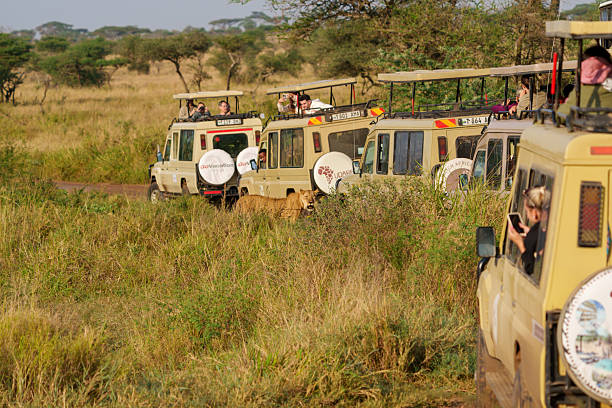
Given the distances involved, a combination of 4×4 safari vehicles and light aircraft flights is often the most efficient way to cover ground and maximize your time in remote areas. For within-park travel and accessible areas like Tarangire and Lake Manyara, a comfortable, custom-built 4×4 safari vehicle with a pop-up roof is standard. For parks like Ruaha and Selous, internal flights from Arusha or other hubs significantly reduce travel time and enhance comfort.
Accommodation:
Remote parks offer a range of lodging options, from rustic but comfortable tented camps that immerse you directly in the bush to more established lodges. We partner with carefully selected camps and lodges that prioritize location, comfort, service, and environmental sustainability. Expect properties that offer a genuine safari atmosphere, often with stunning views and excellent guiding staff.
Best Time to Travel for Remote Parks (2026-2027):
The best time for a 14-Day Tanzania Remote National Parks Tour largely depends on what you wish to see:
- Dry Season (June to October): This is generally considered the peak season. Wildlife congregates around water sources, making game viewing excellent, especially for predators. Skies are clear, and temperatures are pleasant. However, this is also the busiest and most expensive time.
- Green Season (November to May): This period offers lush landscapes, incredible birdlife (especially during migration season), and fewer crowds. It’s ideal for photographers seeking dramatic scenery and for budget-conscious travelers. Some parks might experience temporary closures or accessibility issues due to heavy rains, particularly between March and May.
For specific wildlife events, like the Great Migration (which primarily occurs in Serengeti/Masai Mara), remote parks offer a different, more consistent wildlife experience year-round, focusing on resident game and predator-prey dynamics.
Why Book Your Remote Safari with Top Guide Adventures?
Choosing the right tour operator is paramount for an exceptional safari experience, especially when venturing into remote territories. At Top Guide Adventures, we pride ourselves on our local expertise, dedication to responsible tourism, and commitment to creating personalized adventures.
Our Expertise in Remote Tanzania:
We have years of experience designing and executing safaris to Tanzania’s most secluded parks. Our guides are not just drivers; they are passionate naturalists with intimate knowledge of the wildlife, ecosystems, and local cultures. We understand the nuances of navigating these less-traveled paths, ensuring your safety, comfort, and the best possible wildlife encounters.
Customization for 2026-2027:
Your dream safari is unique. Whether you’re a keen photographer, a dedicated birder, or simply seeking unparalleled tranquility, we tailor every aspect of your 14-Day Tanzania Remote National Parks Tour. We can adjust the pace, focus on specific wildlife interests, and select accommodations that perfectly match your style and budget.
Responsible Tourism:
We are deeply committed to conservation and supporting local communities. We work with lodges and camps that share our values, ensuring that your safari contributes positively to the preservation of Tanzania’s natural heritage and the well-being of its people. This commitment is crucial for maintaining the pristine nature of the remote parks you’ll visit.
smooth Planning:
From the moment you inquire to your departure, our team handles all the details. We manage bookings, logistics, permits, and provide expert advice to ensure your journey is stress-free. For your 2026 or 2027 safari plans, let us handle the complexities so you can focus on the excitement of the adventure.
Ready to plan your ultimate 14-Day Tanzania Remote National Parks Tour? Contact us today to start crafting your bespoke adventure. Reach out via WhatsApp at +255616946642, email us at topguideadventures@gmail.com, or use our backup email info@topguideadventures.com. Let’s create memories that last a lifetime.
For inspiration on group departures and shared tours for 2026-2027, explore our offerings at Group Safaris. If Kilimanjaro is also on your mind, check out our Machame Route Kilimanjaro departures. For more insights into Tanzania’s wonders, visit our blog.



