
Imagine the thrill of witnessing a lion pride stalk through the Serengeti plains, the majesty of Mount Kilimanjaro piercing the dawn sky, or the vibrant spectacle of the Great Migration. Now, imagine capturing these indelible moments with unparalleled clarity and artistic flair. A Tanzania Private Photographer-Led Safari offers precisely this extraordinary opportunity, blending the raw adventure of East Africa with the refined eye of a professional photographer.
This isn’t just a safari; it’s a curated visual expedition designed for discerning travelers who want more than just sightings. It’s for those who wish to document their journey with stunning imagery, learn photographic techniques in a real-world, dynamic environment, and experience Tanzania’s wonders through a unique, artistic lens. Whether you’re an aspiring shutterbug or a seasoned photographer seeking to capture the perfect shot, a private photographer-led safari in 2026 or 2027 promises an experience that goes far beyond the ordinary.
At Top Best Tanzania Tour operator, we understand the desire for personalized, high-quality travel experiences. Our Private Photographer-Led Safaris are meticulously crafted to provide you with exclusive access, expert guidance, and the best possible conditions for capturing the magic of Tanzania. We combine our deep knowledge of the terrain, wildlife, and optimal viewing times with the photographic expertise of professionals who know how to maximize light, composition, and storytelling through images.
Why Choose a Photographer-Led Safari in Tanzania?
Tanzania is a photographer’s paradise, boasting some of the most iconic landscapes and diverse wildlife on Earth. From the endless savannas of the Serengeti and the unique ecosystem of the Ngorongoro Crater to the vast wilderness of the Selous Game Reserve and the stunning beaches of Zanzibar, every corner offers a new visual narrative.
A standard safari is an incredible experience, but a photographer-led safari elevates it by focusing on:
- Optimal Timing and Positioning: Your photographer guide will understand the best times of day for lighting (golden hours!), the most strategic locations for wildlife encounters, and how to position your vehicle for unobstructed shots.
- Technical Guidance: Learn about camera settings, lens choices, composition techniques, and how to adapt to changing light and environmental conditions. Your guide can offer real-time advice tailored to your equipment and skill level.
- Wildlife Behavior Insights: Beyond simply spotting animals, your guide will share insights into animal behavior, helping you anticipate actions and capture unique moments – a leopard on the hunt, a cheetah cub playing, or a dramatic river crossing during the Great Migration.
- Storytelling Through Images: A photographer’s eye sees beyond the single shot. They can help you build a visual narrative of your journey, capturing not just wildlife but also the vast landscapes, the local cultures, and the intimate details that make a trip truly memorable.
- Exclusive Access and Customization: As this is a private safari, the itinerary is flexible. Your guide can linger longer in areas of particular photographic interest, adjust the schedule to chase specific light or animal activity, and ensure you have the best vantage points.
For travelers planning their Tanzania Private Photographer-Led Safari in 2026 or 2027, this approach ensures you return not just with memories, but with a portfolio of images that truly do justice to the breathtaking beauty of Tanzania.
What to Expect from Your Tanzania Private Photographer-Led Safari
A photographer-led safari is tailored to maximize your photographic opportunities while ensuring a comfortable and immersive travel experience. Here’s a breakdown of what you can anticipate:
The Itinerary: Flexibility and Focus
Unlike group tours with fixed schedules, a private photographer-led safari is inherently flexible. Your guide, often a skilled photographer themselves or working in close concert with one, will design an itinerary that prioritizes photographic potential. This means:
- Early Morning and Late Afternoon Game Drives: These are the ‘golden hours’ for photography, offering soft, directional light that enhances wildlife and landscapes. Your schedule will be built around maximizing these times.
- Extended Stays at Key Locations: If a particular area is rich in wildlife or offers spectacular vistas, your guide will be happy to spend more time there, allowing you to patiently wait for the perfect shot.
- Strategic Wildlife Tracking: Guides will use their extensive knowledge of animal movements and habitats to position you for the best possible photographic opportunities, often anticipating where animals might be found.
- Customizable Routes: While classic routes like the Northern Circuit (Serengeti, Ngorongoro, Tarangire) are popular, your photographer guide can help tailor the route to specific interests, whether it’s bird photography in Arusha National Park or capturing the vastness of Ruaha.
The Vehicle: Designed for Photography
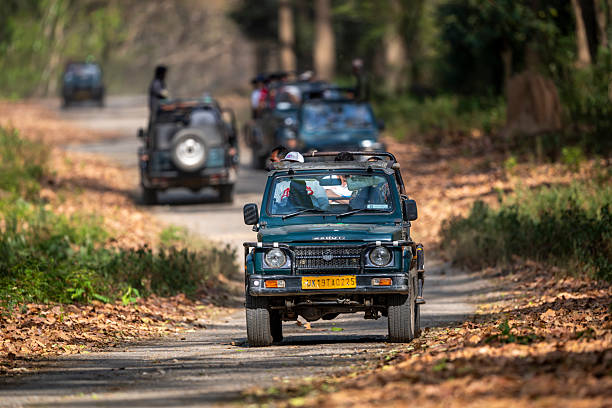
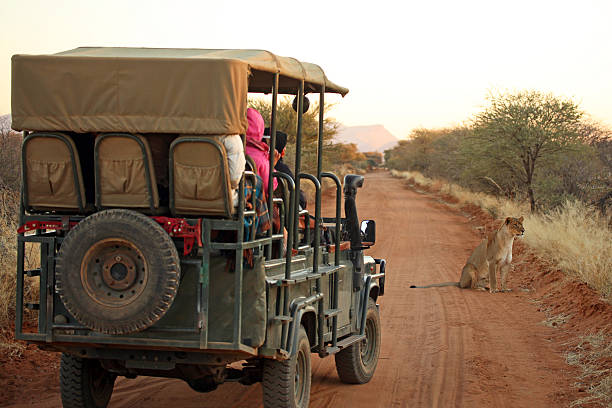
The safari vehicle itself is crucial for photographers. Expect:
- Pop-up Roofs: Essential for 360-degree views and unobstructed shooting angles.
- Comfortable Seating: Ample space to maneuver your gear and yourself for the best shot.
- Power Outlets: Many specialized safari vehicles are equipped with power outlets to keep your camera batteries charged throughout the day.
- Beanbags: Provided for stabilizing telephoto lenses, crucial for sharp shots of distant wildlife.
The Guide: More Than Just a Driver
Your guide is the cornerstone of your photographic safari. They are typically:
- Expert Wildlife Spotters: With an uncanny ability to find animals, even those well-camouflaged.
- Seasoned Safari Drivers: Skilled in navigating challenging terrain and positioning the vehicle safely and effectively.
- Knowledgeable About Photography: They understand light, composition, and how to help you get the shot. Some may be professional photographers themselves, offering direct technical advice.
- Passionate Storytellers: They share deep insights into the flora, fauna, and culture of Tanzania, enriching your visual narrative.
The Experience: Learning and Creating
This is an immersive learning experience. You’ll be encouraged to:
- Experiment with Settings: Your guide can help you navigate your camera’s manual settings for aperture, shutter speed, and ISO to achieve desired effects.
- Understand Composition: Learn about the rule of thirds, leading lines, framing, and how to use the environment to enhance your subject.
- Capture Action and Emotion: Patience and timing are key. Your guide will help you anticipate moments, from a lion’s yawn to a bird in flight.
- Document the Journey: Beyond wildlife, capture the essence of Tanzania – the landscapes, the sunsets, the people you meet, and the details of camp life.
For those planning their Tanzania Private Photographer-Led Safari in 2026 or 2027, understanding these elements will help you prepare for an unforgettable and visually rewarding adventure.
Choosing Your Photographic Safari Destination in Tanzania
Tanzania offers a diverse range of ecosystems, each presenting unique photographic opportunities. Your choice of destination will significantly impact the subjects and scenery you capture. Here are some top locations for a photographer-led safari:
The Serengeti National Park: The Land of Endless Plains
The Serengeti is arguably the most famous safari destination in the world, and for good reason. Its vast, open grasslands are ideal for spotting large predators and herds. It’s the heart of the Great Migration, offering unparalleled opportunities to photograph millions of wildebeest, zebras, and gazelles.
- Key Subjects: Lions, cheetahs, leopards, elephants, giraffes, vast herds of wildebeest and zebras, hyenas, various plains game.
- Photographic Highlights: The Great Migration (river crossings are legendary, though seasonal and unpredictable), predator-prey interactions, dramatic sunrise and sunset shots over the savanna, large cat photography, birdlife.
- Best Time for Photographers: While year-round, the migration season (roughly June to October) is spectacular for dramatic action. The calving season (January-February) in the southern Serengeti offers incredible predator action. The drier months (June-October) concentrate wildlife around water sources.
Ngorongoro Conservation Area: The Eighth Wonder
A UNESCO World Heritage Site, the Ngorongoro Crater is a collapsed volcano caldera teeming with wildlife. Its relatively small size and high density of animals make it exceptionally rewarding for photographers, offering incredible opportunities for close-up shots and diverse species within a single frame.
- Key Subjects: The ‘Big Five’ (lion, leopard, elephant, rhino, buffalo) are all resident here, along with hippos, flamingos, numerous bird species, and various antelopes. The rare black rhino is a major draw.
- Photographic Highlights: Dramatic crater rim views, high concentration of wildlife, excellent chances for rhino sightings, diverse habitats within the crater floor, bird photography.
- Best Time for Photographers: Year-round. The crater floor is lush and green, and wildlife is abundant throughout the year.
Tarangire National Park: The Land of Giants
Known for its massive baobab trees and large elephant herds, Tarangire offers a different aesthetic from the Serengeti. The park’s landscape is more varied, with swamps, acacia woodlands, and granite outcrops, providing excellent photographic backdrops.
- Key Subjects: Huge elephant herds (especially in the dry season), baobab trees, lions (often found in trees), leopards, diverse birdlife, giraffes, zebras.
- Photographic Highlights: Iconic baobab tree landscapes, intimate elephant encounters, tree-climbing lions, dramatic dry-season scenes, vibrant birdlife.
- Best Time for Photographers: July to October, when the Tarangire River is the primary water source, attracting large numbers of elephants and other animals. The green season (November to March) is excellent for bird photography.
Other Notable Destinations
- Lake Manyara National Park: Famous for its tree-climbing lions and large flamingo populations. Excellent for bird photography and smaller, intimate wildlife encounters.
- Selous Game Reserve (Nyerere National Park): One of Africa’s largest reserves, offering boat safaris, walking safaris, and vast, wild landscapes. Great for elephants, hippos, wild dogs, and dramatic river scenes.
- Ruaha National Park: Tanzania’s largest park, known for its rugged landscapes, large lion and wild dog populations, and fewer crowds. Offers a more remote and wild photographic experience.
When planning your Tanzania Private Photographer-Led Safari for 2026 or 2027, consider which of these environments best aligns with your photographic interests. A custom itinerary can often combine multiple parks to offer a rich and varied portfolio.
Essential Photography Gear for Your Tanzania Safari
To make the most of your photographer-led safari, having the right gear is essential. Your photographer guide can offer advice on specific equipment, but here’s a general checklist:
Cameras and Lenses
- Primary Camera Body: A DSLR or mirrorless camera with manual controls is recommended. Consider bringing a backup body if possible.
- Telephoto Zoom Lens: A 100-400mm, 150-600mm, or similar is crucial for capturing wildlife at a distance. A faster lens (e.g., f/2.8 or f/4) is beneficial for low light.
- Mid-Range Zoom Lens: A 24-70mm or 24-105mm is versatile for landscapes, wider shots, and when animals are closer.
- Wide-Angle Lens (Optional): For dramatic landscapes and astrophotography (if your itinerary includes clear night skies).
- Prime Lens (Optional): A fast prime lens (e.g., 50mm f/1.8) can be useful for portraits or low-light situations.
Accessories
- Plenty of Memory Cards: You’ll be taking a lot of photos! Bring more than you think you’ll need.
- Spare Batteries: Essential, as charging opportunities can be limited. Consider a multi-battery charger.
- Tripod or Monopod (Optional): While often cumbersome in a safari vehicle, a lightweight travel tripod or a monopod can be useful for stability, especially with long lenses.
- Beanbags: Your tour operator should provide these, but confirm. They are vital for steadying lenses on the vehicle.
- Lens Cleaning Kit: Microfiber cloths, lens cleaning solution, and a blower brush are essential for keeping dust and grime off your lenses.
- Camera Bag/Backpack: A comfortable and secure bag to carry your gear. Padded dividers are a must.
- Power Bank/Portable Charger: To keep your camera batteries and other devices charged on the go.
- Rain Cover for Camera: For unexpected showers, especially during the green season.
Other Useful Items
- Binoculars: Essential for spotting wildlife and enjoying the view when not actively photographing.
- Headlamp/Torch: Useful for navigating camps at night and potentially for astrophotography.
- Laptop/Tablet with External Hard Drive: For backing up your photos daily.
Important Note for 2026-2027 Travelers: Research the specific charging facilities available in your accommodations. Many lodges have power, but it might be limited or only available in common areas. Ensure your batteries are fully charged each morning.
Tips for Maximizing Your Photographic Safari Experience
Beyond gear and destinations, your approach and mindset are key to a successful photographer-led safari. Here are some tips:
- Listen to Your Guide: They have invaluable knowledge about wildlife behavior, optimal shooting positions, and timing. Trust their expertise.
- Be Patient: Wildlife photography often requires waiting for the perfect moment. Don’t get discouraged if animals aren’t immediately active.
- Shoot in RAW: If your camera allows, shooting in RAW format provides maximum flexibility for post-processing and bringing out the best details in your images.
- Master Your Camera’s Settings: Familiarize yourself with manual controls before you go. Your photographer guide can help refine your technique, but a basic understanding is crucial.
- Think About Composition: Look for leading lines, framing opportunities, and interesting backgrounds. Don’t just center your subject. Consider the story you want to tell with each image.
- Capture the Details: Don’t just focus on the ‘Big Five’. Photograph insects, birds, plants, textures, and the vast landscapes. These elements add depth to your visual narrative.
- Respect Wildlife: Always maintain a safe distance and never disturb the animals. Your guide will ensure this.
- Manage Your Expectations: While a photographer-led safari aims to maximize opportunities, wildlife is unpredictable. Some days will be more action-packed than others. Enjoy the entire experience.
- Post-Processing: Plan to spend some time editing your photos. Software like Adobe Lightroom or similar can help you enhance colors, contrast, and sharpness, bringing your images to life.
- Stay Hydrated and Protected: The African sun is intense. Drink plenty of water, wear a hat, and use sunscreen, even when you’re focused on your camera.
For those booking their Tanzania Private Photographer-Led Safari in 2026 or 2027, these tips will help you return with a portfolio you’ll cherish for a lifetime.
The Cost of a Tanzania Private Photographer-Led Safari
A Tanzania Private Photographer-Led Safari is a premium experience, and its cost reflects the exclusive nature, specialized guiding, and enhanced services involved. While a standard private safari offers a high level of customization, adding a professional photographer guide significantly impacts the overall price.
Factors influencing the cost include:
- Duration of Safari: Longer trips naturally cost more.
- Number of Travelers: While private, the cost is often quoted per person based on a minimum number of participants (e.g., 2-4 people). A solo traveler will incur a higher per-person rate.
- Level of Accommodation: Luxury lodges, tented camps, and mobile camps all have different price points.
- Parks and Concessions Fees: Daily park entry fees vary significantly between national parks and special conservation areas.
- Inclusion of a Professional Photographer Guide: This is the primary cost driver. A professional photographer’s fee is substantial, covering their expertise, time, and often their own travel and accommodation expenses.
- Vehicle Type: Specialized 4×4 safari vehicles are standard.
- Time of Year: High season (peak migration, Christmas/New Year) will be more expensive than the low or shoulder seasons.
General Price Range for 2026-2027:
For a typical 7-10 day Tanzania Private Photographer-Led Safari, you can expect prices to range from approximately $800 to $2,500+ per person per day. This is a broad estimate, and the final cost will depend heavily on the specific inclusions and luxury level.
What is typically included:
- Professional photographer guide fees.
- Private 4×4 safari vehicle with pop-up roof.
- Experienced driver-guide (often the photographer themselves or working in tandem).
- All park and conservation fees.
- Accommodation (lodges or tented camps).
- All meals and standard drinks (water, sometimes house wine/beer).
- Airport transfers.
- Bottled water in the vehicle.
- Beanbags for photography.
What is typically excluded:
- International flights.
- Visa fees.
- Travel insurance.
- Gratuities for guides and camp staff.
- Premium drinks and personal expenses.
- Optional activities (e.g., hot air balloon safaris, cultural visits).
- Camera gear rental.
Getting a Quote:
To get an accurate quote for your Tanzania Private Photographer-Led Safari in 2026 or 2027, it’s best to contact a specialized tour operator like Top Best Tanzania Tour operator. Provide details about your desired dates, duration, number of travelers, preferred parks, and accommodation style. We can then craft a personalized itinerary and provide a detailed breakdown of the costs.
Planning Tip: Booking your photographer-led safari well in advance, especially for 2026 and 2027, is highly recommended. This secures the availability of top photographer guides and preferred accommodations, particularly during peak seasons.
Customizing Your Photographer-Led Safari
The beauty of a private photographer-led safari lies in its adaptability. We work closely with you to design an itinerary that perfectly matches your photographic aspirations, fitness levels, and desired pace.
Tailoring to Your Photographic Interests
Are you passionate about big cats? Do you dream of capturing the drama of the Great Migration? Perhaps you’re focused on birdlife or the unique landscapes of Tanzania? We can customize your safari to:
- Focus on Specific Wildlife: Spend more time in areas known for lions, elephants, or rare species like the black rhino.
- Prioritize Landscapes: Include destinations with dramatic scenery like the Ngorongoro Crater rim or the baobab-filled plains of Tarangire.
- Target Specific Events: Plan your trip around the calving season in the Serengeti (Jan-Feb) or the river crossings (July-Oct) for prime migration action.
- Incorporate Different Safari Styles: Combine game drives with walking safaris (in designated areas) or boat safaris for varied perspectives and photographic opportunities.
Beyond the Lens: Adding Cultural Experiences
While photography is the focus, your safari can also include meaningful cultural interactions. We can arrange visits to:
- Maasai Villages: Learn about the traditional lifestyle and customs of the Maasai people, with opportunities for respectful photography.
- Local Markets: Capture the vibrant colors and daily life of Tanzanian communities.
- Local Schools or Craft Centers: Gain insight into contemporary Tanzanian life.
Accommodation Options
We partner with a range of high-quality accommodations, from luxurious lodges offering stunning views to intimate tented camps that immerse you in the wilderness. We can select properties that:
- Offer excellent locations for early morning or late evening photography.
- Provide comfortable amenities and excellent service after a day of shooting.
- Are situated in prime wildlife areas.
Pace and Comfort
Your photographer-led safari can be as fast-paced or as relaxed as you prefer. We can build in downtime for reviewing photos, editing, or simply enjoying the sounds of the African bush. The private nature ensures you’re not rushed and have ample time to capture the shots you desire.
Booking for 2026-2027:
Starting the planning process for your Tanzania Private Photographer-Led Safari now for 2026 or 2027 allows us to fully customize every aspect. Contact us to discuss your vision, and let us help you craft an unparalleled photographic journey.
Why Top Best Tanzania Tour Operator for Your Photographer-Led Safari
Choosing the right tour operator is crucial for a successful photographer-led safari. At Top Best Tanzania Tour operator, we pride ourselves on offering exceptional service, deep local knowledge, and a genuine passion for creating unforgettable travel experiences.
What sets us apart:
- Expert Photographer Guides: We partner with highly skilled photographers who are also experienced safari guides. They understand wildlife, the terrain, and the art of capturing stunning images.
- Customized Itineraries: We don’t offer one-size-fits-all packages. Your safari is built around your specific photographic interests, budget, and travel style.
- Uncompromising Quality: From the vehicles we use to the lodges we select, we maintain high standards to ensure your comfort and enhance your photographic opportunities.
- Local Expertise: As a Tanzania-based company, we have intimate knowledge of the parks, wildlife behavior, and the best times and places to photograph.
- Dedicated Support: Our team is available to assist you every step of the way, from initial planning to your departure.
We are committed to helping you capture the magic of Tanzania. Whether you’re planning for 2026 or 2027, let us help you create a photographic safari that exceeds your expectations.
Ready to Capture Tanzania’s Wonders?
Your dream Tanzania Private Photographer-Led Safari awaits. Let our experts craft an itinerary that ensures you capture the most breathtaking moments of your 2026 or 2027 adventure. Contact us today to start planning!
WhatsApp: +255616946642
Email: topguideadventures@gmail.com
Backup Email: info@topguideadventures.com
Visit our website for more inspiration: www.topguideadventures.com



