
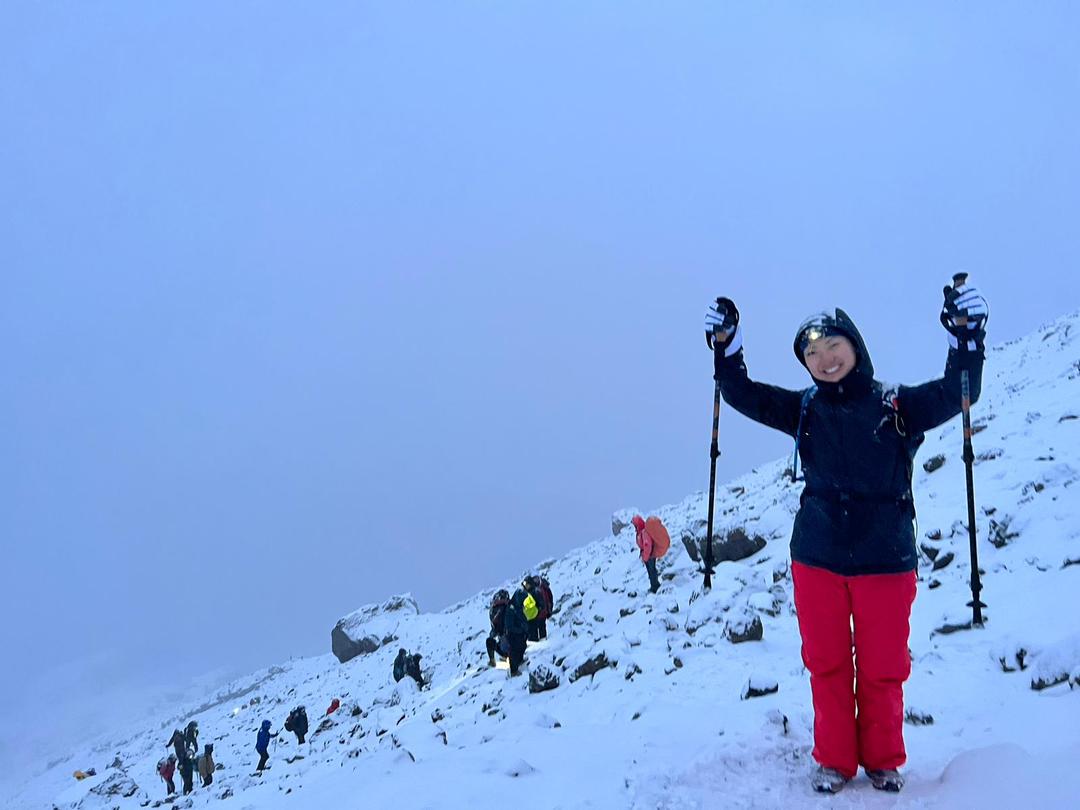
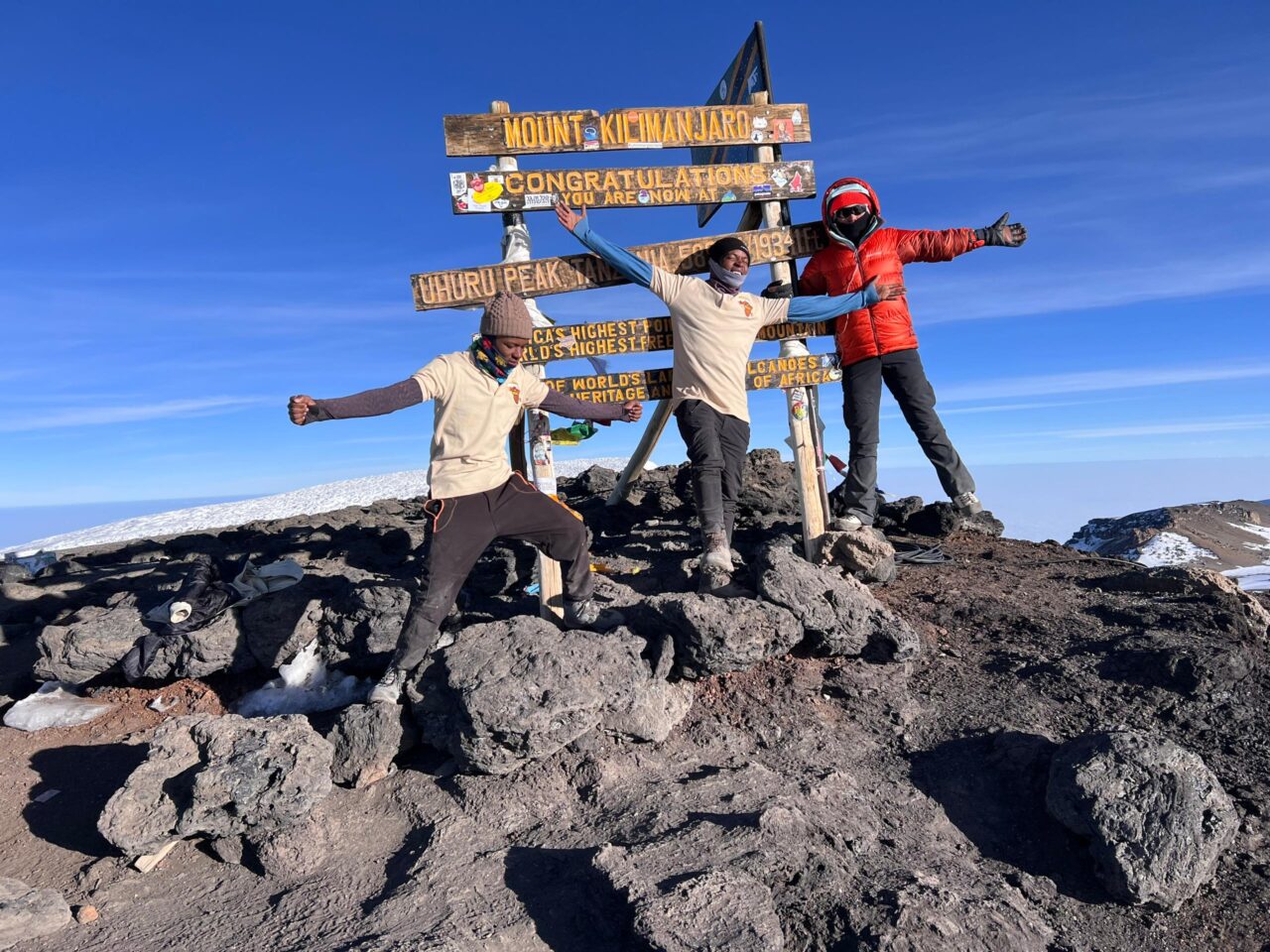
The 6-day Marangu Route offers a respectable success rate for climbing Kilimanjaro, generally ranging between 60% and 80% for trekkers who complete the entire climb to Uhuru Peak. This success is significantly influenced by factors such as proper acclimatization, physical fitness, mental preparedness, and the support of a reputable tour operator. While it’s not the highest success rate among Kilimanjaro routes due to its shorter duration, it remains a popular choice for its unique “huts” accommodation and gradual ascent profile, making it accessible for many aspiring climbers planning their adventure for 2026 or 2027.
Understanding the 6-Day Marangu Route Success Rate
The question of success rate is paramount for anyone considering a Kilimanjaro climb. It’s not just a statistic; it’s a reflection of the feasibility, challenges, and preparedness required for this incredible undertaking. For the 6-day Marangu Route, often referred to as the “Coca-Cola Route” or “Tourist Route,” the success rate is a nuanced topic. While official figures can vary, experienced operators consistently report that climbers who follow recommended guidelines and choose a well-managed tour have a high probability of reaching Uhuru Peak.
It’s crucial to understand that “success” typically means reaching the summit and returning safely. The 6-day itinerary, while popular for its perceived simplicity and comfortable accommodation in huts, is also the shortest option on Marangu. This brevity can present challenges for acclimatization, which is the single most critical factor in summit success. Therefore, while many people attempt the 6-day climb, a segment may not reach the summit due to altitude sickness or exhaustion.
For those planning their trek in 2026 or 2027, understanding these nuances is key to setting realistic expectations and maximizing your chances of a successful summit bid. A success rate of 60-80% for the 6-day Marangu is a strong indicator that with the right approach, this goal is very achievable.
Factors Influencing Summit Success on Marangu
Several elements contribute to whether a trekker reaches Uhuru Peak. Recognizing these factors allows you to proactively address them:
- Acclimatization: This is non-negotiable. The Marangu route’s 6-day itinerary offers less time for the body to adapt to increasing altitude compared to longer routes. This means slow ascent, hydration, and careful monitoring are even more vital.
- Physical Fitness: While Kilimanjaro is not technically difficult, it demands significant stamina. Good cardiovascular health and leg strength are essential. Regular hiking, running, or cycling in the months leading up to your climb makes a substantial difference.
- Mental Fortitude: Kilimanjaro is as much a mental challenge as a physical one. The ability to push through discomfort, stay positive, and follow your guide’s instructions is crucial, especially during the summit night.
- Age and Health: While age is not a strict barrier, pre-existing medical conditions, especially cardiovascular or respiratory issues, must be discussed with your doctor. Generally, healthy individuals of any age can attempt the climb.
- Tour Operator Quality: The expertise, equipment, and support provided by your tour operator are paramount. A good operator ensures proper guide-to-client ratios, adequate food, safe camping/hut practices, and experienced guides trained in first aid and altitude sickness management.
- Weather: While unpredictable, weather conditions can impact the climb. Clear skies and moderate temperatures are ideal, whereas heavy rain, snow, or strong winds can make the trek more arduous and potentially dangerous.
- Nutrition and Hydration: Consuming enough calories and fluids is vital for energy and acclimatization. Your body needs fuel to cope with the demands of the climb and the altitude.
Why Choose the 6-Day Marangu Route?
Despite the success rate considerations, the 6-day Marangu Route remains a top choice for many trekkers. Its appeal lies in a unique combination of factors:
Comfortable Accommodation: The Huts of Marangu
One of the most distinguishing features of the Marangu Route is that it’s the only route offering accommodation in mountain huts rather than tents. These huts provide a welcome level of comfort, offering beds, basic furnishings, and a communal space. For many climbers, especially those less accustomed to camping, this provides a significant psychological and physical advantage. It means a dry place to sleep, protection from the elements, and a generally warmer environment than a tent. This can lead to better rest, which is crucial for recovery and energy levels each day.
Gradual Ascent Profile (Relatively)
While shorter than other Marangu options, the 6-day itinerary still allows for a somewhat gradual ascent. The route winds its way up the southern and eastern slopes of Kilimanjaro, passing through diverse ecological zones. The initial days involve walking through lush rainforest, gradually transitioning to moorland, heath, and then alpine desert. This progression, combined with the hut accommodation, can make the initial stages of the trek feel more manageable.
Scenery and Ecological Zones
The Marangu Route is celebrated for traversing multiple distinct ecological zones. You’ll experience the dense rainforest, where colobus monkeys and various bird species are common, followed by the open moorland dotted with giant heathers and senecios. Higher up, you enter the alpine desert, a stark yet beautiful landscape, before reaching the arctic zone near the summit. This variety in scenery offers a rich and diverse trekking experience.
Simpler Logistics
Because you’re staying in huts, the logistical demands on the trekking team are somewhat reduced compared to tent-based routes. There’s no need to set up and dismantle camp each day, which can translate to a slightly more streamlined operation. This simplicity can also be appealing to trekkers who prefer a less rugged, more straightforward trekking experience.
Good for Groups and Families
The comfort of the huts and the relatively well-trodden path make the 6-day Marangu Route a good option for groups, families, and those who might be a little apprehensive about a full camping experience. It provides a solid introduction to high-altitude trekking.
Comparing 6-Day Marangu to Other Kilimanjaro Routes
To truly appreciate the 6-day Marangu Route’s success rate and suitability, it’s helpful to compare it with other popular routes. Each route offers a different experience, acclimatization profile, and consequently, a different success rate.
Marangu Route: 7-Day Option
The 7-day Marangu Route is essentially the same path as the 6-day but includes an extra day for acclimatization, typically at Horombo Huts. This additional day significantly boosts the success rate. By allowing the body more time to adapt to the altitude, trekkers are generally better prepared for the challenges of the upper mountain and summit night. If success is the absolute priority and you’re not constrained by time, the 7-day Marangu is often recommended over the 6-day. Many operators, like Top Guide Adventures, offer both options for 2026 and 2027 climbs.
Machame Route (6-7 Days)
The Machame Route is arguably the most popular route on Kilimanjaro and is known for its excellent acclimatization profile, often referred to as “climb high, sleep low.” It’s a camping route with a higher success rate than the 6-day Marangu, typically in the 80-90% range for its 7-day itinerary. The 6-day Machame is also offered, but the 7-day version is strongly advised for better acclimatization and success. Machame is visually stunning and offers varied landscapes. For those prioritizing a higher chance of summiting and a more immersive wilderness experience, Machame is a strong contender. You can find departure dates for Machame on Top Best Tanzania Tour Operator’s website.
Lemosho Route (7-8 Days)
Lemosho is another highly recommended route for its exceptional acclimatization and stunning scenery. It’s a longer route, usually taking 7 or 8 days, which allows for excellent adaptation to altitude. Its success rates are among the highest, often exceeding 90% for the 8-day itinerary. Lemosho starts on the western side of Kilimanjaro and offers a more remote and wild trekking experience before joining the Machame route. It’s ideal for those who want the best possible chance of summiting and appreciate a less crowded path.
Rongai Route (6-7 Days)
Rongai is the only route approaching Kilimanjaro from the north. It’s a good alternative to Marangu, especially during the rainy season, as the northern side receives less rainfall. It’s also a less crowded route. The 7-day Rongai offers good acclimatization and a solid success rate, comparable to Machame. The 6-day Rongai is an option but, like Marangu, is less ideal for acclimatization than its longer counterpart.
Northern Circuit and Shira Routes (9+ Days)
These are the longest routes on Kilimanjaro, offering the most gradual ascent and therefore the highest success rates, often nearing 99% for the Northern Circuit. They are ideal for those who want to maximize their acclimatization, enjoy a more leisurely pace, and experience the mountain’s beauty in depth. They are also more expensive due to the longer duration.
Key Takeaway for 2026-2027 Trekkers:
While the 6-day Marangu Route has a good success rate, longer routes like the 7-day Marangu, Machame, Lemosho, or Rongai offer superior acclimatization and thus higher probabilities of reaching Uhuru Peak. If summit success is your primary goal, consider extending your trek by at least one day. If comfort and a unique hut experience are high priorities, and you are well-prepared physically and mentally, the 6-day Marangu can still be a rewarding choice.
Preparing for Your 6-Day Marangu Trek
Success on Kilimanjaro, especially on a shorter route like the 6-day Marangu, hinges on thorough preparation. This isn’t a trek to be underestimated. Here’s how to get ready for your 2026 or 2027 adventure:
Physical Training: Building Your Foundation
Your training should focus on cardiovascular endurance and leg strength. Aim to:
- Cardiovascular Exercise: Engage in activities like running, cycling, swimming, or brisk walking for at least 3-4 times a week, for 30-60 minutes each session.
- Hiking with a Pack: This is the most relevant training. Find hills or stairs and hike with a weighted backpack (5-10 kg) for several hours. This simulates the actual trekking experience and prepares your body for carrying weight at altitude. Aim for at least one long hike (4-6 hours) per week in the 2-3 months leading up to your climb.
- Strength Training: Focus on leg muscles (squats, lunges) and core strength. Strong legs help with ascents and descents, while a strong core aids balance and stability.
- Flexibility: Incorporate stretching to prevent injuries and improve mobility.
Mental Preparation: The Psychological Edge
Kilimanjaro is as much a mental battle as a physical one. Altitude sickness can cause discomfort, fatigue, and even hallucinations in severe cases. Your mindset is crucial:
- Set Realistic Expectations: Understand that you will experience discomfort. Altitude sickness is a real possibility, and summit night is notoriously challenging.
- Develop Resilience: Practice pushing yourself during training hikes. Learn to manage fatigue and discomfort.
- Visualize Success: Imagine yourself reaching the summit. Positive visualization can boost confidence and motivation.
- Trust Your Guides: Your guides are experienced professionals. Listen to their advice, follow their pace, and communicate any symptoms you experience immediately.
Gear and Equipment: Essential for Comfort and Safety
Having the right gear is critical for comfort and safety, especially on the Marangu route with its hut accommodations. While you won’t need a tent, you’ll still need robust trekking attire.
Key items include:
- Layering System: Base layers (moisture-wicking), mid-layers (fleece or down jacket), and an outer shell (waterproof and windproof jacket and pants).
- Footwear: Broken-in, waterproof hiking boots are essential. Bring comfortable camp shoes or sandals for the huts.
- Sleeping Bag: A 4-season sleeping bag is recommended, as nights can be very cold, even in the huts.
- Headlamp: Crucial for summit night and navigating the huts in the dark.
- Sun Protection: High SPF sunscreen, sunglasses, and a wide-brimmed hat.
- Water Bottles/Hydration System: At least 3 liters capacity.
- Trekking Poles: Highly recommended for stability and reducing strain on knees.
- Personal First-Aid Kit: Include blister treatment, pain relievers, and any personal medications.
A detailed packing list is usually provided by your tour operator. Ensure you pack everything required for your 2026 or 2027 climb.
Health and Medical Considerations
Consult your doctor well in advance of your trip. Discuss:
- Altitude Sickness Medication: Diamox (acetazolamide) is often prescribed to help with acclimatization. Discuss its use and potential side effects with your doctor.
- Vaccinations: Ensure you are up-to-date on routine vaccinations and check for any recommended travel vaccines for Tanzania.
- Travel Insurance: Comprehensive travel insurance that covers high-altitude trekking and emergency medical evacuation is absolutely essential.
Understanding Altitude Sickness on Kilimanjaro
Altitude sickness (Acute Mountain Sickness – AMS) is the primary reason trekkers fail to reach the summit. It occurs when the body cannot adjust quickly enough to the lower oxygen levels at higher elevations. The 6-day Marangu route’s faster ascent profile makes it more susceptible for some individuals.
Symptoms of AMS: Know the Signs
Common symptoms include:
- Headache
- Nausea and vomiting
- Dizziness and lightheadedness
- Fatigue and weakness
- Loss of appetite
- Difficulty sleeping
More severe forms include High Altitude Cerebral Edema (HACE), where fluid builds up in the brain, and High Altitude Pulmonary Edema (HAPE), where fluid accumulates in the lungs. These are life-threatening emergencies.
Prevention and Management on the 6-Day Marangu
- Ascend Slowly: This is the most effective prevention. The 6-day Marangu is inherently faster, so other measures become more critical.
- Hydrate: Drink at least 3-4 liters of water per day.
- Avoid Alcohol and Smoking: These hinder acclimatization.
- Eat Well: Maintain energy levels with regular meals.
- Consider Medication: Discuss Diamox with your doctor.
- Listen to Your Body: Report any symptoms to your guide immediately.
- “Pole Pole” (Slowly Slowly): Walk at a pace that allows you to hold a conversation.
If symptoms of AMS arise, the most effective treatment is to descend. Your guides are trained to recognize and manage altitude sickness. On the 6-day Marangu, the descent might be quicker than on longer routes, so early recognition and communication are vital.
The Role of a Reputable Tour Operator
Choosing the right tour operator is arguably as important as your physical preparation. For a 6-day Marangu Route trek in 2026 or 2027, partnering with an experienced and ethical company like Top Guide Adventures significantly impacts your success rate and overall experience.
What to Look for in an Operator:
- Experienced Guides: Look for guides certified in Wilderness First Aid and with extensive experience on Kilimanjaro. They should be knowledgeable about altitude sickness and rescue procedures.
- Safety Standards: Ensure they have clear safety protocols, adequate oxygen supplies, and emergency evacuation plans.
- Proper Ratios: A good guide-to-client ratio (e.g., 1:12 or better) ensures adequate attention. For summit night, a higher ratio of guides to clients is preferable.
- Quality Equipment: Well-maintained tents (if applicable), sleeping bags, and cooking equipment are important for comfort and safety. For Marangu, ensuring the huts are clean and well-managed is key.
- Ethical Treatment of Staff: A company that treats its porters and guides well often translates to a more motivated and efficient support team, which benefits your climb.
- Clear Inclusions and Exclusions: Understand what your package covers (meals, park fees, transfers, accommodation, guide fees) and what it doesn’t (tips, personal gear, insurance).
Top Guide Adventures: Your Partner for Success
At Top Guide Adventures, we are committed to providing safe, enjoyable, and successful Kilimanjaro treks. We understand the intricacies of the 6-day Marangu Route and prioritize our clients’ well-being and summit aspirations. Our team of experienced local guides is trained to manage altitude sickness and ensure you have the best possible support throughout your journey. We offer comprehensive packages for 2026 and 2027, designed to maximize your chances of reaching Uhuru Peak while ensuring a comfortable and memorable experience.
We encourage you to reach out with any questions about planning your 6 day Marangu Route success rate or any other Kilimanjaro trek. You can contact us via WhatsApp at +255616946642 or email us at topguideadventures@gmail.com. You can also find more information on our website www.topguideadventures.com.
The 6-Day Marangu Itinerary: A Closer Look
Understanding the day-to-day progression of the 6-day Marangu Route helps visualize the climb and identify potential challenges for acclimatization.
Day 1: Marangu Gate (1,860m/6,100ft) to Mandara Huts (2,700m/8,860ft)
- Distance: 8 km / 5 miles
- Time: 4-5 hours
- Description: The trek begins at the Marangu Gate, passing through dense rainforest. It’s a steady, uphill walk, often muddy, with a significant altitude gain. You’ll likely see monkeys and diverse birdlife.
Day 2: Mandara Huts (2,700m) to Horombo Huts (3,720m/12,200ft)
- Distance: 12 km / 7.5 miles
- Time: 6-7 hours
- Description: The forest begins to thin out as you enter the moorland zone. The landscape becomes more open, with giant heathers and unique Kilimanjaro flora. This is a longer day with a substantial altitude gain, and the first real test for acclimatization.
Day 3: Horombo Huts (3,720m) – Acclimatization Day (Optional Day)
- Time: Varies
- Description: On the 6-day itinerary, this day is often used for a shorter acclimatization hike towards Mawenzi Ridge, returning to Horombo Huts. On a 7-day itinerary, this day would be a full rest or longer acclimatization hike, significantly improving chances. For the 6-day, it’s a brief excursion, so vigilance regarding altitude symptoms is crucial.
Day 4: Horombo Huts (3,720m) to Kibo Huts (4,720m/15,485ft)
- Distance: 10 km / 6 miles
- Time: 6-7 hours
- Description: You leave the moorland behind and enter the alpine desert. The vegetation becomes sparse, and the terrain is rocky. The air is noticeably thinner, and the temperature drops significantly. This day involves a considerable altitude gain, pushing you closer to the summit zone.
Day 5: Kibo Huts (4,720m) – Summit Night & Descent to Horombo Huts (3,720m)
- Time: 10-12 hours (summit attempt) + 4-5 hours (descent to Horombo)
- Description: This is the most challenging day. You start very early (around midnight or 1 am) for the steep ascent to Uhuru Peak (5,895m/19,341ft). You’ll pass Stella Point before reaching the true summit. The descent is rapid, and you’ll typically descend all the way back to Horombo Huts, which can be tough on tired legs.
Day 6: Horombo Huts (3,720m) to Marangu Gate (1,860m)
- Distance: 20 km / 12.5 miles
- Time: 7-8 hours
- Description: A long but mostly downhill trek through the moorland and rainforest back to Marangu Gate. You’ll likely celebrate your achievement with your trekking crew before transferring back to your hotel in Moshi or Arusha.
The 6-day itinerary is demanding due to the rapid altitude gain between Day 2 and Day 4. While the optional acclimatization hike on Day 3 helps, it’s not as effective as a full extra day at altitude. This is why the 6 day Marangu Route success rate is lower than for longer itineraries.
Maximizing Your Chances of Summit Success in 2026-2027
Given the specific challenges of the 6-day Marangu, here are actionable tips to boost your success rate for your planned 2026 or 2027 trek:
- Choose a 7-Day Marangu Itinerary: If your schedule and budget allow, opting for the 7-day Marangu route is the single best way to improve your odds. The extra day for acclimatization at Horombo Huts is invaluable.
- Pre-Acclimatize: Consider spending a day or two at a higher altitude (e.g., in Arusha or Moshi, which are already at a decent elevation) before starting your trek. Some trekkers even opt for a pre-climb hike in the Kilimanjaro region or nearby Mount Meru.
- Prioritize Sleep: Get as much rest as possible, especially in the days leading up to the summit attempt.
- Stay Hydrated Religiously: Drink water constantly. Dehydration exacerbates altitude sickness symptoms.
- Eat Consistently: Even if your appetite is reduced, try to eat small, frequent meals and snacks. High-carbohydrate foods are best for energy.
- Pace Yourself “Pole Pole”: This cannot be stressed enough. Your guides will set the pace, but ensure you are not rushing.
- Communicate with Your Guide: Be honest about how you feel. Headaches, nausea, or fatigue are signals that need attention. Early reporting allows for prompt action.
- Stay Positive: A positive mental attitude is a powerful tool. Focus on small goals and celebrate milestones.
- Invest in Good Gear: Proper layering, waterproofs, and warm clothing will ensure you are comfortable and can focus on the climb, not on being cold or wet.
Is the 6-Day Marangu Route Worth It?
Absolutely. Despite the slightly lower success rate compared to longer routes, the 6-day Marangu Route offers a unique and rewarding Kilimanjaro experience. Its appeal lies in:
- The Hut Experience: For many, the comfort and convenience of sleeping in huts are a significant draw.
- Accessibility: It’s a well-established route with good infrastructure.
- Cost-Effectiveness: Being a shorter route, it can sometimes be a more budget-friendly option.
- Achievement: Reaching Uhuru Peak is an incredible accomplishment, regardless of the route taken.
For trekkers in 2026-2027 who are well-prepared physically and mentally, understand the risks of altitude sickness, and choose a highly reputable tour operator, the 6-day Marangu Route can still lead to a successful summit and an unforgettable adventure. The key is managing expectations and prioritizing preparation and safety.
Booking Your 2026-2027 Kilimanjaro Climb
Planning your Kilimanjaro adventure for 2026 or 2027 requires careful consideration, especially regarding the route and duration. While the 6 day Marangu Route success rate is respectable, we always recommend discussing your specific goals and fitness levels with our expert team. If summit success is your highest priority, we might suggest alternative routes or longer durations on Marangu.
At Top Guide Adventures, we are dedicated to helping you achieve your Kilimanjaro dreams safely and memorably. We offer various Kilimanjaro packages, including the Marangu Route, Machame Route, and more. We pride ourselves on experienced guides, excellent safety standards, and personalized service. To discuss your ideal trek, get a personalized quote, or learn more about our 2026 and 2027 departure dates, please don’t hesitate to get in touch. You can reach us via WhatsApp at +255616946642, email us at topguideadventures@gmail.com, or our backup email info@topguideadventures.com. You can also explore our safari and trekking options on www.topguideadventures.com and see our group tour departures for Tanzania safaris here: Tanzania Safari Group Departures. We look forward to helping you plan an epic Kilimanjaro climb!
Check Availability for 6 Day Marangu Route Success Rate & Trek Kilimanjaro In 2026-2027
Ready to compare dates, prices, and the best option for your group? Send the package name and travel month so the team can reply with a clear quote, availability, and what is included.
 Best 6-Day Machame Route Success Rate: Your Kilimanjaro Guide 2026-2027Planning a Kilimanjaro climb via the Machame Route? Learn about the 6-day success rate, what factors influence it, and how to maximize your…View package7-Day Machame Route Success Rate For Kilimanjaro Climbs In 2026-2027The 7-day Machame Route offers a good balance of acclimatization and scenery, contributing to a strong success rate for Kilimanjaro climbs…View package
 Tanzania Catch-And-Release Fishing Safari: Your Ultimate Guide 2026-2027Experience the unique blend of wildlife viewing and angling with a Tanzania catch-and-release fishing safari. This comprehensive guide covers…View package
 Lake Victoria Island Cycling Adventure: Your Ultimate Guide 2026-2027Experience the vibrant life and stunning landscapes of Lake Victoria's islands on a unique cycling adventure. This guide covers everything you…View package
 Pangani River Fishing Experience GuideExplore the thrilling world of Pangani River fishing. This comprehensive guide covers everything you need to know for an unforgettable angling…View package
 Lake Duluti Horse Riding Experience GuideExplore the stunning landscapes surrounding Lake Duluti on horseback. This guide details the unique horse riding experience, ideal for…View package
 5-Day Northern Tanzania Horse Safari: An Unforgettable Adventure 2026-2027Discover the thrill of a 5-Day Northern Tanzania Horse Safari. This guide details an unparalleled way to explore Tanzania's iconic wildlife and…View packageTop Best Places For Horse Riding Adventures In Tanzania 2026-2027Explore Tanzania's unparalleled landscapes on horseback. From the plains of the Serengeti to the slopes of Kilimanjaro, find the top best places…View package


