
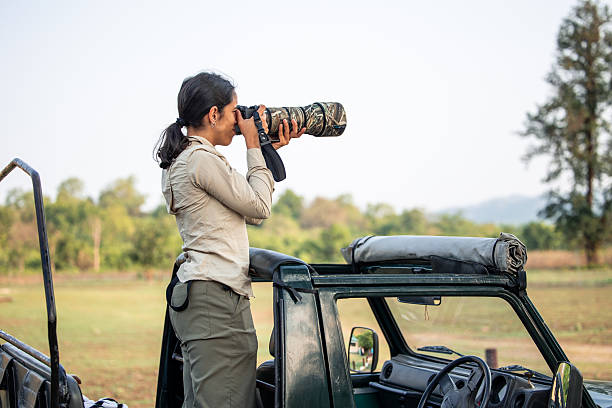
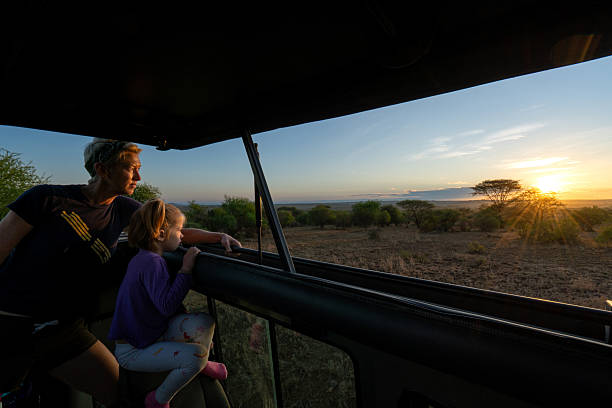

A Dodoma photography tour offers a distinctive opportunity to capture the essence of Tanzania’s administrative capital, focusing on its unique architectural blend, vibrant local life, and the surrounding semi-arid landscapes, providing a visual narrative distinct from the more commonly photographed safari destinations. Expect to photograph government buildings, traditional markets, local artisans, and the stark beauty of the central plateau, with tours often lasting between 3 to 7 days and customizable to photographic interests and skill levels.
Discovering Dodoma Through the Lens: An Unconventional Photography Expedition
While Tanzania is globally renowned for its iconic wildlife safaris and the majestic Mount Kilimanjaro, its heartland, particularly the capital city of Dodoma, offers a profoundly different yet equally compelling photographic narrative. A Dodoma photography tour is designed for the discerning traveler and photographer who seeks to move beyond the usual tourist trails and capture the authentic pulse of Tanzanian life, administration, and culture. This is not about chasing lions or scaling peaks; it’s about intimate portraits, architectural studies, and the subtle beauty of everyday scenes in a city that serves as the nation’s political and geographical center.
Dodoma, established as the official capital in 1974, presents a fascinating juxtaposition of modern governmental structures and traditional Tanzanian life. Its relatively low-key atmosphere compared to Dar es Salaam allows for more accessible and unhurried photographic opportunities. For those planning trips in 2026 or 2027, a photography tour here offers a chance to document a capital city in development, a hub of political activity, and a gateway to the unique landscapes of central Tanzania.
Why Choose Dodoma for Your Photography Adventure?
The allure of Dodoma for photographers lies in its distinctiveness. Unlike the bustling coastal city of Dar es Salaam or the safari hubs of Arusha, Dodoma offers:
- Unique Architecture: From the imposing State House and National Assembly buildings to the iconic Tanzanite Museum and the various embassies, Dodoma showcases a range of architectural styles, reflecting its status as the capital. The mix of modern design and functional government infrastructure provides a unique subject matter.
- Vibrant Local Life: Explore bustling open-air markets, witness the daily routines of local communities, and engage with artisans. The people of Dodoma, known for their hospitality, offer incredible opportunities for portrait photography.
- Central Tanzanian Landscapes: The city is surrounded by rolling hills and semi-arid plains characteristic of the central plateau. Sunrise and sunset shots over these landscapes, perhaps incorporating local villages or acacia trees, can be breathtaking.
- Cultural Immersion: Photograph traditional ceremonies, local crafts, and the everyday interactions that define life in Tanzania’s interior. This offers a deeper understanding and visual representation of the country’s diverse cultural fabric.
- Fewer Crowds: Compared to major tourist hotspots, Dodoma offers a more intimate and less crowded environment, allowing photographers to compose shots without the usual distractions and to connect more genuinely with their subjects.
A well-curated Dodoma photography tour will guide you to the most photogenic spots, provide insights into local customs, and help you navigate the city safely and respectfully. It’s an opportunity to capture images that tell a story of governance, community, and the serene beauty of Tanzania’s less-explored regions.
Crafting Your Dodoma Photography Itinerary: Key Themes and Locations
Designing a photography tour for Dodoma requires an understanding of its core elements. The itinerary should balance iconic landmarks with spontaneous encounters, ensuring a rich and varied portfolio. Here are some key themes and locations that form the backbone of a successful Dodoma photography expedition:
Government and Architectural Icons
As the political capital, Dodoma is home to significant governmental buildings. These structures often blend modern design with elements that reflect Tanzanian identity. Photographers can capture the grandeur and civic importance of:
- The National Assembly (Bunge): The seat of Tanzania’s parliament. Its distinct architecture, often featuring domes or unique rooflines, makes for striking wide-angle shots, especially during golden hour.
- State House (Ikulu): While access might be restricted, the exterior views and surrounding official areas can be photographed, showcasing the administrative power center.
- Government Ministries and Embassies: Dodoma hosts numerous ministries and foreign embassies, each with its own architectural footprint. Exploring these areas can yield interesting compositions of form, function, and national symbolism.
- The Tanzanite Museum: Dedicated to the famous Tanzanian gemstone, this museum often features modern and visually appealing designs, offering opportunities for both exterior and interior photography (where permitted).
Photography Tip: Pay attention to the interplay of light and shadow on these structures throughout the day. Early morning or late afternoon light can dramatically enhance textures and architectural details.
The Pulse of Local Life: Markets and Street Scenes
The true character of any city often resides in its markets and streets. Dodoma’s local markets are vibrant hubs of activity, offering endless photographic potential:
- Central Market (Soko Kuu): This is the heart of Dodoma’s commerce. Capture the colorful displays of fresh produce, spices, textiles, and handicrafts. Focus on the interactions between vendors and customers, the lively atmosphere, and the textures of daily life.
- Street Vendors: Observe and photograph street vendors selling everything from local snacks to phone accessories. Their daily grind, their expressions, and their interactions with the environment tell compelling stories.
- Commuting and Transportation: Document the flow of people using local transport like Dala-dalas (minibuses), bicycles, and motorcycles. These scenes offer a dynamic sense of movement and daily routine.
Photography Tip: Patience is key. Observe a scene unfold before you start shooting. Engage with people respectfully, perhaps offering a small purchase or a smile, to get more authentic shots. Always ask permission before taking close-up portraits.
Cultural Encounters and Portraits
Tanzania’s cultural diversity is immense, and Dodoma, being a central hub, brings together people from various regions. A photography tour should prioritize respectful cultural documentation:
- Local Artisans and Craftsmen: Seek out workshops where traditional crafts are made – pottery, weaving, wood carving. Photograph the skilled hands at work, the tools used, and the finished products.
- Community Gatherings: If opportunities arise, document local celebrations, religious services, or community events. These offer rich insights into traditions and social structures.
- Portraiture: Focus on capturing the character and stories of the people of Dodoma. Elders with wise eyes, children with infectious smiles, and hardworking individuals all offer compelling subjects.
Photography Tip: Utilize natural light for portraits, often positioning your subject near a window or in open shade. Experiment with different focal lengths to control the background and isolate your subject.
The Surrounding Landscapes and Nature
While Dodoma is an urban center, its surroundings offer unique photographic opportunities, especially for landscape and nature enthusiasts:
- Dodoma Wine Region: Tanzania is one of the few African countries with a significant wine industry, and Dodoma is its heart. Photograph the vineyards, the wine-making process (if accessible), and the rural scenery.
- Semi-Arid Plains: Capture the expansive views of the central plateau. Sunrise and sunset can paint the sky with dramatic colors, highlighting the sparse vegetation and distant hills.
- Local Villages: Visit nearby villages to photograph traditional housing, agricultural practices, and the rhythm of rural life. This provides a contrast to the urban environment of Dodoma.
Photography Tip: Use a tripod for landscape shots, especially during low light conditions, to ensure sharpness. Look for leading lines, such as paths or fences, to guide the viewer’s eye into the scene.
Planning Your Dodoma Photography Tour: Practical Considerations for 2026-2027
Organizing a specialized photography tour requires careful planning to maximize photographic opportunities and ensure a comfortable and enriching experience. For travelers looking to visit in 2026 or 2027, considering these practical aspects is crucial:
Best Time to Visit
Dodoma experiences a tropical steppe climate, characterized by distinct wet and dry seasons. The best time for photography often depends on what you wish to capture:
- Dry Season (May to October): This period offers clear skies and pleasant temperatures, ideal for architectural photography and capturing the expansive landscapes without the disruption of rain. The light can be harsh mid-day, but mornings and evenings are superb.
- Shoulder Months (April, November): These months can offer a mix of conditions. April might still see some late rains, leading to greener landscapes, while November marks the beginning of the short rains, which can bring dramatic skies.
- Wet Season (December to March): While rain is more frequent, it often comes in short, intense bursts, leaving the rest of the day clear. The landscape becomes greener, which can be visually appealing. However, travel might be slightly more challenging, and overcast skies could limit some types of photography.
For 2026-2027 planning: The dry season from June to September is generally the most recommended for consistent weather and light. However, if you aim for a more dramatic, atmospheric look, the fringes of the wet season can be very rewarding.
Duration and Pace
A photography tour needs a pace that allows for thoughtful composition and waiting for the right light and moments. Standard safari tours might rush through locations, but a photography-focused trip should be more deliberate.
- Recommended Duration: 3 to 7 days is typically sufficient to cover the main photographic highlights of Dodoma and its immediate surroundings.
- Pace: A slower pace allows for revisiting locations at different times of day, exploring side streets, and engaging with the local community. This is essential for capturing nuanced stories.
Accommodation Options
Dodoma offers a range of accommodation, from basic guesthouses to more established hotels. For a photography tour, consider locations that offer:
- Convenience: Proximity to key photographic areas can save travel time.
- Comfort: After long days of shooting, a comfortable place to rest and review your images is important.
- Atmosphere: Some lodges or hotels might offer unique local character or views that can contribute to the overall experience.
For 2026-2027: Researching current hotel reviews and booking in advance, especially during peak seasons, is advisable. Consider properties that offer good natural light in common areas for reviewing photos or editing.
Photography Gear Recommendations
While any camera can capture compelling images, specific gear can enhance a photography tour:
- Versatile Lenses: A wide-angle lens (e.g., 16-35mm) is excellent for architecture and landscapes, while a mid-range zoom (e.g., 24-70mm) or a telephoto lens (e.g., 70-200mm) is useful for portraits and capturing details from a distance.
- Sturdy Tripod: Essential for low-light conditions, long exposures, and ensuring sharpness in landscape and architectural shots.
- Extra Batteries and Memory Cards: You don’t want to miss a shot due to a dead battery or full card.
- Weather Protection: A rain cover for your camera bag and gear is advisable, especially if traveling during the shoulder or wet seasons.
- Laptop/Tablet: For backing up photos and potentially some light editing.
Respectful Photography Practices
Documenting people and cultures requires sensitivity. A photography tour should emphasize ethical practices:
- Ask Permission: Always seek consent before taking close-up photos of individuals, especially children. A smile and a gesture often go a long way.
- Be Mindful of Sacred Sites: Understand local customs regarding photography in religious or sensitive areas.
- Avoid Exploitation: Never pay people to pose for photos in a way that feels exploitative. If a donation is appropriate, it should be handled discreetly and respectfully, perhaps through a local guide.
- Share Your Work: If possible and appropriate, offer to share some of your images with the people you photograph.
For your 2026 or 2027 trip: Familiarize yourself with basic Swahili phrases like ‘Jambo’ (Hello) and ‘Asante’ (Thank you). Your tour operator can provide guidance on cultural etiquette.
Customizing Your Dodoma Photography Experience
A great photography tour isn’t one-size-fits-all. The best experiences are tailored to the photographer’s interests, skill level, and desired outcomes. For a Dodoma photography tour, customization can significantly enhance the journey:
Focus Areas: Beyond the Basics
While the core elements of Dodoma’s architecture, markets, and people are universal, individual photographers might have specific passions:
- Architectural Focus: Spend more time detailing the intricate designs of government buildings, comparing colonial-era structures with newer developments. Explore abstract compositions using lines, shapes, and symmetry.
- Street Photography Specialization: Dedicate days to capturing the candid moments of daily life, the flow of traffic, and the vibrant interactions in marketplaces. This requires patience and an ability to blend in.
- Portraiture and Cultural Documentation: Work closely with local guides to identify communities or individuals willing to share their stories through portraits. This might involve visiting villages or specific artisan groups.
- Landscape and Astrophotography: If visiting during the dry season, dedicate time to capturing the unique light of the central plateau at sunrise and sunset. For those with the right equipment and knowledge, Dodoma’s relatively low light pollution could offer opportunities for astrophotography.
Skill Level Adaptation
Whether you are a seasoned professional or an enthusiastic beginner, the tour can be adjusted:
- Beginner Photographers: The tour can incorporate mini-workshops on composition, exposure, and basic camera settings. Guides can offer more direct advice on capturing specific shots.
- Intermediate Photographers: Focus on refining techniques like depth of field, leading lines, and capturing motion. Explore more complex lighting situations and storytelling through sequences of images.
- Advanced Photographers: The itinerary can be more flexible, allowing for spontaneous exploration and dedicated time for specific projects. The guide’s role might shift to facilitating access and providing local insights rather than direct instruction.
Adding Extended Elements
A Dodoma photography tour can be a standalone experience or an integrated part of a larger Tanzanian adventure. Consider these extensions:
- Day Trips to Nearby Attractions: Explore the Kondoa Rock-Art Sites (a UNESCO World Heritage site, though requires a significant drive), or visit nearby villages for a deeper rural perspective.
- Combining with Other Regions: Pair your Dodoma visit with a trip to the unique landscapes of Kondoa, or perhaps a wildlife experience in Ruaha National Park (though this is a substantial journey from Dodoma). For a more integrated cultural photography experience, consider combining it with Zanzibar’s historic Stone Town.
- Workshop Integration: For groups, a dedicated photography workshop led by a professional photographer, combined with guided excursions in Dodoma, can be a powerful learning experience.
Working with a Local Expert
Partnering with a reputable local tour operator is paramount for a successful and enriching Dodoma photography tour. They offer invaluable expertise in:
- Logistics: Arranging transportation, accommodation, and permits.
- Local Knowledge: Identifying the best times and places to shoot, understanding local customs, and facilitating introductions.
- Safety and Security: Ensuring your well-being throughout the trip.
- Customization: Tailoring the itinerary precisely to your photographic goals.
For personalized planning for your 2026 or 2027 photography adventure in Dodoma, reaching out to experts is the first step. You can connect via WhatsApp at +255616946642 or email at topguideadventures@gmail.com. A backup email is also available at info@topguideadventures.com.
The Value Proposition: Why a Guided Dodoma Photography Tour Excels
While independent travel is possible, opting for a guided Dodoma photography tour offers distinct advantages that can elevate your photographic output and overall experience, especially when planning for 2026 or 2027.
Access and Insights
Local guides possess an intimate knowledge of Dodoma that is impossible to replicate through guidebooks or online research. They know:
- The Best Light: When and where to find the most dramatic light for architectural shots or the softest light for portraits.
- Hidden Gems: Beyond the main landmarks, they can lead you to lesser-known spots with unique visual appeal – quiet alleyways, local workshops, or scenic viewpoints.
- Cultural Nuances: They understand the social etiquette required when photographing people and communities, ensuring your interactions are respectful and yield better results. They can act as translators and cultural bridges.
- Logistical Efficiency: Navigating traffic, finding parking, and understanding local transport systems can be time-consuming and frustrating. A guide streamlines these processes, maximizing your shooting time.
Safety and Security
Tanzania is generally safe, but like any city, Dodoma has areas and situations where caution is advised. A reputable tour operator ensures:
- Personal Safety: Guides are aware of safe and unsafe areas, particularly when exploring markets or less-trafficked neighborhoods.
- Equipment Security: They can advise on best practices for protecting your valuable camera gear in public spaces.
- Smooth Travel: Reliable transportation and pre-arranged accommodation minimize unexpected issues that could disrupt your photographic schedule.
Enhanced Learning and Creativity
For photographers looking to improve their skills, a guided tour offers:
- Subject Identification: Guides can point out photographic opportunities you might otherwise miss, sparking new creative ideas.
- Technical Advice: While not always a formal workshop, experienced guides can offer practical tips on composition, settings, and capturing specific scenes.
- Storytelling Support: They help you understand the context behind the images you are capturing, allowing you to build a more compelling visual narrative.
Cost-Effectiveness (When Planned Wisely)
While a guided tour might seem more expensive upfront, it often proves more cost-effective when factoring in:
- Avoiding Mistakes: Less time wasted on getting lost or making poor logistical choices.
- Inclusions: Many tours bundle accommodation, transport, guide fees, and sometimes even park entry or activity costs, making budgeting simpler.
- Exclusive Access: In some cases, guides can arrange access to places or people that would be difficult or impossible for independent travelers to reach.
Planning for 2026-2027
Booking a guided tour for future travel, such as 2026 or 2027, allows you to secure the best guides and accommodations, especially if you have specific photographic interests. Early planning ensures that your tour is perfectly aligned with your vision. For bespoke arrangements and expert advice on crafting your ideal Dodoma photography tour, consider reaching out to specialists who understand the unique needs of photographers. You can connect via WhatsApp at +255616946642 or email at topguideadventures@gmail.com. Their backup email is info@topguideadventures.com.
Capturing the Spirit of Dodoma: A Photographer’s Perspective
The essence of a Dodoma photography tour lies not just in the iconic structures or the bustling markets, but in the intangible spirit of the place. It’s about capturing the quiet dignity of the people, the unique light that bathes the central plateau, and the story of a capital city shaping its identity. As you plan for trips in 2026 or 2027, keep these deeper aspects in mind:
The Human Element
While grand architecture is visually striking, it’s the faces, gestures, and daily lives of the people that breathe life into photographs. Look for:
- Expressions: The thoughtful gaze of an elder, the playful grin of a child, the focused concentration of a craftsman.
- Interactions: The camaraderie between market vendors, the gentle guidance of a parent, the shared laughter of friends.
- Daily Rhythms: The morning commute, the afternoon siesta, the evening gathering. These patterns tell a story of continuity and community.
Pro Tip: Use a longer focal length (e.g., 70-200mm) to capture candid moments from a distance without intruding. This often results in more natural and authentic expressions.
The Play of Light and Shadow
Dodoma’s semi-arid climate often results in strong, dramatic light. This can be a challenge but also a photographer’s dream:
- Golden Hours: Sunrise and sunset offer warm, soft light that can transform even mundane scenes into something magical. The long shadows cast during these times add depth and dimension.
- Harsh Midday Sun: While often avoided, the strong midday sun can create high-contrast scenes, graphic shapes, and stark shadows that are perfect for black and white photography or abstract compositions.
- Interior Light: Explore how light filters through doorways, windows, or market stalls, creating unique patterns and moods within shaded interiors.
For 2026-2027 visits: Be prepared for varying light conditions. Carrying a diffuser or reflector can help manage harsh light for portraits, while a sturdy tripod is essential for low-light landscape and architectural shots.
The Narrative Arc
A great photography tour doesn’t just collect individual images; it builds a narrative. Consider how your photos can tell a story:
- Juxtaposition: Capture contrasting elements – old versus new, urban versus rural, traditional versus modern.
- Sense of Place: Use environmental details – textures, colors, local signage, characteristic flora – to anchor your images firmly in Dodoma.
- Progression: Document a process, like a craft being made, or a day unfolding from dawn to dusk.
Expert Guidance: A skilled tour operator can help you identify these narrative threads and guide you to the locations and subjects that best support your storytelling goals. For tailored advice and to begin planning your unique Dodoma photography tour for 2026 or 2027, contact us via WhatsApp at +255616946642 or email at topguideadventures@gmail.com (backup: info@topguideadventures.com).
Beyond the Camera: Integrating Culture and Community
A photography tour is more than just capturing images; it’s an opportunity for cultural exchange and deeper understanding. When you participate in a Dodoma photography tour, especially one planned for 2026 or 2027, you are engaging with a living, breathing community.
Meaningful Interactions
Guides play a crucial role in facilitating respectful and meaningful interactions:
- Understanding Customs: Learn about local greetings, social norms, and appropriate behavior when visiting homes or community spaces.
- Building Rapport: A guide can help break the ice, making it easier to engage with locals, share stories, and capture genuine moments.
- Supporting Local Economy: By purchasing local crafts, enjoying local food, and using local services recommended by your guide, you contribute directly to the community.
Responsible Tourism Practices
Ethical photography is paramount. A responsible tour operator ensures that:
- Consent is Prioritized: Clear emphasis on asking permission before photographing individuals.
- Cultural Sensitivity: Avoiding intrusive or disrespectful practices.
- Environmental Awareness: Respecting the local environment and minimizing your footprint.
The Lasting Impact
The images you capture on a Dodoma photography tour will be cherished memories. But the experience itself – the connections made, the stories learned, the understanding gained – often leaves an even more profound impact. Planning for 2026 or 2027 allows ample time to prepare for a trip that is not only visually rewarding but also culturally enriching and responsible.
Ready to capture the unique essence of Tanzania’s capital? For a bespoke Dodoma photography tour tailored to your vision, connect with our experts. Reach out via WhatsApp at +255616946642 or email us at topguideadventures@gmail.com. For alternative inquiries, use info@topguideadventures.com. Let us help you plan an unforgettable photographic journey for 2026 or 2027.
Check Availability for Dodoma Photography Tour: Capturing Tanzanias Heartland In 2026-2027
Ready to compare dates, prices, and the best option for your group? Send the package name and travel month so the team can reply with a clear quote, availability, and what is included.
 Dodoma Parliament City Experience: A Comprehensive Guide For TravelersDiscover the unique Dodoma Parliament City experience, the political heart of Tanzania. This guide covers its architecture, visitor access, and…View package
 Dodoma Traditional Dance Tour: Experience Tanzanias Cultural HeartbeatExperience the soul of Tanzania with a Dodoma Traditional Dance Tour. This immersive journey explores the rich cultural heritage of Dodoma…View package
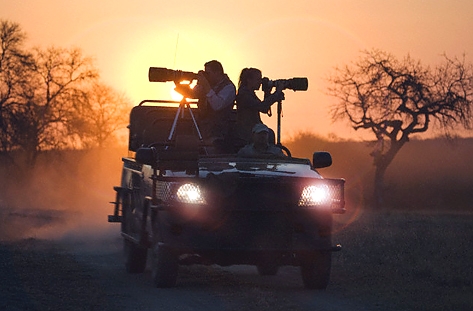 Dodoma Village Homestay: Authentic Tanzanian Cultural Immersion 2026-2027Discover the heart of Tanzania through a Dodoma village homestay. This immersive experience offers unparalleled access to local culture…View packageDodoma Grape Harvest Experience: A Taste Of Tanzanias Wine Country 2026-2027Experience the vibrant Dodoma Grape Harvest, a unique cultural and culinary event in Tanzania's emerging wine country. Explore vineyards, enjoy…View package
 3-Day Dodoma And Kondoa Heritage Tour: Unveiling Tanzanias Cultural HeartA 3-day tour to Dodoma and Kondoa offers a unique glimpse into Tanzania's historical depth and contemporary significance, blending ancient rock…View package
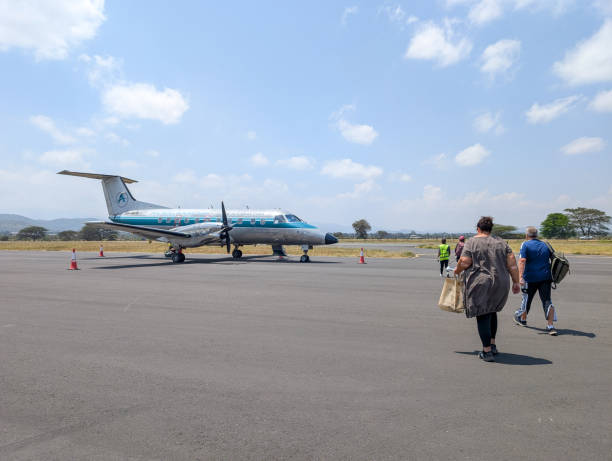 2-Day Dodoma Culture And Wine Package: An Authentic Tanzanian ExperienceDiscover the unique blend of culture and viticulture in Tanzania's capital with our 2-day Dodoma Culture and Wine Package. This immersive…View packageYour 1-Day Dodoma Rock Art Adventure: A Journey Through Tanzanias Ancient PastExperience a unique cultural journey with a 1-day Dodoma rock art adventure. This tour offers a glimpse into ancient human history, showcasing…View package
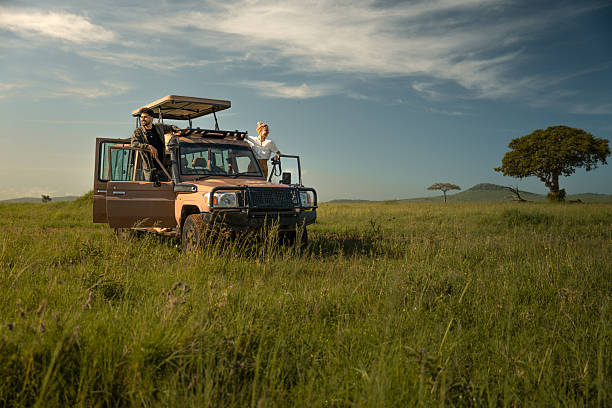 1-Day Dodoma Local Food Tour: Taste Tanzanias Capital 2026-2027Discover the culinary heart of Tanzania's capital with a 1-Day Dodoma Local Food Tour. This immersive experience takes you through vibrant…View package


