
A Singida cycling experience offers an unparalleled opportunity to explore the heart of Tanzania’s interior, engaging with local communities, witnessing vast semi-arid landscapes, and discovering unique cultural traditions often missed by conventional safari-goers, typically involving multi-day tours customized for varying fitness levels and interests in regions like Singida town, Lake Eyasi, and surrounding villages.
Unveiling the Singida Cycling Experience: Beyond the Tourist Trail
Tanzania is globally renowned for its iconic wildlife safaris and the majestic Mount Kilimanjaro. However, for the discerning traveler seeking deeper immersion and authentic connection, the Singida cycling experience presents a compelling alternative. This journey is not about ticking off Big Five sightings; it’s about the rhythm of the pedals, the warmth of human interaction, and the subtle beauty of a landscape often overlooked. Imagine gliding through dusty tracks, past acacia trees, and into villages where life unfolds at a pace dictated by the sun and the seasons. This is cycling tourism at its most profound, offering a fresh perspective on Tanzania’s rich cultural heritage and diverse ecosystems.
The appeal of cycling in Singida lies in its raw authenticity. Unlike more developed tourist circuits, Singida retains a genuine sense of place. Here, you’re not just an observer; you’re a participant. You’ll meet farmers tending their fields, children on their way to school, and artisans practicing age-old crafts. The interactions are spontaneous and heartfelt, creating memories that last far longer than any photograph. Whether you’re planning for 2026 or 2027, a cycling tour in this region promises an adventure that is both physically rewarding and culturally enriching.
Why Choose Singida for Your Cycling Adventure?
Singida Region, located in the central-north of Tanzania, offers a unique geographical and cultural mix ideal for cycling. Its semi-arid climate means that while it can be hot, it’s often less humid than the coastal areas, making for more comfortable riding conditions during certain times of the year. The terrain varies from relatively flat plains to gently rolling hills, interspersed with unique geological formations and the shores of several significant lakes, including Lake Singida, Lake Kitangiri, and the famous Lake Eyasi, home to the Hadzabe and Datoga peoples.
The primary draw for a Singida cycling experience is the opportunity for genuine cultural exchange. The region is home to diverse ethnic groups, including the Nyiramba, Nyaturu, and the fascinating hunter-gatherer Hadzabe and pastoralist Datoga communities near Lake Eyasi. Cycling allows for slow, respectful engagement with these communities, providing insights into their daily lives, traditions, and resilience. You can cycle into a village, share a cup of chai, and learn about their farming practices or traditional hunting techniques directly from the source.
Landscape and Scenery: A Cyclist’s Canvas
The visual landscape of Singida is distinct. Expect wide-open vistas, dramatic sunsets over dusty plains, and the unique silhouettes of Baobab trees. The presence of salt lakes and seasonal rivers adds another layer to the scenery. The journey might take you past vast fields of sunflowers, maize, and groundnuts, reflecting the region’s agricultural importance. The air is often clear, offering panoramic views that stretch for miles. For cyclists, this open terrain means long stretches of riding with rewarding views, punctuated by the occasional climb that offers an even more expansive perspective.
Cultural Immersion: Connecting with Communities
What truly sets a Singida cycling experience apart is the depth of cultural immersion. Unlike many organized tours that maintain a distance, cycling allows for organic interactions. You can stop at a roadside market, haggle for local produce, or simply pause to watch children play. In villages, you might be invited into a home for a meal or witness traditional ceremonies. The pace of cycling is conducive to observing the nuances of rural Tanzanian life, understanding the rhythms of agriculture, and appreciating the strong community bonds that define life in this part of the country.
Accessibility and Infrastructure for Cyclists
While Singida is not a highly developed tourist hub, this is part of its charm. The roads are a mix of well-maintained tarmac (especially connecting major towns) and dirt tracks, which provide an authentic off-road cycling challenge. The infrastructure for cycling tourism is growing, with local operators increasingly offering guided tours that include support vehicles, mechanical assistance, and carefully selected accommodations. This means you can enjoy the adventure without worrying about logistics, ensuring a safe and enjoyable ride. Planning your trip for 2026 or 2027 allows ample time to research and book with a reputable operator.
Designing Your Singida Cycling Itinerary
Crafting the perfect Singida cycling experience requires careful consideration of your interests, fitness level, and the time of year. Most tours are designed to be flexible, allowing for adjustments based on group capabilities and preferences. The duration can range from a few days to over a week, covering different facets of the region.
Key Cycling Routes and Areas
Several areas within and around Singida are particularly suited for cycling:
- Singida Town and its Surroundings: Start your journey here to acclimatize and explore the local markets, administrative center, and nearby villages. Routes can be kept relatively flat, making it ideal for shorter rides or the beginning of a longer tour.
- Lake Eyasi Basin: This is perhaps the most culturally rich area. Cycling here offers opportunities to visit the Hadzabe and Datoga communities. The terrain can be more challenging, with sandy tracks and some inclines, but the reward is unparalleled cultural insight. Be prepared for heat, especially during the dry season.
- Central Singida Plains: Explore the vast agricultural lands, passing through sunflower and maize fields. These routes are often characterized by long, straight dirt roads, offering a sense of open space and connecting various rural settlements.
- Geological Wonders: Depending on the specific route, you might cycle past unique rock formations or explore areas known for their salt pans and mineral deposits.
Tailoring the Ride: Fitness and Pace
A Singida cycling experience can be adapted for various fitness levels. Operators typically offer:
- Leisurely Pace: Shorter daily distances (20-40 km) with ample stops for cultural interaction, photography, and rest. Ideal for beginners or those prioritizing cultural immersion over endurance.
- Moderate Pace: Daily distances of 40-70 km, covering more ground while still allowing for significant cultural engagement. This requires a reasonable level of cycling fitness.
- Challenging Pace: Longer distances (70+ km per day) with more demanding terrain, including potential off-road sections and climbs. Suited for experienced cyclists seeking a physical challenge alongside adventure.
Support vehicles usually accompany tours, providing water, snacks, and the option to ride in the vehicle if fatigue sets in or if the weather becomes extreme. This flexibility ensures that the experience remains enjoyable and safe for everyone.
Accommodation Options
Accommodation during a Singida cycling tour varies, reflecting the region’s development. Options often include:
- Local Guesthouses/Bands: Simple, clean, and often family-run establishments offering a basic but authentic stay.
- Community Homestays: An opportunity to stay with local families, providing a deeply immersive cultural experience.
- Tented Camps: Especially in more remote areas like near Lake Eyasi, basic but comfortable tented camps offer a closer connection to nature.
- Mid-range Hotels: Available in larger towns like Singida, offering more amenities.
Luxury options are limited in Singida itself, but tour operators can often arrange stays in more comfortable lodges or hotels at the beginning or end of the cycling portion, perhaps in nearby Arusha or Dodoma.
Cultural Encounters: The Heart of the Singida Cycling Experience
The true magic of cycling in Singida lies in the human connections you forge. The region is a mosaic of cultures, each with unique traditions, languages, and ways of life. Engaging with these communities respectfully is paramount to a meaningful Singida cycling experience.
The Hadzabe: A Glimpse into Ancient Ways
Perhaps the most sought-after cultural encounter is with the Hadzabe people, one of the last hunter-gatherer tribes in Africa. Cycling tours that include the Lake Eyasi area offer the chance to observe their traditional way of life. You might witness their morning hunt with bows and arrows, learn about their medicinal plants, or listen to their unique click language. It is crucial to approach these interactions with sensitivity, understanding that you are a guest in their ancestral lands. Tours should be arranged with operators who have established respectful relationships with the Hadzabe communities, ensuring that your visit benefits them directly and ethically.
The Datoga: Artisans and Pastoralists
Also residing near Lake Eyasi are the Datoga people, known for their pastoralist lifestyle and skilled craftsmanship, particularly in metalwork. Datoga blacksmiths create beautiful arrowheads, jewelry, and tools using traditional methods. Cycling through their villages provides an opportunity to see these crafts firsthand and perhaps purchase unique souvenirs directly from the artisans. Their distinctive facial tattoos and elaborate beadwork are also a significant part of their cultural identity.
Other Ethnic Groups and Daily Life
Beyond the more famous groups, Singida is home to communities like the Nyiramba and Nyaturu, primarily agriculturalists. Cycling through their villages offers a window into daily life: women fetching water, men working in the fields, children playing traditional games, and elders sharing stories. Participating in a local meal or learning a few words of the local language can significantly enhance the experience. These interactions, facilitated by the slow pace of cycling, build bridges of understanding and create lasting memories.
Practical Considerations for Your Cycling Tour in 2026-2027
Planning a Singida cycling experience for the upcoming years, such as 2026 or 2027, requires attention to several practical details to ensure a smooth and enjoyable adventure.
Best Time to Visit
The climate in Singida is semi-arid, with distinct wet and dry seasons. The best time for cycling generally falls within the dry season, which runs from June to October. During these months, the weather is typically sunny with less humidity, and the roads are in better condition. The shoulder months, such as May and November, can also be good, though there might be occasional rainfall.
- Dry Season (June – October): Ideal for cycling. Pleasant temperatures, clear skies, and easier road conditions.
- Short Rains (November – December): Can be unpredictable, with occasional showers. Still possible for cycling, but be prepared for wet conditions.
- Long Rains (March – May): Generally not recommended for extensive cycling due to heavy rainfall, muddy roads, and potential travel disruptions.
- Hot Season (December – February): Can be very hot, especially during midday. Early morning and late afternoon rides are preferable.
What to Pack
Packing appropriately is crucial for comfort and safety. Key items include:
- Cycling Gear: Padded cycling shorts, jerseys, gloves, helmet (essential!), cycling shoes, and sunglasses.
- Clothing: Lightweight, breathable clothing for riding. Also, modest clothing for village visits (long trousers/skirts, shirts covering shoulders). A light jacket or fleece for cooler evenings.
- Protection: High SPF sunscreen, insect repellent, a wide-brimmed hat, and a bandana or buff to protect against dust.
- Health: Personal first-aid kit, any prescription medications, and water purification tablets or a filter.
- Hydration: Reusable water bottles or a hydration pack. Electrolyte powders are highly recommended.
- Miscellaneous: Camera, power bank, headlamp, basic toiletries, and a small backpack for day essentials.
Health and Safety Precautions
Consult your doctor well in advance of your trip regarding vaccinations and malaria prophylaxis. Drink only bottled or purified water. Be aware of the sun’s intensity and stay hydrated. Always cycle with a group or guide, and inform someone of your route and expected return time. Ensure your chosen tour operator has emergency protocols and communication devices.
Choosing the Right Tour Operator
Selecting a reputable tour operator is vital for a safe and enriching Singida cycling experience. Look for companies with:
- Experienced local guides who understand the terrain, culture, and safety aspects.
- Well-maintained bicycles and reliable support vehicles.
- Strong relationships with local communities, ensuring ethical and respectful interactions.
- Positive reviews and a clear commitment to responsible tourism.
- Flexibility to customize itineraries based on your needs.
For a reliable partner, consider reaching out to operators like Top Guide Adventures. They specialize in creating unique Tanzanian travel experiences, including cycling tours. You can contact them via WhatsApp at +255616946642 or email at topguideadventures@gmail.com or info@topguideadventures.com to discuss your plans for 2026 or 2027.
The Economic and Social Impact of Cycling Tourism in Singida
Beyond the personal adventure, a well-managed Singida cycling experience can contribute positively to the local economy and community development. Unlike mass tourism, cycling tours often involve smaller groups and direct engagement with local services, spreading benefits more widely.
Supporting Local Economies
When you choose a local tour operator, a significant portion of your travel expenditure stays within Tanzania, supporting local employment and businesses. Cycling tours often utilize local guides, mechanics, cooks, and drivers. Accommodation in local guesthouses and homestays directly benefits families and communities. Purchasing locally made crafts and produce further boosts the rural economy. This direct economic injection is crucial for regions like Singida, which may not benefit as much from traditional safari tourism.
Cultural Preservation and Exchange
Responsible cycling tourism can foster a sense of pride and encourage the preservation of local culture and traditions. When visitors show genuine interest in their way of life, communities are motivated to maintain their heritage. Cultural exchange, when conducted respectfully, enriches both the visitor and the host. It promotes mutual understanding and breaks down stereotypes. For instance, engaging with the Hadzabe or Datoga communities through cycling tours, when done ethically, can help sustain their traditional livelihoods and cultural practices in the face of modern pressures.
Promoting Sustainable Travel
Cycling is inherently a low-impact form of travel. It produces no emissions and allows for quiet exploration, minimizing disturbance to wildlife and the environment. Promoting cycling tourism in areas like Singida aligns with global trends towards sustainable and responsible travel. By choosing this mode of exploration, travelers contribute to preserving the natural beauty and cultural integrity of the region for future generations, including those planning trips in 2026 and 2027.
Is a Singida Cycling Experience Right for You?
A Singida cycling experience is ideal for travelers who:
- Seek authentic cultural interactions beyond typical tourist hotspots.
- Are adventurous and open to exploring less-developed regions.
- Enjoy physical activity and the freedom of exploring by bicycle.
- Appreciate natural landscapes and the beauty of rural life.
- Want to contribute positively to local communities and sustainable tourism.
It may be less suitable for those seeking luxury accommodations, high-speed internet access throughout, or a focus solely on wildlife viewing. However, for those who value connection, authenticity, and a journey off the beaten path, Singida offers an unforgettable adventure.
Comparing Singida Cycling with Other Tanzanian Adventures
While Tanzania offers diverse experiences, a cycling tour in Singida provides a unique niche:
- vs. Safari: Safaris focus on wildlife viewing, often from a vehicle. Cycling in Singida prioritizes cultural immersion and active exploration of landscapes.
- vs. Kilimanjaro Trekking: Trekking is a high-altitude endurance challenge. Cycling is a ground-level adventure focused on cultural and scenic discovery.
- vs. Zanzibar Holidays: Zanzibar offers beach relaxation and historical exploration. Singida provides an inland, rural, and culturally intensive experience.
A Singida cycling experience complements these other adventures, offering a different rhythm and a deeper connection to the Tanzanian people and their land.
Planning Your 2026-2027 Singida Cycling Adventure
As you look towards planning your adventure for 2026 or 2027, consider the unique appeal of a cycling tour in Singida. It’s an opportunity to connect with Tanzania on a more intimate level, pedal through stunning landscapes, and engage with vibrant cultures. Whether you dream of cycling alongside the vast plains or visiting the ancient Hadzabe, this experience promises to be one of the most memorable aspects of your Tanzanian journey.
To start planning your bespoke Singida cycling experience, we highly recommend working with experienced local tour operators. Top Guide Adventures has a deep understanding of Tanzania’s diverse regions and can craft an itinerary that perfectly matches your interests and abilities. They are dedicated to providing authentic, safe, and responsible travel experiences. Reach out to them today:
- WhatsApp: +255616946642
- Email: topguideadventures@gmail.com
- Backup Email: info@topguideadventures.com
Discuss your vision for a 2026 or 2027 cycling tour, and let them help you create an unforgettable journey through the heart of Tanzania.
Check Availability for The Ultimate Singida Cycling Experience: Explore Tanzanias Heartland By Bike
Ready to compare dates, prices, and the best option for your group? Send the package name and travel month so the team can reply with a clear quote, availability, and what is included.
 Singida Traditional Dance Tour: Experience Authentic Tanzanian CultureImmerse yourself in the heart of Tanzanian culture with a Singida Traditional Dance Tour. This unique journey offers a deep look at the rich…View packageSingida Fishing Community Experience: A Deep Look At Tanzanias Inland WatersExplore the authentic Singida fishing community experience in Tanzania's central region. This long-form guide details cultural immersion…View package
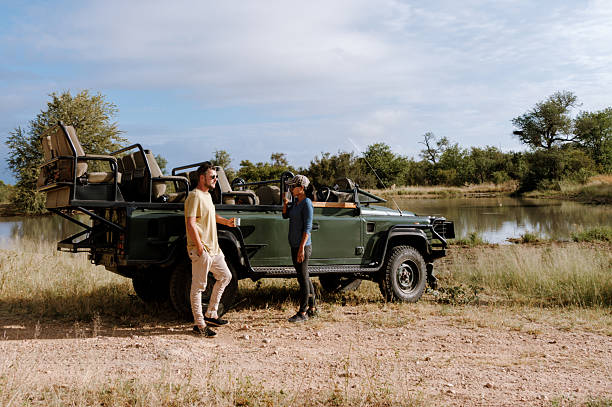 Singida Sunset Lake Tour: A Mesmerizing Experience In Tanzania 2026-2027Experience the serene beauty of a Singida Sunset Lake Tour, a unique Tanzanian adventure offering spectacular sunsets, diverse birdlife, and…View package
 1-Day Singida Salt Lake Experience: Your Ultimate Tanzania Adventure 2026-2027Explore the mesmerizing Singida Salt Lake on a dedicated 1-day tour. This unique Tanzanian experience offers breathtaking landscapes, local…View packageSingida Historical Walking Tour: Uncover Tanzanias Hidden Past 2026-2027Discover the captivating history of Singida through an immersive walking tour. Explore ancient sites, colonial echoes, and vibrant local culture…View package
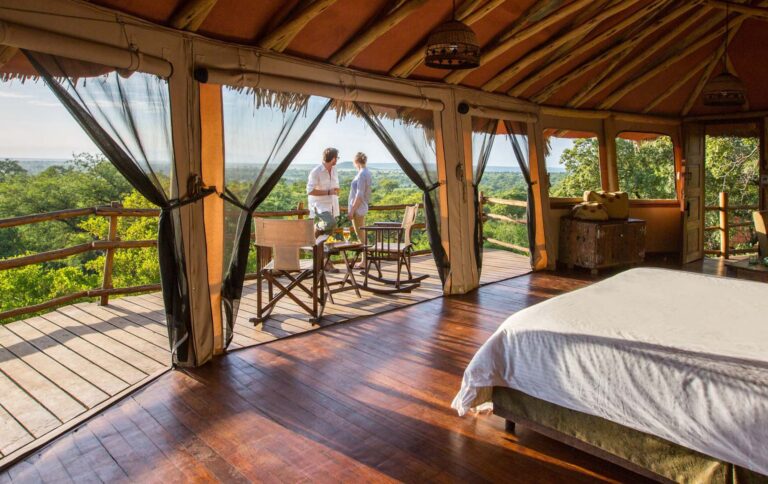 Singida Local Food Adventure: A Culinary Journey Through Tanzanias Heartstart a unique culinary exploration in Singida, Tanzania. This guide details the local food adventure, from staple dishes and unique ingredients…View package2-Day Singida Culture And Nature Package: A Deep Dive For 2026-2027A detailed 2026-2027 guide to 2-Day Singida Culture and Nature Package, with clear planning and booking information for travelers.View package
 1-Day Lake Manyara Birdwatching Tour: Your Ultimate Tanzania OrnithologyA detailed 2026-2027 guide to 1-Day Lake Singidani Birdwatching Tour, with clear planning and booking information for travelers.View package


