

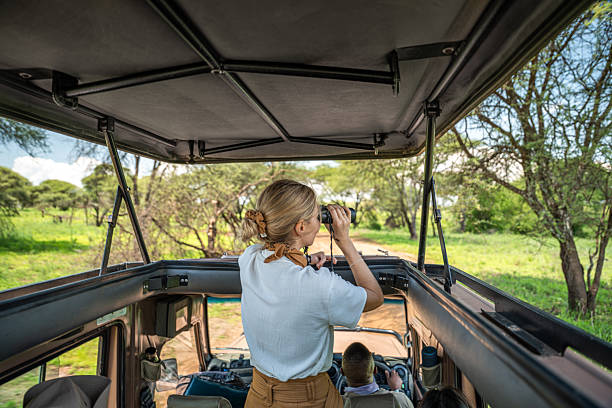

A Sumbawanga Historical Tour is an immersive exploration of the Rukwa Region’s rich and often overlooked history, focusing on archaeological sites, colonial remnants, and the vibrant cultural heritage of its people. Such tours typically involve visiting key locations around Sumbawanga town and extending into the surrounding districts to understand the area’s significance from ancient times through German and British colonial periods, up to its role in contemporary Tanzania. For travelers planning their visits in 2026 and 2027, these tours offer a profound connection to a less-traveled part of Tanzania, providing insights into Swahili coast influences, internal slave trade routes, and the development of modern Sumbawanga as a regional hub.
The Allure of Sumbawanga: Beyond the Usual Tanzanian Itinerary
When most travelers envision a Tanzanian adventure, their minds often conjure images of the Serengeti’s great migration, the majestic peak of Kilimanjaro, or the spice-scented beaches of Zanzibar. While these are undeniably spectacular, Tanzania’s depth extends far beyond its most famous landmarks. The western and southwestern regions, including the Rukwa Region with its capital Sumbawanga, offer a different, yet equally compelling, narrative. A Sumbawanga Historical Tour invites you to step off the beaten path and into a landscape steeped in history, culture, and natural beauty that remains largely untouched by mass tourism. This is a journey for the curious, the discerning traveler seeking authenticity and a deeper understanding of Tanzania’s complex past.
Sumbawanga, situated in the southwestern highlands, is more than just an administrative center; it is a gateway to a region that played a significant role in various historical epochs. Its strategic location, though remote by modern travel standards, made it a crossroads for trade, migration, and conflict long before the arrival of European powers. Understanding Sumbawanga’s historical context requires looking at its geographical positioning, its connection to ancient trade routes, and its subsequent development under different colonial administrations. For those looking to plan trips in 2026 or 2027, engaging with the history of Sumbawanga provides a unique perspective that complements the more commonly experienced Tanzanian destinations.
Historical Roots: Tracing the Footprints of Time in Rukwa
The history of the Rukwa Region, and by extension Sumbawanga, is a multi-layered story that begins millennia ago. Archaeological evidence suggests human habitation in the broader southwestern Tanzanian highlands dating back to the Stone Age. While specific, widely publicized archaeological sites directly within Sumbawanga town are fewer compared to other regions, the surrounding areas hold clues to ancient human activity. The region’s geological features, including the vast Rukwa Rift Valley, have influenced settlement patterns and provided resources for early inhabitants.
The pre-colonial era saw the migration and settlement of various Bantu-speaking groups, who established complex societies and engaged in agriculture, pastoralism, and local trade. The region’s proximity to the interior also meant it was indirectly affected by the wider economic and social dynamics of East Africa, including the Swahili coast’s influence and the development of inland trade networks, some of which tragically involved the slave trade. Understanding these early movements and societal structures is crucial to appreciating the indigenous heritage that forms the bedrock of Sumbawanga’s historical identity.
The Colonial Era: German East Africa and its Echoes
The late 19th and early 20th centuries marked a dramatic shift with the Scramble for Africa, bringing German colonial rule to the region. German East Africa (1885-1919) encompassed present-day Tanzania, Rwanda, and Burundi. While the coastal areas and northern highlands often received more direct administrative attention, the southwestern regions like Rukwa were integrated into the colonial framework, albeit with varying degrees of intensity. German presence was often established through administrative outposts, trade centers, and infrastructure projects aimed at resource extraction and control.
Sumbawanga itself began to develop as a settlement during this period, serving as a local administrative and economic point. The German colonial administration implemented policies that reshaped local economies, introduced new forms of taxation, and altered traditional governance structures. For a Sumbawanga Historical Tour, exploring this era means looking for architectural remnants, understanding the establishment of administrative boundaries, and learning about the impact of German policies on the indigenous populations. The legacy of this period is subtle but present, woven into the fabric of the town and its surrounding communities.
British Rule and the Tanganyika Mandate
Following Germany’s defeat in World War I, the territory became a League of Nations mandate administered by Great Britain, known as Tanganyika. The British administration continued the process of governance, often building upon or modifying existing German structures. During the British period, Sumbawanga continued to grow as a regional center. The administration focused on consolidating control, developing infrastructure where deemed necessary, and managing the local economy, which often revolved around agriculture.
A historical tour in Sumbawanga can uncover the physical manifestations of British administration. This might include older government buildings, remnants of colonial-era infrastructure, or understanding the geographical layout of the town as it was planned or expanded under British oversight. The period also saw the increasing influence of Christian missionary activities, which played a significant role in education and social services, leaving another layer of historical and cultural imprint on the region. For travelers in 2026-2027, understanding this transition from German to British rule provides a clearer picture of how modern Tanzania began to take shape.
Key Historical Sites and Experiences on a Sumbawanga Tour
While Sumbawanga may not boast ancient ruins on the scale of Great Zimbabwe or extensive colonial fortresses, its historical significance lies in its evolving role as a regional center and its connection to broader historical narratives. A well-curated Sumbawanga Historical Tour would focus on tangible and intangible heritage, offering insights that resonate deeply.
Sumbawanga Town: A Living Museum
The town of Sumbawanga itself serves as the primary locus for historical exploration. Walking through its streets provides a glimpse into different architectural styles and urban planning that reflect its colonial past and post-independence development. Key areas to explore include:
- Old Administrative Buildings: Look for structures that date back to the colonial era, which might now house government offices or other public facilities. These buildings often retain architectural features from German or British periods, offering a visual cue to the town’s history.
- The Central Market: Markets are often centuries-old hubs of activity. The Sumbawanga market, while modernized, represents a continuous tradition of commerce and social interaction that has defined the town for generations, reflecting its role as a trading post.
- Churches and Mosques: The presence of historical religious buildings, particularly those established during the colonial or early post-independence periods, tells a story of faith, community development, and cultural exchange.
- Local Archives and Museums (if available): While small, local museums or archives can offer invaluable insights into the region’s history, ethnography, and significant events. Inquire locally about any such institutions or collections.
The Rukwa Valley and its Ancient Past
The broader Rukwa Valley, a significant geological and historical landscape, offers a different dimension to a historical tour. While not always directly accessible or extensively excavated, the valley’s history is tied to ancient human migrations and geological events.
- Paleontological Significance: The Rift Valley systems in East Africa are renowned for their paleontological discoveries. While major finds might be outside the immediate Sumbawanga area, the geological context suggests potential for ancient human presence and paleo-environmental studies.
- Pre-colonial Trade Routes: The valley’s geography likely influenced ancient trade routes connecting the interior with other regions. Understanding these routes, even if only through local narratives and geographical interpretation, adds depth to the historical context.
Cultural Heritage Sites and Local Communities
A crucial element of any historical tour in Sumbawanga is engaging with the living heritage of its people. The Rukwa Region is home to diverse ethnic groups, each with its own traditions, languages, and historical narratives.
- Traditional Villages: Visiting nearby villages (with prior arrangement and local guidance) can offer insights into traditional ways of life, agricultural practices, and social structures that have persisted or evolved over centuries.
- Oral Histories: Engaging with local elders and community members can provide invaluable oral histories – personal accounts and stories passed down through generations that illuminate historical events and societal changes from a unique perspective. This is an essential part of understanding the human element of history.
- Craftsmanship and Arts: Observing or participating in traditional crafts, music, and dance offers a tangible connection to the cultural heritage that has been preserved and transmitted through time.
Planning Your Sumbawanga Historical Tour for 2026-2027
Organizing a historical tour to Sumbawanga requires careful planning, especially given its remoteness. The experience is best when tailored to individual interests, focusing on specific historical periods or cultural aspects. For travelers looking ahead to 2026 and 2027, here are key considerations:
Best Time to Visit
The climate in Sumbawanga is generally pleasant, characterized by distinct wet and dry seasons. The dry season, typically from June to October, is ideal for travel, offering sunny days and cooler evenings, making exploration more comfortable. The shoulder months, May and November, can also be good, with fewer crowds and moderate weather.
Duration of the Tour
A comprehensive Sumbawanga Historical Tour could range from 3 to 5 days, allowing sufficient time to explore the town, visit nearby cultural sites, and potentially venture slightly further into the Rukwa Valley area. For those wishing to combine it with other Tanzanian experiences, it can be integrated into a larger itinerary.
Logistics and Transportation
Reaching Sumbawanga usually involves flying into its small airport (Sumbawanga Airport – Sumb) from Dar es Salaam or other major Tanzanian cities. Road travel is possible but can be lengthy and challenging, especially during the rainy season. Once in Sumbawanga, local transportation options include taxis, hired vehicles, and for more remote excursions, 4×4 vehicles are recommended.
Accommodation Options
Accommodation in Sumbawanga is more limited compared to major tourist hubs. Options typically include:
- Basic Hotels and Guesthouses: These offer clean and functional rooms, suitable for budget-conscious travelers.
- Mid-Range Lodges: A few establishments provide more comfort and amenities, catering to travelers seeking a bit more convenience.
- Guest Houses attached to religious institutions: Sometimes these can offer simple, affordable lodging.
It is advisable to book accommodations in advance, especially if traveling during peak seasons or for specific dates in 2026 or 2027.
Guided Tours vs. Independent Exploration
While independent exploration is possible, hiring a local guide or a specialized tour operator significantly enhances a historical tour. A knowledgeable guide can:
- Provide historical context and insights that are not readily available.
- Facilitate interactions with local communities.
- Navigate logistical challenges and ensure safety.
- Help arrange visits to specific sites or individuals.
For an authentic and informative experience, partnering with a reputable local tour operator is highly recommended. They can craft bespoke itineraries that cater to your specific historical interests, ensuring a rich and meaningful journey through Sumbawanga’s past.
Cultural Etiquette and Respect
When visiting historical sites and interacting with local communities in the Rukwa Region, it’s important to be mindful of cultural etiquette. Dress modestly, especially when visiting religious sites or villages. Always ask for permission before taking photographs of people. Learning a few basic Swahili phrases like ‘Jambo’ (Hello) and ‘Asante’ (Thank you) can go a long way in fostering positive interactions. Respecting local customs and traditions is paramount to a rewarding and responsible travel experience.
Beyond Sumbawanga: Exploring the Wider Rukwa Region
While Sumbawanga town is the focal point, the historical narrative extends into the surrounding Rukwa Region. Understanding the broader context enriches the historical perspective gained from the tour.
Lake Rukwa and its Historical Significance
Lake Rukwa, a large, shallow, alkaline lake in the Rukwa Rift Valley, has been a vital resource for millennia. Its historical significance includes:
- Water Source and Livelihoods: For ancient and current populations, the lake has been a source of water, fish, and fertile land along its shores, influencing settlement patterns and economic activities.
- Ecological History: The lake’s fluctuating levels and salinity tell a story of climatic changes over geological time, which would have impacted early human inhabitants.
- Transportation and Trade: In certain historical periods, lakes could serve as rudimentary transportation routes, connecting communities.
While direct historical ruins around the lake are rare, its presence has shaped the human history of the region profoundly.
The Katavi National Park Connection
To the north of Sumbawanga lies Katavi National Park, Tanzania’s third-largest park. While primarily known for its wildlife, its geographical position within the Rift Valley system also connects it to the region’s broader historical and geological narrative. Understanding the ancient landscapes and potential human interactions with these environments adds another layer to a historical exploration of southwestern Tanzania.
Archaeological Potential and Future Discoveries
The southwestern highlands of Tanzania, including the Rukwa Region, remain relatively underexplored archaeologically compared to other parts of the country. This presents an exciting prospect for future discoveries that could further illuminate the region’s deep past. A Sumbawanga Historical Tour in 2026 or 2027 might offer a chance to visit areas with known or suspected archaeological potential, guided by local experts aware of ongoing research or historical accounts.
Why Choose a Sumbawanga Historical Tour in 2026-2027?
The decision to focus on Sumbawanga for a historical tour is for the traveler who seeks depth, authenticity, and a departure from the conventional tourist trail. In 2026 and 2027, this region offers a unique opportunity to:
- Experience Unspoiled Culture: Connect with communities whose traditions have been preserved due to their relative isolation.
- Gain Historical Perspective: Understand the diverse influences that have shaped Tanzania, moving beyond the commonly highlighted narratives.
- Support Emerging Tourism: By visiting less-traveled destinations, you contribute to the sustainable development of local economies and cultural preservation efforts.
- Enjoy Authentic Encounters: Experience genuine hospitality and gain insights from local perspectives, fostering a deeper appreciation for the region.
A Sumbawanga Historical Tour is not just about seeing historical sites; it’s about understanding the continuum of human experience in a captivating corner of Tanzania. It’s an invitation to witness history not just in ruins or texts, but in the land, the people, and the enduring spirit of the Rukwa Region.
Planning Your Tanzanian Adventure with Top Guide Adventures
For those inspired to explore the historical depths of Sumbawanga or any other facet of Tanzania’s rich heritage, Top Guide Adventures is your premier partner. We specialize in crafting personalized safari experiences, Kilimanjaro treks, Zanzibar holidays, and unique cultural tours across Tanzania. Our expert local guides are passionate about sharing the stories and landscapes of their homeland, ensuring an unforgettable journey. Whether you are planning for 2026, 2027, or beyond, we can tailor an itinerary to your specific interests, including in-depth historical explorations in regions like Rukwa. Get in touch to start planning your dream Tanzanian adventure:
WhatsApp: +255616946642
Email: topguideadventures@gmail.com
Backup Email: info@topguideadventures.com
Let us help you discover the hidden histories and vibrant cultures of Tanzania. Visit our website to learn more about our custom travel experiences and existing tour packages, including options for group departures and shared tours across Tanzania.
Check Availability for Sumbawanga Historical Tour: Uncovering Rukwas Rich Past In 2026-2027
Ready to compare dates, prices, and the best option for your group? Send the package name and travel month so the team can reply with a clear quote, availability, and what is included.
 3-Day Sumbawanga Highlands Package: An Exclusive Tanzania Adventure 2026-2027Discover the untouched beauty and rich culture of the Sumbawanga Highlands with our exclusive 3-day package. Perfect for adventurers seeking…View package1-Day Sumbawanga Cultural Tour: Experience Local Life In Tanzania 2026-2027A detailed 2026-2027 guide to 1-Day Sumbawanga Cultural Tour, with clear planning and booking information for travelers.View package
 Sumbawanga And Rukwa: Your Guide To Tanzanias Untamed Southwest 2026-2027Explore the untouched beauty of Sumbawanga and Rukwa in Tanzania's southwestern corner. This guide offers insights into wildlife, culture, and…View package
 2-Day Lake Rukwa Fishing Adventure In Tanzania: Your Ultimate Guide 2026-2027start an unforgettable 2-day fishing adventure on Tanzania's vast Lake Rukwa. This immersive experience offers incredible angling opportunities…View package1-Day Lake Rukwa Birdwatching Tour: Your Ultimate Tanzania OrnithologyA 1-Day Lake Rukwa Birdwatching Tour offers an intensive, focused experience for ornithology enthusiasts, showcasing the rich birdlife of this…View packageKatavi Dry Season Wildlife Tour: Best Of Tanzanias Untamed WildernessDiscover the raw beauty and incredible wildlife of Katavi National Park during its dry season. This tour focuses on the best game viewing…View package
 Katavi Honeymoon Safari: Ultimate Romantic Wilderness Escape 2026-2027Plan your dream Katavi honeymoon safari, an exclusive Tanzanian wilderness experience combining incredible wildlife viewing with intimate…View package
 Katavi Remote Camping Adventure: An Unforgettable Tanzanian WildernessDiscover the raw, untamed beauty of Katavi National Park with our remote camping adventures. This guide explores what makes Katavi a premier…View package


