
Karagwe heritage encompasses the deep historical roots, vibrant cultural traditions, and unique societal structures of the Karagwe Kingdom and its people in northwestern Tanzania, offering a rich mix of ancestral narratives, royal lineage, and enduring customs that are increasingly accessible to culturally curious travelers planning for 2026-2027.
The Enduring Legacy of the Karagwe Kingdom
The story of Karagwe is not merely a footnote in Tanzanian history; it is a significant chapter that speaks of sophisticated political organization, profound cultural development, and a resilient spirit. Nestled in the western reaches of Tanzania, bordering Rwanda and Burundi, the region of Karagwe has long been a cradle of civilization, its heritage shaped by centuries of monarchical rule, intricate social hierarchies, and a unique relationship with the land and its resources. Understanding Karagwe heritage means delving into the annals of a kingdom that, while perhaps less globally recognized than some of its East African counterparts, played a crucial role in the regional dynamics of pre-colonial and colonial periods. Its legacy is etched in the oral traditions, the surviving artifacts, the architectural remnants, and the living customs of its people.
For travelers keen on exploring the authentic cultural heart of Tanzania, Karagwe offers an unparalleled opportunity. Unlike the more heavily touristed areas, Karagwe provides a genuine immersion into a way of life that has been preserved through generations. This region is a testament to the enduring power of tradition and the ability of a community to maintain its identity amidst the currents of modernity. As we look towards 2026-2027, the interest in exploring such rich, less-trodden cultural landscapes is growing, making Karagwe an increasingly attractive destination for those seeking meaningful travel experiences.
Historical Foundations: From Ancient Roots to Royal Power
The origins of the Karagwe Kingdom are rooted in oral histories and archaeological findings that point to a complex societal structure emerging long before the 18th century. The kingdom’s power and influence grew significantly over time, particularly under strong rulers who expanded its territory and solidified its administrative systems. The political landscape of Karagwe was characterized by a centralized monarchy, with a king (Omwami) at its apex, supported by a council of elders and a network of regional chiefs. This structured governance allowed for effective control over resources, trade routes, and the populace.
The Karagwe Kingdom was strategically located, benefiting from its position along important trade routes that facilitated the exchange of goods such as cattle, iron, salt, and later, ivory and slaves. This economic activity not only enriched the kingdom but also exposed it to external influences, which were often integrated into the local culture without compromising its core identity. The kingdom’s ability to manage these external interactions, especially during the tumultuous periods of Arab and European colonial expansion, speaks volumes about its political acumen and resilience.
A key aspect of Karagwe’s historical narrative is its royal lineage. The dynasty that ruled Karagwe for centuries was highly respected, and its history is preserved through epic poems and songs recited by court historians (Abahombozi). These oral traditions are invaluable historical documents, providing detailed accounts of royal succession, significant events, and the lives of prominent rulers. Understanding this royal history is fundamental to grasping the concept of Karagwe heritage, as it forms the backbone of the region’s identity and pride.
The Role of Cattle in Karagwe Society
Cattle have always been central to the economic, social, and cultural fabric of Karagwe. Historically, wealth and status were often measured by the size of one’s cattle herd. Cattle were not just a source of food (milk and meat) and labor, but also served as a crucial medium of exchange, especially in bride wealth negotiations (kugurira). The intricate system of cattle ownership and management reflects a deep understanding of pastoralism and its importance in sustaining the community. This enduring connection to cattle is a palpable element of Karagwe heritage, visible in the pastoral practices that continue to this day and in the cultural significance attributed to these animals.
The royal family, in particular, maintained vast herds, which symbolized their power and prosperity. The management of these royal herds involved specific rituals and protocols, further cementing the link between cattle, royalty, and the divine. This historical emphasis on cattle ownership continues to influence contemporary Karagwe society, where livestock remains a vital asset and a symbol of well-being.
Cultural Expressions: Traditions, Arts, and Social Structures
The cultural heritage of Karagwe is expressed through a myriad of traditions, artistic forms, and social practices that have been passed down through generations. These elements provide a vibrant insight into the worldview, values, and daily lives of the Karagwe people.
Oral Traditions and Storytelling
As mentioned, oral traditions are the lifeblood of Karagwe heritage. The Abahombozi, or royal bards, played a critical role in preserving history, genealogies, and cultural narratives. Their performances, often accompanied by music, were not just entertainment but also educational and spiritual events, reinforcing social norms and royal authority. These stories often feature heroic deeds, tales of love and loss, and moral lessons, offering a profound understanding of the cultural values that have shaped the community.
Modern-day Karagwe still cherishes its storytelling heritage. While the formal role of Abahombozi might have diminished with modernization, the practice of sharing stories and proverbs remains a vital part of social gatherings and family life. Travelers who engage with local communities may have the opportunity to hear these tales, gaining an intimate perspective on the region’s cultural soul.
Music, Dance, and Crafts
Music and dance are integral to Karagwe culture, accompanying ceremonies, celebrations, and daily activities. Traditional instruments, such as drums and stringed instruments, are used to create rhythms that are both captivating and meaningful. Dances often narrate historical events, celebrate harvests, or mark significant life transitions. The energy and vibrancy of these performances are a direct reflection of the people’s spirit and their connection to their ancestral practices.
Artistic expression also extends to crafts. While specific forms may vary, traditional Karagwe crafts often include pottery, basketry, and woodworking, utilizing local materials. These crafts are not only functional but also carry symbolic meanings and aesthetic values that are deeply rooted in the culture. Exploring these artistic traditions offers a tangible connection to the region’s heritage.
Social Structures and Community Life
The social structure of Karagwe has historically been hierarchical, with the royal family at the top, followed by nobles, commoners, and in some historical periods, specific social strata like artisans or herders. However, community cohesion and mutual support have always been strong. Extended family ties are paramount, and communal decision-making, particularly at the village level, plays a significant role in daily life. Practices like communal labor for farming or building are common, reinforcing the sense of collective responsibility and solidarity.
Marriage customs, rites of passage, and community rituals are all important aspects of social life that reflect the enduring values of respect, kinship, and tradition. Understanding these social dynamics is crucial for appreciating the nuances of Karagwe heritage and for interacting respectfully with the local population.
Geographical and Environmental Context
The landscape of Karagwe significantly influences its heritage. Located in the Kagera Region of Tanzania, the area is characterized by rolling hills, fertile valleys, and the shores of Lake Victoria. This fertile environment has historically supported agriculture, with crops like bananas, beans, and cassava being staples. The abundance of pastureland has also been crucial for the region’s pastoralist traditions.
The geographical position of Karagwe, close to the borders of neighboring countries, has historically made it a crossroads for migration, trade, and cultural exchange. This has resulted in a rich blend of influences that have shaped the unique identity of Karagwe. The natural beauty of the region, with its lush vegetation and scenic vistas, also contributes to the overall experience of exploring Karagwe heritage, offering a serene and picturesque backdrop to its historical and cultural narratives.
The Impact of Lake Victoria
Lake Victoria, the largest lake in Africa, plays a vital role in the life and heritage of Karagwe. Its waters provide sustenance through fishing, support transportation, and influence the local climate. The proximity to the lake has historically facilitated trade and interaction with communities on the other side of the water, contributing to the region’s diverse cultural influences. The lake’s presence is a constant reminder of the natural forces that have shaped the history and development of Karagwe.
Contemporary Karagwe: Preserving Heritage in a Modern World
In the 21st century, Karagwe, like many regions globally, faces the challenge of balancing tradition with modernity. The younger generations are exposed to global influences through media and education, which can sometimes lead to a disconnect from ancestral customs. However, there is also a growing recognition of the value of preserving cultural heritage, both for identity and for potential economic benefits, such as cultural tourism.
Efforts are underway, often driven by local communities and heritage enthusiasts, to document oral histories, revive traditional arts and crafts, and promote cultural understanding. The emergence of organizations and initiatives focused on heritage preservation is a positive sign for the future of Karagwe’s cultural legacy. For travelers interested in witnessing these preservation efforts firsthand, 2026-2027 presents an excellent opportunity to engage with a culture that is actively working to honor its past while embracing the future.
The Rise of Cultural Tourism
Cultural tourism is emerging as a key avenue for experiencing and supporting Karagwe heritage. This form of tourism focuses on immersive experiences that allow visitors to interact with local communities, learn about their traditions, and gain a deeper appreciation for their way of life. Instead of just observing, travelers can participate in daily activities, share meals, and listen to stories directly from the people who embody this heritage.
This approach to tourism not only provides economic benefits to the local communities, creating sustainable livelihoods, but also fosters a sense of pride and encourages the active preservation of cultural practices. As more travelers seek authentic experiences, Karagwe is poised to become a significant destination for cultural immersion. Companies like Top Guide Adventures are increasingly focusing on developing itineraries that highlight these cultural encounters, ensuring that visitors can connect meaningfully with the heart of Karagwe.
Planning Your Karagwe Heritage Experience in 2026-2027
For those inspired to explore Karagwe heritage, careful planning is essential to ensure a rich and rewarding journey. Understanding the best times to visit, how to get there, and what to expect will enhance the experience. The focus for 2026-2027 travel should be on authentic engagement and respectful exploration.
Best Time to Visit
The climate in Karagwe is generally pleasant throughout the year, but the dry seasons, typically from June to October and December to February, are often preferred for travel. These periods offer favorable weather conditions for exploring the region and engaging in outdoor activities. However, the shoulder seasons can also be rewarding, offering fewer crowds and potentially lower travel costs.
Getting to Karagwe
Karagwe is located in the Kagera Region, accessible by road from major Tanzanian cities like Dar es Salaam or Arusha. The journey can be long, but it offers a chance to see diverse Tanzanian landscapes. Alternatively, flights to Bukoba, the regional capital, followed by road travel, can shorten the journey. For international travelers, flying into Kilimanjaro International Airport (JRO) or Julius Nyerere International Airport (DAR) in Dar es Salaam are common entry points, with onward connections to Bukoba or direct road transfers arranged by tour operators.
Accommodation and Local Interaction
Accommodation options in Karagwe range from basic guesthouses to more comfortable lodges, reflecting the region’s developing tourism infrastructure. For the most authentic experience, consider homestays or community-run accommodations that allow for direct interaction with local families. This approach not only provides a unique cultural insight but also directly supports the local economy.
What to Expect and How to Engage
When visiting Karagwe, approach the experience with an open mind and a respectful attitude. Be prepared for a slower pace of life and embrace the opportunity to learn from the local communities. Engaging in conversations, showing genuine interest in their customs, and participating in cultural activities are key to a fulfilling heritage tour. Remember that you are a guest, and demonstrating respect for local traditions and sensitivities is paramount.
Top Guide Adventures specializes in crafting bespoke cultural tours that allow travelers to deeply connect with regions like Karagwe. We understand the nuances of cultural immersion and can help you design an itinerary that respects local traditions while offering unforgettable experiences. Whether you’re interested in historical sites, traditional music, or daily life, we can tailor a journey for you. For inquiries about planning your trip to Karagwe or other cultural destinations in Tanzania for 2026-2027, please reach out to us via WhatsApp at +255616946642 or email us at topguideadventures@gmail.com.
Connecting Karagwe Heritage with Broader Tanzanian Tourism
While Karagwe offers a distinct cultural experience, it is part of the larger narrative of Tanzania’s rich heritage. Tanzania is renowned for its diverse cultural groups, each with unique traditions and histories. By exploring Karagwe, travelers gain a deeper appreciation for the multicultural mosaic that defines the nation.
The insights gained from visiting Karagwe can complement other Tanzanian travel experiences, such as the world-famous wildlife safaris in the Serengeti and Ngorongoro Crater, or the historical and cultural explorations of Zanzibar. Understanding the historical kingdoms and cultural practices of the mainland, like those in Karagwe, adds a profound layer to the overall appreciation of Tanzania’s identity. For instance, learning about the political structures of the Karagwe Kingdom can provide context for understanding the evolution of other Tanzanian societies.
For travelers looking to combine cultural immersion with adventure, Top Guide Adventures offers a range of options. You might explore the rich heritage of Karagwe before or after a thrilling safari adventure or a trek up Mount Kilimanjaro. Our expertise lies in creating holistic travel experiences that showcase the best of Tanzania, from its wildlife wonders to its deep-rooted cultural treasures. We are committed to providing authentic and responsible travel opportunities that benefit local communities and preserve the heritage that makes Tanzania so special.
The Future of Karagwe Heritage Exploration
As we look towards 2026-2027 and beyond, the importance of preserving and promoting cultural heritage sites like Karagwe will only grow. Responsible tourism practices are key to ensuring that the exploration of Karagwe heritage benefits the local communities and contributes to the preservation of their traditions and environment. Top Guide Adventures is dedicated to this principle, working with local partners to create sustainable and impactful travel experiences.
We envision a future where Karagwe is recognized not only for its historical significance but also as a vibrant center for cultural exchange and learning. By supporting initiatives that document oral histories, revive traditional arts, and promote cultural education, we can help ensure that Karagwe heritage continues to thrive for generations to come. Our commitment is to facilitate journeys that are not just memorable but also meaningful, leaving a positive impact on both the traveler and the destination.
If you are planning a trip to Tanzania and wish to explore the unique Karagwe heritage, or if you are interested in custom safari packages, Kilimanjaro treks, or Zanzibar holidays, do not hesitate to contact us. Our team is ready to assist you in creating an unforgettable adventure. Reach out via WhatsApp +255616946642, email topguideadventures@gmail.com, or our backup email info@topguideadventures.com. Let Top Guide Adventures be your guide to the heart of Tanzania’s rich heritage.
Check Availability for Karagwe Heritage: Unveiling Tanzanias Rich History And Culture 2026-2027
Ready to compare dates, prices, and the best option for your group? Send the package name and travel month so the team can reply with a clear quote, availability, and what is included.
 Bukoba Traditional Architecture Tour: Exploring Lake Victorias HeritageExplore the distinctive traditional architecture of Bukoba, a gem on the shores of Lake Victoria. This comprehensive guide details what to…View package
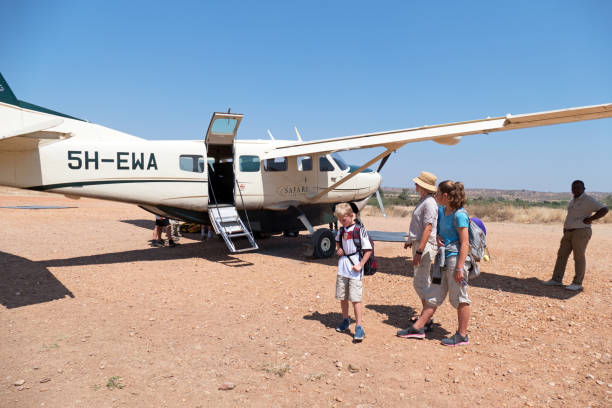 Rumanyika-Karagwe Cultural Safari: An Immersive Journey Into TanzaniasExplore the rich cultural mix of western Tanzania with a Rumanyika-Karagwe Cultural Safari. This unique journey offers deep dives into history…View package
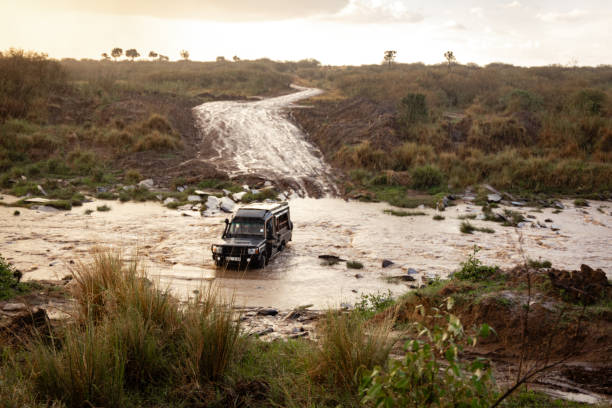 3-Day Rumanyika-Karagwe Nature Tour: An Unforgettable Tanzania AdventureDiscover the hidden gems of western Tanzania with a 3-day nature tour of Rumanyika-Karagwe National Park. This unique itinerary offers a chance…View package
 2-Day Rumanyika-Karagwe Safari: Your Ultimate Tanzania Wildlife AdventureDiscover the untamed beauty of Tanzania's western circuit with a focused 2-Day Rumanyika-Karagwe Safari. This compact yet rich itinerary offers…View package
 Bukoba Island Boat Tour: Your Ultimate Guide For 2026-2027Experience the serene beauty and vibrant culture surrounding Bukoba Island with a bespoke boat tour. This guide covers everything from scenic…View package
 Bukoba Fishing Village Tour: Experience Authentic Lakeside Culture In TanzaniaDiscover the vibrant heart of Tanzanian lakeside life with a Bukoba Fishing Village Tour. This immersive experience offers a unique glimpse into…View package
 Bukoba Cycling Adventure: Explore Tanzanias Lake Victoria Shores By Bikestart a memorable Bukoba Cycling Adventure, a unique journey through Tanzania's stunning Lake Victoria region. This tour offers an unparalleled…View package
 Bukoba Waterfalls Discovery Tour: Your Ultimate Guide By Top AdventuresExplore the hidden gems of Bukoba's waterfalls with Top Guide Adventures. This comprehensive guide covers everything you need to know for an…View package


