


A Karagwe Ancient Palace Tour offers an immersive exploration into the historical heart of the Bahinda Kingdom, revealing the remnants of ancient royal settlements, cultural practices, and the captivating stories of its rulers, providing a profound historical perspective on Tanzania’s pre-colonial past. Such tours typically involve visiting key archaeological sites, interacting with local communities, and understanding the socio-political structure of the kingdom, often as a multi-day excursion from regions like Bukoba or as part of a broader cultural circuit in Western Tanzania.
Unveiling the Karagwe Ancient Palace: A Gateway to a Lost Kingdom
The name ‘Karagwe’ evokes images of a land steeped in history, a kingdom that once held significant sway in the western reaches of what is now Tanzania. Far from the well-trodden paths of Serengeti safaris or the iconic peaks of Kilimanjaro, lies a different kind of adventure – one that traces the footsteps of ancient rulers and explores the enduring legacy of the Bahinda Kingdom. A Karagwe Ancient Palace tour is not about visiting a single, grand structure in the traditional sense, but rather about understanding a complex historical landscape dotted with the remnants of royal power, administrative centers, and sacred sites. It’s an invitation to connect with a past that shaped the region long before colonial influence, offering a unique window into pre-colonial African societies.
The Bahinda Kingdom, also known as the Kingdom of Karagwe, flourished for centuries, its influence stretching across the Kagera region and beyond. Its rulers, the Bahinda clan, were instrumental in establishing a sophisticated socio-political system. While the physical manifestations of this kingdom might not be as imposing as European castles or Asian palaces, their historical significance is immense. These sites, often characterized by earthworks, scattered pottery shards, and oral traditions, tell tales of powerful chiefs, intricate trade networks, and a vibrant cultural life. For travelers interested in history, archaeology, and authentic cultural experiences, a dedicated tour to the Karagwe Ancient Palace sites offers an unparalleled opportunity for discovery.
The Historical Significance of the Karagwe Kingdom
To truly appreciate a Karagwe Ancient Palace tour, one must first understand the historical context of the kingdom itself. The Bahinda Kingdom emerged around the 16th century, growing from a small chiefdom into a formidable state. Its strategic location, near the shores of Lake Victoria and along important trade routes, contributed to its prosperity and influence. The kingdom’s history is rich with the reigns of powerful kings, often referred to as ‘Abakama’ or ‘Nyakasiza’, who expanded its territory, managed its resources, and maintained its social order.
The societal structure was hierarchical, with the royal family at the apex, followed by nobles, commoners, and sometimes a class of servants. The economy was primarily based on agriculture, cattle herding, and trade. Karagwe was particularly known for its ironworking and the production of sophisticated metal tools and weapons, which were highly valued and traded extensively. This economic prowess, coupled with a strong military, allowed the Bahinda rulers to maintain their autonomy for a considerable period.
The oral traditions of the Bahinda people are a crucial element of understanding their history. These stories, passed down through generations, chronicle the lineage of kings, significant events, and the cultural norms that governed their lives. Modern archaeological research has begun to corroborate and expand upon these oral histories, unearthing artifacts that provide tangible evidence of the kingdom’s past glory. A Karagwe Ancient Palace tour aims to bring these narratives to life, connecting visitors with the physical sites where these events unfolded.
What to Expect on a Karagwe Ancient Palace Tour
A tour focused on the Karagwe Ancient Palace sites is inherently different from a typical tourist excursion. It requires an appreciation for history, patience, and a willingness to engage with the landscape and its stories. The ‘palace’ itself is not a single building but a collection of historical locations that served various functions for the Bahinda royalty and their court. These can include:
- Royal Enclosures: Sites where the king and his immediate family resided, often marked by subtle earthworks or specific land formations.
- Administrative Centers: Locations where the king held court, made decisions, and conducted official business.
- Sacred Sites: Places of ritual and religious importance, often associated with ancestral veneration or spiritual ceremonies.
- Defense Structures: Remnants of fortifications or strategic locations used to protect the kingdom.
- Archaeological Finds: Areas where pottery, tools, and other artifacts have been discovered, offering insights into daily life and craftsmanship.
The experience is often guided by local historians or knowledgeable community members who can interpret the landscape and share the rich oral traditions. Visitors might be taken to sites like Buzibwe, believed to be an early capital, or other locations associated with prominent kings like Rumanyika. The journey often involves moderate walking, sometimes through rural landscapes, connecting visitors with the natural beauty of the Kagera region as well.
While specific itineraries can vary, a typical Karagwe Ancient Palace tour might be structured as a day trip from Bukoba, the regional capital, or integrated into a longer cultural exploration of Western Tanzania. The emphasis is on interpretation, storytelling, and understanding the historical context rather than on finding grand, well-preserved structures. It’s an educational and deeply rewarding experience for those seeking a deeper connection with Tanzania’s heritage.
Planning Your Karagwe Ancient Palace Tour for 2026-2027
Planning a trip to explore the historical sites of the Karagwe Kingdom requires careful consideration, especially for travelers aiming for the 2026-2027 travel seasons. Unlike mass-market tourist destinations, these historical sites are less developed, meaning that flexibility and a good local guide are paramount. Here’s a guide to help you plan your journey:
Best Time to Visit
The Kagera region experiences a tropical climate with distinct wet and dry seasons. The best time to visit for comfortable exploration of historical sites is generally during the dry seasons:
- June to October: This is the peak dry season, offering sunny days and lower humidity, making it ideal for outdoor activities and site exploration.
- December to February: Another dry period, though it can be hotter than the June-October window.
The rainy seasons (March-May and November) can make some rural roads challenging to navigate and may limit access to certain sites. However, traveling during the shoulder seasons can offer fewer crowds and potentially lower costs.
Getting to Karagwe
The primary gateway to the Karagwe region is Bukoba, which has an airport with domestic flights from Dar es Salaam and other major Tanzanian cities. From Bukoba, you can arrange transportation to the specific historical sites. Options include:
- Private Vehicle Hire: This is the most convenient option, allowing flexibility to visit various sites at your own pace. Hiring a 4×4 vehicle is recommended, especially if visiting during or shortly after the rainy season.
- Local Transport: While possible, using local buses and taxis can be time-consuming and may not offer direct access to all historical locations.
The journey from Bukoba to the Karagwe district can take several hours, depending on the specific sites you wish to visit. It’s advisable to plan your logistics in advance.
Accommodation Options
Accommodation in the immediate Karagwe district is limited. Most visitors base themselves in Bukoba, which offers a range of hotels and guesthouses. For a more immersive experience, some eco-lodges or community-run accommodations might be available closer to the historical areas, though these need to be researched and booked well in advance for 2026-2027.
Booking Your Tour
Given the specialized nature of a Karagwe Ancient Palace tour, it is highly recommended to book through a reputable local tour operator. Companies like Top Guide Adventures specialize in creating customized cultural and historical tours in Tanzania. They can arrange:
- Experienced local guides with in-depth knowledge of the Bahinda Kingdom’s history.
- Appropriate transportation, including 4×4 vehicles if needed.
- Logistical support, including accommodation and any necessary permits.
- Tailored itineraries that match your interests and timeframe.
Contacting operators like Top Guide Adventures early is crucial, especially when planning for peak travel years like 2026-2027. You can reach them via WhatsApp at +255616946642 or by emailing topguideadventures@gmail.com.
Key Historical Sites and Their Significance
The Karagwe Ancient Palace tour is best understood by looking at the specific sites that represent the historical footprint of the Bahinda Kingdom. These are not always grand ruins but often subtle landscapes imbued with historical narratives.
Buzibwe: A Royal Center of Power
Buzibwe is often cited as one of the most significant historical sites related to the Karagwe Kingdom. It is believed to have been a major royal center and administrative hub during the peak of the Bahinda rule. The site is characterized by its strategic location and the presence of earthworks that likely served defensive purposes or marked out royal enclosures. Visiting Buzibwe offers a tangible connection to the daily life and governance of the ancient kingdom. Local guides can point out features that were once part of the royal compound, explaining the social hierarchy and the king’s role.
Nyabugoma and Other Royal Burial Grounds
The concept of royal burial sites is central to many ancient cultures, and the Bahinda Kingdom was no exception. Sites like Nyabugoma are believed to be resting places for past kings and queens. These areas are often considered sacred and are treated with great respect by local communities. While access might be restricted or require specific local permissions, understanding the importance of these sites provides insight into the spiritual beliefs and reverence for ancestors held by the Bahinda people. The preservation of these sites is vital for understanding the continuity of leadership and cultural traditions.
Archaeological Excavation Sites
Ongoing and past archaeological work in the Kagera region has uncovered numerous artifacts that shed light on the material culture of the Karagwe Kingdom. These include pottery fragments, iron tools, beads, and remnants of ancient settlements. While not always designated tourist attractions, areas where significant finds have been made can be part of a specialized Karagwe Ancient Palace tour. These sites are living laboratories for historians and archaeologists, providing concrete evidence of the kingdom’s technological advancements, trade connections, and daily living standards. Understanding the context of these finds helps paint a more complete picture of the society.
The Landscape as a Historical Record
Perhaps the most profound aspect of a Karagwe Ancient Palace tour is recognizing that the landscape itself is a historical record. The placement of settlements, the cultivation patterns, the natural defenses offered by hills and rivers – all were strategically chosen by the Bahinda rulers. A knowledgeable guide can help visitors interpret these elements, explaining how the environment shaped the kingdom and how the kingdom, in turn, shaped its environment. This holistic approach moves beyond individual sites to appreciate the entire historical ecosystem of the Karagwe region.
Cultural Immersion and Local Interactions
A Karagwe Ancient Palace tour is not solely about historical ruins; it is also a powerful opportunity for cultural immersion. The descendants of the Bahinda Kingdom, and the people who live in the historical lands, carry forward many traditions and stories. Engaging with local communities can enrich the experience significantly.
Understanding Bahinda Traditions Today
While the kingdom as a political entity ceased to exist with colonial rule, aspects of Bahinda culture persist. This can include traditional music, dance, agricultural practices, and social customs. A well-designed tour will incorporate opportunities to witness or even participate in these cultural expressions. Learning about the clan system, traditional leadership roles (even if ceremonial today), and the values that guided the kingdom can provide a deeper appreciation for the people of Karagwe.
Interacting with Local Communities
Visiting the historical sites often means passing through or interacting with local villages. This provides a chance to see contemporary life in the region, which is intrinsically linked to its past. Engaging respectfully with local people can lead to genuine connections and a more authentic travel experience. Many communities in the Kagera region are welcoming to visitors who show a genuine interest in their heritage. This interaction might involve visiting local markets, understanding farming methods, or simply sharing a conversation (often facilitated by a guide).
The Role of Oral History
In regions where written records are scarce, oral history is the primary vehicle for transmitting knowledge across generations. The stories of the Bahinda kings, their deeds, and the societal norms are kept alive by elders and storytellers. A Karagwe Ancient Palace tour that prioritizes listening to these oral traditions offers a unique and invaluable perspective. These narratives often provide details and nuances that written accounts might miss, offering a more intimate glimpse into the kingdom’s past.
Practicalities for Travelers
For those planning a Karagwe Ancient Palace tour, especially for 2026-2027, being prepared for the practical aspects is essential.
What to Pack
Given the nature of the tour, which involves exploring historical sites and potentially rural areas, packing appropriately is key:
- Lightweight, breathable clothing: Tanzania can be hot and humid.
- Comfortable walking shoes: Essential for exploring uneven terrain.
- Sun protection: A hat, sunglasses, and sunscreen are vital.
- Insect repellent: Especially for evenings and areas near water.
- Rain gear: A light rain jacket or poncho, even in the dry season, as tropical showers can occur.
- Reusable water bottle: To stay hydrated and minimize plastic waste.
- Camera: To capture the historical landscapes and cultural encounters.
- Small backpack: For carrying essentials during day excursions.
Health and Safety
Standard travel precautions for Tanzania apply:
- Vaccinations: Consult your doctor about recommended vaccinations, including Yellow Fever (required for entry from some countries), Typhoid, and Hepatitis A.
- Malaria prevention: Discuss malaria prophylaxis with your healthcare provider.
- Water: Drink only bottled or purified water.
- Food: Eat well-cooked food, preferably hot. Be cautious with street food.
- Travel Insurance: Comprehensive travel insurance is highly recommended.
Connectivity and Technology
Internet and mobile phone coverage can be spotty in rural areas of the Kagera region. While Bukoba has better connectivity, be prepared to disconnect to some extent. This can be a positive aspect, allowing for a more focused historical and cultural experience.
Respectful Tourism
When visiting historical and cultural sites, it’s important to be respectful. Always ask permission before taking photos of people, dress modestly, and be mindful of local customs and traditions. Engaging with local guides and community members with humility and genuine interest will enhance your experience.
The Future of Karagwe Ancient Palace Tourism
As Tanzania continues to develop its tourism offerings beyond the classic safari circuit, the potential for historical and cultural tourism in regions like Karagwe is significant. For 2026-2027 and beyond, there’s a growing interest among travelers seeking authentic, off-the-beaten-path experiences that connect them with the continent’s rich past.
Developing responsible tourism practices around these fragile historical sites is crucial. This involves working closely with local communities to ensure they benefit from tourism, preserving the integrity of the archaeological sites, and promoting sustainable travel. Initiatives could include:
- Community-based heritage tours: Empowering local communities to lead tours and share their knowledge.
- Archaeological preservation efforts: Collaborating with researchers and authorities to protect and study the sites.
- Cultural exchange programs: Facilitating meaningful interactions between visitors and locals.
- Improved infrastructure: Developing basic facilities and signage to enhance visitor experience while minimizing environmental impact.
The Karagwe Ancient Palace tour represents a vital part of Tanzania’s historical narrative. By focusing on these sites, travelers can gain a deeper understanding of the country’s pre-colonial history, its diverse kingdoms, and the enduring cultural heritage of its people. It’s an experience that promises to be both educational and profoundly moving.
Comparing Karagwe with Other Historical Sites in Tanzania
While Karagwe offers a unique glimpse into a specific pre-colonial kingdom, Tanzania boasts a rich mix of historical sites, each with its own story. Understanding how Karagwe fits into this broader historical landscape can help travelers appreciate its distinctiveness.
Kilwa Kisiwani and Songo Mnara: Swahili Coast Heritage
For centuries, the Swahili Coast was a hub of international trade, and the ruins of Kilwa Kisiwani and Songo Mnara stand as testament to this golden age. These UNESCO World Heritage sites showcase the grandeur of medieval Islamic city-states, with impressive mosques, palaces, and merchant houses. They represent a different facet of Tanzanian history – that of maritime trade, Islamic culture, and cosmopolitan urban centers. While Karagwe focuses on inland, pre-colonial African kingdoms, Kilwa highlights coastal Arab-African interactions and trade networks.
Engaruka: Ancient Agricultural Community
Located near Mount Meru, Engaruka offers insights into an ancient agricultural community that thrived between the 15th and 18th centuries. The site features stone-built irrigation systems, terraces, and house foundations, revealing a sophisticated approach to farming in a challenging environment. Unlike Karagwe, which was a kingdom, Engaruka represents a community focused on specialized agriculture and resource management. It offers a different perspective on early Tanzanian societies, emphasizing ingenuity and adaptation.
Kondoa Irangii Rock-Art Sites: Prehistoric Art
The Kondoa Irangii Rock-Art Sites, another UNESCO World Heritage site, transport visitors back to prehistoric times. These sites contain thousands of rock paintings depicting animals, humans, and abstract symbols, created by hunter-gatherer communities over thousands of years. They offer a window into the earliest human presence and artistic expression in the region, predating the formation of kingdoms like Karagwe by millennia. This is history in its most ancient form, focusing on art and early human life.
The Royal Villages of the Chagga: Cultural History
On the slopes of Kilimanjaro, the Chagga people have a rich history of organized communities, elaborate underground tunnels for defense, and a unique social structure. Visiting their traditional villages and learning about their history provides another dimension of pre-colonial life, distinct from the Bahinda Kingdom. The Chagga history is often tied to their agricultural practices, their resistance to colonial powers, and their strong community organization.
Karagwe’s Unique Contribution
What makes the Karagwe Ancient Palace tour distinct is its focus on the specific political and social structures of a powerful inland kingdom in Western Tanzania. It offers a deep look at the Bahinda dynasty, their governance, and their cultural practices, which are different from the trade-focused Swahili Coast, the agricultural communities of Engaruka, the prehistoric art of Kondoa, or the distinct social fabric of the Chagga. Karagwe provides a crucial piece of the puzzle in understanding the diverse pre-colonial political entities that existed across Tanzania.
Making the Most of Your Karagwe Experience
To ensure your Karagwe Ancient Palace tour is as enriching as possible, consider these additional tips:
Engage Your Guide
Your local guide is your key to unlocking the stories held within the landscape. Don’t hesitate to ask questions, no matter how small they may seem. A good guide will not only explain the historical facts but also share local folklore, insights into contemporary life, and the cultural significance of the sites. For 2026-2027 trips, ensure your guide is certified and has specific knowledge of the Karagwe Kingdom.
Be Open to the Unexpected
Travel in regions like Karagwe often involves a degree of unpredictability. Roads can be rough, schedules may shift, and sometimes the most memorable experiences arise from spontaneous encounters. Embrace flexibility and an open mind. This approach will allow you to appreciate the authentic, unscripted moments that make travel truly special.
Connect with Local Culture
Beyond the historical sites, take time to experience the local culture. This could involve visiting a local market, trying regional cuisine, or simply observing daily life. Small interactions can offer profound insights into the continuity of traditions from the time of the Bahinda Kingdom to the present day.
Document Your Journey Thoughtfully
While taking photos is encouraged, do so respectfully. Focus on capturing the essence of the historical sites, the landscapes, and the cultural encounters. Consider keeping a travel journal to record your thoughts, observations, and learnings. This personal record will be invaluable long after your trip concludes.
Booking Your Unforgettable Karagwe Ancient Palace Tour
The Karagwe Ancient Palace tour offers a unique opportunity to step back in time and explore the rich history of the Bahinda Kingdom. For travelers planning their adventures in 2026-2027, securing a well-organized tour is essential for a rewarding experience. Top Guide Adventures is a leading Tanzanian tour operator with extensive experience in crafting personalized historical and cultural journeys. They understand the nuances of exploring sites like Karagwe, ensuring you have knowledgeable guides, comfortable transportation, and a smooth itinerary. Whether you’re interested in delving deeper into pre-colonial African history, experiencing authentic cultural interactions, or simply seeking an adventure off the beaten path, a Karagwe tour is an exceptional choice. To discuss your customized Karagwe Ancient Palace Tour and receive a personalized quote for 2026-2027, please reach out to us. You can connect directly via WhatsApp at +255616946642 or send your inquiries to topguideadventures@gmail.com. For backup, you can also email info@topguideadventures.com. Let us help you uncover the hidden historical treasures of Tanzania.
Check Availability for Karagwe Ancient Palace Tour: Exploring The History Of Kingdom 2026-2027
Ready to compare dates, prices, and the best option for your group? Send the package name and travel month so the team can reply with a clear quote, availability, and what is included.
 1-Day Karagwe Kingdom Heritage Tour: Explore Ancient History In TanzaniaA 1-day Karagwe Kingdom Heritage Tour offers an immersive journey into the rich history and cultural legacy of the ancient Karagwe Kingdom in…View package
 2-Day Karagwe Cultural Package: An Immersive Journey In Tanzania 2026-2027Discover the rich heritage of the Karagwe Kingdom with our 2-day cultural package. This immersive tour explores historical sites, traditional…View package
 Karagwe Heritage: Unveiling Tanzanias Rich History And Culture 2026-2027Discover the profound heritage of Karagwe, Tanzania. This comprehensive guide explores its historical significance, cultural practices, and…View package
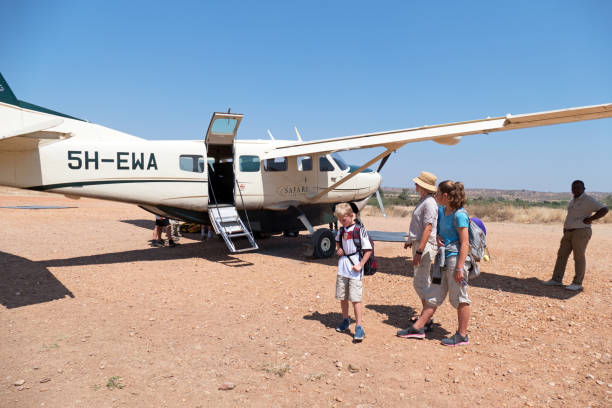 Rumanyika-Karagwe Cultural Safari: An Immersive Journey Into TanzaniasExplore the rich cultural mix of western Tanzania with a Rumanyika-Karagwe Cultural Safari. This unique journey offers deep dives into history…View package
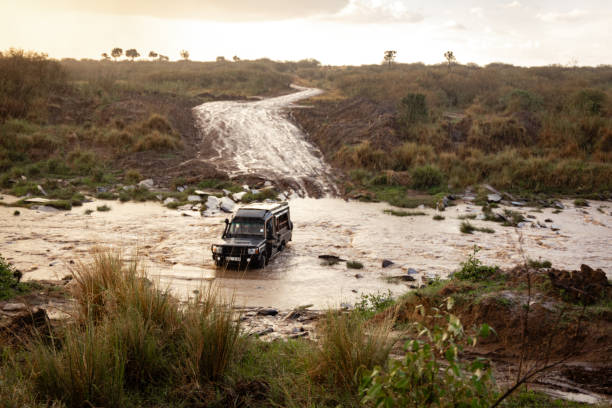 3-Day Rumanyika-Karagwe Nature Tour: An Unforgettable Tanzania AdventureDiscover the hidden gems of western Tanzania with a 3-day nature tour of Rumanyika-Karagwe National Park. This unique itinerary offers a chance…View package
 2-Day Rumanyika-Karagwe Safari: Your Ultimate Tanzania Wildlife AdventureDiscover the untamed beauty of Tanzania's western circuit with a focused 2-Day Rumanyika-Karagwe Safari. This compact yet rich itinerary offers…View package
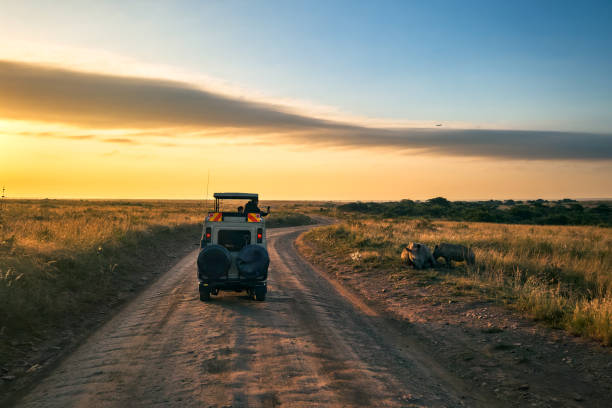 Bukoba Island Boat Tour: Your Ultimate Guide For 2026-2027Experience the serene beauty and vibrant culture surrounding Bukoba Island with a bespoke boat tour. This guide covers everything from scenic…View package
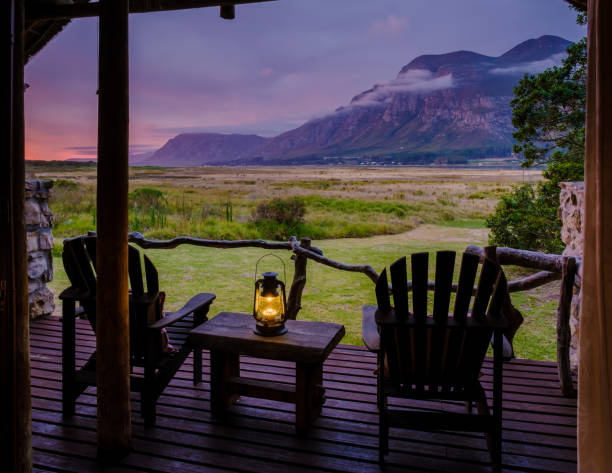 Bukoba Fishing Village Tour: Experience Authentic Lakeside Culture In TanzaniaDiscover the vibrant heart of Tanzanian lakeside life with a Bukoba Fishing Village Tour. This immersive experience offers a unique glimpse into…View package


