
Updated planning guide for 2026, 2027
Do I Need Malaria Tablets for Tanzania Safari? Expert Medical Advice & Prevention Guide
A comprehensive medical preparedness guide for travelers heading to Tanzania, covering malaria prophylaxis, mosquito avoidance, and safari safety.
WhatsApp +255616946642 | info@topguideadventures.com | topguideadventures@gmail.com
Navigating Health Safety: Do I Need Malaria Tablets for Tanzania Safari?
As you begin the exhilarating process of planning your dream African adventure, one question frequently surfaces in the minds of cautious travelers: Do I need malaria tablets for Tanzania safari trips? When you are dreaming of the Great Migration in the Serengeti or the pristine beaches of Zanzibar, the last thing you want to worry about is mosquito-borne illnesses.
The short answer is that for most travelers visiting the various safari circuits and coastal regions of Tanzania, malaria prophylaxis is strongly recommended by global health organizations. However, the necessity, the type of medication, and the level of precaution depend heavily on your specific itinerary, the time of year you are traveling, and your personal medical history.
In this expert guide, we will dive deep into the medical realities of traveling to East Africa. Whether you are planning a trek up Kilimanjaro in 2026 or a luxury Zanzibar honeymoon in 2027, understanding how to protect yourself is paramount to ensuring your journey remains a joyous memory rather than a medical emergency.
Understanding the Malaria Risk in Tanzania
Malaria is a disease caused by parasites that are transmitted to humans through the bites of infected female Anopheles mosquitoes. In Tanzania, these mosquitoes are most active during the twilight hours—dawn and dusk—and are particularly prevalent in areas with standing water.
Regional Risk Variations
Not all parts of Tanzania carry the same level of risk. Your specific destination plays a massive role in determining your level of exposure:
- The Serengeti and Ngorongoro Crater: While these are high-altitude savannahs, the risk remains present, especially during the rainy seasons.
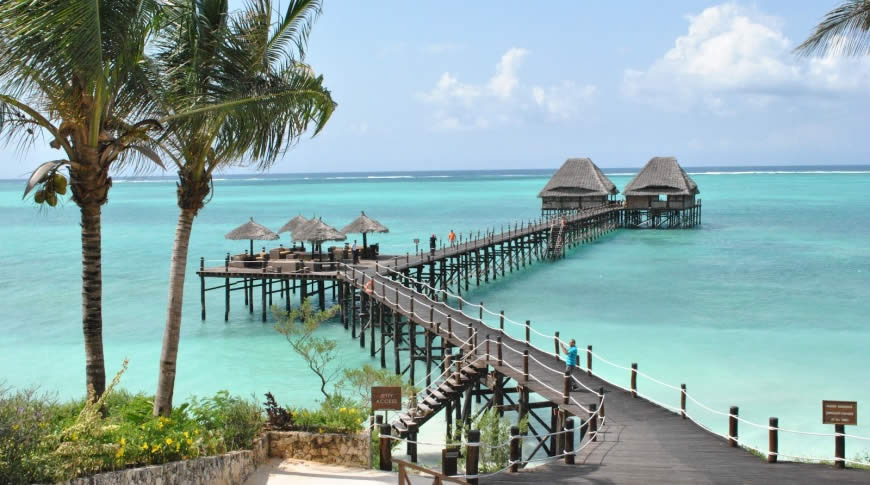
- Coastal Regions & Zanzibar: The tropical, humid climate of the coast and the islands makes these areas higher-risk zones for malaria transmission.
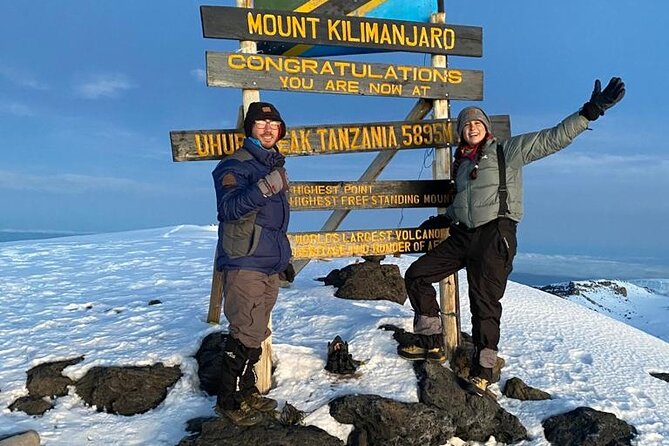
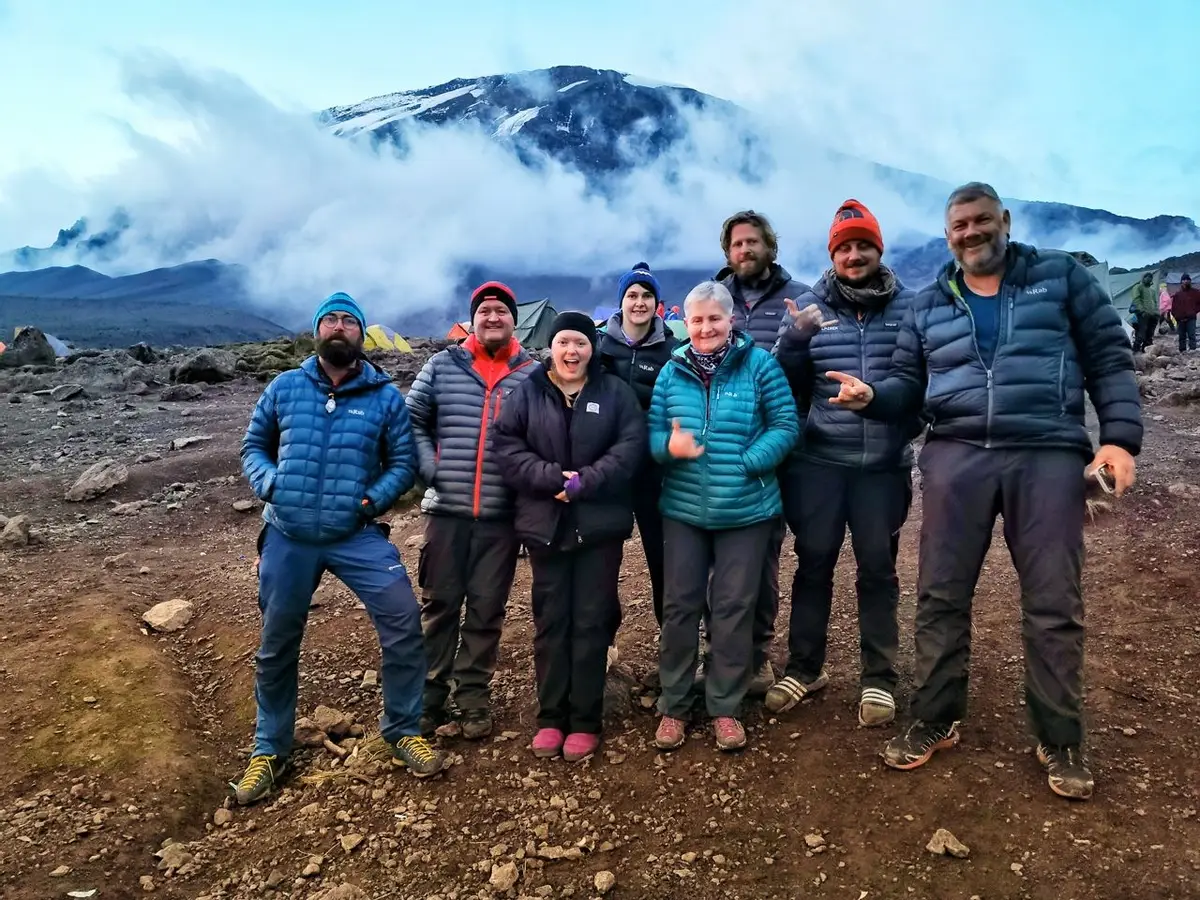
- Mount Kilimanjaro: The risk is significantly lower at high altitudes; however, the malaria risk is present in the lower foothills and during your descent.
- Urban Centers: Cities like Arusha and Dar es Salaam have lower risks than rural or forested areas, but the risk is never zero.
The Verdict: Do I Need Malaria Tablets for Tanzania Safari?
If you are asking, “Do I need malaria tablets for Tanzania safari travel?”, the most responsible answer for a traveler visiting the national parks or the coast is yes. Relying solely on mosquito repellent is often insufficient because even the most effective repellents cannot guarantee 100% protection against every bite.
Taking antimalarial medication (prophylaxis) adds a vital second layer of defense. These tablets work by preventing the parasite from establishing itself in your bloodstream if you do happen to be bitten. For travelers planning long-term adventures in 2026 or 2027, staying ahead of these health protocols is the cornerstone of a successful trip.
Common Types of Malaria Prophylaxis
When you visit your physician, they will likely discuss several options. Each has its own benefits and side effects. Common medications used for Tanzania include:
| Medication | Pros | Cons/Side Effects |
|---|---|---|
| Atovaquone/Proguanil (Malarone) | Taken daily, fewer side effects, short course after return. | Must be taken every single day. |
| Doxycycline | Inexpensive, effective. | Can cause sun sensitivity (important for African sun!) and stomach upset. |
| Mefloquine (Lariam) | Taken once a week. | Potential for neurological side effects; not suitable for everyone. |
Your doctor will choose the best option based on your health profile, the length of your stay, and your tolerance for specific side effects.
Beyond Tablets: Comprehensive Mosquito Avoidance Strategies
Medication is your internal shield, but you must also build your external shield. Effective prevention requires a multi-pronged approach. If you are heading out on a safari, incorporate these habits into your daily routine:
1. Use High-Quality Repellent
Look for repellents containing DEET (at least 30-50%), Picaridin, or IR3535. Apply it to exposed skin and over your clothing if necessary. Remember to reapply according to the product instructions, especially after sweating or swimming.
2. Dress Strategically
When the sun goes down, switch to long-sleeved shirts and long trousers. Light-colored clothing is preferable as it is less attractive to mosquitoes and makes it easier to spot any insects that may be on you. For those visiting Zanzibar or coastal areas, lightweight linen is your best friend.
3. Sleep Under Treated Nets
Most high-quality safari lodges and Zanzibar resorts provide mosquito nets. Always ensure the net is tucked tightly under the mattress and has no holes. If you are camping or staying in more rustic accommodations, this is your most critical line of defense.
4. Environmental Awareness
Avoid areas with stagnant water, heavy vegetation, or low-lying marshlands during peak mosquito hours. While you cannot control the nature of the Serengeti, you can control when and where you spend your evening downtime.
Planning Your Safari Itinerary for Health and Safety
When designing your trip for 2026 or 2027, consider how your itinerary affects your health needs. A safari that moves quickly through different ecosystems requires consistent vigilance.
Safari Health Checklist
- [ ] Consult a travel doctor 2 months before departure.
- [ ] Obtain a full prescription of antimalarials.
- [ ] Pack sufficient repellent (DEET/Picaridin).
- [ ] Pack lightweight, long-sleeved clothing.
- [ ] Ensure your travel insurance covers medical evacuation.
- [ ] Pack a basic first-aid kit with rehydration salts.
When to Seek Medical Attention
Despite all precautions, if you experience symptoms such as fever, chills, headache, muscle aches, or fatigue during your trip or up to a year after returning, seek medical attention immediately. Tell the healthcare provider that you have recently traveled to Tanzania. Early diagnosis and treatment are critical for managing malaria effectively.
Frequently Asked Questions
Do I need malaria tablets for Tanzania safari if I am staying in luxury lodges?
Yes. While luxury lodges provide excellent mosquito nets, air conditioning, and screened windows, they cannot eliminate the risk entirely. Prophylaxis is still highly recommended for all travelers to Tanzania.
Is malaria a big concern in Tanzania for 2026/2027 travelers?
Malaria is a known presence in Tanzania, but it is highly preventable. By following medical advice and using repellent, the risk to prepared travelers is significantly minimized.
Can I avoid malaria tablets if I am only going to Kilimanjaro?
The high altitude of the mountain itself is a low-risk zone. However, the trek often begins in lower-altitude areas where mosquitoes are active. Most doctors recommend prophylaxis for the duration of the entire trip.
What is the best time of year to visit Tanzania to avoid mosquitoes?
Mosquito populations tend to peak during and immediately after the rainy seasons (March-May and November-December). However, mosquitoes are present year-round, so prevention is always necessary.
Is it safe to use DEET on children?
Generally, yes, but you should consult your pediatrician. Most health organizations suggest using a lower concentration of DEET for younger children and avoiding application on small children’s hands to prevent them from rubbing it into their eyes or mouths.
Plan Your Worry-Free Tanzania Adventure
Don’t let health concerns overshadow the magic of the African wilderness. At Top Guide Adventures, we specialize in creating seamless, safe, and deeply immersive experiences. Whether you are looking for a rugged Serengeti expedition, a challenging Kilimanjaro climb, or a relaxing Zanzibar escape, we handle the logistics so you can focus on the wonder.
Our expert team is ready to help you tailor a journey that fits your needs for 2026, 2027, and beyond. Let us take the guesswork out of your planning.
Contact Our Expert Travel Team
Ready to start your journey? Reach out to us today for personalized itinerary planning and expert advice:
- WhatsApp: +255 616 946 642
- Email: info@topguideadventures.com
- Backup Email: topguideadventures@gmail.com
Plan your Do I need malaria tablets for Tanzania safari? with Top Guide Adventures
Tell us your travel dates, group size, comfort level, and dream experience. We will help you shape a clear, realistic, and memorable Tanzania itinerary.

 Veedesigner
 Fatma Kizanga
 Benjamin Waryuba
 Philip Philip
 John jr Itaja
 Antonia Optatus
 Edith Kanyere
 Neema Iddy
 Kelvin Boniphace
 Damari Maiga



