

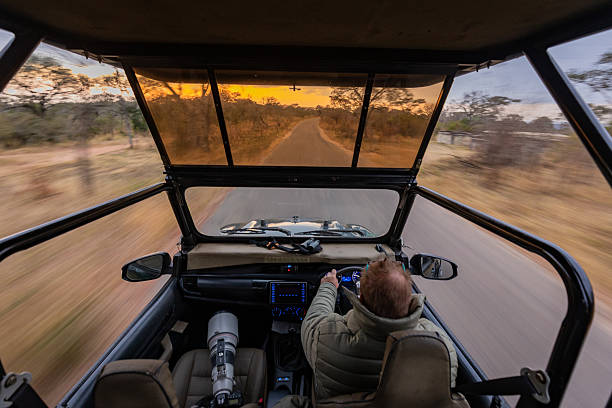
An Eastern Arc Conservation Tour is a specialized journey through Tanzania’s ancient mountain ranges, recognized globally as a biodiversity hotspot, focusing on the unique ecosystems, endemic species, and the conservation efforts protecting them, offering travelers an educational and responsible way to experience these vital natural areas, with planning for 2026-2027 expeditions now underway.
Understanding the Eastern Arc Mountains: A Biological Treasure Trove
The Eastern Arc Mountains of Tanzania are not just a geological feature; they are a living museum of evolution, a testament to millions of years of isolation and adaptation. Spanning across southeastern Tanzania and extending slightly into Kenya, these ancient mountain ranges are characterized by their high rainfall, mist-shrouded peaks, and lush montane forests. Unlike the more famous savanna ecosystems of the Northern Safari Circuit, the Eastern Arc represents a different facet of Tanzania’s incredible natural heritage. These mountains are a critical part of the larger Eastern Afromontane Ecoregion, a UNESCO World Heritage Site candidate, and are crucial for regional water catchment and climate regulation.
The geological history of the Eastern Arc is fascinating. Formed by tectonic uplift millions of years ago, these mountains have remained largely isolated, allowing unique evolutionary pathways to develop. This isolation has resulted in an astonishingly high level of endemism – species found nowhere else on Earth. From tiny, jewel-like frogs and chameleons to vibrant butterflies and ancient trees, the Eastern Arc is a sanctuary for life that has adapted to its specific conditions. Understanding this unique environment is the first step in appreciating why a conservation-focused tour is so important.
For travelers interested in the Eastern Arc Conservation Tour, the appeal lies in its exclusivity and the chance to witness a natural world that remains largely untouched by mass tourism. It’s an opportunity to connect with nature on a deeper level, learning about the intricate web of life and the dedicated efforts to preserve it for future generations. As we look towards 2026-2027, interest in sustainable and educational travel experiences like this continues to grow, making it an ideal time to explore these remarkable mountains.
Why a Conservation Focus? The Urgency and Importance
Conservation is not just a buzzword; it is an essential undertaking for the survival of the Eastern Arc’s unique biodiversity. These mountains face significant threats, including deforestation due to agricultural expansion, charcoal production, and unsustainable logging. Climate change also poses a risk, altering habitats and stressing species adapted to specific temperature and rainfall patterns. The Eastern Arc Conservation Tour is designed to address this urgency by:
- Raising Awareness: Educating visitors about the ecological significance of the Eastern Arc and the challenges it faces.
- Supporting Local Communities: Many conservation initiatives involve local communities, and tours can provide economic benefits through eco-tourism, creating incentives for protection.
- Funding Conservation Efforts: A portion of tour proceeds can directly support local conservation projects, research, and protected area management.
- Promoting Responsible Travel: Encouraging low-impact tourism practices that minimize disturbance to wildlife and habitats.
By choosing an Eastern Arc Conservation Tour, travelers become active participants in the preservation of this natural wonder. The focus shifts from mere sightseeing to meaningful engagement, fostering a deeper appreciation for the natural world and the importance of conservation science. This approach is becoming increasingly vital for responsible tourism planning in the coming years, especially for travelers looking to make a positive impact during their 2026-2027 journeys.
Key Conservation Areas within the Eastern Arc
The Eastern Arc Mountains are not a single, monolithic entity but a series of distinct mountain blocks, each with its own unique characteristics and conservation challenges. While a comprehensive tour might aim to visit several, typical itineraries focus on the most accessible and ecologically significant areas. These include:
1. Udzungwa Mountains National Park
Often considered the crown jewel of the Eastern Arc, Udzungwa is a vast, mountainous forest landscape renowned for its incredible primate diversity and stunning waterfalls. It is one of the most biodiverse areas in Africa.
- Endemic Species: Home to the Udzungwa red colobus monkey and the Sanje mangabey, both critically endangered and found nowhere else. Birdlife is also exceptional, with several endemic species.
- Activities: Hiking through primary rainforest, birdwatching, primate spotting, visiting the stunning Luhombero Falls and Mwanihana Peak. The park offers trails ranging from easy walks to strenuous multi-day treks.
- Conservation Significance: Udzungwa is vital for protecting these unique primate populations and their forest habitat. Its large size provides a crucial refuge.
2. Usambara Mountains
Divided into West and East Usambara, these mountains are characterized by rolling hills, deep valleys, and lush montane forests. The West Usambaras are higher and more rugged, while the East Usambaras are lower and wetter.
- Biodiversity Hotspot: Famous for its endemic plants, insects, and birds, including the Usambara eagle-owl and the Usambara weaver. The forests here are ancient and incredibly rich.
- Community Involvement: The Usambaras are also home to significant agricultural land, and conservation efforts often focus on balancing human needs with forest protection. Community-based tourism initiatives are common.
- Key Sites: Lushoto town is a popular base for exploring the West Usambaras, offering access to viewpoints like Irente Peak and the ancient forests. The Amani Nature Reserve in the East Usambaras is a prime location for forest exploration and birding.
3. Uluguru Mountains
South of the Usambaras, the Uluguru Mountains rise dramatically from the plains, forming a rugged and mist-covered massif. They are known for their steep slopes and rich montane forests.
- Endemic Flora and Fauna: The Ulugurus are particularly rich in endemic amphibians and reptiles, as well as unique plant species.
- Challenges: These mountains face intense pressure from human settlement and agriculture on their lower slopes, making conservation efforts crucial for preserving the remaining forest fragments.
- Trekking and Exploration: Offers challenging trekking opportunities, with trails leading to waterfalls, viewpoints, and through dense forest. Morogoro town serves as the gateway.
4. Mount Meru and Kilimanjaro Foothills (Limited Eastern Arc Connection)
While not strictly part of the main Eastern Arc range, the volcanic massifs of Mount Meru and Kilimanjaro share some ecological similarities and are often included in broader Tanzanian conservation discussions. However, the core focus of an Eastern Arc Conservation Tour remains on the older, uplifted mountains.
When planning your Eastern Arc Conservation Tour for 2026-2027, understanding which of these areas will be included in your itinerary is key to setting expectations for the type of landscape, wildlife, and conservation focus you will encounter.
What to Expect on an Eastern Arc Conservation Tour
An Eastern Arc Conservation Tour is distinct from a typical safari. It emphasizes immersion in nature, learning, and responsible interaction. Here’s what you can generally anticipate:
1. Trekking and Hiking
The primary mode of exploration in the Eastern Arc is on foot. Trails vary from gentle forest walks to challenging mountain climbs. Expect:
- Guided Walks: Accompanied by experienced local guides who possess deep knowledge of the flora, fauna, and local culture.
- Varied Terrain: Trails can be steep, muddy, and uneven, especially after rain. Good quality hiking boots are essential.
- Duration: Day hikes are common, but multi-day treks are also available, allowing for deeper exploration of remote areas.
2. Wildlife Spotting (Focus on Endemics)
While you won’t see the ‘Big Five’ in the same way as on a savanna safari, the Eastern Arc offers unique wildlife viewing opportunities:
- Primates: High chances of spotting endemic monkeys like the Udzungwa red colobus, Sanje mangabey, and various species of colobus and vervet monkeys.
- Birds: An ornithologist’s paradise, with numerous endemic and near-endemic species. Bring binoculars!
- Reptiles and Amphibians: Keep an eye out for colorful chameleons, unique frogs, and other fascinating small creatures.
- Insects: The diversity of butterflies and other insects is remarkable.
3. Educational Components
Conservation tours are inherently educational:
- Expert Guides: Guides will share insights into the ecological importance of the region, evolutionary history, and conservation challenges.
- Community Interaction: Opportunities to learn about local livelihoods, traditional uses of forest resources, and community-based conservation projects.
- Conservation Project Visits: Some tours may include visits to research stations, reforestation projects, or community initiatives.
4. Accommodation
Accommodation varies depending on the specific location and tour operator, but generally falls into these categories:
- Lodges and Guesthouses: Comfortable options in or near park gates and towns like Lushoto or Morogoro.
- Tented Camps: Basic but comfortable camping facilities in more remote areas, offering a closer connection to nature.
- Community Homestays: For a truly immersive experience, some tours might arrange stays with local families.
5. Pace and Intensity
These tours are generally more physically demanding than a typical safari. They require a good level of fitness for trekking, but can be adapted to different fitness levels. The pace is often slower, allowing for detailed observation and appreciation.
Planning for a 2026-2027 Eastern Arc Conservation Tour means preparing for an active, educational, and deeply rewarding experience that connects you directly with one of the planet’s most precious natural treasures.
Planning Your Eastern Arc Conservation Tour: Essential Considerations
To make the most of your Eastern Arc Conservation Tour, careful planning is essential. As you consider your travel dates for 2026 or 2027, here are key factors to address:
1. Best Time to Visit
The Eastern Arc Mountains experience rainfall year-round, contributing to their lushness. However, there are drier periods that are generally more favorable for trekking:
- Dry Seasons: Typically from June to October and December to February. These months offer clearer skies and less muddy trails.
- Shoulder Seasons: March-May and November can be wetter but offer lush landscapes and fewer visitors.
It’s important to note that even in the dry season, rain showers are common in montane forests. Always be prepared.
2. Duration of the Tour
A meaningful exploration of the Eastern Arc requires time. Depending on which areas you wish to visit and the level of trekking involved, tours can range from:
- Short Trips (3-5 days): Focus on one specific area, like a concentrated trek in the Usambaras or Udzungwa.
- Standard Tours (7-10 days): Allow for exploration of two main mountain blocks (e.g., Udzungwa and Usambaras) with moderate trekking.
- Extended Expeditions (12+ days): For serious trekkers and nature enthusiasts, covering multiple areas with more in-depth exploration and challenging routes.
3. Physical Fitness and Health
As mentioned, these tours involve hiking. Assess your fitness honestly:
- Moderate Fitness: Required for most day hikes on established trails.
- Good to Excellent Fitness: Recommended for multi-day treks, higher altitudes, and steeper terrain.
- Health Precautions: Consult your doctor about necessary vaccinations and malaria prophylaxis. Ensure you have adequate travel insurance covering trekking activities.
4. What to Pack
Packing appropriately is crucial for comfort and safety:
- Footwear: Sturdy, waterproof hiking boots (broken in) are non-negotiable.
- Clothing: Layering is key. Include waterproof and windproof outer layers, fleece or down mid-layers, and moisture-wicking base layers. Long trousers and sleeves are recommended for protection against insects and scratches.
- Rain Gear: A reliable waterproof jacket and trousers.
- Insect Repellent: With DEET or Picaridin.
- Sun Protection: Sunscreen, hat, sunglasses.
- First-Aid Kit: Personal medications, blister treatment, pain relievers.
- Water Bottle/Hydration Pack: Staying hydrated is vital. Water purification tablets or a filter are useful.
- Camera and Binoculars: Essential for wildlife and landscape photography.
- Headlamp/Torch: For evenings and early morning starts.
5. Choosing a Tour Operator
Selecting a reputable operator is paramount for a successful and responsible conservation tour. Look for companies with:
- Local Expertise: Deep knowledge of the Eastern Arc, its ecosystems, and conservation issues.
- Experienced Guides: Certified guides with extensive training in trekking, first aid, and local ecology.
- Commitment to Sustainability: Operators who actively support conservation, engage local communities ethically, and practice low-impact tourism.
- Customization Options: The ability to tailor tours to your interests, fitness level, and budget.
Top Guide Adventures, for instance, specializes in creating authentic Tanzanian experiences, including tailored conservation-focused journeys. You can reach them for inquiries about 2026-2027 Eastern Arc tours via WhatsApp at +255616946642 or email at topguideadventures@gmail.com.
The Ecological Significance: Why the Eastern Arc Matters Globally
The Eastern Arc Mountains are a global treasure, recognized for their exceptional biodiversity and the high number of endemic species. This ecological significance stems from several factors:
- Ancient Landscapes: These mountains are geologically ancient, providing stable environments over millions of years for species to evolve in isolation.
- Island Biogeography: The mountains act like islands in the sky, separated by lower-lying plains. This isolation fosters unique evolutionary trajectories, leading to high endemism.
- Habitat Diversity: Within the Eastern Arc, you find a range of habitats, from humid lowland forests to montane cloud forests and high-altitude grasslands, each supporting distinct species assemblages.
- Global Biodiversity Hotspot: The region is classified as one of the world’s biodiversity hotspots, meaning it contains a high concentration of endemic species and is under significant threat.
The conservation of the Eastern Arc is not just a local or national issue; it has global implications for biodiversity preservation. The unique species found here are part of the Earth’s natural heritage, and their loss would be irreversible.
Conservation Challenges and Successes
The Eastern Arc faces numerous conservation challenges, primarily driven by human activities:
- Habitat Loss and Fragmentation: Agriculture, logging, and human settlements lead to the clearing of forests, breaking them into smaller, isolated patches. This is particularly critical for species with specific habitat requirements.
- Unsustainable Resource Use: Practices like charcoal production and illegal timber harvesting degrade forest quality and reduce biodiversity.
- Climate Change: Shifting weather patterns can alter habitats, potentially pushing species beyond their tolerance limits, especially those confined to high altitudes.
- Invasive Species: Introduced plants and animals can outcompete native species.
Despite these challenges, there have been notable conservation successes:
- National Parks and Reserves: The establishment of protected areas like Udzungwa Mountains National Park and various forest reserves provides legal protection for critical habitats.
- Community-Based Conservation: Engaging local communities in conservation efforts, providing alternative livelihoods, and empowering them as stewards of their environment.
- Research and Monitoring: Ongoing scientific research helps to understand the ecosystems better, identify key threats, and monitor the status of endangered species.
- Ecotourism Initiatives: Well-managed ecotourism, like the Eastern Arc Conservation Tour, can generate revenue for conservation and local communities, demonstrating the economic value of intact ecosystems.
Travelers on a conservation tour can witness these efforts firsthand, gaining a deeper appreciation for the complexities of conservation work in the 21st century. For those planning their trips in 2026-2027, understanding these dynamics adds significant value to the travel experience.
Potential Itinerary Ideas for Your 2026-2027 Eastern Arc Conservation Tour
While specific itineraries are best customized, here are a few conceptual outlines to illustrate the possibilities for an Eastern Arc Conservation Tour:
Option 1: Udzungwa Immersion (7 Days)
- Day 1: Arrive in Dar es Salaam, transfer to Morogoro. Briefing on the tour and conservation focus.
- Day 2: Drive to Udzungwa Mountains National Park. Hike to the Sanje Waterfalls, looking for endemic primates and birds.
- Day 3: Full day trek within Udzungwa, perhaps towards Mwanihana Peak or exploring different forest trails with your guide. Focus on primate spotting and forest ecology.
- Day 4: Morning birdwatching or a shorter forest walk. Drive back towards Morogoro, visiting a local community project if available.
- Day 5: Explore the foothills of the Uluguru Mountains. Visit a local conservation NGO or research center. Gentle hike in the lower montane forest.
- Day 6: Drive to Iringa (or back to Dar es Salaam, depending on flight schedules). Reflect on conservation insights.
- Day 7: Departure.
Option 2: Usambara Highlands Explorer (9 Days)
- Day 1: Arrive in Kilimanjaro International Airport (JRO), transfer to Moshi. Overnight.
- Day 2: Transfer to Lushoto in the West Usambara Mountains. Settle in, brief orientation.
- Day 3: Guided hike to Irente Viewpoint and the nearby village. Learn about traditional farming and forest use.
- Day 4: Full day trek through the West Usambara forests, focusing on birdwatching and unique flora.
- Day 5: Transfer to Amani Nature Reserve in the East Usambaras. Check into lodge/camp.
- Day 6: Explore Amani Reserve – guided forest walks, searching for endemic birds and insects. Visit a local research station if possible.
- Day 7: Continue exploration of Amani, perhaps a longer trek to a specific viewpoint or waterfall.
- Day 8: Drive back towards Arusha/Moshi. Farewell dinner.
- Day 9: Departure.
Option 3: Eastern Arc Deep Dive (14 Days)
- Day 1-2: Arrive JRO, transfer to Moshi, then drive to Lushoto (West Usambaras). Initial exploration and orientation.
- Day 3-4: Trekking in West Usambaras, focusing on viewpoints and forest trails.
- Day 5: Transfer to Amani (East Usambaras). Settle in.
- Day 6-7: Exploring Amani Nature Reserve, birding, forest walks, and learning about conservation projects.
- Day 8: Transfer to Morogoro, gateway to Uluguru and Udzungwa.
- Day 9: Explore Uluguru foothills, perhaps a guided walk focusing on endemic amphibians and plants.
- Day 10: Drive to Udzungwa Mountains National Park. Afternoon hike to Sanje Waterfalls.
- Day 11-12: Full days of trekking in Udzungwa, aiming for Mwanihana or other significant trails, focusing on primates and forest diversity.
- Day 13: Morning activity in Udzungwa, then drive back towards Dar es Salaam.
- Day 14: Departure from Dar es Salaam.
These are illustrative examples. A truly bespoke Eastern Arc Conservation Tour can be designed to match your specific interests, fitness level, and desired duration. For personalized itinerary planning for your 2026-2027 adventure, contacting specialists like Top Guide Adventures is highly recommended.
The Role of Top Guide Adventures in Eastern Arc Conservation Tourism
As a dedicated Tanzanian tour operator, Top Guide Adventures is committed to showcasing the country’s diverse natural and cultural heritage responsibly. For the Eastern Arc Conservation Tour, this commitment translates into:
- Expert Local Guides: Employing guides who are not only skilled trekkers but also possess intimate knowledge of the Eastern Arc’s ecosystems, conservation challenges, and local communities.
- Sustainable Practices: Designing itineraries that minimize environmental impact, adhere to park regulations, and promote responsible wildlife viewing.
- Community Engagement: Working with local communities to ensure they benefit from tourism, fostering a collaborative approach to conservation. This includes supporting local lodges, employing local porters and guides, and potentially visiting community-led conservation projects.
- Tailored Experiences: Offering customized tours that cater to individual interests, whether it’s deep birdwatching, primate photography, challenging treks, or learning about specific conservation initiatives.
- Direct Support for Conservation: A portion of the proceeds from these tours can be channeled back into local conservation efforts, research, or community development projects within the Eastern Arc region.
When planning your 2026-2027 travel, choosing an operator like Top Guide Adventures ensures that your journey is not only memorable but also contributes positively to the preservation of this unique environment. Their expertise in Tanzania ensures a well-organized and enriching experience.
Booking Your Eastern Arc Conservation Tour for 2026-2027
Ready to experience the unique biodiversity and conservation efforts of Tanzania’s Eastern Arc Mountains? Planning ahead is key, especially for popular travel windows in 2026 and 2027. Here’s how to get started:
Contact Top Guide Adventures:
- WhatsApp: +255616946642
- Email: topguideadventures@gmail.com
- Backup Email: info@topguideadventures.com
When you reach out, be sure to mention:
- Your desired travel dates for 2026 or 2027.
- The approximate duration of your trip.
- Your interests (e.g., birdwatching, primate spotting, specific mountain ranges, conservation projects).
- Your preferred level of trekking difficulty and accommodation style.
- The number of travelers in your group.
Top Guide Adventures will work with you to craft a personalized itinerary that aligns with your vision for an Eastern Arc Conservation Tour, ensuring a responsible, educational, and unforgettable adventure. Secure your spot for the 2026-2027 season by planning and booking early.
Explore the ancient forests, discover rare endemic species, and support vital conservation work on an Eastern Arc Conservation Tour. Let Top Guide Adventures guide you through this extraordinary journey.
Check Availability for Eastern Arc Conservation Tour Guide
Ready to compare dates, prices, and the best option for your group? Send the package name and travel month so the team can reply with a clear quote, availability, and what is included.
 Eastern Arc Waterfalls Expedition: Tanzanias Hidden Cascades Adventurestart the Eastern Arc Waterfalls Expedition, a journey into Tanzania's ancient mountain ranges to discover spectacular, lesser-known waterfalls…View package
 Eastern Arc Community Homestay Package GuideExperience genuine Tanzanian life with a community homestay in the Eastern Arc Mountains. This guide details unique packages for cultural…View package
 Eastern Arc Butterfly And Forest Tour: A Deep Dive For 2026-2027An in-depth exploration of the Eastern Arc Mountains' unique butterfly and forest ecosystems. This guide details what to expect for your…View package
 Eastern Arc Botanical Photography Tour: Discover Tanzanias Unique Florastart an extraordinary botanical photography tour through Tanzania's Eastern Arc Mountains. This unique adventure, offered by Top Guide…View packageEastern Arc Endemic Birding Safari: Tanzanias Hidden Avian Treasures 2026-2027Explore the unique biodiversity of Tanzania's Eastern Arc Mountains on an endemic birding safari. This specialized tour focuses on finding rare…View package
 Ai. Eastern Arc Mountains Packages: Your Ultimate Tanzania Adventure GuideExplore the unique biodiversity and cultural richness of Tanzania's Eastern Arc Mountains with tailored adventure packages for 2026-2027…View package
 Your 3-Day Mahenge Mountains Tour: An Expert Guide For 2026-2027A 3-day Mahenge Mountains tour offers a unique glimpse into Tanzania's less-traveled eastern highlands, focusing on stunning scenery, local…View package
 3-Day Malundwe Mountains Adventure: A Comprehensive Guide For 2026-2027Explore the rugged beauty of the Malundwe Mountains on an exhilarating 3-day adventure. This guide covers everything from planning your trek to…View package


