

A Tanzania Human Origins Expedition is a specialized safari focused on visiting the globally significant paleoanthropological sites in the Serengeti ecosystem, most notably Olduvai Gorge and Laetoli, to explore the fossil evidence and landscapes where early hominin ancestors lived millions of years ago. These expeditions offer a unique opportunity to connect with the deep history of human evolution, often incorporating visits to related museums and research centers, and are best planned for the dry seasons of 2026 and 2027 for optimal site access and wildlife viewing.
Unveiling the Cradle of Humankind: Your Tanzania Human Origins Expedition
The vast plains and ancient landscapes of Tanzania hold more than just abundant wildlife; they are a profound testament to the very beginnings of our species. A Tanzania Human Origins Expedition is not merely a safari; it is a pilgrimage to the dawn of humanity, a journey that takes you back millions of years to walk in the footsteps of our earliest ancestors. This is where the story of humankind truly begins, etched into the fossilized remains and the very earth of the Serengeti region.
Imagine standing at the edge of Olduvai Gorge, a site that has yielded some of the most crucial fossil evidence of human evolution. Picture yourself at Laetoli, where preserved hominin footprints offer an unparalleled glimpse into the lives of our distant relatives. These are not abstract concepts found in textbooks; they are tangible connections to our shared past, waiting to be discovered on an expedition designed for the curious, the thoughtful, and the adventurous traveler.
This expedition is crafted for those who seek a deeper understanding of our place in the world, those who are fascinated by the science of paleoanthropology, and those who wish to experience Tanzania’s natural wonders through a unique historical lens. We will guide you through the landscapes that shaped our evolution, introduce you to the discoveries that revolutionized our understanding of human origins, and ensure your journey is both enlightening and unforgettable. As you plan for future travels, consider the profound impact of exploring the very birthplace of humanity in 2026 or 2027.
Why Tanzania? The Significance of the Great Rift Valley
Tanzania’s Great Rift Valley is not just a geological marvel; it is an unparalleled natural laboratory for understanding human evolution. The unique geological conditions here – characterized by volcanic activity, sedimentation, and erosion – have created a perfect environment for the preservation and subsequent discovery of ancient hominin fossils and artifacts.
The ongoing tectonic activity that formed the Rift Valley exposed layers of ancient earth, revealing sediments that held the secrets of millions of years of life. Volcanic ash, in particular, has proven invaluable. At sites like Laetoli, layers of volcanic ash preserved delicate footprints, providing direct evidence of bipedal locomotion among our ancestors. At Olduvai Gorge, the ash layers help in dating the fossils and artifacts found within different strata, allowing scientists to build a chronological framework for human evolution.
This geological dynamism has also influenced the ecosystems over millennia, creating diverse habitats that supported early hominin populations and the megafauna they coexisted with. The rich fossil record found in this region has led to groundbreaking discoveries that have fundamentally reshaped our understanding of where, when, and how humans evolved. Tanzania, therefore, stands as a pivotal location, a true ‘cradle of humankind,’ making it the essential destination for any serious exploration of human origins.
Key Destinations on Your Human Origins Expedition
Your journey will primarily focus on the most scientifically significant sites within the Serengeti ecosystem, areas that have become synonymous with the study of human evolution. These locations offer a direct encounter with the evidence that underpins our understanding of our ancient past.
Olduvai Gorge: The ‘Serengeti of Human Evolution’
Often referred to as the ‘Serengeti of Human Evolution,’ Olduvai Gorge is arguably the most famous paleoanthropological site in the world. This deep ravine, carved by the seasonal Moinu River, cuts through layers of volcanic ash and lakebed sediments, revealing a remarkable record of hominin activity spanning nearly two million years.
Discovered and extensively excavated by Mary and Louis Leakey starting in the 1930s, Olduvai Gorge has yielded some of the most important fossil finds in paleoanthropology. Here, the Leakeys discovered fossils belonging to early hominins such as Paranthropus boisei (formerly Zinjanthropus boisei), Homo habilis (‘handy man’), and later, Homo erectus. These discoveries provided concrete evidence for the existence of early human ancestors and their tool-making capabilities.
Walking along the rim of the gorge, you’ll see firsthand the different geological strata, each representing a distinct period in prehistory. Our expert guides will explain the significance of the various layers, pointing out areas where important tools, animal bones, and hominin fossils were found. You can visit the Olduvai Gorge Museum, located nearby, which showcases some of the key artifacts and fossil casts discovered at the site, offering a comprehensive overview of the research and findings. Understanding the context of these discoveries – the tools, the diet inferred from animal remains, and the changing environment – provides a vivid picture of life for our ancient relatives.
Laetoli: The Footprints of Our Ancestors
Just south of Olduvai Gorge lies Laetoli, a site of immense importance, famous for the discovery of the oldest known direct evidence of bipedal hominin walking: a trail of fossilized footprints dating back approximately 3.6 million years.
In 1978, Mary Leakey’s team uncovered these remarkable prints preserved in volcanic ash deposited by an eruption from the Sadiman volcano. The tracks reveal a group of hominins, likely Australopithecus afarensis (the same species as the famous ‘Lucy’ skeleton found in Ethiopia), walking in a manner strikingly similar to modern humans. The prints show clear evidence of an arched foot, a non-divergent big toe, and a heel strike – all hallmarks of habitual bipedalism.
While the original footprints are now protected under a covering to preserve them, the site allows visitors to see the area where they were discovered and understand their profound implications. The existence of these footprints demonstrates that bipedalism, a key characteristic of human evolution, was well-established millions of years ago. The preservation of these delicate traces in volcanic ash highlights the extraordinary geological circumstances that have allowed us to witness such intimate moments from our deep past.
The Ngorongoro Conservation Area: A Living Museum
Both Olduvai Gorge and Laetoli are situated within the Ngorongoro Conservation Area, a UNESCO World Heritage Site renowned for its stunning natural beauty and incredible biodiversity. This area is not only crucial for conservation but also for its paleoanthropological significance.
The Ngorongoro Crater, a massive volcanic caldera, is home to an exceptional density of wildlife, including the ‘Big Five’ (lion, leopard, elephant, rhino, and buffalo). While your expedition focuses on human origins, the presence of abundant wildlife adds another dimension to your experience, allowing you to witness the environment that sustained our ancestors. You can observe the animals and the landscape, imagining how early hominins navigated and survived in this rich ecosystem.
The conservation area also encompasses other paleontological sites and research stations, contributing to the ongoing study of human evolution. The juxtaposition of vibrant modern life and the deep history of human ancestors makes the Ngorongoro Conservation Area a uniquely compelling destination.
The Science Behind the Expedition: Paleoanthropology Explained
A Tanzania Human Origins Expedition offers a unique opportunity to engage with the science of paleoanthropology, the study of ancient human ancestors through fossil evidence. Understanding the basics of this field will greatly enrich your experience.
Paleoanthropologists seek to understand the evolutionary history of hominins – the group that includes modern humans and our extinct bipedal ancestors. They analyze fossils such as teeth, skulls, and limb bones, as well as stone tools and other artifacts, to reconstruct the anatomy, behavior, and environment of these ancient beings.
Key concepts you’ll encounter include:
- Hominin Evolution: The branching lineage that led from our last common ancestor with chimpanzees to modern humans. Key milestones include the development of bipedalism, increased brain size, and the creation of complex tools.
- Fossil Dating: Techniques like radiometric dating (using the decay of radioactive isotopes, often found in volcanic ash layers) and stratigraphy (studying the order of rock layers) are used to determine the age of fossils and artifacts. This is crucial for understanding the timeline of evolutionary changes.
- Tool Use and Technology: The discovery of stone tools, such as those found at Olduvai Gorge (Oldowan tools), provides evidence of early hominin cognitive abilities and problem-solving skills. These tools were essential for survival, used for butchering animals, processing plants, and other tasks.
- Adaptation and Environment: Understanding the paleoenvironment – the climate, flora, and fauna of ancient Africa – helps researchers infer how hominins adapted to changing conditions, such as shifts from forest to savanna environments.
Your expedition will be guided by individuals knowledgeable in these scientific principles, who can translate complex theories into understandable narratives as you explore the actual sites where these discoveries were made.
Planning Your Tanzania Human Origins Expedition: 2026-2027 Considerations
Planning a trip focused on specific historical and scientific sites requires careful consideration of logistics, timing, and the best way to experience these unique locations. For a Tanzania Human Origins Expedition, timing is particularly important due to weather patterns and accessibility.
Best Time to Travel
The optimal period for visiting Olduvai Gorge and Laetoli is during the dry seasons, which generally run from June to October and again from December to February. During these months:
- Accessibility: The unpaved tracks leading to the sites are more passable, reducing the risk of getting stuck and ensuring a smoother journey.
- Weather: Rainfall is minimal, making exploration more comfortable. The skies are often clear, offering excellent visibility.
- Wildlife Viewing: While not the primary focus, the dry season often concentrates wildlife around water sources, enhancing the classic safari experience that complements your paleoanthropological exploration.
The shoulder seasons (March-May and November) can also be viable, but there’s a higher chance of rain, which might affect road conditions and viewing opportunities. For planning your trip in 2026 or 2027, we recommend booking well in advance, especially if you aim for the peak dry season months.
Duration and Itinerary Design
A dedicated Tanzania Human Origins Expedition typically requires a minimum of 7-10 days to allow for travel time between locations, in-depth exploration of the key sites, and a comfortable pace. A sample itinerary might look like this:
Sample 8-Day Human Origins & Serengeti Explorer Itinerary
- Day 1: Arrival in Arusha. Welcome to Tanzania! Transfer to your hotel and briefing for your upcoming adventure.
- Day 2: Arusha to Ngorongoro Highlands. Drive towards the Ngorongoro Conservation Area, enjoying scenic views. Settle into your lodge with stunning vistas.
- Day 3: Laetoli & Olduvai Gorge Exploration. Full day dedicated to visiting the significant paleoanthropological sites of Laetoli and Olduvai Gorge. Guided tours explaining the history and discoveries.
- Day 4: Ngorongoro Crater Tour. Descend into the Ngorongoro Crater for a full-day game drive, experiencing the unique ecosystem and abundant wildlife.
- Day 5: Ngorongoro to Serengeti National Park. Travel into the vast Serengeti plains, stopping at viewpoints and potentially visiting a Maasai village (optional).
- Day 6-7: Serengeti Exploration. Two full days of game drives in the Serengeti, searching for wildlife and experiencing the grandeur of this iconic park. Optional hot air balloon safari.
- Day 8: Serengeti to Arusha & Departure. Morning game drive, then fly from a Serengeti airstrip back to Arusha for your onward flight or transfer.
This structure allows for a balanced experience, combining the scientific depth of Olduvai and Laetoli with the classic safari allure of Ngorongoro and the Serengeti. Customization is key; we can extend your stay, add visits to other areas, or focus more intensely on specific aspects of paleoanthropology.
Accommodation Styles
Accommodation options range from comfortable mid-range lodges to luxurious tented camps and exclusive lodges, often situated with breathtaking views of the surrounding landscapes. For those seeking an immersive experience, staying within or on the borders of the Ngorongoro Conservation Area is highly recommended. Options include:
- Lodges: Permanent structures offering amenities like en-suite bathrooms, dining rooms, and lounges. Many are built to blend with the natural environment.
- Tented Camps: Mobile or permanent canvas structures that offer a more intimate connection with nature while providing comfort and service.
- Exclusive Camps: High-end accommodations offering premium services, private guides, and often secluded locations.
The choice of accommodation will significantly influence the overall cost and experience of your Tanzania Human Origins Expedition.
Logistics and Travel Style
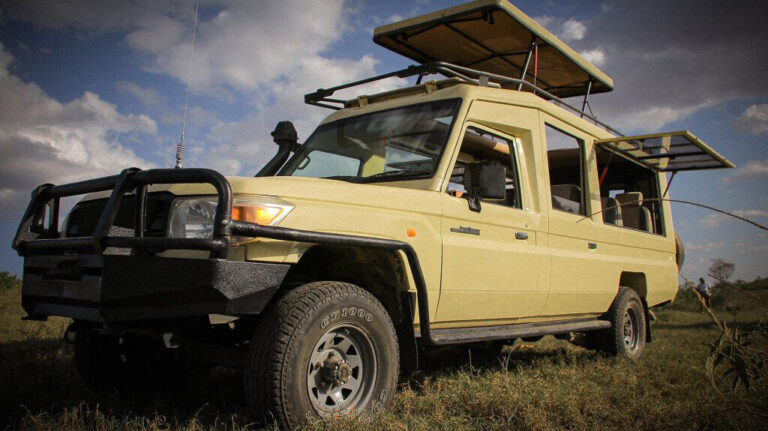
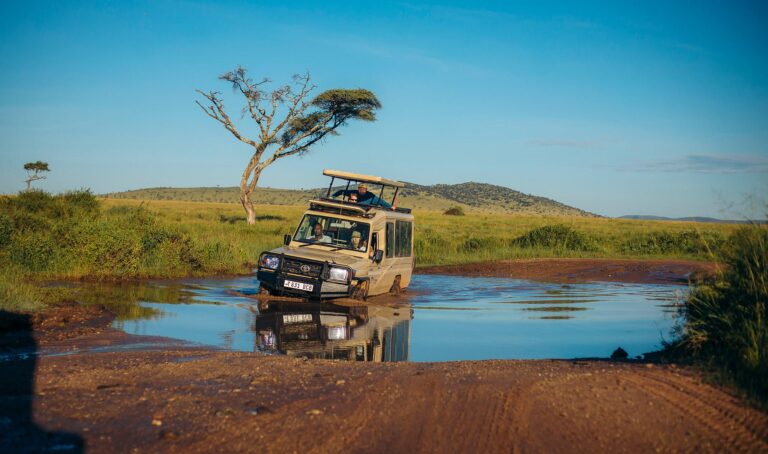
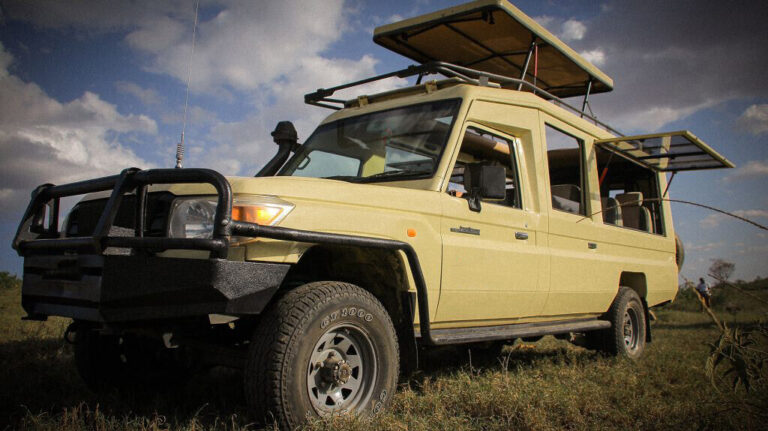
Travel within Tanzania for such an expedition typically involves a 4×4 safari vehicle, essential for navigating the varied terrain. You’ll be accompanied by an experienced driver-guide, often with a background or strong interest in paleoanthropology and natural history. We prioritize vehicles that are well-maintained, comfortable, and equipped for game viewing and off-road travel.
Depending on your preferences, you can opt for:
- Private Expeditions: Offering maximum flexibility, personalized attention, and the ability to set your own pace. This is ideal for families, couples, or small groups with specific interests.
- Small Group Expeditions: A more budget-friendly option that allows you to share the experience and costs with like-minded travelers. These groups are typically limited in size to ensure a quality experience.
For 2026-2027, booking a private expedition offers the greatest control over your itinerary and timing, ensuring you can dedicate ample time to the sites that fascinate you most.
What to Expect: The Expedition Experience
A Tanzania Human Origins Expedition is a journey that engages multiple senses and appeals to a deep intellectual curiosity. It combines the thrill of exploration with the profound contemplation of our species’ history.
Expert Guidance
Your expedition will be led by knowledgeable guides who are passionate about Tanzania’s natural and human history. They possess a deep understanding of the paleoanthropological significance of the sites, the geology of the Rift Valley, and the local fauna and flora. They are adept at translating scientific information into engaging narratives, making the complex history of human evolution accessible and exciting. They will point out geological features, explain the context of fossil discoveries, and share insights into the lives of early hominins.
Site Visits and Interpretation
At Olduvai Gorge and Laetoli, you will have guided walks that bring the ancient past to life. You’ll stand where Louis and Mary Leakey made their momentous discoveries, see the layers of earth that hold millions of years of history, and learn about the specific hominin species and tools found there. The Olduvai Gorge Museum provides crucial context, displaying casts of fossils and artifacts, and illustrating the evolutionary timeline.
At Laetoli, you will learn about the scientific process that led to the discovery and preservation of the hominin footprints, understanding the geological events that made such a record possible. The interpretation of these prints is a powerful reminder of the physical reality of our ancestors’ lives.
Integration with Classic Safari
While the focus is on human origins, the expedition is typically integrated with classic Tanzanian safari experiences in the Ngorongoro Crater and Serengeti National Park. This offers several benefits:
- Environmental Context: Witnessing the modern wildlife and landscapes provides a tangible connection to the environments our ancestors inhabited. You can observe the animals they coexisted with and the ecosystems they adapted to.
- Aesthetic Appreciation: The sheer beauty and scale of the Serengeti ecosystem are awe-inspiring, offering a breathtaking backdrop to your historical explorations.
- Logistical Synergy: These areas are geographically close, making it efficient to combine them into a single, comprehensive trip.
This blend ensures a well-rounded African experience, satisfying both the intellectual pursuit of human origins and the desire to witness the iconic wildlife and landscapes of Tanzania.
Photography and Observation
The landscapes of the Rift Valley and the Serengeti offer incredible photographic opportunities. From the dramatic vistas of Olduvai Gorge to the vast plains teeming with wildlife, you’ll have ample chances to capture stunning images. Guides can help you find the best vantage points and understand the optimal times for photography, especially during the ‘golden hours’ of sunrise and sunset.
Contemplation and Connection
Perhaps the most profound aspect of a Tanzania Human Origins Expedition is the opportunity for quiet contemplation. Standing at sites where our earliest ancestors lived and moved, you gain a unique perspective on the vastness of time and the incredible journey of human evolution. It’s a chance to connect with a primal part of your heritage, fostering a deeper appreciation for life and our place within it.
Essential Packing and Preparation
To make the most of your Tanzania Human Origins Expedition, proper preparation and packing are crucial. While we provide experienced guides and transportation, personal comfort and readiness are key.
Packing Essentials:
- Lightweight Clothing: Breathable fabrics in neutral colors are best for warm days. Include long-sleeved shirts and trousers for sun protection and cooler evenings.
- Warm Layers: Evenings and early mornings can be cool, especially at higher altitudes like Ngorongoro. A fleece or light jacket is recommended.
- Sturdy Walking Shoes: Comfortable, broken-in walking shoes or hiking boots are essential for exploring the sites.
- Sun Protection: A wide-brimmed hat, high SPF sunscreen, and sunglasses are vital due to the strong equatorial sun.
- Insect Repellent: Particularly important for evenings, although repellent-treated clothing can also be beneficial.
- Camera and Binoculars: To capture the incredible landscapes, wildlife, and historical details. Extra batteries and memory cards are a good idea.
- Personal First-Aid Kit: Include any personal medications, blister treatment, and basic first-aid supplies.
- Reusable Water Bottle: Staying hydrated is important. We provide safe drinking water, but a reusable bottle is environmentally friendly.
- Binoculars: Essential for wildlife viewing and appreciating distant geological features.
- Headlamp or Torch: Useful for navigating around camps or lodges after dark.
Pre-Trip Preparation:
- Consult Your Doctor: Discuss necessary vaccinations (e.g., Yellow Fever, Hepatitis A, Typhoid) and malaria prophylaxis.
- Travel Insurance: Ensure comprehensive travel insurance covering medical emergencies, evacuation, and trip cancellation.
- Visa Requirements: Check visa requirements for Tanzania well in advance of your 2026-2027 travel dates.
- Fitness: While not overly strenuous, a reasonable level of fitness will enhance your enjoyment of walking tours and game drives.
The Future of Human Origins Research in Tanzania
Tanzania continues to be a vital hub for paleoanthropological research. New discoveries are still being made, and ongoing studies at sites like Olduvai Gorge and surrounding areas are constantly refining our understanding of human evolution. Modern techniques in genetics, imaging, and dating are being applied to existing finds and new excavations, promising further revelations.
By undertaking a Tanzania Human Origins Expedition, you are not just visiting historical sites; you are connecting with a living field of scientific inquiry. You are experiencing the landscapes that continue to yield secrets about our past and appreciating the importance of conservation efforts that protect these invaluable resources for future generations of researchers and travelers.
For those planning their adventures for 2026 and 2027, consider the profound impact of engaging with this ongoing scientific narrative. Your journey contributes to the appreciation and preservation of these critical sites.
Making Your Booking for 2026-2027
A Tanzania Human Origins Expedition is a trip unlike any other, offering a profound connection to our shared human story. At Top Guide Adventures, we specialize in crafting personalized safari experiences that blend scientific exploration with the breathtaking beauty and wildlife of Tanzania.
We understand the intricacies of planning such a specialized trip, from selecting the best times to visit for optimal site access to arranging knowledgeable guides and comfortable accommodations. Whether you envision a private expedition tailored to your specific interests or prefer the camaraderie of a small group, we are here to create an unforgettable itinerary for 2026 or 2027.
To begin planning your extraordinary journey to the cradle of humankind, please do not hesitate to contact us. We are eager to help you craft an expedition that will leave you with a deeper understanding of our origins and a lasting appreciation for Tanzania’s unique heritage.
Connect with us today:
- WhatsApp: +255616946642
- Email: topguideadventures@gmail.com
- Backup Email: info@topguideadventures.com
Explore our website for more about our custom safaris and adventure packages. You can also find inspiration and see our latest adventures on our Instagram page. We invite you to read reviews from past travelers on TripAdvisor.
Check Availability for Tanzania Human Origins Expedition: A Journey Through Our Ancient Past
Ready to compare dates, prices, and the best option for your group? Send the package name and travel month so the team can reply with a clear quote, availability, and what is included.
 Maji Heritage Expedition: Uncovering Tanzanias History And Culture 2026-2027start a significant journey through Tanzania's past with the Maji Maji Heritage Expedition. This immersive experience delves into the pivotal…View package
 Kondoa Rock Art Expedition: Discover Ancient Tanzania 2026-2027start an unforgettable Kondoa Rock Art Expedition to Tanzania's UNESCO World Heritage site, home to some of the most significant ancient rock…View package
 Tanzania Ancient Civilizations Tour: Unearthing History Beyond The SafariDiscover the rich, often overlooked, history of Tanzania's ancient civilizations. This tour goes beyond typical safaris, focusing on…View package
 Tanzania Unesco Heritage Package: Your Ultimate Cultural & Wildlife AdventureDiscover the magic of Tanzania's UNESCO World Heritage sites with a custom-designed package for 2026-2027. From ancient rock art to iconic…View package
 Tabora Slave And Ivory Route Tour: A Deep Look At Tanzanias History With Topstart a profound journey through Tanzania's complex past with a Tabora Slave and Ivory Route Tour. This unique experience delves into the…View package
 Mikindani Historical Tour: Exploring Tanzanias Ancient Swahili Coast 2026-2027A Mikindani Historical Tour offers a deep look at Tanzania's Swahili heritage, revealing centuries of trade, culture, and architectural marvels…View package
 Bagamoyo Slave Route Tour: A Journey Through Tanzanias History 2026-2027Discover the historical significance of the Bagamoyo Slave Route on a guided tour in Tanzania. This journey offers a profound look into a dark…View package
 Kilwa Kisiwani Heritage Tour: Exploring Tanzanias Ancient Swahili CoastA Kilwa Kisiwani Heritage Tour offers an unparalleled journey into Tanzania's rich Swahili coastal history. Explore the ruins of a once-mighty…View package


