

A 1-Day Songea Historical Tour offers a concentrated exploration of Songea town’s pivotal role in Tanzania’s history, focusing on significant sites like the Maji Maji Memorial Museum, the former German Boma, and sites related to the 1905-1907 Maji Maji Rebellion. This intensive day trip provides deep insights into colonial resistance and local heritage, ideal for travelers seeking a focused historical immersion in the Mbeya Region, with planning for 2026-2027 tours available.
Exploring Songea’s Echoes of History: A Focused 1-Day Itinerary
Songea, the capital of the Ruvuma Region in southern Tanzania, is a place where history whispers from every corner. While often overshadowed by the more famous safari destinations, Songea holds a profound significance, particularly in the narrative of Tanzanian resistance against colonial rule. For the discerning traveler interested in understanding the roots of national identity and the struggles that shaped modern Tanzania, a 1-Day Songea Historical Tour is an indispensable experience. This tour is meticulously designed to offer a comprehensive yet manageable journey through the town’s most important historical landmarks, providing context and depth to the events that unfolded here.
Our expertly crafted 1-day itinerary is more than just a sightseeing trip; it’s an educational expedition. We aim to bring the past to life, connecting you with the stories of those who lived, fought, and shaped the region. From the poignant reminders of the Maji Maji Rebellion to the architectural remnants of the German colonial era, each stop on this tour is chosen for its historical weight and its contribution to understanding Tanzania’s complex past. Whether you are a history buff, a student of African colonial history, or simply a curious traveler, this tour promises a day of discovery and reflection, setting the stage for your future travel plans in Tanzania, including into 2026 and 2027.
The Heart of the Maji Maji Rebellion: Songea’s Defining Moment
The story of Songea is inextricably linked to the epic struggle known as the Maji Maji Rebellion (1905-1907). This was a widespread indigenous uprising against German colonial rule in German East Africa, and Songea, along with its surrounding areas, became a crucial theater of operations and a symbol of fierce resistance. Understanding this rebellion is key to understanding Songea’s historical importance.
The rebellion was a response to the harsh and exploitative policies of the German colonial administration, particularly the introduction of forced labor and heavy taxation, especially on cotton cultivation. The local populations, who had largely maintained their autonomy for centuries, found these demands intolerable. The spark that ignited the widespread revolt was the belief in a sacred water (maji) that was said to protect warriors from German bullets. This belief, spread by spiritual leaders, unified disparate ethnic groups under a common cause.
Songea, as a district capital and a center of local leadership, played a significant role. The local Ngoni people, known for their warrior traditions, were among the most active participants. The German response was brutal and devastating, leading to immense loss of life and the systematic destruction of villages. The rebellion was eventually crushed, but its legacy as a powerful statement of defiance against colonial oppression resonated throughout Tanzania and the wider African continent.
For anyone taking a 1-Day Songea Historical Tour, grasping the context of the Maji Maji Rebellion is paramount. It explains the presence of memorial sites, the historical significance of certain locations within the town, and the enduring spirit of resilience that characterizes the region.
The Maji Maji Memorial Museum: A Chronicle of Resistance
At the epicenter of Songea’s historical narrative lies the Maji Maji Memorial Museum. This institution is not merely a collection of artifacts; it is a repository of memory, dedicated to preserving and commemorating the sacrifices made during the Maji Maji Rebellion. A visit here is an essential part of understanding the historical significance of Songea.
The museum houses a variety of exhibits, including historical photographs, traditional weapons used by the rebels, colonial-era artifacts, and personal items belonging to key figures of the rebellion. The displays are thoughtfully curated to guide visitors through the chronology of events, from the initial grievances against German rule to the outbreak of hostilities, the key battles, and the eventual suppression of the uprising. Special attention is given to the leaders and ordinary people who participated, highlighting their courage and determination.
One of the most moving sections of the museum is dedicated to the stories of the various ethnic groups involved, showcasing how the rebellion fostered a sense of shared identity and purpose. You will learn about figures like Chief Songea himself, whose leadership and eventual execution by the Germans cemented his status as a martyr. The museum also details the devastating impact of the rebellion on the local population and the land, offering a stark reminder of the human cost of colonial conflict.
Visiting the Maji Maji Memorial Museum provides a vital foundation for the rest of your historical exploration. It contextualizes the sites you will see later in the day, transforming them from mere structures into living testaments to a pivotal period in Tanzanian history. For those planning historical tours in Tanzania for 2026-2027, ensuring this museum is a priority is highly recommended.
Understanding the German Boma: A Symbol of Colonial Authority
Another critical stop on any historical tour of Songea is the former German Boma. The term ‘Boma’ in this context refers to a fortified administrative or military compound established by colonial powers. In Songea, the German Boma served as the physical manifestation of German authority and control over the region.
Built during the colonial period, the Boma was the administrative center from which German officials governed, collected taxes, and enforced their policies. It was a symbol of their presence and power, often imposing in its architecture and strategic location. For the local population, it represented the imposition of an alien system and the loss of self-governance.
During the Maji Maji Rebellion, the German Boma in Songea became a focal point of conflict. It was a target for rebel attacks and a stronghold for the German forces. The events that transpired within and around the Boma during this period are deeply etched into the town’s history. Some accounts suggest that executions of rebel leaders, including Chief Songea, took place here, further solidifying its grim historical significance.
Today, while the original structures may have been altered or partially reconstructed, the site retains its historical resonance. Exploring the grounds and understanding its function provides a tangible link to the colonial administration and the dynamics of power that defined the era. It offers a different perspective on the rebellion, viewed from the side of the oppressor, which is crucial for a balanced historical understanding. A guided tour of the 1-Day Songea Historical Tour will ensure you grasp the full story of this important site.
Beyond the Rebellion: Other Historical Layers of Songea
While the Maji Maji Rebellion is undeniably the most defining historical event associated with Songea, the town’s past is rich with other layers of history, including pre-colonial traditions, the impact of subsequent colonial administrations, and its role in post-independence Tanzania. A comprehensive historical tour acknowledges these broader narratives.
Pre-Colonial Songea: The Ngoni Legacy
Before the arrival of Europeans, the area around Songea was inhabited by various Bantu-speaking groups. The most prominent among these were the Ngoni people, who migrated into the region in the 19th century. The Ngoni were known for their highly organized military structure and their expansionist policies, which significantly influenced the political landscape of southeastern Africa.
Songea town itself is named after Chief Songea Mbwindi, a prominent Ngoni leader who played a crucial role in the region’s history and became a martyr during the Maji Maji Rebellion. Understanding the pre-colonial Ngoni society – their social structures, their leadership, their warfare, and their cultural practices – is vital for appreciating the context into which colonialism was introduced.
While direct physical remnants of pre-colonial settlements might be scarce or integrated into the modern townscape, the cultural legacy of the Ngoni people remains strong. Their traditions, language, and historical accounts continue to shape the identity of the region. A good historical tour will touch upon these roots, acknowledging the rich heritage that existed long before colonial flags were raised.
Post-Colonial Songea: Development and Identity
Following Tanzania’s independence in 1961, Songea, like the rest of the nation, entered a new era. It continued to serve as an administrative center, and its development was shaped by national policies and regional dynamics. The town has grown significantly since then, becoming a hub for trade, education, and services in the Ruvuma Region.
The post-independence period saw efforts to build a unified national identity, often drawing on the narratives of resistance against colonial rule. The legacy of the Maji Maji Rebellion was reinterpreted and celebrated as a foundational story of Tanzanian nationhood. Songea, as a key site of this rebellion, naturally became a place of national historical importance.
During your 1-Day Songea Historical Tour, you’ll see how the town blends its historical significance with modern life. The administrative buildings, educational institutions, and markets all tell a story of development and the ongoing evolution of this important southern Tanzanian town. This aspect adds another dimension to the historical exploration, showing how the past continues to influence the present.
Logistics and Planning for Your 1-Day Songea Historical Tour
To ensure a smooth and enriching experience, careful planning is essential. Top Guide Adventures specializes in creating well-organized and informative day tours, tailored to provide the maximum historical insight within a single day. Understanding the logistics will help you prepare and make the most of your visit, whether you are planning for late 2026 or 2027.
Best Time to Visit Songea
Songea experiences a tropical climate with distinct wet and dry seasons. The best time to visit for historical exploration, which typically involves walking and outdoor visits to sites, is during the dry season, which generally runs from June to October. During these months, the weather is pleasant, with less rainfall and lower humidity, making outdoor activities more comfortable.
The shoulder months, such as May and November, can also be good options, though you might encounter some transitional rainfall. The rainy season, typically from December to April, can bring heavy downpours that might disrupt outdoor touring. However, even during the rainy season, historical sites remain accessible, and the landscape is lush and green. For planning your 1-Day Songea Historical Tour in 2026 or 2027, consider the dry season for optimal comfort.
Getting to Songea
Songea is located in a relatively remote part of Tanzania. The most common ways to reach it are:
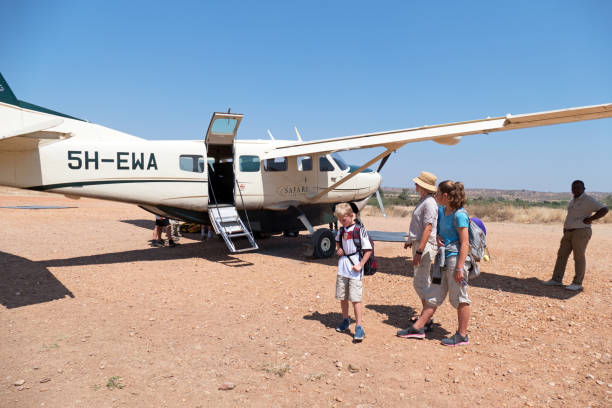
- By Air: Songea has a small airport (Songea Airport – SGX) that receives domestic flights. This is the quickest way to reach Songea from major hubs like Dar es Salaam.
- By Road: Traveling by road from other major Tanzanian cities is possible but can be lengthy. Bus services operate between Songea and cities like Mbeya, Dar es Salaam, and Iringa. The journey can be quite long and sometimes challenging due to road conditions, but it offers a more immersive experience of the Tanzanian landscape.
For a 1-Day Songea Historical Tour, it’s often best to be based in Songea town itself. If you are arriving from a distant location, consider arriving the day before the tour to ensure you are well-rested and ready to start early.
What to Bring and Wear
Comfort and preparedness are key for a day of historical exploration:
- Comfortable Walking Shoes: You will be doing a fair amount of walking, so sturdy and comfortable footwear is essential.
- Lightweight Clothing: Tanzania can be warm and humid. Breathable, light-colored clothing made from natural fabrics is ideal.
- Sun Protection: A wide-brimmed hat, sunglasses, and high-SPF sunscreen are crucial to protect yourself from the strong equatorial sun.
- Insect Repellent: Especially for early mornings or late afternoons, insect repellent can be useful.
- Water Bottle: Staying hydrated is important. We recommend bringing a reusable water bottle.
- Camera: To capture the historical sites and your experiences.
- Notebook and Pen: If you wish to take notes or sketch.
Customization and Booking with Top Guide Adventures
At Top Guide Adventures, we understand that every traveler is unique. Our 1-Day Songea Historical Tour can be customized to meet your specific interests and pace. Whether you want to spend more time at a particular site or focus on a specific aspect of Songea’s history, we can tailor the itinerary for you.
We pride ourselves on providing knowledgeable local guides who are passionate about sharing the history and culture of Songea. They offer insights that go beyond the guidebooks, providing a rich and engaging experience. Our tours are designed to be informative, respectful, and memorable.
To inquire about booking your 1-Day Songea Historical Tour for 2026-2027, or to discuss customization options, please reach out to us:
- WhatsApp: +255616946642
- Email: topguideadventures@gmail.com
- Backup Email: info@topguideadventures.com
We are committed to providing you with an exceptional travel experience in Tanzania.
A Note on Historical Interpretation
It’s important to approach historical sites with an open mind. While the Maji Maji Rebellion is widely celebrated as a heroic act of resistance, historical interpretation can be complex. Our guides strive to present a balanced view, acknowledging the various perspectives and the difficult realities of the time. This ensures a deeper, more nuanced understanding of Songea’s past.
The Significance of Day Tours in Tanzania’s Tourism Landscape
While Tanzania is globally renowned for its wildlife safaris and Kilimanjaro climbs, the country offers a wealth of cultural and historical experiences that are often best explored through dedicated day tours. The 1-Day Songea Historical Tour is a prime example of how focused excursions can provide profound insights into the nation’s heritage.
Day tours offer several advantages for travelers:
- Accessibility: They are ideal for travelers who may not have extensive time but still wish to explore specific aspects of Tanzania’s culture or history.
- Depth: A dedicated day allows for a more in-depth exploration of a particular topic or location than might be possible during a more general itinerary.
- Complementary Experience: Day tours can perfectly complement longer trips, such as safaris or beach holidays in Zanzibar, adding layers of cultural understanding to a broader Tanzanian adventure.
- Local Immersion: They often involve interacting with local communities and understanding regional specificities, offering a more authentic travel experience.
Songea’s historical significance makes it an ideal candidate for such a focused tour. The concentration of sites related to the Maji Maji Rebellion, coupled with its administrative and cultural importance, means that a single day can be incredibly rewarding for history enthusiasts. Planning for such tours in 2026-2027 allows ample time for booking and preparation, ensuring you don’t miss out on these unique cultural offerings.
Potential Add-ons and Extensions for History Enthusiasts
While the 1-Day Songea Historical Tour is designed to be comprehensive within its timeframe, Top Guide Adventures can also help you explore potential extensions or complementary experiences for those with a deep interest in the region’s history and culture.
Possible Extensions Could Include:
- Visits to surrounding historical villages: Explore communities that were directly impacted by the Maji Maji Rebellion and retain strong traditional practices.
- Further exploration of Ngoni heritage: Depending on availability and interest, arrangements can sometimes be made to learn more about Ngoni traditions, music, and social structures.
- Day trip to nearby historical sites: If time and logistics permit, exploring other significant sites within the Ruvuma Region might be possible.
These extensions would require more than a single day and would need to be discussed and planned in advance. However, they offer the possibility of an even richer historical and cultural immersion. For those looking to plan extended historical journeys in Tanzania for 2026 or 2027, we are happy to craft bespoke itineraries.
Why Choose Top Guide Adventures for Your Songea Historical Tour?
Selecting the right tour operator is crucial for an enriching historical experience. Top Guide Adventures brings a unique blend of local expertise, passion for Tanzanian heritage, and commitment to traveler satisfaction.
- Local Expertise: As a Tanzanian-based company, we have an intimate understanding of Songea’s history, culture, and people. Our guides are often locals with deep personal connections to the region and its stories.
- Tailored Experiences: We don’t believe in one-size-fits-all. We are dedicated to customizing tours to match your specific interests, ensuring your 1-Day Songea Historical Tour is exactly what you envision.
- Authenticity: We aim to provide authentic encounters with history and culture, going beyond superficial sightseeing to offer genuine insights.
- Quality and Reliability: We are committed to high standards of service, ensuring your tour is safe, comfortable, and memorable. Our team is dedicated to making your travel experience in Tanzania exceptional.
- Comprehensive Planning: From initial inquiry to the end of your tour, we handle all the details. We can assist with logistics, provide historical context, and ensure you have a smooth experience.
We invite you to connect with us to plan your historical journey. Whether you’re looking for a quick day trip or a more extensive exploration of Tanzania’s past, we are here to help. For inquiries regarding tours in 2026-2027, please don’t hesitate to reach out.
Connect with Us to Book Your 2026-2027 Songea Adventure
Planning your trip to Tanzania, including a visit to historical Songea, is an exciting prospect. Top Guide Adventures is your trusted partner in creating unforgettable travel experiences. We are already taking bookings and planning for tours throughout 2026 and 2027, ensuring you have ample time to prepare for your adventure.
Whether you are interested in the 1-Day Songea Historical Tour or wish to combine it with other Tanzanian highlights like safaris or Kilimanjaro treks, we can craft a personalized itinerary for you. Our goal is to provide you with a deep and meaningful connection to Tanzania’s rich history and vibrant culture.
Get in touch today to start planning:
- WhatsApp: +255616946642
- Email: topguideadventures@gmail.com
- Backup Email: info@topguideadventures.com
We look forward to helping you discover the historical heart of Songea and the wonders of Tanzania. Let Top Guide Adventures be your guide to an unforgettable journey.
For those interested in group departures for safaris, you can explore options here: Tanzania Safari Group Departures. If Kilimanjaro is on your mind, check out our Machame Route departures: Machame Route Kilimanjaro Group Departures. For more insights into Tanzanian travel, visit our blog: Tanzania Safari Tours Blog. See our latest adventures and client experiences on Instagram: @top_guide_adventures. Read reviews from fellow travelers on TripAdvisor: Top Guide Adventures Reviews. Visit our main website for more information: Top Guide Adventures.
Check Availability for 1-Day Songea Historical Tour: Uncover Mbeya Regions Past 2026-2027
Ready to compare dates, prices, and the best option for your group? Send the package name and travel month so the team can reply with a clear quote, availability, and what is included.
 Songea Tanzania: Gateway To Southern Tanzanias Untamed Adventures 2026-2027Songea serves as a crucial entry point for exploring the vast, less-traveled wilderness of southern Tanzania, offering access to incredible…View package
 Mangapwani Historical Cave Tour: Uncover Zanzibars Hidden Secrets 2026-2027Discover the compelling history and unique atmosphere of the Mangapwani Historical Cave Tour. This exploration into Zanzibar's past offers a…View package
 Mikindani Historical Tour: Exploring Tanzanias Ancient Swahili Coast 2026-2027A Mikindani Historical Tour offers a deep look at Tanzania's Swahili heritage, revealing centuries of trade, culture, and architectural marvels…View package
 Songo Mnara Historical Tour: Uncovering Zanzibars Ancient Stone Town Secretsstart a Songo Mnara Historical Tour to uncover the fascinating past of Zanzibar's Stone Town. This in-depth exploration reveals ancient ruins…View package
 Ruvuma Region Packages: Your Ultimate Tanzania Adventure Guide 2026-2027Explore bespoke Ruvuma Region packages for your 2026-2027 Tanzanian adventure. Top Guide Adventures offers unparalleled access to southern…View package
 Tanzania Human Origins Expedition: A Journey Through Our Ancient Paststart a profound Tanzania Human Origins Expedition, tracing humanity's earliest steps through iconic sites like Olduvai Gorge and Laetoli. This…View package
 Tanzania Ancient Civilizations Tour: Unearthing History Beyond The SafariDiscover the rich, often overlooked, history of Tanzania's ancient civilizations. This tour goes beyond typical safaris, focusing on…View package
 Tanzania Unesco Heritage Package: Your Ultimate Cultural & Wildlife AdventureDiscover the magic of Tanzania's UNESCO World Heritage sites with a custom-designed package for 2026-2027. From ancient rock art to iconic…View package


