


The Namtumbo and Maji Maji Route offers a unique combination of historical exploration, focusing on the pivotal Maji Maji Rebellion of 1905-1907, and opportunities for wildlife viewing in southern Tanzania’s less-visited but incredibly rewarding parks and reserves. This journey typically involves visiting key historical sites in and around Namtumbo, exploring the landscapes where the rebellion took place, and potentially combining it with safaris in nearby areas like the Selous Game Reserve (now Nyerere National Park) or Ruaha National Park, creating a comprehensive cultural and natural experience for travelers planning for 2026-2027.
Unveiling the Namtumbo and Maji Maji Route: A Journey Through Time and Nature
Tanzania is globally renowned for its iconic safari destinations and the majestic Mount Kilimanjaro. However, beneath the surface of these well-trodden paths lies a region steeped in profound history and teeming with untamed wilderness – the area encompassing Namtumbo and the historical significance of the Maji Maji Rebellion. For travelers seeking a deeper connection with Tanzania’s past and a more intimate encounter with its natural wonders, the Namtumbo and Maji Maji Route presents an unparalleled adventure. This route is not just a geographical path; it’s a narrative thread connecting the struggles for freedom with the enduring beauty of the Tanzanian landscape.
As we look towards planning expeditions for 2026 and 2027, understanding this route is crucial for those who wish to venture beyond the ordinary. It promises an immersive experience, far from the crowds, where the echoes of history resonate amidst breathtaking natural scenery. Top Guide Adventures specializes in crafting such meaningful journeys, ensuring that every aspect, from historical context to wildlife encounters, is brought to life for our clients.
The Heart of the Rebellion: Namtumbo and its Historical Significance
Namtumbo, a district in the Ruvuma Region of southern Tanzania, stands as a central point for understanding the Maji Maji Rebellion. This uprising was a fierce and widespread indigenous armed struggle by various ethnic groups in German East Africa against German colonial rule. The rebellion was a desperate and courageous response to the brutal policies of the German colonial administration, including forced labor, heavy taxation, and the destructive cotton cultivation schemes that devastated traditional farming practices and food security.
The name “Maji Maji” itself translates to “water water” in Swahili, referring to the belief that the sacred water, believed to be distributed by the prophet Kinjekitile Ngwale, would protect the warriors from German bullets. While this spiritual belief tragically proved unfounded against superior colonial weaponry, the spirit of resistance and the bravery of the people are indelible. Namtumbo and its surrounding areas were crucial theaters of this conflict, witnessing significant battles and acts of defiance.
Visiting Namtumbo today offers a tangible connection to this pivotal moment in Tanzanian history. Travelers can explore sites that were once battlegrounds, learn about the local leaders who inspired the resistance, and gain an appreciation for the immense sacrifices made. Museums and local guides provide invaluable insights, transforming a historical narrative into a vivid, emotional experience. For those planning their trips in the 2026-2027 timeframe, incorporating Namtumbo means engaging with a crucial, yet often overlooked, chapter of African history.
Key Historical Sites and Experiences in the Namtumbo Area
While the scars of the rebellion are etched into the land and memory, specific sites offer focal points for historical exploration:
- Maji Maji War Memorials: Several memorials and gravesites dot the region, commemorating the fallen warriors and marking significant battle locations. These are solemn places that invite reflection on the cost of freedom.
- Local Museums and Cultural Centers: Although facilities might be modest compared to major international museums, local centers often house artifacts, photographs, and oral histories that vividly recount the events of the rebellion. Engaging with local historians is highly recommended.
- Traditional Villages: Understanding the social structures and daily life of the communities involved in the rebellion provides crucial context. Visiting traditional villages allows travelers to see how heritage is preserved and how the legacy of resistance continues to shape cultural identity.
- The Ruvuma River: This significant river was not only a geographical feature but also a strategic element during the rebellion. Its banks and surrounding areas hold stories of troop movements, ambushes, and courageous stands.
Top Guide Adventures ensures that these historical explorations are not just passive observation but interactive learning experiences, often facilitated by knowledgeable local guides who share personal or family connections to the events.
The Wildlife Dimension: Connecting History with Natural Heritage
The Namtumbo and Maji Maji Route is situated in a part of Tanzania that, while less famous than the Serengeti or Ngorongoro, boasts significant biodiversity and offers exceptional wildlife viewing opportunities. The historical significance of the region is complemented by its natural richness, providing a dual appeal for discerning travelers.
The proximity to vast protected areas means that a journey focused on the Maji Maji history can easily be extended or combined with thrilling safari experiences. These southern parks offer a more exclusive and authentic safari feel, allowing visitors to connect more deeply with nature.
Nyerere National Park (formerly Selous Game Reserve): A Natural Extravaganza
One of the most accessible and remarkable wildlife areas near Namtumbo is Nyerere National Park. As one of the largest game reserves in Africa, it offers a diversity of landscapes, from Miombo woodlands and grasslands to the mighty Rufiji River basin. The Rufiji River itself is a central feature, supporting a rich ecosystem and offering unique safari activities.
Safari Activities in Nyerere National Park:
- Boat Safaris: The Rufiji River is ideal for boat excursions, providing incredible opportunities to see hippos, crocodiles, elephants coming to drink, and a stunning array of birdlife. It offers a different perspective than traditional game drives.
- Game Drives: Explore the vast plains and woodlands in open-top 4×4 vehicles, searching for lions, leopards, cheetahs, wild dogs, giraffes, zebras, and numerous antelope species. The park is known for its large elephant and buffalo herds.
- Walking Safaris: For an intimate encounter with the bush, walking safaris offer a chance to appreciate the smaller details of the ecosystem, track animals on foot, and learn about the flora and fauna from experienced armed rangers.
The sheer scale of Nyerere National Park means that wildlife sightings are often in pristine, undisturbed settings, making it a prime destination for those seeking a genuine wilderness experience in 2026-2027.
Ruaha National Park: The Wild Heart of Tanzania
Further afield but equally spectacular is Ruaha National Park, Tanzania’s largest national park. Ruaha is known for its rugged landscapes, dramatic escarpments, and a wild, untamed atmosphere. It is particularly famous for its large elephant population and a high concentration of predators, including lions and the endangered African wild dog.
Unique Aspects of Ruaha:
- Predator Haven: Ruaha is considered one of the best places in Africa to observe lions, cheetahs, and leopards. The park also hosts one of the continent’s most significant populations of African wild dogs.
- Dramatic Scenery: The Great Ruaha River, seasonal rivers, and the imposing escarpment create a visually stunning backdrop for safaris.
- Remote Wilderness: Ruaha offers a sense of true remoteness, appealing to travelers who want to escape the crowds and experience a wilder side of Tanzania.
Combining the historical depth of Namtumbo with the wild beauty of Nyerere and Ruaha creates a rich itinerary that satisfies both the intellectually curious and the nature-loving traveler.
Crafting Your Namtumbo and Maji Maji Route Itinerary for 2026-2027
Designing an itinerary for the Namtumbo and Maji Maji Route requires careful planning to balance historical immersion with wildlife exploration, considering travel times and the best seasons for visiting. Top Guide Adventures excels at creating bespoke itineraries that capture the essence of this unique journey.
Sample Itinerary Structure (Customizable):
A typical journey might span 10-14 days, but this can be adjusted based on traveler preferences.
Day 1-3: Arrival in Dar es Salaam & Transfer to Namtumbo Region
Arrive at Julius Nyerere International Airport (DAR) in Dar es Salaam. Depending on flight schedules, you might spend a night in the city or immediately begin your transfer. The journey south can be undertaken by flight to a regional airstrip followed by a drive, or a longer scenic overland journey. Settle into your accommodation near Namtumbo and begin initial historical orientation.
Day 4-6: Deep look at Maji Maji History
Explore Namtumbo town, visit local museums, and significant memorial sites. Engage with local guides to understand the socio-political context of the rebellion. Visit key villages and landscapes that played a role in the conflict. This is a period for profound historical learning and reflection.
Day 7-9: Transition to Nyerere National Park
Travel from the historical heartland towards Nyerere National Park. Check into your lodge or tented camp. Begin with a boat safari on the Rufiji River, experiencing the unique aquatic wildlife and birdlife. Enjoy your first game drive in the late afternoon.
Day 10-12: Exploring Nyerere National Park
Full days dedicated to game drives and potentially a walking safari. Focus on diverse habitats and search for iconic African wildlife. The vastness of Nyerere allows for uncrowded and intimate wildlife encounters.
Day 13: Optional Extension to Ruaha or Return Journey
Depending on time and interest, you could extend your safari to Ruaha National Park for a different wilderness experience, or begin your journey back towards Dar es Salaam, possibly with a domestic flight from a nearby airstrip.
Day 14: Departure from Dar es Salaam
Transfer to Julius Nyerere International Airport (DAR) for your international flight home, filled with memories of Tanzania’s history and wildlife.
Best Time to Travel for the Namtumbo and Maji Maji Route (2026-2027)
The optimal timing for this route depends on balancing historical exploration with wildlife viewing conditions:
- Dry Season (June to October): This period offers the best conditions for wildlife viewing, as animals congregate around water sources. Game drives are generally easier on park roads. For historical sites, the weather is pleasant for exploration. This is a peak tourist season, so booking well in advance for 2026-2027 is advisable.
- Green Season (November to May): This period sees rainfall, which transforms the landscape into lush greenery. Birdwatching is excellent, and the scenery is stunning. However, some roads in national parks can become difficult to navigate, and wildlife may be more dispersed. The historical sites are accessible year-round, but rain can impact comfort. This season offers fewer crowds and potentially lower prices.
For a combination of good wildlife viewing and comfortable weather for historical tours, the shoulder months of June, September, and October are often ideal. Planning your 2026 or 2027 trip during these times can provide a balanced experience.
Practical Considerations for Your Journey
Traveling to less-explored regions like Namtumbo requires preparation. Top Guide Adventures ensures that logistical challenges are managed effectively, allowing you to focus on the experience.
Accommodation Options
Accommodation varies across the route:
- Namtumbo Area: Options might include comfortable guesthouses, lodges, or eco-camps that offer a blend of local charm and essential amenities. These provide a base for historical exploration.
- Nyerere National Park: A range of options exists, from luxury tented camps offering an immersive wilderness experience to more mid-range lodges. All are designed to maximize wildlife viewing and comfort while minimizing environmental impact.
- Ruaha National Park: Similar to Nyerere, Ruaha offers exclusive lodges and tented camps, often situated in prime wildlife viewing locations.
Top Guide Adventures partners with carefully selected accommodations that align with our commitment to quality, sustainability, and authentic experiences. We can cater to various budget levels, from comfortable mid-range to high-end luxury, ensuring your stay is both enjoyable and well-suited to your travel style for 2026-2027.
Transportation
Getting to and around this region involves several modes:
- International Flights: Most travelers will fly into Dar es Salaam (DAR).
- Domestic Flights: For efficiency, especially when combining with other Tanzanian destinations, domestic flights to regional airstrips near Nyerere or Ruaha are often utilized.
- 4×4 Safari Vehicles: Custom-built 4×4 safari vehicles with pop-up roofs are essential for game drives in the national parks, ensuring comfort and excellent viewing opportunities.
- Overland Travel: Depending on the itinerary, longer overland journeys via private vehicle can offer a chance to see more of the Tanzanian countryside. This is particularly relevant for the transit between Namtumbo and the safari parks.
Health and Safety
Standard travel precautions for Tanzania apply:
- Vaccinations: Consult your doctor or a travel clinic regarding recommended vaccinations, including Yellow Fever (if arriving from or transiting through an endemic country), Typhoid, Hepatitis A, and routine immunizations.
- Malaria Prevention: Malaria is present in Tanzania. We strongly recommend consulting your doctor about appropriate antimalarial medication and taking precautions such as using insect repellent and sleeping under mosquito nets.
- Travel Insurance: Comprehensive travel insurance covering medical emergencies, evacuation, and trip cancellation is mandatory for all our tours.
- Water Safety: Drink only bottled or purified water.
Top Guide Adventures prioritizes the safety and well-being of its clients. Our guides are trained in first aid, and we maintain clear communication channels for any health concerns.
Why Choose Top Guide Adventures for Your Namtumbo and Maji Maji Route Expedition?
Navigating the complexities of a historical and wildlife tour in southern Tanzania requires local expertise and a deep commitment to providing authentic experiences. Top Guide Adventures is uniquely positioned to be your partner in exploring the Namtumbo and Maji Maji Route.
- Local Expertise: As a Tanzanian-based tour operator, we possess intimate knowledge of the region, its history, its people, and its wildlife. Our guides are not just drivers; they are storytellers, historians, and naturalists dedicated to enriching your journey.
- Customized Itineraries: We understand that every traveler is unique. We specialize in crafting personalized itineraries that cater to your specific interests, whether you are primarily focused on the Maji Maji Rebellion, seeking exceptional wildlife encounters, or a blend of both. We can tailor your 2026-2027 adventure precisely to your desires.
- Commitment to Authentic Experiences: We go beyond typical tourist routes to offer genuine cultural immersion and profound wildlife encounters. We believe in responsible tourism that benefits local communities and conserves the natural environment.
- smooth Logistics: From transfers and accommodation to park permits and guiding, we manage all the intricate details, ensuring a smooth and stress-free travel experience.
- Safety and Comfort: Your safety and comfort are paramount. We use well-maintained safari vehicles, select reputable accommodations, and adhere to strict safety protocols.
We are passionate about sharing the lesser-known treasures of Tanzania, and the Namtumbo and Maji Maji Route is a perfect example of a journey that offers depth, meaning, and unforgettable adventure. Whether you are planning for 2026, 2027, or beyond, let us help you discover the compelling stories and stunning landscapes of this remarkable region.
Ready to explore the historical heart and wild soul of Tanzania? Contact us today to start planning your personalized Namtumbo and Maji Maji Route adventure. You can reach us via WhatsApp at +255616946642, email us at topguideadventures@gmail.com, or use our backup email info@topguideadventures.com. Let Top Guide Adventures craft your unforgettable Tanzanian experience.
Check Availability for Namtumbo And Maji Route: Tanzanias Historical Wildlife Journey 2026-2027
Ready to compare dates, prices, and the best option for your group? Send the package name and travel month so the team can reply with a clear quote, availability, and what is included.
 Tunduru Cashew Farm Experience GuideExplore the rich world of cashew farming in Tunduru, Tanzania. This comprehensive guide covers everything from cultivation and harvesting to…View package
 Tunduru Wildlife Corridor Tour: Exploring Tanzanias Untamed Southern CircuitExperience the raw beauty and incredible wildlife of Tanzania's southern circuit with a Tunduru Wildlife Corridor Tour. This comprehensive guide…View package
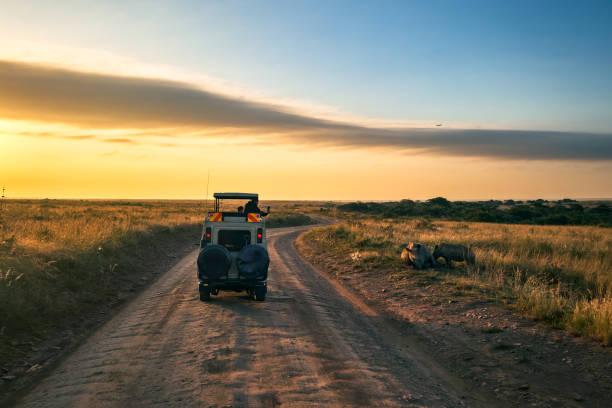 Tunduru Rural Village Adventure: Authentic Tanzania Experiences In 2026-2027Explore the heart of rural Tanzania with a Tunduru Village Adventure. This guide details authentic cultural interactions, daily life insights…View package
 2-Day Tunduru Cultural Tour: An Immersive Experience In Tanzanias GemstoneExplore the unique cultural heritage and gemstone mining traditions of Tunduru in a comprehensive 2-day tour. This itinerary offers an authentic…View package
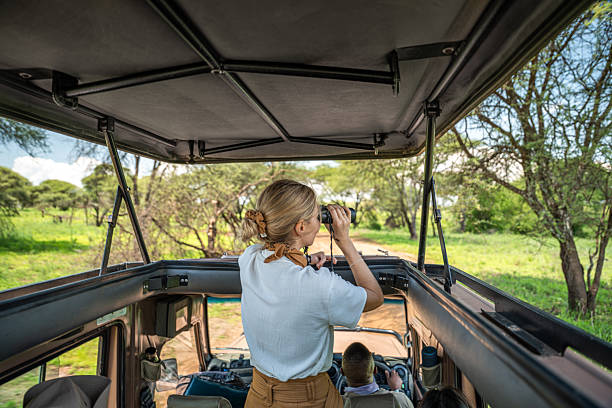 Tunduru And Selous Borderlands: Unveiling Tanzanias Untamed WildernessDiscover the wild heart of Tanzania where the Tunduru and Selous borderlands converge. This guide explores the unique safari experiences…View package
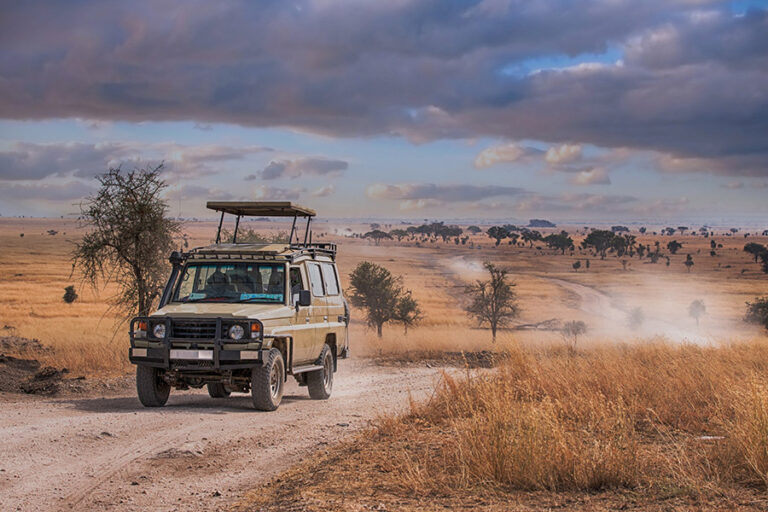 Lake Nyasa Southern Shore Tour: Your Ultimate Tanzania Adventure In 2026-2027A Lake Nyasa Southern Shore Tour offers an unparalleled journey into Tanzania's lesser-explored southeastern region. Experience tranquil…View packageMbamba Bay Fishing Experience: Your Ultimate Guide For 2026-2027Explore the rich fishing opportunities at Mbamba Bay, Tanzania. This guide covers everything from the best times to fish, species to target, and…View package
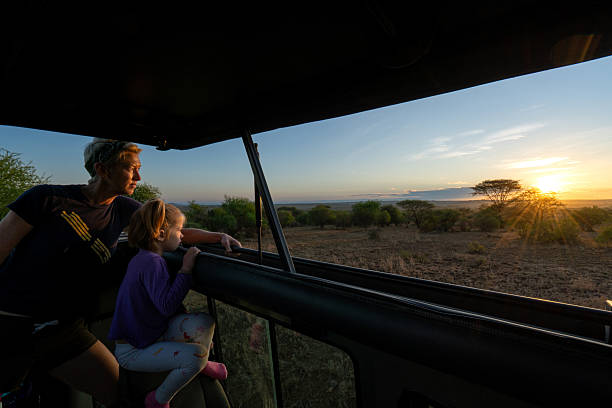 Mbamba Bay Boat Adventure: Your Ultimate Guide For 2026-2027start an unforgettable Mbamba Bay boat adventure, exploring the stunning Lake Malawi and its surrounding wonders. This comprehensive guide…View package


