


A Mbeya Historical Tour offers an immersive exploration of Southern Tanzania’s deep past, focusing on archaeological sites, colonial-era remnants, and the cultural heritage of ethnic groups like the Nyamwezi and Sukuma, providing insights into the region’s pre-colonial kingdoms, trade routes, and significant historical events, ideal for travelers seeking a nuanced understanding beyond typical safari experiences.
The Allure of Mbeya’s Untouched History
When envisioning a Tanzanian adventure, images of vast savannas teeming with wildlife, the snow-capped peak of Kilimanjaro, or the spice-scented shores of Zanzibar often come to mind. While these iconic destinations rightfully draw global attention, the southern highlands of Tanzania, centered around the city of Mbeya, harbor a historical narrative that is equally compelling, yet far less explored. A Mbeya Historical Tour is your gateway to this lesser-known but profoundly rich segment of Tanzanian heritage, offering a unique perspective on the country’s evolution from ancient settlements to its present-day identity.
Unlike the well-trodden paths of the northern safari circuit, Mbeya provides an opportunity to connect with history on a more intimate scale. The region’s strategic location, nestled between Lake Nyasa and the borders of Zambia and Malawi, has made it a crossroads for centuries, influencing its archaeological landscape, trade routes, and the diverse ethnic groups that call it home. This tour isn’t just about visiting historical markers; it’s about understanding the layers of human activity that have shaped this land, from early Iron Age communities to the complex interactions during the colonial period and the post-independence era.
For travelers in 2026 and 2027 looking to venture off the beaten path and gain a deeper appreciation for Tanzania’s multifaceted story, a Mbeya Historical Tour presents an unparalleled opportunity. It caters to those who seek knowledge, cultural immersion, and a genuine connection with the places they visit. This guide will take you through the significant historical facets of the Mbeya region, outlining what you can expect on such a tour and why it’s an essential addition to your Tanzanian itinerary.
Echoes of the Past: Key Historical Sites and Narratives
The history of the Mbeya region is not confined to a single period but spans millennia, with evidence of human habitation and significant societal developments stretching back to the Iron Age. Understanding these sites provides a foundational context for appreciating the subsequent historical layers.
Early Iron Age Settlements and Archaeological Discoveries
The Mbeya region, particularly areas around the Usangu Plains and near Lake Rukwa, has yielded significant archaeological evidence of early Iron Age settlements. These discoveries point to sophisticated societies that were engaged in agriculture, iron smelting, and complex social structures long before the arrival of Europeans. Excavations have uncovered pottery shards, tools, and evidence of early farming techniques, painting a picture of vibrant communities that thrived in this fertile landscape.
One of the most compelling aspects of these early sites is the evidence of advanced metallurgical skills. The ability to smelt iron was a memorable technology, impacting everything from tool-making and warfare to agriculture and trade. The presence of extensive iron smelting sites in the Mbeya region indicates a significant level of technological expertise and resource management among these early inhabitants. A Mbeya Historical Tour can include visits to or discussions about these archaeological zones, often facilitated by local historians or guides who can interpret the findings and their importance.
The significance of these early findings cannot be overstated. They challenge simplistic narratives of African history and highlight the ingenuity and developmental trajectory of indigenous populations. For visitors interested in the deep roots of human civilization in East Africa, exploring these ancient echoes provides a profound sense of connection to the land and its earliest peoples.
The Nyamwezi and Sukuma Trade Routes: Pathways to Power
During the 18th and 19th centuries, the Mbeya region played a crucial role as a transit point for the vast trade networks established by the Nyamwezi and Sukuma peoples of central Tanzania. These powerful ethnic groups organized extensive caravans that traversed hundreds of miles, trading goods such as ivory, salt, and manufactured items across East and Central Africa. Mbeya’s geographical position made it a strategic hub along these routes, connecting the interior to coastal trading posts and even as far as the Congo basin.
The caravans were not merely commercial ventures; they were complex social and political organizations. They facilitated the exchange of not only goods but also ideas, technologies, and cultural practices, significantly influencing the development of societies across the region. The Nyamwezi, in particular, were renowned for their warrior prowess and their ability to establish and maintain these far-reaching trade networks, often referred to as ‘long-distance trade’.
A Mbeya Historical Tour can shed light on these trade routes by visiting historical markers, understanding the types of goods traded, and learning about the social organization of the caravans. Guides can explain the challenges faced by traders, the goods exchanged, and the impact these networks had on the political and economic landscape of pre-colonial Tanzania. Understanding this era is key to grasping the interconnectedness of East and Central Africa long before modern borders were established.
Colonial Encounters and Administration in Mbeya
The arrival of European colonial powers in the late 19th and early 20th centuries brought significant changes to the Mbeya region. German East Africa (1885-1919) and later British Tanganyika (1919-1961) administration left indelible marks on the area’s infrastructure, economy, and social fabric. Mbeya city itself grew from a small settlement into an administrative and economic center, largely due to its location on key transportation routes and its potential for agricultural development, particularly coffee and pyrethrum cultivation.
Colonial infrastructure projects, such as roads and administrative buildings, can still be observed in and around Mbeya. The legacy of colonial policies, including land use, labor practices, and the introduction of new crops, continues to influence the region’s economy and social dynamics. Understanding this period involves examining the interactions between colonial administrators, local chieftains, and the general populace, as well as the economic exploitation and development that characterized colonial rule.
A historical tour can explore these colonial echoes by visiting old administrative buildings, understanding the history of agricultural development, and discussing the impact of colonial policies. It’s an opportunity to see how the region was integrated into the global economy and the long-term consequences of this integration. For travelers keen on understanding the forces that shaped modern Tanzania, the colonial period in Mbeya offers a rich case study.
Post-Independence and Modern Mbeya
Following Tanzania’s independence in 1961, Mbeya continued to grow as a vital regional hub. The post-independence era saw efforts to consolidate national identity, develop infrastructure, and foster economic growth. Mbeya’s role as a gateway to neighboring countries and its agricultural productivity have remained central to its identity.
The region has also been a site of significant social and political developments within Tanzania. Understanding Mbeya’s modern history involves looking at its role in national politics, economic diversification, and the ongoing challenges and successes of development in a post-colonial African context. A historical tour can touch upon these aspects, providing context for contemporary Mbeya and its place within the broader Tanzanian narrative.
Designing Your Mbeya Historical Tour: Itinerary Possibilities
Crafting a Mbeya Historical Tour requires careful consideration of the specific historical periods and sites you wish to explore. Top Guide Adventures specializes in tailoring these experiences to individual interests, ensuring a rich and informative journey. While a comprehensive tour could span several days, here are potential itinerary components and focuses.
Focusing on Archaeological Wonders
For those fascinated by ancient history, an itinerary can be built around visiting known archaeological sites and museums that house relevant artifacts. This might involve:
- Visits to the vicinity of the Usangu Plains, discussing findings from early Iron Age settlements.
- Exploring local museums or cultural centers in Mbeya city that display pottery, tools, and other relics from ancient periods.
- Discussions with local archaeologists or historians (where arrangements can be made) to gain deeper insights into ongoing research and discoveries.
- Learning about the significance of iron smelting in the region’s ancient past.
This focus is ideal for academic travelers, history enthusiasts, and anyone intrigued by the deep origins of human civilization in Africa. Such tours often require a flexible approach, as access to certain remote archaeological sites may depend on local conditions and expert guidance.
Tracing the Ancient Trade Routes
To understand the vibrant pre-colonial era, an itinerary can focus on the historical trade routes:
- Identifying key historical points along the Nyamwezi and Sukuma trade routes that passed through or near Mbeya.
- Learning about the types of goods traded (ivory, salt, beads, cloth, metalwork) and the economic impact of this trade.
- Understanding the social organization of the caravans and the role of influential traders and chiefs.
- Visiting local markets that may still reflect historical trade patterns or offer traditional crafts.
- Hearing stories and oral histories passed down through generations about the caravans and their journeys.
This segment of the tour offers a glimpse into the interconnectedness of East and Central Africa and the entrepreneurial spirit of its ancient inhabitants. It’s a narrative of movement, exchange, and the establishment of complex networks.
Colonial Footprints in Mbeya
For a focus on the more recent, yet deeply impactful, colonial period, an itinerary could include:
- Exploring Mbeya city’s historical center, identifying buildings with colonial architecture (e.g., former administrative offices, churches, old trading posts).
- Learning about the history of cash crop cultivation, such as coffee and pyrethrum, which were introduced and expanded during the colonial era.
- Understanding the impact of colonial policies on land ownership, labor, and the development of Mbeya as an administrative hub.
- Visiting sites related to transportation development, such as historical road networks or railway lines that served colonial interests.
- Discussing the transition from German to British rule and its effects on the region.
This focus provides critical context for understanding modern Mbeya’s economy and its place within the broader history of East African colonization.
A Comprehensive Historical Journey
A well-rounded Mbeya Historical Tour would ideally weave together elements from all these periods. A typical multi-day itinerary might look like this:
Sample 5-Day Mbeya Historical Immersion
- Day 1: Arrival in Mbeya & Ancient Echoes
Arrive in Mbeya, check into your accommodation. Afternoon visit to a local museum or cultural center to view artifacts from early Iron Age settlements. Introductory briefing on the region’s deep history. - Day 2: The Trade Route Legacy
Journey towards the Usangu Plains or other historically significant areas. Learn about the Nyamwezi/Sukuma trade routes, discuss the goods traded, and explore the geographical significance of Mbeya as a transit point. Visit local villages to hear oral histories. - Day 3: Colonial Foundations
Explore Mbeya city, focusing on colonial-era architecture and administrative sites. Discuss the establishment of the city and the introduction of cash crops. Visit historical agricultural areas. - Day 4: Cultural mix and Modern Mbeya
Engage with the cultural heritage of the ethnic groups in the Mbeya region. Visit local communities (with respect and pre-arranged visits) to understand contemporary life and its historical roots. Discuss post-independence developments. - Day 5: Departure
Morning reflection or a final visit to a historical viewpoint before departing from Mbeya.
This sample itinerary can be customized based on your specific interests, available time, and desired pace. For instance, if archaeological research is a primary focus, more time could be allocated to areas with known findings, potentially requiring specialized guides or permits.
Cultural Encounters Beyond the Ruins
A historical tour is incomplete without understanding the people who lived through these eras and continue to shape the region’s present. Mbeya is home to diverse ethnic groups, each with its own rich traditions, languages, and historical narratives.
The Peoples of Mbeya: Heritage and Traditions
The Mbeya region is a mosaic of cultures. Prominent groups include the Nyamwezi and Sukuma, known for their historical trade prowess and vibrant cultural practices. Other significant communities include the Fipa, the Tukuyu (often associated with the Nyakyusa people), and various smaller groups, each contributing to the region’s unique cultural mix.
Understanding these groups involves learning about their traditional social structures, customs, rituals, and artistic expressions. Traditional music, dance, storytelling, and crafts are vital components of their heritage. A well-designed historical tour will incorporate opportunities to respectfully engage with these communities, learn about their history from their perspective, and appreciate their living culture.
Responsible Cultural Tourism Practices
Engaging with local communities requires a commitment to responsible tourism. This means:
- Respect for Customs: Always ask for permission before taking photographs of people, especially elders or during ceremonies. Dress modestly when visiting villages.
- Supporting Local Economies: Purchase authentic handicrafts directly from artisans. Choose locally owned accommodations and eateries where possible.
- Authentic Interactions: Seek genuine connections rather than staged performances. Learn a few basic phrases in Swahili or the local language.
- Ethical Engagement: Ensure that any interactions are mutually beneficial and do not exploit or demean local traditions.
Top Guide Adventures is committed to ethical tourism practices, working with local guides who understand and respect community protocols. We facilitate meaningful interactions that enrich the visitor’s experience while ensuring the dignity and well-being of the host communities.
Logistics and Planning Your Mbeya Historical Tour for 2026-2027
Planning a trip to a less-traveled region like Mbeya requires attention to detail. Here’s what you need to consider for your 2026-2027 travel plans.
Best Time to Visit
The Mbeya region experiences a temperate climate due to its high altitude. The best time for a historical tour, as with most travel in Tanzania, is during the dry seasons:
- June to October: This is the peak dry season, offering pleasant temperatures and minimal rainfall, making travel and exploration comfortable.
- December to February: Another dry period, though often warmer than the June-October window.
The shoulder seasons (March-May and November) can offer fewer crowds and potentially lower prices, but rain is more likely, which could affect access to certain sites or outdoor activities.
Travel Style and Accommodation
Mbeya offers a range of accommodation options, from comfortable mid-range hotels in the city to more basic guesthouses in smaller towns. For tours venturing into rural areas, arrangements for lodges or well-equipped campsites might be necessary. The travel style can be adapted to your preferences, ranging from private guided tours for maximum flexibility and depth to small group tours for a more social experience.
Accommodation considerations for 2026-2027: As tourism in southern Tanzania grows, expect improvements in infrastructure. Booking in advance, especially for unique lodges or during peak season, is highly recommended.
Getting to Mbeya
Mbeya is accessible by:
- Air: Mbeya has an airport (Mbeya Airport, IATA: MBI) that receives domestic flights, primarily from Dar es Salaam. This is the quickest way to reach the region.
- Road: A scenic, though long, road journey is possible from major cities like Dar es Salaam or Arusha. Bus services are available, but for a historical tour, a private vehicle with a driver-guide is recommended for comfort, flexibility, and access to historical sites.
Tour Customization and Booking
The true value of a Mbeya Historical Tour lies in its customization. Top Guide Adventures works closely with clients to design itineraries that align with their specific historical interests, budget, and travel style. Whether you are a history scholar, a cultural enthusiast, or simply a curious traveler, we can craft an experience that resonates with you.
To begin planning your historical journey to Mbeya for 2026 or 2027, we encourage you to reach out. Understanding your interests is the first step in creating an unforgettable adventure.
Ready to Explore Mbeya’s History?
Let Top Guide Adventures craft your personalized Mbeya Historical Tour. Our expert guides will lead you through the fascinating past of Southern Tanzania, from ancient settlements to colonial echoes and vibrant cultural traditions. We specialize in creating unique, in-depth travel experiences for 2026-2027 and beyond.
Contact us today to start planning:
- WhatsApp: +255616946642
- Email: topguideadventures@gmail.com
- Backup Email: info@topguideadventures.com
Visit our website for more inspiration on Tanzanian adventures: Top Guide Adventures.
Frequently Asked Questions about Mbeya Historical Tours
What makes Mbeya a unique historical destination?
Mbeya offers a historical perspective distinct from Tanzania’s more famous northern circuit. Its location has made it a crossroads for ancient trade routes, early Iron Age settlements, and significant colonial interactions, providing a deep, layered history often overlooked by mainstream tourism.
What historical periods does a Mbeya tour typically cover?
A comprehensive Mbeya Historical Tour can cover the early Iron Age (archaeological sites), the pre-colonial era (Nyamwezi/Sukuma trade routes), the colonial period (German and British administration, agricultural development), and post-independence history.
Is Mbeya suitable for travelers interested in cultural immersion?
Absolutely. Mbeya is home to diverse ethnic groups like the Nyamwezi, Sukuma, and Fipa. A historical tour can be combined with respectful visits to local communities to learn about their traditions, music, and way of life.
What is the best time of year for a Mbeya Historical Tour?
The dry seasons, from June to October and December to February, are ideal for exploring Mbeya. These periods offer the most pleasant weather for travel and site visits.
How can I book a Mbeya Historical Tour for 2026-2027?
You can book a Mbeya Historical Tour by contacting Top Guide Adventures via WhatsApp at +255616946642, email at topguideadventures@gmail.com, or info@topguideadventures.com. They specialize in customizing historical and cultural journeys in Tanzania.
Are there specific archaeological sites I can visit?
While many significant archaeological findings are housed in museums, tours can focus on areas known for early Iron Age settlements, such as regions near the Usangu Plains. Access and specific site visits depend on local conditions and expert guidance.
What kind of accommodation is available in Mbeya?
Mbeya city offers a range of hotels and guesthouses. For tours extending into rural areas, more rustic lodges or well-equipped campsites may be arranged. Top Guide Adventures can accommodate various preferences and budgets.
Conclusion: Your Gateway to Southern Tanzania’s Untold Stories
The Mbeya Historical Tour is more than just a sightseeing excursion; it’s an intellectual and cultural journey that offers a profound understanding of Tanzania’s complex past. By exploring the ancient settlements, tracing the historic trade routes, and examining the colonial legacy, you gain a perspective that enriches your appreciation for the nation’s present.
For travelers planning their adventures in 2026 and 2027, Mbeya presents an opportunity to step away from the familiar and engage with history in a meaningful, authentic way. It’s a chance to connect with the land and its people, uncovering stories that have shaped this vital region of Southern Tanzania.
Top Guide Adventures is your trusted partner in uncovering these untold stories. We are dedicated to providing personalized, informative, and responsible historical tours that cater to your specific interests. Let us help you craft an unforgettable Mbeya Historical Tour that delves deep into the heart of Tanzania’s heritage.
Check Availability for Mbeya Historical Tour: Uncover Southern Tanzanias Rich Past 2026-2027
Ready to compare dates, prices, and the best option for your group? Send the package name and travel month so the team can reply with a clear quote, availability, and what is included.
 Mbeya Cycling Adventure: Explore Tanzanias Southern Highlands By Bikestart a unique Mbeya Cycling Adventure, traversing the stunning Southern Highlands of Tanzania. This guide covers routes, highlights, what to…View package
 Mbeya Local Food Experience: A Culinary Journey Through Tanzanias SouthernExplore the vibrant Mbeya local food experience, a deep look at the culinary traditions of Tanzania's Southern Highlands. From staple crops like…View package
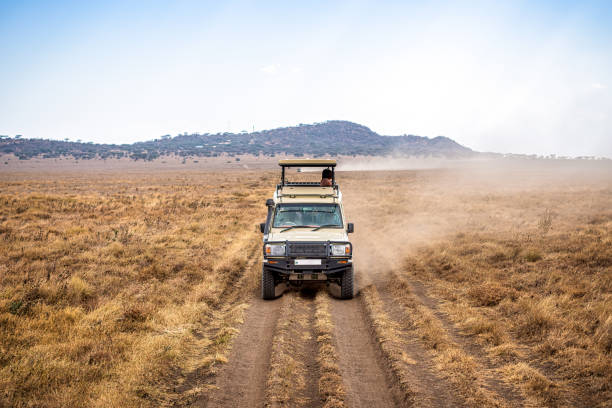 3-Day Mbeya Culture And Nature Tour: Your Essential Guide 2026-2027Discover the highlights of Mbeya with our 3-day culture and nature tour. This itinerary blends breathtaking scenery, authentic cultural…View package
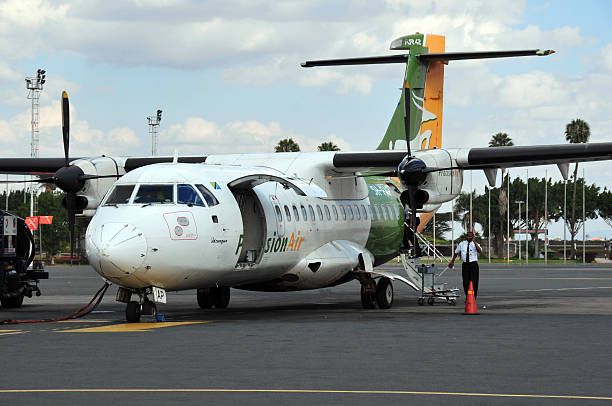 2-Day Mbeya Highlands Escape: Your Ultimate Itinerary For 2026-2027Experience the Mbeya Highlands in just two days. This guide details an unforgettable itinerary for 2026-2027, covering scenic drives, cultural…View package1-Day Mbeya Waterfalls Adventure: Your Ultimate Guide For 2026-2027Discover the breathtaking beauty of Mbeya's waterfalls on an exhilarating 1-day adventure. This guide covers everything from planning your trip…View package
 1-Day Mbeya Tea Estate Tour: Experience Tanzanias Lush Highlands 2026-2027A 1-day tour of Mbeya's tea estates offers a refreshing escape into Tanzania's verdant highlands. Explore lush plantations, learn about tea…View package
 1-Day Mbeya Coffee Farm Tour: Experience Tanzanias Highland Brew 2026-2027Experience the journey of Tanzanian coffee from bean to cup with a specialized 1-day Mbeya coffee farm tour. This immersive experience offers…View package
 1-Day Mbeya City Tour: Exploring Southern Tanzanias Less Crowded PlaceA comprehensive guide to experiencing Mbeya City in just one day, covering key attractions, cultural insights, and practical tips for travelers…View package


