
A 3-day Central Serengeti wildlife safari offers an incredible opportunity to witness the park’s most iconic and concentrated wildlife populations, including the Big Five, within a condensed timeframe. This itinerary typically focuses on the Seronera Valley, known for its year-round resident game and diverse predator-prey interactions, making it ideal for shorter trips in 2026-2027. Expect daily game drives in open-top safari vehicles, guided by experienced local trackers, with accommodation ranging from comfortable lodges to luxury tented camps. The focus is on maximizing wildlife encounters through strategic game drives across the central plains.
Why Choose Central Serengeti for a Short Safari?
When planning a safari, especially one with limited time like a 3-day trip, the choice of location is paramount. Central Serengeti, particularly the Seronera Valley area, stands out as an exceptional destination for several compelling reasons, especially for travelers looking at 2026 or 2027 adventures.
Unlike some other regions of the Serengeti that are heavily influenced by the Great Migration’s seasonal movements, the central sector boasts a remarkably high concentration of resident wildlife throughout the year. This means that regardless of the month you choose to visit in 2026-2027, you are virtually guaranteed to encounter a stunning array of animals.
The landscape in Central Serengeti is characterized by vast, rolling grasslands dotted with acacia trees, kopjes (rocky outcrops), and the Seronera River, which provides a vital water source. This diverse habitat attracts a wide variety of herbivores, and where there are herbivores, predators are never far behind. This makes for incredibly dynamic and rewarding game viewing.
For a 3-day safari, minimizing travel time between different park sectors is crucial. Central Serengeti’s accessibility, combined with its abundance of wildlife, means you can spend more time actively observing animals and less time in transit. This efficiency is key to making the most of a short safari experience.
Year-Round Wildlife Abundance
The primary draw of Central Serengeti is its exceptional density and diversity of wildlife, available no matter the season. While the Great Migration is a spectacular event, its path can mean that certain areas are less populated at specific times. Central Serengeti, however, is home to a permanent population of animals that rarely leave the region.
This includes a significant number of predators. The Seronera Valley is renowned for its high populations of lions, leopards, cheetahs, and hyenas. You’ll often find prides of lions lounging on kopjes, leopards draped in trees, and cheetahs scanning the plains for their next meal. The abundance of prey species like wildebeest, zebras, gazelles, and buffalo ensures that the predator-prey drama unfolds daily.
Even if your visit doesn’t coincide with the peak of the migration, the resident wildlife is more than enough to provide a world-class safari experience. For a 3-day Central Serengeti wildlife safari, this consistent availability of sightings is invaluable.
The Seronera River Valley: A Wildlife Hotspot
The Seronera River is the lifeblood of Central Serengeti. Its perennial flow sustains a rich ecosystem, attracting animals from miles around, especially during the dry season. The riverbanks and surrounding woodlands create a perfect environment for a multitude of species.
This concentration of life makes Seronera a prime location for spotting elusive animals. Leopards, in particular, favor the riverine forests and acacia woodlands found here, often seen resting in trees or on branches overlooking the water. Lions are also frequently found near the river, either hunting or resting in the shade.
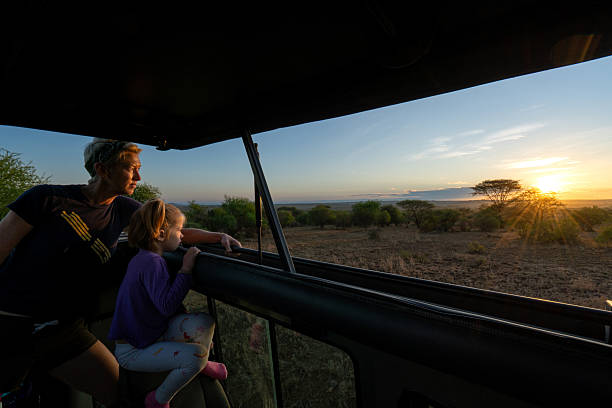
For photographers and wildlife enthusiasts, the Seronera Valley offers endless opportunities. The diverse terrain provides varied backdrops, and the high density of animals means that opportunities for observing fascinating behaviors – from hunting and territorial disputes to the simple acts of grazing and social interaction – are abundant. A 3-day safari here ensures you are placed directly in the heart of the action.
Crafting Your 3-Day Central Serengeti Itinerary
A 3-day Central Serengeti wildlife safari requires careful planning to maximize your time and wildlife viewing opportunities. While specific itineraries can be customized, a typical structure focuses on efficient game drives and comfortable lodging.
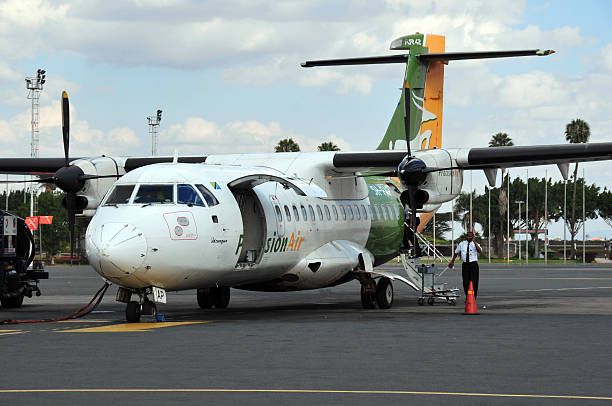
The most common approach involves flying into a central airstrip within Serengeti National Park, such as Seronera Airstrip (SEU), and then transferring to your chosen lodge or camp. This significantly cuts down on travel time compared to driving from Arusha or other entry points.
Your three days will primarily consist of morning and afternoon game drives, with a break during the hottest part of the day. These drives are led by experienced guides who know the best locations for sightings based on current animal movements and past observations. The goal is to cover as much ground as possible within the Central Serengeti area, focusing on areas known for high wildlife density.
Day 1: Arrival and First Encounters
Upon arrival at Seronera Airstrip, you’ll be met by your guide. After a brief introduction and a chance to settle into your accommodation, your first game drive will commence. This initial drive is designed to give you a taste of the Serengeti’s magic. Your guide will navigate the local tracks, heading towards areas known for resident predators and herds of plains game. Depending on the time of day and recent sightings, you might encounter lions, elephants, giraffes, and various antelope species. The drive will continue until late afternoon, culminating in your return to the lodge or camp for dinner and overnight.
Day 2: Full Day of Exploration
Day two is dedicated to a full day of game viewing. You’ll typically start with an early morning game drive, as this is often the most active time for predators. After a few hours, you’ll return to your camp or lodge for breakfast and a short rest. Some travelers opt for a packed lunch to enjoy out in the bush, allowing for an extended game drive that spans the entire day. This strategy is highly effective for maximizing your chances of witnessing significant wildlife events. Your guide will focus on different areas within Central Serengeti, perhaps exploring the riverine habitats or the open plains, seeking out lions, leopards, cheetahs, elephants, and diverse birdlife. The day concludes with your return to the lodge for dinner and relaxation.
Day 3: Morning Drive and Departure
Your final day begins with another early morning game drive. This offers a last opportunity to spot any wildlife you may have missed or to revisit favorite spots. The morning light can be particularly beautiful for photography. After the drive, you’ll return to your lodge for breakfast, check out, and then be transferred back to Seronera Airstrip for your onward flight. Depending on your flight schedule, there might be time for a final short game drive en route to the airstrip.
This structure is flexible and can be adapted to your interests. For instance, if you are particularly keen on birdwatching, your guide can incorporate more time in diverse habitats. If photography is your priority, the guide can focus on locations with good light and animal visibility.
Key Considerations for a 3-Day Central Serengeti Safari:
- Focus on Seronera Valley: This area provides the best year-round wildlife viewing for short trips.
- Minimize Travel Time: Flying into Seronera Airstrip is highly recommended.
- Experienced Guides: Essential for maximizing sightings and understanding animal behavior.
- Vehicle Choice: Open-top 4×4 safari vehicles are standard for optimal viewing.
- Accommodation: Options range from mid-range lodges to luxury tented camps, all strategically located.
Wildlife You Can Expect to See
A 3-day Central Serengeti wildlife safari is designed for maximum wildlife encounters. The Seronera Valley and its surroundings are teeming with life, offering a high probability of seeing many of the species that make the Serengeti famous. While wildlife sightings are never guaranteed, the concentration of animals in this region significantly increases your chances.
The Iconic Big Five
The term ‘Big Five’ refers to the lion, leopard, elephant, rhino, and buffalo – animals historically prized by hunters for their challenging pursuit. Today, they are sought after by photographers and wildlife enthusiasts.
- Lions: Central Serengeti is a stronghold for lions. You’ll likely see prides resting on kopjes, hunting in the grasslands, or cooling off near water sources. Their sheer numbers and visibility make them a highlight of any safari here.
- Leopards: These elusive cats are masters of camouflage. However, the riverine forests and acacia woodlands of Seronera offer excellent leopard habitat. Your guide will scan the trees and thickets carefully; spotting a leopard is always a thrilling moment.
- Elephants: While not as densely populated as in some other African parks, elephants are present in Central Serengeti, often seen near the Seronera River or browsing in wooded areas. Herds can be quite large.
- Buffalo: Cape buffalo are abundant in Central Serengeti, often seen in large herds grazing on the plains or gathered at waterholes. They are powerful and impressive animals to observe.
- Rhinos: Black rhinos are present but are the most elusive of the Big Five. Sightings are rare and usually require a good deal of luck and a guide who knows their preferred habitats. While not a primary focus for a short safari, a chance encounter is always possible.
Predators Beyond the Big Five
Beyond the famous five, Central Serengeti is a paradise for predator enthusiasts.
- Cheetahs: The open grasslands are ideal hunting grounds for cheetahs. You have a good chance of spotting them on the hunt, resting after a kill, or with their cubs.
- Spotted Hyenas: Often misunderstood, hyenas are highly intelligent and successful predators and scavengers. Large clans are common in Central Serengeti, and observing their social dynamics is fascinating.
- Wild Dogs: Though less common than other predators, African wild dogs are occasionally sighted. These highly social animals are endangered, making any sighting particularly special.
- Jackals: Several species of jackals, including the golden and side-striped jackal, are frequently seen.
- Servals and Caracals: These smaller wild cats are more difficult to spot due to their size and preference for denser vegetation, but they inhabit the area.
Abundant Herbivores
The foundation of the Serengeti ecosystem is its vast array of herbivores.
- Wildebeest and Zebras: While the massive migration herds move seasonally, significant numbers of wildebeest and zebras are resident in Central Serengeti year-round, providing a constant food source for predators.
- Gazelles: Thomson’s gazelles and Grant’s gazelles are ubiquitous, often seen in large numbers grazing across the plains.
- Giraffes: Maasai giraffes are a common sight, browsing on acacia trees.
- Warthogs: You’ll frequently see warthogs scurrying across the plains, often with their tails held high.
- Buffalo: As mentioned in the Big Five, buffalo herds are a constant presence.
- Other Antelopes: Keep an eye out for impalas, dik-diks, topi, hartebeest, eland, and waterbucks.
Birdlife
Serengeti National Park is a birdwatcher’s paradise, with over 500 species recorded. Central Serengeti offers excellent opportunities to see a variety of birds, from large raptors to tiny sunbirds.
- Raptors: Martial eagles, fish eagles, various buzzards, and kestrels are commonly seen.
- Ground Birds: Ostrich, secretary birds, and helmeted guineafowl are often spotted.
- Water Birds: Near the Seronera River, you might see kingfishers, herons, and egrets.
- Colorful Species: Lilac-breasted rollers, superb starlings, and various weavers add splashes of color to the landscape.
The diversity of wildlife ensures that every game drive on your 3-day Central Serengeti wildlife safari is unique and full of potential discoveries.
Accommodation Options in Central Serengeti
Choosing the right accommodation is crucial for your comfort and overall safari experience. Central Serengeti offers a range of options to suit different budgets and preferences, from rustic to luxurious. For a 3-day trip, staying close to the Seronera Valley is ideal to maximize game viewing time.
Luxury Tented Camps
These camps offer an authentic safari feel with high-end amenities. Tents are spacious, often featuring comfortable beds, en-suite bathrooms with hot showers, and private verandas. They provide an intimate connection with the wilderness while ensuring a high level of comfort and service. Expect gourmet meals, excellent service, and often, communal areas for relaxing around a campfire.
Examples: Camps often located within or very near the Seronera Valley, providing excellent access to game drives. These are ideal for those seeking a premium experience in 2026-2027.
Mid-Range Lodges and Camps
These options strike a balance between comfort and cost. You’ll find well-appointed rooms or tents, often with en-suite bathrooms, and good quality meals. They provide a comfortable base for exploring Central Serengeti without the premium price tag of luxury camps.
Examples: Lodges and tented camps situated strategically to offer easy access to game drive routes. These are popular choices for a 3-day Central Serengeti wildlife safari for many travelers.
Budget-Friendly Options
For travelers on a tighter budget, there are simpler lodges and tented camps. These may offer more basic amenities, such as shared bathrooms or simpler meals, but still provide a safe and comfortable place to rest after a day of game drives. Some may be located slightly further from the prime wildlife areas, requiring a bit more driving time.
Important Note: For a 3-day Central Serengeti wildlife safari, proximity to the Seronera Valley is key. Even budget options should be chosen with this in mind to ensure you are not spending excessive time driving to the best wildlife areas.
Budgeting for Your 3-Day Central Serengeti Safari (2026-2027 Estimates)
The cost of a 3-day Central Serengeti wildlife safari can vary significantly based on accommodation choice, vehicle type (private vs. shared), and season. As a general guideline for 2026-2027:
- Budget Safari: Expect prices ranging from $700 – $1,200 per person. This typically includes mid-range to basic tented camps, shared game drives, and park fees.
- Mid-Range Safari: Prices typically fall between $1,200 – $2,000 per person. This usually covers comfortable lodges or high-quality tented camps, potentially a mix of shared and private game drives, and all park fees.
- Luxury Safari: Costs can range from $2,000 – $4,000+ per person. This level includes exclusive tented camps or lodges, private game drives, premium services, and often internal flight costs.
Key Cost Factors:
- Park Fees: Serengeti National Park fees are substantial and are a significant part of the total cost.
- Accommodation: This is usually the largest variable cost.
- Vehicle and Guide: Private vehicles are more expensive than shared ones.
- Internal Flights: Flying into Seronera Airstrip adds to the cost but saves significant time.
- Time of Year: Peak seasons (e.g., June-October, December-February) are generally more expensive.
Contact us for a personalized quote for your 2026-2027 adventure!
Best Time to Visit Central Serengeti for a 3-Day Safari
While Central Serengeti offers excellent wildlife viewing year-round, certain periods might be more favorable depending on your priorities, especially for a short 3-day trip in 2026-2027.
The Dry Season (June to October)
This is widely considered the peak safari season in the Serengeti. The weather is generally dry and sunny, with cooler temperatures, making for comfortable game drives. The scarcity of water forces animals to congregate around the remaining water sources, particularly the Seronera River in Central Serengeti. This leads to incredibly high concentrations of wildlife, making predator sightings very reliable. It’s also the time when the Great Migration herds are typically found in the western and central corridors, although their exact location can vary year to year.
- Pros: Excellent wildlife viewing, especially predators; pleasant weather; easier to spot animals against a dry landscape.
- Cons: Higher prices; more crowded with other tourists.
The Wet Season (November to May)
This period is characterized by rainfall, which varies in intensity. The short rains typically occur in November and December, while the long rains are usually from March to May. During the wet season, the landscape transforms into a lush green paradise. While game drives can sometimes be interrupted by rain, the vegetation becomes thicker, and water is abundant, dispersing the wildlife across the park.
- November-December (Short Rains): This can be a good time to visit. The grass is greening up, and the migration often moves into the eastern and northern Serengeti. Wildlife remains plentiful in Central Serengeti.
- January-February: This period often sees the calving season of the wildebeest and zebras, typically occurring in the southern Serengeti. However, Central Serengeti still holds resident game.
- March-May (Long Rains): This is generally the low season. Rainfall can be heavy, and some tracks may become impassable. However, it offers fewer crowds and lower prices. The landscape is stunningly beautiful.
Recommendation for a 3-Day Central Serengeti Wildlife Safari:
For a short, impactful safari, the dry season (June to October) is often recommended due to the guaranteed high concentrations of wildlife around water sources. However, the shoulder months like late October/early November or late May/early June can offer a good balance of wildlife viewing, fewer crowds, and potentially better prices for your 2026-2027 trip.
Planning Your 3-Day Central Serengeti Safari: Essential Tips
A successful 3-day Central Serengeti wildlife safari hinges on good planning. Here are some essential tips to ensure you make the most of your short but intense adventure in 2026-2027.
Booking and Logistics
- Book in Advance: Especially if you are planning for peak season (June-October) or specific dates in 2026-2027, it’s crucial to book your safari well in advance. Popular lodges and camps fill up quickly.
- Choose a Reputable Tour Operator: Partnering with an experienced tour operator like Top Guide Adventures is vital. They handle all the logistics, from park permits and vehicle arrangements to accommodation bookings and guide selection.
- Internal Flights: For a 3-day trip, flying into Seronera Airstrip (SEU) is highly recommended. This saves considerable travel time compared to driving from Arusha. Discuss flight options with your tour operator.
- Visa Requirements: Ensure you have the necessary visa for Tanzania. This can often be obtained online in advance or upon arrival at the airport, but check current regulations.
What to Pack
Packing light and smart is key for safari travel.
- Clothing: Lightweight, neutral-colored clothing (khaki, beige, green) is best. Avoid bright colors and dark colors like black or blue, which can attract insects. Pack long-sleeved shirts and trousers for sun protection and cooler evenings.
- Footwear: Comfortable walking shoes or hiking boots are suitable, though you’ll mostly be in a vehicle. Sandals or trainers are good for around the camp.
- Outerwear: A fleece or light jacket is recommended for cool mornings and evenings. A waterproof jacket is useful during the wet season.
- Sun Protection: A wide-brimmed hat, sunglasses, and high-SPF sunscreen are essential.
- Insect Repellent: Especially important for evenings and early mornings.
- Camera Gear: Bring extra batteries, memory cards, and a zoom lens if possible. A good camera is crucial for capturing the wildlife.
- Binoculars: Highly recommended for spotting distant animals.
- Personal Items: Medications, a small first-aid kit, hand sanitizer, and toiletries.
- Adapter: Tanzania uses Type D and Type G electrical outlets.
Health and Safety
- Vaccinations: Consult your doctor or a travel clinic about recommended vaccinations and malaria precautions for Tanzania. Yellow fever vaccination may be required.
- Malaria Prevention: Take anti-malarial medication as prescribed by your doctor. Use insect repellent and wear long clothing during peak mosquito hours (dusk and dawn).
- Water: Drink only bottled or purified water.
- Sun Safety: Protect yourself from the strong African sun.
- Safari Etiquette: Always follow your guide’s instructions. Do not stand up in the vehicle while it’s moving, do not feed the animals, and keep noise levels down.
Photography Tips
- Best Light: The ‘golden hours’ – shortly after sunrise and before sunset – offer the best light for photography.
- Zoom Lens: A telephoto lens (e.g., 200-400mm) is invaluable for capturing wildlife details from a distance.
- Shutter Speed: Use a fast shutter speed to freeze action, especially with fast-moving animals like cheetahs.
- Camera Settings: Be prepared to adjust your settings quickly based on changing light conditions.
- Patience: Wildlife photography requires patience. Wait for the right moment and the right pose.
What’s Typically Included in a 3-Day Safari Package?
When you book a 3-day Central Serengeti wildlife safari package with a reputable operator like Top Guide Adventures, several key components are usually covered. Understanding these inclusions helps in budgeting and planning.
Standard Inclusions:
- Accommodation: Lodging for 2 nights at your chosen lodge or tented camp.
- Meals: Typically full board (breakfast, lunch, and dinner) during your safari days. Drinks might be extra, especially alcoholic beverages.
- Park Entrance Fees: All necessary fees for Serengeti National Park.
- Game Drives: Daily game drives in a 4×4 safari vehicle with a pop-up roof for optimal viewing.
- Professional Guide: An experienced, English-speaking safari guide.
- Vehicle Running Costs: Fuel for the safari vehicle.
- Airport Transfers: Transfers to and from the local airstrip (e.g., Seronera Airstrip).
Common Exclusions:
It’s equally important to know what is typically *not* included:
Typical Exclusions:
- International Flights: Flights to and from Tanzania.
- Internal Flights: Flights to and from the Serengeti airstrip (though some packages may include these, so clarify).
- Visa Fees: Cost of your Tanzanian visa.
- Travel Insurance: Highly recommended but usually not included.
- Gratuities: Tips for your guide and lodge staff.
- Personal Expenses: Souvenirs, drinks, laundry, etc.
- Optional Activities: Such as hot air balloon safaris (which are spectacular but add significant cost).
Always confirm the exact inclusions and exclusions with your tour operator when booking your 3-day Central Serengeti wildlife safari for 2026-2027.
Optional Add-Ons for Your Safari
While a 3-day Central Serengeti wildlife safari is already a rich experience, there are optional activities that can enhance your trip, provided time and budget allow.
Hot Air Balloon Safari
This is perhaps the most popular optional activity. Launching just before dawn, a hot air balloon ride offers a unique perspective of the Serengeti plains as the sun rises. You’ll drift silently over the landscape, spotting wildlife from above, followed by a champagne breakfast upon landing. This is an unforgettable experience, though it comes at a significant extra cost and requires an early start on one of your safari days.
Cultural Visits
While Central Serengeti is primarily focused on wildlife, some tours might incorporate a visit to a Maasai village. This offers a glimpse into the traditional lifestyle of the Maasai people, their culture, and their relationship with the land. Ensure this is arranged through reputable channels that benefit the community.
For a 3-day trip, fitting in these optional activities requires careful itinerary planning. A hot air balloon safari typically takes up the early morning of one day, potentially shortening your game drive time. Cultural visits can also take a few hours. Discuss with your tour operator if these are feasible and align with your priorities for a short safari.
Why Choose Top Guide Adventures for Your 3-Day Central Serengeti Safari?
Selecting the right tour operator is fundamental to a successful safari. Top Guide Adventures is dedicated to providing exceptional safari experiences in Tanzania, including expertly crafted 3-day Central Serengeti wildlife safaris for 2026-2027 and beyond.
Our team comprises passionate and knowledgeable local guides who possess an intimate understanding of the Serengeti’s ecosystems, animal behavior, and the best locations for sightings. We pride ourselves on personalized service, ensuring that your safari is tailored to your interests and expectations.
We offer a range of accommodation options to suit your budget, from comfortable mid-range lodges to luxurious tented camps, all chosen for their prime locations and quality service. Our commitment is to provide value, safety, and unforgettable wildlife encounters.
Whether you’re a first-time safari-goer or a seasoned wildlife enthusiast, Top Guide Adventures is equipped to make your 3-day Central Serengeti wildlife safari a highlight of your travels. We handle all the intricate details, allowing you to relax and focus on the incredible wildlife and landscapes.
Ready to plan your adventure? Contact us today to discuss your dream 3-day Central Serengeti wildlife safari. You can reach us via WhatsApp at +255616946642 or email us at topguideadventures@gmail.com. For alternative inquiries, feel free to use info@topguideadventures.com. Let us help you create lasting memories in the heart of the Serengeti for 2026-2027.
Check Availability for 3-Day Central Serengeti Wildlife Safari: Your Essential Guide 2026-2027
Ready to compare dates, prices, and the best option for your group? Send the package name and travel month so the team can reply with a clear quote, availability, and what is included.
2-Day Private Mikumi Safari From Zanzibar: Your Quick Wildlife Escape
Discover the thrill of a 2-day private Mikumi safari departing from Zanzibar. This concise adventure offers a fantastic opportunity to witness Tanzania's iconic wildlife in a short...
View package details
How Much Is A Three-Day Selous Safari? Costs And Whats Included In 2026-2027
Planning a short but impactful safari? A 3-day safari in Tanzania's Selous Game Reserve (now Nyerere National Park) offers a fantastic wildlife experience. Discover the typical costs...
View package details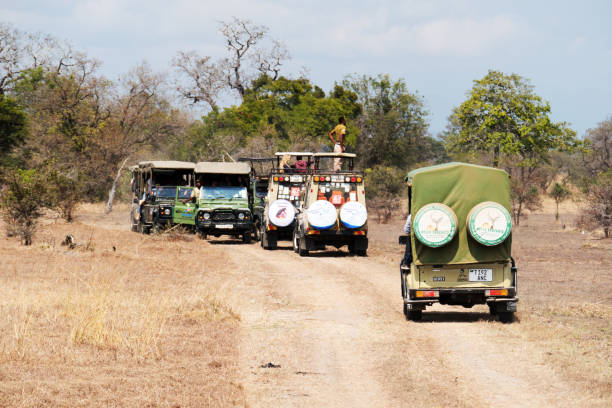
3-Day Selous Honeymoon Safari From Zanzibar: Your Ultimate Romantic Escape
A 3-day Selous honeymoon safari from Zanzibar offers newlyweds an unforgettable blend of wildlife encounters and romantic seclusion in one of Africa's most iconic parks. This short...
View package details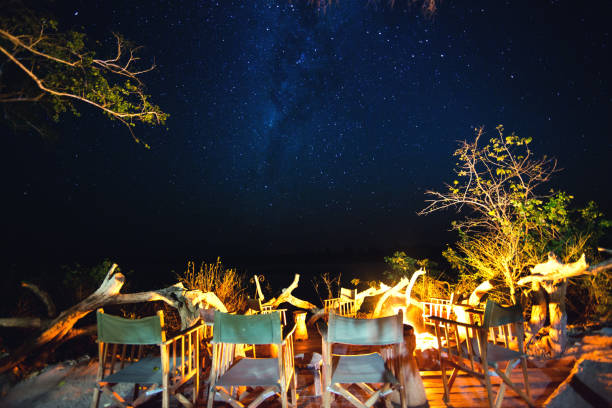
2-Day Mikumi Weekend Safari From Dar Es Salaam In 2026-2027
Discover the magic of Mikumi National Park on a convenient 2-day weekend safari from Dar es Salaam. This short trip offers incredible wildlife viewing opportunities, perfect for those with...
View package details3-Day Budget Mikumi Safari From Dar Es Salaam Guide
Discover how to experience a thrilling 3-day budget Mikumi National Park safari starting from Dar es Salaam. This guide covers everything from wildlife viewing and essential packing to...
View package details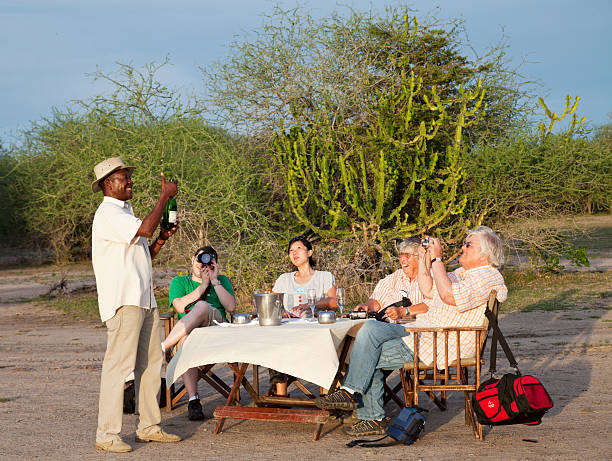
3-Day Luxury Selous Safari From Zanzibar: Your Ultimate Escape 2026-2027
Discover the magic of a 3-day luxury Selous safari departing from Zanzibar. This comprehensive guide covers itinerary options, lodge experiences, wildlife viewing, travel logistics, and...
View package details2-Day Shared Nyerere Safari From Zanzibar: Your Essential Guide 2026-2027
Discover the magic of Nyerere National Park (formerly Selous Game Reserve) with a 2-day shared safari departing from Zanzibar. This compact adventure offers a thrilling glimpse into one of...
View package details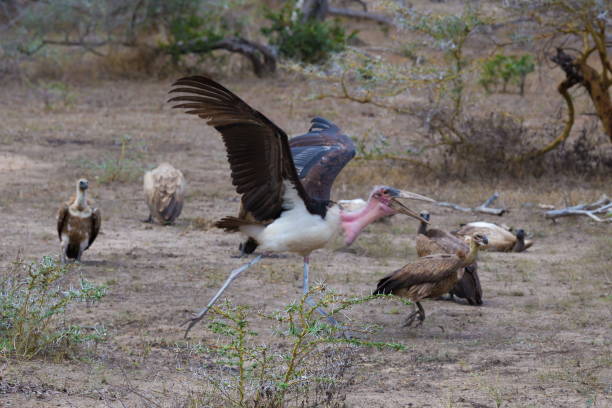
3-Day Nyerere Safari With Night Game Drive 2026-2027
3-Day Nyerere Safari with Night Game Drive is explained with current 2026-2027 planning, price, itinerary and booking information.
View package details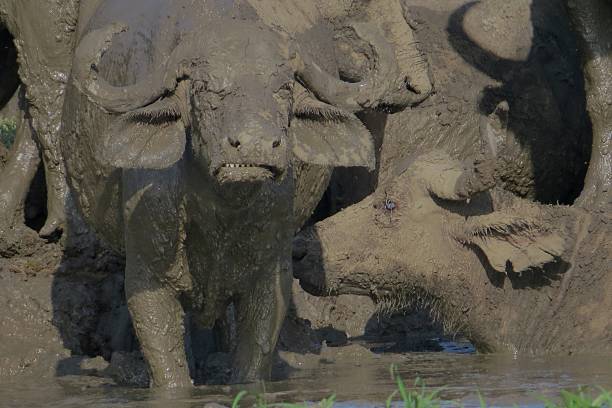
3-Day Nyerere Safari With Accommodation Inside The Park 2026-2027
3-Day Nyerere Safari with Accommodation Inside the Park is explained with current 2026-2027 planning, price, itinerary and booking information.
View package details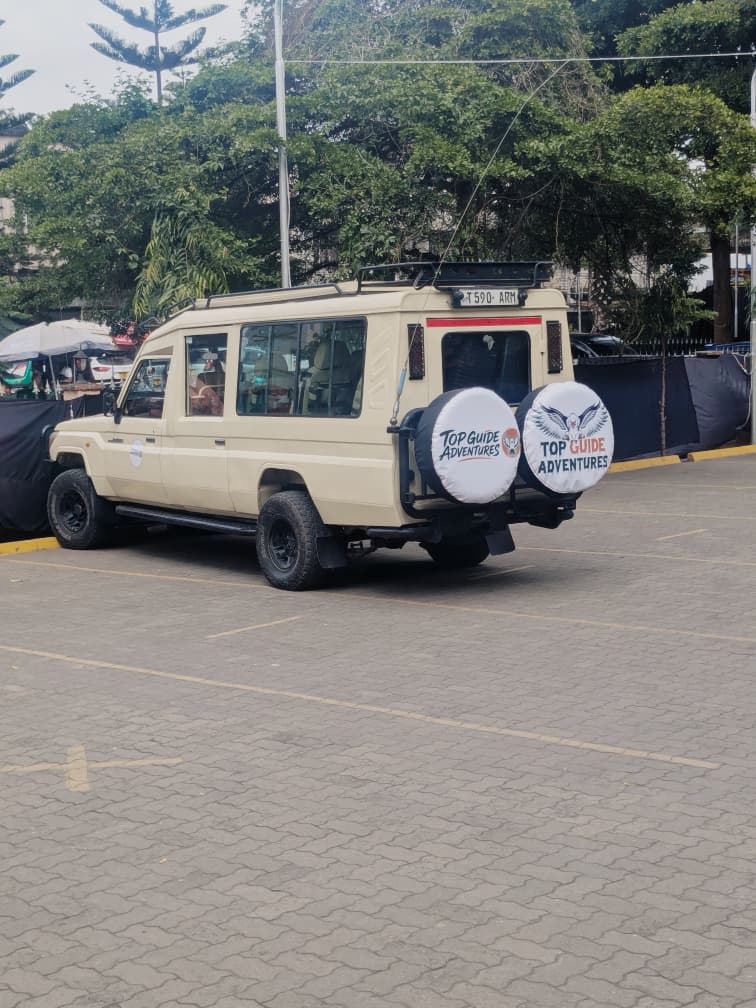
3-Day Nyerere Boat, Walking And Game Drive Safari: An Unforgettable Southern
Discover the unique blend of water and land-based wildlife viewing on a 3-day safari in Nyerere National Park (formerly Selous Game Reserve). This itinerary focuses on boat safaris along...
View package details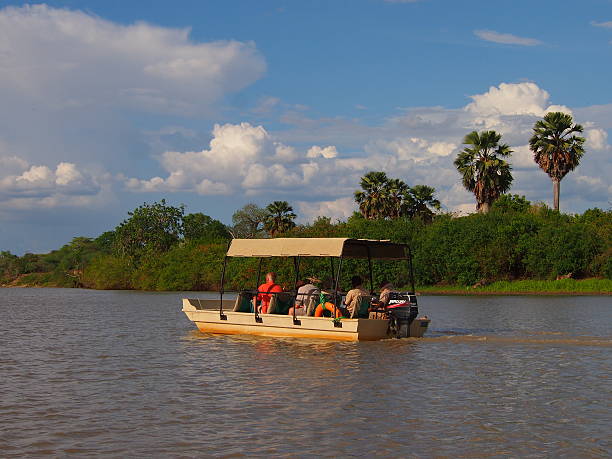
2-Day Nyerere Boat And Game Drive Safari: Your Ultimate Tanzania Adventure
Discover the wild heart of Tanzania on a 2-day Nyerere National Park safari, combining thrilling boat excursions on the Rufiji River with classic game drives. This short yet impactful...
View package details
3-Day Mikumi Fly-In Safari From Zanzibar: Best Price 2026-2027
Discover the magic of a 3-day Mikumi fly-in safari from Zanzibar, offering an efficient and thrilling wildlife encounter. Perfect for those short on time, this package brings you...
View package detailsNo related package matches those filters. Clear one or more filters to see the other topic-matched options.



