
The Northern Serengeti is the prime location to witness the Great Migration’s dramatic river crossings, particularly between July and October, offering unparalleled opportunities for spotting predators like lions, leopards, and cheetahs in a vast, wild landscape. Planning a safari here for 2026 or 2027 means experiencing one of the planet’s greatest wildlife spectacles in a more remote and less crowded setting than other parts of the Serengeti.

Why the Northern Serengeti Stands Apart
The vast expanse of the Serengeti National Park is legendary, but its northern sector holds a special allure, especially for those seeking the raw, untamed heart of Africa’s wildlife. While the entire park is a UNESCO World Heritage Site and a global icon for safaris, the Northern Serengeti offers a distinct experience, particularly renowned for its role in the Great Migration and its concentration of predators. For travelers planning their trips in 2026 and 2027, understanding what makes this region unique is key to crafting an unforgettable adventure.
Unlike the central and southern plains, which are more accessible year-round and see the migration herds during different seasons, the Northern Serengeti is most famous for the dramatic river crossings of the Mara River. This natural phenomenon draws millions of wildebeest, zebras, and gazelles across its treacherous waters, pursued by formidable Nile crocodiles and eager predators along the banks. This spectacle alone makes the Northern Serengeti a bucket-list destination.
Beyond the migration, the landscape itself is strikingly different. Rolling hills give way to kopjes (rocky outcrops) and the dense acacia woodlands that line the Mara River. This varied terrain supports a rich biodiversity, ensuring that wildlife viewing is exceptional even outside the peak migration months. The remoteness also contributes to a more exclusive safari experience, with fewer vehicles and a greater sense of wilderness compared to more frequented areas.
For 2026-2027 safaris, the Northern Serengeti promises not just the thrill of the migration but also consistent sightings of resident wildlife. Large prides of lions, elusive leopards, cheetahs, elephants, giraffes, and a multitude of plains game thrive here, making every game drive a potential highlight.
The Great Migration: A Northern Serengeti Spectacle
The Great Migration is the pulse of the Serengeti, a constant, cyclical movement of over 1.5 million wildebeest, hundreds of thousands of zebras, and a multitude of other herbivores. While the migration’s path is dynamic and influenced by rainfall patterns, the Northern Serengeti is its stage for a critical and dramatic act, especially from **July through October**. This is when the herds must confront the Mara River, a formidable natural barrier.
Imagine standing on the riverbank, the air thick with anticipation, as thousands of wildebeest and zebras gather. The tension is palpable. Then, driven by instinct and the need to reach fresh grazing lands on the northern bank, they plunge into the churning, crocodile-infested waters. The ensuing chaos is a raw display of survival – a impressive, humbling, and sometimes brutal spectacle.
For safari-goers in 2026-2027, timing your visit to coincide with these river crossings is paramount if this is your primary goal. The exact timing can vary, but generally, the herds begin arriving in the north around July, and the crossings can occur throughout August, September, and sometimes into early October. It’s a period of intense activity, not only for the herbivores but also for the predators that lie in wait.
Lions, leopards, and cheetahs are frequently seen patrolling the riverbanks, taking advantage of the opportunity to prey on the weakened or straggling animals. The dense woodlands and kopjes of the north provide excellent hunting grounds and cover for these magnificent cats.
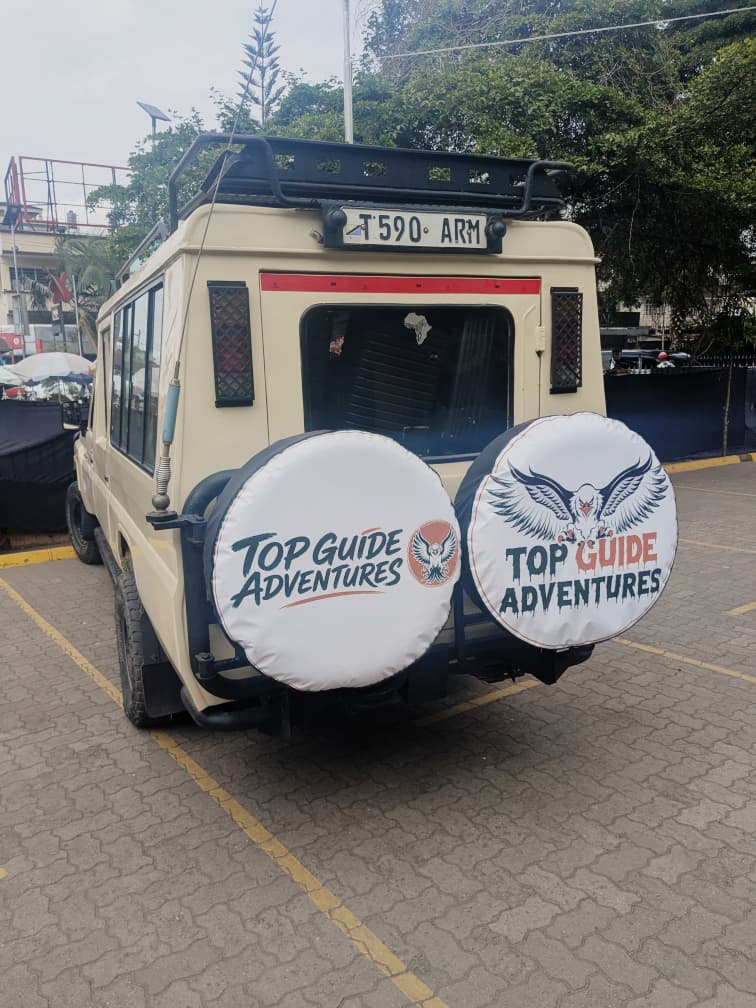
Planning your Northern Serengeti safari for 2026-2027 with an experienced operator like Top Guide Adventures ensures you maximize your chances of witnessing this phenomenon. We understand the nuances of the migration’s movement and can position you in the best locations to observe the action.
Key Migration Months in the North
July – October: This is the prime window for witnessing the Great Migration’s river crossings in the Northern Serengeti. The exact dates can shift annually based on rainfall, but this period offers the highest probability of seeing the dramatic Mara River crossings.
Beyond the Migration: Year-Round Wildlife Wonders
While the river crossings are the star attraction for many, the Northern Serengeti is far from empty outside the peak migration months. Its diverse habitats support a robust resident wildlife population, making it a superb safari destination throughout the year. For travelers in 2026-2027 looking for a comprehensive wildlife experience, the Northern Serengeti delivers.
This region boasts a healthy population of predators. Large lion prides are common, often found resting on kopjes or hunting in the open plains. Leopards, known for their elusive nature, are frequently spotted in the riverine forests along the Mara and other tributaries, often draped over tree branches. Cheetahs, the fastest land animals, patrol the more open grasslands, seeking out smaller prey.
Elephants, though perhaps not as numerous as in other parts of Africa, are present, often found near water sources or in the woodlands. Giraffes are a common sight, browsing on acacia trees, and herds of buffalo can be seen grazing on the plains. The birdlife is also spectacular, with numerous endemic and migratory species providing a feast for birdwatchers.
The landscape itself plays a crucial role in supporting this biodiversity. The Mara River and its tributaries create lush corridors, attracting wildlife to the water and the vegetation it sustains. The scattered kopjes offer vantage points for predators and shelter for various animals. The rolling hills and open plains provide grazing for herbivores.
When you book a safari to the Northern Serengeti for 2026 or 2027, you can expect thrilling game drives that might reveal a leopard lounging in a sausage tree, a pride of lions stalking a wildebeest, or a cheetah chasing down a Thomson’s gazelle, regardless of whether the main migration herds are present. The sheer density and variety of wildlife make it a photographer’s paradise and a naturalist’s dream.
Resident Wildlife Highlights
- Predators: Lions, leopards, cheetahs, spotted hyenas, wild dogs (less common but possible).
- Herbivores: Wildebeest, zebras, Thomson’s gazelles, Grant’s gazelles, buffalo, elephants, giraffes, warthogs.
- Other: Hippos and crocodiles in the Mara River, diverse birdlife.
Navigating the Northern Serengeti: Getting There and Around
Reaching the Northern Serengeti involves a journey, but its relative remoteness is part of its charm and contributes to the exclusive experience. For your 2026-2027 safari plans, understanding the logistics is essential.
Most international travelers arrive at Kilimanjaro International Airport (JRO) near Arusha. From Arusha, there are two primary ways to get to the Northern Serengeti:
1. Light Aircraft Flights: This is the most convenient and time-efficient method. Scheduled or chartered flights operate from Arusha Airport (ARK) to airstrips within or near the Northern Serengeti, such as Kogatende or Lamai. This option significantly reduces travel time, allowing more time for game drives. The flight itself offers spectacular aerial views of the Tanzanian landscape.
2. Road Transfer: This is a longer but more economical option. The drive from Arusha to the Northern Serengeti can take anywhere from 8 to 10 hours, depending on road conditions and the specific gate you are entering. This journey takes you through the Serengeti itself, offering a mini-safari en route. However, the roads within the park, especially in the north, can be challenging, particularly during the wet season.
Once you are in the Northern Serengeti, game drives are conducted in specially adapted 4×4 safari vehicles. These vehicles are designed to navigate the rugged terrain and provide excellent viewing opportunities. Most lodges and camps provide these vehicles with experienced driver-guides.
For 2026-2027 trips, we recommend prioritizing flights if your budget allows, as it maximizes your time on safari and minimizes travel fatigue. However, a road transfer can be an adventure in itself, offering a different perspective of the country.
Travel Options to the Northern Serengeti
- By Air: Fly from Arusha (ARK) to Kogatende or Lamai airstrip. Best for: Time efficiency, comfort, scenic views.
- By Road: Drive from Arusha. Best for: Budget travelers, those who enjoy long scenic drives, experiencing the landscape change.
Accommodation Options in the Northern Serengeti
The Northern Serengeti offers a range of accommodation, from luxurious tented camps to more rustic lodges, all designed to provide an intimate wildlife experience. For your 2026-2027 safari, choosing the right lodge or camp can significantly enhance your trip.
Most accommodations in this region are tented camps, offering a blend of comfort and proximity to nature. These are not basic camping; they are often dilengkapi with comfortable beds, en-suite bathrooms with hot showers, and private verandas. The ambiance is one of classic safari, with the sounds of the bush right outside your tent.
Lodges, while less common in the far north, also exist, offering more permanent structures with similar amenities.
When selecting accommodation, consider:
- Location: Proximity to the Mara River is crucial for migration viewing. Camps located strategically can offer walking distance to prime viewing spots.
- Style: Whether you prefer the authentic feel of a canvas tent or the solidity of a lodge.
- Budget: Prices vary significantly based on luxury levels, exclusivity, and inclusions.
Top Guide Adventures works with a curated selection of properties that offer exceptional service, prime locations, and a deep understanding of the Northern Serengeti environment. We can help you find the perfect base for your 2026-2027 adventure, whether you seek ultimate luxury or a more grounded, authentic experience.
Accommodation Tiers in the Northern Serengeti
- Luxury Tented Camps: Offer high-end amenities, gourmet dining, exclusive locations, and personalized service. Expect rates from $600 – $1500+ per person per night.
- Mid-Range Camps/Lodges: Provide comfortable accommodation, good food, and excellent guiding, with a focus on the safari experience. Expect rates from $350 – $700 per person per night.
- Budget Options: Less common in the far north due to logistics, but some simpler camps or lodges may offer more basic facilities. These are often part of longer overland tours.
Note: Prices are indicative for 2026-2027 and can vary based on season, specific camp, and inclusions. Always inquire for a detailed quote.
Best Time to Visit the Northern Serengeti for 2026-2027
Choosing the right time to visit the Northern Serengeti depends heavily on what you want to see and experience. For 2026-2027, here’s a breakdown:
- July to October: The Great Migration & River Crossings. This is the undisputed peak season for the Northern Serengeti. If witnessing the wildebeest and zebra crossing the Mara River is your priority, plan your safari for these months. Expect excellent predator activity as well. This is also the dry season, meaning fewer mosquitoes and easier game viewing as animals congregate around water sources. However, it is also the busiest and most expensive time.
- November to December: Early Rains & Herd Movement. As the herds begin to move south, the northern areas can still offer good wildlife viewing, especially for resident predators. The landscape starts to green up with the first rains. It’s a shoulder season, potentially offering slightly lower prices and fewer crowds than the peak migration months.
- January to March: Calving Season in the South. While the main herds are typically in the southern Serengeti and Ndutu area (technically Ngorongoro Conservation Area but often visited as part of a Serengeti circuit) for calving, the Northern Serengeti still holds resident wildlife. This is the wet season, so expect rain, lush landscapes, and potentially challenging road conditions. It’s a great time for birdwatching and offers a different, quieter safari experience.
- April to June: The ‘Green Season’ & Shoulder Period. This is generally the low season, characterized by heavy rains (especially April and May). While game viewing can be more challenging due to vegetation and dispersed animals, the landscapes are stunningly green, and prices are often at their lowest. It’s a good time for photographers who appreciate dramatic skies and lush scenery, and for those seeking solitude. By June, the rains usually subside, and the herds begin their northward journey, making it a good transition month.
For a 2026-2027 safari focused on the iconic river crossings, **July to October is your best bet**. If you prefer fewer crowds and potentially better value, consider the shoulder months of June or early November, though river crossings become less likely. Always consult with your tour operator about the latest migration patterns.
Planning Your 2026-2027 Northern Serengeti Visit
Peak Season (July-Oct): Best for migration river crossings, dry weather, but highest prices and crowds. Book 6-12 months in advance.
Shoulder Season (June, Nov): Good wildlife, fewer crowds, potentially better value. Book 4-8 months in advance.
Low Season (Jan-May): Lush landscapes, birding, lowest prices, but rain and dispersed herds. Book 3-6 months in advance.
What to Pack for Your Northern Serengeti Safari
Packing correctly for a Northern Serengeti safari in 2026-2027 is crucial for comfort and practicality. The key is to pack light, versatile clothing suitable for varying temperatures and conditions.
Clothing Essentials:
- Neutral-Colored Clothing: Pack lightweight, breathable fabrics in earth tones like khaki, beige, olive green, or brown. Avoid bright colors (like white or red) which can scare wildlife, and dark colors (like navy or black) which attract tsetse flies and can be too hot.
- Layers: Mornings and evenings can be cool, especially during the dry season (July-October). Pack long-sleeved shirts, a fleece jacket or sweater, and a light to medium-weight jacket.
- Trousers/Pants: Comfortable walking trousers or hiking pants are ideal. Jeans can be acceptable for camp wear but are less practical for game drives due to their weight and drying time.
- Shorts: For warmer days, especially during midday.
- T-shirts/Polo Shirts: Breathable options for layering.
- Rain Gear: A lightweight, waterproof and windproof jacket is essential, particularly if traveling during the shoulder or wet seasons (November-June).
Footwear:
- Comfortable Walking Shoes: Closed-toe shoes like hiking boots or sturdy trainers are best for game drives and any optional walking safaris.
- Sandals/Flip-flops: For relaxing at the camp or lodge.
Accessories:
- Sun Hat: Wide-brimmed for maximum protection.
- Sunglasses: Polarized lenses are helpful for reducing glare.
- Sunscreen: High SPF.
- Insect Repellent: Containing DEET is recommended, especially for evenings.
- Binoculars: Essential for spotting wildlife at a distance. Consider bringing your own, though some camps provide them.
- Camera Gear: With extra batteries, memory cards, and a zoom lens. A waterproof bag for your camera is advisable.
- Personal First-Aid Kit: Including any personal medications.
- Headlamp or Small Flashlight: Useful for navigating around camp after dark.
- Adapter: For charging electronics (Type G sockets are common in Tanzania).
- Reusable Water Bottle: To stay hydrated and reduce plastic waste.
Important Note: Most light aircraft transfers have strict luggage weight limits, typically 15-20 kg (33-44 lbs) per person, packed in soft-sided duffel bags. Check with your tour operator regarding specific restrictions.
Photography Tips for the Northern Serengeti
The Northern Serengeti is a photographer’s dream, offering dramatic landscapes and incredible wildlife encounters. To make the most of your 2026-2027 photo safari, consider these tips:
- Understand Your Gear: Know your camera inside out before you go. Practice shooting in different light conditions and with various lenses.
- Long Lens is Key: A telephoto lens (300mm or longer) is essential for capturing wildlife without disturbing them. A zoom lens offers flexibility.
- Shoot in RAW: This format provides the most flexibility for post-processing, allowing you to adjust exposure, white balance, and other settings without losing quality.
- Master Shutter Speed: For action shots, especially during river crossings or predator hunts, use a fast shutter speed (e.g., 1/1000s or faster) to freeze motion. For panning shots of running animals, try slower speeds (e.g., 1/60s – 1/125s) while tracking the subject.
- Embrace the Golden Hours: The light is softest and most beautiful during sunrise and sunset. These are also prime times for wildlife activity.
- Capture the Environment: Don’t just focus on close-ups. Use wider lenses to include the vast landscapes, the Mara River, and the dramatic skies. This adds context and scale to your wildlife photos.
- Be Patient: Wildlife photography requires patience. Wait for the right moment, the perfect pose, or the peak of the action.
- Respect Wildlife: Never ask your driver-guide to get too close or to disturb the animals. Ethical photography prioritizes animal welfare.
- Protect Your Gear: Dust is prevalent in the Serengeti. Keep your camera in a dust-proof bag when not in use, and clean your lenses regularly. A rain cover is useful during potential showers.
- Batteries and Memory Cards: Bring plenty of spares. Power can be limited in camps, and you don’t want to miss a shot due to a dead battery or full memory card.
For those planning a dedicated photography safari in 2026-2027, consider chartering a private vehicle. This allows you to spend as much time as you need at a sighting and have your driver-guide focus on positioning the vehicle for optimal photographic opportunities.
Ethical Wildlife Viewing in the Northern Serengeti
Responsible tourism is paramount in protected areas like the Northern Serengeti. As you plan your 2026-2027 safari, adopting ethical wildlife viewing practices ensures the preservation of this incredible ecosystem for future generations.
Key Principles for Ethical Viewing:
- Respect Distance: Maintain a safe and respectful distance from all wildlife. Never approach animals too closely, especially predators or mothers with young. Your guide will know the appropriate distances.
- No Feeding: Never feed wildlife. This can alter their natural behavior, make them dependent on humans, and expose them to diseases.
- Minimize Noise: Avoid loud noises or sudden movements that could disturb animals. Keep conversations low and respectful.
- Stay in Your Vehicle: Unless on a guided walking safari, always remain inside the safari vehicle. Getting out can be dangerous and disruptive to wildlife.
- Do Not Litter: Pack out everything you pack in. Leave no trace of your visit. Dispose of waste properly at designated points.
- Respect Habitats: Stay on designated tracks and roads. Avoid driving through sensitive vegetation or disturbing nesting sites.
- Limit Viewing Time: If a sighting is causing stress to an animal (e.g., a predator being constantly mobbed by vehicles), move on. Allow animals space and peace.
- Follow Your Guide’s Instructions: Your driver-guide is trained in wildlife behavior and park regulations. Trust their expertise and follow their lead.
By adhering to these guidelines during your 2026-2027 Northern Serengeti safari, you contribute to a positive and sustainable tourism model that benefits both wildlife and local communities.
Conservation Efforts in the Northern Serengeti
The Northern Serengeti, as part of the larger Serengeti ecosystem, is a focal point for conservation. Understanding these efforts can enrich your appreciation for the region and the importance of your visit.
Conservation in this area primarily focuses on:
- Anti-Poaching Patrols: Rangers work tirelessly to protect wildlife from illegal hunting. This includes regular patrols of the vast park, intelligence gathering, and community engagement.
- Habitat Protection: Maintaining the integrity of the ecosystem is crucial. This involves managing human activities, controlling invasive species, and monitoring the impact of climate change.
- Migration Corridor Protection: Ensuring that the migration routes, including the Mara River crossings and the pathways to and from them, remain free from significant human encroachment is vital for the survival of the herds.
- Research and Monitoring: Ongoing scientific research helps park authorities understand wildlife populations, migratory patterns, and ecological health. This data informs conservation strategies.
- Community Involvement: Engaging local communities is key to long-term conservation success. Initiatives often focus on education, providing alternative livelihoods, and ensuring that communities benefit from tourism revenue.
When you book a safari with responsible tour operators like Top Guide Adventures for your 2026-2027 trip, you are directly contributing to these conservation efforts through park fees and by supporting sustainable tourism practices. Your presence, when managed ethically, helps demonstrate the economic value of wildlife preservation.
Planning Your 2026-2027 Northern Serengeti Safari with Top Guide Adventures
Planning a safari to a world-renowned destination like the Northern Serengeti requires expertise and local knowledge. Top Guide Adventures specializes in creating tailor-made safari experiences that align with your interests, budget, and travel dates for 2026 and 2027.
Our team offers:
- Custom Itinerary Design: We work with you to build an itinerary that maximizes your chances of seeing the Great Migration river crossings, predator action, and the diverse landscapes of the north.
- Logistics Management: From flights and transfers to accommodation and game drives, we handle all the details, ensuring a smooth and stress-free journey.
- Experienced Guides: Our driver-guides are passionate about wildlife and possess extensive knowledge of the Serengeti ecosystem, ensuring you get the most out of every game drive.
- Accommodation Selection: We partner with a range of carefully selected lodges and camps to suit different preferences and budgets.
- Safety and Support: Your safety and well-being are our top priorities. We provide 24/7 support throughout your trip.
Whether you’re dreaming of witnessing the dramatic Mara River crossings, tracking elusive leopards, or simply soaking in the vastness of the Serengeti plains, we are here to make it a reality for your 2026-2027 adventure.
To start planning your bespoke Northern Serengeti safari, or to inquire about group departures and custom dates for 2026-2027, please contact us:
Get in Touch for Your Northern Serengeti Safari
Let us craft your perfect Northern Serengeti safari experience for 2026 or 2027. We offer personalized itineraries, expert guiding, and a commitment to responsible tourism.
WhatsApp: +255616946642
Email: topguideadventures@gmail.com
Backup Email: info@topguideadventures.com
Visit our website for more safari options: Top Guide Adventures.
See our shared group departures here: Tanzania Safari Group Departures.
For Kilimanjaro treks, explore: Machame Route Kilimanjaro.
Follow us on Instagram for inspiration: @top_guide_adventures.
Read our client reviews on TripAdvisor: Top Guide Adventures Reviews.
Check Availability for Northern Serengeti Safari: The Ultimate Wildlife Experience In 2026-2027
Ready to compare dates, prices, and the best option for your group? Send the package name and travel month so the team can reply with a clear quote, availability, and what is included.
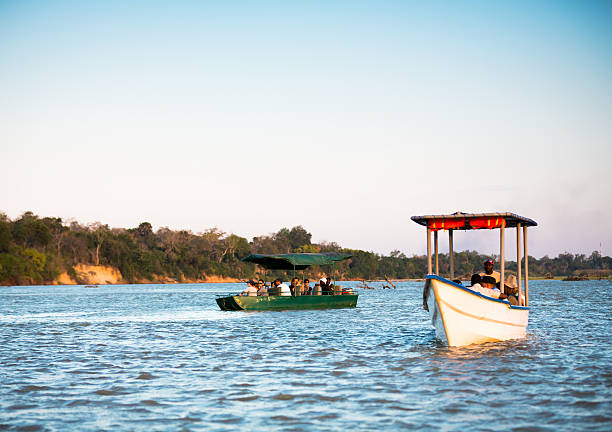
14-Day Selous, Mikumi, Ruaha And Beach Holiday In Tanzania 2026-2027
This 14-day itinerary combines the incredible wildlife viewing of Southern Tanzania's parks – Selous Game Reserve, Mikumi National Park, and Ruaha National Park – with a relaxing beach...
View package details
12-Day Nyerere Safari And Zanzibar Honeymoon: The Ultimate Romantic Escape
A 12-day Nyerere Safari and Zanzibar Honeymoon offers an unparalleled blend of thrilling wildlife encounters in one of Africa's largest game reserves and serene relaxation on the exotic...
View package details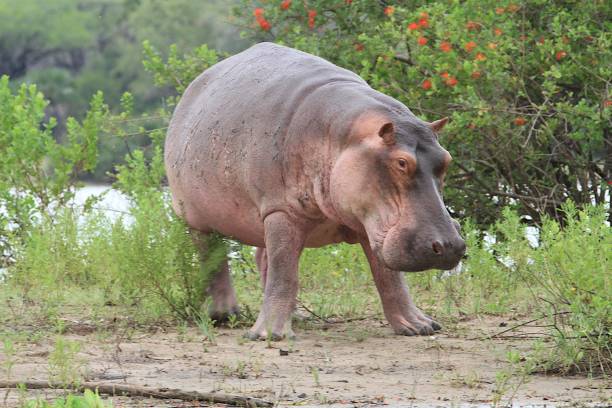
12-Day Southern Tanzania Grand Safari: An Unforgettable Adventure In 2026-2027
Discover the untamed beauty of Southern Tanzania on an epic 12-day safari. This journey explores the vast wilderness of Selous Game Reserve, the dramatic landscapes of Ruaha National Park...
View package details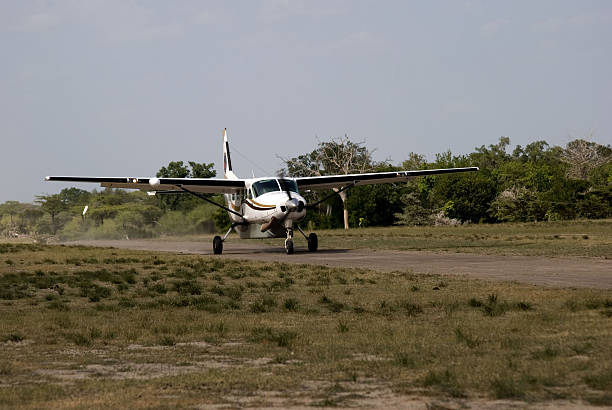
10-Day Selous, Mikumi And Ruaha Safari Guide
Discover the untamed beauty of southern Tanzania with a 10-day safari combining Selous Game Reserve, Mikumi National Park, and Ruaha National Park. This itinerary offers a comprehensive...
View package details
10-Day Nyerere, Ruaha & Zanzibar Package: Ultimate Southern Tanzania Adventure
Discover the best of Southern Tanzania with a meticulously crafted 10-day package combining the vast wilderness of Nyerere National Park (formerly Selous) and Ruaha National Park with the...
View package details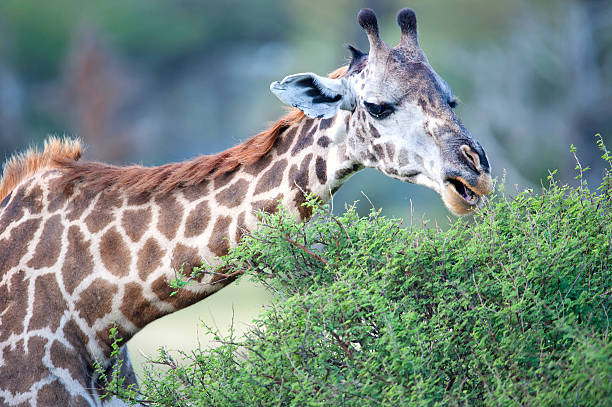
10-Day Southern Tanzania Safari And Beach Holiday 2026-2027
Discover the ultimate 10-day Southern Tanzania safari and beach holiday, blending the wild wonders of Selous and Ruaha with the serene shores of Zanzibar or Mafia Island. Perfect for...
View package details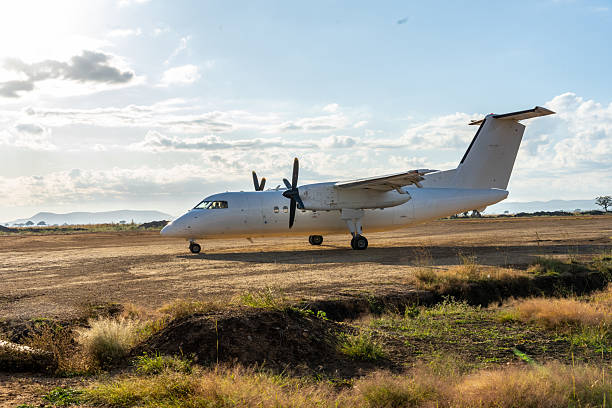
9-Day Mikumi, Nyerere And Zanzibar Tour: The Ultimate Southern Tanzania
Discover the magic of Southern Tanzania with a 9-day journey through Mikumi National Park, Nyerere National Park (formerly Selous Game Reserve), and the spice island of Zanzibar. This tour...
View package details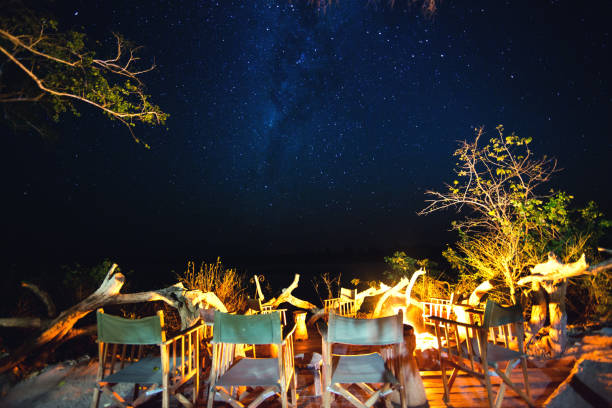
9-Day Selous Glamping And Spice Island Holiday: Your Ultimate Tanzania Escape
Combine the thrill of a luxury glamping safari in Selous Game Reserve with the serene beauty of Zanzibar's Spice Islands on this 9-day Tanzania adventure. Perfect for 2026-2027 planning.
View package details9-Day Nyerere Safari And Zanzibar Package: Ultimate Southern Tanzania
Discover the best of Tanzania's southern circuit with a 9-day Nyerere Safari and Zanzibar package. Experience thrilling game drives in Nyerere National Park, once known as Selous, followed...
View package details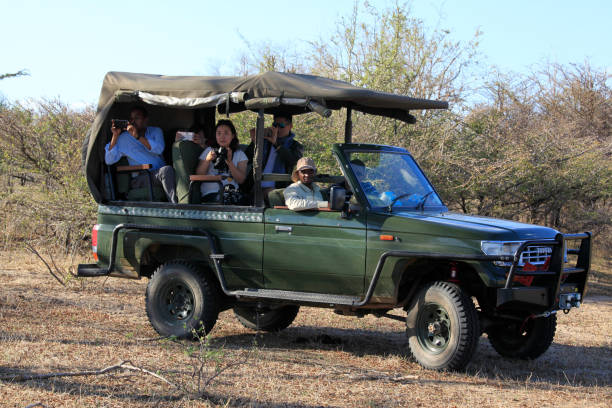
8-Day Nyerere Family Safari: The Ultimate Tanzania Adventure 2026-2027
Experience an unforgettable 8-day Nyerere Family Safari in Tanzania with Top Guide Adventures. This itinerary focuses on diverse wildlife, stunning landscapes, and family-friendly...
View package details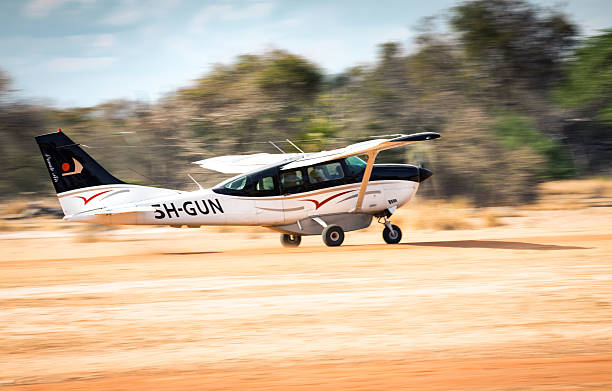
8-Day Selous Safari And Zanzibar Holiday: Your Ultimate Tanzania Adventure
An 8-day adventure perfectly blending the wild heart of Selous Game Reserve with the tropical allure of Zanzibar. This itinerary offers an unforgettable Tanzanian experience, combining...
View package details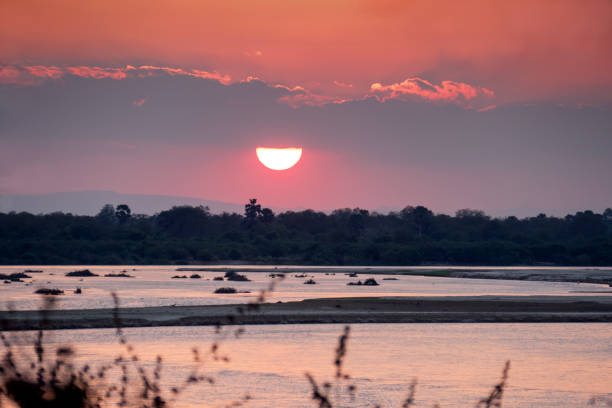
8-Day Southern Tanzania Luxury Safari: Selous & Ruaha 2026-2027
An 8-day luxury safari through Southern Tanzania's Selous Game Reserve and Ruaha National Park offers an unparalleled wildlife experience. This itinerary focuses on exclusive lodges...
View package detailsNo related package matches those filters. Clear one or more filters to see the other topic-matched options.



