
A Western Serengeti walking safari offers an intimate and unparalleled way to experience Tanzania’s most iconic wilderness, focusing on the less-visited Grumeti River region. These safaris provide close-up encounters with wildlife, guided by expert rangers who share deep knowledge of the ecosystem, making it ideal for adventurers seeking a profound connection with nature during 2026-2027 planning.

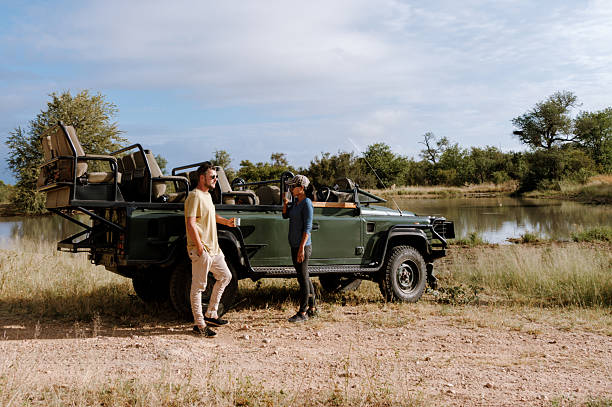
The Unique Allure of Western Serengeti Walking Safaris
The Serengeti National Park is a name synonymous with vast plains, immense wildlife herds, and the Great Migration. While the central and northern sectors often draw the most attention, the Western Serengeti, particularly the area around the Grumeti River, presents a distinct and incredibly rewarding safari experience. A walking safari here transforms a conventional game drive into an active, sensory engagement with the bush, allowing you to tread where vehicles cannot and experience the environment on foot. This is not just about seeing animals; it’s about understanding their world, their tracks, their scents, and the subtle signs of life that often go unnoticed from a vehicle.
For travelers planning their Tanzanian adventure in 2026 or 2027, a Western Serengeti walking safari offers a chance to escape the crowds and discover a more authentic, unhurried side of this legendary park. The Grumeti region is known for its resident wildlife, including large populations of hippos, crocodiles, and a variety of plains game. It’s also a crucial corridor for the Great Migration at certain times of the year, offering opportunities to witness river crossings, though these are more reliably seen in the north. However, the Western Serengeti’s unique ecosystem, characterized by riverine forests, open grasslands, and dramatic kopjes, provides exceptional wildlife viewing year-round.
The essence of a walking safari lies in its profound connection to the wild. Led by highly trained and armed rangers, these excursions prioritize safety while maximizing the sensory experience. You’ll learn to read tracks, identify bird calls, understand plant uses, and appreciate the smaller details that paint a complete picture of the ecosystem. This is a journey for the curious, the adventurous, and those who seek a deeper understanding of the natural world.
Why Choose the Western Serengeti for a Walking Safari?
The Western Serengeti is often overlooked in favor of the more famous Seronera Valley or the northern migration routes. However, its relative remoteness and unique landscape offer distinct advantages for a walking safari:
- Fewer Crowds: Compared to the central Serengeti, the Western Serengeti sees significantly fewer tourists. This means more solitude, more personal wildlife encounters, and a greater sense of exclusivity.
- Unique Ecosystem: The Grumeti River area is characterized by dense riverine forests, woodlands, and open savanna. This diverse habitat supports a rich variety of wildlife, including species that thrive in these specific environments.
- Resident Wildlife: While the Great Migration passes through, the Western Serengeti boasts excellent resident wildlife populations. This includes large herds of buffalo, elephants, giraffes, zebras, wildebeest, and a healthy predator population of lions, leopards, and cheetahs.
- Grumeti River Spectacles: The Grumeti River itself is home to enormous Nile crocodiles, often exceeding 5 meters in length. Witnessing these ancient reptiles basking on the banks or, during migration season, attempting to cross the river is a dramatic sight.
- Intimate Wildlife Encounters: Walking safaris inherently bring you closer to the wildlife. Being on foot allows for silent observation of animals that might be startled by a vehicle. Your ranger’s expertise ensures you can approach safely and respectfully.
- Sensory Immersion: On foot, you experience the Serengeti through all your senses: the scent of wild sage after rain, the distant roar of a lion, the feel of the warm sun on your skin, the vastness of the horizon.
For those planning a safari in 2026 or 2027, the Western Serengeti offers a more curated and less predictable adventure. It’s a place where you can truly feel like an explorer, discovering the wild at your own pace.
What to Expect on a Western Serengeti Walking Safari
A walking safari is a fundamentally different experience from a traditional vehicle-based safari. It requires a different mindset, a willingness to engage actively with your surroundings, and a trust in your guides.
The Role of the Ranger
Your guide on a walking safari is not just a driver; they are a highly trained ranger, often with extensive experience in anti-poaching units or park services. They are armed, not to hunt, but for your protection against dangerous wildlife. More importantly, they are educators, trackers, and storytellers. They will point out:
- Animal Tracks and Signs: Learning to identify the spoor of different animals, understanding their direction of travel, and interpreting signs like droppings, territorial markings, and feeding signs.
- Flora and Fauna: Discovering the medicinal uses of plants, identifying different tree species, and learning about the intricate relationships within the ecosystem.
- Birdlife: The Serengeti is a birdwatcher’s paradise, and on foot, you can appreciate the calls and sights of numerous species that might be missed from a vehicle.
- Insects and Smaller Creatures: Understanding the vital role of dung beetles, observing termite mounds, and appreciating the biodiversity that exists at ground level.
The Pace and Experience
Walking safaris are conducted at a leisurely pace, allowing for observation and discussion. You’ll move through different habitats, from open grasslands to riverine areas, depending on the specific location and safety conditions. The duration of walks can vary, typically ranging from a few hours in the morning and late afternoon to full-day excursions with a packed lunch.
Safety is paramount. Rangers will brief you on safety protocols before each walk. This includes maintaining a safe distance from wildlife, staying within designated areas, and following the ranger’s instructions at all times. While dangerous animals like lions and elephants are present, encounters are managed with extreme caution and respect. The ranger’s primary goal is to ensure you have an incredible experience without compromising safety.
Accommodation
Walking safaris are often combined with stays at mobile tented camps or permanent lodges strategically located in the Western Serengeti. These accommodations provide a comfortable base between your walking excursions. Mobile camps, in particular, are designed to move with the seasons and the wildlife, offering a truly in-depth experience. Expect comfortable beds, en-suite bathrooms (often with bucket showers), and delicious meals served under the stars.
Wildlife Highlights of the Western Serengeti
The Western Serengeti, especially around the Grumeti River, is a dynamic ecosystem teeming with life. While the Great Migration is a major draw for other parts of the Serengeti, the Western sector offers incredible wildlife viewing opportunities year-round due to its resident populations and unique habitats.
Predators
- Lions: The Western Serengeti is home to several prides of lions, often found hunting in the open plains or resting in the shade of acacia trees. Walking safaris offer a unique chance to observe their social dynamics and hunting behaviors from a different perspective.
- Leopards: These elusive cats are masters of camouflage and are often found in the denser woodland areas along the Grumeti River. While sightings are never guaranteed, walking safaris increase your chances of spotting one, especially when your guide points out subtle signs.
- Cheetahs: Though less common than in the central plains, cheetahs can be found in the open grasslands of the Western Serengeti, utilizing their speed to hunt gazelles and other small antelopes.
- Hyenas: Both spotted and striped hyenas are present, playing a crucial role as scavengers and predators. Witnessing a hyena clan’s complex social structure is fascinating.
Herbivores
- Buffalo: Large herds of Cape buffalo are a common sight in the Western Serengeti, often found grazing near water sources or in the woodlands. They are powerful and potentially dangerous animals, requiring respect and caution on foot.
- Elephants: While not as numerous as in some other parks, elephants can be seen in the Western Serengeti, particularly in areas with more substantial vegetation.
- Wildebeest and Zebras: These iconic migratory species are present, and while the main migration might be elsewhere depending on the time of year (typically June-July for river crossings in the west), substantial resident herds provide constant action.
- Giraffes: Maasai giraffes are a beautiful addition to the landscape, often seen browsing on acacia trees.
- Other Antelopes: You’ll encounter various antelope species, including impala, Grant’s gazelles, Thomson’s gazelles, topi, hartebeest, and the rare roan and sable antelope.
Reptiles and Birds
- Nile Crocodiles: The Grumeti River is famous for its large population of Nile crocodiles, some of the biggest in Africa. Observing them basking on the riverbanks or lurking in the water is a highlight.
- Hippos: Large pods of hippos inhabit the Grumeti River and its tributaries, often seen grunting and splashing in the water.
- Birdlife: The Western Serengeti is a haven for birdwatchers. Expect to see a vast array of species, including raptors like fish eagles and martial eagles, water birds, and numerous smaller savanna birds.
Planning your trip for 2026 or 2027 means considering the seasonal movements of wildlife, but the Western Serengeti offers a rich experience regardless of the exact timing, especially when combined with the active exploration of a walking safari.
Best Time to Visit for a Western Serengeti Walking Safari (2026-2027)
The Western Serengeti offers a compelling safari experience throughout the year, but certain periods provide unique advantages for a walking safari. Understanding the seasonal patterns will help you plan your 2026-2027 trip for the best possible experience.
Dry Season (June to October)
This is generally considered the prime time for safaris in the Serengeti. The landscape is drier, vegetation is less dense, and wildlife tends to congregate around permanent water sources, making them easier to spot. For walking safaris, the dry season offers:
- Clearer Sightlines: Less dense vegetation means better visibility for spotting animals from a distance and during walks.
- Concentrated Wildlife: Animals are often found near rivers and waterholes, providing reliable viewing opportunities.
- Comfortable Walking Conditions: Cooler temperatures and lower humidity make walking more pleasant.
- Grumeti River Crossings (June-July): While the most dramatic crossings are usually in the Mara River in the north, the Grumeti River can also see significant wildebeest and zebra crossings during these months. This is a spectacular sight, though not as guaranteed as in the north.
Wet Season (November to May)
The wet season brings lush green landscapes and is a fantastic time for birdwatching and photography, especially for those who appreciate the vibrant colors of the landscape. The rains typically fall in short, intense bursts, often in the afternoon, leaving mornings clear and pleasant.
- Calving Season (December to March): This period sees the birth of thousands of wildebeest and zebra calves, attracting predators. It’s a time of intense activity and excellent predator viewing.
- Green Season Beauty: The landscape is transformed into a vibrant green, offering stunning photographic opportunities.
- Birdwatching Paradise: Migratory birds arrive, boosting the resident bird population.
- Fewer Tourists: Generally, fewer tourists visit during the wet season, offering a more exclusive experience.
- Walking Conditions: While walking can still be excellent, be prepared for occasional rain showers. The landscape can be muddy in places.
Shoulder Seasons (April-May and November)
These months can offer a good balance, with fewer crowds than the peak dry season and pleasant weather. Wildlife is generally well-distributed, and you can often find good value for accommodation.
For a Western Serengeti walking safari in 2026-2027:
- June-July: Ideal for potential Grumeti River crossings and excellent general wildlife viewing in drier conditions.
- August-October: Continued dry season benefits, with good wildlife concentrations and comfortable walking.
- December-March: Excellent for predator action and witnessing the calving season, with lush scenery and fewer people.
Ultimately, the Western Serengeti is a year-round destination. The choice depends on your specific interests, whether it’s dramatic river crossings, predator action, or simply a quieter, more in-depth experience.
Planning Your Western Serengeti Walking Safari: Key Considerations
Organizing a walking safari requires careful planning to ensure a safe, comfortable, and rewarding experience. Here are the key aspects to consider when planning your 2026-2027 adventure:
Choosing the Right Operator
This is perhaps the most critical step. A reputable tour operator will have:
- Experienced Guides: Knowledgeable, licensed, and armed rangers are essential for walking safaris.
- Safety Protocols: A clear understanding and implementation of safety procedures.
- Logistical Expertise: Ability to arrange transport, accommodation, and park permits seamlessly.
- Customization: Flexibility to tailor the itinerary to your interests and fitness level.
Top Guide Adventures specializes in creating bespoke Tanzanian safari experiences, including expertly guided walking safaris in the Western Serengeti. We prioritize safety, authenticity, and an unparalleled connection with nature. Feel free to reach out to us for a personalized itinerary.
Duration of Your Safari
A walking safari is best experienced over several days to allow for deeper exploration and acclimatization. A minimum of 3-4 days dedicated to walking activities in the Western Serengeti is recommended. This allows for multiple walks, exploration of different areas, and relaxation at your camp or lodge.
Fitness Level and Age Restrictions
Walking safaris require a moderate level of fitness. You should be comfortable walking for several hours at a time, potentially in warm conditions and on uneven terrain. While there isn’t a strict age limit, participants should be physically capable of undertaking the walks. Rangers will always assess conditions and group capabilities to ensure safety. Most operators have a minimum age, typically 12 or 16 years, but this can vary.
What to Pack
Packing for a walking safari is about comfort, practicality, and blending in with the environment.
- Clothing: Neutral-colored, lightweight, breathable clothing (khaki, olive green, brown). Avoid bright colors and dark blue/black, which can attract insects. Long sleeves and trousers are recommended for sun and insect protection.
- Footwear: Sturdy, broken-in walking boots are essential. Comfortable camp shoes or sandals are also useful.
- Sun Protection: Wide-brimmed hat, sunglasses, and high SPF sunscreen.
- Insect Repellent: A good quality repellent containing DEET or Picaridin.
- Camera and Binoculars: Essential for wildlife viewing. Extra batteries and memory cards.
- Water Bottle: Stay hydrated. Reusable bottles are encouraged.
- Small Backpack: For carrying water, snacks, camera, and personal items during walks.
- First-Aid Kit: Personal medications and basic first-aid supplies.
- Lightweight Rain Jacket: Especially if traveling during the wet season.
- Headlamp or Torch: Useful for moving around camp at night.
Safety Guidelines
Adherence to safety guidelines is non-negotiable:
- Listen to Your Ranger: Always follow their instructions without question.
- Maintain Distance: Never approach wildlife. Let the animals dictate the proximity.
- Stay Together: Always walk behind or beside your ranger. Never lag behind or run ahead.
- No Sudden Movements: Avoid sudden gestures or loud noises that could startle animals.
- Report Anything Unusual: Inform your ranger of any concerns or observations.
- No Running: Unless instructed by your ranger in a specific, controlled situation, never run.
Combining with Other Activities
A Western Serengeti walking safari can be perfectly combined with other safari activities, such as game drives in a 4×4 vehicle. This provides a comprehensive Serengeti experience, allowing you to cover more ground and see different types of wildlife and habitats. You might spend a few days on walking excursions and then transition to game drives to explore further afield.
The Western Serengeti vs. Other Safari Destinations
When considering a walking safari in Tanzania, the Western Serengeti stands out for its unique blend of characteristics. It’s important to understand how it compares to other popular safari regions within Tanzania and even globally.
Western Serengeti vs. Central Serengeti (Seronera)
- Atmosphere: Central Serengeti is known for its high density of wildlife and predator action year-round, especially around the Seronera River. However, it can be crowded with vehicles. The Western Serengeti offers a more exclusive, less crowded experience with a different ecological focus around the Grumeti River.
- Walking Opportunities: Walking safaris are generally more restricted in the central Serengeti due to higher visitor numbers and different park regulations. The Western Serengeti is often a prime location for dedicated walking safaris.
- Wildlife: Both areas have excellent wildlife. Central Serengeti is renowned for predator sightings. Western Serengeti offers unique opportunities with its riverine environments and large crocodiles.
Western Serengeti vs. Northern Serengeti
- Great Migration Focus: The Northern Serengeti is the prime location for witnessing the dramatic Mara River crossings of the Great Migration, typically from July to October. The Western Serengeti can see crossings of the Grumeti River earlier in the migration cycle (June-July).
- Landscape: The north features more rugged terrain and the Mara River gorge. The west is characterized by the Grumeti River’s woodlands and savannas.
- Walking Safaris: While walking can be done in the north, the Western Serengeti is often considered more established and ideal for extensive walking expeditions.
Western Serengeti vs. Southern Serengeti (Ndutu/NCAA)
- Calving Season: The Southern Serengeti and the adjacent Ngorongoro Conservation Area (NCAA), particularly the Ndutu plains, are famous for the wildebeest calving season from December to March. This area is teeming with predators during this time.
- Landscape: The south features vast, open plains. The west offers more varied terrain with riverine forests.
- Walking: Walking safaris are more common and often permitted in the NCAA around Ndutu, but the Western Serengeti provides a distinct wilderness experience away from the main calving season crowds.
Walking Safaris Globally
Compared to walking safaris in other parts of Africa (e.g., Zambia, Botswana), the Western Serengeti offers a unique combination of iconic East African wildlife, the presence of the Great Migration (at certain times), and the specific ecosystem of the Grumeti River. While Zambia is often considered the birthplace of the walking safari and offers incredible wilderness, the Western Serengeti provides a different flavor of the African bush, often integrated with classic game drives for a comprehensive experience.
For travelers planning for 2026-2027, the Western Serengeti walking safari provides an excellent balance of classic Tanzanian safari experiences with the profound intimacy of exploring on foot, away from the typical tourist trails.
Accommodation Options in the Western Serengeti
The Western Serengeti offers a range of accommodation options designed to enhance your walking safari experience, from luxurious lodges to more rustic, mobile camps. The key is choosing a base that allows easy access to prime walking areas and provides a comfortable retreat after a day in the bush.
Luxury Lodges
For those seeking comfort and high-end amenities, several luxury lodges are situated in or near the Western Serengeti. These lodges typically offer:
- Spacious rooms or suites with en-suite bathrooms.
- Fine dining experiences.
- Swimming pools and other leisure facilities.
- Stunning views of the surrounding landscape.
- Often serve as a base for both game drives and walking safaris organized by the lodge or a third-party operator.
Tented Camps (Permanent & Semi-Permanent)
These camps offer a more authentic safari feel while still providing significant comfort. They range from mid-range to high-end and often feature:
- Canvas tents with comfortable beds, linens, and en-suite bathrooms (often with flush toilets and hot showers).
- A central dining and lounge area.
- An intimate atmosphere, often with fewer tents than a lodge.
- Located in prime wildlife areas, providing direct access to walking trails.
Mobile Tented Camps
These are the most in-depth options, designed to move seasonally to follow the wildlife, particularly the Great Migration. For walking safaris, a mobile camp can be strategically placed in excellent walking territories.
- Authentic Experience: Closer to nature, often with campfire dinners and limited electricity.
- Prime Locations: Situated in remote areas, offering exclusive access to wilderness.
- Basic but Comfortable: Tents are well-equipped, often with proper beds and en-suite facilities, though sometimes with bucket showers.
- Ideal for Walking: Being in remote areas means you can often start your walks directly from camp.
When booking your 2026-2027 walking safari, discuss accommodation preferences with your tour operator. Top Guide Adventures can help you select the perfect lodge or camp that aligns with your desired level of comfort and your specific safari interests.
Combining Walking Safaris with Game Drives
While the focus of this article is the Western Serengeti walking safari, the most comprehensive and rewarding way to experience the Serengeti is often by combining walking excursions with traditional game drives.
Why combine?
- Maximize Wildlife Viewing: Game drives allow you to cover larger distances, reaching areas that might be too far to walk to, increasing your chances of seeing a wider variety of animals and habitats.
- Different Perspectives: Vehicles offer a stable platform for photography and allow you to observe animals from a safe distance, which can be beneficial for certain species or behaviors.
- Accessibility: Game drives are essential for reaching remote areas or for travelers who may have mobility limitations that prevent extensive walking.
- Variety of Experiences: Switching between walking and driving adds dynamism to your safari, preventing monotony and offering diverse ways to engage with the wilderness.
A typical itinerary might include:
- Morning Walks: Early morning guided walks exploring a specific area on foot.
- Mid-day Game Drive: After returning to camp for lunch and rest, a game drive in a 4×4 vehicle to explore further afield or track animals seen earlier.
- Late Afternoon/Evening Game Drive: Continuing the game drive until sunset, potentially with sundowners in a scenic spot.
- Optional Night Game Drive: Some camps or lodges in the Western Serengeti may offer night drives (subject to park regulations), providing a chance to see nocturnal animals.
This blended approach ensures you get the intimate, sensory experience of walking safaris while also benefiting from the reach and efficiency of vehicle-based exploration. For your 2026-2027 trip, consider a multi-activity itinerary for the ultimate Serengeti adventure.
Costs and Budget Considerations for 2026-2027
The cost of a Western Serengeti walking safari can vary significantly based on several factors. Understanding these elements will help you budget effectively for your 2026-2027 safari.
Factors Influencing Cost:
- Accommodation Type: Luxury lodges are typically the most expensive, followed by permanent tented camps, and then mobile camps or more basic options.
- Duration of Stay: Longer safaris naturally incur higher costs.
- Seasonality: Peak season (dry months) often has higher rates than the green season.
- Inclusions: Full-board meals, drinks (alcoholic and non-alcoholic), park fees, activities (walking safaris, game drives), guide fees, and transfers all impact the overall price.
- Private vs. Group Safari: A private safari offers more flexibility but comes at a higher per-person cost than joining a scheduled group departure.
- Mode of Transport: Whether you are transferred by road or light aircraft to the Western Serengeti. Light aircraft transfers are significantly more expensive.
Typical Price Ranges (Estimates for 2026-2027):
It’s important to note these are estimates. Exact quotes depend on specific choices and availability. Prices are usually quoted per person sharing.
- Mid-Range: Expect approximately $400 – $600 USD per person per day. This would typically include comfortable tented accommodation, all meals, park fees, game drives, and guided walks with a ranger.
- Luxury: Expect approximately $700 – $1200+ USD per person per day. This level includes high-end lodges or luxury tented camps, premium services, potentially more exclusive guiding, and often includes select drinks.
What’s Usually Included:
- Accommodation
- All meals (breakfast, lunch, dinner)
- Drinking water
- Park entrance fees
- Guided walking safaris
- Game drives in a 4×4 vehicle
- Professional guide/ranger fees
- Airport transfers to/from your starting point in Tanzania.
What’s Usually Not Included:
- International flights
- Visa fees
- Travel insurance (mandatory)
- Tips for guides and camp staff
- Personal expenses (souvenirs, laundry)
- Alcoholic beverages and premium drinks (unless specified)
- Optional activities not listed in the itinerary.
Booking Window: For popular travel times in 2026-2027, especially the dry season, booking 6-12 months in advance is highly recommended to secure preferred accommodation and guides.
Getting a Quote: For a precise quote tailored to your needs, contact Top Guide Adventures. We can help you craft an itinerary that fits your budget and preferences. Reach out via Email: topguideadventures@gmail.com or WhatsApp: +255616946642.
Responsible Tourism in the Western Serengeti
As visitors to one of Africa’s most precious natural reserves, practicing responsible tourism is crucial. This ensures the preservation of the Western Serengeti’s wilderness for future generations and supports the local communities.
- Respect Wildlife: Maintain a safe and respectful distance. Never feed animals or disturb their natural behavior. Follow your guide’s instructions implicitly.
- Minimize Your Footprint: Stay on marked paths or follow your ranger’s lead during walks. Avoid littering; pack out everything you pack in. Use reusable water bottles.
- Support Local Communities: Choose operators who employ local staff and contribute to community projects. Consider visiting local villages if opportunities arise, ensuring the visit is respectful and beneficial.
- Conserve Resources: Be mindful of water and energy consumption at your accommodation.
- Choose Sustainable Operators: Select tour operators like Top Guide Adventures that are committed to sustainable tourism practices and conservation efforts. We believe in treading lightly and giving back to the environment and communities that make these safaris possible.
By making conscious choices, your Western Serengeti walking safari in 2026-2027 can be not only an unforgettable adventure but also a positive contribution to conservation.
Preparing for Your 2026-2027 Western Serengeti Adventure
A successful walking safari hinges on good preparation. Beyond packing the right gear, consider these practical steps:
Visas and Vaccinations
Visas: Most nationalities require a visa to enter Tanzania. This can often be obtained online in advance or upon arrival at Kilimanjaro International Airport (JRO) or other entry points. Check the latest requirements for your nationality well before your 2026-2027 travel date.
Vaccinations: Consult your doctor or a travel clinic 4-6 weeks before your trip. Recommended vaccinations often include Hepatitis A, Typhoid, Tetanus, and potentially others based on your medical history. Yellow Fever vaccination is usually required if you are arriving from or transiting through a country with a risk of Yellow Fever transmission.
Malaria Prevention: Tanzania is a malaria-risk area. Discuss appropriate antimalarial medication with your doctor. Using insect repellent, wearing long sleeves and trousers at dawn and dusk, and sleeping under mosquito nets (provided at most accommodations) are also important preventative measures.
Travel Insurance
Comprehensive travel insurance is mandatory for all our guests. Ensure your policy covers:
- Medical emergencies and evacuation (including air evacuation).
- Trip cancellation and interruption.
- Loss of personal belongings.
Fitness and Health
As mentioned, a moderate level of fitness is required. Start incorporating walking and hiking into your routine several months before your trip. If you have any pre-existing health conditions, consult your doctor before booking.
Connectivity
Mobile phone reception can be spotty in remote areas like the Western Serengeti. Some lodges and camps offer Wi-Fi, but it can be slow and expensive. Embrace the opportunity to disconnect and fully experience the wilderness experience. Inform family and friends of your travel dates and itinerary beforehand.
Currency
The local currency is the Tanzanian Shilling (TZS). However, US Dollars are widely accepted and often preferred for safari-related payments (park fees, accommodation, tips). Ensure your USD bills are recent (issued after 2009) and in good condition. ATMs are available in major towns like Arusha, but not in the park. Credit cards may be accepted at some high-end lodges, but it’s advisable to carry enough cash for tips and incidentals.
Booking Your Western Serengeti Walking Safari with Top Guide Adventures
Ready to experience the thrill of exploring the Western Serengeti on foot? Top Guide Adventures is your expert partner in crafting unforgettable Tanzanian safari experiences. We combine our deep knowledge of the region with a commitment to safety, sustainability, and personalized service.
Whether you’re planning for 2026, 2027, or beyond, we can help you design the perfect walking safari itinerary. We handle all the logistics, from accommodation and guiding to transfers and park permits, ensuring a smooth journey from start to finish.
Contact us today to start planning:
- WhatsApp: +255616946642
- Email: topguideadventures@gmail.com
- Backup Email: info@topguideadventures.com
- Website: www.topguideadventures.com
- Instagram: @top_guide_adventures
Let us guide you on an extraordinary Western Serengeti walking safari adventure. We look forward to helping you create memories that will last a lifetime.
Check Availability for Western Serengeti Walking Safari: An Intimate Wildlife Encounter For…
Ready to compare dates, prices, and the best option for your group? Send the package name and travel month so the team can reply with a clear quote, availability, and what is included.
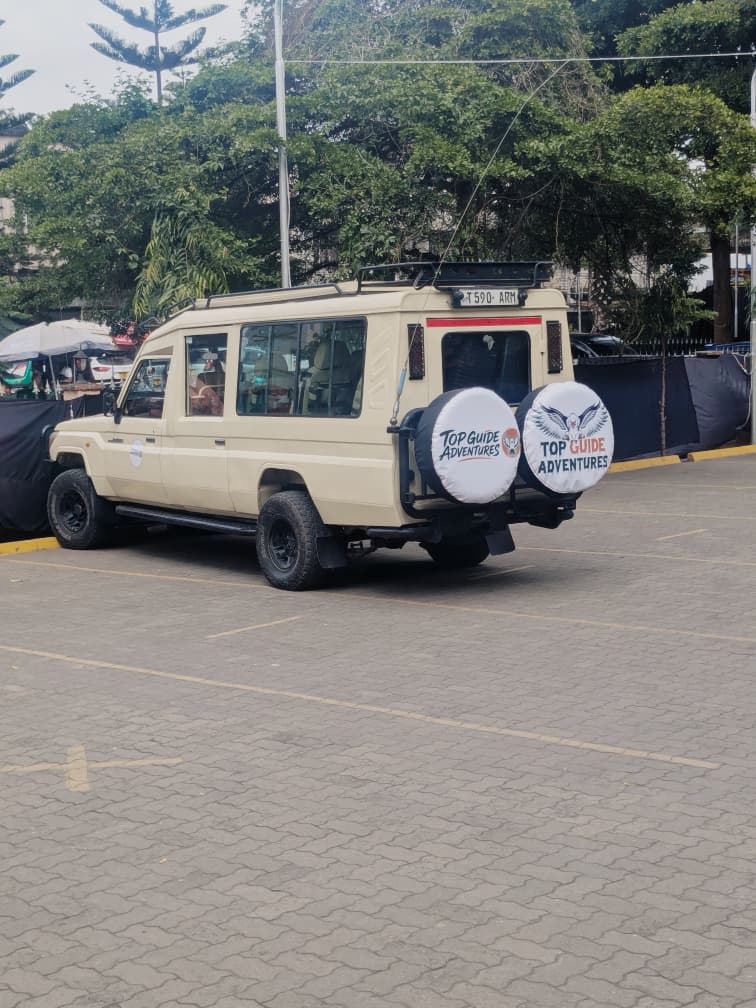
3-Day Nyerere Boat, Walking And Game Drive Safari: An Unforgettable Southern
Discover the unique blend of water and land-based wildlife viewing on a 3-day safari in Nyerere National Park (formerly Selous Game Reserve). This itinerary focuses on boat safaris along...
View package details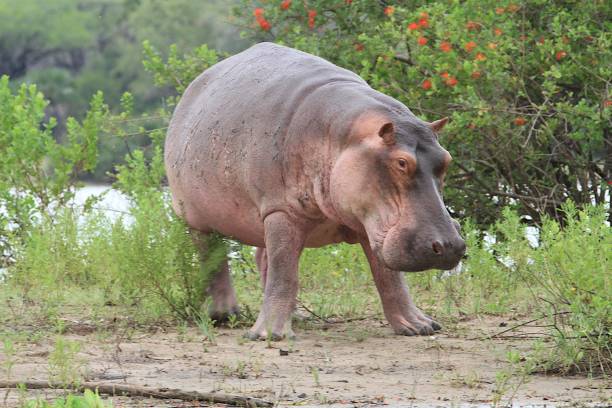
12-Day Southern Tanzania Grand Safari: An Unforgettable Adventure In 2026-2027
Discover the untamed beauty of Southern Tanzania on an epic 12-day safari. This journey explores the vast wilderness of Selous Game Reserve, the dramatic landscapes of Ruaha National Park...
View package details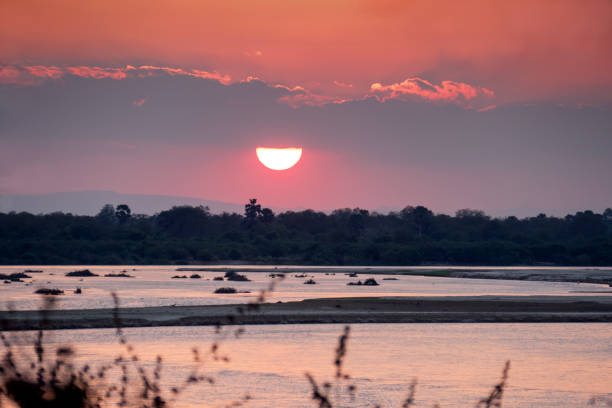
8-Day Southern Tanzania Luxury Safari: Selous & Ruaha 2026-2027
An 8-day luxury safari through Southern Tanzania's Selous Game Reserve and Ruaha National Park offers an unparalleled wildlife experience. This itinerary focuses on exclusive lodges...
View package details
6-Day Nyerere And Mikumi Safari Guide
Discover the untamed beauty of Southern Tanzania on a 6-day safari adventure through Nyerere National Park (formerly Selous Game Reserve) and Mikumi National Park. This itinerary offers a...
View package details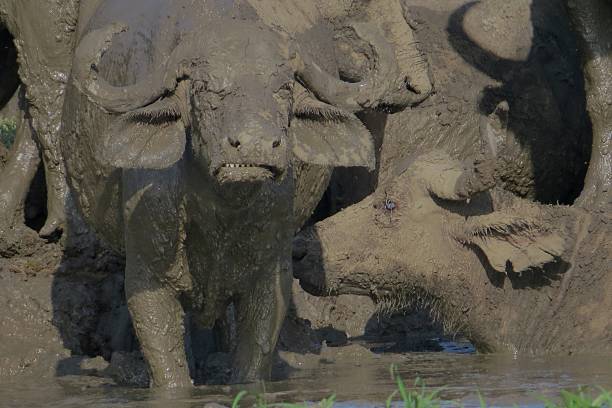
5-Day Selous, Mikumi & Udzungwa Safari: Your Ultimate Southern Tanzania
Plan your 5-day safari adventure covering Selous, Mikumi, and Udzungwa National Parks in Southern Tanzania. This itinerary offers a rich blend of game drives, walking safaris, and unique...
View package details
12-Day Nyerere Safari And Zanzibar Honeymoon: The Ultimate Romantic Escape
A 12-day Nyerere Safari and Zanzibar Honeymoon offers an unparalleled blend of thrilling wildlife encounters in one of Africa's largest game reserves and serene relaxation on the exotic...
View package details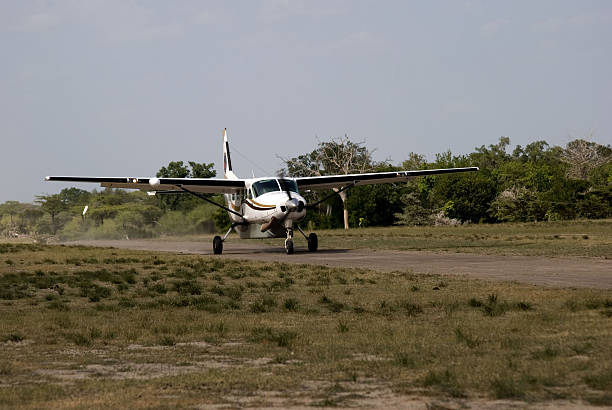
10-Day Selous, Mikumi And Ruaha Safari Guide
Discover the untamed beauty of southern Tanzania with a 10-day safari combining Selous Game Reserve, Mikumi National Park, and Ruaha National Park. This itinerary offers a comprehensive...
View package details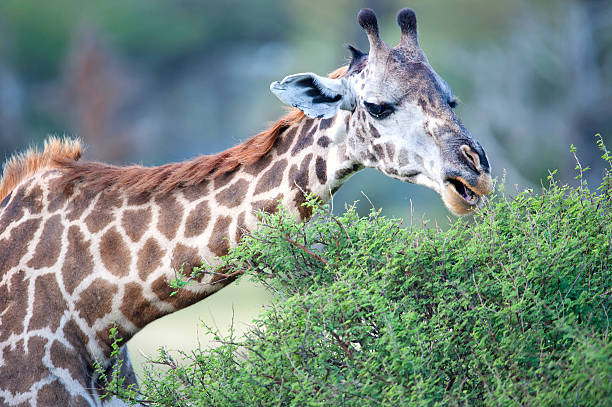
10-Day Southern Tanzania Safari And Beach Holiday 2026-2027
Discover the ultimate 10-day Southern Tanzania safari and beach holiday, blending the wild wonders of Selous and Ruaha with the serene shores of Zanzibar or Mafia Island. Perfect for...
View package details9-Day Nyerere Safari And Zanzibar Package: Ultimate Southern Tanzania
Discover the best of Tanzania's southern circuit with a 9-day Nyerere Safari and Zanzibar package. Experience thrilling game drives in Nyerere National Park, once known as Selous, followed...
View package details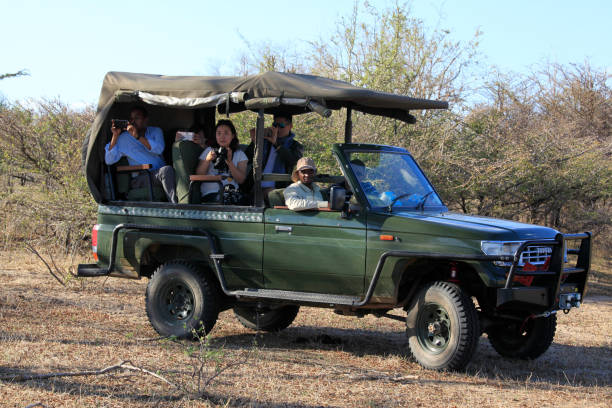
8-Day Nyerere Family Safari: The Ultimate Tanzania Adventure 2026-2027
Experience an unforgettable 8-day Nyerere Family Safari in Tanzania with Top Guide Adventures. This itinerary focuses on diverse wildlife, stunning landscapes, and family-friendly...
View package details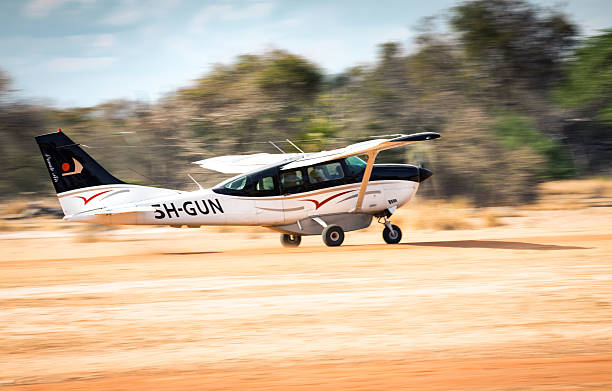
8-Day Selous Safari And Zanzibar Holiday: Your Ultimate Tanzania Adventure
An 8-day adventure perfectly blending the wild heart of Selous Game Reserve with the tropical allure of Zanzibar. This itinerary offers an unforgettable Tanzanian experience, combining...
View package details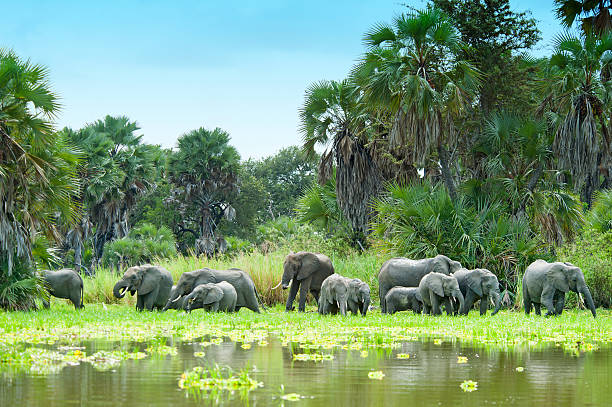
7-Day Tanzania Bush And Beach Holiday: Safari & Zanzibar Bliss 2026-2027
Experience the best of Tanzania in seven days with an unforgettable journey that blends the raw beauty of its wildlife-rich savannas with the tranquil turquoise waters of Zanzibar. This...
View package detailsNo related package matches those filters. Clear one or more filters to see the other topic-matched options.



