
Empakaai Crater is a spectacular volcanic caldera within Tanzania’s Ngorongoro Conservation Area, renowned for its deep, vibrant alkaline lake that attracts thousands of flamingos and other water birds, offering exceptional birdwatching opportunities, along with challenging hiking trails down to the lake shore and back up to the crater rim.

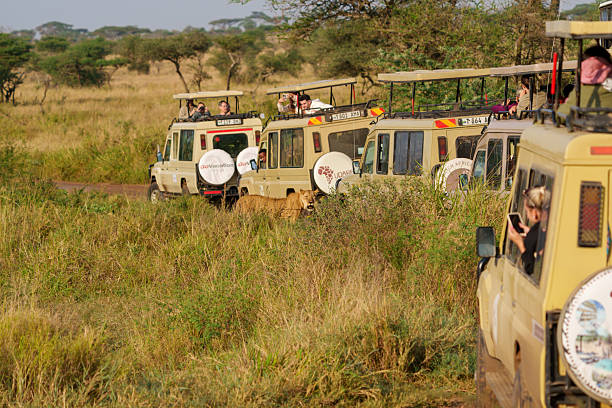
Exploring Empakaai Crater: A Natural Wonder in the Ngorongoro Highlands
located within the vast and ecologically rich Ngorongoro Conservation Area (NCA) in northern Tanzania, Empakaai Crater stands as a less-visited but equally magnificent counterpart to its famous neighbor, the Ngorongoro Crater. While the latter is celebrated for its dense concentration of wildlife within a collapsed caldera, Empakaai offers a different, yet equally compelling, experience. It is a place of serene beauty, dominated by a deep, alkaline lake that shimmers with an almost otherworldly hue, and is a vital sanctuary for countless bird species, most notably the lesser flamingos. For travelers seeking a blend of unique natural phenomena, exceptional birdwatching, and invigorating hiking, Empakaai Crater presents an unforgettable destination, especially as we look towards planning adventures in 2026 and 2027.
The journey to Empakaai is part of its allure. Unlike the drive-in safaris common in other parts of the NCA, reaching Empakaai involves a deliberate effort, often requiring a sturdy 4×4 vehicle to navigate the rugged tracks leading to its rim. This relative inaccessibility, however, is precisely what preserves its pristine nature and ensures a more intimate encounter with its wonders. The crater itself is a testament to volcanic power, a vast bowl plunging hundreds of meters deep, with steep, verdant walls that descend to the central lake. The air here is crisp, the silence profound, broken only by the calls of birds and the whisper of the wind.
For many, the primary draw to Empakaai is the lake. Its high alkalinity makes it inhospitable to most fish but ideal for the microorganisms that form the base of the food chain for flamingos. During certain times of the year, the lake’s edges can be a dazzling spectacle of pink, as thousands upon thousands of lesser flamingos congregate to feed. This avian spectacle is not merely a visual feast; it’s a dynamic display of nature’s intricate balance. Beyond the flamingos, a diverse array of waterbirds, including various duck species, geese, and waders, also call Empakaai home, making it a paradise for ornithologists and casual birdwatchers alike.
Beyond the avian inhabitants, the crater rim itself provides impressive panoramic views. Looking out across the vast expanse of the NCA, one can often spot the distant silhouette of Mount Kilimanjaro on a clear day. The slopes of the crater are carpeted with lush vegetation, a stark contrast to the drier plains often associated with Tanzanian safaris. This unique microclimate supports a variety of plant life and provides habitat for smaller mammals and insects, adding layers of biodiversity to the Empakaai experience.
Visiting Empakaai Crater is typically integrated into a broader Ngorongoro Conservation Area itinerary. It often follows or precedes a visit to the more famous Ngorongoro Crater, or can be combined with explorations of the surrounding highlands, including areas inhabited by Maasai communities. The experience is not just about the destination but the journey – the bumpy rides, the anticipation, and the profound sense of discovery as you approach this less crowded place. As travelers increasingly seek authentic, off-the-beaten-path experiences, Empakaai is poised to become an even more sought-after destination in the coming years, particularly for those planning their Tanzanian safaris for 2026 and 2027.
The Geology and Ecology of Empakaai Crater
Understanding the geological forces that shaped Empakaai Crater is key to appreciating its unique environment. Empakaai is one of several volcanic craters that punctuate the landscape of the Ngorongoro Highlands, a region characterized by its volcanic origins. Unlike the Ngorongoro Crater, which is a caldera formed by a massive volcanic eruption and subsequent collapse, Empakaai is believed to have formed through a similar process but is smaller and considerably deeper, with its floor lying at approximately 8,700 feet (2,650 meters) above sea level. The crater’s steep walls rise dramatically from the lake, reaching up to 1,000 feet (300 meters) in height.
The defining feature of Empakaai’s ecosystem is its central alkaline lake. This body of water is highly saline and alkaline, a condition that is crucial for its unique biological inhabitants. The high pH and salt concentration inhibit the growth of most aquatic life, such as fish, which would typically be found in freshwater lakes. However, these conditions are perfect for supporting vast blooms of blue-green algae and diatoms. These microscopic organisms are the primary food source for the vast populations of lesser flamingos that are so famously associated with Empakaai. The flamingos, with their specialized filter-feeding beaks, sift through the lake’s shallow waters, consuming the algae and tinting the lake’s surface with their vibrant pink plumage.
The ecological significance of Empakaai Crater extends beyond the flamingos. The crater walls and rim are covered in a dense montane forest, a type of ecosystem that thrives in the high-altitude, moist conditions of the region. This forest is rich in biodiversity, providing habitat for a variety of bird species that are not typically found on the open savannas. These include various endemic and migratory birds, making the crater rim itself a rewarding area for birdwatching. Mammals are less common within the immediate crater basin due to the challenging terrain and the lake’s composition, but the surrounding highlands and crater slopes host a range of wildlife, including buffalo, eland, and various primates.
The altitude of Empakaai contributes to its cooler temperatures and distinct vegetation compared to the lower-lying plains of the Serengeti. This high-altitude environment also influences the types of plants that can grow, with Afro-alpine flora becoming more prevalent as one ascends. The interplay between the volcanic geology, the high altitude, and the specific chemical composition of the lake creates a fragile and specialized ecosystem. Conservation efforts within the Ngorongoro Conservation Area are vital for protecting this delicate balance, ensuring that Empakaai remains a thriving habitat for its unique flora and fauna for years to come. As tourism to Tanzania grows, understanding and respecting these ecological nuances will be paramount for visitors planning trips in 2026 and 2027.
Planning Your Visit to Empakaai Crater: Logistics and Best Times
Visiting Empakaai Crater requires careful planning, as it is not a standard stop on most typical Tanzanian safari circuits. It is located in the northern part of the Ngorongoro Conservation Area, often accessed from the east, near Nainokanoka village, or as part of a longer overland journey through the highlands. The journey itself can be an adventure, typically involving a 4×4 vehicle capable of handling rough, unpaved tracks. Many visitors combine Empakaai with a visit to the more famous Ngorongoro Crater, or as part of a trek that traverses the Ngorongoro Highlands.
Best Time to Visit:
The best time to visit Empakaai Crater largely depends on what you hope to see and experience. The dry seasons in Tanzania generally run from June to October and again from December to February. During these periods, the weather is typically sunny with less rainfall, making travel conditions more favorable and improving visibility for wildlife viewing and hiking.
- June to October: This is a prime time for birdwatching at Empakaai, as migratory birds are often present, and the drier conditions make the lake more accessible. The cooler temperatures are also pleasant for hiking.
- December to February: This period also offers good weather, though it can be warmer. It’s another excellent window for birdwatching and exploring the crater.
- March to May: This is the long rainy season. While the landscapes are lush and green, heavy rains can make the tracks impassable, potentially disrupting travel plans and limiting access to Empakaai.
- November: This is a transitional month, with shorter rains possible. It can still be a good time to visit, but flexibility is key.
Logistics and Access:
Access to Empakaai Crater is usually arranged through a tour operator. The closest entry points are typically via Nainokanoka or nearby villages. It’s common to arrange for a local Maasai guide, especially if you plan to hike down into the crater. This ensures not only safety and local knowledge but also supports the local communities. The drive from Arusha, the main gateway city for northern Tanzania tours, can take several hours, often involving transit through Karatu or Mto wa Mbu.
Accommodation:
Accommodation options near Empakaai are limited but include:
- Nainokanoka Campsite: A basic campsite often used as a staging point for hikes into Empakaai.
- Highland Lodges/Camps: More established lodges and tented camps can be found in the wider Ngorongoro Highlands, offering comfortable stays before or after visiting the crater.
- Camping within the NCA: Designated campsites are available, offering a more rustic experience under the stars.
What to Pack:
Given the altitude and the nature of the visit, packing appropriately is essential:
- Layers of clothing: Temperatures can vary significantly. Include warm fleeces, waterproof jackets, and lighter clothing for warmer parts of the day.
- Sturdy hiking boots: Essential for the steep descent and ascent into the crater.
- Sun protection: Hat, sunglasses, and high SPF sunscreen are crucial due to the high altitude and strong sun.
- Insect repellent: Important, especially in the evenings.
- Binoculars: Indispensable for birdwatching.
- Camera: To capture the stunning landscapes and wildlife.
- Water bottle: Staying hydrated is important at altitude.
- Personal first-aid kit.
Booking your trip well in advance, especially for the peak seasons of 2026 and 2027, is highly recommended. Working with a reputable tour operator like Top Guide Adventures can simplify the logistics, ensuring you have the right transport, guides, and accommodation sorted. For inquiries, you can reach them via WhatsApp +255616946642 or Email topguideadventures@gmail.com.
The Empakaai Crater Hike: Descending to the Lake
The hike into Empakaai Crater is arguably the most rewarding activity available at this natural wonder. It’s a moderately challenging trek that takes you from the crater rim down to the lake shore and then back up. This descent offers unparalleled opportunities to appreciate the sheer scale of the crater, its unique flora, and the vibrant ecosystem surrounding the alkaline lake.
The Descent:
The trail down to the lake is steep and can be slippery, especially after rain. It winds its way down the crater’s inner wall, offering increasingly dramatic views with every step. The path is often narrow, and a guide is essential for navigation and safety. As you descend, the dense montane forest envelops you. Listen for the calls of various forest birds, and keep an eye out for smaller mammals that might inhabit this lush environment. The air becomes cooler and more humid as you approach the crater floor.
The distance from the rim to the lake is not extensive in terms of horizontal measurement, but the steepness makes it a significant physical effort. It typically takes about 45 minutes to an hour to descend, depending on your fitness level and how often you stop to admire the scenery or identify plants and birds.
At the Lake Shore:
Upon reaching the crater floor, the vastness of the alkaline lake unfolds before you. This is where the magic of Empakaai truly comes alive, especially during seasons when flamingos are present. You can walk along the lake’s edge, observing the birds in their natural habitat. The sheer numbers can be astonishing, creating a moving spectacle of pink against the blue water and green crater walls. It’s important to maintain a respectful distance from the wildlife and avoid disturbing the delicate ecosystem. The water itself is not suitable for swimming due to its high alkalinity.
The crater floor is relatively flat, allowing for exploration around the lake. The silence, punctuated by the sounds of thousands of birds, is profound. This is an ideal spot for photography, birdwatching, and simply soaking in the unique atmosphere of this natural amphitheater.
The Ascent:
The return journey, the ascent back to the crater rim, is physically demanding. The steepness requires good stamina and strong leg muscles. It often takes longer than the descent, typically between 1.5 to 2 hours. Your guide will set a steady pace, offering encouragement and ensuring you take breaks as needed. The effort is well worth it, as the views from the rim looking back into the crater are spectacular, especially as the light changes throughout the day.
Tips for the Hike:
- Hire a local guide: Essential for safety, navigation, and an enriched experience.
- Wear appropriate footwear: Sturdy hiking boots with good grip are a must.
- Carry plenty of water: Hydration is key, especially during the ascent.
- Pace yourself: Don’t rush. Enjoy the journey and the views.
- Be prepared for varying conditions: The trail can be dusty or muddy.
- Respect wildlife: Maintain distance and avoid feeding or disturbing animals.
The Empakaai Crater hike is an adventure that offers a unique perspective on the Ngorongoro Conservation Area, away from the typical safari crowds. It’s an experience that challenges you physically while rewarding you with incredible natural beauty and a deep connection to the wild.
Birdwatching at Empakaai Crater: A Flamingo Spectacle
For avid birdwatchers, Empakaai Crater is a destination of paramount importance. Its alkaline lake is a magnet for avian life, particularly the lesser flamingo, which gathers here in numbers that can be truly staggering. The sight of thousands of these elegant birds wading, feeding, and flying over the shimmering lake is an iconic image of East African ornithology.
The Lesser Flamingo Phenomenon:
The lesser flamingo (Phoeniconaias minor) is the smallest of the flamingo species and thrives in the hypersaline, alkaline waters that most other birds and fish cannot tolerate. Empakaai’s lake provides the perfect breeding and feeding ground. While the exact numbers fluctuate based on seasonal conditions, water levels, and food availability, it is not uncommon for hundreds of thousands of lesser flamingos to inhabit the lake at certain times. They can be seen in dense flocks, creating a vibrant pink carpet across the water’s surface. Their feeding behavior, filtering microorganisms from the water with their specialized beaks, is a fascinating spectacle in itself.
Beyond the Flamingos:
While flamingos are the stars of the show, Empakaai Crater supports a rich diversity of other bird species. The lake attracts various waterfowl, including:
- Ducks and Geese: Species like the Egyptian goose, spur-winged goose, and various duck species are commonly found.
- Waders: Different types of sandpipers, plovers, and stilts forage along the lake margins.
- Other Waterbirds: You might spot pelicans, cormorants, and various herons.
The montane forest surrounding the crater rim and the upper slopes also provide excellent habitat for a different set of birds. Birdwatchers exploring these areas might encounter:
- Montane forest specialists: Including various sunbirds, turacos, and forest birds of prey.
- Raptors: Eagles and buzzards often soar above the crater.
- Passerine birds: A wide variety of smaller birds inhabit the bushes and trees.
Best Viewing Opportunities:
- Early morning and late afternoon: These are often the most active times for birds, with flamingos often seen in large numbers and various species foraging. The light is also ideal for photography during these times.
- The crater rim: Offers a panoramic view of the lake and its inhabitants, ideal for spotting large flocks and distant activity.
- The lake shore: During the hike down, you get closer views of waders and other birds feeding along the water’s edge.
Tips for Birdwatching at Empakaai:
- Bring good binoculars: Essential for detailed observation of birds, especially from the crater rim.
- Carry a field guide: To help identify the numerous species you might encounter.
- Be patient: Birdwatching requires patience. Spend time observing and listening.
- Move quietly: Especially when approaching the lake shore to avoid startling the birds.
- Consider the season: While flamingos are often present, their numbers can vary. The dry seasons generally offer more predictable conditions.
Empakaai Crater is a vital ecological site and a must-visit for any serious birder traveling to Tanzania. The sheer scale of the flamingo population, combined with the diverse birdlife in the surrounding forests, makes it a truly exceptional location. Planning your visit for 2026 or 2027 with an expert like Top Guide Adventures can ensure you maximize your birdwatching experience.
Empakaai Crater vs. Ngorongoro Crater: A Comparative Look
While both Empakaai and Ngorongoro Craters are geological marvels within the Ngorongoro Conservation Area, they offer distinctly different safari and nature experiences. Understanding these differences is crucial for travelers planning their Tanzanian itineraries for 2026-2027.
Ngorongoro Crater: The Wildlife Hotspot
- Geology: A massive caldera, approximately 160 square kilometers in area, formed by the collapse of a large volcano. Its floor is relatively flat and covered by grasslands, swamps, a soda lake, and acacia woodlands.
- Wildlife: Famous for its high density and diversity of wildlife. It’s one of the best places in Tanzania to see the ‘Big Five’ (lion, leopard, elephant, rhino, buffalo) in a single day. Other abundant wildlife includes wildebeest, zebras, hippos, hyenas, and a vast array of birdlife, though flamingos are typically found in smaller numbers on the soda lake compared to Empakaai.
- Visitor Experience: Primarily a drive-in safari experience. Visitors spend most of their time in vehicles, descending into the crater for game drives. The roads are generally well-maintained, and access is straightforward.
- Crowds: Due to its fame and accessibility, Ngorongoro Crater can get very crowded, especially during peak tourist seasons. Strict time limits are often imposed on vehicles within the crater.
- Activities: Primarily game drives. Limited opportunities for walking safaris within the crater itself.
Empakaai Crater: The Avian Sanctuary and Hiking Destination
- Geology: A smaller, deeper volcanic crater with steep walls, featuring a large, deep alkaline lake at its center. The surrounding environment is characterized by montane forest.
- Wildlife: The main draw is the spectacular birdlife, especially the large flocks of lesser flamingos that inhabit the alkaline lake. While other wildlife exists in the surrounding highlands (buffalo, eland), it is not the primary focus within the crater itself.
- Visitor Experience: Requires a 4×4 vehicle to reach the rim and typically involves a significant hike down to the lake shore and back up. It offers a more active and less passive experience than Ngorongoro Crater.
- Crowds: Significantly less crowded than Ngorongoro Crater. The effort required to access and explore it ensures a more exclusive and tranquil experience.
- Activities: Hiking into the crater, birdwatching, photography, and enjoying the dramatic landscapes.
Key Differences Summarized:
| Feature | Ngorongoro Crater | Empakaai Crater |
|---|---|---|
| Primary Attraction | Big Five, high wildlife density | Flamingo flocks, birdwatching, scenery |
| Terrain | Large, relatively flat caldera floor | Deep crater with steep walls and central lake |
| Visitor Activity | Drive-in game drives | Hiking, birdwatching |
| Accessibility | Easier, vehicle-based access | Requires 4×4, significant hike |
| Crowds | Can be very crowded | Relatively uncrowded |
| Ecosystem | Grasslands, soda lake, forest patches | Deep alkaline lake, montane forest |
| Best For | Classic safari, Big Five viewing | Bird enthusiasts, active travelers, unique landscapes |
For travelers planning their trips in 2026 or 2027, the choice between or combination of these craters depends on their priorities. If the goal is a classic safari with high chances of seeing iconic African wildlife, Ngorongoro Crater is essential. If the focus is on unique natural phenomena, exceptional birdwatching, and an active, less-crowded experience, Empakaai Crater offers a distinct and highly rewarding alternative. Many comprehensive Ngorongoro itineraries include both, offering a well-rounded exploration of the conservation area’s diverse offerings.
Maasai Culture and Empakaai Crater
Empakaai Crater is situated within the Ngorongoro Conservation Area, a region that is the ancestral home of the Maasai people. While the crater itself is a natural reserve, the surrounding highlands are inhabited by Maasai communities, and a visit to Empakaai can offer glimpses into their traditional way of life. Understanding the cultural context adds another layer of richness to the Empakaai experience.
The Maasai and the Ngorongoro Highlands:
The Maasai are semi-nomadic pastoralists, deeply connected to their cattle and the land. Their traditional lifestyle revolves around herding livestock, and their culture is characterized by distinct social structures, vibrant attire, and intricate beadwork. The Ngorongoro Conservation Area is one of the few places where the Maasai have been allowed to continue their traditional lifestyle within a protected wildlife zone, a unique arrangement that balances conservation with cultural preservation.
Local Guides and Community Involvement:
When visiting Empakaai Crater, particularly for the hike, it is common and highly recommended to hire a local Maasai guide. These guides possess intimate knowledge of the terrain, the local flora and fauna, and the cultural significance of the area. Their presence not only enhances safety and navigation but also provides visitors with invaluable insights into Maasai traditions, beliefs, and their relationship with the environment. Engaging local guides directly supports the Maasai communities, providing them with economic benefits from tourism.
Cultural Encounters:
While Empakaai itself is a natural site, itineraries that include Empakaai can often incorporate visits to nearby Maasai villages or bomas (homesteads). These visits, when conducted respectfully and ethically, offer opportunities to learn about:
- Traditional Dwellings: See the construction of ‘inkajijik’ (houses made from mud, dung, and branches).
- Daily Life: Observe aspects of daily routines, such as milking cattle, preparing food, and crafting.
- Cultural Practices: Learn about Maasai ceremonies, music, and dance.
- Handicrafts: Opportunities to purchase traditional Maasai beadwork and crafts directly from the artisans.
It’s important that such visits are arranged through responsible tour operators who ensure that the interactions are genuine, respectful, and beneficial to the community, rather than staged or exploitative. Top Guide Adventures, for instance, prioritizes community-based tourism initiatives.
Conservation and Culture:
The presence of the Maasai in the Ngorongoro Conservation Area highlights the complex relationship between human populations and wildlife conservation. Their traditional practices, which often involve living in harmony with nature and respecting wildlife, have contributed to the area’s ecological integrity. Understanding their role provides a more holistic view of the NCA and its importance not just as a wildlife haven but as a cultural landscape.
For travelers planning trips in 2026 and 2027 who are interested in cultural experiences alongside natural wonders, incorporating interactions with the Maasai communities around Empakaai Crater can significantly enrich their journey. It offers a chance to connect with one of Africa’s most iconic indigenous peoples and gain a deeper appreciation for the cultural heritage of Tanzania.
Photography at Empakaai Crater: Capturing the Essence
Empakaai Crater offers a wealth of photographic opportunities, from the grand, sweeping vistas of the caldera to the intricate details of its unique ecosystem. Whether you’re a seasoned photographer or simply enjoy capturing memories, Empakaai provides a stunning backdrop.
Key Photographic Subjects:
- The Alkaline Lake: The star attraction. Its vibrant colors, especially when thousands of flamingos are present, create incredibly striking images. The reflections on the water’s surface can also be mesmerizing.
- Flamingos: Capturing the flocks in flight, wading, or feeding offers dynamic and colorful shots. Try to isolate individual birds or capture the scale of the entire population.
- Crater Rim Vistas: Wide-angle shots from the rim looking down into the crater showcase the immense scale and depth. Include foreground elements like vegetation or Maasai herders to add context and scale.
- Montane Forest: The lush, often mist-shrouded forest on the crater walls provides opportunities for moody, atmospheric shots. Look for light filtering through the canopy.
- Birdlife: Beyond flamingos, the diverse bird species in the forest and around the lake offer chances for detailed shots, particularly if you have a telephoto lens.
- Maasai Culture: If visiting a local village or encountering Maasai herders with their cattle near the crater, these offer powerful portraits and cultural insights.
Best Times and Light:
- Golden Hours: Early morning and late afternoon provide the softest, warmest light, ideal for landscape and wildlife photography. The sunrise and sunset casting light across the crater can be spectacular.
- Midday: While harsh, midday sun can sometimes emphasize the vibrant colors of the lake and flamingos. It’s also good for capturing details in the forest where light is already filtered.
- Misty Conditions: If you encounter mist, especially in the early morning, embrace it. It can create dramatic, ethereal scenes within the crater and forest.
Photography Tips:
- Bring a versatile lens: A zoom lens (e.g., 24-70mm or 18-135mm) is useful for landscapes and general shots. A telephoto lens (e.g., 70-200mm or longer) is highly recommended for wildlife, especially birds.
- Use a tripod: Essential for low-light conditions (early morning/late evening) and for sharp landscape shots from the crater rim.
- Protect your gear: The environment can be dusty. Consider a camera bag and cleaning supplies.
- Experiment with angles: Shoot from the rim looking down, from the lake shore looking up, and at eye level with wildlife.
- Focus on storytelling: Try to capture not just the scenery but also the feeling of being there – the scale, the colors, the wildlife interactions.
- Respect wildlife: Never disturb animals for a photo. Maintain a safe and respectful distance.
Empakaai Crater is a photographer’s dream, offering a unique blend of dramatic landscapes, abundant birdlife, and cultural elements. Planning your visit for the optimal light and conditions, and coming prepared with the right gear, will ensure you capture stunning images that reflect the magic of this Tanzanian gem. For tailored photography safaris in 2026-2027, consider consulting with specialists like Top Guide Adventures.
Conservation Efforts and the Future of Empakaai Crater
Empakaai Crater, as part of the larger Ngorongoro Conservation Area (NCA), benefits from and is subject to the conservation policies governing this UNESCO World Heritage Site. The NCA is a unique ecosystem where conservation goals are intertwined with the needs of the resident Maasai population, creating a complex but vital management framework.
Conservation Goals in the NCA:
- Biodiversity Protection: The primary goal is to protect the rich biodiversity, including the iconic wildlife species and their habitats, as well as unique geological features like Empakaai Crater and its specialized ecosystem.
- Sustainable Land Use: Balancing conservation with the traditional pastoralist lifestyle of the Maasai people is a key challenge. The NCA aims to promote land use practices that are sustainable and do not negatively impact wildlife or the environment.
- Habitat Preservation: Protecting critical habitats, such as the montane forests of the highlands and the unique conditions of the Empakaai lake, is essential for the survival of numerous species, especially migratory birds.
- Ecotourism Management: Regulating tourism activities to minimize environmental impact, ensure visitor safety, and provide economic benefits to local communities is crucial. For Empakaai, this includes managing the impact of hikers and ensuring responsible wildlife viewing.
Challenges Facing Empakaai:
- Climate Change: Fluctuations in rainfall and temperature patterns can affect the water levels and salinity of the Empakaai lake, potentially impacting the flamingo populations and the overall ecosystem.
- Human-Wildlife Conflict: While less pronounced within the crater itself, the surrounding highlands can experience conflicts between pastoralists and wildlife over grazing land and water resources.
- Tourism Pressure: Although Empakaai is less visited than Ngorongoro Crater, increased visitor numbers over time could pose challenges if not managed carefully, potentially leading to trail erosion or disturbance to bird colonies.
- Resource Management: Ensuring sustainable water use and managing waste, particularly from the limited facilities and campsites, are ongoing considerations.
The Role of Visitors and Tour Operators:
Responsible tourism plays a critical role in the conservation of places like Empakaai Crater. Visitors are expected to adhere to park rules, respect wildlife, and minimize their environmental footprint. Tour operators have a significant responsibility to:
- Educate clients: Inform travelers about conservation efforts and best practices.
- Promote low-impact activities: Encourage hiking, birdwatching, and respectful wildlife observation.
- Support local communities: Engage local guides and purchase authentic crafts, ensuring economic benefits flow to the Maasai.
- Advocate for conservation: Partner with conservation organizations and support initiatives within the NCA.
As we look towards 2026 and 2027, the importance of sustainable tourism practices will only grow. Destinations like Empakaai Crater, with their unique ecological value, require careful stewardship. By choosing responsible tour operators like Top Guide Adventures, who are committed to conservation and community engagement, travelers can contribute positively to the preservation of this natural wonder for future generations.
Integrating Empakaai Crater into Your Tanzania Safari 2026-2027
Empakaai Crater offers a distinct experience that can significantly enhance a Tanzania safari, especially for those seeking a blend of nature, activity, and less-crowded exploration. Integrating it into your 2026 or 2027 travel plans requires thoughtful itinerary design.
Ideal Itinerary Placement:
- Post-Ngorongoro Crater: Many travelers visit Empakaai after a day trip or overnight stay in the Ngorongoro Crater. This provides a contrast, moving from the intensive wildlife viewing of the caldera floor to the serene beauty and active exploration of Empakaai.
- As part of a Highlands Trek: Empakaai is a natural stop or endpoint for multi-day treks through the Ngorongoro Highlands, which often start from areas like Nainokanoka or even descend from the crater rim.
- Combining with Lake Natron: Empakaai Crater is geographically closer to Lake Natron than the main Ngorongoro Crater. An itinerary could involve exploring the Ngorongoro Highlands, visiting Empakaai, and then continuing north to Lake Natron, another significant site for flamingos and unique landscapes.
- As an Alternative to Overcrowded Spots: For travelers looking to escape the busiest tourist hubs, Empakaai offers a more tranquil experience within the popular Northern Circuit.
Sample Itinerary Snippet (3-Day Ngorongoro Highlands Focus):
- Day 1: Arrival in Ngorongoro Highlands. Drive from Arusha to Nainokanoka village. Settle into your campsite or lodge. Meet your Maasai guide and prepare for the trek. Possible short walk in the vicinity to acclimatize.
- Day 2: Hike to Empakaai Crater. A scenic hike, potentially passing Maasai bomas and grazing lands, leads to the rim of Empakaai Crater. Descend into the crater for exploration and birdwatching by the lake. Ascend back to the rim and return to Nainokanoka or a designated campsite.
- Day 3: Departure or continuation. After breakfast, begin your journey back towards Karatu or Arusha, perhaps with a stop at a local market or cultural site. Alternatively, continue towards Lake Natron.
Booking Considerations for 2026-2027:
- Advance Planning: Popular travel times, such as the dry seasons (June-October, December-February), are booking up quickly for 2026 and 2027. Secure your tour operator and accommodations early.
- Vehicle Requirements: Ensure your safari vehicle is a robust 4×4, capable of handling the off-road conditions leading to Empakaai.
- Guide Services: Confirm that your itinerary includes experienced local guides, especially Maasai guides for the Empakaai hike, to enhance safety and cultural understanding.
- Permits and Fees: Be aware of the Ngorongoro Conservation Area entry fees and any specific permits required for hiking or camping. Reputable tour operators will handle these arrangements.
Empakaai Crater is more than just a scenic spot; it’s an experience that combines physical activity with profound natural beauty and cultural immersion. By carefully planning its inclusion, you can create a truly memorable and unique adventure for your 2026-2027 Tanzania journey. For personalized itinerary planning and expert advice on incorporating Empakaai Crater into your safari, reach out to the specialists at Top Guide Adventures via WhatsApp +255616946642 or Email info@topguideadventures.com.
Check Availability for Empakaai Crater: A Tanzania Gem For Birdwatchers And Hikers 2026-2027
Ready to compare dates, prices, and the best option for your group? Send the package name and travel month so the team can reply with a clear quote, availability, and what is included.
 Ngorongoro Crater Photography Safari: Your Ultimate Guide For 2026-2027start an unforgettable Ngorongoro Crater photography safari in 2026-2027. This guide details the best times, gear, wildlife, and planning tips…View package
 Ngorongoro Crater Family Adventure: Your Ultimate Guide For 2026-2027Discover the magic of a Ngorongoro Crater family adventure, a truly unique safari experience. This comprehensive guide covers everything from…View package
 Ngorongoro Crater Budget Camping Tour: Your Affordable Tanzania SafariA detailed 2026-2027 guide to Ngorongoro Crater Budget Camping Tour, with clear planning and booking information for travelers.View package
 Ngorongoro Crater Luxury Lodge Package: Your Ultimate Tanzania SafariSecure your dream Ngorongoro Crater luxury lodge package for 2026-2027. This comprehensive guide details exclusive accommodations, safari…View package
 Ngorongoro Crater Big Five Safari: Your Ultimate Guide For 2026-2027Plan your dream Ngorongoro Crater Big Five safari with Top Guide Adventures. This comprehensive guide covers everything from wildlife viewing to…View package2-Day Ngorongoro Crater Wildlife Tour: Your Essential Guide For 2026-2027Plan your ultimate 2-day Ngorongoro Crater wildlife tour with Top Guide Adventures. This guide covers everything from wildlife encounters and…View packageNgorongoro Crater Safari: Your Ultimate Guide For Adventures 2026-2027The Ngorongoro Crater offers an unparalleled wildlife viewing experience in Tanzania, renowned for its dense animal populations and stunning…View package
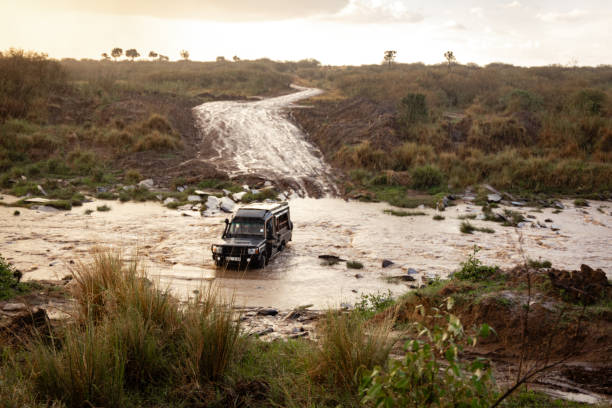 4-Day Ngorongoro Highlands Adventure: Your Ultimate Tanzania Safari ItineraryDiscover the magic of a 4-day Ngorongoro Highlands adventure, a perfectly curated safari experience in Tanzania. This itinerary balances…View package3-Day Ngorongoro And Serengeti Safari: The Ultimate East African AdventureA 3-day safari hitting both the Ngorongoro Crater and Serengeti National Park offers an unparalleled glimpse into Tanzania's wildlife. This…View package3-Day Ngorongoro And Tarangire Safari: Your Essential Tanzania ItineraryExperience the best of Tanzania's wildlife in just three days with a focused safari combining the iconic Ngorongoro Crater and the elephant-rich…View package
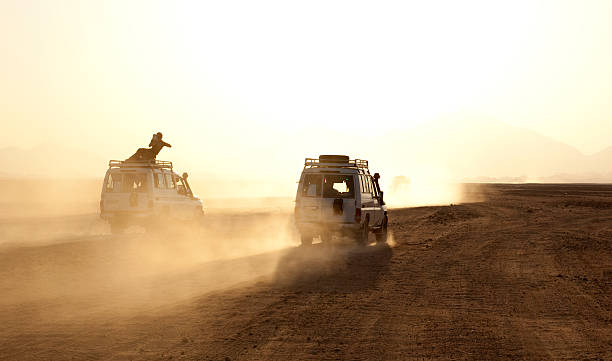 E. Ngorongoro Area Packages GuideDiscover comprehensive Ngorongoro Area packages designed for an unparalleled wildlife experience in Tanzania's most iconic conservation area…View package
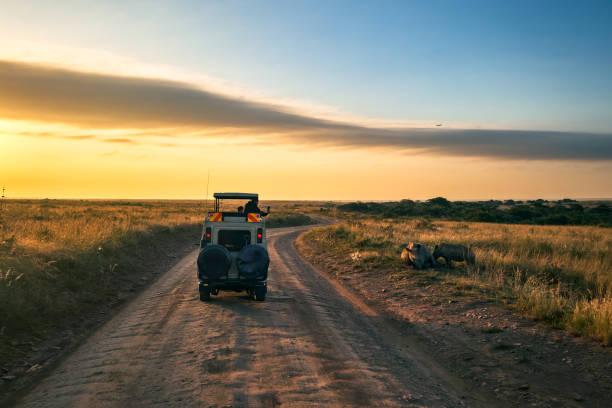 Eastern Serengeti Honeymoon Escape: Your Ultimate Romantic Safari 2026-2027A detailed 2026-2027 guide to Eastern Serengeti Honeymoon Escape, with clear planning and booking information for travelers.View package


