
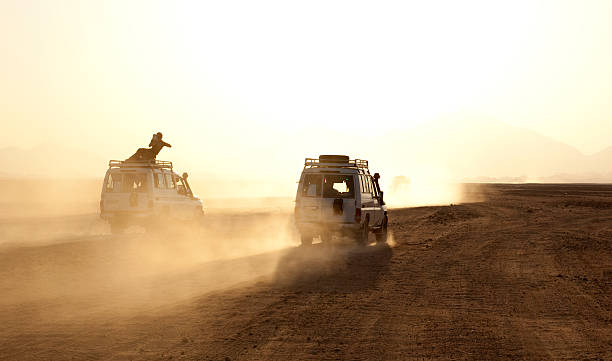
A 4-day Tarangire, Manyara, and Ngorongoro tour is a highly efficient safari itinerary designed to showcase three of Tanzania’s most iconic wildlife destinations in a short period, typically starting and ending in Arusha, and offering chances to see vast elephant herds in Tarangire, tree-climbing lions in Manyara, and the dense wildlife of the Ngorongoro Crater, including the Big Five.
Planning Your Compact 4-Day Northern Tanzania Safari Adventure
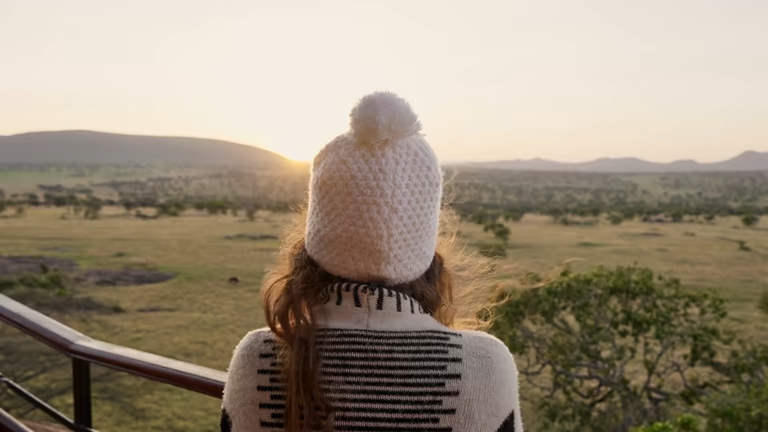
The allure of Tanzania’s Northern Circuit is undeniable. Vast savannas teeming with wildlife, dramatic landscapes, and the promise of unforgettable encounters are what draw travelers from around the globe. For those with limited time but a strong desire to witness this spectacle, a 4-day Tarangire, Manyara and Ngorongoro tour presents an expertly crafted solution. This itinerary is designed to maximize your wildlife viewing experiences, packing in three distinct and magnificent parks into a concise, yet comprehensive, safari.
This safari is perfect for travelers seeking a concentrated taste of Tanzania’s most famous parks. It’s ideal for those on a tighter schedule, perhaps combining it with a trip to Zanzibar or Kilimanjaro, or for first-time safari-goers who want to experience the highlights without committing to a longer expedition. By focusing on Tarangire National Park, Lake Manyara National Park, and the Ngorongoro Conservation Area, this tour offers diversity in ecosystems and wildlife viewing opportunities, all within a manageable 4-day window. We’ll explore what makes each of these parks unique and how this short safari efficiently connects them for an incredible adventure, especially as we look towards planning for 2026 and 2027.
Why Choose a 4-Day Itinerary? The Advantages of Efficiency
Opting for a 4-day safari might seem brief, but it’s a strategically designed trip for specific traveler needs. The primary advantage is time efficiency. In today’s fast-paced world, not everyone has two weeks for an extended safari. This 4-day tour allows you to experience the core of Tanzania’s Northern Circuit’s magic without requiring significant time off. It’s a perfectly balanced introduction, providing a deep look at three distinct environments, each with its own character and star attractions.
Furthermore, this shorter duration can also be a cost-effective choice. While safari costs are always relative to accommodation and service levels, a shorter trip naturally incurs fewer expenses for accommodation, park fees, and vehicle hire. This makes the dream of a Tanzanian safari more accessible for budget-conscious travelers or those looking to allocate their travel funds to other experiences.
The selection of Tarangire, Manyara, and Ngorongoro is not arbitrary. These parks are geographically close, making travel between them smooth and minimizing transit time. This proximity is key to fitting them into a 4-day schedule. Each park offers a different ecological niche and, therefore, a different wildlife viewing experience, ensuring variety and a comprehensive overview of the region’s biodiversity.
For those planning ahead, especially for the peak seasons of 2026 and 2027, booking a well-structured 4-day tour like this ensures you don’t miss out on experiencing these incredible landscapes and their inhabitants. Early planning is crucial for securing preferred accommodation and tour dates, particularly for the Ngorongoro Crater, which has daily visitor limits.
Understanding the Destinations: Tarangire, Manyara, and Ngorongoro
Each park on this 4-day itinerary offers a unique safari experience. Understanding their individual characteristics will help you appreciate the diversity packed into this short trip.
Tarangire National Park: The Land of Giants
Tarangire is renowned for its massive baobab trees and its large elephant population. During the dry season (roughly June to October), the Tarangire River becomes a vital water source, attracting hundreds, sometimes thousands, of elephants. This makes for spectacular viewing opportunities. Beyond elephants, Tarangire is a haven for predators like lions and leopards, and it boasts an exceptional diversity of birdlife, including some rare species.
The park’s landscape is a mix of acacia woodlands, savanna, and rocky hills, creating varied habitats that support a wide array of wildlife. The sheer number of elephants can be astounding, often seen in family groups interacting near waterholes or browsing on the vegetation. The ancient baobabs, with their distinctive, swollen trunks, add a prehistoric feel to the scenery, making Tarangire visually striking.
Lake Manyara National Park: A Microcosm of Ecosystems
Though one of Tanzania’s smaller parks, Lake Manyara packs an incredible punch. Its most famous residents are the tree-climbing lions, a behavior rarely observed elsewhere. The park surrounds the shallow, alkaline waters of Lake Manyara, which attracts vast flocks of flamingos, pelicans, and other water birds, especially during the wetter seasons. The park also supports significant populations of elephants, zebras, wildebeest, giraffes, and various antelope species.
The ecosystem here is diverse, ranging from the lake shore to groundwater forests and the Rift Valley escarpment. This variety of habitats supports a rich mix of animals and birds. The dense groundwater forest, fed by underground springs, is a cool, shady contrast to the open grasslands, and it’s often where you’ll find elephants and primates like baboons and Sykes’ monkeys.
Ngorongoro Conservation Area & Crater: The Eighth Wonder
The Ngorongoro Crater is a UNESCO World Heritage Site and often referred to as the ‘Eighth Wonder of the World.’ This massive volcanic caldera offers one of the most densely populated wildlife areas on Earth. Within its 260-square-kilometer floor, you can find an incredible concentration of animals, including the Big Five (lion, leopard, elephant, rhino, buffalo), as well as hippos, hyenas, wildebeest, zebras, and a wealth of birdlife. The crater is one of the best places in Tanzania to spot the endangered black rhino.
The Ngorongoro Conservation Area (NCA) is unique because it’s not just a park but also a managed landscape that allows Maasai pastoralists to live alongside wildlife, creating a fascinating cultural and ecological interaction. The crater floor is a mosaic of grasslands, swamps, and acacia woodlands, providing diverse habitats. The sheer density of animals makes for exceptional game viewing, often with multiple species visible at once.
A Typical 4-Day Tarangire, Manyara and Ngorongoro Tour Itinerary
While specific timings and routes can be customized, a standard 4-day Tarangire, Manyara, and Ngorongoro tour follows a logical progression designed to minimize travel time and maximize wildlife encounters. Here’s a look at a common structure, which you can expect for tours booked for 2026 or 2027.
Day 1: Arrival in Arusha & Transfer to Tarangire National Park
Your safari adventure typically begins in Arusha, the gateway city to Northern Tanzania’s safari circuit. After an early breakfast, you’ll be met by your professional safari guide and vehicle. The journey to Tarangire National Park takes approximately 2-3 hours, passing through vibrant local villages and scenic countryside. Upon entering Tarangire, you’ll immediately commence a full-day game drive. The park is famous for its large elephant herds and iconic baobab trees. You’ll explore the park’s diverse landscapes, searching for lions, leopards, giraffes, zebras, and a variety of antelope species. Your guide will help you spot wildlife and share insights into their behavior and the park’s ecosystem. Lunch will be a picnic amidst the wilderness. As the day draws to a close, you’ll head to your pre-booked lodge or tented camp for dinner and overnight rest.
Accommodation Options: Lodges or tented camps ranging from mid-range to luxury, offering comfort and proximity to nature.
Day 2: Tarangire to Lake Manyara National Park
After breakfast at your lodge, you’ll enjoy a final morning game drive in Tarangire, perhaps focusing on areas you didn’t cover on day one or revisiting favorite spots. Following this, you’ll drive towards Lake Manyara National Park, a journey of about 1-2 hours. The park is known for its diverse habitats, including groundwater forests, savannas, and the alkaline lake itself. Upon arrival, you’ll start a game drive. Keep an eye out for the elusive tree-climbing lions, large herds of elephants, baboons, giraffes, and the myriad of bird species that frequent the lake shores. The dense woodland offers opportunities to spot animals that might be more elusive in open savanna. Lunch will be a picnic within the park. In the late afternoon, you’ll exit Lake Manyara and drive to your accommodation located near the park or en route to the Ngorongoro Conservation Area.
Accommodation Options: Lodges or tented camps situated either near Lake Manyara or along the Great Rift Valley escarpment, offering scenic views.
Day 3: Lake Manyara to Ngorongoro Crater
Your day begins with a drive towards the Ngorongoro Conservation Area. The landscape changes dramatically as you ascend the Great Rift Valley escarpment, offering panoramic views. You will likely stop at a viewpoint to appreciate the vastness of the caldera below. After checking into your lodge or camp, which is often situated on the crater rim, you will descend approximately 600 meters to the crater floor for an unforgettable game drive. The Ngorongoro Crater is a UNESCO World Heritage Site, renowned for its high concentration of wildlife. Within this natural amphitheater, you have an excellent chance of spotting the Big Five, including the rare black rhino, as well as hippos, wildebeest, zebras, lions, hyenas, and numerous bird species. A picnic lunch will be served by the hippo pool. The dense wildlife population and unique environment make this a highlight of any Tanzanian safari. You’ll spend the afternoon exploring the crater floor before ascending back to your rim-side accommodation for dinner and an overnight stay.
Accommodation Options: Lodges or tented camps located on the Ngorongoro Crater rim, offering spectacular views and convenience for early crater access.
Day 4: Ngorongoro Exploration & Departure to Arusha
Depending on your flight schedule or onward travel plans, you might have the option for a final, early morning game drive in the Ngorongoro Crater or a visit to a Maasai village for a cultural experience. Alternatively, after breakfast, you can enjoy the stunning views from your lodge. You will then begin your drive back to Arusha, a journey of about 3-4 hours. Along the way, you can stop for souvenirs or enjoy the changing landscapes. Your guide will drop you off at your hotel in Arusha, at Kilimanjaro International Airport (JRO) for your departure, or at any other requested location. This concludes your 4-day Tarangire, Manyara and Ngorongoro tour.
Note: The timing of the final day can be adjusted based on your departure flight from Kilimanjaro International Airport (JRO).
Wildlife You Can Expect to See
The combination of Tarangire, Lake Manyara, and Ngorongoro Crater offers an exceptional variety of wildlife viewing opportunities. Here’s a breakdown of what you can anticipate:
- The Big Five: Ngorongoro Crater is one of the best places to see all of the Big Five (Lion, Leopard, Elephant, Rhino, Buffalo) in a single day. While leopards are elusive, lions are plentiful, and elephants and buffalo are common sights. The black rhino is a particular star of the Ngorongoro show.
- Elephants: Tarangire is world-famous for its massive elephant herds, especially during the dry season. You’ll see them in large numbers, often interacting, playing, and feeding. Lake Manyara also hosts significant elephant populations.
- Predators: Lions are found in all three locations, with tree-climbing lions being a unique spectacle in Manyara. Cheetahs are more common in the open plains of the Serengeti but can occasionally be spotted in Tarangire. Leopards are more elusive but can be found in wooded areas, particularly in Tarangire and Ngorongoro. Hyenas, both spotted and striped, are common, especially at dawn and dusk.
- Primates: Lake Manyara’s groundwater forest is home to troops of baboons and Sykes’ monkeys. You might also see vervet monkeys in other areas.
- Herbivores: Expect to see vast herds of wildebeest and zebras, especially in the Ngorongoro Crater and during migration periods (though the main migration is typically in Serengeti). Giraffes are common in Tarangire and Manyara. Other antelopes include gazelles (Thomson’s and Grant’s), dik-diks, waterbucks, and the magnificent greater kudu in Tarangire.
- Birds: With over 400 bird species recorded, Tarangire is a birdwatcher’s paradise. Lake Manyara’s alkaline lake attracts large flocks of flamingos, pelicans, and storks. The Ngorongoro Crater also boasts a rich avian population.
- Hippos: Large pods of hippos can be found in the hippo pool in Ngorongoro and along river systems in Tarangire.
When is the Best Time to Go for a 4-Day Safari?
The 4-day Tarangire, Manyara, and Ngorongoro tour can be enjoyed year-round, but the experience varies slightly depending on the season. Planning for 2026 and 2027 requires understanding these seasonal nuances.
- Dry Season (June to October): This is considered the peak safari season. Wildlife congregates around permanent water sources, making game viewing highly reliable. Tarangire’s elephant herds are particularly impressive during this time. The weather is generally sunny and pleasant, though evenings can be cool. This is also a popular time for birdwatching in Tarangire as migratory birds have left. Expect higher prices and more crowds, especially in the Ngorongoro Crater.
- Short Rains (November to December): The landscape turns green, and the tourist crowds thin out. This can be a beautiful time to visit, with fewer vehicles and lower prices. Wildlife remains relatively easy to spot, though animals may disperse more as fresh grass and water become available. Birdlife starts to increase as migratory birds arrive.
- Long Rains (March to May): This is the low season, characterized by heavy rainfall, particularly in April and May. While game viewing can be more challenging due to dispersed animals and thicker vegetation, the landscape is lush and stunningly beautiful. This is the best time for budget travelers, as prices are significantly lower, and you’ll encounter very few tourists. The rains also bring the calving season for wildebeest and zebras (though this is primarily in the southern Serengeti).
- Green Season (January to February): This period offers a mix of dry spells and occasional showers. It’s a good time for birdwatching as migratory birds are present, and the landscape is greening up. Wildlife viewing is still good, and you can avoid the peak season crowds and prices.
For the 4-day Tarangire, Manyara and Ngorongoro tour, the dry season (June-October) offers the most concentrated wildlife viewing, especially for elephants in Tarangire and general game density in Ngorongoro. However, the shoulder months (May, November, December, January, February) can offer a fantastic experience with fewer crowds and potentially better value, especially if you’re planning for 2026 or 2027 and want to secure good rates.
Accommodation Styles: From Luxury to Comfort
Your safari experience is significantly enhanced by your choice of accommodation. For a 4-day tour, you’ll typically stay in lodges or tented camps that offer varying levels of comfort and luxury, catering to different preferences and budgets.
- Luxury Lodges: These offer opulent rooms, fine dining, swimming pools, and impeccable service. They are often situated in prime locations with stunning views, providing a high level of comfort after a day of game drives. Expect amenities like en-suite bathrooms, private verandas, and gourmet meals.
- Mid-Range Lodges/Camps: Comfortable and well-appointed, these accommodations provide a good balance of quality and value. They typically feature en-suite bathrooms, comfortable beds, and good dining facilities. They offer a genuine safari feel without the premium price tag of luxury options.
- Tented Camps: These range from basic canvas tents to luxurious canvas suites. They offer a more intimate connection with nature. The more upscale versions are essentially permanent structures with solid floors, en-suite bathrooms, and comfortable furnishings, providing a ‘glamping’ experience. Basic camps might offer shared facilities.
When booking your 4-day Tarangire, Manyara and Ngorongoro tour for 2026 or 2027, discuss your preferred accommodation style with your tour operator. Top Guide Adventures can tailor your itinerary to match your budget and comfort needs, ensuring a memorable stay.
What’s Typically Included in Your Safari Package?
Understanding what’s included in your safari package is crucial for budgeting and expectation setting. For a 4-day Tarangire, Manyara and Ngorongoro tour, most reputable operators will include:
- Accommodation: Overnight stays at lodges or tented camps as per your chosen itinerary and budget.
- Park Fees: All entrance fees for Tarangire National Park, Lake Manyara National Park, and the Ngorongoro Conservation Area.
- Vehicle and Driver-Guide: A private, 4×4 safari vehicle equipped with a pop-up roof for optimal game viewing, driven by an experienced, English-speaking guide.
- Meals: Full board (breakfast, lunch, and dinner) during your safari days. This often includes picnic lunches during game drives.
- Water: Bottled drinking water provided in the safari vehicle.
- Activities: Game drives as per the itinerary.
Important Exclusions to Consider:
- International Flights: Flights to and from Kilimanjaro International Airport (JRO).
- Visa Fees: Costs for Tanzanian visas.
- Tips: Gratuities for your safari guide and camp/lodge staff.
- Beverages: Alcoholic drinks and soft drinks (unless specified).
- Personal Expenses: Souvenirs, laundry, travel insurance.
- Optional Activities: Such as cultural visits or hot air balloon safaris (which can be added to Tarangire).
Always clarify inclusions and exclusions with your tour operator when booking for 2026 or 2027 to avoid any surprises.
Customizing Your 4-Day Safari
While the 4-day itinerary is designed for efficiency, Top Guide Adventures specializes in tailoring experiences to your specific interests and needs. Here are some ways your 4-day Tarangire, Manyara and Ngorongoro tour can be customized:
- Accommodation Level: Choose from budget-friendly campsites, comfortable mid-range lodges, or luxurious tented camps and lodges.
- Pace: While this is a fast-paced itinerary, we can adjust the time spent in each park if you have specific interests (e.g., more time for birdwatching in Manyara, or an extra game drive in Tarangire).
- Activities: Consider adding a walking safari in areas bordering Tarangire (if permitted and safe), or a cultural visit to a Maasai village. A hot air balloon safari over Tarangire at sunrise is a truly special, albeit costly, addition.
- Group Size: Whether you’re traveling solo, as a couple, or with a family or group of friends, we can arrange private tours or help you join a small group departure for 2026 or 2027.
- Dietary Requirements: We cater to all dietary needs, including vegetarian, vegan, gluten-free, and allergies.
Contact us to discuss your ideal safari. You can reach us via WhatsApp +255616946642 or Email topguideadventures@gmail.com.
Logistics and Travel Tips for Your Short Safari
Successfully navigating a 4-day safari requires a bit of planning. Here are some practical tips:
- Start Point: Most safaris begin and end in Arusha. Ensure you have accommodation booked in Arusha the night before your safari starts and potentially the night after you return, depending on your flight schedule.
- Transport: You will be provided with a sturdy 4×4 safari vehicle, essential for navigating the varied terrain of the parks. Your guide is key to a successful trip; choose an operator with well-trained, knowledgeable guides.
- Packing: Pack light, neutral-colored clothing (khaki, beige, green). Include layers for cooler mornings and evenings. Essential items include sunscreen, a wide-brimmed hat, insect repellent, sunglasses, a camera with extra batteries and memory cards, binoculars, and a small backpack for daily essentials. Comfortable walking shoes are recommended, although most game viewing is done from the vehicle.
- Health: Consult your doctor about necessary vaccinations and malaria precautions well in advance of your 2026 or 2027 trip.
- Connectivity: Mobile phone reception can be spotty in the parks. Wi-Fi is usually available at lodges and camps, though sometimes at an additional cost or with limited availability.
- Currency: The Tanzanian Shilling (TZS) is the local currency, but US Dollars are widely accepted for park fees, tips, and at lodges. It’s advisable to carry smaller denominations for tips and souvenirs.
Cost Considerations for a 4-Day Tarangire, Manyara, Ngorongoro Tour
The cost of a 4-day Tarangire, Manyara and Ngorongoro tour can vary significantly based on several factors. Understanding these will help you budget effectively for your 2026 or 2027 safari.
Key Cost Factors:
- Accommodation Level: This is the biggest determinant of price. Luxury lodges will significantly increase the overall cost compared to mid-range or budget-friendly tented camps and lodges.
- Group Size: Private tours are more expensive per person than joining a small group departure. Sharing costs among more people in a group makes it more economical.
- Season: Peak season (June-October) generally has higher prices due to demand. Low season (April-May) offers the lowest rates.
- Vehicle Type: While most operators use standard 4×4 safari vehicles, some may offer specialized vehicles or upgrades at an additional cost.
- Inclusions: Ensure you compare quotes based on similar inclusions (e.g., all park fees, meals, accommodation level).
General Price Ranges (Estimates for 2026-2027, per person):
| Accommodation Level | Estimated Cost Per Person (4 Days) |
|---|---|
| Budget (Camping/Basic Lodges) | $700 – $1,000 USD |
| Mid-Range (Comfortable Lodges/Tented Camps) | $1,000 – $1,800 USD |
| Luxury (High-End Lodges/Tented Camps) | $1,800 – $3,000+ USD |
These are estimates and can fluctuate based on specific choices, season, and current park fee rates. A detailed quote is essential.
For an accurate quote tailored to your specific needs and travel dates in 2026 or 2027, it is best to contact a reputable tour operator like Top Guide Adventures directly. You can get a personalized quote by emailing info@topguideadventures.com or by calling/WhatsApping +255616946642.
Why Choose Top Guide Adventures for Your Safari?
Selecting the right tour operator is paramount for a successful and enjoyable safari. Top Guide Adventures is a locally owned and operated company with extensive experience in crafting exceptional Tanzanian safari experiences. We pride ourselves on:
- Expert Local Knowledge: Our guides are passionate, knowledgeable, and dedicated to providing an authentic safari experience. They understand the wildlife, the landscapes, and the cultures of Tanzania intimately.
- Customization: We believe in tailor-made safaris. Whether it’s a 4-day Tarangire, Manyara and Ngorongoro tour or a longer expedition, we work closely with you to create an itinerary that fits your interests, budget, and travel style for 2026 or 2027.
- Quality Vehicles and Accommodation: We partner with reliable lodges and camps and maintain our safari vehicles to the highest standards, ensuring your comfort and safety.
- Commitment to Conservation: We are dedicated to responsible tourism practices that benefit local communities and contribute to wildlife conservation efforts.
- Excellent Reviews: Our clients consistently praise our service, guides, and the overall quality of their safari experience. See our TripAdvisor reviews.
We are committed to making your dream safari a reality. Connect with us to start planning your adventure:
- WhatsApp: +255616946642
- Email: topguideadventures@gmail.com
- Backup Email: info@topguideadventures.com
- Website: www.topguideadventures.com
- Instagram: @top_guide_adventures
Let us help you create an unforgettable 4-day Tarangire, Manyara and Ngorongoro tour that captures the essence of Tanzania’s wild heart. We look forward to assisting you with your safari plans for 2026 and 2027!
Check Availability for 4-Day Tarangire, Manyara And Ngorongoro Tour: The Ultimate Northern Tanzania
Ready to compare dates, prices, and the best option for your group? Send the package name and travel month so the team can reply with a clear quote, availability, and what is included.
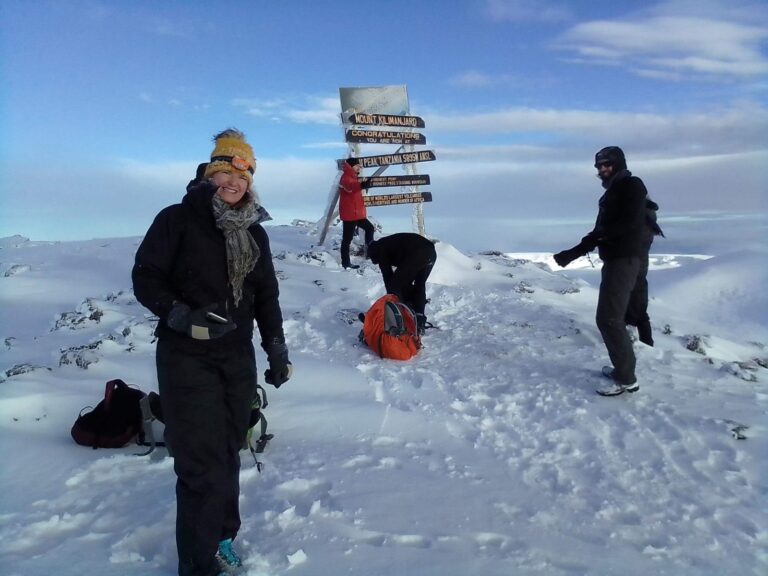
What Happens If You Lose Your Passport In Moshi? Guide
Losing your passport in Moshi, Tanzania, while on safari or climbing Kilimanjaro can be stressful. This guide outlines the immediate steps, required documents, embassy procedures, and...
View package details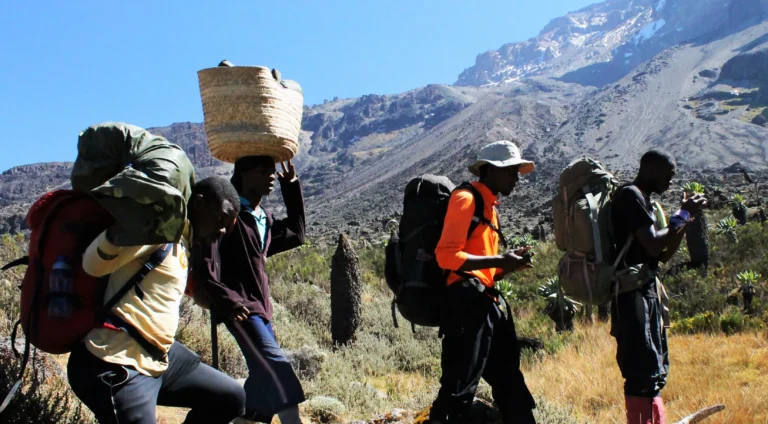
Kilimanjaro Safari Before Rejoining Your Climbing Group | Top Guide Adventures
Combining a safari with your Kilimanjaro climb is a classic Tanzanian adventure. Discover how to seamlessly integrate a wildlife safari experience before meeting your climbing group for the...
View package details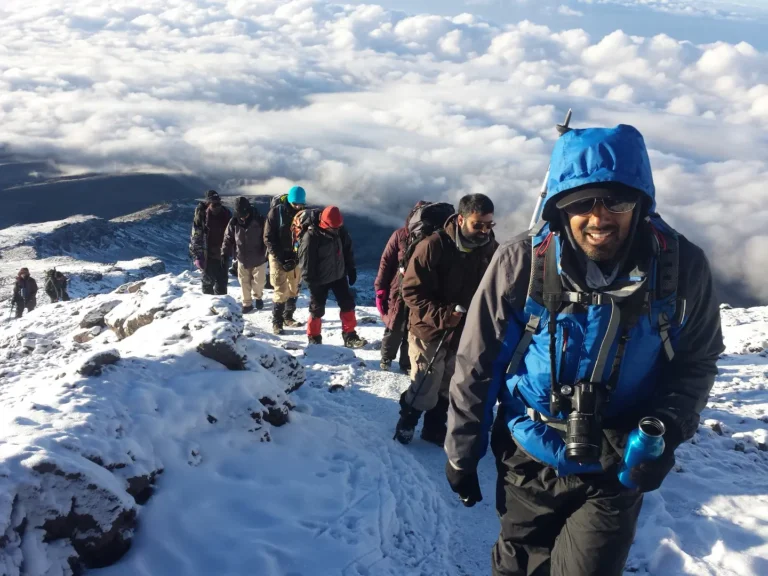
Kilimanjaro Bike, Hike And Safari Package Guide
Discover the ultimate Kilimanjaro Bike, Hike, and Safari package, a unique adventure combining the thrill of trekking Africa's highest peak with exhilarating cycling and iconic wildlife...
View package details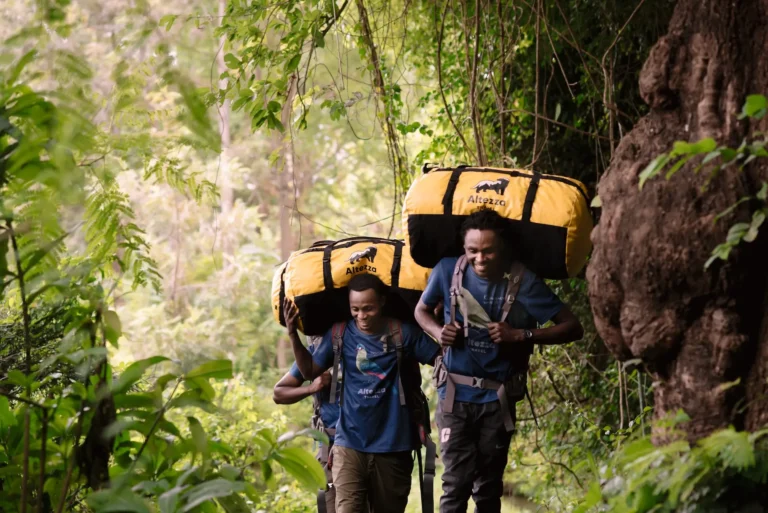
Kilimanjaro Marathon And Serengeti Safari: The Ultimate Tanzania Adventure
Experience the thrill of conquering Mount Kilimanjaro and the wonder of a Serengeti safari in one epic Tanzanian journey. This guide details how to combine the Kilimanjaro Marathon with an...
View package details
Kilimanjaro Fun Run And Safari Package Guide
Experience the thrill of a Kilimanjaro Fun Run followed by an incredible Tanzania safari. Top Guide Adventures offers comprehensive packages blending adventure and wildlife exploration for...
View package detailsNo related package matches those filters. Clear one or more filters to see the other topic-matched options.



