
A 1-day Mto wa Mbu tuk-tuk experience offers an intimate and authentic exploration of a vibrant Tanzanian village, typically starting and ending in Arusha or Karatu. This guided tour utilizes a motorized tuk-tuk (bajaj) to navigate the village’s diverse ethnic communities, banana plantations, and local markets, providing direct interaction with residents and a firsthand look at daily life, traditional crafts, and agricultural practices, making it an ideal cultural day trip for travelers seeking a genuine connection with Tanzania’s people and landscapes, especially for planning in the 2026-2027 travel seasons.


Understanding the 1-Day Mto wa Mbu Tuk-Tuk Adventure
The allure of a 1-day Mto wa Mbu tuk-tuk experience lies in its unique approach to cultural tourism. Unlike larger, more structured tours, this adventure prioritizes personal connection and authentic discovery. Mto wa Mbu, meaning ‘Mosquito River’ in Swahili, is a fascinating settlement situated between the Great Rift Valley and the northern safari circuits, close to Lake Manyara National Park. Its distinction comes from being a melting pot of over 120 different Tanzanian tribes, each contributing to the village’s rich cultural mix. This tour is designed to showcase this diversity through the practical, and often exhilarating, mode of transport: the tuk-tuk.
For 2026 and 2027, this type of in-depth day trip is gaining traction among travelers who want to move beyond the typical safari or beach holiday and engage more deeply with the local way of life. It’s a chance to witness everyday activities, from farming and brewing local beer to craft-making and community interactions, all facilitated by the open-air, agile nature of the tuk-tuk.
Why Choose a Tuk-Tuk for Mto wa Mbu Exploration?
The choice of a tuk-tuk isn’t arbitrary; it’s central to the experience. These three-wheeled vehicles are ubiquitous in many parts of Tanzania and are the lifeblood of local transport. Using a tuk-tuk for your Mto wa Mbu tour means:
- Authenticity: You’re using the same transport method locals rely on daily.
- Accessibility: Tuk-tuks can navigate narrow paths and village tracks that larger vehicles cannot, allowing access to hidden corners.
- Engagement: The open nature of the tuk-tuk facilitates interaction with the environment and people you pass. It’s easy to wave, greet, and observe without feeling detached.
- Sensory Experience: You feel the breeze, hear the sounds of village life, and smell the aromas of cooking fires and fertile earth – a truly multi-sensory journey.
- Local Economy Support: By hiring local drivers and guides, you directly contribute to the community’s economy.
This 1-day Mto wa Mbu tuk-tuk experience is perfect for those staying in nearby lodges or visiting the area between safaris. It offers a refreshing change of pace and a valuable cultural insight, especially relevant for travelers planning their trips for the upcoming 2026-2027 seasons who are looking for unique, ground-level perspectives.
The Itinerary: A Day in the Life of Mto wa Mbu by Tuk-Tuk
While specific itineraries can be customized, a typical 1-day Mto wa Mbu tuk-tuk experience is designed to be comprehensive, covering key aspects of village life within a single day. The journey usually begins in the morning, often from Arusha or Karatu, depending on your accommodation base. The drive to Mto wa Mbu itself is part of the adventure, offering glimpses of rural Tanzanian landscapes.
Morning: Arrival and the Heart of the Village
Upon arrival in Mto wa Mbu, you’ll meet your local guide, who is often a resident of the village. Your tuk-tuk will be ready, and the exploration begins. The first stop is typically the bustling village center, where you can observe the daily commerce and social interactions. Your guide will introduce you to the concept of Mto wa Mbu as a unique settlement where different tribes coexist, often explaining how this diversity influences the local culture, food, and traditions.
* Market Exploration: A visit to the local market is a must. Here, you’ll see a vibrant display of fresh produce, local crafts, and everyday goods. It’s a fantastic opportunity to practice your Swahili greetings and perhaps purchase some unique souvenirs. The guide will help you understand the different items and their significance.
* Banana Plantations: Mto wa Mbu is renowned for its extensive banana plantations. You’ll take your tuk-tuk along the paths that wind through these lush green fields. Learn about the various types of bananas grown, their uses (from food to building materials), and the agricultural techniques employed. A highlight often includes tasting fresh banana juice or locally brewed banana beer.
Midday: Cultural Immersion and Local Crafts
As the day progresses, the focus shifts to deeper cultural immersion and understanding the skills of the local artisans. The tuk-tuk allows for easy movement between different community hubs.
* Craft Workshops: Mto wa Mbu is home to skilled artisans who work with various materials like wood, beads, and recycled items. You’ll visit workshops where you can see these crafts being made, often with opportunities to try your hand at a technique or purchase directly from the artist. This direct interaction is a core part of the 1-day Mto wa Mbu tuk-tuk experience, offering insight into traditional livelihoods.
* Local Cuisine and Lunch: A traditional Tanzanian lunch is usually included. This might be prepared at a local home or a community eatery, offering you a taste of authentic dishes like ugali (maize porridge), pilau (spiced rice), or various stews made with local ingredients. Sharing a meal with locals, facilitated by your guide, is a profound cultural exchange.
* Tuk-Tuk Village Tour: The tuk-tuk itself becomes your mobile viewpoint. You’ll be driven through different neighborhoods, each potentially reflecting the influence of specific ethnic groups. Your guide will point out unique architectural styles, explain social customs, and introduce you to community leaders or elders where appropriate and arranged in advance.
Afternoon: Community Life and Departure
The final hours of the tour are dedicated to understanding the social fabric of Mto wa Mbu and concluding your adventure.
* Community Interactions: Depending on the day’s arrangements, you might visit a local school (if operational and visits are permitted), a women’s group project, or observe traditional farming practices. These are opportunities to see how the community functions and supports itself.
* Local Brewing Demonstration: Learn about the traditional methods of brewing local beverages, such as banana beer or mbege. You might get to sample some, understanding the process and its cultural significance.
* Scenic Tuk-Tuk Ride: The return journey might include a scenic route, perhaps offering views of the Rift Valley escarpment or passing through areas known for specific cultural practices. The tuk-tuk ride back allows for reflection on the day’s experiences.
By late afternoon, you’ll be returned to your accommodation or dropped off at a designated point, filled with memories and a deeper understanding of Tanzanian village life, all thanks to the unique 1-day Mto wa Mbu tuk-tuk experience. For those planning trips in 2026-2027, this tour offers a rich, hands-on cultural encounter.
What to Expect: Practicalities of the Mto wa Mbu Tuk-Tuk Tour
To make the most of your 1-day Mto wa Mbu tuk-tuk experience, understanding the practical aspects is crucial. This includes what to wear, what to bring, the level of physical activity involved, and the typical inclusions and exclusions of such a tour.
What to Wear and Pack
Comfort and respect are key when visiting a local village. The climate in Mto wa Mbu is generally warm to hot, with potential for cooler evenings or rainy spells depending on the season.
- Clothing: Lightweight, breathable clothing is recommended. Cotton or linen fabrics are ideal. Aim for modest attire out of respect for local customs. Long trousers or skirts and tops that cover your shoulders are advisable, especially when visiting homes or community centers. A light jacket or sweater might be useful for early mornings or if the weather turns.
- Footwear: Comfortable walking shoes or sturdy sandals are essential, as you’ll be walking around markets, plantations, and workshops. Avoid high heels or open-toed flip-flops that offer little protection.
- Sun Protection: A wide-brimmed hat, sunglasses, and high-SPF sunscreen are crucial to protect against the strong equatorial sun.
- Insect Repellent: While the name ‘Mto wa Mbu’ suggests mosquitoes, the prevalence can vary. It’s always wise to carry insect repellent, especially for dawn and dusk.
- Camera and Power Bank: You’ll want to capture the vibrant scenes, so bring your camera and ensure you have a portable power bank to keep your devices charged throughout the day.
- Small Backpack: A small, comfortable backpack is useful for carrying your essentials like water, sunscreen, camera, and any small purchases.
- Hand Sanitizer: Useful for maintaining hygiene, especially before meals or after visiting markets.
- Cash: While some tours might include lunch and activities, having some local currency (Tanzanian Shillings, TZS) is recommended for purchasing souvenirs, tipping your guide and driver, or buying extra snacks and drinks. Small denominations are best.
Physical Activity and Accessibility
The 1-day Mto wa Mbu tuk-tuk experience is generally accessible to most fitness levels. The tuk-tuk does most of the traveling between locations. However, there will be walking involved:
- Walking through markets and along village paths.
- Walking through plantations and possibly uneven terrain.
- Standing while observing craft demonstrations or interacting with locals.
If you have significant mobility issues, it’s essential to discuss this with your tour operator in advance. While the tuk-tuk provides a seated experience, the surrounding environment might present challenges. The tour is not typically strenuous, but it requires the ability to walk short distances and stand for periods.
Inclusions and Exclusions
Understanding what your tour package covers is vital for budgeting and preparation. While packages vary, a typical 1-day Mto wa Mbu tuk-tuk experience might include:
Common Inclusions:
- Private tuk-tuk transportation for the day.
- Services of a local, English-speaking guide.
- Visits to markets, banana plantations, and craft workshops.
- Traditional Tanzanian lunch.
- Tastings of local produce (e.g., banana juice, banana beer).
- Community interaction opportunities.
- Pick-up and drop-off from your accommodation in Arusha or Karatu.
Common Exclusions:
- Gratuities for the guide and driver.
- Personal expenses (souvenirs, additional drinks, snacks).
- Travel insurance.
- Any park fees (though Mto wa Mbu itself doesn’t typically have park fees like national parks, some community projects might have small entrance fees not always bundled).
- Costs incurred outside the specified itinerary.
It’s always best to confirm the exact inclusions and exclusions with your tour operator, such as Top Guide Adventures, when booking for your 2026-2027 travel plans. Clear communication ensures a smooth and enjoyable experience.
The Cultural Significance of Mto wa Mbu
Mto wa Mbu is more than just a stopover; it’s a living testament to Tanzania’s incredible ethnic diversity and harmonious coexistence. The village’s unique social structure provides a fascinating case study for understanding cultural integration and adaptation.
A Mosaic of Tribes
The defining characteristic of Mto wa Mbu is its population comprising people from over 120 different Tanzanian tribes. This includes major groups like the Chagga (from Kilimanjaro), Maasai (pastoralists), Hadzabe (hunter-gatherers), Iraqw (farmers), and many others. This incredible mix is not accidental; the village’s strategic location near fertile agricultural land and trade routes has attracted people seeking opportunities.
* Coexistence: What makes Mto wa Mbu remarkable is how these diverse groups live and work together. While each tribe often retains elements of its distinct culture, language, and traditions, a shared identity as ‘Mto wa Mbu residents’ has emerged. This is fostered by intermarriage, shared economic activities, and a general atmosphere of tolerance.
* Cultural Exchange: The 1-day Mto wa Mbu tuk-tuk experience allows visitors to witness this cultural exchange firsthand. You might see a Maasai woman selling crafts alongside a Chagga farmer bringing produce to the market. Your guide, likely from one of the local tribes, can offer insights into the interactions and adaptations that occur daily.
Economic Activities and Livelihoods
The village’s economy is diverse, reflecting the skills and backgrounds of its inhabitants.
* Agriculture: Banana farming is paramount, but other crops like maize, beans, and vegetables are also grown. The fertile volcanic soil and the presence of the ‘Mto wa Mbu’ river contribute to productive farming.
* Craftsmanship: Many residents are skilled artisans, creating wood carvings, beaded jewelry, pottery, and more. These crafts are sold locally and to tourists, forming a significant income source.
* Local Industries: Banana beer brewing is a traditional and popular activity. Small-scale businesses also thrive in areas like tailoring, food vending, and transportation (including the ubiquitous tuk-tuks).
* Tourism: With the growth of tourism in northern Tanzania, Mto wa Mbu has become a destination for cultural tourism, providing employment for guides, drivers, artisans, and those involved in hospitality.
The Role of the Tuk-Tuk in Village Life
The tuk-tuk is more than just a tourist vehicle here; it’s an integral part of the local economy and daily life. It serves as:
- Local Commute: The primary mode of transport for residents within the village and to nearby towns.
- Goods Transport: Used to ferry produce from farms to markets, supplies to shops, and goods between different parts of the village.
- Mobile Market Stalls: Sometimes, tuk-tuks are adapted to carry goods for sale, becoming mobile vending units.
- Community Connector: They facilitate movement, allowing people to maintain social ties and engage in economic activities across different parts of the settlement.
Your 1-day Mto wa Mbu tuk-tuk experience, therefore, is not just a tour but a window into a dynamic, multicultural community that thrives on diversity and shared enterprise. Planning for 2026-2027? This cultural immersion offers a unique perspective on Tanzanian life.
Beyond the Tour: Extending Your Mto wa Mbu Experience
While the 1-day Mto wa Mbu tuk-tuk experience provides a fantastic snapshot, the region offers opportunities to deepen your understanding and enjoyment. If you have more time or wish to combine this with other activities, consider these options.
Proximity to Major Attractions
Mto wa Mbu’s location is incredibly advantageous for travelers exploring northern Tanzania.
* Lake Manyara National Park: Famous for its tree-climbing lions, large elephant herds, and diverse birdlife, Lake Manyara is just a short drive from Mto wa Mbu. Many tours combine a morning in Mto wa Mbu with an afternoon game drive in the park.
* Tarangire National Park: Known for its massive elephant population and iconic baobab trees, Tarangire is another excellent safari option nearby.
* Ngorongoro Conservation Area: The world-famous Ngorongoro Crater, a UNESCO World Heritage Site teeming with wildlife, is also within easy reach.
* Arusha and Moshi: These gateway cities offer amenities, cultural sites, and serve as starting points for Kilimanjaro treks or longer safari itineraries.
Combining with Other Day Trips or Activities
For those looking for more than just a single day’s immersion, consider:
- Cultural Heritage Centre (Arusha): Learn more about Tanzanian culture, art, and history.
- Shanga (Arusha): A social enterprise employing people with disabilities to create beautiful crafts and jewelry.
- Maasai Village Visits: While Mto wa Mbu has Maasai residents, visiting a dedicated Maasai boma (village) offers a more focused experience on their traditional pastoralist lifestyle.
- Local Cooking Classes: Extend your culinary exploration by taking a class focused on Swahili or other Tanzanian dishes.
Accommodation Options
If you decide to stay overnight near Mto wa Mbu, you’ll find a range of accommodation:
- Budget Guesthouses: Simple, clean, and affordable options offering a local feel.
- Mid-Range Lodges and Camps: Comfortable lodges often situated amidst natural surroundings, providing good amenities and often beautiful views.
- Luxury Safari Lodges: High-end properties offering premium services, exquisite dining, and exclusive experiences, often overlooking scenic landscapes or near national parks.
Staying overnight allows for a more relaxed pace and the possibility of exploring Mto wa Mbu more deeply or combining it with early morning or late afternoon activities in nearby parks.
Planning for 2026-2027
As you plan your Tanzanian adventure for 2026-2027, remember that booking popular tours and accommodations in advance is highly recommended, especially during peak seasons. The 1-day Mto wa Mbu tuk-tuk experience is a unique cultural highlight that can be seamlessly integrated into a broader itinerary. Whether you are starting or ending a safari, or simply seeking a day of authentic cultural discovery, this tour offers incredible value and insight.
Booking Your 1-Day Mto wa Mbu Tuk-Tuk Experience
To ensure you have a memorable and well-organized 1-day Mto wa Mbu tuk-tuk experience, choosing the right tour operator is key. Top Guide Adventures specializes in creating authentic and personalized Tanzanian travel experiences, including this unique cultural day trip.
Why Book with Top Guide Adventures?
Top Guide Adventures is a Tanzanian-owned company with deep local knowledge and a commitment to providing exceptional service. When you book this tour with us for your 2026-2027 travels, you benefit from:
- Local Expertise: Our guides are from the region, offering unparalleled insights into Mto wa Mbu’s culture, history, and people.
- Authentic Itineraries: We focus on genuine interactions and experiences that go beyond the surface level.
- Support for Local Communities: We ensure that your visit directly benefits the people of Mto wa Mbu through fair wages and support for local businesses and artisans.
- Personalized Service: We tailor tours to your interests and pace, ensuring a comfortable and engaging day.
- Safety and Reliability: We use well-maintained tuk-tuks and experienced, licensed drivers and guides.
How to Inquire and Book
Booking your 1-day Mto wa Mbu tuk-tuk experience is straightforward. We recommend contacting us well in advance, especially if you are planning for the busy 2026 or 2027 travel seasons.
Get Your Custom Quote for 2026-2027
The cost for a 1-day Mto wa Mbu tuk-tuk experience typically depends on the number of people in your group, the specific inclusions, and the starting point (e.g., Arusha or Karatu). We offer competitive pricing for private tours designed for individuals, couples, families, or small groups.
For a personalized quote and to discuss your itinerary for 2026-2027, please reach out to us:
- WhatsApp: +255616946642
- Email: topguideadventures@gmail.com
- Backup Email: info@topguideadventures.com
We are happy to answer all your questions and help you craft the perfect cultural day trip.
Testimonials and Reviews
Don’t just take our word for it. Travelers who have experienced our tours often share their positive feedback. For example, reviews on platforms like TripAdvisor highlight our commitment to authentic experiences and customer satisfaction. We aim to provide unforgettable adventures that showcase the best of Tanzania, ensuring that your 1-day Mto wa Mbu tuk-tuk experience is a highlight of your trip for 2026-2027 and beyond.
Planning Tip for 2026-2027: To secure your preferred dates, especially during popular travel periods like the dry seasons (June-October) or festive holidays, we advise booking at least 3-6 months in advance. This allows us ample time to arrange local guides, drivers, and any specific community interactions you might request.
We look forward to helping you discover the vibrant spirit of Mto wa Mbu through an unforgettable tuk-tuk journey. Contact Top Guide Adventures today to start planning your 2026-2027 Tanzanian cultural adventure!
Check Availability for Your 1-Day Mto Wa Mbu Tuk-Tuk Experience: A Complete Guide For 2026-2027
Ready to compare dates, prices, and the best option for your group? Send the package name and travel month so the team can reply with a clear quote, availability, and what is included.
 1-Day Mto Wa Mbu Cycling Adventure: A Thrilling Tanzanian Experience 2026-2027start a unique 1-Day Mto wa Mbu Cycling Adventure, exploring the heart of Tanzania's rural life. This tour offers a chance to connect with local…View package
 Experience A Half-Day Mto Wa Mbu Village Tour With Top Guide AdventuresExplore the vibrant culture of Mto wa Mbu village on an enriching half-day tour. This experience offers a genuine glimpse into Tanzanian daily…View package
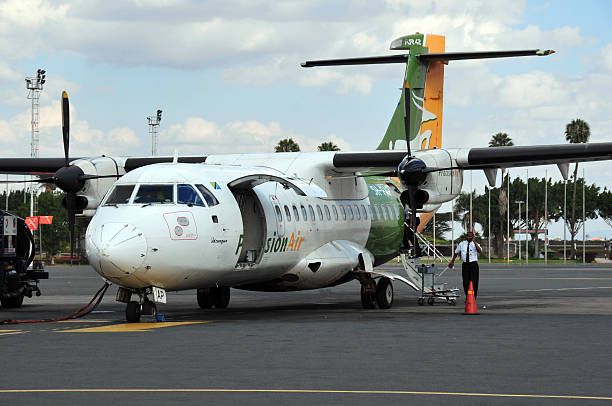 Lake Manyara Night Game Drive: A Unique Tanzania Safari Experience 2026-2027Experience the thrill of a Lake Manyara night game drive, a unique opportunity to witness the park's nocturnal inhabitants. This guide details…View package
 Tarangire Luxury Lodge Safari: Ultimate Tanzania Wildlife Experience 2026-2027Discover the pinnacle of wildlife viewing with a Tarangire Luxury Lodge Safari. This guide details exclusive accommodations, prime game viewing…View package
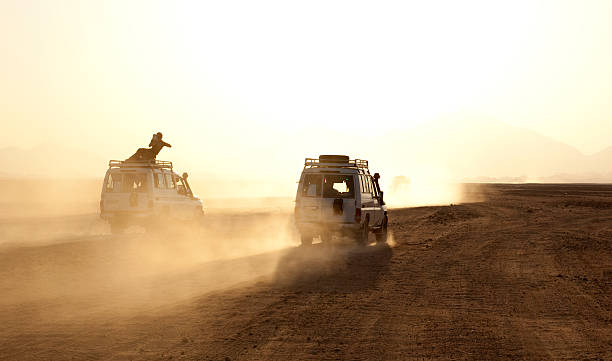 Tarangire Night Game Drive Package: Experience Tanzanias Nocturnal WildlifeExplore the thrill of a Tarangire Night Game Drive Package, offering a unique perspective on Tanzania's wildlife after sunset. This guide…View package
 1-Day Mto Wa Mbu Local Food Tour: A Taste Of Tanzanias Heart 2026-2027start a flavorful journey with our 1-Day Mto wa Mbu Local Food Tour. This in-depth experience introduces you to the authentic tastes and…View package
 Mto Wa Mbu: Your Gateway To Tanzanias Cultural Heart And Natural WondersExplore Mto wa Mbu, a vital stop for travelers in Tanzania. Learn about its rich culture, local life, and its strategic position for safaris and…View packageLake Manyara Family Safari: An Unforgettable Adventure In Tanzania 2026-2027Plan an unforgettable Lake Manyara family safari in Tanzania with Top Guide Adventures. This guide covers wildlife, activities, best times to…View package
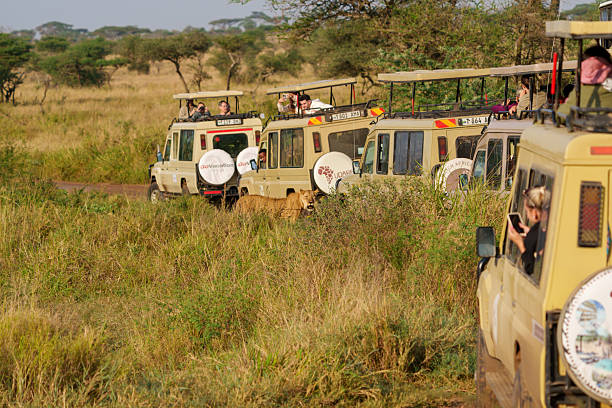 Lake Manyara Tree-Climbing Lion Safari: Your Ultimate Guide 2026-2027A detailed 2026-2027 guide to Lake Manyara Tree-Climbing Lion Safari, with clear planning and booking information for travelers.View packageLake Manyara Canoeing Adventure: Your Ultimate Guide For 2026-2027Discover the tranquility and wildlife encounters of a Lake Manyara canoeing adventure. This guide explores why paddling on this soda lake offers…View package
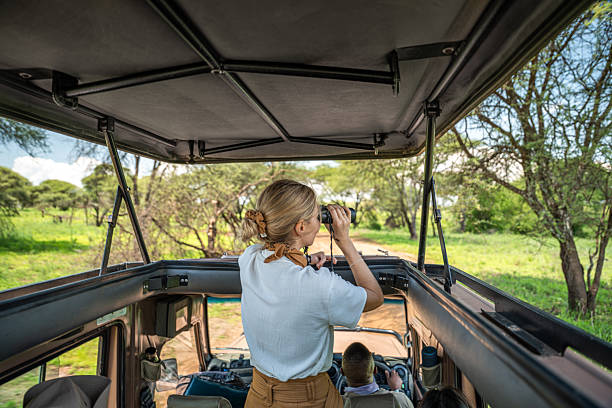 2-Day Lake Manyara And Ngorongoro Safari: Your Essential Tanzania ItineraryDiscover the magic of Tanzania's northern circuit with a concise yet impactful 2-day safari, focusing on the unique ecosystems of Lake Manyara…View package
 2-Day Lake Manyara And Tarangire Tour: Essential Tanzania Safari ItineraryDiscover the magic of a 2-day Lake Manyara and Tarangire tour, a perfect short safari adventure in Tanzania. This itinerary focuses on two…View package


