
A Rongai Route VIP Kilimanjaro climb offers a premium trekking experience on the mountain’s northern side, characterized by its gentler gradient, higher success rates, and the unique advantage of traversing the dry northern plains. VIP services on this route typically include upgraded camping facilities, better quality food, private toilet tents, and a higher guide-to-client ratio, ensuring enhanced comfort and personalized attention throughout your 2026-2027 expedition.

Understanding the Rongai Route: A Unique Kilimanjaro Ascent
The Rongai Route is often considered one of Kilimanjaro’s most scenic and manageable paths. It approaches the summit from the north, offering a different perspective compared to the more popular southern routes. Its key distinguishing feature is its gradual ascent, which allows for better acclimatization, a crucial factor for summit success. This makes it an excellent choice for those who may be concerned about altitude sickness or are first-time high-altitude trekkers. For those planning a Rongai Route VIP Kilimanjaro climb in the 2026-2027 season, understanding its nuances is key to a successful and enjoyable adventure.
Why Choose Rongai for Your Kilimanjaro Climb?
The Rongai Route stands out for several compelling reasons:
- Gradual Acclimatization: The route’s steady incline is a significant advantage for acclimatization, reducing the risk of altitude sickness and increasing your chances of reaching Uhuru Peak.
- Higher Success Rates: Due to the excellent acclimatization profile, climbers on the Rongai Route often report higher success rates compared to some other routes.
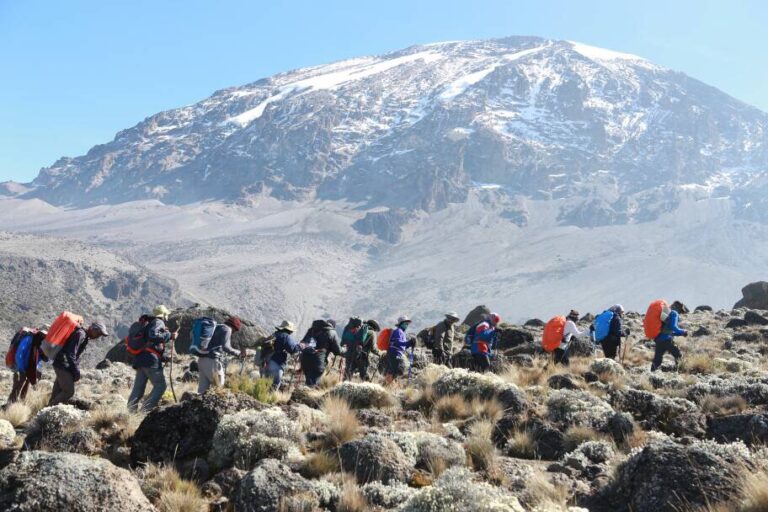
- Scenic Variety: It traverses the dry northern slopes, offering unique views and passing through different ecological zones, including cultivated farmlands and then shifting to semi-arid scrubland before entering the montane forest.
- Less Crowded: While gaining popularity, the Rongai Route is generally less crowded than the Machame or Marangu routes, providing a more tranquil trekking experience.
- All-Weather Option: The northern side is drier, making it a viable option even during the rainy seasons, though some sections can still be affected.
What Does ‘VIP’ Mean on Kilimanjaro? Enhancing Your Rongai Experience
When we talk about a “VIP” Kilimanjaro climb, it signifies a commitment to providing a superior level of service, comfort, and support. This isn’t about luxury hotels; it’s about optimizing your trekking experience on the mountain itself. For a Rongai Route VIP Kilimanjaro climb, this translates into tangible benefits that can make a significant difference to your comfort and overall enjoyment, especially during the challenging summit push.
Key VIP Inclusions for Your Rongai Expedition
Top Guide Adventures focuses on elevating your trek with thoughtful VIP enhancements. While exact inclusions can vary slightly based on specific package details for 2026-2027 bookings, you can generally expect:
- Superior Camping Gear: This includes higher quality, more spacious tents (e.g., 3-4 person tents for 2 people), ensuring better insulation and comfort. You might also find dedicated mess tents that are larger and more comfortable for dining and relaxing.
- Enhanced Meal Quality and Variety: While all our treks provide nutritious and delicious meals, VIP packages often feature a more extensive menu with gourmet options, fresh ingredients, and potentially more frequent hot meals at higher altitudes. Think fresh fruits, varied protein sources, and well-prepared dishes.
- Private Toilet Tents: A private, clean toilet tent is a significant comfort upgrade. It ensures privacy and hygiene, a welcome amenity after a long day of trekking.
- Higher Guide-to-Client Ratio: A lower ratio (e.g., 1:2 or 1:3) means more personalized attention from your guides. They can monitor your health, pace, and needs more closely, providing individual encouragement and support.
- Oxygen Systems: For VIP climbs, access to supplementary oxygen systems can be included as a safety precaution, providing an extra layer of security for managing altitude effects, especially on summit night.
- Hot Water Bottles and Extra Blankets: Small touches that make a big difference in the cold mountain nights.
- Pre- and Post-Climb Comforts: This might include better hotel accommodations in Moshi or Arusha, airport transfers, and celebratory meals.
- Dedicated Porter Support: While all our clients have porters, VIP services might ensure your personal luggage is handled with extra care and delivered promptly.
The Rongai Route Itinerary: A Detailed Look for 2026-2027 Climbers
The Rongai Route is typically offered as a 6 or 7-day climb. For a Rongai Route VIP Kilimanjaro climb, we strongly recommend the 7-day option to maximize acclimatization and comfort, significantly boosting your chances of reaching the summit.
6-Day Rongai Route: A Faster Ascent
This option is more challenging due to the accelerated pace.
- Day 1: Marangu Gate to Mandara Huts (Approx. 1,100m/3,600ft to 2,700m/8,900ft)
- Day 2: Mandara Huts to Horombo Huts (Approx. 2,700m/8,900ft to 3,700m/12,100ft)
- Day 3: Horombo Huts to Kibo Huts (Approx. 3,700m/12,100ft to 4,700m/15,400ft)
- Day 4: Kibo Huts to Summit (Uhuru Peak) and back to Horombo Huts (Approx. 4,700m/15,400ft to 5,895m/19,341ft to 3,700m/12,100ft)
- Day 5: Horombo Huts to Marangu Gate (Approx. 3,700m/12,100ft to 1,900m/6,200ft)
*Note: The 6-day Rongai route typically starts from the north, but the descent is usually via the Marangu route, which is not ideal for acclimatization. The 7-day option is highly preferred.* For clarity, the Rongai route itself is the ascent from the north. The standard Rongai itinerary is 6 or 7 days, starting from Rongai Gate.
7-Day Rongai Route: The Recommended VIP Choice
This is the most recommended itinerary for the Rongai Route, especially for VIP clients, as it provides optimal acclimatization.
Day 1: Rongai Gate (1,950m/6,398ft) to Simba Camp (2,600m/8,530ft)
Trek Time: 3-4 hours
Distance: 7 km / 4.3 miles
Habitat: Cultivation, Forest
Your adventure begins at the Rongai Gate, where you’ll complete registration formalities. The trek starts on the eastern side of Kilimanjaro, passing through cultivated lands and then entering the montane forest. Your first camp, Simba Camp, is situated just outside the forest line, offering initial views of the plains below. VIP comfort: Expect a well-set-up camp with quality tents and your first gourmet meal.
Day 2: Simba Camp (2,600m/8,530ft) to Kikelewa Caves (3,600m/11,811ft)
Trek Time: 6-7 hours
Distance: 11 km / 6.8 miles
Habitat: Forest, Moorland
Today’s trek takes you higher, leaving the forest behind and entering the moorland zone. The path continues to be relatively gentle. Kikelewa Caves offer a scenic camping spot with excellent views. This stage is crucial for acclimatization, and the gradual ascent aids this process. VIP comfort: Enjoy a hot shower if available, a well-prepared dinner, and a comfortable sleeping setup.
Day 3: Kikelewa Caves (3,600m/11,811ft) to Mawenzi Tarn Hut (4,300m/14,108ft)
Trek Time: 4-5 hours
Distance: 6 km / 3.7 miles
Habitat: Moorland, Alpine Desert
This day involves a shorter trek but a significant altitude gain. You’ll trek towards the dramatic landscape of the Mawenzi Tarn, a beautiful lake set against the backdrop of the jagged Mawenzi peak. The alpine desert environment is stark but stunning. Camping near Mawenzi Tarn provides an excellent acclimatization opportunity. VIP comfort: Your guides will ensure you are well-fed and hydrated, with comfortable arrangements at the camp.
Day 4: Acclimatization Day / Optional Short Hike (Mawenzi Tarn Hut area)
Habitat: Alpine Desert
An acclimatization day is vital, especially on VIP treks where comfort and preparation are paramount. You’ll have a chance to rest, hydrate, and perhaps take a short, guided hike to a higher point (e.g., around 4,600m) before returning to Mawenzi Tarn. This ‘climb high, sleep low’ principle is fundamental for altitude adaptation. VIP comfort: Enjoy leisurely meals and dedicated guide attention. This day is often skipped on shorter routes but is invaluable for VIP experiences.
Day 5: Mawenzi Tarn Hut (4,300m/14,108ft) to Kibo Hut (4,700m/15,400ft)
Trek Time: 4-5 hours
Distance: 7 km / 4.3 miles
Habitat: Alpine Desert
Today you trek across the ‘Saddle,’ the desolate alpine desert that lies between Mawenzi and Kibo. The terrain is rocky and exposed. You’ll reach Kibo Hut, the base camp for the summit attempt, in the afternoon. This is your final resting point before the summit push. Early dinner and an early bedtime are essential. VIP comfort: Expect a well-organized camp at Kibo, with ample food and opportunities for rest. Your guides will brief you thoroughly on the summit night plan.
Day 6: Summit Day! Kibo Hut (4,700m/15,400ft) to Uhuru Peak (5,895m/19,341ft) and descend to Horombo Huts (3,700m/12,100ft)
Trek Time: 10-12 hours to summit, 6-8 hours descent
Distance: Approx. 6.5 km / 4 miles ascent, 13 km / 8 miles descent
The most challenging day begins around midnight. You’ll ascend steep scree slopes under the moonlight, heading towards Stella Point (5,756m/18,885ft) and then Uhuru Peak, the roof of Africa. The sunrise from near the crater rim is a spectacular reward. After celebrating at the summit, you’ll descend back to Kibo Hut for a short rest before continuing down to Horombo Huts. VIP comfort: Your guides will be equipped with supplementary oxygen if needed, and the higher guide ratio ensures constant monitoring. Hot drinks and snacks will be provided throughout the ascent.
Day 7: Horombo Huts (3,700m/12,100ft) to Marangu Gate (1,900m/6,200ft)
Trek Time: 5-6 hours
Distance: 20 km / 12.4 miles
Habitat: Moorland, Forest
After breakfast, you’ll complete your descent through the moorland and forest zones back to Marangu Gate. Here, you’ll receive your climbing certificates and celebrate your incredible achievement. A transfer to your hotel in Moshi or Arusha will be provided. VIP comfort: A celebratory meal and comfortable transfer await you.
The 8-Day Rongai Route: Ultimate Acclimatization for VIPs
For the absolute best chance of success and the most comfortable acclimatization, an 8-day itinerary is often the pinnacle of a Rongai Route VIP Kilimanjaro climb. This typically involves adding an extra acclimatization day at a lower camp or breaking down a longer day into two. For instance, an extra night could be spent at Simba Camp or Kikelewa Caves, allowing for more gradual ascent.
- Day 1: Rongai Gate to Simba Camp
- Day 2: Simba Camp to Kikelewa Caves
- Day 3: Kikelewa Caves to Mawenzi Tarn Hut
- Day 4: Acclimatization Day (e.g., hike higher from Mawenzi Tarn, return to sleep)
- Day 5: Mawenzi Tarn Hut to Kibo Hut
- Day 6: Kibo Hut to Summit (Uhuru Peak) and descend to Kibo Hut/Horombo
- Day 7: Descend to Horombo Huts
- Day 8: Horombo Huts to Marangu Gate
This extended itinerary is highly recommended for VIP clients in 2026-2027 who prioritize a comfortable, well-acclimatized, and successful summit attempt.
Comparing Rongai VIP with Other Kilimanjaro Routes
While Rongai offers distinct advantages, it’s helpful to compare it with other popular routes, especially when considering a VIP experience.
Rongai vs. Machame Route
- Machame: Known as the “Whiskey Route,” it’s very popular, scenic, and offers excellent acclimatization on its 7-day itinerary. It’s generally more crowded than Rongai.
- Rongai: Approaches from the north, drier, less crowded, and has a gentler initial ascent. Success rates are comparable on longer itineraries.
- VIP Difference: A VIP Machame climb would focus on enhanced comfort on a very popular, well-trodden path. A VIP Rongai climb offers enhanced comfort on a less crowded, more unique approach. For those seeking solitude and a different perspective, Rongai VIP might be preferred.
Rongai vs. Lemosho Route
- Lemosho: Often considered the most scenic route, offering varied landscapes and excellent acclimatization, especially on its 8-day itinerary. It also approaches from the west.
- Rongai: Approaches from the north. While Lemosho is arguably more visually diverse throughout, Rongai offers unique views of the northern plains and Kenya.
- VIP Difference: Both routes benefit greatly from VIP services. Lemosho’s popularity means VIP services can help manage crowds. Rongai’s remoteness means VIP services ensure essential comforts are readily available.
Rongai vs. Marangu Route
- Marangu: The “Coca-Cola Route,” it’s the only route offering hut accommodation instead of camping. It’s the shortest and often considered the easiest logistically but has lower success rates due to a rapid ascent.
- Rongai: Camping-based, better acclimatization, higher success rates.
- VIP Difference: VIP services on Marangu would focus on enhanced hut comfort and food. VIP services on Rongai focus on superior camping comfort, better food, and more personalized support, which are generally more impactful on a camping trek. For a true mountain experience with comfort, Rongai VIP is generally superior to Marangu, even with VIP upgrades.
Preparing for Your Rongai Route VIP Kilimanjaro Climb in 2026-2027
Successful preparation is as crucial as the climb itself. For a VIP experience, the focus shifts slightly from just enduring to thriving.
Physical Training
While the Rongai Route is known for its gradual ascent, Kilimanjaro is still a serious undertaking. Aim for a training regimen that includes:
- Cardiovascular Fitness: Regular aerobic exercise (running, cycling, swimming) for at least 3-4 times a week.
- Strength Training: Focus on leg strength (squats, lunges) and core stability.
- Hiking: The most important training. Undertake long hikes (4-6 hours) with a weighted backpack on varied terrain, especially with inclines. Aim for at least one strenuous hike per week in the months leading up to your climb.
Altitude Acclimatization Strategies
Even with the Rongai’s gentle slope, altitude sickness is a risk. Your VIP package enhances this, but personal strategies are vital:
- Hydration: Drink plenty of water (3-4 liters per day) starting several days before the climb.
- Pacing: “Pole pole” (slowly, slowly) is the mantra. Your guides will enforce this, but be mindful yourself.
- Avoid Alcohol and Smoking: These can exacerbate altitude effects.
- Healthy Diet: Eat well-balanced meals throughout the trek.
- Listen to Your Body: Report any symptoms of altitude sickness (headache, nausea, dizziness) to your guide immediately.
Essential Gear for a VIP Rongai Climb
While VIP services provide enhanced comfort items, you still need to pack appropriately. Top Guide Adventures provides a detailed packing list, but here are key considerations:
- Layering System: Base layers (moisture-wicking), mid-layers (fleece or down), and an outer shell (waterproof and windproof jacket and trousers).
- Footwear: Broken-in, waterproof hiking boots are essential. Bring comfortable camp shoes.
- Headwear: Warm hat, sun hat, and a balaclava or neck gaiter for summit night.
- Gloves: Warm, waterproof gloves and liner gloves.
- Sleeping Bag: A 4-season sleeping bag rated to at least -15°C (0°F) is recommended. VIP services might provide high-quality sleeping bags, but check with us.
- Headlamp: With extra batteries for summit night and camp use.
- Sun Protection: High SPF sunscreen, sunglasses, and lip balm.
- Personal First-Aid Kit: Including any personal medications.
- Trekking Poles: Highly recommended for stability and reducing knee strain.
Health and Vaccinations
Consult your doctor or a travel clinic 4-6 weeks before your trip regarding recommended vaccinations and malaria prophylaxis. Diamox (acetazolamide) may be prescribed to aid acclimatization. Ensure you have adequate travel insurance that covers high-altitude trekking and medical evacuation.
The Role of Guides and Crew on Your VIP Rongai Trek
Your guides and support crew are the backbone of your Kilimanjaro experience. On a VIP trek, their role is amplified.
Experienced Guides
Our guides are certified by the Kilimanjaro National Park Authority (KINAPA) and possess extensive knowledge of the mountain, its flora, fauna, and crucially, altitude sickness management. For VIP climbs, we ensure a higher ratio of guides to clients, meaning more personalized care and immediate attention to your needs. They are trained in first aid and emergency procedures.
Support Crew
This includes porters who carry the bulk of your gear, cooks who prepare your delicious meals, and assistants. On a VIP trek, the crew is trained to provide an elevated level of service, ensuring your campsite is set up efficiently, your meals are punctual and high-quality, and your overall comfort is prioritized.
Communication and Safety
Guides carry radios and satellite phones for emergencies. The higher guide ratio on VIP treks means that one guide can focus on leading the group while another stays with slower climbers, ensuring constant supervision and support. Safety is paramount, and our VIP protocols include regular health checks and readiness to use supplementary oxygen if required.
Costs and Value of a Rongai Route VIP Kilimanjaro Climb (2026-2027)
The term ‘VIP’ naturally suggests a higher price point, and this is true for a Rongai Route VIP Kilimanjaro climb. However, the value lies in the significantly enhanced experience, comfort, and increased probability of success.
Understanding the Pricing Factors
When comparing prices for 2026-2027, consider these factors that contribute to the cost of a VIP Rongai climb:
- Duration: Longer itineraries (7 or 8 days) are more expensive but offer better acclimatization and thus higher value in terms of success.
- Inclusions: The more comprehensive the VIP inclusions (e.g., better quality tents, private toilets, supplementary oxygen, higher guide ratio, pre/post-climb hotel stays), the higher the cost.
- Group Size: While VIP often implies smaller groups or private climbs, shared group departures can offer cost savings.
- Operator Standards: Reputable operators with proven safety records, fair wages for staff, and quality equipment command higher prices. Top Guide Adventures is committed to ethical trekking practices.
Typical Price Range for VIP Rongai (2026-2027)
For a 7-day Rongai Route VIP Kilimanjaro climb with a reputable operator like Top Guide Adventures, you can expect prices to range from approximately $2,500 to $4,500 USD per person. This range depends heavily on the specific inclusions and level of service. Shorter or less inclusive VIP packages might be slightly lower, while highly customized or ultra-luxury options could be higher.
*Note: These are estimated ranges for 2026-2027. Exact quotes will be provided based on your specific requirements.*
What’s Typically Included in a VIP Rongai Price?
- Park fees (Kilimanjaro National Park, Conservation Fees, Camping Fees)
- All meals on the mountain
- Accommodation in high-quality tents
- Private toilet tent
- Experienced, licensed guides and support crew
- Porters for group equipment and your duffel bag
- Treated drinking water
- All camping equipment (excluding sleeping bag and personal items)
- Transfer from Kilimanjaro International Airport (JRO) to your hotel and back
- 2 nights’ accommodation in a mid-range hotel in Moshi or Arusha (pre and post-climb)
- Summit night emergency oxygen
- Pre-climb briefing
What’s Typically Excluded?
- International flights
- Visa fees
- Travel and medical insurance (mandatory)
- Tips for guides and crew (a significant part of their income)
- Personal climbing gear (rentals available for some items)
- Lunches and dinners in town (unless specified)
- Personal expenses (souvenirs, drinks in town)
- Optional activities
Booking Your Rongai Route VIP Kilimanjaro Climb with Top Guide Adventures for 2026-2027
Choosing the right operator is crucial for a successful and memorable Rongai Route VIP Kilimanjaro climb. Top Guide Adventures is dedicated to providing exceptional experiences with a strong focus on safety, sustainability, and client satisfaction.
Why Choose Top Guide Adventures?
- Expertise: Years of experience guiding clients on Kilimanjaro.
- Safety First: Comprehensive safety protocols, including emergency oxygen and experienced medical guides.
- Ethical Practices: Fair treatment and wages for our guides and porters, ensuring a positive experience for the entire team.
- Quality Equipment: We invest in high-quality camping gear and maintain it meticulously.
- Personalized Service: We tailor our VIP packages to your specific needs and preferences.
- High Success Rates: Our focus on acclimatization, experienced guides, and quality support contributes to excellent summit success rates.
Planning Your 2026-2027 Climb
The best time to climb Kilimanjaro, including the Rongai Route, is during the dry seasons: January to March and June to October. However, the Rongai’s northern aspect makes it a viable option year-round, with slightly higher chances of rain in April, May, and November.
For 2026-2027 Rongai Route VIP Kilimanjaro climb departures, we recommend booking at least 6-12 months in advance, especially if you have specific date preferences or are planning for peak seasons.
Get in Touch
Ready to plan your premium Kilimanjaro adventure? We’re here to help you every step of the way. Contact us for a personalized quote and to discuss your Rongai Route VIP Kilimanjaro climb for 2026-2027.
WhatsApp: +255616946642
Email: topguideadventures@gmail.com
Backup Email: info@topguideadventures.com
Visit our website at www.topguideadventures.com for more information on our offerings, including safaris and other Kilimanjaro routes. Follow us on Instagram @top_guide_adventures for inspiration and updates.
Choosing the Rongai Route with VIP services is an investment in an unforgettable, comfortable, and successful journey to the roof of Africa. Let us guide you to Uhuru Peak in 2026 or 2027.
Check Availability for Rongai Route Vip Kilimanjaro Climb: Your Ultimate Guide 2026-2027
Ready to compare dates, prices, and the best option for your group? Send the package name and travel month so the team can reply with a clear quote, availability, and what is included.
Kilimanjaro Group Pricing By Number Of Climbers In | Top Guide Adventures
Understand how the number of climbers affects Kilimanjaro group pricing for your 2026-2027 adventure. Top Guide Adventures breaks down the cost dynamics, from solo trekkers to large...
View package details
Kilimanjaro Climb With Flexible Payment Options: Your Guide 2026-2027
Discover how Top Guide Adventures makes climbing Mount Kilimanjaro accessible with flexible payment plans, perfect for planning your 2026 or 2027 adventure. This guide details payment...
View package details
Kilimanjaro Climbing Payment Plan: Flexible Options For Your Adventure
Planning your Kilimanjaro climb is an exciting journey. Top Guide Adventures understands that financial flexibility is key. Discover how our Kilimanjaro climbing payment plan options can...
View package detailsKilimanjaro Local Culture Week For Non-Climbers: Experience Tanzanias Heart
Experience the rich cultural mix surrounding Mount Kilimanjaro without the climb. Our Local Culture Week offers non-climbers an unforgettable journey into the heart of Tanzanian traditions...
View package details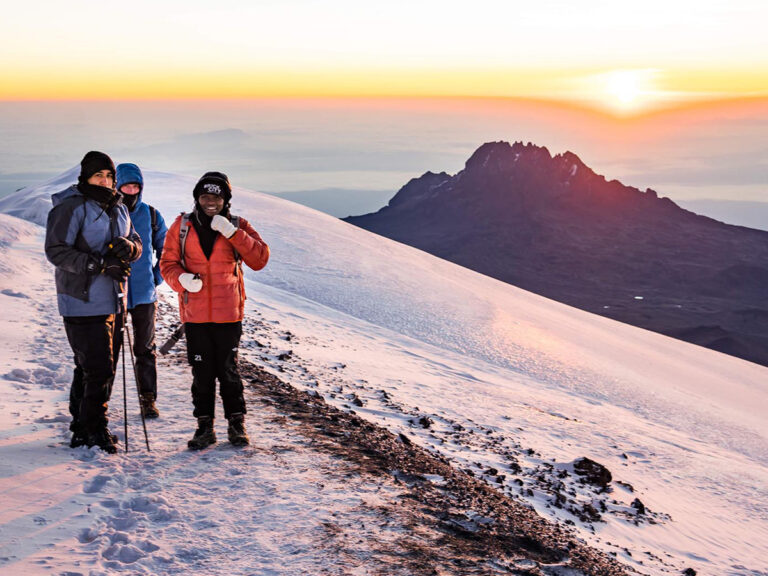
Kilimanjaro Relaxation And Spa Package: Rejuvenate After Your Climb 2026-2027
After conquering Mount Kilimanjaro, a dedicated relaxation and spa package is the perfect way to recover and rejuvenate. Top Guide Adventures provides comprehensive post-climb wellness...
View package details
Kilimanjaro Safari Before Rejoining Your Climbing Group | Top Guide Adventures
Combining a safari with your Kilimanjaro climb is a classic Tanzanian adventure. Discover how to seamlessly integrate a wildlife safari experience before meeting your climbing group for the...
View package details
Kilimanjaro Airport And Hotel Support For Climbing Groups | Top Guide
Top Guide Adventures provides comprehensive support for Kilimanjaro climbing groups, from arrival at Kilimanjaro International Airport (JRO) to comfortable hotel stays before and after your...
View package detailsMeet Your Climber At Mweka Gate Package: Kilimanjaro Descent Guide 2026-2027
This package is designed for trekkers descending Kilimanjaro via the Mweka Gate, ensuring a smooth and supported transition after their summit. It covers essential post-climb services and...
View package details
Kilimanjaro Cultural Tour While Friends Climb: Experience Tanzanias Heart
Discover the perfect way to experience Tanzania's vibrant culture and landscapes while your friends conquer Mount Kilimanjaro. This guide explores in-depth cultural tours designed to...
View package details
Kilimanjaro Support Package For Mixed-Ability Groups: Expert Guidance Climbs
Top Guide Adventures offers specialized Kilimanjaro support packages designed for mixed-ability groups, ensuring a safe and successful climb for everyone in 2026 and 2027. This...
View package details
Kilimanjaro Foothills Tour For Non-Climbers: Experience The Majesty Without
Explore the impressive Kilimanjaro foothills on a specialized tour designed for those who prefer to experience the mountain's grandeur without undertaking a strenuous climb. Discover local...
View package details
Kilimanjaro Climb For Travellers With Chronic Conditions: Your Expert Guide
Climbing Mount Kilimanjaro with a chronic condition is achievable with meticulous planning and the right guidance. This comprehensive guide addresses the unique considerations for travelers...
View package detailsNo related package matches those filters. Clear one or more filters to see the other topic-matched options.



