
The FIFA World Cup is the pinnacle of international football, bringing together national teams from across the globe to compete for the ultimate prize. For the 2026 men’s tournament, a record 48 teams will participate across North America (USA, Canada, Mexico), with qualification processes underway and final tournament fixtures to be announced closer to the event, expected to begin in June 2026. Predictions for the 2026-2027 period focus on traditional powerhouses like Brazil, Argentina, France, and Germany, alongside emerging strong contenders and the complex dynamics of a expanded format. The 2027 Women’s World Cup, with host nation yet to be decided, will also feature an expanded field, continuing the sport’s global growth.
Understanding the FIFA World Cup: A Global Spectacle
The FIFA World Cup, held every four years, is more than just a sporting event; it’s a cultural phenomenon. It unites billions of fans, sparks national pride, and creates unforgettable moments. As we look towards the 2026 FIFA World Cup and the subsequent 2027 FIFA Women’s World Cup, understanding the tournament’s structure, the teams involved, and what to expect from the fixtures and outcomes is key for any football enthusiast.
This guide aims to provide a deep look at the world of the FIFA World Cup, focusing on the upcoming editions. We’ll explore the qualification pathways, the expansion of the tournament, how fixtures are determined, and offer insights into potential predictions, all while keeping in mind the global nature of the sport and the anticipation building for these major events.
The Road to the 2026 FIFA World Cup: An Expanded Journey
The 2026 FIFA World Cup marks a significant milestone with its expansion from 32 to 48 participating teams. This monumental shift is designed to include more nations, increase global representation, and potentially unearth new footballing superpowers. The tournament will be jointly hosted by three North American nations: the United States, Canada, and Mexico, making it the first World Cup to be shared by three countries and the first to feature 48 teams.
The qualification process for the 2026 World Cup is already in motion, with confederations around the world conducting their respective tournaments. Each confederation has been allocated a specific number of spots, with some additional inter-confederation play-off slots available. The exact number of slots per confederation is as follows:
- AFC (Asia): 8 direct slots + 1 play-off slot
- CAF (Africa): 9 direct slots + 1 play-off slot
- CONCACAF (North, Central America and Caribbean): 6 direct slots (including hosts) + 2 play-off slots
- CONMEBOL (South America): 6 direct slots + 2 play-off slots
- OFC (Oceania): 1 direct slot + 1 play-off slot
- UEFA (Europe): 16 direct slots
This expansion means that more nations have a realistic chance of qualifying than ever before, promising a more diverse and potentially unpredictable tournament. The qualification matches are spread over several years, culminating in the final draw to determine the group stages.
Qualification Pathways and Key Matches
The journey for teams to reach the World Cup is often as dramatic as the finals themselves. Each confederation has its unique format:
- CONMEBOL typically features a single, grueling league format where all ten teams play each other home and away, making it one of the most competitive qualification zones.
- UEFA has a mix of group stages and play-offs, with traditional European giants often facing stiff challenges from emerging nations.
- CAF qualification often involves multiple rounds, testing the endurance and depth of African teams.
- AFC and CONCACAF also employ multi-stage qualifying processes, reflecting the growing number of competitive teams in these regions.
As we approach 2026, significant qualification matches will be taking place across these confederations. Fans will be keenly watching powerhouse nations as well as hopeful underdogs fighting for their chance on the world stage.
Anticipating the 2026 FIFA World Cup Fixtures
The scheduling of World Cup fixtures is a complex logistical puzzle. For the 2026 tournament, with matches spread across three host nations and 48 teams, the complexity is amplified. The final draw, which determines the initial group stage matchups, typically takes place a year or so before the tournament begins. This draw is a major event, eagerly awaited by fans, media, and participating nations.
Key considerations for fixture scheduling include:
- Geographical Distribution: Minimizing excessive travel for teams and fans between host cities.
- Match Timings: Ensuring appropriate kick-off times to cater to global television audiences and player welfare.
- Rest Periods: Guaranteeing sufficient rest days between matches for competing teams.
- Opening and Closing Matches: Assigning prestigious slots for the opening ceremony and final.
With 104 matches scheduled in the 48-team format, the tournament will be significantly longer than previous editions, requiring careful planning to maintain excitement and flow throughout.
Potential Group Stage Scenarios
While the exact fixtures are unknown, we can anticipate certain scenarios. The expansion means that groups will likely be structured differently, potentially with groups of three or four teams. The play-off system will also determine the final teams entering the tournament, adding an element of suspense right up until the draw.
For fans planning to attend, understanding the potential fixture list is crucial for travel arrangements. Early group stage matches might be concentrated in specific host cities, while later knockout rounds could see teams traveling across North America.
FIFA World Cup Predictions: Who Will Triumph in 2026?
Predicting the winner of a FIFA World Cup is a popular pastime, and the 2026 edition promises to be particularly intriguing due to the expanded format and new host nations. Several factors influence predictions:
- Historical Performance: Nations with a strong World Cup pedigree are always contenders.
- Current Form: Recent performances in continental championships and qualification matches.
- Squad Depth and Talent: The availability of world-class players and emerging stars.
- Coaching and Tactics: The influence of experienced managers and tactical innovations.
- Tournament Format: The expanded 48-team format could introduce more unpredictability.
Contenders for the 2026 Men’s World Cup
Based on current trends and historical success, several nations are consistently tipped for glory:
- Brazil: Always a favorite, with a rich history and a constant stream of exceptional talent. Their ability to blend flair with defensive solidity makes them a perennial threat.
- Argentina: The reigning champions, led by Lionel Messi (though his participation in 2026 is uncertain), will aim to defend their title. Their current squad possesses a strong blend of experience and youth.
- France: Consistently one of the strongest European nations, with immense depth in talent across all positions. Their physical prowess and tactical discipline make them formidable opponents.
- Germany: A nation known for its tournament resilience and tactical efficiency. Despite recent struggles, they have the infrastructure and winning mentality to bounce back.
- Spain: With a generation of technically gifted midfielders and a developing attacking force, Spain could be strong contenders if they find the right balance.
- England: Possessing a golden generation of attacking talent, England will be looking to build on recent tournament successes and finally lift the trophy.
Beyond these traditional giants, emerging teams from Africa (like Morocco, who reached the semi-finals in 2022) and Asia, as well as strong European sides like Portugal, the Netherlands, and Italy (if they qualify), could make significant impacts.
The Impact of the 48-Team Format on Predictions
The expansion to 48 teams introduces a new layer of unpredictability. More teams mean more potential upsets in the early stages. Teams that might have struggled to qualify in the past now have a greater opportunity, potentially leading to exciting narratives and unexpected performances. This could also mean that traditional favorites might face tougher challenges from less experienced opponents earlier in the tournament.
The FIFA Women’s World Cup: Growth and Future Prospects (2027)
The FIFA Women’s World Cup has seen exponential growth in popularity and competitiveness. The 2027 edition is set to continue this trend, with FIFA recently approving an expansion of the Women’s World Cup from 24 to 32 teams, mirroring the men’s tournament’s recent expansion. This decision underscores the sport’s global development and aims to provide more opportunities for nations to compete on the world stage.
The host nation(s) for the 2027 Women’s World Cup are yet to be officially decided, with several strong bids expected. Potential hosts could include Brazil, a joint bid from Belgium, the Netherlands, and Germany, or a bid from Mexico and the United States. The selection of a host will significantly influence the tournament’s atmosphere and logistical planning.
Qualification and Key Teams for 2027
Similar to the men’s tournament, qualification for the 2027 Women’s World Cup will be determined through continental competitions. The expansion to 32 teams will allow for more equitable representation across confederations. We can expect traditional powerhouses to remain strong:
- United States: Four-time winners and a dominant force in women’s football.
- Germany: Two-time winners with a strong domestic league and a history of success.
- England: The reigning European champions, demonstrating consistent improvement on the world stage.
- Spain: With a technically gifted squad and strong club teams, Spain is a growing contender.
- France: Always a threat, with talented players and a strong tactical approach.
Nations like Australia, Canada, Sweden, and the Netherlands will also be key contenders. The expanded format will also provide opportunities for teams from Asia, Africa, and South America to shine, potentially leading to new stars and memorable upsets.
Predictions for the 2027 Women’s World Cup
Predicting the winner of the Women’s World Cup is challenging due to the increasing parity among top teams. However, the experience and talent pool of nations like the USA, Germany, and England often place them at the forefront of predictions. The tactical evolution of teams like Spain and France means they cannot be discounted. The host nation, if they have a strong team, often receives a significant boost from home support.
Planning Your FIFA World Cup Adventure: Tips for 2026-2027
Attending a FIFA World Cup is a dream for many football fans. With the 2026 World Cup in North America and the 2027 Women’s World Cup on the horizon, planning ahead is essential. Here are some tips for making the most of your experience:
1. Secure Tickets Early
World Cup tickets are in extremely high demand. FIFA typically releases tickets in phases through official channels. Be prepared for ballot systems and strict purchase limits. For the 2026 World Cup, with matches spread across three countries, fans might need to decide which host cities or specific matches they wish to attend.
2. Accommodation and Travel
Book flights and accommodation well in advance. Host cities will experience a surge in demand, leading to higher prices and limited availability. Consider staying in cities near the main host venues, or explore options in neighboring towns if primary locations are fully booked. The extensive nature of the 2026 World Cup across the USA, Canada, and Mexico means travel between matches could involve significant distances.
3. Understand the Fixture Schedule
Once the official fixtures are released, study them carefully. This will help you plan your itinerary, decide which matches to attend, and factor in travel time between venues. The expanded format means the tournament will run for an extended period, allowing for more flexibility in planning.
4. Visa Requirements and Documentation
Ensure you have the necessary travel documents, including passports and any required visas for the host countries. For the 2026 World Cup, travelers may need to navigate entry requirements for the USA, Canada, and Mexico, depending on their itinerary.
5. Embrace the Fan Experience
Beyond the matches, the World Cup offers a vibrant fan culture. Explore fan zones, experience the local culture of the host cities, and connect with fellow supporters from around the globe. The unique atmosphere of a World Cup is an experience in itself.
Leveraging Local Expertise for Your Travel Plans
While the FIFA World Cup is a global event, planning a trip to a specific region requires local knowledge. If you’re considering combining your passion for football with an adventure in East Africa, Top Guide Adventures can help you craft unique experiences. Imagine experiencing the thrill of a World Cup match and then embarking on a safari in Tanzania or climbing Mount Kilimanjaro.
While we don’t directly organize World Cup ticket packages, we specialize in creating unforgettable travel itineraries in Tanzania. If you’re looking to extend your trip or plan a separate adventure, we offer:
- Tanzania Safaris: Explore the Serengeti, Ngorongoro Crater, and Tarangire National Park.
- Kilimanjaro Treks: Conquer Africa’s highest peak via routes like Machame.
- Zanzibar Holidays: Relax on pristine beaches and explore historical Stone Town.
- Custom Travel Experiences: Tailored itineraries to suit your interests and budget.
Our team is dedicated to providing exceptional service and creating memorable journeys. For inquiries about safaris, treks, or custom tours in Tanzania, please feel free to contact us:
- WhatsApp: +255616946642
- Email: topguideadventures@gmail.com
- Backup Email: info@topguideadventures.com
We can help you plan the perfect post-World Cup adventure or a separate Tanzanian exploration, ensuring a trip filled with discovery and excitement. For shared safari departures and dates, explore our offerings at Shared Tanzania Safaris. If Kilimanjaro is on your mind, check out Machame Route Kilimanjaro Group Departures.
The Evolution of the World Cup: From 32 to 48 Teams
The decision to expand the FIFA World Cup to 48 teams for 2026 is a significant shift in the tournament’s history. Historically, the tournament featured 16 teams, then expanded to 24 in 1982, and finally to 32 in 1998. Each expansion has aimed to increase global participation and reflect the growing popularity of football worldwide.
The 48-team format for 2026 will see 12 groups of four teams, with the top two from each group and the eight best third-placed teams advancing to the knockout stage of 32. This structure aims to maintain a balance between inclusivity and competitive integrity. The expanded Women’s World Cup to 32 teams for 2027 follows a similar logic, promoting greater diversity and opportunity.
Impact on Football Development
Proponents of the expansion argue that it will foster football development in nations that previously had little chance of qualifying. Increased investment, greater media attention, and the dream of participation can inspire a new generation of players and fans in these countries. However, critics raise concerns about potential dilution of quality and the logistical challenges of managing a larger tournament.
Global Fan Engagement
The expanded format means more nations will be represented, potentially increasing fan engagement globally. Families and communities in countries that have never experienced a World Cup before will now have a chance to cheer on their national teams, creating a more universally celebrated event. The 2026 World Cup, hosted across North America, provides a unique opportunity for fans from different continents to experience the tournament firsthand.
Key Factors Influencing World Cup Predictions
Predicting the outcome of a FIFA World Cup is a complex art. Several variables come into play, making it a challenging yet exciting endeavor. For the 2026 and 2027 tournaments, these factors will be crucial:
1. Player Development and Emerging Talent
The rise of new stars is a constant in football. Nations that invest heavily in youth development often produce a stream of talented players who can make a significant impact. Keep an eye on players emerging from strong domestic leagues and academy systems in countries like France, Brazil, England, and Spain, but also look for breakthroughs from less traditional footballing nations.
2. Tactical Innovations
Football tactics are constantly evolving. The influence of coaches who implement innovative strategies, such as high pressing, possession-based play, or effective counter-attacking systems, can significantly shape a team’s performance. The 2026 World Cup might see new tactical trends emerge.
3. Host Nation Advantage
While the 2026 World Cup is spread across three countries, teams playing in their home confederation or familiar conditions often benefit. The roar of the home crowd, familiarity with the climate, and reduced travel fatigue can provide a significant edge. For the 2027 Women’s World Cup, the chosen host nation will undoubtedly feel this advantage.
4. Momentum and Psychology
In knockout tournaments, momentum and team psychology are vital. A team that builds confidence through early wins, manages pressure effectively, and maintains a strong team spirit can go far. Conversely, early setbacks or internal issues can derail even the strongest squads.
5. The Draw and Path to the Final
The luck of the draw plays a role. A favorable group stage draw and a less challenging path through the knockout rounds can significantly impact a team’s chances of reaching the final stages. The 48-team format for 2026 might create more varied paths to the final.
Considering the 2026 FIFA World Cup Schedule and Venues
The 2026 FIFA World Cup will be held across 16 cities in the United States, Canada, and Mexico. This vast geographical spread presents both opportunities and challenges for fans planning to attend.
Host Cities and Stadiums
The selected host cities include:
- United States: Atlanta, Boston, Dallas, Houston, Kansas City, Los Angeles, Miami, New York/New Jersey, Philadelphia, San Francisco Bay Area, Seattle.
- Canada: Toronto, Vancouver.
- Mexico: Guadalajara, Mexico City, Monterrey.
These cities boast world-class stadiums, many of which have hosted major sporting events previously. The final is scheduled to be held at MetLife Stadium in New Jersey, home to the NFL’s New York Giants and Jets.
Logistics of Following Teams
Following a specific team across multiple matches in 2026 could involve significant travel. For example, a team playing its group stage games in Vancouver, then a Round of 32 match in Dallas, and a Round of 16 game in Atlanta would require considerable planning. Fans will need to decide whether to base themselves in one region or follow their team’s progress across North America.
The 2027 Women’s World Cup Host Decision
The anticipation for the 2027 Women’s World Cup host announcement is high. The decision will shape the tournament’s location, scale, and impact. Potential bids from South America (Brazil) or joint bids from European nations (Belgium, Netherlands, Germany) or North America (Mexico, USA) suggest a competitive selection process. The chosen host will gain significant exposure and investment in women’s football.
Connecting Football Fandom with Tanzanian Adventures
While the FIFA World Cup captures the global imagination, many travelers seek to combine their passion for sport with unique cultural and natural experiences. Tanzania offers an unparalleled destination for such adventures, providing a stark yet exhilarating contrast to the intensity of a football tournament.
Imagine the thrill of witnessing a World Cup match and then transitioning to the serene beauty of the Serengeti or the majestic presence of Mount Kilimanjaro. Top Guide Adventures specializes in creating these kinds of memorable journeys. Our expertise lies in showcasing the best of Tanzania:
- Wildlife Safaris: Experience the Great Migration, spot the Big Five, and explore diverse ecosystems. Our safari tours are designed for maximum wildlife viewing and comfort.
- Cultural Experiences: Engage with local communities, learn about Maasai traditions, and explore historical sites.
- Adventure Activities: From trekking Kilimanjaro to exploring Zanzibar’s spice farms, we offer a range of activities for every type of traveler.
For those planning a trip to Tanzania around the 2026-2027 World Cup period, we can help you design an itinerary that complements your football interests. Whether you’re looking for a relaxing break after a tournament or an adventurous prelude, our team is ready to assist.
Get in touch to start planning your Tanzanian adventure:
- WhatsApp: +255616946642
- Email: topguideadventures@gmail.com
- Website: Top Guide Adventures
We pride ourselves on creating personalized travel experiences that capture the spirit of Tanzania. Explore our shared group departures for safaris and Kilimanjaro climbs to find convenient options for your travel dates.
The Future of the FIFA World Cup: Sustainability and Legacy
As FIFA looks towards the 2026 and 2027 tournaments, there’s an increasing focus on sustainability and creating a lasting legacy. The expanded format and multi-nation hosting for 2026 present unique environmental and social challenges.
Environmental Considerations
Organizers are tasked with minimizing the environmental footprint of such a large-scale event. This includes managing waste, reducing carbon emissions from travel, and ensuring sustainable use of resources in host cities. The geographical spread of the 2026 World Cup requires robust transportation and logistics planning to mitigate environmental impact.
Social and Economic Impact
World Cups often aim to leave a positive social and economic legacy in host countries. This can include infrastructure development, job creation, and promoting grassroots football. For the 2026 tournament, the focus will be on how the event benefits communities across the USA, Canada, and Mexico. Similarly, the 2027 Women’s World Cup is expected to provide a significant boost to women’s sports development in its host nation.
Conclusion: The Excitement Builds for 2026-2027 FIFA World Cups
The FIFA World Cup remains the ultimate test of international football prowess, and the upcoming 2026 Men’s World Cup and 2027 Women’s World Cup promise to be landmark events. With an expanded field of 48 teams for the men’s tournament hosted across North America, and the growing stature of the women’s game leading into its 32-team edition, the stage is set for unprecedented global participation and thrilling competition.
While precise fixtures and definitive predictions are still taking shape, the perennial contenders like Brazil, Argentina, France, and the USA remain strong favorites. However, the expanded formats offer greater opportunities for emerging nations to make their mark, ensuring that the FIFA World Cup teams, fixtures, and predictions will be a source of constant fascination leading up to and throughout these tournaments.
For football fans looking to combine their passion with incredible travel experiences, consider exploring the wonders of Tanzania. Top Guide Adventures offers bespoke safari, trekking, and holiday packages. To discuss your dream Tanzanian adventure, contact us via WhatsApp +255616946642 or email us at topguideadventures@gmail.com / info@topguideadventures.com. We are ready to help you plan an unforgettable journey.
Check Availability for Fifa World Cup Teams, Fixtures, And Predictions For 2026-2027
Ready to compare dates, prices, and the best option for your group? Send the package name and travel month so the team can reply with a clear quote, availability, and what is included.
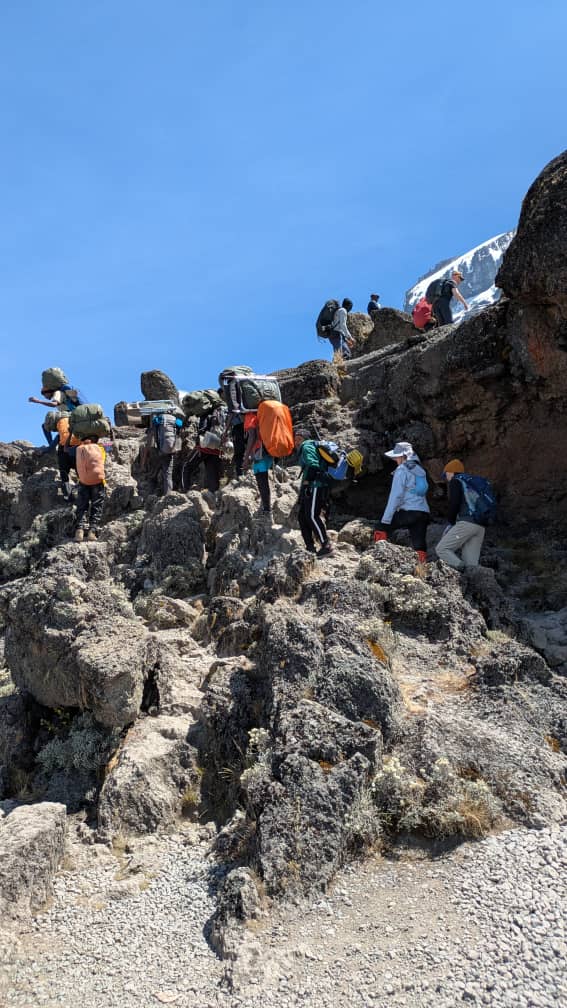 Vip Kilimanjaro Climbing Package: Luxury Expeditions In 2026-2027Discover the ultimate Kilimanjaro adventure with a VIP package from Top Guide Adventures. This guide details what to expect, including premium…View package
 Ultimate Luxury Kilimanjaro Trekking Experience For 2026-2027Elevate your Kilimanjaro adventure with an ultimate luxury trekking experience. Discover the finest routes, accommodations, and services…View package
 Bespoke Kilimanjaro Climb With Private Guide GuideDiscover the unparalleled experience of a bespoke Kilimanjaro climb with a private guide. Top Guide Adventures crafts custom treks, offering…View package
 Private Luxury Kilimanjaro Climb With Vip Services: Your Ultimate SummitDiscover the unparalleled experience of a Private Luxury Kilimanjaro Climb with VIP Services. This guide details how Top Guide Adventures…View package
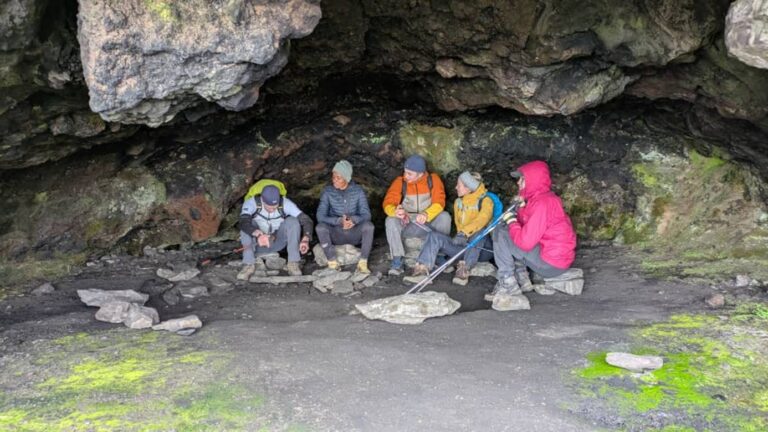 Vip Kilimanjaro Summit Expedition To Uhuru Peak GuideDiscover the ultimate VIP Kilimanjaro Summit Expedition to Uhuru Peak. This comprehensive guide covers everything from route selection and…View package
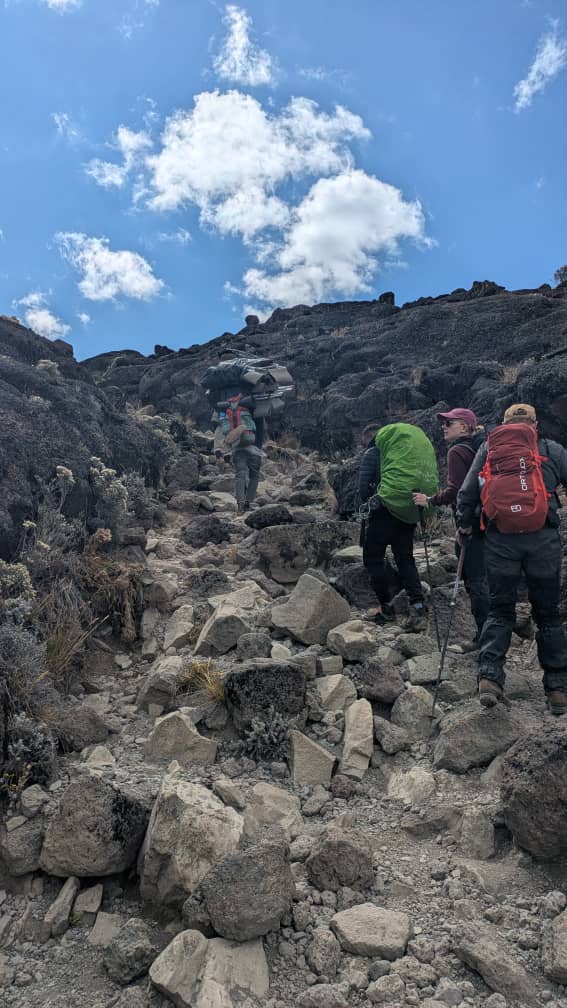 High-End Umbwe Route Kilimanjaro Expedition For Climbers 2026-2027The Umbwe route offers Kilimanjaro's most direct and challenging path to the summit. This guide details a high-end expedition for 2026-2027…View package
 Kilimanjaro Private Climb With Vip Services GuideDiscover the pinnacle of Kilimanjaro trekking with a private climb enhanced by VIP services. This guide details the exclusive benefits, tailored…View package
 Private Kilimanjaro Climb With Medical Support: Your Ultimate Guide 2026-2027A private Kilimanjaro climb with medical support offers a tailored, safer experience for trekkers. This guide details how to arrange this…View packageSmall Group Luxury Kilimanjaro Trek: Your Ultimate Guide 2026-2027Discover the unparalleled experience of a Small Group Luxury Kilimanjaro Trek for your 2026-2027 adventure. This guide explores the benefits…View packagePrivate Kilimanjaro Summit Tour For Two: Your Ultimate Adventure 2026-2027Experience the magic of climbing Mount Kilimanjaro with a personalized private tour designed for two. Top Guide Adventures provides expert…View package


