
Managing feminine hygiene effectively during a Kilimanjaro climb is crucial for comfort, health, and overall success. Trekkers should prepare by packing appropriate menstrual products (like tampons, pads, or menstrual cups), biodegradable disposal bags, antiseptic wipes, and hand sanitizer. Planning for different stages of your cycle, understanding waste management protocols on the mountain, and communicating with your guide are key strategies for a smooth experience on your 2026-2027 Kilimanjaro adventure.


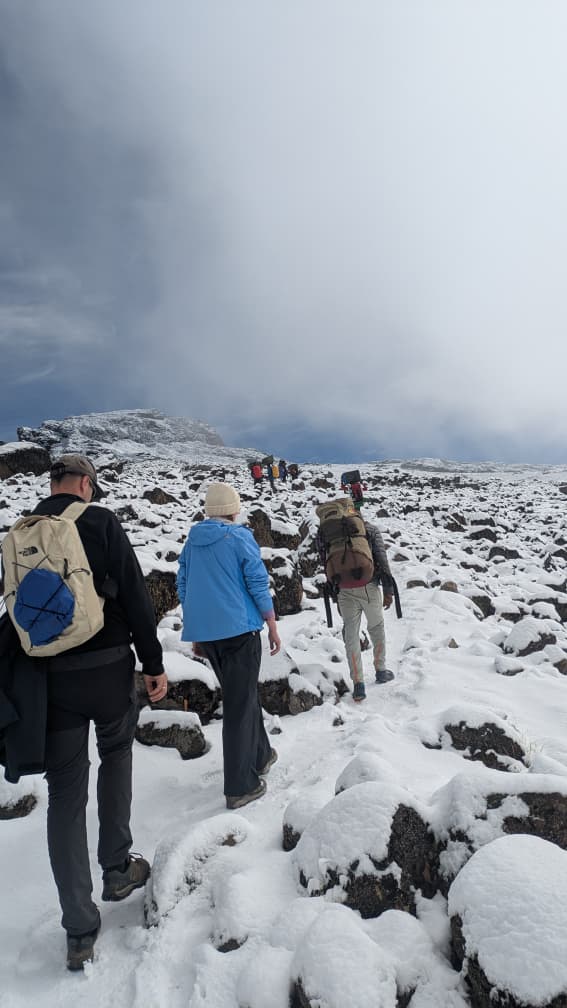
Preparing for Your Kilimanjaro Climb: Feminine Hygiene Considerations
Climbing Mount Kilimanjaro is an incredible achievement, a journey that tests physical endurance and mental fortitude. For female trekkers, an often-overlooked but vital aspect of preparation is managing feminine hygiene. The unique environment of the mountain – with its remote locations, limited facilities, and extreme weather conditions – means that standard routines must be adapted. Understanding and planning for this is not just about comfort; it’s essential for preventing infections and ensuring you can focus on the trek itself. Top Guide Adventures understands these specific needs and is committed to supporting all our climbers, ensuring they have the information and resources necessary for a successful and comfortable ascent, whether planning for 2026 or 2027.
This comprehensive guide aims to demystify feminine hygiene on Kilimanjaro, offering practical advice from experienced guides and seasoned trekkers. We’ll cover everything from selecting the right products and packing strategies to managing waste disposal and staying clean at high altitudes. Our goal is to equip you with the knowledge to feel confident and prepared, allowing you to fully embrace the magic of Kilimanjaro.
Understanding the Challenges: What to Expect on Kilimanjaro
Kilimanjaro is not a typical hiking trail; it’s a multi-day expedition where you’ll spend consecutive days and nights on the mountain. The infrastructure is basic, and facilities are minimal. Here’s what you need to know regarding hygiene:
- Limited Water: Access to running water for washing is scarce, especially at higher camps. You’ll rely on water carried by porters for drinking, cooking, and basic washing.
- Toilet Facilities: Toilets are typically basic pit latrines or portable chemical toilets provided by tour operators. Privacy can be limited, and cleanliness varies greatly.
- Extreme Temperatures: Days can be warm in the lower rainforest zone, but temperatures plummet dramatically at higher altitudes, often dropping below freezing at night. This affects product choice and comfort.
- Physical Exertion: You’ll be hiking for 6-9 hours daily, often in challenging conditions. This can increase sweating and the need for frequent freshening up.
- Waste Management: Strict environmental regulations are in place. All non-biodegradable waste, including menstrual products, must be packed out.
These conditions necessitate a proactive and well-thought-out approach to feminine hygiene. Ignoring this aspect can lead to discomfort, skin irritation, urinary tract infections (UTIs), and potentially other health issues, detracting from your Kilimanjaro experience.
Choosing the Right Menstrual Products for Kilimanjaro
The choice of menstrual products is highly personal, but for a Kilimanjaro climb, practicality, discretion, and ease of disposal are paramount. Consider your flow, activity level, and comfort with different options. It’s often advisable to use products that you are familiar with and that offer good protection.
1. Tampons
Tampons are a popular choice for active women. They are discreet, absorb menstrual fluid internally, and can be used during strenuous activity.
- Pros: Discreet, allows for freedom of movement, good for active days.
- Cons: Require disposal of the applicator and packaging, need to be changed every 4-8 hours (depending on flow), risk of Toxic Shock Syndrome (TSS) if not changed regularly, though rare.
- Packing Tip: Bring more than you think you’ll need. Consider ones with applicators for easier use in less-than-ideal conditions.
2. Pads (Sanitary Napkins)
Pads offer a simpler solution for some, especially for lighter flow days or overnight use.
- Pros: No internal insertion required, widely available.
- Cons: Can be bulky, may shift during vigorous activity, can feel less comfortable when wet and sweaty, require careful disposal to avoid odor and contamination.
- Packing Tip: Opt for ultra-thin, high-absorbency pads. Wings provide better security. Consider overnight pads for nighttime use.
3. Menstrual Cups
Menstrual cups are a sustainable and increasingly popular option. They are reusable, collecting menstrual fluid rather than absorbing it.
- Pros: Eco-friendly (reduces waste), can be worn for up to 12 hours, cost-effective in the long run, less risk of TSS than tampons.
- Cons: Requires a learning curve for insertion and removal, needs to be rinsed or washed thoroughly between uses, which can be challenging on the mountain. Sterilization between uses might be difficult.
- Packing Tip: If you’re new to cups, practice using them extensively before your climb. Bring a backup traditional product. Consider a small bottle of unscented biodegradable soap for rinsing.
4. Period Underwear
Period underwear has absorbent layers built into the fabric, acting like regular underwear but with added protection.
- Pros: Comfortable, discreet, acts as a backup or primary protection, eco-friendly.
- Cons: Requires washing and drying, which is difficult on the mountain. Can become bulky if used as primary protection for heavy flow.
- Packing Tip: Useful as a backup for leaks or for lighter flow days. Ensure you have enough pairs if relying on them.
Recommendation for Kilimanjaro Trekkers
Many women find a combination approach works best. For example, using tampons or a menstrual cup during the day for activity and a pad or period underwear overnight can provide excellent security. For a 2026 or 2027 climb, consider bringing a mix of your preferred products. It’s better to have a few extra than to run out.
Key Takeaway for Product Choice:
Prioritize products that offer discretion, high absorbency, and are comfortable for extended wear during physical activity. Menstrual cups or tampons are often preferred for their practicality on the trail. Always bring a backup option.
Packing Essentials for Feminine Hygiene on Kilimanjaro
Beyond the menstrual products themselves, specific items are crucial for maintaining hygiene and managing waste effectively. Packing smart will make a significant difference in your comfort and adherence to environmental regulations.
1. Disposal Bags
This is non-negotiable. You must pack out all used menstrual products, wrappers, and applicators.
- Type: Use sturdy, sealable bags. Ziploc-style bags are excellent. Double-bagging can help contain odors. Consider biodegradable or compostable bags if available and approved for mountain use, but ensure they are robust enough.
- Quantity: Bring plenty. Estimate how many products you’ll use per day and add a buffer.
- Usage: Each time you change a product, immediately seal the used item and its wrapper in a disposal bag. Keep these bags in a dedicated, easily accessible pouch or pocket in your backpack.
2. Hand Sanitizer
Crucial for cleaning hands before and after changing products, especially when water is not readily available.
- Type: Look for alcohol-based sanitizers (at least 60% alcohol). Small travel-sized bottles are ideal.
- Placement: Keep one in your daypack and perhaps another in your main duffel bag.
3. Antiseptic Wipes / Wet Wipes
These are invaluable for freshening up, cleaning yourself, and wiping down surfaces.
- Type: Unscented, biodegradable wipes are preferable for environmental reasons and to avoid irritating sensitive skin. Baby wipes can work but check their biodegradability.
- Quantity: Pack a generous supply. They are useful for more than just feminine hygiene – think general cleanliness.
- Disposal: Important: Most wet wipes are NOT biodegradable and should be packed out with your other waste, just like menstrual products. Check park regulations, but it’s safest to assume they must be carried out.
4. Small Washcloth or Microfiber Towel
A small, quick-drying towel can be useful for drying yourself after using wipes or a small amount of water.
5. Zip-Top Pouches / Wet Bags
These are useful for storing used products temporarily before they are placed in your main disposal bag, or for keeping clean products separate from other gear. Wet bags are excellent for containing any dampness.
6. Pain Relief Medication
If you experience menstrual cramps or discomfort, bring your preferred pain relievers (e.g., ibuprofen, acetaminophen).
7. Feminine Wipes / Vaginal Wash (Optional)
Some women prefer to use specialized feminine wipes or a gentle, unscented wash. Use these sparingly and only if they are truly necessary and you are accustomed to them. Ensure they are biodegradable if possible, and pack out any used wipes.
Feminine Hygiene Packing Checklist:
- Sufficient supply of chosen menstrual products (tampons, pads, cups, etc.)
- Extra products for unexpected changes or heavier flow
- Numerous sturdy, sealable disposal bags (e.g., Ziploc)
- Travel-sized hand sanitizer
- Unscented, biodegradable wet wipes
- Small, quick-drying washcloth or towel
- Zip-top pouches or wet bags for storage
- Pain relief medication (if needed)
- Optional: Feminine wipes/wash (biodegradable preferred)
Managing Your Period on the Mountain: Practical Tips
Knowing what to pack is only half the battle. The real challenge lies in managing your hygiene effectively throughout the trek. Here’s how to handle it day by day.
1. Pre-Climb Preparation
If possible, try to align your period with the start or end of your trek. However, this isn’t always feasible. If your period is due during the climb, consider using birth control pills (if prescribed by your doctor) to delay or skip your period. Consult your doctor about this possibility well in advance of your 2026 or 2027 climb.
2. Daily Routine at Camp
Evenings are often the best time for a more thorough clean-up.
- Use Your Wipes: Once you reach camp and have your tent set up, use antiseptic wipes to clean yourself.
- Water for Washing: If your porters have brought warm water, use a small amount to rinse yourself or your washcloth. A small, foldable basin can be useful for this, but ensure you manage the wastewater responsibly (away from water sources).
- Change Products: Change pads or tampons in the privacy of your tent.
3. During the Hike
Changing products while hiking requires careful planning and finding a discreet spot.
- Plan Ahead: Know when you might need to change. If you feel your tampon is full or a pad needs changing, inform your guide or a trusted trekking companion so they can help you find a private spot.
- Use Your Daypack: Keep your immediate hygiene supplies (new product, disposal bag, hand sanitizer, wipes) in an easily accessible pocket of your daypack.
- Find Privacy: Step off the trail behind a large rock or bush. If visibility is high, ask your guide to position themselves to provide a visual screen.
- Quick Change: Be efficient. Change the product, put the used one immediately into your disposal bag, use hand sanitizer, and then rejoin the group.
4. Using a Menstrual Cup on Kilimanjaro
If you opt for a menstrual cup, managing it requires extra attention:
- Rinsing: After emptying the cup, rinse it thoroughly with clean water. If water is scarce, use water from your bottle. A small amount of biodegradable soap can be used, but ensure it’s rinsed off completely.
- Sterilization: Boiling the cup is the best sterilization method. This is usually only feasible at the start and end of the trek. Between uses on the mountain, a thorough rinse with clean water is the practical alternative. Some cups come with sterilizing wipes or pouches.
- Storage: Store the rinsed cup in its designated pouch.
5. Dealing with Unexpected Situations
Sometimes periods arrive early, or flow is heavier than anticipated. Be prepared:
- Extra Supplies: Always pack more than you think you’ll need.
- Inform Your Guide: Your guide is experienced and can offer support. They are accustomed to dealing with various climber needs and can help you manage discreetly and safely.
Hygiene Beyond Menstruation
While menstrual hygiene is a specific concern, general cleanliness is vital for preventing illness on Kilimanjaro.
- Hand Washing: This is your first line of defense against illness. Wash hands thoroughly with soap and water (or use sanitizer) before eating, after using the toilet, and anytime your hands might be contaminated.
- Face and Body Wipes: Use wipes to clean your face and body daily. This helps remove sweat, dirt, and bacteria, improving comfort and preventing skin issues.
- Oral Hygiene: Brush your teeth at least once a day. Bring a small tube of toothpaste and a toothbrush.
- Foot Care: Keep your feet as clean and dry as possible to prevent blisters and fungal infections. Change socks daily.
Maintaining good general hygiene will significantly reduce your risk of contracting colds, stomach bugs, or skin infections, allowing you to feel better and perform better on the mountain.
Waste Disposal: The Golden Rule of Kilimanjaro
Kilimanjaro National Park has a strict “Leave No Trace” policy. This means everything you bring onto the mountain must be carried back down. This includes all food wrappers, packaging, tissues, and, critically, all menstrual waste.
- Pack It In, Pack It Out: This principle applies to all waste. Your used menstrual products, wrappers, applicators, and any wipes used must be bagged securely and carried down to the next campsite or the park gate for proper disposal.
- Secure Bagging: Use robust, leak-proof bags. Double-bagging is recommended for odor control. Your guides and porters will help ensure waste is managed correctly, but the responsibility for collecting it starts with you.
- Environmental Impact: Improper disposal pollutes the mountain environment and can pose health risks. Adhering to these rules is essential for preserving Kilimanjaro’s pristine beauty for future generations and for climbers in 2026, 2027, and beyond.
Important Note on Waste:
All menstrual waste MUST be packed out. Do not bury it or leave it behind. Your Top Guide Adventures team will provide guidance on how to manage and store this waste safely and discreetly throughout your climb.
Communicating with Your Guide and Trekking Team
Don’t hesitate to talk to your guide about your needs. They are experienced professionals trained to assist climbers with various issues, including feminine hygiene.
- Open Communication: Inform your guide (or a female guide, if available) about your situation before the trek begins or if your period starts unexpectedly.
- Assistance: They can help you find private spots for changes, ensure you have a clean area in your tent, and advise on the best ways to manage waste.
- Comfort and Safety: Your guide’s priority is your well-being. They can provide reassurance and practical help, ensuring your comfort and safety on the mountain.
Health Considerations and Preventing Infections
Maintaining good hygiene is paramount for preventing infections at altitude.
- Urinary Tract Infections (UTIs): Frequent wiping, ensuring thorough drying after washing, and drinking plenty of water can help prevent UTIs. Urinating frequently can also help flush bacteria.
- Yeast Infections: Avoid tight, non-breathable clothing. Opt for cotton underwear when possible (though quick-drying synthetics are often more practical on the mountain). Change out of sweaty clothes as soon as possible.
- Skin Irritation: Use unscented products and wipes. Ensure products fit well and don’t chafe. Apply a barrier cream (like Vaseline or diaper rash cream) to areas prone to chafing if needed.
- Hydration: Drinking plenty of water is crucial for overall health and helps flush the system, reducing the risk of infections. Aim for 3-4 liters per day.
Feminine Hygiene for Different Kilimanjaro Routes and Durations
The duration and route of your Kilimanjaro climb can influence your hygiene strategy. Longer treks and more remote routes require even more meticulous planning.
Route Length Impact
- Shorter Routes (e.g., Marangu 5-day): While still requiring preparation, the shorter duration means less cumulative exposure to challenging conditions.
- Longer Routes (e.g., Machame 7-day, Lemosho 8-day): These routes offer higher success rates due to better acclimatization, but they also mean more days on the mountain. You’ll need to pack accordingly for extended periods without easy access to facilities. For 2026 and 2027 climbs, longer routes are generally recommended for better acclimatization.
Route Specifics
- Marangu (Coca-Cola Route): This route uses dormitory-style huts, offering a slightly more comfortable experience with more consistent (though still basic) toilet facilities compared to camping routes.
- Camping Routes (Machame, Lemosho, Shira, Rongai, Northern Circuit): These routes involve camping each night. You’ll rely on portable toilets provided by the operator or dig ‘cat holes’ for natural waste (though not for menstrual products). Your Top Guide Adventures team will provide a private portable toilet tent upon request for your convenience.
Regardless of the route or duration planned for your 2026-2027 climb, the core principles of packing out waste, maintaining personal cleanliness, and using appropriate products remain the same.
Feminine Hygiene Kits for 2026-2027 Climbers
Creating a dedicated feminine hygiene kit can streamline your packing and ensure you have everything readily accessible.
Contents of a Kilimanjaro Feminine Hygiene Kit:
- Primary Products: Your chosen menstrual products (tampons, pads, cups).
- Disposal System: A stack of sealable disposal bags.
- Sanitization: Hand sanitizer and a pack of unscented, biodegradable wipes.
- Cleaning: A small, quick-drying towel or washcloth.
- Backup: A few extra products in case of changes in flow or unexpected needs.
- Medication: Pain relievers for cramps.
- Optional: Small container of unscented biodegradable soap, barrier cream.
Keep this kit in an easily accessible part of your daypack. For larger supplies, use your main duffel bag, but ensure smaller, daily essentials are always within reach.
Tips from Experienced Climbers and Guides
Here are some insights from those who have navigated Kilimanjaro:
- “I used menstrual cups and they were a lifesaver. I practiced for months beforehand. Rinsing them was manageable with bottled water, and I felt good about the reduced waste, knowing I had to pack it all out anyway.” – Sarah K., 7-Day Machame Climber
- “My guide was fantastic. When I needed to change, she helped me find a private spot and made sure I had my disposal bags ready. Don’t be shy about asking for help.” – Aisha M., 6-Day Lemosho Climber
- “Pack more than you think you need. I ran out of tampons on day 5 and had to rely on pads, which were less comfortable for hiking. Also, bring extra Ziploc bags – they are essential for discreet disposal.” – Emily R., 8-Day Northern Circuit Climber
- “The cold at night made changing products difficult. I found it easier to do it in my sleeping bag in the tent, using a headlamp. Having warm water brought to the tent for washing was a huge comfort.” – Fatima A., 6-Day Shira Route Climber
- “I brought a small bottle of unscented hand sanitizer and used it religiously. It kept me feeling clean and prevented any potential stomach issues.” – Chloe B., 7-Day Machame Climber
Planning Your 2026-2027 Kilimanjaro Climb with Top Guide Adventures
Choosing the right tour operator is fundamental to a successful Kilimanjaro climb. Top Guide Adventures is dedicated to providing a safe, comfortable, and memorable experience for every climber. We understand the unique needs of female trekkers and are equipped to support you throughout your journey.
Our experienced guides are trained to assist with hygiene concerns, ensuring you have the privacy and support needed. We emphasize responsible tourism, adhering strictly to park regulations regarding waste management, which is crucial for feminine hygiene practices on the mountain.
When planning your climb for 2026 or 2027, consider:
- Route Selection: We can advise on the best routes for acclimatization and comfort.
- Pre-Trek Briefing: We provide comprehensive briefings covering all aspects of the climb, including detailed advice on packing and hygiene.
- On-Mountain Support: Our team is there to assist you every step of the way.
We offer a range of packages tailored to different preferences and budgets. For group departures and dates, please see our group departures and dates. The Machame route, known for its excellent acclimatization profile, is a popular choice for 2026 and 2027 climbs; explore our Machame route departures.
For any specific questions regarding feminine hygiene or any other aspect of your climb, please do not hesitate to contact us. We are here to ensure your Kilimanjaro adventure is everything you dream of and more.
Ready to Plan Your Kilimanjaro Adventure?
Contact Top Guide Adventures today to discuss your 2026-2027 Kilimanjaro climb. Our team is ready to answer all your questions and help you prepare for an unforgettable experience.
WhatsApp: +255616946642
Email: topguideadventures@gmail.com
Backup Email: info@topguideadventures.com
Visit our website for more information on our services, including Kilimanjaro climbs and Tanzania safaris.
Frequently Asked Questions about Feminine Hygiene on Kilimanjaro
Q1: Can I bring tampons and pads on Kilimanjaro?
A: Absolutely. You should bring a sufficient supply of your preferred menstrual products, along with extra for safety. Remember, all used products and their packaging must be packed out from the mountain.
Q2: What is the best way to dispose of used menstrual products?
A: Use sturdy, sealable bags (like Ziploc bags) to store used products. Double-bagging is recommended for odor control. These bags must be carried down the mountain with you for proper disposal at the end of your trek.
Q3: Is it possible to wash or shower on Kilimanjaro?
A: Running water showers are not available. You may have access to basic toilet facilities at campsites. Your porters can often provide warm water for washing in your tent, which is invaluable for freshening up.
Q4: What if my period starts unexpectedly during the climb?
A: It’s best to be prepared for this possibility. Pack extra supplies. If your period begins unexpectedly, inform your guide. They can assist you in finding a private spot for changes and ensuring you have the necessary supplies and disposal bags.
Q5: Are menstrual cups a good option for Kilimanjaro?
A: Yes, many women find menstrual cups very practical. They are reusable and can be worn for longer periods. However, they require thorough rinsing or cleaning between uses, which can be challenging on the mountain. Practice using one extensively before your climb and consider bringing a backup traditional product.
Q6: How can I stay clean and prevent infections?
A: Frequent hand sanitization, using antiseptic wipes for personal cleaning, drinking plenty of water, and changing out of sweaty clothes as soon as possible are key. Proper hygiene helps prevent UTIs and skin irritations.
Q7: Do I need to pack out used wet wipes?
A: Yes. Most wet wipes are not biodegradable and must be packed out along with all other waste, including menstrual products. Always confirm park regulations, but assume all waste must be carried down.
Q8: What if I experience period cramps?
A: Bring your preferred over-the-counter pain relief medication (e.g., ibuprofen, paracetamol). Consult your doctor before your trip about managing menstrual pain at altitude.
“,
“faq_schema”: [
{
“question”: “Can I bring tampons and pads on Kilimanjaro?”,
“answer”: “Absolutely. You should bring a sufficient supply of your preferred menstrual products, along with extra for safety. Remember, all used products and their packaging must be packed out from the mountain.”
},
{
“question”: “What is the best way to dispose of used menstrual products?”,
“answer”: “Use sturdy, sealable bags (like Ziploc bags) to store used products. Double-bagging is recommended for odor control. These bags must be carried down the mountain with you for proper disposal at the end of your trek.”
},
{
“question”: “Is it possible to wash or shower on Kilimanjaro?”,
“answer”: “Running water showers are not available. You may have access to basic toilet facilities at campsites. Your porters can often provide warm water for washing in your tent, which is invaluable for freshening up.”
},
{
“question”: “What if my period starts unexpectedly during the climb?”,
“answer”: “It’s best to be prepared for this possibility. Pack extra supplies. If your period begins unexpectedly, inform your guide. They can assist you in finding a private spot for changes and ensuring you have the necessary supplies and disposal bags.”
},
{
“question”: “Are menstrual cups a good option for Kilimanjaro?”,
“answer”: “Yes, many women find menstrual cups very practical. They are reusable and can be worn for longer periods. However, they require thorough rinsing or cleaning between uses, which can be challenging on the mountain. Practice using one extensively before your climb and consider bringing a backup traditional product.”
},
{
“question”: “How can I stay clean and prevent infections?”,
“answer”: “Frequent hand sanitization, using antiseptic wipes for personal cleaning, drinking plenty of water, and changing out of sweaty clothes as soon as possible are key. Proper hygiene helps prevent UTIs and skin irritations.”
},
{
“question”: “Do I need to pack out used wet wipes?”,
“answer”: “Yes. Most wet wipes are not biodegradable and must be packed out along with all other waste, including menstrual products. Always confirm park regulations, but assume all waste must be carried down.”
},
{
“question”: “What if I experience period cramps?”,
“answer”: “Bring your preferred over-the-counter pain relief medication (e.g., ibuprofen, paracetamol). Consult your doctor before your trip about managing menstrual pain at altitude.”
}
]
}
“`
Check Availability for Feminine Hygiene During A Kilimanjaro Climb 2026-2027
Ready to compare dates, prices, and the best option for your group? Send the package name and travel month so the team can reply with a clear quote, availability, and what is included.
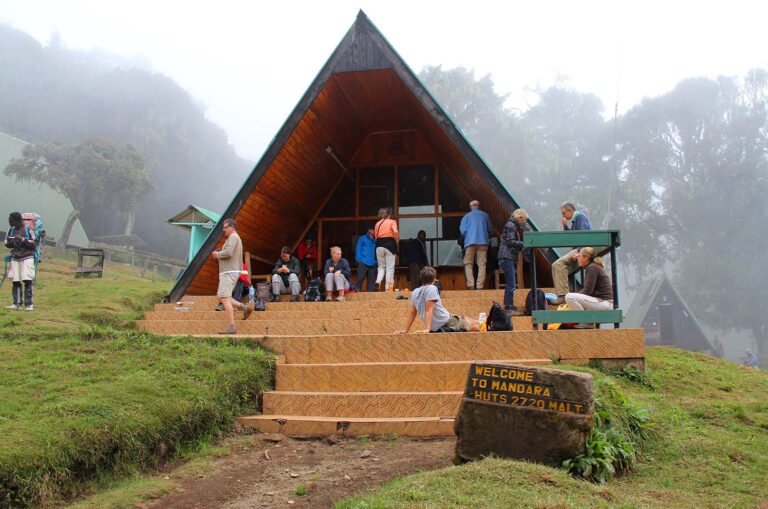
Can You Add An Extra Day During A Kilimanjaro Climb? 2026-2027
Can You Add an Extra Day during a Kilimanjaro Climb? is explained with current 2026-2027 planning, price, itinerary and booking information.
View package details
Can Kilimanjaro Climbs Be Delayed By Weather? A Guide 2026-2027
Understand how weather can impact your Kilimanjaro climb. This guide details the risks of delays, cancellations, and how to prepare for challenging conditions on the mountain, especially...
View package details
Kilimanjaro Charity Group Payment Plan Options For Climbs 2026-2027
Discover how to fund your Kilimanjaro charity climb with flexible payment plans for 2026-2027 departures. Top Guide Adventures offers tailored financial solutions to make your expedition...
View package details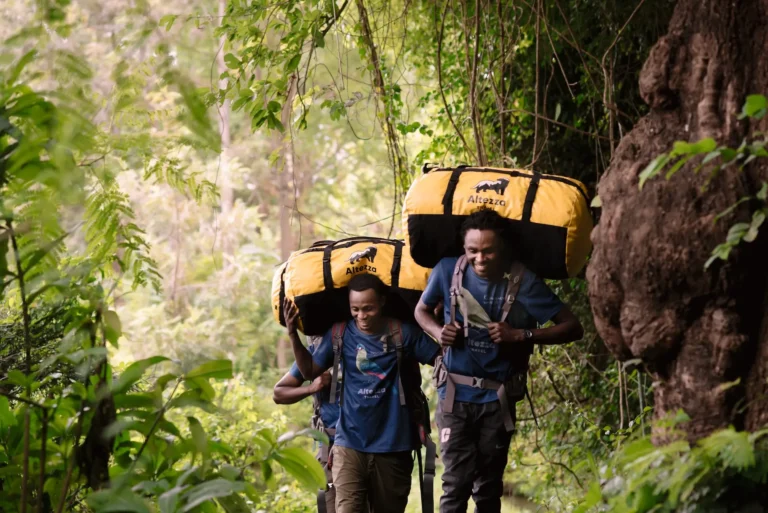
Kilimanjaro Climb Refund And Credit Policy For Climbs | Top Guide Adventures
Navigating the Kilimanjaro climb refund and credit policy is crucial for trekkers planning their 2026-2027 adventure. Top Guide Adventures provides clear guidelines on cancellations...
View package details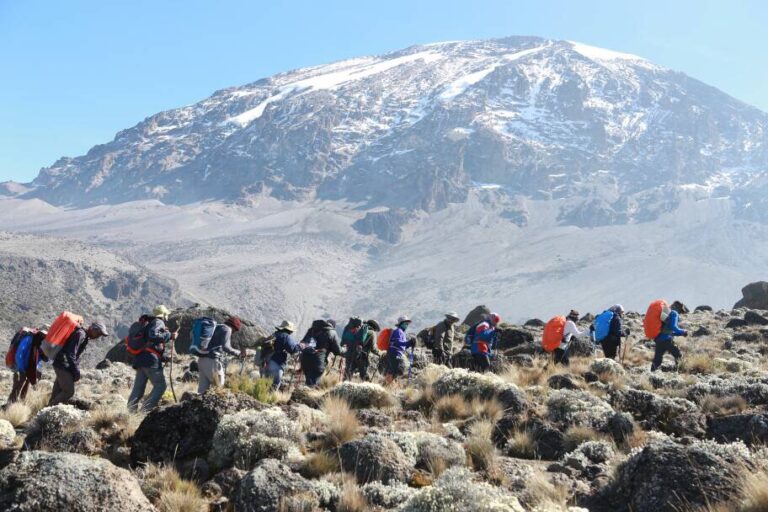
Kilimanjaro Group Pricing By Number Of Climbers In | Top Guide Adventures
Understand how the number of climbers affects Kilimanjaro group pricing for your 2026-2027 adventure. Top Guide Adventures breaks down the cost dynamics, from solo trekkers to large...
View package details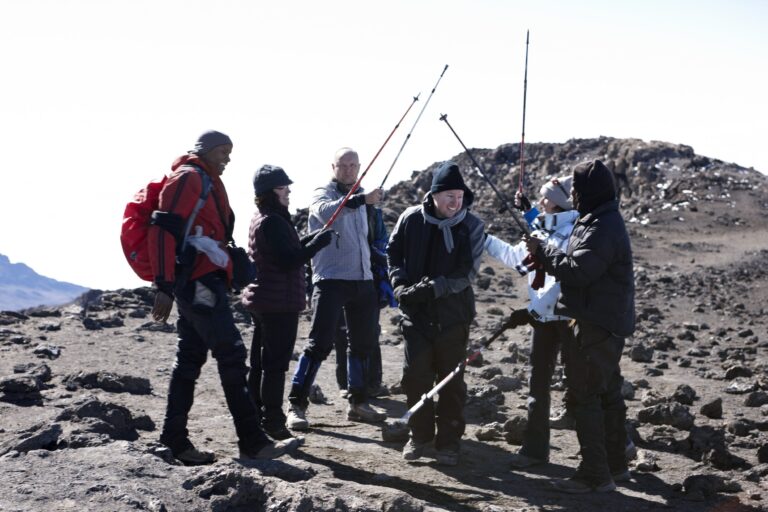
Kilimanjaro Climb With Flexible Payment Options: Your Guide 2026-2027
Discover how Top Guide Adventures makes climbing Mount Kilimanjaro accessible with flexible payment plans, perfect for planning your 2026 or 2027 adventure. This guide details payment...
View package details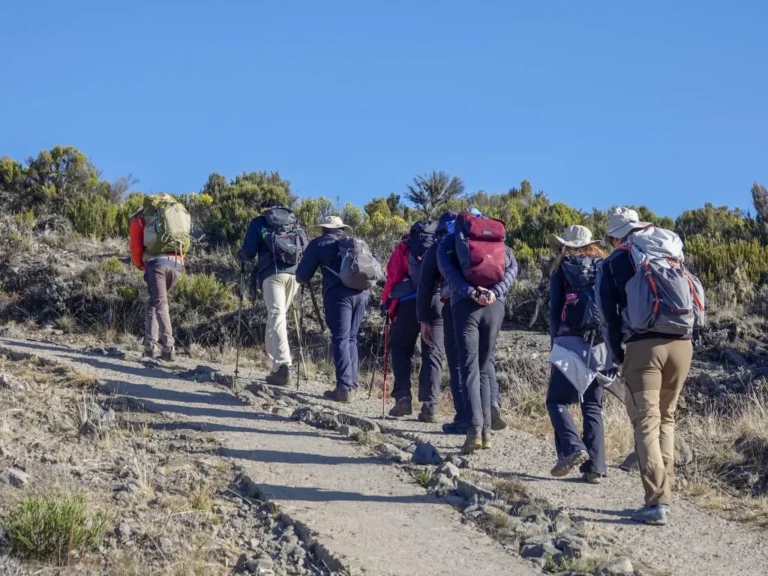
Kilimanjaro Climbing Payment Plan: Flexible Options For Your Adventure
Planning your Kilimanjaro climb is an exciting journey. Top Guide Adventures understands that financial flexibility is key. Discover how our Kilimanjaro climbing payment plan options can...
View package detailsKilimanjaro Local Culture Week For Non-Climbers: Experience Tanzanias Heart
Experience the rich cultural mix surrounding Mount Kilimanjaro without the climb. Our Local Culture Week offers non-climbers an unforgettable journey into the heart of Tanzanian traditions...
View package details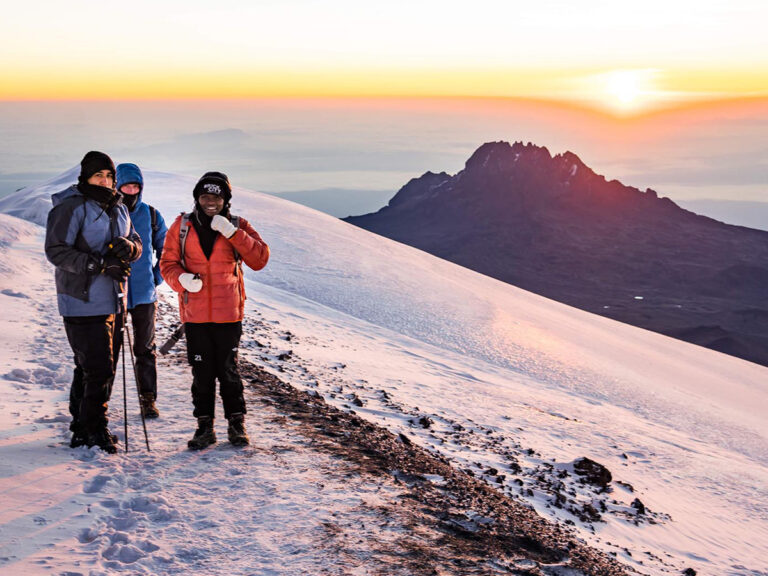
Kilimanjaro Relaxation And Spa Package: Rejuvenate After Your Climb 2026-2027
After conquering Mount Kilimanjaro, a dedicated relaxation and spa package is the perfect way to recover and rejuvenate. Top Guide Adventures provides comprehensive post-climb wellness...
View package details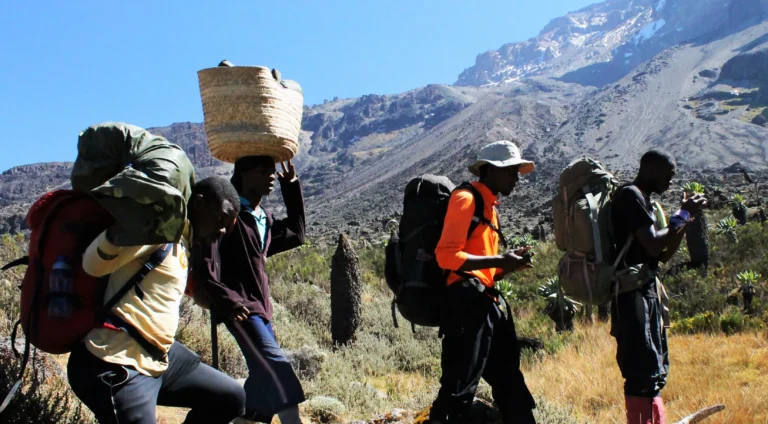
Kilimanjaro Safari Before Rejoining Your Climbing Group | Top Guide Adventures
Combining a safari with your Kilimanjaro climb is a classic Tanzanian adventure. Discover how to seamlessly integrate a wildlife safari experience before meeting your climbing group for the...
View package details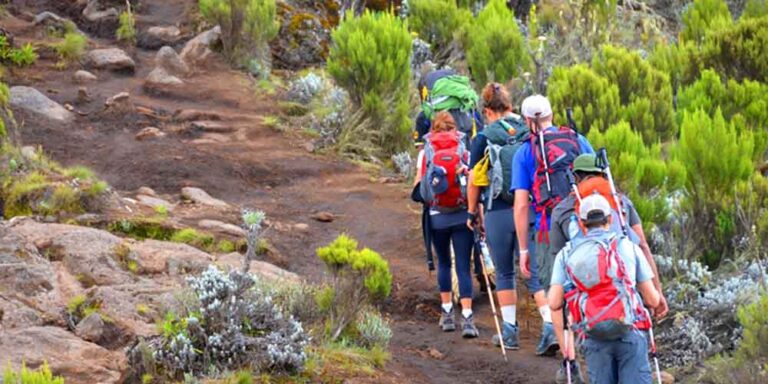
Kilimanjaro Airport And Hotel Support For Climbing Groups | Top Guide
Top Guide Adventures provides comprehensive support for Kilimanjaro climbing groups, from arrival at Kilimanjaro International Airport (JRO) to comfortable hotel stays before and after your...
View package detailsMeet Your Climber At Mweka Gate Package: Kilimanjaro Descent Guide 2026-2027
This package is designed for trekkers descending Kilimanjaro via the Mweka Gate, ensuring a smooth and supported transition after their summit. It covers essential post-climb services and...
View package detailsNo related package matches those filters. Clear one or more filters to see the other topic-matched options.



