
A Kilimanjaro climb for cancer survivors is a powerful personal journey of resilience, offering a unique opportunity to celebrate health and achievement. Top Guide Adventures supports survivors by providing tailored preparation advice, flexible trekking options, and dedicated guides to ensure a safe and rewarding experience on Africa’s highest peak, with planning available for 2026 and 2027 expeditions.
The Symbolism of Conquering Kilimanjaro After Cancer
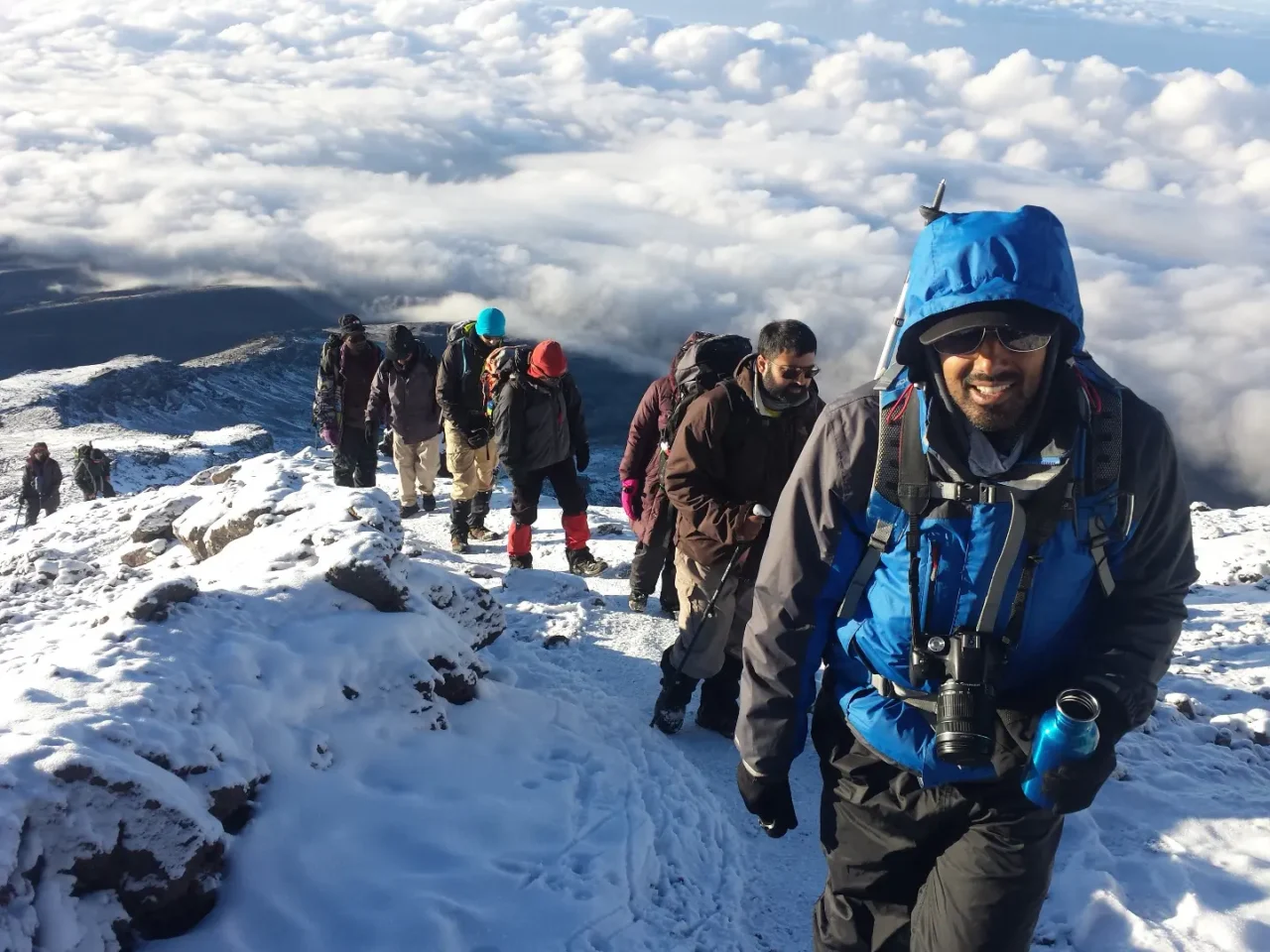
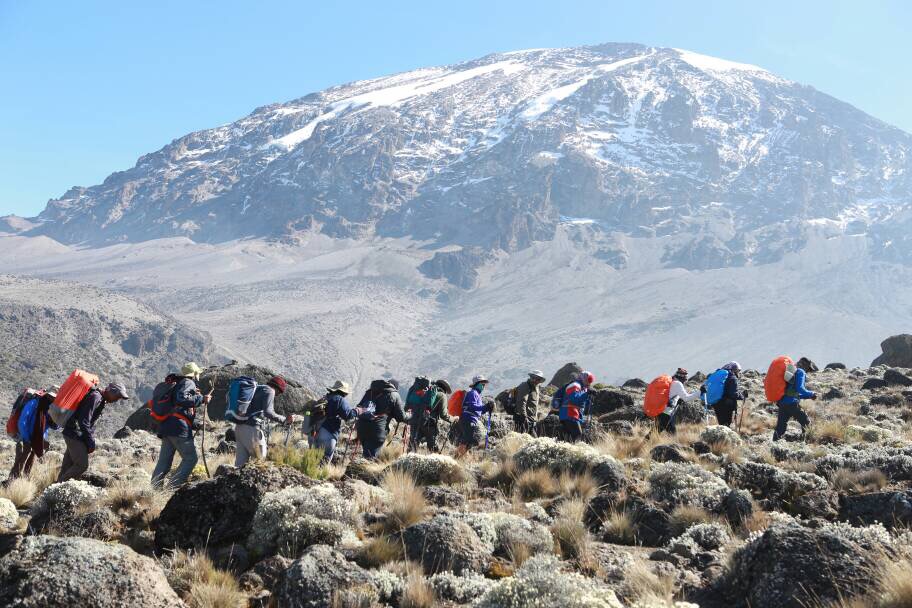
For many cancer survivors, the journey to recovery is not just about healing the body but also about reclaiming a sense of strength, purpose, and adventure. Climbing Mount Kilimanjaro, the Roof of Africa, represents a profound personal triumph, a physical and mental challenge that mirrors the battles fought and won against the disease. It’s a chance to stand at the summit, literally and figuratively, and embrace a future full of possibility. This climb is more than just a trek; it’s a statement of enduring spirit, a celebration of life, and a powerful symbol of overcoming adversity. The sheer scale of Kilimanjaro, its majestic presence, and the demanding nature of the ascent make it an ideal destination for those seeking to mark a significant milestone in their post-cancer life.
At Top Guide Adventures, we understand the unique motivations and considerations that cancer survivors bring to this incredible challenge. Our commitment is to provide not just a climb, but a supportive, safe, and deeply personal experience. We work closely with each survivor to ensure their readiness, offering guidance on physical preparation, acclimatization strategies, and the mental fortitude required for such an undertaking. Planning for a Kilimanjaro climb for cancer survivors in 2026 or 2027 involves careful consideration of individual health, chosen routes, and the right time for the expedition. We pride ourselves on offering personal attention, care, and dedicated support, making the dream of reaching Uhuru Peak achievable and profoundly meaningful.
Is Climbing Kilimanjaro Feasible for Cancer Survivors?
The question of feasibility is paramount for any cancer survivor considering a Kilimanjaro climb. The answer is a resounding yes, it is often feasible, but with careful planning, medical clearance, and appropriate preparation. Kilimanjaro is a high-altitude trek, not a technical climb, meaning it requires endurance and acclimatization rather than specialized climbing skills. However, the altitude and physical demands necessitate a thorough understanding of one’s current health status.
Key Considerations for Cancer Survivors:**
- Medical Consultation: The absolute first step is a comprehensive discussion with your oncologist and primary care physician. They can assess your current health, recovery progress, and any potential risks associated with high altitude and strenuous physical activity. Discuss your specific cancer type, treatment history, and any lingering side effects.
- Physical Fitness: A structured training program is crucial. This should focus on cardiovascular endurance, leg strength, and hiking stamina. Gradually increasing the intensity and duration of your workouts will build the necessary fitness.
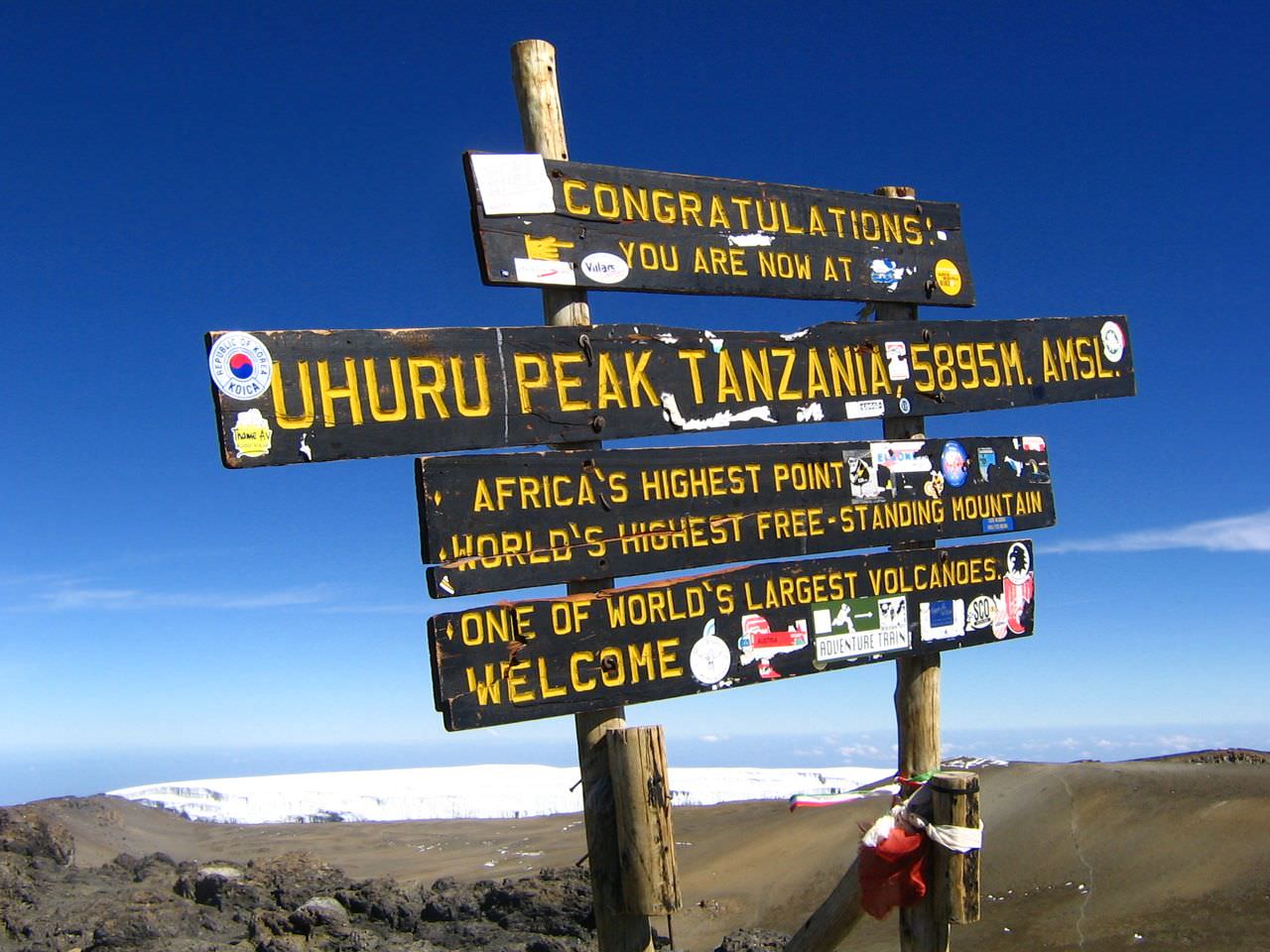
- Altitude Acclimatization: Kilimanjaro reaches an altitude of 5,895 meters (19,341 feet). Proper acclimatization is vital for everyone, but particularly important for survivors who may have undergone treatments that could affect their body’s response to altitude. Choosing a longer route with a slower ascent profile is highly recommended.
- Mental Preparedness: The climb is as much a mental challenge as a physical one. Survivors have already demonstrated incredible mental strength. Acknowledging and preparing for the psychological aspects of a multi-day trek, including potential discomfort and fatigue, is important.
- Support System: Having a supportive tour operator like Top Guide Adventures, with experienced guides who understand individual needs, is invaluable. Knowing you have a team dedicated to your well-being can significantly boost confidence.
For many survivors, the climb becomes a powerful way to reclaim their physical and mental capabilities, proving that a cancer diagnosis does not define their limits. By addressing health concerns proactively and preparing diligently, the Kilimanjaro climb can be a profoundly empowering experience.
Choosing the Right Kilimanjaro Route for Survivors
The choice of route significantly impacts the success and enjoyment of a Kilimanjaro climb, especially for cancer survivors. The primary goal is to maximize acclimatization time and minimize physical strain, thereby increasing the chances of reaching the summit safely and comfortably. Longer routes are generally preferred as they allow for a slower ascent and better acclimatization, which is crucial for managing the effects of altitude.
Here’s a breakdown of routes, highlighting those most suitable for cancer survivors:
Recommended Routes:
- Lemosho Route (8 days): Often considered the best overall route, Lemosho offers stunning scenery and excellent acclimatization. Its longer duration (typically 8 days, though 7 or 9 are possible) allows for a gradual ascent through diverse landscapes. It starts in the west and joins the Machame route before heading to the summit. The higher success rates and scenic beauty make it a top choice for many, including survivors.
- Machame Route (7 days): Known as the “Whiskey Route,” Machame is popular for its scenic beauty and challenging terrain. While typically 7 days, an 8-day itinerary is highly recommended for better acclimatization, especially for survivors. It offers a good balance of challenge and acclimatization, with a higher success rate than shorter routes. It also uses a “climb high, sleep low” strategy, which aids acclimatization.
- Northern Circuit (9-10 days): This is the longest and arguably the best route for acclimatization, offering a 360-degree view of Kilimanjaro and surrounding landscapes. It circles the mountain, providing ample time to adapt to the altitude. Its longer duration makes it ideal for those who want to prioritize safety and success, and it often has the highest success rates. For cancer survivors prioritizing a gentle ascent and maximum acclimatization, the Northern Circuit is an excellent, albeit more time-consuming, option.
Routes to Consider with Caution or Avoid:
- Marangu Route (5-6 days): While it’s the “Coca-Cola” or “tourist” route and offers dormitory-style accommodation, its fast ascent profile (5-day option) is not ideal for acclimatization. The 6-day option is better, but still less effective than Lemosho or Machame.
- Rongai Route (6-7 days): This route approaches from the north and is drier, making it a good option during rainy seasons. While generally good, its typical 6-day duration might be too short for optimal acclimatization for some survivors. A 7-day option improves this.
- Umbwe Route (6-7 days): This is the shortest and steepest route, offering the most direct ascent. It is very challenging and requires excellent physical condition and rapid acclimatization. This route is generally not recommended for cancer survivors due to its steepness and rapid altitude gain.
Top Guide Adventures Recommendation: For cancer survivors, we strongly advise opting for the Lemosho (8 days) or Machame (7 or 8 days) routes. If time is less of a constraint and the absolute best acclimatization is desired, the Northern Circuit (9-10 days) is an outstanding choice. These routes provide the necessary time for the body to adjust to the decreasing oxygen levels, significantly increasing safety and the probability of a successful summit attempt in 2026 or 2027.
Health and Medical Preparation for Your Kilimanjaro Climb
Undertaking a Kilimanjaro climb as a cancer survivor requires a meticulous approach to health and medical preparation. It’s about ensuring you are as physically and mentally prepared as possible for the demands of high-altitude trekking.
Consult Your Medical Team
This is the most critical step. Schedule a thorough consultation with your oncologist and primary care physician well in advance of your planned climb (ideally 6-12 months prior). Discuss:
- Current Health Status: Provide details of your cancer type, stage, treatments received (chemotherapy, radiation, surgery, immunotherapy), and any ongoing side effects or long-term impacts.
- High-Altitude Tolerance: Ask about potential risks of high altitude on your specific health condition. Some treatments might affect lung capacity, cardiovascular function, or immune response, which could be exacerbated by altitude.
- Medication Review: Ensure all your current medications are suitable for high-altitude travel. Some medications can interact with altitude or have different effects in lower oxygen environments.
- Vaccinations and Preventative Measures: Discuss necessary vaccinations for Tanzania and any preventative medications, such as those for malaria.
- Fitness Recommendations: Get personalized advice on the type and intensity of exercise you should be undertaking.
Obtain a written clearance note from your doctor stating that you are fit for high-altitude trekking. This is often required by tour operators and can be reassuring for you and your climbing team.
Physical Training Regimen
Your training should mirror the demands of the climb: long days, uneven terrain, and carrying a daypack. Start your program at least 3-6 months before your expedition date for 2026 or 2027.
- Cardiovascular Fitness: Engage in activities like brisk walking, running, cycling, or swimming for at least 3-4 times a week. Aim for sessions of 45-60 minutes.
- Strength Training: Focus on lower body strength (squats, lunges, step-ups) and core stability. This will help with climbing and descending on steep trails.
- Hiking Practice: This is paramount. Find local trails with significant elevation changes. Hike regularly, ideally on weekends, for several hours at a time, progressively increasing the duration and elevation gain. Practice hiking with the daypack you intend to use, carrying water and snacks.
- Stair Climbing: Incorporate stair climbing into your routine. It’s an excellent simulation of ascending on Kilimanjaro.
- Listen to Your Body: Throughout your training, pay close attention to any pain or unusual fatigue. Adjust your routine as needed and consult your doctor if you have concerns.
Mental Preparation
The psychological aspect of climbing Kilimanjaro is as significant as the physical. Survivors have already demonstrated immense mental resilience.
- Set Realistic Expectations: Understand that the climb will be challenging, with potential for discomfort, fatigue, and altitude sickness symptoms.
- Visualize Success: Imagine yourself reaching the summit and the feeling of accomplishment.
- Develop Coping Strategies: Think about how you will manage difficult moments – deep breathing, focusing on the present step, positive self-talk.
- Build Confidence: Your consistent training and medical clearance will be strong foundations for your confidence.
Altitude Sickness Prevention and Management
While acclimatization is the best prevention, some medical professionals may recommend prophylactic medications like Diamox (acetazolamide). Discuss this with your doctor. If prescribed, ensure you understand the dosage and potential side effects. Your guides will monitor you closely for symptoms of Acute Mountain Sickness (AMS) throughout the climb and will know how to manage them, including descending if necessary.
Top Guide Adventures prioritizes your safety. Our guides are trained in first aid and recognizing AMS. We encourage open communication about how you are feeling at all times.
Training and Fitness: Building the Stamina for Kilimanjaro
The physical demands of climbing Kilimanjaro cannot be overstated. For cancer survivors, building a solid fitness foundation is key to a successful and enjoyable expedition. This isn’t about becoming an elite athlete; it’s about developing the stamina, strength, and resilience to handle sustained effort at altitude.
The Pillars of Kilimanjaro Fitness Training
Your training program should focus on three main areas:
- Aerobic Endurance: This is the bedrock of your fitness. You need your heart and lungs to work efficiently for many hours each day. Activities like hiking, running, cycling, swimming, and even vigorous elliptical training are excellent. Aim for consistency, with at least 3-4 sessions per week. Gradually increase the duration of your longest sessions to mimic a full day of trekking (6-8 hours).
- Leg Strength and Endurance: Climbing involves constant uphill and downhill movement. Strong legs will make the ascent easier and protect your knees on the descent. Focus on exercises like:
- Squats and Lunges: Bodyweight or with added resistance.
- Step-ups: Using a bench or sturdy box, mimicking climbing stairs. Add weight to your daypack for added challenge.
- Calf Raises: Important for the final push to the summit.
- Wall Sits: To build isometric endurance in your quadriceps.
- Core Strength: A strong core (abdominal and back muscles) provides stability, improves balance, and helps you carry your daypack more comfortably. Planks, bridges, and Russian twists are effective exercises.
Simulating the Trek: The Importance of Practice Hikes
Theory is one thing; practice is another. The most effective way to prepare for Kilimanjaro is to go on actual hikes, ideally with significant elevation gain. Try to replicate the conditions as much as possible:
- Duration: Aim for hikes that last 4-6 hours, and gradually build up to 8+ hours.
- Terrain: Seek out trails with varied terrain – rocky paths, steep inclines, and descents.
- Elevation Gain: Find hills or mountains in your area. Try to accumulate 1,000-1,500 meters (3,000-5,000 feet) of elevation gain during longer hikes.
- Carrying a Pack: Wear the daypack you plan to use on Kilimanjaro. Pack it with essentials like water bottles, snacks, and a jacket to get used to the weight (around 5-8 kg or 10-18 lbs).
- Footwear: Break in your hiking boots thoroughly on these practice hikes. Blisters on Kilimanjaro can be debilitating.
- Hydration and Nutrition: Practice drinking water and eating snacks while hiking to maintain energy levels.
Sample Training Schedule (Starting 3-6 Months Prior)
This is a general guideline; adjust based on your current fitness level and medical advice.
- Monday: Rest or light activity (stretching, yoga).
- Tuesday: Strength training (lower body and core focus), 45-60 minutes.
- Wednesday: Aerobic activity (running, cycling, swimming), 45-60 minutes.
- Thursday: Shorter hike or brisk walk with some elevation, 1-2 hours.
- Friday: Rest or light activity.
- Saturday: Long hike (4-8+ hours) with significant elevation gain, carrying your daypack.
- Sunday: Aerobic activity or moderate hike, 1-2 hours.
As your 2026 or 2027 climb date approaches, taper your training in the final 1-2 weeks to allow your body to recover and be fresh for the expedition. Focus on rest, hydration, and good nutrition.
Gear and Equipment: What to Pack for Your Climb
Proper gear is essential for comfort, safety, and success on Kilimanjaro. For cancer survivors, ensuring you have the right equipment can alleviate stress and enhance the experience. Top Guide Adventures provides a comprehensive packing list, but here are the key items and considerations:
Clothing Layers: The Key to Comfort
The temperature on Kilimanjaro can range from warm in the rainforest zone to freezing at the summit. Layering is crucial for managing your body temperature.
- Base Layers: Moisture-wicking synthetic or merino wool tops and bottoms. Avoid cotton, as it holds moisture and chills you.
- Mid Layers: Fleece jackets or vests provide insulation. Bring at least two of varying weights.
- Outer Layer (Shell): Waterproof and windproof jacket and trousers (Gore-Tex or similar). This is your protection against rain, snow, and wind.
- Insulation Layer: A warm, down or synthetic insulated jacket for summit night and cold evenings.
Footwear: Your Foundation
- Hiking Boots: Sturdy, waterproof, mid-to-high cut hiking boots with good ankle support. Ensure they are well broken-in before your climb.
- Camp Shoes/Sandals: Comfortable footwear for evenings at camp.
- Socks: Several pairs of wool or synthetic hiking socks. Bring liner socks to help prevent blisters.
Headwear and Handwear
- Warm Hat: Wool or fleece, covering your ears.
- Sun Hat: Wide-brimmed hat for sun protection during the day.
- Balaclava/Buff: For protecting your face from wind and cold, especially on summit night.
- Gloves: Waterproof and insulated outer gloves, plus thinner liner gloves.
Sleeping Gear
- Sleeping Bag: A 4-season bag rated to at least -10°C (0°F) is recommended. Top Guide Adventures can often arrange rentals if needed.
- Sleeping Bag Liner: Adds warmth and keeps your bag cleaner.
Backpack and Duffel Bag
- Duffel Bag: A large, waterproof duffel bag (80-100 liters) for your main gear, carried by porters.
- Daypack: A comfortable 30-40 liter backpack for essentials you need during the day (water, snacks, camera, extra layers, sunscreen, headlamp).
Other Essentials
- Water Bottles/Hydration Reservoir: At least 2-3 liters capacity. Insulated covers are useful to prevent freezing.
- Headlamp: With extra batteries. Essential for navigating in the dark, especially on summit night.
- Sunscreen and Lip Balm: High SPF.
- Sunglasses: With good UV protection.
- Trekking Poles: Highly recommended for stability and reducing strain on knees.
- Personal First-Aid Kit: Include any personal medications, blister treatment, pain relievers, and antiseptic wipes.
- Toiletries: Biodegradable soap, toothbrush, toothpaste, wet wipes, hand sanitizer.
- Camera and Power Bank: To capture memories and keep devices charged.
- Snacks: High-energy snacks like energy bars, nuts, and dried fruit.
Top Guide Adventures provides a detailed packing list upon booking. We also offer advice on gear rental options for items like sleeping bags and trekking poles. It’s important to pack smart, ensuring you have what you need without unnecessary weight.
The Kilimanjaro Climbing Experience: What to Expect
Climbing Kilimanjaro is an adventure that unfolds over several days, with each day bringing new landscapes, challenges, and rewards. Understanding the daily rhythm and common experiences can help manage expectations and enhance enjoyment.
Daily Life on the Mountain
A typical day on Kilimanjaro involves:
- Early Wake-up: Days usually start early, around 6:30-7:00 AM, with a warm drink and breakfast.
- The Trek: You’ll spend several hours hiking, usually between 4-8 hours depending on the route and day’s objective. The pace is deliberately slow and steady – “pole pole” (slowly, slowly) is the mantra.
- Scenery: Each day offers a different environment, from lush rainforests to alpine deserts and the arctic zone at the summit.
- Meals: Breakfast, lunch, and dinner are prepared by your team of cooks. Expect hearty, nutritious meals designed to provide energy. These typically include soups, rice dishes, pasta, vegetables, and sometimes chicken or beef.
- Breaks: Frequent short breaks are taken for rest, hydration, and snacks.
- Arrival at Camp: You’ll typically arrive at your next campsite by mid-afternoon.
- Camp Life: After arrival, you’ll have time to rest, enjoy afternoon tea and snacks, and prepare for the next day. Your tent will be set up for you.
- Evening Routine: Dinner is usually served around 6:30-7:00 PM, followed by a briefing from your lead guide about the next day’s trek. Lights out is typically early, around 9:00 PM, to ensure adequate rest.
Summit Night: The Ultimate Challenge
Summit night is the most demanding part of the climb. It typically begins around midnight after a few hours of sleep.
- Start Time: You’ll be woken up by your guide, have a light snack and hot drink, and begin your ascent in the dark.
- Conditions: The air is extremely cold, and the path is steep and often covered in scree or ice. You’ll be trekking using headlamps.
- Pace: The pace is incredibly slow, often just a few steps at a time, with frequent short rests. This conserves energy and aids acclimatization.
- Altitude Effects: Headaches, nausea, and fatigue are common. Your guides will monitor you closely.
- The Goal: The aim is to reach Stella Point on the crater rim by sunrise, followed by the final push to Uhuru Peak (5,895m / 19,341ft).
- Descent: Reaching the summit is only half the journey. The descent is long and can be tiring, but it’s crucial for avoiding altitude sickness. You’ll descend back to Barafu Camp or Mweka Camp.
Acclimatization and Hydration
These are non-negotiable for success and safety.
- “Pole Pole”: The slow pace is the most important acclimatization tool. Don’t rush.
- Hydration: Drink at least 3-4 liters of water per day. Dehydration exacerbates altitude sickness. You’ll receive boiled water from the cooks.
- Eat Well: Even if your appetite decreases at altitude, try to eat as much as possible to maintain energy.
- Rest: Get as much sleep as you can, though it may be difficult at higher altitudes.
Support from Top Guide Adventures
Our team is dedicated to your well-being. Our guides are experienced professionals trained to manage altitude sickness and provide encouragement. Porters carry the bulk of your gear, and cooks provide nourishing meals. We foster a supportive team environment, crucial for a challenging climb like Kilimanjaro, especially for survivors celebrating their health and resilience.
Safety Protocols and Emergency Preparedness
Safety is the top priority for any Kilimanjaro climb, and it’s especially critical for cancer survivors. Top Guide Adventures implements rigorous safety protocols to ensure the well-being of every climber.
Guide Training and Experience
- Certified Guides: All our lead guides are certified in Wilderness First Aid and CPR. They have extensive experience climbing Kilimanjaro and understand the physiological effects of altitude.
- AMS Monitoring: Guides are trained to recognize the signs and symptoms of Acute Mountain Sickness (AMS), High Altitude Cerebral Edema (HACE), and High Altitude Pulmonary Edema (HAPE). They will monitor each climber’s condition throughout the trek, checking for symptoms like headaches, nausea, dizziness, and fatigue.
- Emergency Procedures: Guides have established emergency evacuation plans and communication protocols.
Communication and Evacuation
- Radio Communication: Guides maintain communication with base operations and other team members via radio, especially in areas with no mobile signal.
- Satellite Phones: For critical situations, satellite phones are available for emergency communication.
- Evacuation Procedures: In case of serious altitude sickness or injury, immediate descent is the primary treatment. We work with local emergency services for evacuation if necessary. This often involves guides and porters assisting the climber down the mountain. For more severe cases requiring advanced medical care, arrangements can be made for transport to a hospital in Moshi or Arusha.
Health Monitoring on the Mountain
- Daily Health Checks: Guides will conduct daily health checks, including monitoring your pulse and oxygen saturation levels (using a pulse oximeter) at higher altitudes.
- Hydration and Nutrition: Emphasis is placed on consistent hydration and adequate food intake, as these are crucial for maintaining health and combating altitude effects.
- Slow Pace (“Pole Pole”): The deliberate slow pace is a fundamental safety measure, allowing your body to acclimatize gradually.
Medical Kit and First Aid
- Comprehensive First-Aid Kit: Each climbing team carries a well-stocked medical kit, including treatments for common ailments (headaches, stomach issues) and more serious conditions related to altitude sickness.
- Oxygen Cylinders: Portable oxygen cylinders are carried by some operators for emergency use to alleviate severe altitude sickness symptoms. Top Guide Adventures ensures preparedness for such eventualities.
For cancer survivors, it is essential to communicate any specific health concerns or potential sensitivities to your lead guide on the first day of the trek. This allows the team to provide even more personalized care and attention. Your safety and well-being are paramount throughout your Kilimanjaro climb with Top Guide Adventures.
The Emotional and Psychological Impact of Climbing Kilimanjaro Post-Cancer
Beyond the physical achievement, a Kilimanjaro climb offers profound emotional and psychological benefits for cancer survivors. It’s a journey of self-discovery, healing, and reclaiming one’s identity.
Reclaiming Control and Agency
Cancer treatment can often feel disempowering, with decisions about one’s body and health largely out of one’s hands. The act of planning, training for, and executing a Kilimanjaro climb puts the survivor back in control. It’s a conscious decision to push boundaries, set goals, and achieve them through personal effort and determination. This sense of agency can be incredibly healing and validating.
Building Confidence and Self-Esteem
Successfully completing a challenging trek like Kilimanjaro, especially after facing cancer, can significantly boost self-esteem and confidence. Overcoming physical and mental hurdles on the mountain serves as a powerful reminder of one’s strength and resilience. This newfound confidence often extends into other areas of life, helping survivors navigate their post-cancer journey with greater assurance.
Processing and Healing
The sustained, focused effort required for the climb, combined with the impressive natural environment, can provide a unique space for introspection and emotional processing. Many survivors find that the quiet moments on the trail, the rhythm of walking, and the vastness of the landscape allow them to reflect on their cancer journey, come to terms with their experiences, and find peace. The summit can become a symbolic point of closure or a new beginning.
Connecting with Nature and Community
The stark beauty of Kilimanjaro’s diverse ecosystems offers a powerful connection to the natural world, which can be grounding and restorative. Furthermore, the shared experience with guides, porters, and fellow climbers fosters a sense of community and camaraderie. For survivors who may have felt isolated during their illness, this connection can be deeply therapeutic.
A Symbol of Triumph
Ultimately, a Kilimanjaro climb becomes a tangible symbol of triumph over adversity. Reaching Uhuru Peak is not just a physical accomplishment; it’s a declaration of life, strength, and the enduring human spirit. It’s a way to mark a significant transition and celebrate a future defined by resilience and possibility, rather than by illness.
Planning Your Kilimanjaro Climb for 2026-2027: Practical Steps
To make your Kilimanjaro dream a reality for 2026 or 2027, a structured planning approach is essential. Top Guide Adventures is here to guide you every step of the way.
Step 1: Initial Consultation and Medical Clearance
As detailed earlier, your first action should be to consult with your medical team. Once you have their clearance, reach out to us at Top Guide Adventures. We can discuss your specific situation, answer your questions, and help you understand the feasibility of the climb.
Step 2: Choosing Your Route and Dates
Based on your health, fitness, and desired experience, we’ll help you select the most suitable route (we highly recommend 8+ days for acclimatization). We can then discuss potential dates for your 2026 or 2027 climb. Consider:
- Dry Seasons: Generally January-March and June-October offer the best weather.
- Crowds: Peak seasons (July-August, December-January) are busier. Shoulder seasons (June, October) can offer a quieter experience.
- Personal Schedule: Allow ample time for training and recovery before the climb.
Step 3: Booking Your Expedition
Once you’ve decided on a route and dates, you’ll need to book your expedition. This typically involves:
- Deposit: A deposit is usually required to secure your booking and dates.
- Final Payment: The remaining balance is typically due a few months before the trek date.
- Paperwork: Completing necessary booking forms and waivers.
Top Guide Adventures offers personalized itineraries and competitive pricing for 2026 and 2027 climbs. Contact us to get a quote tailored to your needs.
Step 4: Training and Preparation
With your climb booked, it’s time to implement your training plan. Start early, be consistent, and listen to your body. Use our detailed packing list to gather your gear.
Step 5: Pre-Trek Briefing and Arrival in Tanzania
A week or two before your climb, we’ll provide a final pre-departure briefing. Upon arrival in Tanzania (likely Kilimanjaro International Airport – JRO), you’ll be met and transferred to your hotel in Moshi or Arusha. We’ll arrange a pre-climb briefing with your guides to go over final details, check your gear, and answer any last-minute questions.
Step 6: The Climb and Post-Trek
Enjoy your incredible journey to the Roof of Africa! After your successful descent, we can arrange for post-climb celebrations, transfers, or further adventures like a safari or a visit to Zanzibar.
Ready to plan your empowering 2026 or 2027 Kilimanjaro climb? Reach out to Top Guide Adventures today. Let’s make this remarkable achievement a reality for you.
Why Choose Top Guide Adventures for Your Kilimanjaro Climb?
Selecting the right tour operator is crucial for any Kilimanjaro climb, but it’s particularly important for cancer survivors seeking a supportive and safe experience. Top Guide Adventures is committed to providing unparalleled service, safety, and a deeply personal approach.
Our Commitment to Survivors
- Personalized Attention: We understand that every survivor’s journey is unique. We take the time to listen to your specific needs, concerns, and aspirations. We tailor our support to ensure you feel comfortable and confident throughout the process.
- Experienced and Caring Guides: Our guides are not only highly skilled mountaineers but also empathetic individuals trained to provide emotional support. They prioritize your well-being, ensuring a slow, steady pace and constant monitoring for any signs of discomfort or altitude sickness.
- Safety First Approach: Your safety is our absolute priority. We adhere to strict safety protocols, carry comprehensive medical kits, and have robust emergency evacuation plans in place. We ensure our teams are well-equipped and prepared for any eventuality.
- Flexible Itineraries: We offer longer, more acclimatization-friendly routes (like the 8-day Lemosho or 9-day Northern Circuit) which are ideal for maximizing success rates and comfort for climbers who need a more gradual ascent.
- Quality Equipment and Logistics: We provide high-quality camping equipment, nutritious meals prepared by experienced cooks, and reliable logistical support, ensuring a comfortable and well-managed trek.
Our Credentials and Experience
- Trusted Local Operator: As one of Tanzania’s most trusted tour companies, we have extensive experience organizing successful Kilimanjaro climbs for clients from around the globe.
- Positive Feedback: We are proud of our reputation and encourage you to read reviews from past clients, many of whom have shared their memorable experiences. [See our TripAdvisor reviews.]
- Dedicated Support: From your initial inquiry to your return home, our team provides dedicated support. We are available to answer your questions, provide advice, and ensure all arrangements are handled smoothly.
Choosing Top Guide Adventures means partnering with a team that genuinely cares about your Kilimanjaro climb experience. We are passionate about helping individuals achieve their goals and celebrate their resilience. We look forward to helping you plan an unforgettable Kilimanjaro climb for 2026 or 2027.
For inquiries, quotes, or to start planning your incredible journey, please contact us:
- WhatsApp: +255616946642
- Email: topguideadventures@gmail.com
- Backup Email: info@topguideadventures.com
Visit our website for more information on our Tanzania adventures and Kilimanjaro treks.
Check Availability for Kilimanjaro Climb For Cancer Survivors: A Journey Of Resilience In 2026-2027
Ready to compare dates, prices, and the best option for your group? Send the package name and travel month so the team can reply with a clear quote, availability, and what is included.
Can You Add An Extra Day During A Kilimanjaro Climb? 2026-2027
Can You Add an Extra Day during a Kilimanjaro Climb? is explained with current 2026-2027 planning, price, itinerary and booking information.
View package details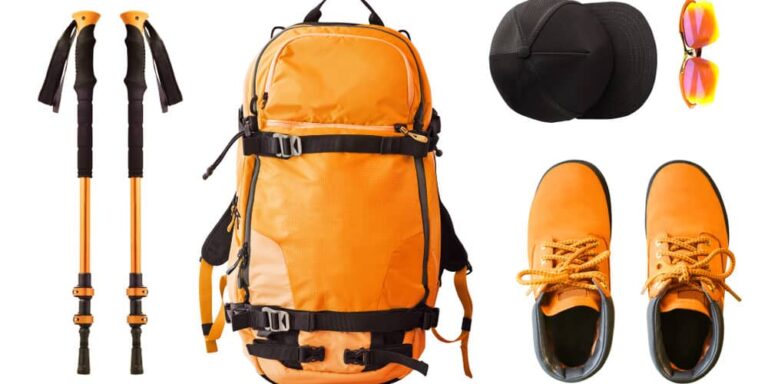
Can Kilimanjaro Climbs Be Delayed By Weather? A Guide 2026-2027
Understand how weather can impact your Kilimanjaro climb. This guide details the risks of delays, cancellations, and how to prepare for challenging conditions on the mountain, especially...
View package details
Kilimanjaro Charity Group Payment Plan Options For Climbs 2026-2027
Discover how to fund your Kilimanjaro charity climb with flexible payment plans for 2026-2027 departures. Top Guide Adventures offers tailored financial solutions to make your expedition...
View package details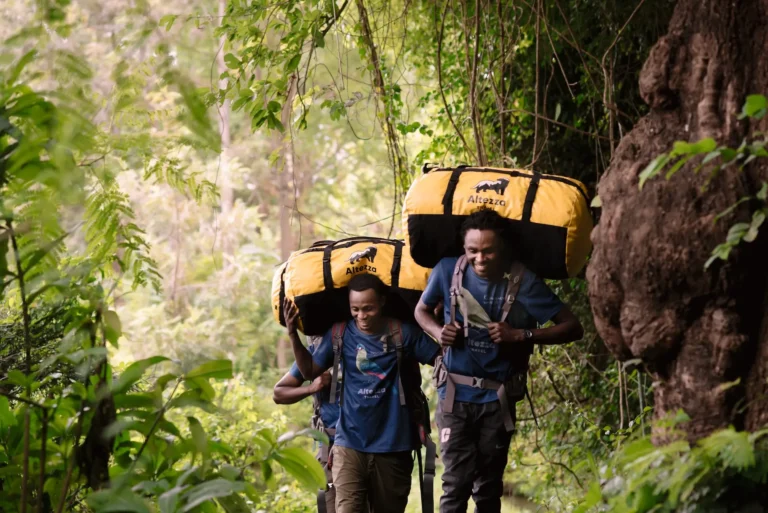
Kilimanjaro Climb Refund And Credit Policy For Climbs | Top Guide Adventures
Navigating the Kilimanjaro climb refund and credit policy is crucial for trekkers planning their 2026-2027 adventure. Top Guide Adventures provides clear guidelines on cancellations...
View package details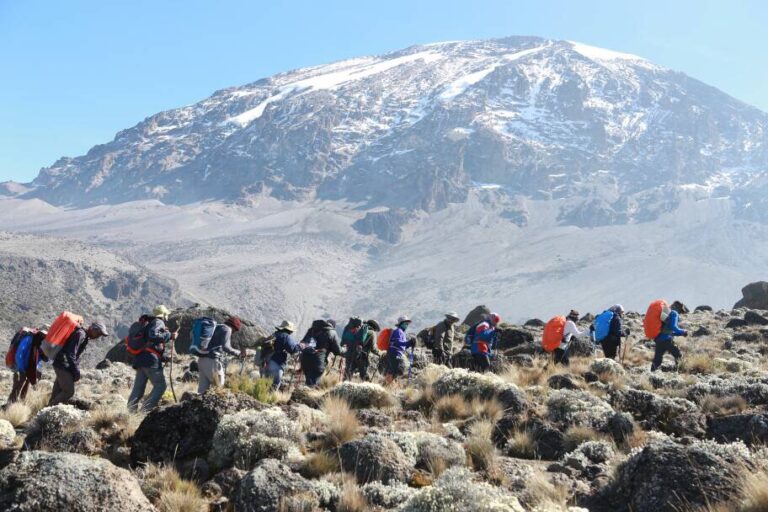
Kilimanjaro Group Pricing By Number Of Climbers In | Top Guide Adventures
Understand how the number of climbers affects Kilimanjaro group pricing for your 2026-2027 adventure. Top Guide Adventures breaks down the cost dynamics, from solo trekkers to large...
View package details
Kilimanjaro Climb With Flexible Payment Options: Your Guide 2026-2027
Discover how Top Guide Adventures makes climbing Mount Kilimanjaro accessible with flexible payment plans, perfect for planning your 2026 or 2027 adventure. This guide details payment...
View package details
Kilimanjaro Climbing Payment Plan: Flexible Options For Your Adventure
Planning your Kilimanjaro climb is an exciting journey. Top Guide Adventures understands that financial flexibility is key. Discover how our Kilimanjaro climbing payment plan options can...
View package detailsKilimanjaro Local Culture Week For Non-Climbers: Experience Tanzanias Heart
Experience the rich cultural mix surrounding Mount Kilimanjaro without the climb. Our Local Culture Week offers non-climbers an unforgettable journey into the heart of Tanzanian traditions...
View package details
Kilimanjaro Relaxation And Spa Package: Rejuvenate After Your Climb 2026-2027
After conquering Mount Kilimanjaro, a dedicated relaxation and spa package is the perfect way to recover and rejuvenate. Top Guide Adventures provides comprehensive post-climb wellness...
View package details
Kilimanjaro Safari Before Rejoining Your Climbing Group | Top Guide Adventures
Combining a safari with your Kilimanjaro climb is a classic Tanzanian adventure. Discover how to seamlessly integrate a wildlife safari experience before meeting your climbing group for the...
View package details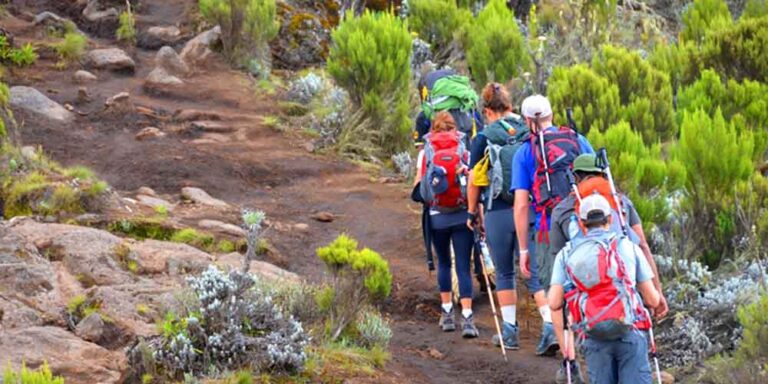
Kilimanjaro Airport And Hotel Support For Climbing Groups | Top Guide
Top Guide Adventures provides comprehensive support for Kilimanjaro climbing groups, from arrival at Kilimanjaro International Airport (JRO) to comfortable hotel stays before and after your...
View package detailsMeet Your Climber At Mweka Gate Package: Kilimanjaro Descent Guide 2026-2027
This package is designed for trekkers descending Kilimanjaro via the Mweka Gate, ensuring a smooth and supported transition after their summit. It covers essential post-climb services and...
View package detailsNo related package matches those filters. Clear one or more filters to see the other topic-matched options.



