
A Kilimanjaro safari before rejoining your climbing group offers a fantastic way to experience Tanzania’s rich wildlife and diverse landscapes, enhancing your adventure before the physical challenge of the climb begins. This combination typically involves a 2-5 day safari in Northern Tanzania’s famous parks like Serengeti, Ngorongoro Crater, or Tarangire, concluding with a transfer to Moshi or Marangu to meet your Kilimanjaro expedition team.
Why Combine a Kilimanjaro Safari with Your Climb?
Tanzania is globally renowned for its exceptional wildlife viewing opportunities, particularly in the northern safari circuit. For many travelers, a trip to Africa is incomplete without witnessing the ‘Great Migration’ in the Serengeti or descending into the wildlife-rich Ngorongoro Crater. Integrating a safari experience before your Kilimanjaro climb provides a comprehensive introduction to Tanzania’s natural wonders, offering a contrasting yet complementary experience to the mountain trek. This approach allows you to maximize your time in the country, experiencing both its incredible fauna and its iconic peak within a single, well-planned journey.
The synergy between a safari and a Kilimanjaro climb is profound. A safari awakens your senses to the vibrant life and expansive vistas of the African savanna, preparing you mentally and physically for the grand scale of Kilimanjaro. It offers moments of awe and relaxation amidst stunning scenery, a perfect prelude to the focused determination required for ascending the mountain. By the time you meet your climbing group, you’ll already be immersed in the Tanzanian spirit, with unforgettable wildlife encounters as cherished memories.
Planning Your Kilimanjaro Safari Before the Climb
The most practical and popular approach for a Kilimanjaro safari before your climb is to focus on the Northern Safari Circuit. This region boasts an incredible concentration of national parks and conservation areas, easily accessible from Kilimanjaro International Airport (JRO) and conveniently located relative to the mountain towns of Moshi and Marangu. The typical sequence involves flying into JRO, embarking on your safari, and then heading to Moshi or Marangu to prepare for your climb. This minimizes travel time and logistical complexities, ensuring a smooth transition between your safari adventures and your Kilimanjaro expedition.
When planning for 2026 or 2027, it’s advisable to book your combined safari and climb package well in advance. This is especially true for group departures, which are popular for both safaris and Kilimanjaro climbs. Early booking secures your preferred dates, accommodation, and guides, and allows ample time for acclimatization preparation and gear acquisition. Top Guide Adventures specializes in crafting these integrated itineraries, ensuring a smooth experience from the moment you land in Tanzania.
Choosing Your Safari Destinations
The Northern Circuit offers a trifecta of iconic safari destinations, each with its unique appeal:
- Serengeti National Park: Famous for its vast plains and the Great Migration, offering unparalleled predator-prey interactions.
- Ngorongoro Conservation Area (including the Crater): A UNESCO World Heritage Site, the crater floor is a caldera teeming with wildlife, including the Big Five.
- Tarangire National Park: Known for its large elephant herds and iconic baobab trees, especially vibrant during the dry season.
A typical pre-climb safari itinerary might include 2-3 of these parks, depending on your available time and interests. For instance, a 3-day safari could cover Tarangire and Ngorongoro, offering a diverse range of landscapes and wildlife viewing opportunities without being overly taxing before a strenuous climb.
Optimal Safari Duration Before Climbing
While a short 1-2 day safari is possible, a duration of 3 to 5 days is generally recommended for a fulfilling safari experience before your Kilimanjaro climb. This allows sufficient time to explore at least two major parks without feeling rushed. A 3-day safari might cover Tarangire and Ngorongoro, while a 4-5 day safari could add the Serengeti, providing a more in-depth exploration. This duration balances wildlife immersion with adequate rest and preparation time before the mountain ascent.
Consider your energy levels and travel pace. A relaxed safari allows you to soak in the sights and sounds, making the transition to the mountain more enjoyable. Rushing through multiple parks might leave you feeling fatigued, which is counterproductive when preparing for Kilimanjaro. The goal is to enhance your overall Tanzanian experience, not to exhaust yourself before the main event.
Integrating Safari with Kilimanjaro Climb Logistics
The most efficient way to combine a safari with your Kilimanjaro climb is to arrange both through a single, reputable tour operator like Top Guide Adventures. This ensures smooth transfers between your safari accommodation, the meeting point for your climbing group, and the start of your trek. We can arrange for your safari to conclude in Arusha or Moshi, from where you’ll be transferred to your pre-climb hotel to meet your guide and fellow climbers. This integrated approach simplifies logistics, allows for pre-climb briefings, and ensures all your travel arrangements are coordinated.
For example, your safari might end on day X in Arusha. You would then spend the night in a comfortable hotel in Arusha or Moshi, attend a pre-climb briefing with your Kilimanjaro guide, and have the opportunity to rent or purchase any last-minute gear. The following morning, you’ll be transferred to the gate of your chosen Kilimanjaro route to begin your ascent. This structured approach minimizes stress and maximizes your enjoyment of both experiences.
Sample Itineraries: Kilimanjaro Safari Before Your Climb
To illustrate how a safari can be integrated, here are a few sample itineraries focusing on a pre-climb safari. These can be customized to your preferences and available time.
3-Day Northern Circuit Safari (Tarangire & Ngorongoro)
This is an excellent option for those with limited time before their Kilimanjaro climb, offering a taste of Tanzania’s diverse wildlife and landscapes.
- Day 1: Arusha to Tarangire National Park. Morning pick-up from Arusha, drive to Tarangire for game drives. Known for its large elephant herds and baobab trees. Overnight near Tarangire.
- Day 2: Tarangire to Ngorongoro Crater. Morning game drive in Tarangire, then drive to the Ngorongoro Conservation Area. Descend into the crater for an afternoon game drive. Overnight on the crater rim or Karatu.
- Day 3: Ngorongoro to Moshi/Arusha. Morning optional visit to a Maasai village or a final game drive, then transfer to Moshi or Arusha to meet your Kilimanjaro climbing group.
4-Day Safari Adventure (Tarangire, Ngorongoro & Lake Manyara)
Adds Lake Manyara, famous for its tree-climbing lions and diverse birdlife.
- Day 1: Arusha to Tarangire National Park. Game drives, overnight near Tarangire.
- Day 2: Tarangire to Lake Manyara National Park. Morning game drive in Tarangire, drive to Lake Manyara for an afternoon game drive. Known for its diverse birdlife and potential to see tree-climbing lions. Overnight near Lake Manyara.
- Day 3: Lake Manyara to Ngorongoro Crater. Morning game drive in Lake Manyara, then drive to Ngorongoro. Descend into the crater for an afternoon game drive. Overnight on the crater rim or Karatu.
- Day 4: Ngorongoro to Moshi/Arusha. Transfer to Moshi or Arusha to join your Kilimanjaro expedition.
5-Day Serengeti & Ngorongoro Safari
This itinerary offers the most comprehensive safari experience, including the legendary Serengeti.
- Day 1: Arusha to Serengeti National Park. Fly or drive to the Serengeti. Afternoon game drives. Overnight in the Serengeti.
- Day 2: Full Day Serengeti National Park. Explore the vast plains of the Serengeti, focusing on wildlife viewing. Overnight in the Serengeti.
- Day 3: Serengeti to Ngorongoro Conservation Area. Morning game drive in Serengeti en route to Ngorongoro. Descend into the crater for an afternoon game drive. Overnight on the crater rim or Karatu.
- Day 4: Ngorongoro to Arusha. Optional activities (Maasai village, etc.) or final game drive, then transfer to Arusha. Overnight in Arusha.
- Day 5: Arusha to Moshi. Transfer to Moshi to meet your Kilimanjaro climbing group.
These itineraries are flexible and can be adjusted. For example, you might choose to fly between locations to save time, especially for the Serengeti leg. For those aiming for 2026 or 2027 adventures, booking these combined packages early is crucial, as popular dates fill up quickly.
What to Expect on Your Pre-Climb Kilimanjaro Safari
A safari in Northern Tanzania is an adventure in itself. Expect early morning starts to catch animals at their most active, followed by leisurely drives through stunning landscapes. Your accommodation will vary from comfortable lodges to luxury tented camps, often situated within or near the parks, offering unique opportunities to experience the African wilderness.
Wildlife Encounters
The sheer density and diversity of wildlife are astounding. You’ll have opportunities to see lions, elephants, giraffes, zebras, wildebeest, rhinos (especially in Ngorongoro), hippos, crocodiles, and a myriad of bird species. Your experienced safari guide will be adept at spotting animals and understanding their behavior, making each game drive an educational and exciting experience. Keep your camera ready for unforgettable sightings!
Safari Vehicles and Guides
Safaris are typically conducted in custom-built 4×4 safari vehicles (Land Cruisers or Land Rovers) equipped with pop-up roofs for optimal game viewing and photography. These vehicles are designed for comfort and maneuverability on rough terrain. Your guide is not just a driver but a trained naturalist, possessing extensive knowledge of the local flora, fauna, and ecosystems. They are key to a successful and informative safari experience.
Accommodation Styles
Accommodation options range from mid-range lodges offering comfortable amenities to luxurious tented camps that provide an intimate wilderness experience. Many lodges and camps are strategically located to offer spectacular views and easy access to game viewing areas. For a pre-climb safari, choosing accommodation that allows for relaxation and good rest is important. Top Guide Adventures can help select the best options to suit your budget and comfort preferences for 2026-2027 trips.
Preparing for Your Kilimanjaro Climb After Your Safari
After your safari, the focus shifts to preparing for the physical and mental demands of climbing Kilimanjaro. It’s crucial to use the transition period effectively.
Meeting Your Climbing Group and Guides
Upon arrival in Moshi or Arusha, you will typically be met by a representative from Top Guide Adventures. You’ll have a pre-climb briefing with your lead Kilimanjaro guide. This is an essential meeting where you’ll discuss the climb, review the itinerary, go over essential gear, and ask any last-minute questions. You’ll also meet other members of your climbing group if it’s a scheduled group departure.
This briefing is vital for ensuring everyone is on the same page regarding safety protocols, daily schedules, and expectations. It’s also an opportunity to confirm your gear and make any necessary adjustments. For 2026-2027 climbs, these briefings are a standard part of our service to ensure your success and safety.
Gear Check and Rental
During the pre-climb briefing, your gear will be checked. Ensure you have all the necessary clothing and equipment for varying temperatures and conditions on Kilimanjaro, from the tropical base to the arctic summit. If you are missing any essential items, Top Guide Adventures can assist with rentals. Common rental items include sleeping bags, trekking poles, and warm jackets. It’s advisable to arrange rentals in advance, especially for popular climbing seasons in 2026 and 2027.
Rest and Acclimatization
The days leading up to your climb are important for rest. Avoid strenuous activities and focus on staying hydrated. While the safari might have been active, the days immediately before the climb should be about recovery and preparation. Ensure you get plenty of sleep and eat well. Proper rest is as critical as physical training for a successful summit attempt.
Choosing the Right Kilimanjaro Route After Your Safari
The route you choose for your Kilimanjaro climb is a critical decision, influencing difficulty, scenery, and acclimatization success. After a safari, you might be feeling energized by the African landscape, but the mountain demands a different kind of preparation. Here are some popular routes:
Machame Route
Often called the ‘Whiskey Route’ due to its popularity among climbers, the Machame Route is known for its scenic beauty and excellent acclimatization profile. It takes you through diverse ecological zones and offers stunning views. It is a challenging but rewarding route, typically taking 6-7 days. Many group departures for 2026 and 2027 are scheduled on the Machame Route.
Lemosho Route
The Lemosho Route is considered one of the most beautiful routes, offering a remote wilderness experience. It starts in the west and traverses the mountain, offering fantastic acclimatization. It’s longer, usually 7-8 days, which significantly increases summit success rates. This route is ideal for those who want a more in-depth and less crowded experience.
Marangu Route
Known as the ‘Coca-Cola’ or ‘Tourist’ route, the Marangu Route is the oldest and simplest. It’s the only route that offers accommodation in huts rather than camping. While shorter (5-6 days), its rapid ascent profile leads to lower acclimatization and summit success rates compared to longer routes. It’s often chosen for its perceived simplicity and hut accommodation.
Other Routes (Rongai, Northern Circuit, Shira)
Rongai Route approaches from the north, offering a drier ascent and good acclimatization. Northern Circuit is the longest route, offering the best acclimatization and highest success rates, circling the mountain. Shira Route is similar to Lemosho but starts at a higher altitude, potentially impacting initial acclimatization.
For those combining a safari with their climb, opting for a longer route (7-8 days) like Lemosho or the Northern Circuit is often recommended. The added days significantly improve acclimatization, which is crucial after potentially long travel days and safari activities. This provides a better chance of reaching the summit safely and enjoying the experience more fully.
Cost Considerations for a Combined Kilimanjaro Safari and Climb
The cost of a combined Kilimanjaro safari and climb package varies significantly based on the duration of the safari, the type of accommodation chosen, the Kilimanjaro route, the number of climbing days, and the services included. It’s important to look for comprehensive packages that cover most aspects of your trip.
Safari Costs
Safari costs are typically calculated per person per day and include park fees, accommodation, meals, a private safari vehicle, and a guide. The price will differ based on the level of accommodation (budget, mid-range, luxury) and the specific parks visited (Serengeti often incurs higher fees and travel costs).
Typical safari cost ranges (per person, per day):
- Budget: $200 – $300 USD
- Mid-range: $300 – $500 USD
- Luxury: $500+ USD
These figures are indicative and can change. For 2026-2027 bookings, it’s best to get a precise quote.
Kilimanjaro Climb Costs
Kilimanjaro climb costs are usually quoted per person for the entire trek and depend heavily on the route chosen, duration, and the operator’s inclusions. Park fees, crew salaries (guides, cooks, porters), camping equipment, meals, and transfers are the main components. Longer routes are generally more expensive due to more days of service and higher park fees.
Typical Kilimanjaro climb cost ranges (per person for 7-8 day trek):
- Budget: $1,800 – $2,500 USD
- Mid-range: $2,500 – $3,500 USD
- Luxury: $3,500+ USD
These prices exclude tips for the crew, personal gear, and flights. Top Guide Adventures provides detailed breakdowns of what is included in their 2026-2027 Kilimanjaro climb packages.
Combined Package Pricing
When booking a combined safari and climb package, tour operators can often offer better value. You’ll receive a single quote that covers both experiences, simplifying your budget planning. The total cost will depend on the length and style of your safari, plus your chosen Kilimanjaro route and duration. A typical 3-day safari combined with a 7-day Kilimanjaro climb could range from $4,000 to $7,000+ USD per person, depending on the level of service and accommodation.
Key factors influencing total cost:
- Safari duration: More days mean higher costs.
- Safari park choices: Serengeti is typically more expensive.
- Kilimanjaro route: Longer routes are pricier.
- Accommodation standard: Lodge vs. camping, luxury vs. standard.
- Group size: Private vs. shared departures.
When requesting quotes for 2026 or 2027, be specific about your desired safari length and Kilimanjaro route to receive the most accurate pricing.
Booking Your Kilimanjaro Safari and Climb with Top Guide Adventures
Top Guide Adventures is a premier Tanzanian tour operator with extensive experience in organizing both wildlife safaris and Kilimanjaro climbs. We pride ourselves on providing personalized service, expert guides, and ensuring the safety and satisfaction of every client. Our team is dedicated to creating unforgettable Tanzanian adventures tailored to your specific needs.
Why Choose Top Guide Adventures?
- Local Expertise: As a locally based company, we have intimate knowledge of Tanzania’s parks, mountains, and culture.
- Safety First: Your safety is our top priority. We adhere to strict safety protocols on both safaris and climbs, with well-trained guides and emergency procedures in place.
- Experienced Crew: Our safari guides are seasoned professionals, and our Kilimanjaro guides are certified and highly experienced, with many successful summits to their name.
- Tailor-Made Itineraries: We specialize in crafting custom itineraries that perfectly blend your safari and climb experiences, ensuring they meet your expectations and budget for 2026-2027.
- Commitment to Quality: We use reliable vehicles, quality camping gear, and select comfortable accommodations to ensure a high standard of service throughout your journey.
How to Book Your 2026-2027 Adventure
Booking your combined Kilimanjaro safari and climb is straightforward. You can start by contacting us directly to discuss your plans. We recommend reaching out at least 6-12 months in advance, especially if you are targeting specific dates or group departures for 2026 or 2027.
To get started or inquire about availability for 2026-2027:
- Email us: topguideadventures@gmail.com or info@topguideadventures.com
- WhatsApp: +255616946642
- Visit our website: www.topguideadventures.com
We will guide you through the process, helping you select the best safari options, Kilimanjaro routes, and departure dates. Our team is ready to answer all your questions and help you plan an unforgettable Tanzanian adventure that perfectly combines the thrill of a safari with the achievement of climbing Kilimanjaro.
Frequently Asked Questions
What is the best time of year for a Kilimanjaro safari and climb combination?
The best time for climbing Kilimanjaro is during the dry seasons: January-March and June-October. These months also offer excellent safari viewing conditions. Combining these, the shoulder months like June and October can be ideal, offering good weather for both activities with potentially fewer crowds than peak season.
How much time should I allocate for a combined safari and climb?
A minimum of 10-12 days is recommended for a combined experience: 3-5 days for the safari and 6-8 days for the Kilimanjaro climb. This allows for travel time, acclimatization, and a fulfilling experience of both activities without feeling rushed.
Do I need vaccinations or specific medications for Tanzania?
Yes, it is advisable to consult your doctor or a travel clinic 4-6 weeks before your trip regarding recommended vaccinations (e.g., Yellow Fever, Hepatitis A, Typhoid) and malaria prophylaxis. Diamox may be recommended for altitude sickness on Kilimanjaro.
What is the altitude of Kilimanjaro and how does it affect me?
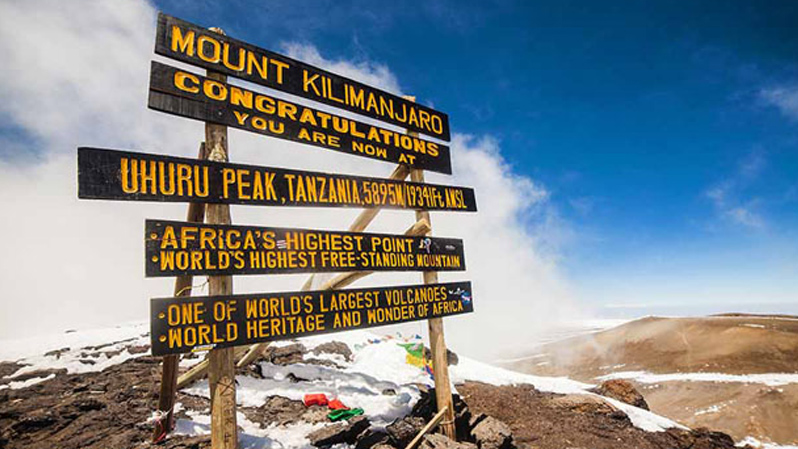
Kilimanjaro’s summit, Uhuru Peak, is at 5,895 meters (19,341 feet). The primary challenge is altitude sickness, which can affect anyone regardless of fitness. Proper acclimatization through slow ascent on longer routes is crucial. Symptoms include headache, nausea, and dizziness. Your guide will monitor you closely.
Can I do a safari and climb with a group departing soon for 2026 or 2027?
Yes, Top Guide Adventures offers scheduled group departures for both safaris and Kilimanjaro climbs. We recommend checking our website or contacting us directly for the latest availability and dates for 2026 and 2027 group trips. Booking in advance is highly advised.
What is included in a typical Top Guide Adventures combined package?
Our combined packages typically include airport transfers, pre-climb accommodation, all park fees for safari and Kilimanjaro, full board during the climb, experienced guides and support crew, camping equipment (tents, mattresses), safari vehicle and driver-guide, meals on safari, and specified accommodation on safari. Exclusions usually are international flights, visa fees, tips, personal gear, and travel insurance.
Is travel insurance mandatory for Kilimanjaro climbs?
Yes, comprehensive travel insurance that covers high-altitude trekking and emergency medical evacuation is mandatory for all Kilimanjaro climbers. Ensure your policy covers trekking up to 6,000 meters.
Conclusion: An Unforgettable Tanzanian Journey
Combining a Kilimanjaro safari with your climb is a spectacular way to experience the best of Tanzania. It offers a rich blend of wildlife encounters and the profound achievement of summiting Africa’s highest peak. By carefully planning your itinerary, choosing the right routes, and partnering with an experienced operator like Top Guide Adventures, you can ensure a smooth, safe, and incredibly rewarding adventure. Whether you are planning for 2026 or 2027, we are here to help you create the Tanzanian journey of a lifetime, from the vast plains of the Serengeti to the Roof of Africa.
For personalized assistance with planning your Kilimanjaro safari before rejoining your climbing group, or to inquire about our 2026-2027 group departure dates, please do not hesitate to contact us. We are passionate about sharing the magic of Tanzania with our clients.
Contact Top Guide Adventures today:
WhatsApp: +255616946642
Email: topguideadventures@gmail.com | info@topguideadventures.com
Website: www.topguideadventures.com
Follow us on Instagram: @top_guide_adventures
Check our reviews on TripAdvisor: Top Guide Adventures Reviews
Check Availability for Kilimanjaro Safari Before Rejoining Your Climbing Group | Top Guide…
Ready to compare dates, prices, and the best option for your group? Send the package name and travel month so the team can reply with a clear quote, availability, and what is included.
Kilimanjaro Bike, Hike And Safari Package Guide
Discover the ultimate Kilimanjaro Bike, Hike, and Safari package, a unique adventure combining the thrill of trekking Africa's highest peak with exhilarating cycling and iconic wildlife...
View package details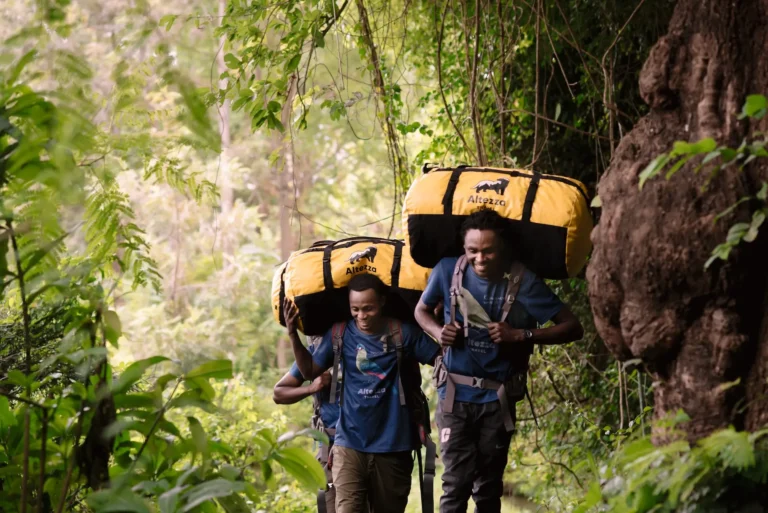
Kilimanjaro Marathon And Serengeti Safari: The Ultimate Tanzania Adventure
Experience the thrill of conquering Mount Kilimanjaro and the wonder of a Serengeti safari in one epic Tanzanian journey. This guide details how to combine the Kilimanjaro Marathon with an...
View package details
Kilimanjaro Fun Run And Safari Package Guide
Experience the thrill of a Kilimanjaro Fun Run followed by an incredible Tanzania safari. Top Guide Adventures offers comprehensive packages blending adventure and wildlife exploration for...
View package details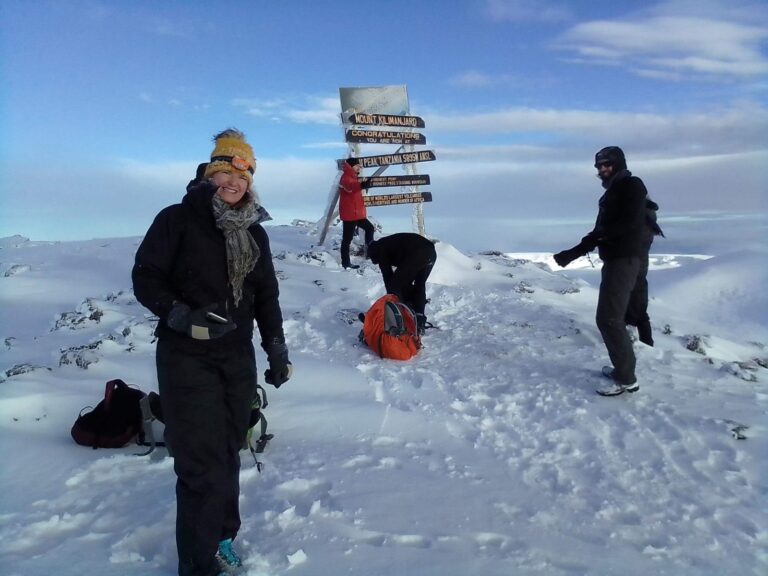
What Happens If You Lose Your Passport In Moshi? Guide
Losing your passport in Moshi, Tanzania, while on safari or climbing Kilimanjaro can be stressful. This guide outlines the immediate steps, required documents, embassy procedures, and...
View package details
Multilingual Kilimanjaro Group Climbing Tour 2026-2027
Multilingual Kilimanjaro Group Climbing Tour is explained with current 2026-2027 planning, price, itinerary and booking information.
View package details
Eco-Friendly Kilimanjaro Group Expedition: Your Sustainable Climb In 2026-2027
Discover how to undertake an eco-friendly Kilimanjaro group expedition, focusing on sustainability, responsible tourism, and preparing for your climb in 2026-2027 with Top Guide Adventures.
View package details
Kilimanjaro Corporate Group Booking Rates & Planning For 2026-2027
Discover how to secure advantageous Kilimanjaro corporate group booking rates for your company's next team-building adventure or incentive trip in 2026 and 2027. Top Guide Adventures...
View package details
Kilimanjaro Charity Group Payment Plan Options For Climbs 2026-2027
Discover how to fund your Kilimanjaro charity climb with flexible payment plans for 2026-2027 departures. Top Guide Adventures offers tailored financial solutions to make your expedition...
View package detailsKilimanjaro Booking Terms For Group Leaders 2026-2027
Kilimanjaro Booking Terms for Group Leaders is explained with current 2026-2027 planning, price, itinerary and booking information.
View package details
Kilimanjaro Group Pricing By Number Of Climbers In | Top Guide Adventures
Understand how the number of climbers affects Kilimanjaro group pricing for your 2026-2027 adventure. Top Guide Adventures breaks down the cost dynamics, from solo trekkers to large...
View package details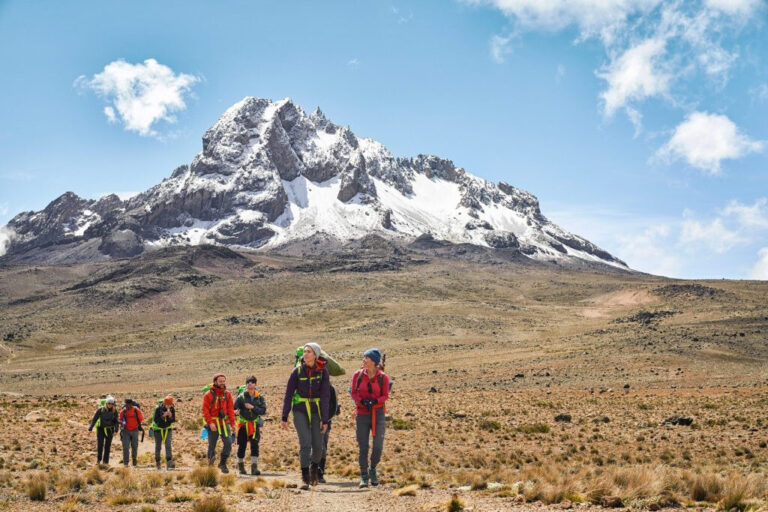
What Happens If Your Kilimanjaro Group Does Not Form? | Top Guide Adventures
If your planned Kilimanjaro group doesn't materialize, Top Guide Adventures offers flexible options including joining an existing group, a private climb, or exploring alternative dates for...
View package details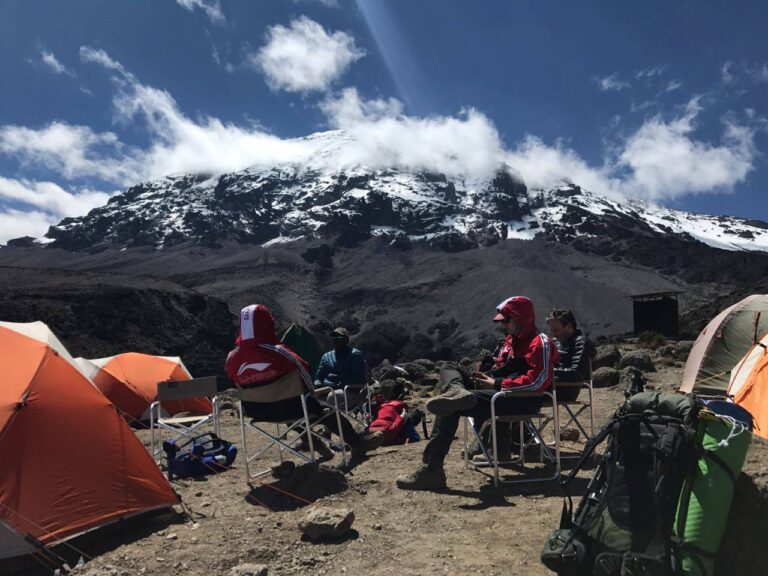
Spanish Group Departures For Kilimanjaro: Dates, Costs & Planning 2026-2027
Discover upcoming Spanish group departures for Kilimanjaro climbs, offering a cost-effective and social way to conquer Africa's highest peak. This guide details 2026-2027 dates, route...
View package detailsNo related package matches those filters. Clear one or more filters to see the other topic-matched options.



