
A Kilimanjaro Local Culture Week for non-climbers offers an enriching alternative to the summit trek, focusing on in-depth experiences with the Chagga people and other local communities around the mountain. These programs typically span 5-7 days in 2026-2027, allowing participants to explore local villages, learn traditional crafts, visit coffee plantations, witness cultural ceremonies, and engage with daily life, providing a deep connection to Tanzania’s heritage without the physical demands of climbing.
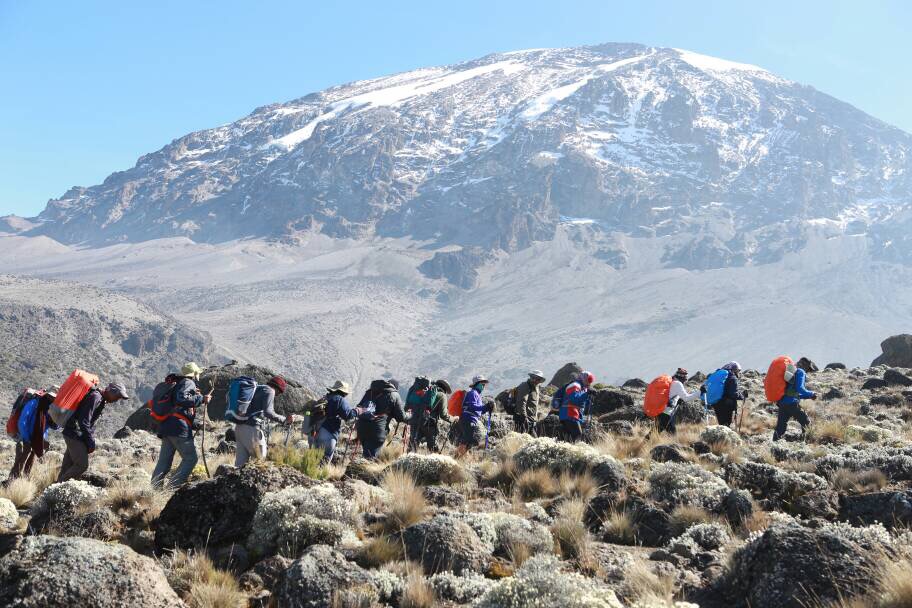
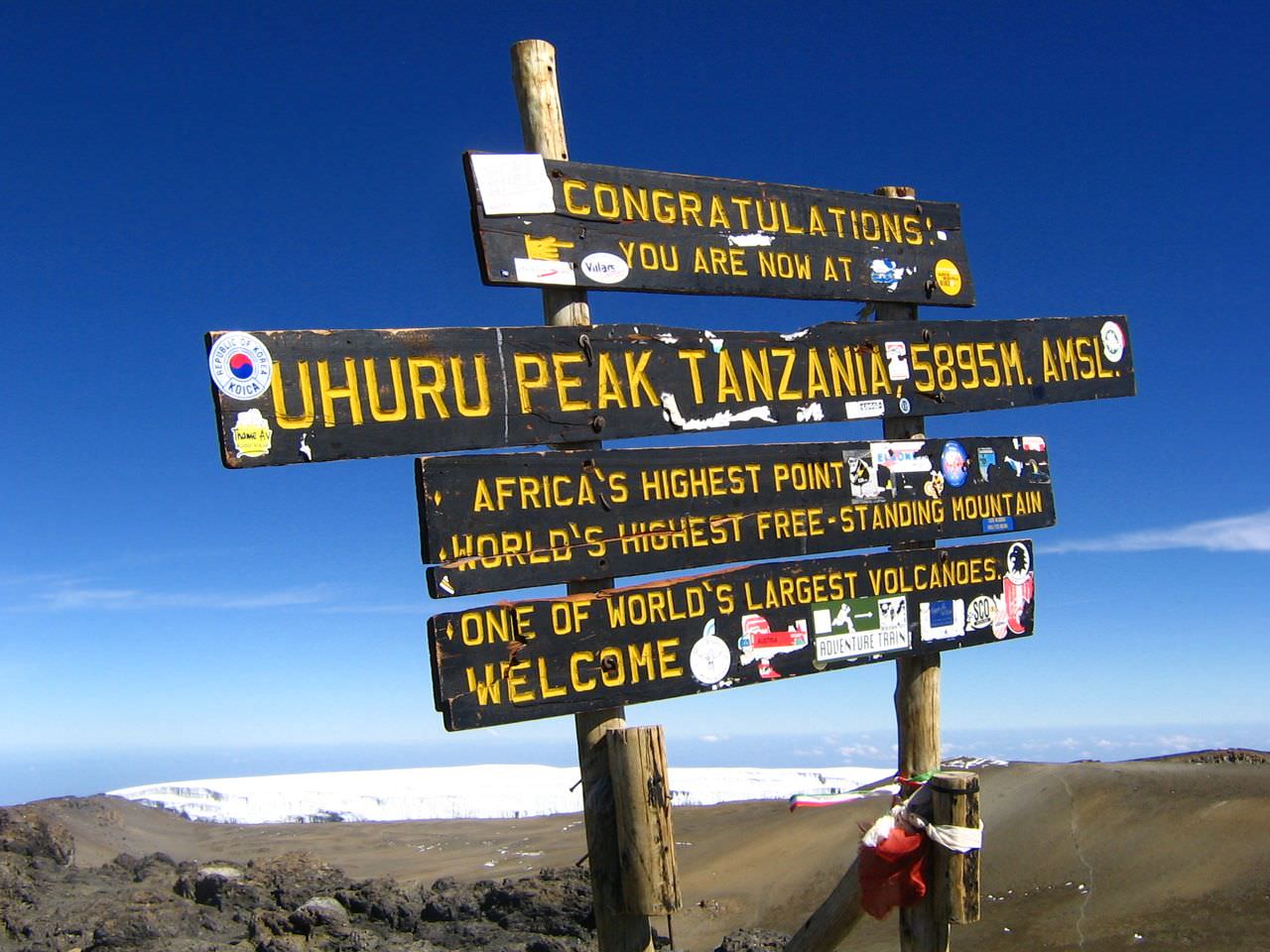
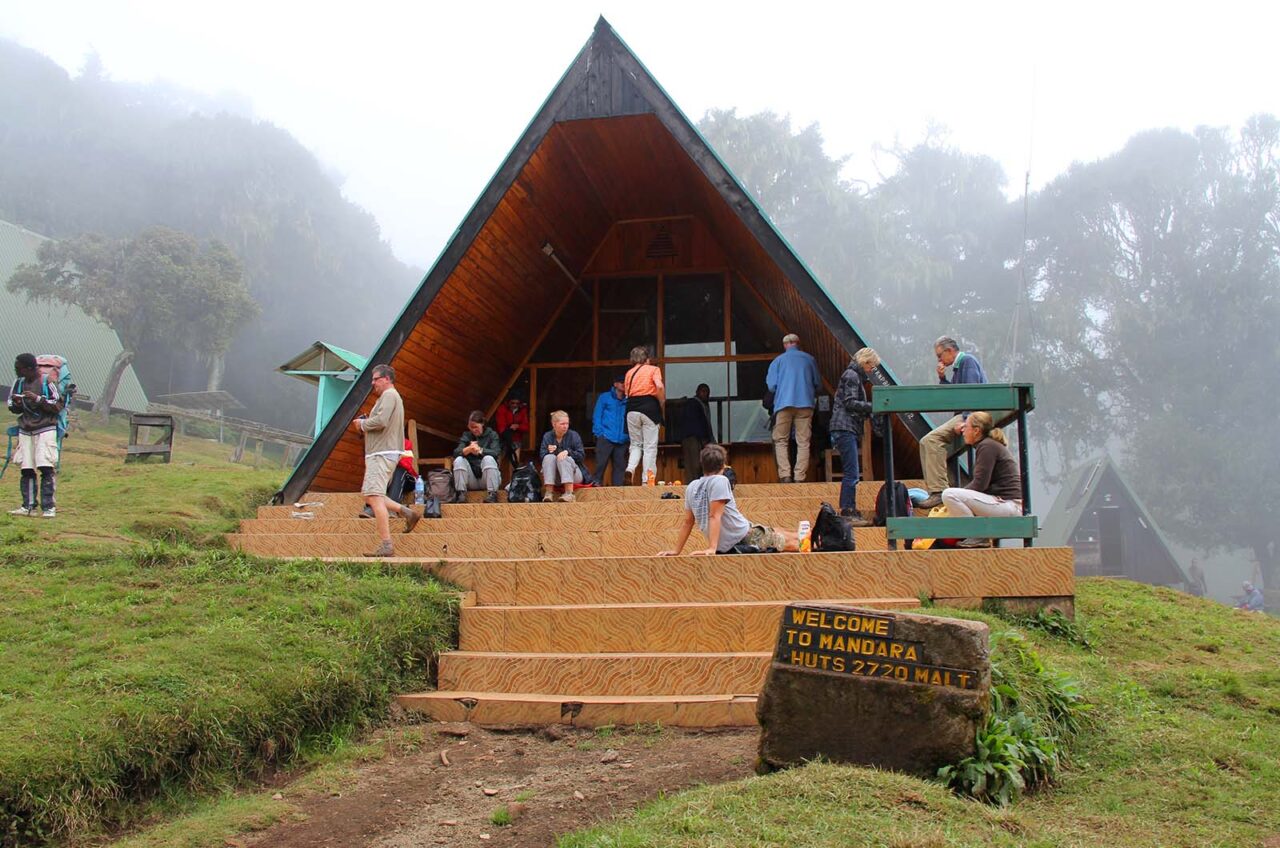
Beyond the Summit: Embracing Kilimanjaro’s Cultural Landscape
Mount Kilimanjaro, often recognized as the ‘Roof of Africa,’ draws thousands of adventurers annually, all aiming for its majestic summit. Yet, the magic of this region extends far beyond the icy peaks. For many, the physical challenge of the climb is not the primary goal, or perhaps it’s not feasible. This is where the concept of a Kilimanjaro Local Culture Week for Non-Climbers truly shines. Top Guide Adventures recognizes that the soul of Tanzania lies not just in its natural wonders, but in the warmth of its people and the depth of its traditions. Our carefully curated cultural weeks are designed for those who wish to experience the vibrant life surrounding Kilimanjaro, understand its history, and connect with its communities on a personal level, offering a profound travel experience that is both educational and deeply rewarding, especially as we look towards planning for 2026 and 2027.
This isn’t about a fleeting glimpse; it’s about genuine interaction. Imagine waking up to the sounds of a bustling Tanzanian village, learning the art of making banana beer from a local elder, or sharing a meal prepared with fresh, locally sourced ingredients. These are the moments that define a Kilimanjaro Local Culture Week, offering a perspective that many miss when solely focused on the mountain’s ascent. We believe that understanding the local culture is as vital to appreciating Kilimanjaro as understanding its geology or ecology. As travel plans for 2026 and 2027 solidify, we invite you to consider this unique way of experiencing one of Africa’s most iconic destinations.
Why Choose a Cultural Week Over a Climb?
The decision to explore Kilimanjaro’s surroundings through a cultural lens, rather than tackling the climb, is a valid and often preferred choice for many travelers. The motivations are diverse, ranging from physical limitations and time constraints to a specific desire for deeper cultural immersion. A Kilimanjaro Local Culture Week for Non-Climbers caters precisely to these needs, offering a rich and fulfilling experience that doesn’t require months of training or a significant portion of your holiday dedicated to high-altitude trekking.
- Accessibility: These programs are designed for travelers of all fitness levels. The focus is on engagement and learning, not physical endurance.
- Pace: Cultural weeks allow for a more relaxed pace, enabling thorough exploration of each activity and genuine connection with local people.
- Depth of Understanding: By living amongst communities, visiting markets, and participating in daily activities, you gain an unparalleled understanding of Chagga life and Tanzanian customs.
- Cost-Effectiveness: While not always cheaper, cultural weeks can sometimes offer more value for money in terms of experiences per day compared to the extensive logistics and staffing required for a Kilimanjaro climb.
- Specific Interests: For travelers with a passion for anthropology, agriculture, local cuisine, or community development, a cultural week offers a more direct pathway to explore these interests.
As we plan for the travel seasons of 2026 and 2027, understanding these distinctions helps travelers make informed decisions about how they want to experience the Kilimanjaro region. Top Guide Adventures is committed to providing authentic experiences that resonate with your personal travel goals.
The Heartbeat of Kilimanjaro: The Chagga People
The slopes of Mount Kilimanjaro are primarily inhabited by the Chagga (or Chaga) people, one of Tanzania’s largest and most prosperous ethnic groups. Their vibrant culture, rich history, and agricultural prowess are central to the experience of any Kilimanjaro Local Culture Week. Understanding the Chagga is key to understanding the region.
A Legacy of Resilience and Innovation
Historically, the Chagga are known for their remarkable resilience. Living on the fertile volcanic slopes of Kilimanjaro, they developed sophisticated agricultural systems, particularly renowned for their coffee cultivation. This coffee farming has not only sustained their communities for generations but has also become a significant part of their cultural identity and a focal point for many visitor experiences.
Their social structure is organized around kinship groups, and they have a strong tradition of oral history, passed down through storytelling and song. The Chagga also have a unique system of land inheritance and management, ensuring that fertile land is passed down through families, contributing to their agricultural success.
Traditional Livelihoods and Daily Life
A Kilimanjaro Local Culture Week offers a direct window into these traditional livelihoods. Visitors can expect to:
- Visit Coffee Plantations: Learn about the entire coffee-making process, from bean to cup. This often includes hands-on participation in harvesting, washing, drying, and roasting beans, followed by a tasting of the freshly brewed local coffee.
- Explore Banana Cultivation: Bananas are another staple crop for the Chagga. You’ll see the extensive use of banana plants, not just for fruit but also for leaves (used for roofing and wrapping food) and stalks (used for animal fodder).
- Understand Traditional Housing: While modern homes are common, you can still see examples of traditional Chagga homesteads, often featuring unique roofing styles and layouts designed for agricultural families.
- Witness Local Markets: The vibrant local markets are the hub of community life, where produce, crafts, and goods are traded. Experiencing a market day is a sensory delight and a crucial part of understanding the local economy and social interactions.
The Chagga and Their Connection to Kilimanjaro
The Chagga people hold a deep spiritual and practical connection to Mount Kilimanjaro. They traditionally viewed the mountain as a sacred place, a dwelling for their gods and ancestors. This reverence influences their relationship with the land and their respect for the mountain’s environment. While modern influences have shaped their beliefs, the historical significance remains a powerful undercurrent in their culture.
For travelers planning a Kilimanjaro Local Culture Week for Non-Climbers in 2026 or 2027, engaging with the Chagga offers an authentic and profound glimpse into a culture shaped by the land, history, and the imposing presence of Africa’s highest peak.
Structuring Your Kilimanjaro Local Culture Week: A Sample Itinerary
While Top Guide Adventures crafts bespoke experiences, a typical Kilimanjaro Local Culture Week for Non-Climbers offers a blend of activities designed for immersion and discovery. This sample itinerary provides a framework for what you might expect in 2026-2027, adaptable to your specific interests.
Day 1: Arrival in Moshi & Cultural Welcome
- Arrive at Kilimanjaro International Airport (JRO).
- Meet your Top Guide Adventures representative and transfer to your accommodation in Moshi, the gateway town to Kilimanjaro.
- Settle in and enjoy a welcome briefing about your upcoming cultural week.
- Evening: Enjoy a traditional Tanzanian dinner at a local restaurant, sampling popular dishes like Ugali and Mchuzi.
Day 2: Marangu Village & Waterfalls
- Morning: Travel to Marangu, a beautiful village on Kilimanjaro’s eastern slopes, historically known as the “home of the Chagga”.
- Visit the Chagga Cultural Heritage Centre, learn about their history, and explore traditional houses.
- Hike to the stunning Marangu Waterfalls, a refreshing natural wonder.
- Afternoon: Experience a guided tour of a local coffee plantation, learning the bean-to-cup process and enjoying a tasting.
- Overnight stay in a local guesthouse or homestay in Marangu for deeper immersion.
Day 3: Machame Village & Agricultural Exploration
- Morning: Journey to the Machame area, known for its intensive farming.
- Engage in a hands-on agricultural experience: help with planting, weeding, or harvesting in a local farm, focusing on bananas and beans.
- Learn about traditional farming techniques and their importance in Chagga life.
- Afternoon: Visit a local school (subject to availability and community agreement) to interact with children and understand the education system.
- Evening: Participate in a cooking demonstration and enjoy dinner with a host family, learning to prepare local delicacies.
Day 4: Local Markets & Craftsmanship
- Morning: experience the vibrant atmosphere of a bustling local market (e.g., Mweka or Usa River market, depending on the day).
- Observe local trade, interact with vendors, and perhaps purchase unique handicrafts.
- Afternoon: Visit a local artisan’s workshop. Learn about traditional crafts such as pottery, weaving, or wood carving. You might have the opportunity to try your hand at a craft.
- Learn about the significance of these crafts in Chagga culture and their economic role.
- Evening: Enjoy a cultural performance featuring traditional music and dance.
Day 5: Maasai Boma Visit & Plains Exploration
While the Chagga are central to Kilimanjaro’s slopes, a Kilimanjaro Local Culture Week often includes interactions with other communities in the wider region. A visit to a Maasai boma (homestead) offers a contrasting cultural experience.
- Full Day: Travel towards the plains bordering Kilimanjaro National Park for a visit to a traditional Maasai boma.
- Learn about the semi-nomadic lifestyle, social structure, and unique traditions of the Maasai people.
- Witness their famous ‘jumping dance’ (adumu) and learn about their cattle-herding culture.
- Understand their relationship with the land and wildlife.
- This day provides a broader perspective on the diverse cultures that coexist in Tanzania.
Day 6: Community Project Visit & Farewell
- Morning: Visit a local community development project supported by Top Guide Adventures or a local NGO. This could be a school, a health clinic, or an environmental initiative.
- Gain insight into the challenges and successes of community-led development in rural Tanzania.
- Afternoon: Enjoy some free time for last-minute souvenir shopping in Moshi or relaxing at your hotel.
- Evening: Farewell dinner with your guide and fellow travelers, sharing reflections on your Kilimanjaro Local Culture Week experience.
Day 7: Departure
- After breakfast, transfer to Kilimanjaro International Airport (JRO) for your onward flight.
This itinerary is a suggestion and can be customized. For travel in 2026 and 2027, we encourage you to discuss your specific interests with us so we can tailor your Kilimanjaro Local Culture Week to be truly unforgettable.
Key Cultural Experiences to Expect
Beyond the structured itinerary, a Kilimanjaro Local Culture Week for Non-Climbers is defined by the richness of the experiences you’ll have. These are moments of genuine connection and learning that stay with you long after you return home.
1. The Art of Coffee Making with the Chagga
Coffee is more than a crop for the Chagga; it’s a cultural cornerstone. Your experience will likely involve:
- Farm Visit: Walking through lush coffee gardens, understanding the different varietals and the symbiotic relationship between coffee plants, bananas, and shade trees.
- Harvesting: Learning to identify ripe coffee cherries and the gentle process of picking them.
- Processing: Witnessing or participating in the washing, pulping, and fermentation stages.
- Drying: Seeing the beans spread out on drying beds under the African sun.
- Roasting & Grinding: Experiencing the traditional method of roasting beans over a fire and grinding them by hand.
- Tasting: Finally, savoring a cup of freshly brewed, locally grown Kilimanjaro coffee – a taste earned through participation.
This hands-on approach offers a deep appreciation for the labor and tradition behind your morning cup.
2. Banana Beer Brewing and Consumption
Banana beer, known locally as Mbege, is a traditional alcoholic beverage central to Chagga social gatherings and ceremonies. Learning about its preparation is a unique cultural insight:
- Ingredients: Understanding the core components – ripe bananas (which are mashed) and sorghum flour (which provides the fermenting agent).
- Process: Observing the fermentation process, which often takes several days in traditional clay pots or gourds.
- Serving: Experiencing how it’s traditionally served, often from a communal calabash or pot, passed around the group.
- Cultural Significance: Learning about its role in celebrations, welcoming guests, and community bonding.
While the taste can be an acquired one, participating in the brewing and sharing of Mbege is a memorable cultural exchange.
3. Homestays and Village Life
Opting for homestays or spending significant time within villages provides the most authentic experience:
- Daily Routines: Observing and participating in the rhythm of daily life – fetching water, preparing meals, tending to animals, or engaging in small crafts.
- Family Interactions: Building rapport with host families, sharing stories, and learning about their aspirations and challenges.
- Traditional Architecture: Understanding the construction and design of traditional homes, often using local materials like mud, wood, grass, and banana leaves.
- Childhood Games: Engaging with local children and perhaps learning some of their traditional games.
These intimate settings are where the true essence of a Kilimanjaro Local Culture Week is often found.
4. Local Cuisine Exploration
Tanzanian food is diverse and flavorful. Your cultural week will likely introduce you to:
- Staples: Trying staples like Ugali (a stiff maize porridge), Pilau (spiced rice), and various stews (Mchuzi) made with vegetables, beans, or meat.
- Local Vegetables: Discovering indigenous vegetables and how they are prepared.
- Cooking Methods: Learning about traditional cooking techniques, often over open fires or using simple stoves.
- Sharing Meals: The communal act of sharing meals is central to Tanzanian hospitality.
5. Understanding Traditional Medicine and Beliefs
While not always a primary focus, opportunities may arise to learn about traditional healing practices and the blend of traditional beliefs with modern life. This can offer fascinating insights into the community’s worldview.
Planning for 2026 and 2027 allows ample time to anticipate these enriching encounters. Top Guide Adventures ensures these interactions are respectful and mutually beneficial.
Beyond the Chagga: Other Cultural Encounters
While the Chagga are the predominant group on Kilimanjaro’s slopes, the broader region of Northern Tanzania is a mosaic of cultures. A comprehensive Kilimanjaro Local Culture Week for Non-Climbers, especially if extended slightly or combined with other local tours, can offer glimpses into the lives of other significant ethnic groups.
The Maasai: Warriors of the Plains
No exploration of Northern Tanzania is complete without understanding the iconic Maasai people. Known for their distinctive red shukas, intricate beadwork, and pastoralist lifestyle, the Maasai represent a powerful connection to the traditional ways of East Africa.
- Pastoralism: Their lives revolve around their cattle, which are central to their economy, social status, and diet.
- Bomas: Visiting a Maasai boma (homestead) offers insight into their unique circular village structures, made from mud, sticks, and dung.
- Social Structure: Learning about the age-set system (warriors, junior elders, senior elders) and the roles within the community.
- Cultural Practices: Witnessing traditional dances, hearing their distinct chants, and understanding their deep connection to the land and wildlife.
- Craftsmanship: Admiring their intricate beadwork, which holds significant cultural meaning, from jewelry to decorative items.
A well-organized Kilimanjaro Local Culture Week can include a day trip or an overnight stay with the Maasai, providing a fascinating contrast to the agricultural life of the Chagga.
The Meru People: Neighbors of Kilimanjaro
To the west of Kilimanjaro lies Mount Meru, home to the Meru people. They share similarities with the Chagga in their agricultural practices, particularly coffee and maize cultivation, but possess their own distinct traditions and history.
- Agricultural Prowess: Similar to the Chagga, the Meru are skilled farmers on the fertile slopes of their mountain.
- Community Structure: Their society is organized into clans, with strong emphasis on community cooperation.
- Historical Resilience: The Meru have a history of resilience, having faced various challenges throughout different historical periods.
While less commonly featured in standard Kilimanjaro tours, incorporating a visit to Meru communities can add another layer to your cultural understanding of the region.
Other Ethnic Groups
Northern Tanzania is home to numerous other smaller ethnic groups, each with their unique languages, customs, and traditions. While a dedicated Kilimanjaro Local Culture Week primarily focuses on the dominant groups surrounding the mountain, longer, more customized tours can explore these diverse communities further.
For travelers planning their trips for 2026 and 2027, Top Guide Adventures can help design itineraries that offer a broader cultural perspective, ensuring a rich and comprehensive understanding of Tanzania’s diverse heritage. The key is to find operators who prioritize authentic, respectful engagement with all communities visited.
Practical Considerations for Your Cultural Week
Preparing for a Kilimanjaro Local Culture Week for Non-Climbers involves practical considerations to ensure a smooth, enjoyable, and respectful experience. As you plan for 2026-2027, keep these points in mind:
Visa and Entry Requirements
Ensure your passport is valid for at least six months beyond your intended stay and has sufficient blank pages. Most nationalities require a visa for Tanzania. This can often be obtained online in advance or upon arrival at Kilimanjaro International Airport (JRO). Check the latest requirements from the Tanzanian embassy or consulate in your country well before your travel dates.
Health and Vaccinations
Consult your doctor or a travel clinic 4-6 weeks before your trip regarding recommended vaccinations and malaria prophylaxis. Yellow fever vaccination may be required depending on your travel route into Tanzania. Drink only bottled or purified water and be cautious with uncooked foods.
Packing Essentials
While you won’t need high-altitude gear, pack comfortable clothing suitable for warm weather and modest attire for visiting villages and interacting with local communities. Essential items include:
- Lightweight, breathable clothing (long sleeves and trousers are recommended for sun protection and modesty)
- Comfortable walking shoes or sturdy sandals
- Sunscreen, sunglasses, and a wide-brimmed hat
- Insect repellent
- Personal toiletries and any necessary medications
- A reusable water bottle
- A small backpack for day trips
- A camera to capture memories (always ask permission before taking photos of people)
- A small notebook and pen for journaling or jotting down phrases
Currency and Budgeting
The local currency is the Tanzanian Shilling (TZS). US Dollars are also widely accepted, especially for tourist services, but it’s good to have local currency for smaller purchases in markets and villages. ATMs are available in Moshi and Arusha. Inform your bank about your travel dates to avoid card issues. Factor in costs for:
- Tour Package: This will be the largest expense, covering accommodation, guides, activities, meals, and transportation.
- Tips: Tipping guides, drivers, and local hosts is customary and appreciated. Your tour operator will provide guidance on appropriate amounts.
- Souvenirs: Budget for any handicrafts or local products you wish to purchase.
- Personal Expenses: Drinks, snacks, and any optional activities not included in the package.
Top Guide Adventures provides detailed inclusions and exclusions for all our Kilimanjaro Local Culture Week packages for 2026 and 2027, helping you budget accurately.
Respectful Engagement
Cultural sensitivity is paramount. Always ask for permission before taking photographs of people, especially children. Dress modestly, particularly when visiting villages or religious sites. Be open to learning, listen attentively, and engage with genuine curiosity and respect. Understanding basic greetings in Swahili (like Jambo – Hello, Asante – Thank you) can go a long way in building rapport.
Language
Swahili is the national language, but English is widely spoken in tourist areas and by guides. In local villages, you will primarily hear the local dialect (e.g., Kichagga). Your guide will act as a crucial cultural and linguistic bridge.
Top Guide Adventures: Your Partner for Authentic Cultural Experiences
Choosing the right tour operator is critical for an authentic and enriching Kilimanjaro Local Culture Week for Non-Climbers. Top Guide Adventures has deep roots in Tanzania and a commitment to providing genuine, respectful, and memorable cultural experiences.
Why Choose Us?
- Local Expertise: As a leading Tanzanian tour company, we have unparalleled knowledge of the local culture, communities, and logistics.
- Authenticity: We prioritize genuine interactions over staged performances, working closely with local communities to ensure experiences are meaningful for both visitors and hosts.
- Personalized Service: We tailor itineraries to your interests, ensuring your Kilimanjaro Local Culture Week in 2026 or 2027 perfectly matches your expectations.
- Community Focus: We believe in responsible tourism that benefits local communities directly. A portion of our work supports local development initiatives.
- Experienced Guides: Our guides are not only knowledgeable about the Kilimanjaro region but are also passionate cultural ambassadors, fluent in English and deeply connected to local traditions.
- Safety and Comfort: We ensure comfortable accommodations, reliable transportation, and a focus on your well-being throughout your journey.
Customizing Your 2026-2027 Trip
Whether you’re interested in spending more time on coffee plantations, learning traditional crafts, visiting schools, or exploring specific villages, we can customize your Kilimanjaro Local Culture Week. We can also integrate cultural experiences with other Tanzanian adventures, such as a short safari or a visit to Zanzibar, creating a comprehensive travel plan for 2026 and 2027.
Ready to explore the vibrant culture surrounding Kilimanjaro? Contact us to start planning your unforgettable Kilimanjaro Local Culture Week for Non-Climbers.
Get in Touch
For inquiries, custom itineraries, and booking information for your Kilimanjaro Local Culture Week in 2026 or 2027, please reach out to our expert team:
- WhatsApp: +255616946642
- Email: topguideadventures@gmail.com
- Backup Email: info@topguideadventures.com
Visit our website for more inspiration on Tanzanian adventures: www.topguideadventures.com. We look forward to helping you discover the true heart of Tanzania!
Frequently Asked Questions about Kilimanjaro Local Culture Week
Here are some common questions potential travelers have about experiencing Kilimanjaro’s culture without climbing.
What is the best time of year for a Kilimanjaro Local Culture Week?
The best time for a Kilimanjaro Local Culture Week for Non-Climbers generally aligns with the dry seasons in Tanzania, which are from January to March and June to October. These months offer pleasant weather for exploring villages and engaging in outdoor activities. However, cultural activities are year-round, and the shoulder seasons (April-May, November-December) can offer fewer crowds and potentially lower prices, though weather can be more unpredictable. For 2026 and 2027 planning, consider these dry periods for optimal comfort.
How physically demanding is a Cultural Week compared to climbing Kilimanjaro?
A Kilimanjaro Local Culture Week is significantly less physically demanding than climbing the mountain. Activities typically involve walking through villages, light hiking to waterfalls or viewpoints, and participating in daily tasks. While some activities might require moderate walking, there is no high-altitude trekking or strenuous physical exertion involved. It’s suitable for travelers of most ages and fitness levels.
What kind of accommodation can I expect?
Accommodation options for a Kilimanjaro Local Culture Week vary. You might stay in comfortable lodges or hotels in towns like Moshi, charming guesthouses in villages, or opt for authentic homestays with local families. The choice often depends on the itinerary and your preference for immersion. Top Guide Adventures ensures that all accommodations are clean, safe, and provide a good base for your cultural explorations.
Can I customize the itinerary for my cultural week?
Absolutely. Top Guide Adventures specializes in creating tailor-made experiences. If you have specific interests, such as focusing more on agriculture, traditional crafts, community projects, or spending more time with a particular ethnic group like the Maasai, we can adjust the itinerary accordingly for your 2026-2027 trip. Let us know your preferences.
Is it respectful to visit local villages and homes?
Yes, visiting local villages and homes can be a very respectful and rewarding experience when done correctly. It’s crucial to go with a reputable tour operator like Top Guide Adventures that has established relationships with the communities and ensures visits are conducted ethically. Always follow your guide’s advice on appropriate dress, behavior, and photography etiquette. Showing genuine interest and respect is key.
What is the typical cost of a Kilimanjaro Local Culture Week?
The cost of a Kilimanjaro Local Culture Week for Non-Climbers can vary widely depending on the duration, accommodation choices, level of customization, and included activities. Prices for a 5-7 day program typically range from $900 to $2,500 per person, excluding international flights. This usually covers accommodation, meals, ground transportation, guides, and planned activities. For precise quotes for 2026 or 2027, it’s best to contact Top Guide Adventures directly with your specific requirements.
What currency should I bring?
The official currency is the Tanzanian Shilling (TZS). While US Dollars are accepted for larger tourist services and often preferred for visas, it’s advisable to carry some Tanzanian Shillings for smaller purchases like souvenirs at local markets, tips for local guides or hosts, and snacks. ATMs are available in Moshi and Arusha for withdrawing local currency.
How can I learn more about the Chagga people specifically?
A Kilimanjaro Local Culture Week is the perfect way to learn about the Chagga. Visits to the Chagga Cultural Heritage Centre in Marangu, guided tours of coffee and banana farms, interactions with local families in their homes, and exploring local markets all provide deep insights into their history, traditions, agriculture, and daily life. Your guide will be an invaluable source of information.
Planning ahead for 2026 and 2027 with these questions in mind will help ensure your Kilimanjaro Local Culture Week is a truly enriching adventure. Top Guide Adventures is here to answer any further questions you may have.
Check Availability for Kilimanjaro Local Culture Week For Non-Climbers: Experience Tanzanias Heart
Ready to compare dates, prices, and the best option for your group? Send the package name and travel month so the team can reply with a clear quote, availability, and what is included.
What Can Non-Climbers Do Near Kilimanjaro? Explore Tanzanias Wonders 2026-2027
While Mount Kilimanjaro draws adventurers for its summit, the surrounding region offers a wealth of experiences for those who prefer to stay at lower altitudes. From thrilling wildlife...
View package details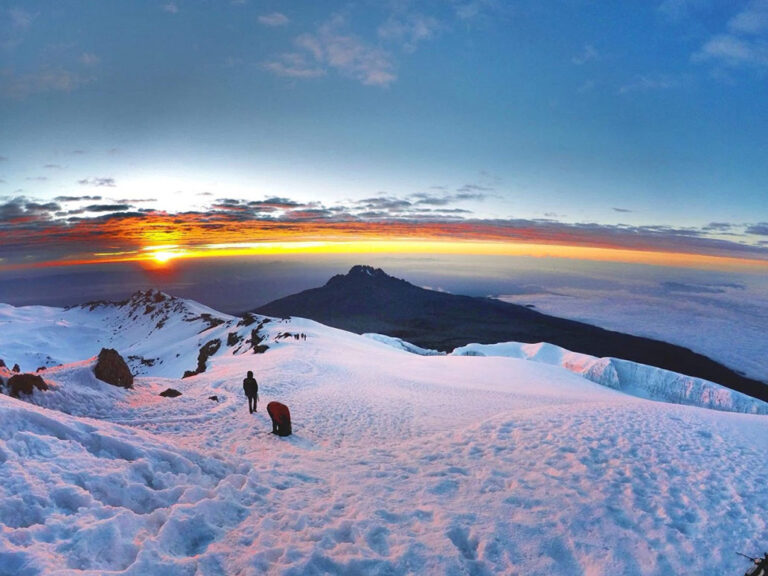
Kilimanjaro Companion Package For Non-Climbers | Top Guide Adventures
A Kilimanjaro Companion Package is designed for friends, family, or partners of climbers who wish to experience the magic of Kilimanjaro National Park and its surroundings without...
View package details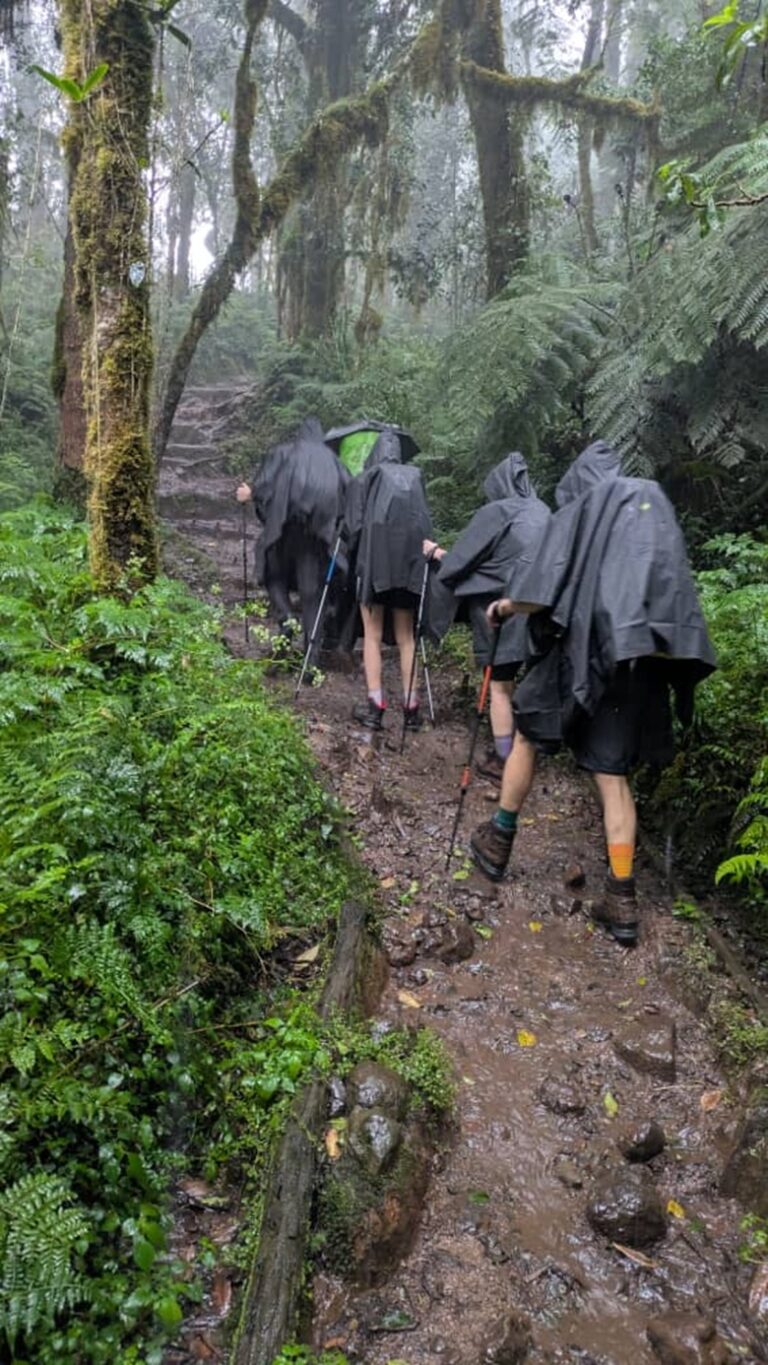
Kilimanjaro Foothills Tour For Non-Climbers: Experience The Majesty Without
Explore the impressive Kilimanjaro foothills on a specialized tour designed for those who prefer to experience the mountain's grandeur without undertaking a strenuous climb. Discover local...
View package details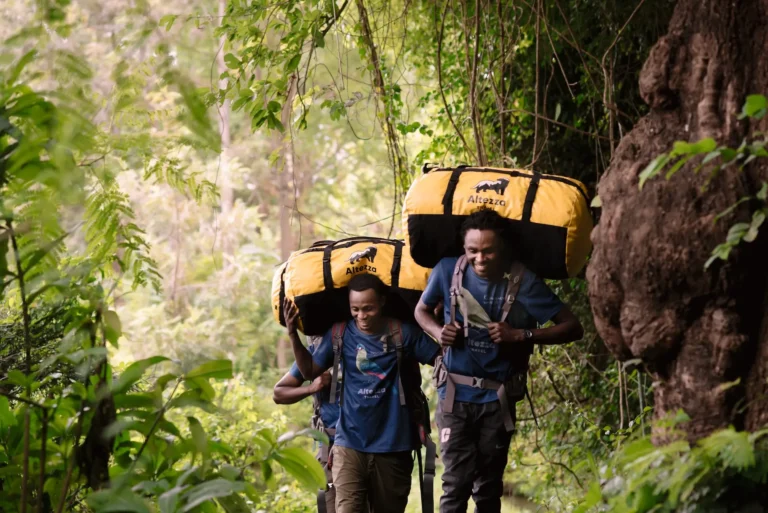
Kilimanjaro Region Seven-Day Non-Climbing Itinerary: Explore Beyond The Summit
Explore the vibrant Kilimanjaro Region for seven days without climbing the mountain. This itinerary focuses on cultural immersion, wildlife encounters, local markets, and scenic beauty...
View package details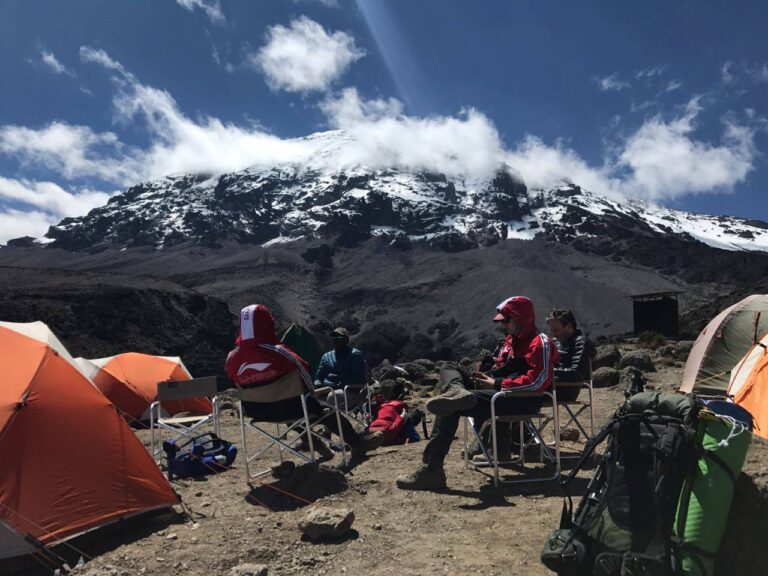
Kilimanjaro Cultural Tour While Friends Climb: Experience Tanzanias Heart
Discover the perfect way to experience Tanzania's vibrant culture and landscapes while your friends conquer Mount Kilimanjaro. This guide explores in-depth cultural tours designed to...
View package details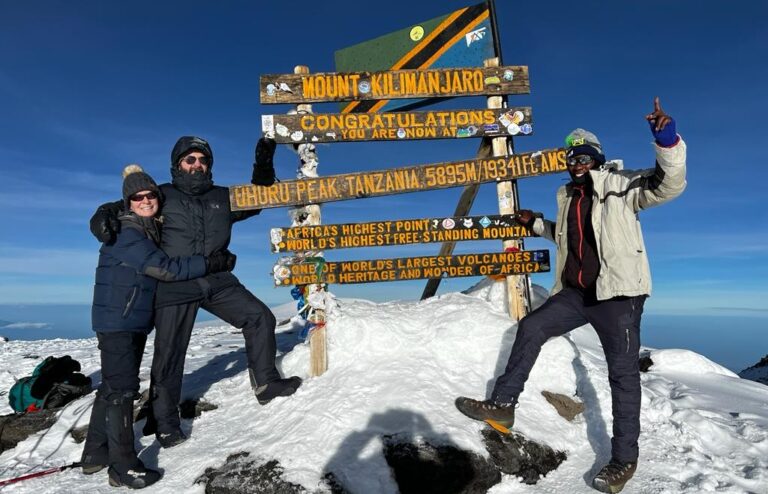
Kilimanjaro Marathon And Materuni Waterfalls Recovery Tour In 2026-2027
Experience the thrill of the Kilimanjaro Marathon followed by a rejuvenating recovery tour to the stunning Materuni Waterfalls. This unique package offers the perfect blend of athletic...
View package details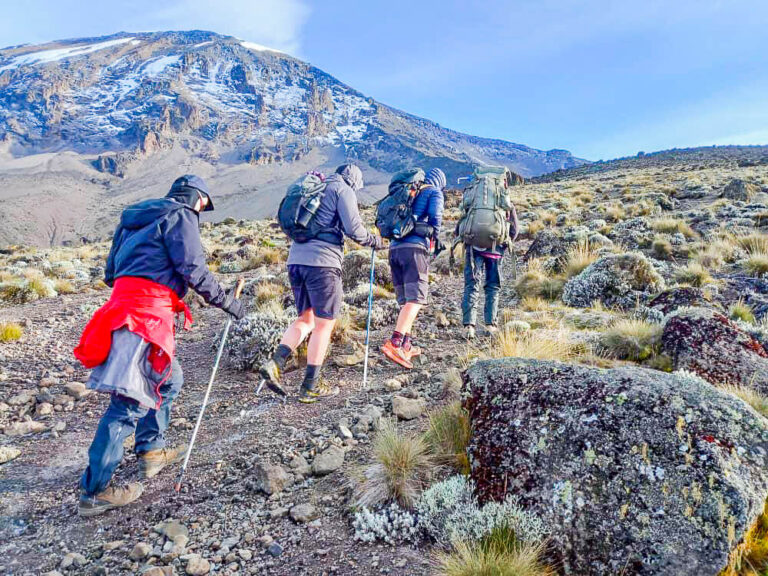
Kilimanjaro Marathon Family Travel Packages For | Top Guide Adventures
Experience the thrill of the Kilimanjaro Marathon with your family! Top Guide Adventures crafts unique travel packages for 2026-2027, blending the excitement of the race with the wonders of...
View package details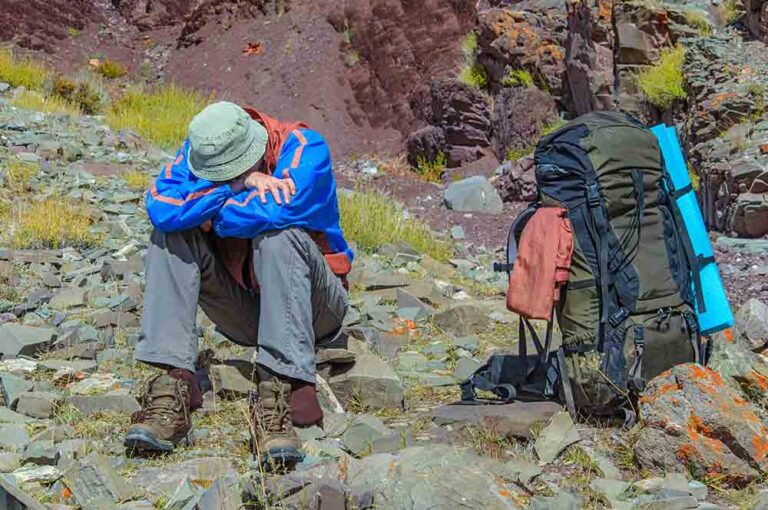
One-Day Kilimanjaro Foothills Bike Tour: An Unforgettable Adventure 2026-2027
Discover the beauty and culture surrounding Mount Kilimanjaro on an exhilarating one-day bike tour through its foothills. This adventure offers a unique perspective on Tanzania's iconic...
View package detailsGerman Group Departures For Kilimanjaro: Your Guide 2026-2027
Planning a Kilimanjaro climb with fellow German speakers? Discover curated group departures for 2026-2027, focusing on safety, success, and cultural connection. Top Guide Adventures...
View package details
Private Kilimanjaro Interpreter And Guide Package: Your Ultimate Summit
Discover the benefits of a Private Kilimanjaro Interpreter and Guide Package for your trek. Ensure safety, cultural understanding, and a smoother journey to the Roof of Africa with expert...
View package details
Kilimanjaro National Park Conservation Fees Explained For Climbers 2026-2027
Climbing Mount Kilimanjaro involves understanding various conservation fees essential for park maintenance and climber safety. This guide breaks down the current fee structure for...
View package detailsKilimanjaro Alpine Desert Ecosystem: A Comprehensive Guide For Climbers
Discover the fascinating Kilimanjaro Alpine Desert ecosystem, the harsh yet beautiful environment found above the montane forest and heath zones. This guide details its characteristics...
View package detailsNo related package matches those filters. Clear one or more filters to see the other topic-matched options.



