
The primary difference between Stella Point and Uhuru Peak on Mount Kilimanjaro is that Stella Point is a point on the crater rim, while Uhuru Peak is the actual highest summit of the mountain. Most trekkers reach Stella Point first during their summit attempt, and then continue for another hour or two to reach Uhuru Peak, the true roof of Africa. Understanding this distinction is vital for any climber planning their 2026-2027 expedition.
Stella Point vs. Uhuru Peak: Deciphering Kilimanjaro’s Summit Goals
Mount Kilimanjaro, a majestic dormant volcano in Tanzania, draws adventurers from around the globe. For many, the ultimate goal is to stand at its highest point. However, the journey to the summit is often described with two distinct names: Stella Point and Uhuru Peak. While both are significant milestones on the climb, they represent different achievements. For trekkers preparing for an ascent in 2026 or 2027, clarifying the Stella Point vs Uhuru Peak difference is crucial for setting realistic expectations and understanding the full scope of their challenge.
At its core, the difference is one of location and elevation. Stella Point sits at 5,756 meters (18,885 feet) above sea level and marks a significant achievement: reaching the rim of Kilimanjaro’s crater. For some, especially those who have faced extreme altitude and demanding conditions, reaching Stella Point is a triumphant end to their summit push. However, for those aiming to conquer the entire mountain, Stella Point is a waypoint. The true summit, Uhuru Peak, stands higher at 5,895 meters (19,341 feet) and is located a further distance along the crater rim from Stella Point.
The trek from Stella Point to Uhuru Peak typically takes another 1 to 2 hours, depending on the climber’s pace and the conditions. This final leg of the journey, though often less physically demanding than the ascent to the rim, can be mentally taxing due to fatigue and the continued exposure to extreme altitude and cold. Many trekking routes converge at Stella Point, making it a common meeting point for climbers from various paths before they continue to Uhuru Peak.
When planning your Kilimanjaro climb for 2026-2027, understanding this fundamental Stella Point vs Uhuru Peak distinction ensures you and your guides are aligned on your ultimate objective. Top Guide Adventures is dedicated to helping you achieve your summit dreams, whether your personal goal is the crater rim or the absolute highest point. We focus on safety, acclimatization, and providing the support needed to make your Kilimanjaro experience successful and memorable.
The Crater Rim: Stella Point as a Major Milestone
Reaching the crater rim of Mount Kilimanjaro is a monumental feat. Stella Point represents the successful completion of this challenging ascent, marking the point where the steep, scree-covered slopes of the upper mountain finally meet the vast, ancient caldera. For many climbers, the sheer accomplishment of arriving at Stella Point is deeply satisfying. The views from the rim are often spectacular, offering a first glimpse into the volcanic landscape of Kilimanjaro’s summit area.
The altitude at Stella Point is significant. At 5,756 meters (18,885 feet), climbers are well into the ‘death zone,’ where oxygen levels are critically low. The physical and mental toll of reaching this point can be immense. Many trekkers experience symptoms of altitude sickness, including headaches, nausea, and fatigue. The summit night is notoriously challenging, often involving a pre-dawn start and climbing for 6-10 hours to reach the rim, followed by a further trek to the true summit.
The terrain leading to Stella Point typically consists of loose scree and rock, making the footing difficult and the climb arduous. Winds can also be a significant factor at this altitude, adding to the discomfort. For climbers on routes like the Mweka or Barafu (used by the Machame and Umbwe routes), Stella Point is the first point of contact with the crater rim. Routes like Marangu and Rongai approach the rim from a different direction, but Stella Point remains a key landmark.
It’s important for trekkers in 2026 and 2027 to recognize that Stella Point, while impressive, is not the highest point on Kilimanjaro. However, for individuals with specific health concerns, time constraints, or those who have struggled significantly with the ascent, reaching Stella Point can still be considered a successful climb. Guides at Top Guide Adventures are trained to assess each climber’s condition and will advise on the best course of action, always prioritizing safety. Some may choose to celebrate their achievement at Stella Point, while others will press on to Uhuru Peak.
Uhuru Peak: The True Summit of Africa
Uhuru Peak, standing at 5,895 meters (19,341 feet), is the ultimate destination for most Kilimanjaro climbers. It is the highest point on the African continent and a globally recognized mountaineering achievement. The name ‘Uhuru’ means ‘freedom’ in Swahili, a fitting title for the highest point of a nation that gained its independence in 1961. Reaching Uhuru Peak is a profound experience, symbolizing perseverance, determination, and the conquest of one of the world’s most iconic natural wonders.
The journey from Stella Point to Uhuru Peak is a relatively flat walk along the crater rim. While the elevation gain is minimal, the physical and mental challenges persist. The thin air, extreme cold (often below -10°C or 14°F, and sometimes much colder with wind chill), and the sheer exhaustion from the preceding ascent can make this final push feel incredibly demanding. Climbers must navigate uneven terrain and maintain focus, often in the dim light of headlamps during the pre-dawn hours.
The iconic signpost at Uhuru Peak is a popular photo opportunity, marking the achievement for climbers. Beyond the sign, the vastness of the crater and the surrounding landscape offer unparalleled views. On a clear day, you can see glaciers clinging to the summit and the curvature of the earth. The sense of accomplishment upon reaching Uhuru Peak is immense, a reward for weeks or months of training and days of challenging trekking.
For those planning their Kilimanjaro climb for 2026-2027, the aspiration to reach Uhuru Peak is often the primary motivation. Top Guide Adventures ensures that our itineraries and guide support are geared towards maximizing your chances of reaching this ultimate goal safely and successfully. We emphasize proper acclimatization, nutrition, and pacing, all critical factors for summiting Uhuru Peak.
Comparing the Journeys: Routes to Stella Point and Uhuru Peak
While the final destination is the same for those aiming for Uhuru Peak, the routes to Kilimanjaro’s summit differ significantly. Each path offers a unique experience, varying in difficulty, scenery, duration, and acclimatization profile. Understanding these routes is key to choosing the best option for your 2026-2027 Kilimanjaro adventure. All major routes eventually lead climbers to the crater rim, where Stella Point is located, and then continue to Uhuru Peak.
The Machame Route: The ‘Whiskey’ Route
The Machame Route, often called the ‘Whiskey’ route (as opposed to the ‘Water’ route, Marangu), is one of the most popular and scenic paths up Kilimanjaro. It’s known for its excellent acclimatization profile due to its ‘climb high, sleep low’ strategy. The route typically takes 6 to 7 days. Trekkers on Machame will ascend steeply towards the crater rim, reaching Stella Point before continuing to Uhuru Peak.
The Lemosho Route: Scenic and High Success Rate
The Lemosho Route is renowned for its impressive scenery and high success rates. It offers a more remote trekking experience in the initial days before joining the Machame route. A 7 or 8-day Lemosho climb provides superior acclimatization, significantly increasing the chances of reaching Uhuru Peak. Like Machame, it leads to Stella Point and then Uhuru Peak.
The Marangu Route: The ‘Coca-Cola’ Route
The Marangu Route, or ‘Coca-Cola’ route, is the oldest and perhaps most famous path. It’s unique for its hut accommodation rather than camping. It is also the shortest route, typically 5 days, which is why its success rate is lower. While it reaches the crater rim near Stella Point, the accelerated ascent and limited acclimatization make the push to Uhuru Peak particularly challenging.
The Rongai Route: Arid Scenery and Northern Approach
The Rongai Route approaches Kilimanjaro from the north, offering a different perspective and often drier conditions. It’s a good option for those concerned about rain. It typically takes 6 to 7 days and joins the Marangu route for the final ascent to the crater rim and Uhuru Peak.
The Shira Route: High Altitude Start
The Shira Route is similar to Lemosho but starts at a higher elevation. It offers stunning views and good acclimatization over 7 to 8 days, leading climbers to Stella Point and then Uhuru Peak.
The Northern Circuit: The Longest and Best Acclimatization
The Northern Circuit is the longest route, typically 9 days. It circumnavigates the mountain, offering the best acclimatization and therefore the highest success rates. It provides a more relaxed pace and unparalleled views before reaching Stella Point and finally Uhuru Peak.
The Umbwe Route: Steep and Challenging
The Umbwe Route is the shortest and most direct route, known for its steepness and difficulty. It requires strong physical fitness and good acclimatization experience. While it offers a challenging path, it also leads to Stella Point and Uhuru Peak.
Regardless of the route chosen for your 2026-2027 climb, the journey culminates at the crater rim, with Stella Point being the first major marker. From there, the path to Uhuru Peak is the same for all routes. Top Guide Adventures helps you select the route that best suits your fitness, experience, and desired pace, always with the goal of reaching the summit safely.
The Summit Night: Stella Point to Uhuru Peak Challenge
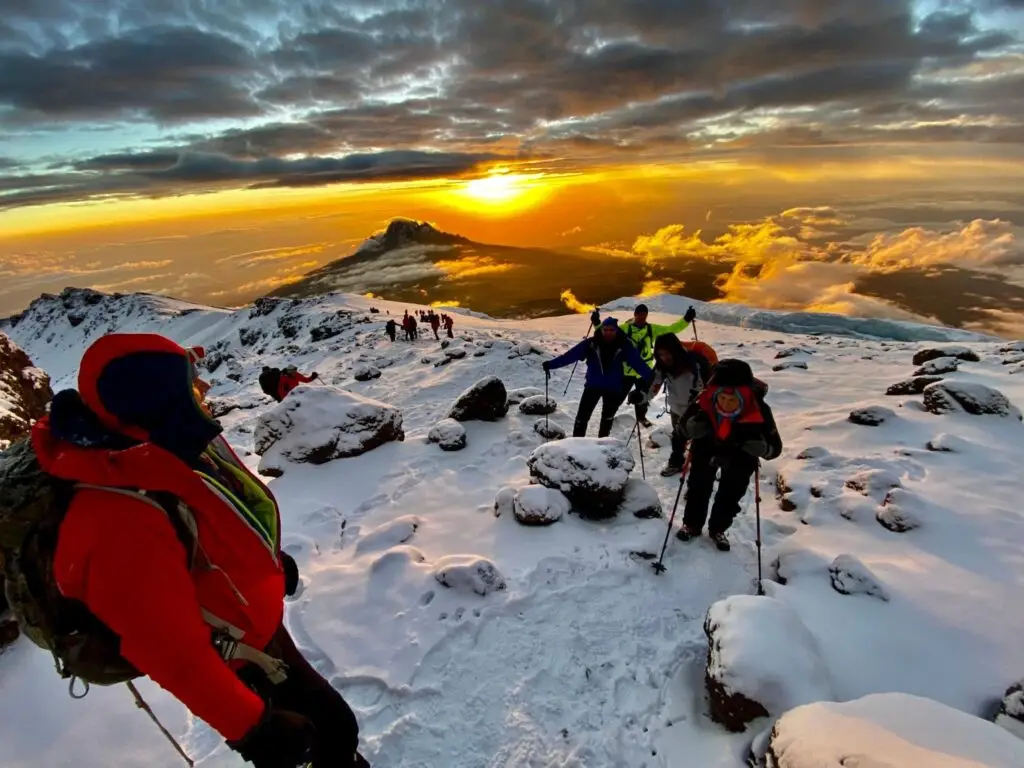
Summit night on Kilimanjaro is widely regarded as the most challenging part of the trek. It typically begins around midnight, with climbers starting their ascent from the last camp (e.g., Kibo Hut or Barafu Camp). The goal is to reach the crater rim, usually Stella Point, by sunrise. This pre-dawn climb is a test of endurance, mental fortitude, and acclimatization.
The Ascent to Stella Point:
- Timing: Starts between 11 PM and 1 AM.
- Duration: 5-8 hours of continuous climbing.
- Terrain: Steep, loose scree and volcanic rock.
- Conditions: Extreme cold, high winds, low oxygen.
- Milestone: Reaching Stella Point (5,756m / 18,885ft) as the sun rises.
Upon reaching Stella Point, climbers are often given a brief rest. This is a critical juncture. The guides assess each climber’s condition. For those feeling strong and well-acclimatized, the journey continues towards Uhuru Peak. For others, Stella Point might be their highest point, and they begin their descent with a guide.
The Trek from Stella Point to Uhuru Peak:
- Distance: Approximately 2-3 kilometers (1.2-1.9 miles) along the crater rim.
- Duration: 1-2 hours of additional trekking.
- Terrain: Relatively flat but uneven, exposed to wind and cold.
- Conditions: Still extreme, but the primary challenge is fatigue.
- Achievement: Reaching Uhuru Peak (5,895m / 19,341ft), the highest point in Africa.
The walk from Stella Point to Uhuru Peak is often described as a mental battle. The physical exertion has taken its toll, and the concept of continuing further can be daunting. However, the path is less steep than the approach to the rim, offering a different kind of challenge. The dramatic scenery, including the remaining glaciers and the vast crater, can provide motivation.
The descent from Uhuru Peak back to Barafu Camp (or Mweka Camp on some routes) is also lengthy and demanding, often taking 4-6 hours. This descent is crucial for acclimatization as you move to lower altitudes. It’s important to remember that reaching the summit is only halfway; the journey down presents its own risks.
For anyone planning a 2026-2027 climb, mental preparation for summit night is as important as physical training. Top Guide Adventures emphasizes hydration, proper layering, and understanding the signs of altitude sickness. Our experienced guides are trained to make critical decisions on summit night to ensure the safety of all climbers, helping them navigate the challenging path from Stella Point to Uhuru Peak.
Altitude Considerations: Stella Point vs. Uhuru Peak
Altitude is the single greatest factor affecting success and safety on Kilimanjaro. The difference in altitude between Stella Point and Uhuru Peak is relatively small (39 meters / 128 feet), but it occurs at an elevation where every meter counts. Both points are within the ‘death zone’ (above 8,000 meters / 26,000 feet), where the body cannot acclimatize and begins to deteriorate.
Stella Point (5,756m / 18,885ft):
- Oxygen levels are approximately 50% of sea level.
- Many climbers experience moderate altitude sickness symptoms here.
- It is the first point on the crater rim reached by most climbers.
- Decision point: continue to Uhuru or descend.
Uhuru Peak (5,895m / 19,341ft):
- Oxygen levels are even lower, around 48-49% of sea level.
- The physiological stress on the body is at its maximum.
- The additional hour or two of ascent from Stella Point can be taxing, even if the incline is minimal.
- The extreme cold and wind chill are often more pronounced at the absolute highest point.
The key to managing altitude on Kilimanjaro, whether aiming for Stella Point or Uhuru Peak, is proper acclimatization. This is why longer routes (7-9 days) are generally recommended for 2026-2027 climbs. These routes allow the body to gradually adapt to the decreasing oxygen levels.
Acclimatization Strategies:
- Slow Ascent: Gaining altitude gradually is paramount.
- Hydration: Drinking plenty of water helps the body function at altitude.
- Pacing: Climbing ‘pole pole’ (slowly, slowly) prevents overexertion.
- ‘Climb High, Sleep Low’: Many routes incorporate this principle, ascending to higher altitudes during the day and descending to sleep at a lower elevation.
- Monitoring: Guides constantly monitor climbers for signs of Acute Mountain Sickness (AMS), High Altitude Pulmonary Edema (HAPE), and High Altitude Cerebral Edema (HACE).
For climbers who have struggled significantly with altitude on the way to Stella Point, the decision to continue to Uhuru Peak requires careful consideration. Our guides are experienced in assessing these situations and will always prioritize a climber’s health and safety. Reaching Stella Point is a significant achievement in itself, and sometimes, it is the wisest choice to descend from there.
Top Guide Adventures believes that informed decisions lead to safer and more enjoyable climbs. By understanding the altitude challenges associated with both Stella Point and Uhuru Peak, you can better prepare for your 2026-2027 Kilimanjaro expedition.
Key Takeaway on Altitude:
While the altitude difference between Stella Point and Uhuru Peak is small, the physiological impact of that extra distance and time at extreme elevation can be significant. Proper acclimatization and listening to your body are crucial for successfully reaching Uhuru Peak.
What to Expect at the Summit: Views and Conditions
The summit of Kilimanjaro, whether you consider Stella Point or Uhuru Peak your final destination, offers an unforgettable experience. The conditions at this altitude are extreme, and the views are unlike anything found elsewhere.
Views from Stella Point:
- As the sun rises, climbers are often greeted with a spectacular panorama.
- You can see the curvature of the Earth and a sea of clouds below.
- The vast volcanic crater, with its ash pit, becomes visible.
- The remaining glaciers of Kilimanjaro, though shrinking, can be seen.
Views from Uhuru Peak:
- Uhuru Peak provides the most expansive and commanding views.
- The iconic signpost is a must-have photo, often bearing slogans like “Congratulations!” and the elevation.
- The views are similar to Stella Point but from the absolute highest point, offering a greater sense of accomplishment.
- The surrounding glaciers are often closer and more dramatic from this vantage point.
Conditions at the Summit:
- Temperature: Typically ranges from -7°C to -29°C (20°F to -20°F), and can feel much colder with wind chill.
- Wind: Often strong and relentless, significantly increasing the perceived cold.
- Oxygen: Critically low, leading to fatigue, headaches, and potential altitude sickness.
- Light: Summit attempts are timed for sunrise, so expect to be in darkness for much of the ascent, with the views unfolding as you reach the rim.
The time spent at the summit is usually limited, typically 20-45 minutes. This is due to the extreme conditions and the need to begin the descent as soon as possible to avoid the worst effects of altitude and fatigue. Guides will ensure you have enough time for photos and to soak in the moment before starting the long journey down.
For those planning their 2026-2027 climb, preparing for these summit conditions is essential. Layering clothing correctly, using quality gear, and maintaining a positive mental attitude are key. Top Guide Adventures provides detailed gear lists and pre-climb advice to ensure you are well-equipped for the summit experience at either Stella Point or Uhuru Peak.
Stella Point vs. Uhuru Peak: A Decision for Your Climb
The choice between aiming for Stella Point or Uhuru Peak as your ultimate goal is a personal one, influenced by several factors. While most trekkers aspire to reach Uhuru Peak, understanding the nuances of Stella Point vs Uhuru Peak allows for informed decision-making during your 2026-2027 Kilimanjaro expedition.
Factors Influencing Your Summit Goal:
- Fitness and Experience: Your current physical condition and prior experience with high-altitude trekking are primary determinants.
- Acclimatization: The route you choose and its duration directly impact your body’s adaptation to altitude. Longer routes offer better acclimatization for Uhuru Peak.
- Health Conditions: Pre-existing medical conditions or a history of severe altitude sickness may make Stella Point a more prudent goal.
- Time Constraints: While unlikely to be a deciding factor for most, some specific itineraries might prioritize reaching the crater rim.
- Personal Goals: Some individuals may feel that reaching the crater rim at Stella Point is a sufficient accomplishment for them.
It’s important to remember that the decision to push for Uhuru Peak is often made on summit night itself, based on how you feel. Our guides are trained to provide expert advice, but the final decision rests with you, in consultation with your guide. There is no shame in choosing Stella Point if it is the safest and most appropriate option for your body on that day.
Top Guide Adventures’ Approach:
- We design itineraries that prioritize safety and acclimatization for all our climbers in 2026 and 2027.
- Our guides are experienced in assessing climber conditions and providing honest recommendations.
- We support your decision, whether it’s to aim for Stella Point or Uhuru Peak.
- We provide comprehensive pre-climb information to help you prepare mentally and physically for the summit push.
Ultimately, reaching any point on Kilimanjaro’s crater rim is a significant achievement. The journey itself, the stunning landscapes, and the personal challenge are all part of the incredible Kilimanjaro experience. Whether you conquer Stella Point or Uhuru Peak, you will have accomplished something remarkable.
Planning Your 2026-2027 Kilimanjaro Climb with Top Guide Adventures
As you plan your expedition to the roof of Africa for 2026 or 2027, choosing the right tour operator is paramount. Top Guide Adventures is committed to providing exceptional experiences, focusing on safety, quality, and personalized attention for every climber. Understanding the difference between Stella Point and Uhuru Peak is just one piece of the puzzle.
Why Choose Top Guide Adventures?
- Experienced Guides: Our guides are certified, highly experienced, and trained in wilderness first aid and high-altitude mountaineering. They understand the nuances of Stella Point vs Uhuru Peak and will guide you accordingly.
- Safety First: We maintain a high guide-to-climber ratio and carry comprehensive medical kits, including portable oxygen.
- Quality Equipment: We provide high-quality tents, sleeping bags, and communal gear to ensure your comfort and safety.
- Excellent Nutrition: Our cooks prepare nutritious and delicious meals designed to fuel your climb.
- Tailored Itineraries: We offer a range of routes and durations, helping you choose the best fit for your fitness and acclimatization needs, whether your goal is Stella Point or the ultimate Uhuru Peak.
- Personalized Support: From your initial inquiry to your final descent, we offer dedicated support, including assistance with visa information, packing lists, and pre-climb consultations.
Ready to plan your 2026-2027 Kilimanjaro adventure?
We encourage you to explore our various Kilimanjaro climbing packages. Whether you are interested in group departures or a private climb, we can customize an itinerary to meet your specific needs. Understanding the distinction between Stella Point and Uhuru Peak is a great first step in your planning process.
Contact us today to discuss your dream climb:
- WhatsApp: +255616946642
- Email: topguideadventures@gmail.com
- Backup Email: info@topguideadventures.com
Let Top Guide Adventures be your trusted partner in reaching the summit of Mount Kilimanjaro, whether your target is the magnificent Stella Point or the ultimate triumph at Uhuru Peak. We look forward to helping you achieve your mountaineering goals in 2026 and 2027!
For more information on group departures and shared tours, you can visit: Kilimanjaro Group Departures. To specifically see Machame Route options, check out: Machame Route Group Departures.
Check Availability for Stella Point Vs. Uhuru Peak: Understanding The Difference On Kilimanjaro
Ready to compare dates, prices, and the best option for your group? Send the package name and travel month so the team can reply with a clear quote, availability, and what is included.
Gillman’s Point Vs Uhuru Peak: Complete Guide 2026-2027
Gillman’s Point vs Uhuru Peak: Complete Guide is explained with current 2026-2027 planning, price, itinerary and booking information.
View package details
How Crowded Is Uhuru Peak At Sunrise? What To Expect On Kilimanjaro 2026-2027
Climbing Kilimanjaro to witness the sunrise from Uhuru Peak is a dream for many. But how crowded is it, especially during peak season? This guide details what to expect, offering practical...
View package detailsNo related package matches those filters. Clear one or more filters to see the other topic-matched options.



