
Gillman’s Point is a significant crater rim viewpoint on Mount Kilimanjaro, typically reached by most climbers on routes like Marangu and Kibo. Uhuru Peak is the true summit of Kilimanjaro, standing higher and requiring an additional hour or more of trekking from Gillman’s Point across the glacial plateau. While reaching Gillman’s Point marks a major achievement and offers stunning views, Uhuru Peak represents the ultimate goal for those aiming to stand on the highest point in Africa.
Understanding the Kilimanjaro Summit Experience: Beyond the Name
Mount Kilimanjaro, the Roof of Africa, beckons adventurers from around the globe with its majestic presence and the allure of its summit. For many, the dream is to reach the highest point, but the journey to the top is often more nuanced than simply stating “I climbed Kilimanjaro.” Two key points on the crater rim are frequently discussed: Gillman’s Point and Uhuru Peak. Understanding the distinction between these two locations is vital for setting realistic expectations, choosing the right route, and preparing adequately for your 2026-2027 Kilimanjaro adventure. This guide is designed to provide a comprehensive comparison, helping you make informed decisions for your trek.
At Top Guide Adventures, we believe that thorough preparation is the cornerstone of a successful and memorable Kilimanjaro climb. We help our clients understand every aspect of their journey, from route selection and acclimatization to the physical and mental demands of summit night. The choice between aiming for Gillman’s Point or pushing on to Uhuru Peak is a significant part of this preparation.
Gillman’s Point: A Victorious Milestone on the Crater Rim
Gillman’s Point, situated at an elevation of 5,681 meters (18,638 feet), is a prominent point on the southeastern edge of Kilimanjaro’s crater rim. For climbers on routes such as the Marangu Route (often called the “Coca-Cola” route due to its popularity and relative accessibility) and the Kibo Route (which is the final ascent stage for most other routes like Machame, Lemosho, and Rongai), Gillman’s Point is usually the first point where they set foot on the crater rim. It’s a substantial achievement in itself, representing the culmination of days of challenging ascent and acclimatization.
Upon reaching Gillman’s Point, climbers are greeted with dramatic, panoramic views. The vastness of the crater unfolds before you, often filled with swirling clouds or mist far below. The landscape is stark and volcanic, a testament to the mountain’s geological history. On a clear morning, the curvature of the earth might even be subtly perceived. The feeling of accomplishment is immense, and for many, this point is the pinnacle of their expedition. It signifies conquering the altitude and the arduous climb to the crater’s edge.
What to Expect at Gillman’s Point
- Elevation: 5,681 meters (18,638 feet).
- Location: Southeastern edge of the Kilimanjaro crater rim.
- Significance: Often the first point on the crater rim reached by climbers on the Marangu and Kibo routes. It’s a major milestone and a point of significant achievement.
- Views: Offers expansive views into the crater and across the plains of Tanzania. Sunrise from this point can be spectacular.
- Time to Reach: Typically reached after a strenuous overnight summit climb, often starting around midnight.
- Decision Point: For some, especially those struggling with the altitude or time, Gillman’s Point may be the final destination for their climb.
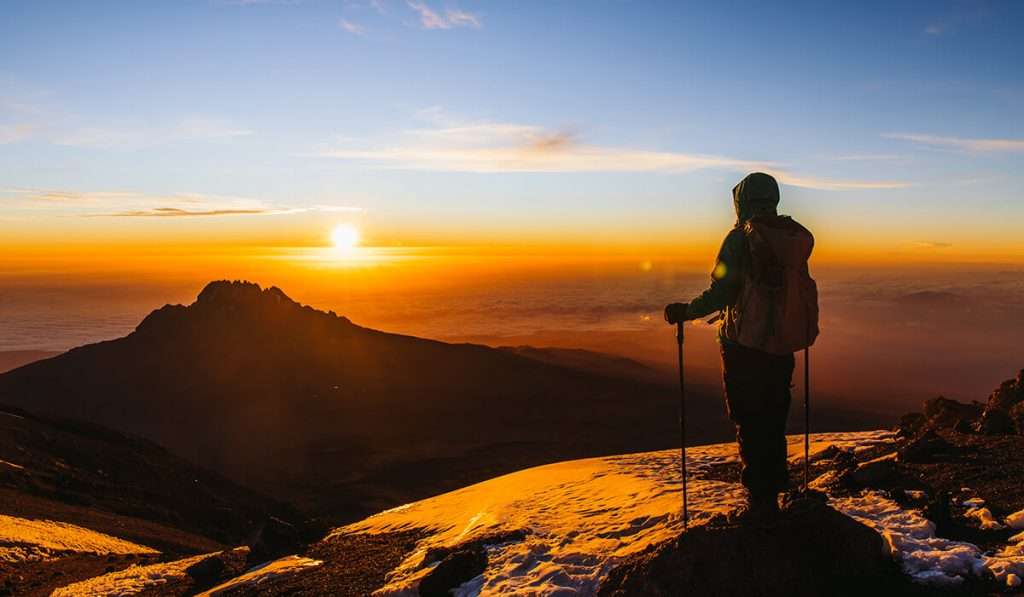
The air at this altitude is thin, and the temperature can be well below freezing, often with strong winds. Climbers will have spent hours ascending in the dark, relying on headlamps. The ground is often rocky, sandy, or covered in scree, making the final steps demanding. However, the sight of the rising sun, casting a golden glow over the African continent, is a reward that many find well worth the effort.
Uhuru Peak: The True Summit of Kilimanjaro
Uhuru Peak, standing at 5,895 meters (19,341 feet), is the highest point on Mount Kilimanjaro and the highest point in Africa. It is located on the western edge of the crater rim, a further trek from Gillman’s Point. The name “Uhuru” means “freedom” in Swahili, a fitting tribute to this ultimate point of achievement. Reaching Uhuru Peak is the ultimate goal for most Kilimanjaro climbers, symbolizing the complete conquest of the mountain.
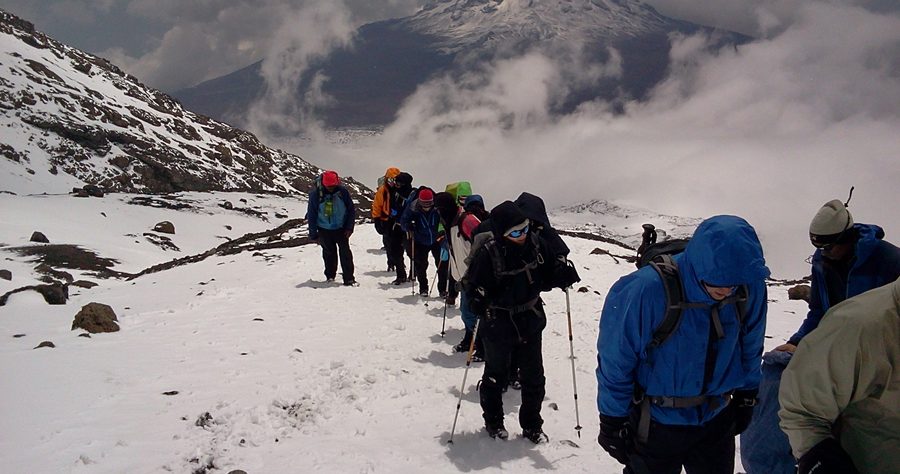
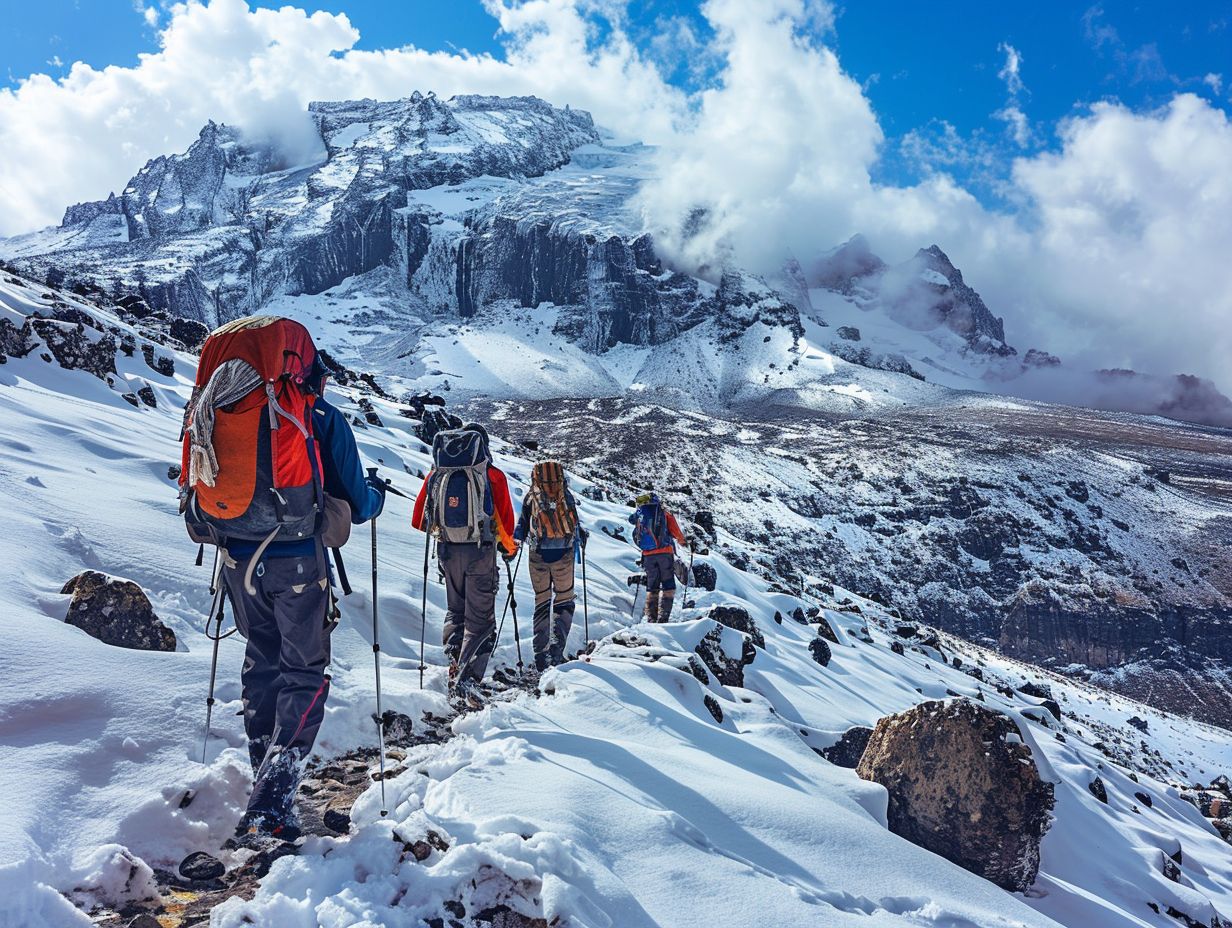
The journey from Gillman’s Point to Uhuru Peak involves traversing the glacial plateau. This section is relatively flat compared to the ascent to the rim but can be challenging due to the extreme altitude, cold, and wind. The path winds between the iconic, melting glaciers and ice fields of Kilimanjaro, a poignant reminder of the changing climate. The final approach to Uhuru Peak involves a climb up a slope, often marked by prayer flags and a wooden sign indicating the summit. The feeling of standing at the top of Africa is unparalleled, an experience etched into memory forever.
What to Expect at Uhuru Peak
- Elevation: 5,895 meters (19,341 feet).
- Location: Western edge of the Kilimanjaro crater rim; the highest point on the continent.
- Significance: The ultimate summit of Kilimanjaro and Africa.
- Views: Offers the most expansive and impressive views, with glaciers surrounding the peak and a clear vista if conditions permit.
- Time to Reach: Requires an additional 1-2 hours of trekking from Gillman’s Point, depending on conditions and individual pace.
- Ultimate Goal: The primary objective for most climbers aiming for the highest point.
The trek to Uhuru Peak is demanding. Many climbers experience significant fatigue and the effects of altitude sickness by this stage. The commitment to continue from Gillman’s Point requires mental fortitude and physical resilience. However, the sense of accomplishment at Uhuru Peak is profoundly different from that at Gillman’s Point. It’s the realization of a dream, the ultimate test of endurance, and a moment of pure triumph.
Gillman’s Point vs. Uhuru Peak: The Key Differences
While both points are on the crater rim and represent significant achievements, the differences between Gillman’s Point and Uhuru Peak are crucial for planning your climb. The primary distinctions lie in elevation, distance from Gillman’s Point, time commitment, and the ultimate symbolism of the achievement.
| Feature | Gillman’s Point | Uhuru Peak |
|---|---|---|
| Elevation | 5,681 meters (18,638 feet) | 5,895 meters (19,341 feet) |
| Location | Southeastern crater rim | Western crater rim (highest point) |
| Distance from Gillman’s Point | N/A (is the initial rim point) | Approximately 1-2 hours of trekking |
| Total Summit Time (from Barafu Camp) | Typically 6-8 hours | Typically 7-10 hours (or more) |
| Significance | Major milestone, first crater rim point for many | True summit of Kilimanjaro and Africa |
| Physical Demand (from Gillman’s Point) | The most challenging part of the ascent | Additional strenuous trekking on high-altitude plateau |
| Views | Spectacular crater and continental views | Most expansive views, surrounding glaciers |
Elevation Difference and Its Impact
The difference in elevation between Gillman’s Point and Uhuru Peak is approximately 214 meters (703 feet). While this might seem small, at an altitude exceeding 5,500 meters, every meter gained significantly increases the physiological challenge. The air pressure at Uhuru Peak is about half that at sea level, meaning there’s significantly less oxygen available for your body to use. This reduced oxygen availability exacerbates the effects of altitude sickness, leading to increased fatigue, shortness of breath, and potential disorientation. Therefore, the additional trek to Uhuru Peak is not just a matter of distance but a substantial increase in physiological stress.
The Trek Between Points
The path from Gillman’s Point to Uhuru Peak is often described as a walk across the “glacial plateau.” It’s a relatively flat traverse, but the conditions can be harsh. The ground can be uneven, a mix of scree, ice, and snow. The iconic Kilimanjaro glaciers, which are sadly receding due to climate change, will be visible, offering a unique and somewhat somber spectacle. This section demands sustained effort, careful footing, and a strong will. Many climbers find this part of the trek to be mentally taxing, as they are already exhausted from the initial summit push to Gillman’s Point.
Time and Energy Considerations
Climbing Kilimanjaro involves an overnight summit attempt, typically starting from high-altitude camps like Barafu Camp (around 4,600 meters) or Kibo Hut (around 4,700 meters). Reaching Gillman’s Point usually takes between 6 to 8 hours of strenuous, largely uphill climbing in the dark. After a brief rest and perhaps some water at Gillman’s Point, climbers who decide to continue to Uhuru Peak will face another 1 to 2 hours of trekking. This means the total summit day can stretch to 7 to 10 hours or even longer, pushing climbers to their physical and mental limits. This extended effort requires careful energy management, hydration, and continuous motivation. For those who have reached Gillman’s Point and are struggling significantly with altitude or fatigue, continuing to Uhuru Peak might be ill-advised and increase the risk of severe altitude sickness or a failed summit attempt.
Choosing Your Summit Goal: Factors to Consider
The decision of whether to aim for Gillman’s Point or push for Uhuru Peak is deeply personal and depends on several factors. It’s not a competition, but a careful assessment of your physical condition, acclimatization, mental preparedness, and overall goals for the climb. Many reputable tour operators, including Top Guide Adventures, strongly encourage clients to aim for Uhuru Peak, but also emphasize the importance of listening to one’s body and making a safe decision on summit night.
Physical Fitness and Acclimatization
While all Kilimanjaro routes are designed to promote acclimatization, individual responses to altitude vary greatly. Climbers who have followed a good training plan and managed their ascent profile well are more likely to feel strong enough to continue from Gillman’s Point. However, even the fittest individuals can be affected by the extreme altitude. Factors such as dehydration, poor sleep at high camps, and individual physiological responses play a significant role. It’s crucial to understand that Kilimanjaro is not a trek to be underestimated, regardless of your fitness level.
Key questions to ask yourself:
- How have I felt during previous ascents on this trek?
- Am I experiencing significant symptoms of altitude sickness (headache, nausea, dizziness)?
- Am I well-hydrated and have I been eating adequately?
Mental Fortitude and Motivation
The summit night is as much a mental challenge as it is physical. The darkness, the cold, the steepness, and the sheer duration of the climb can be daunting. Reaching Gillman’s Point can be an emotional moment, and the temptation to stop and celebrate can be strong. However, if your goal is to stand on the highest point in Africa, you’ll need that extra surge of determination to continue. Your motivation for climbing Kilimanjaro will heavily influence your drive to push for Uhuru Peak. Are you seeking the ultimate achievement, or is reaching the crater rim a sufficient accomplishment for you?
Route Choice and Its Influence
Different routes approach the summit from different directions and have varying acclimatization profiles. Routes like the Marangu Route, with its less gradual ascent, might see more climbers stopping at Gillman’s Point, especially if they are on a shorter itinerary. Routes like Machame, Lemosho, and the Northern Circuit are generally considered to have better acclimatization profiles, increasing the likelihood of climbers reaching Uhuru Peak. The Kibo Route (the final ascent for most routes other than Marangu) leads directly to Stella Point (another crater rim point close to Gillman’s Point) and then onward to Uhuru Peak.
The Role of Your Guide
Your guide is your most important ally on Kilimanjaro. They are trained to assess your health and acclimatization status. They will monitor you closely throughout the climb, especially on summit night. While you set your personal goals, your guide’s primary responsibility is your safety. If your guide advises against continuing to Uhuru Peak due to health concerns, it is imperative to heed their advice. They have the experience to know when pushing further could lead to serious danger. At Top Guide Adventures, our guides are highly experienced and prioritize client safety above all else.
Common Kilimanjaro Routes and Their Summit Points
Understanding how different routes lead to the summit is key to planning your Kilimanjaro experience. While most routes converge on the Kibo crater for the final ascent, the path to the rim and then to the ultimate peak can vary.
Marangu Route (Coca-Cola Route)
The Marangu Route is unique for its hut accommodations and its more direct ascent. Climbers on this route typically ascend to Kibo Hut, and then begin their summit push. The path from Kibo Hut leads towards Stella Point (5,756 meters / 18,885 feet), which is another crater rim point, slightly higher than Gillman’s Point and located just north of it. From Stella Point, it’s about a 45-minute to 1-hour trek to Uhuru Peak. Many Marangu climbers consider Stella Point a significant achievement, and some may choose to stop there. However, the extra distance to Uhuru Peak is often manageable from Stella Point for those feeling strong.
Machame Route (Whiskey Route)
The Machame Route is one of the most popular and scenic routes, known for its excellent acclimatization profile. It ascends steeply to the crater rim, typically reaching it at Stella Point. From Stella Point, climbers then proceed to Uhuru Peak. The Machame Route’s design makes reaching Uhuru Peak a more common outcome for its trekkers compared to some other routes.
Lemosho Route
The Lemosho Route is a longer, more remote, and highly scenic route that also offers excellent acclimatization. Like Machame, it typically ascends to the crater rim at Stella Point, from where climbers continue to Uhuru Peak. Its longer duration allows for better acclimatization, increasing the chances of a successful Uhuru Peak summit.
Northern Circuit Route
The Northern Circuit is the longest and arguably the best route for acclimatization, as it circles the mountain. This route also approaches the crater rim, usually at Stella Point, and then proceeds to Uhuru Peak. Its extended duration and gentle ascent profile make it a top choice for those prioritizing acclimatization and a higher success rate at the true summit.
Rongai Route
The Rongai Route approaches Kilimanjaro from the north, offering a different landscape. It typically converges with the Marangu Route path for the final ascent, leading to Stella Point and then onwards to Uhuru Peak. While it’s a more direct route, its acclimatization might be slightly less optimal than Machame or Lemosho for some trekkers.
Important Note: While Gillman’s Point is a recognized point on the rim, many routes, particularly those not descending via Marangu, aim for Stella Point as their first crater rim encounter before proceeding to Uhuru Peak. The journey from Stella Point to Uhuru Peak is similar in duration and difficulty to the journey from Gillman’s Point to Uhuru Peak.
Summit Night Strategies for Success in 2026-2027
Successfully reaching either Gillman’s Point or Uhuru Peak, especially on summit night, requires meticulous planning and execution. Here are key strategies to maximize your chances of success for your 2026-2027 climb:
1. Prioritize Acclimatization
This cannot be stressed enough. The longer routes (7 days or more) offer significantly better acclimatization than shorter ones. Listen to your body, ascend slowly (“pole pole” – slowly, slowly), and hydrate constantly. Avoid alcohol and smoking in the days leading up to and during the climb.
2. Hydration is Key
At high altitudes, dehydration is a major contributor to altitude sickness and fatigue. Aim to drink 4-5 liters of fluid per day, especially on summit night. This includes water, herbal teas, and electrolyte drinks. Your guides will ensure you have access to safe drinking water.
3. Pace Yourself – “Pole Pole”
The mantra on Kilimanjaro is “pole pole.” This means moving slowly and steadily. Rushing will lead to breathlessness and exhaustion. Find a rhythm that you can maintain for hours. Your guide will help you set and maintain this pace.
4. Eat Well, Even When You Don’t Feel Like It
Appetite decreases at altitude, but your body needs fuel. Eat small, frequent meals and snacks. High-carbohydrate foods are best for energy. Your camp chefs will provide nutritious meals, but having your own energy bars and snacks is also recommended.
5. Sleep as Much as Possible
Rest and sleep are crucial for recovery and acclimatization. While sleep quality can be poor at high camps, try to rest as much as you can. Napping during the day and getting as much sleep as possible before summit night is vital.
6. Layer Your Clothing Appropriately
Summit night can involve extreme temperatures, often dropping to -15°C to -20°C (-5°F to -4°F) with wind chill. Layering is essential to regulate your body temperature. Start with a moisture-wicking base layer, add insulating mid-layers (fleece or down), and finish with a waterproof and windproof outer shell. Don’t forget insulated gloves, a warm hat, and a balaclava.
7. Essential Gear for Summit Night
Ensure you have high-quality gear. This includes:
- Headlamp: A reliable headlamp with extra batteries is non-negotiable.
- Trekking Poles: Help with stability on scree and ice and reduce strain on your knees.
- Sunglasses: High-altitude sun is intense, even on cloudy days.
- Sunscreen and Lip Balm: High SPF is essential.
- Gaiters: Keep snow and scree out of your boots.
- Thermos: To keep water from freezing.
8. Stay Positive and Focused
The mental aspect of the climb is immense. Break the journey down into smaller goals (e.g., reach the next rock, reach the next switchback). Celebrate milestones like reaching Gillman’s Point. Remind yourself why you are climbing and visualize success.
What Happens After Reaching the Summit (Gillman’s Point or Uhuru Peak)?
Reaching either Gillman’s Point or Uhuru Peak is a monumental achievement, but the journey isn’t over. The descent is often underestimated and can be just as challenging, if not more so, than the ascent.
The Descent from Uhuru Peak to Barafu Camp
After the euphoria of reaching Uhuru Peak, the focus immediately shifts to the descent. The trek back to Gillman’s Point (or Stella Point) and then down to Barafu Camp is strenuous. The scree slopes can be difficult to navigate, and fatigue from the summit push can lead to slips and falls. It’s crucial to maintain concentration and use trekking poles for stability. Many climbers experience a dramatic improvement in altitude sickness symptoms once they begin descending, but the physical exertion remains high.
Descent to Mweka Camp
From Barafu Camp, the descent continues further down to Mweka Camp (typically around 3,100 meters). This part of the descent is usually quicker and less technically demanding than the descent from the crater rim. However, it’s still a long day of walking, and your legs will be tired. Reaching Mweka Camp is a significant relief, as it’s at a much lower, more hospitable altitude where you can rest properly.
Final Descent to Marangu Gate
The final day involves descending from Mweka Camp to the Marangu Gate (around 1,800 meters). This descent is through beautiful montane forest. Upon arrival at the gate, you will be met by your guides and support crew, often with certificates of achievement. It’s a moment of immense pride and celebration after a challenging expedition. From Marangu Gate, you will typically be transferred back to your hotel in Moshi or Arusha.
Important Note: For routes that descend via Mweka, the descent is typically completed in two days (Barafu Camp to Mweka Camp, then Mweka Camp to Marangu Gate). The Marangu Route has a slightly different descent structure, often descending directly from Kibo Hut to Horombo Hut and then to Marangu Gate.
Health and Safety: Altitude Sickness and Risk Management
Altitude sickness (Acute Mountain Sickness – AMS) is the most significant risk on Kilimanjaro. Understanding its symptoms and how to manage it is paramount for both Gillman’s Point and Uhuru Peak goals. AMS can affect anyone, regardless of fitness, and can progress to more severe forms like High Altitude Cerebral Edema (HACE) and High Altitude Pulmonary Edema (HAPE), which are life-threatening.
Recognizing AMS Symptoms
- Headache: Often the first and most common symptom.
- Nausea and Vomiting: Feeling sick to your stomach.
- Dizziness and Lightheadedness: Feeling unsteady.
- Fatigue and Weakness: Feeling unusually tired.
- Loss of Appetite.
- Difficulty Sleeping.
If you experience mild symptoms, the best course of action is to rest, hydrate, and potentially take medication like Diamox (acetazolamide) as prescribed by your doctor. Crucially, do not ascend further if symptoms are present or worsening. If symptoms are moderate to severe, or if they worsen, descent is the only definitive treatment.
Preventing AMS
- Ascend Slowly: Choose a longer route (7 days or more).
- “Climb High, Sleep Low”: Some routes incorporate this principle.
- Hydrate Adequately.
- Avoid Alcohol and Smoking.
- Consider Diamox: Consult your doctor about prophylactic use.
The Role of Guides in Safety
Your guides are trained in recognizing and managing AMS. They will monitor your condition daily, checking your oxygen saturation levels and asking about your well-being. They are authorized to make decisions about whether you can continue climbing or if you need to descend. Trust their judgment implicitly. At Top Guide Adventures, our guides undergo regular training and are equipped to handle medical emergencies.
When is the Best Time to Climb Kilimanjaro in 2026-2027?
Choosing the right time of year can significantly impact your Kilimanjaro experience, affecting weather conditions, crowd levels, and the overall success rate for reaching Gillman’s Point or Uhuru Peak. Kilimanjaro has two main climbing seasons, interspersed with wetter, colder periods.
Peak Climbing Seasons
- January to March: Generally dry and warm. This period offers excellent visibility and clear skies. It’s a popular time to climb, especially around the holidays.
- June to October: The long dry season. This is considered the best time for climbing, with cool temperatures, clear skies, and minimal rain. It’s also a peak season, so expect more trekkers on the mountain.
Shoulder Seasons
- April and May: These are the wettest months, with heavy rainfall. While less crowded, climbing during this period can be challenging due to muddy trails and poor visibility.
- November and December: The short rainy season. While there can be rain, it’s usually less intense than in April/May and often occurs in the afternoons, leaving mornings clear. This can be a good time for those seeking fewer crowds.
For 2026 and 2027, the peak seasons (January-March and June-October) are expected to remain the most favorable for clear views and stable weather, making them ideal for aiming for either Gillman’s Point or Uhuru Peak. However, shoulder seasons can offer a more solitary experience if you’re prepared for variable weather.
Kilimanjaro Costs and Budget Considerations for 2026-2027
The cost of climbing Kilimanjaro can vary significantly based on the route, duration, operator, and level of service. Understanding these factors is crucial for budgeting your 2026-2027 expedition.
What Influences the Cost?
- Route Length: Longer routes typically cost more due to more days of service.
- Operator Quality: Reputable companies that treat their guides and porters well often have higher prices but offer better safety and a more ethical experience.
- Group Size: Private climbs are more expensive per person than group climbs.
- Inclusions: What is included (e.g., accommodation before/after, gear rental, tips, park fees)?
- Level of Service: Basic vs. luxury camping, quality of food, number of support staff.
Typical Price Ranges (2026-2027 Estimates)
For a standard 7-day Kilimanjaro climb with a reputable operator like Top Guide Adventures, you can expect costs to range from $2,000 to $3,500 USD per person for a mid-range to upper-mid-range service. Budget operators might offer prices below $1,500, but it’s crucial to scrutinize their safety standards, equipment, and treatment of staff.
Estimated Kilimanjaro Climb Costs (Per Person, 7-Day Route)
Budget Operators: $1,500 – $2,000 USD (Ensure ethical practices and safety)
Mid-Range Operators (e.g., Top Guide Adventures): $2,000 – $3,000 USD (Good balance of quality, safety, and value)
Luxury Operators: $3,000 – $4,500+ USD (Premium service, amenities, and support)
Note: These are estimates. Actual prices depend on the specific route, duration, and inclusions. Park fees, rescue fees, and government taxes are mandatory and usually included in the operator’s package.
Additional Costs to Consider
- Flights: To Kilimanjaro International Airport (JRO).
- Visas: For Tanzania.
- Travel Insurance: Must cover high-altitude trekking and emergency evacuation.
- Personal Gear: Sleeping bag, trekking poles, warm clothing (if not rented).
- Tips for Crew: A significant part of the crew’s income. Budget around $250-$350 per climber.
- Personal Expenses: Souvenirs, extra snacks, drinks.
When budgeting for your 2026-2027 climb, always request a detailed breakdown of what is included and excluded. Top Guide Adventures provides comprehensive packages designed for safety and success, ensuring all mandatory fees are covered. For a personalized quote and to discuss your specific needs, contact us.
Frequently Asked Questions: Gillman’s Point vs. Uhuru Peak
Q1: Is reaching Gillman’s Point considered summiting Kilimanjaro?
A: Reaching Gillman’s Point is a major achievement and puts you on the crater rim of Kilimanjaro, a significant milestone. However, the true summit of Kilimanjaro is Uhuru Peak. While some may consider reaching the rim as “summiting,” technically, Uhuru Peak is the highest point.
Q2: How much harder is it to go from Gillman’s Point to Uhuru Peak?
A: It requires an additional 1-2 hours of trekking across the glacial plateau, which is relatively flat but at extreme altitude. The main challenge is the added fatigue and the effects of altitude, making it physically and mentally demanding, though not as steep as the initial ascent to the rim.
Q3: Can I decide on summit night whether to go to Uhuru Peak or stop at Gillman’s Point?
A: Yes, absolutely. Your guide will assess your condition throughout the climb, especially on summit night. Based on your well-being, acclimatization, and the conditions, you and your guide will make the final decision together. It’s always better to be safe than sorry.
Q4: Which routes make it easier to reach Uhuru Peak?
A: Routes with better acclimatization profiles, such as the Machame, Lemosho, and Northern Circuit routes, generally offer a higher success rate for reaching Uhuru Peak. These routes are longer, allowing your body more time to adapt to the altitude.
Q5: What are the risks of pushing for Uhuru Peak if I’m feeling unwell?
A: Pushing for Uhuru Peak when experiencing significant altitude sickness symptoms can lead to severe AMS, HACE, or HAPE, which are life-threatening. It can also lead to a complete physical and mental breakdown, requiring immediate evacuation. Safety is always the priority.
Q6: Will I see glaciers on the way to Uhuru Peak?
A: Yes, the trek from Gillman’s Point (or Stella Point) to Uhuru Peak traverses the glacial plateau. You will see Kilimanjaro’s iconic, though rapidly diminishing, glaciers and ice fields surrounding the summit area.
Q7: How does the cost differ if I aim for Uhuru Peak versus Gillman’s Point?
A: The cost is generally the same, as most reputable tour operators structure their pricing based on the route and duration, not the specific summit point reached. The goal is always to aim for Uhuru Peak, and the price reflects the entire expedition to the crater rim and beyond, with safety being the ultimate determinant of the final point reached.
Planning Your 2026-2027 Kilimanjaro Adventure with Top Guide Adventures
Choosing between Gillman’s Point and Uhuru Peak is a significant decision, but the journey to Kilimanjaro itself is an unforgettable experience. At Top Guide Adventures, we are dedicated to making your climb safe, successful, and incredibly rewarding. We offer a range of routes, expert guides, and comprehensive support to ensure you are well-prepared for summit night, whether your goal is Gillman’s Point or the ultimate triumph at Uhuru Peak.
Our team works closely with you to select the best route for your fitness, experience, and goals. We provide detailed pre-climb information, packing lists, and advice to ensure you have everything you need. Our experienced guides and crew are committed to your well-being, monitoring your health closely and making informed decisions on the mountain.
Whether you are planning for 2026 or 2027, now is the time to start planning. Early booking is recommended, especially for peak seasons, to secure your preferred dates and ensure the best possible preparation. We are here to answer all your questions and help you craft the Kilimanjaro adventure of a lifetime.
Contact us today to discuss your dream climb:
- WhatsApp: +255616946642
- Email: topguideadventures@gmail.com
- Backup Email: info@topguideadventures.com
Let Top Guide Adventures be your trusted partner in conquering Mount Kilimanjaro, from the base camps to the roof of Africa.
“,
“faq_schema”: [
{
“question”: “Is reaching Gillman’s Point considered summiting Kilimanjaro?”,
“answer”: “Reaching Gillman’s Point is a major achievement and puts you on the crater rim of Kilimanjaro, a significant milestone. However, the true summit of Kilimanjaro is Uhuru Peak. While some may consider reaching the rim as “summiting,” technically, Uhuru Peak is the highest point.”
},
{
“question”: “How much harder is it to go from Gillman’s Point to Uhuru Peak?”,
“answer”: “It requires an additional 1-2 hours of trekking across the glacial plateau, which is relatively flat but at extreme altitude. The main challenge is the added fatigue and the effects of altitude, making it physically and mentally demanding, though not as steep as the initial ascent to the rim.”
},
{
“question”: “Can I decide on summit night whether to go to Uhuru Peak or stop at Gillman’s Point?”,
“answer”: “Yes, absolutely. Your guide will assess your condition throughout the climb, especially on summit night. Based on your well-being, acclimatization, and the conditions, you and your guide will make the final decision together. It’s always better to be safe than sorry.”
},
{
“question”: “Which routes make it easier to reach Uhuru Peak?”,
“answer”: “Routes with better acclimatization profiles, such as the Machame, Lemosho, and Northern Circuit routes, generally offer a higher success rate for reaching Uhuru Peak. These routes are longer, allowing your body more time to adapt to the altitude.”
},
{
“question”: “What are the risks of pushing for Uhuru Peak if I’m feeling unwell?”,
“answer”: “Pushing for Uhuru Peak when experiencing significant altitude sickness symptoms can lead to severe AMS, HACE, or HAPE, which are life-threatening. It can also lead to a complete physical and mental breakdown, requiring immediate evacuation. Safety is always the priority.”
},
{
“question”: “Will I see glaciers on the way to Uhuru Peak?”,
“answer”: “Yes, the trek from Gillman’s Point (or Stella Point) to Uhuru Peak traverses the glacial plateau. You will see Kilimanjaro’s iconic, though rapidly diminishing, glaciers and ice fields surrounding the summit area.”
},
{
“question”: “How does the cost differ if I aim for Uhuru Peak versus Gillman’s Point?”,
“answer”: “The cost is generally the same, as most reputable tour operators structure their pricing based on the route and duration, not the specific summit point reached. The goal is always to aim for Uhuru Peak, and the price reflects the entire expedition to the crater rim and beyond, with safety being the ultimate determinant of the final point reached.”
}
]
}
“`
Check Availability for Gillman’s Point Vs Uhuru Peak: Complete Guide 2026-2027
Ready to compare dates, prices, and the best option for your group? Send the package name and travel month so the team can reply with a clear quote, availability, and what is included.
Stella Point Vs. Uhuru Peak: Understanding The Difference On Kilimanjaro
Climbing Mount Kilimanjaro involves reaching the crater rim, often at Stella Point, before a final push to Uhuru Peak, the true summit. This guide clarifies the distinctions, crucial for...
View package detailsNo related package matches those filters. Clear one or more filters to see the other topic-matched options.



