
A two-day safari in Nyerere National Park (formerly Selous Game Reserve) in Tanzania typically ranges from $400 to $1,200+ per person, depending heavily on accommodation choice (budget camps vs. luxury lodges), the type of safari activities included (walking, boat, game drives), group size (private vs. shared), and the season of travel in 2026 or 2027. This cost usually covers park entry fees, accommodation for one night, meals, and guided safari activities, but excludes flights, tips, and personal expenses.
Understanding the Cost Factors for a Two-Day Nyerere Safari
When budgeting for a short but significant safari experience like a two-day trip to Nyerere National Park, it’s crucial to understand the elements that contribute to the overall price. Nyerere National Park, one of Africa’s largest game reserves, offers a unique wilderness experience, distinct from the more popular northern circuit parks. Its vastness and diverse ecosystems mean that planning a cost-effective yet rewarding trip requires careful consideration of several key components.
The primary drivers of cost for any Nyerere safari, especially a condensed two-day itinerary, include:
- Accommodation Style: This is often the largest variable. Options range from basic tented camps offering a rustic feel to luxurious lodges with modern amenities.
- Transportation: The type of vehicle used (e.g., 4×4 Land Cruiser vs. shared safari van) and the logistics of reaching the park from starting points like Dar es Salaam.
- Included Activities: Nyerere is famous for its boat safaris on the Rufiji River, walking safaris, and traditional game drives. Packages often bundle these, but the number and type can affect pricing.
- Park Fees: Daily conservation fees mandated by the Tanzanian government are a significant and non-negotiable part of the cost.
- Tour Operator’s Margin and Service Level: Different companies offer varying levels of service, support, and expertise, which is reflected in their pricing.
- Time of Year: Peak seasons (typically June to October and December to February) often see higher prices due to increased demand. The shoulder and low seasons might offer slightly better rates in 2026-2027.
- Group Size: Opting for a private safari offers more flexibility but at a higher per-person cost compared to joining a small group tour.
For a two-day Nyerere safari, the goal is to maximize wildlife viewing and experience the park’s unique offerings within a limited timeframe, making efficient planning essential. Top Guide Adventures specializes in crafting these focused experiences, ensuring that even a short trip delivers exceptional value and memories.
Typical Itinerary and What’s Included in a Two-Day Nyerere Safari
A standard two-day itinerary for Nyerere National Park is designed to give you a taste of its diverse wildlife and landscapes, usually starting from Dar es Salaam. The compressed nature of this trip means efficient logistics are key. Here’s a look at what a typical two-day adventure might entail and what you can expect to be covered in the quoted price.
Day 1: Arrival in Nyerere National Park & Rufiji River Experience
- Morning Departure from Dar es Salaam: Usually around 7:00 AM, you’ll depart by road (4×4 safari vehicle) or a short domestic flight to the airstrip closest to your chosen camp within Nyerere. The drive takes approximately 4-5 hours, offering glimpses of rural Tanzanian life.
- Arrival and Check-in: Upon arrival at your lodge or camp, you’ll check in, have lunch, and perhaps a brief rest.
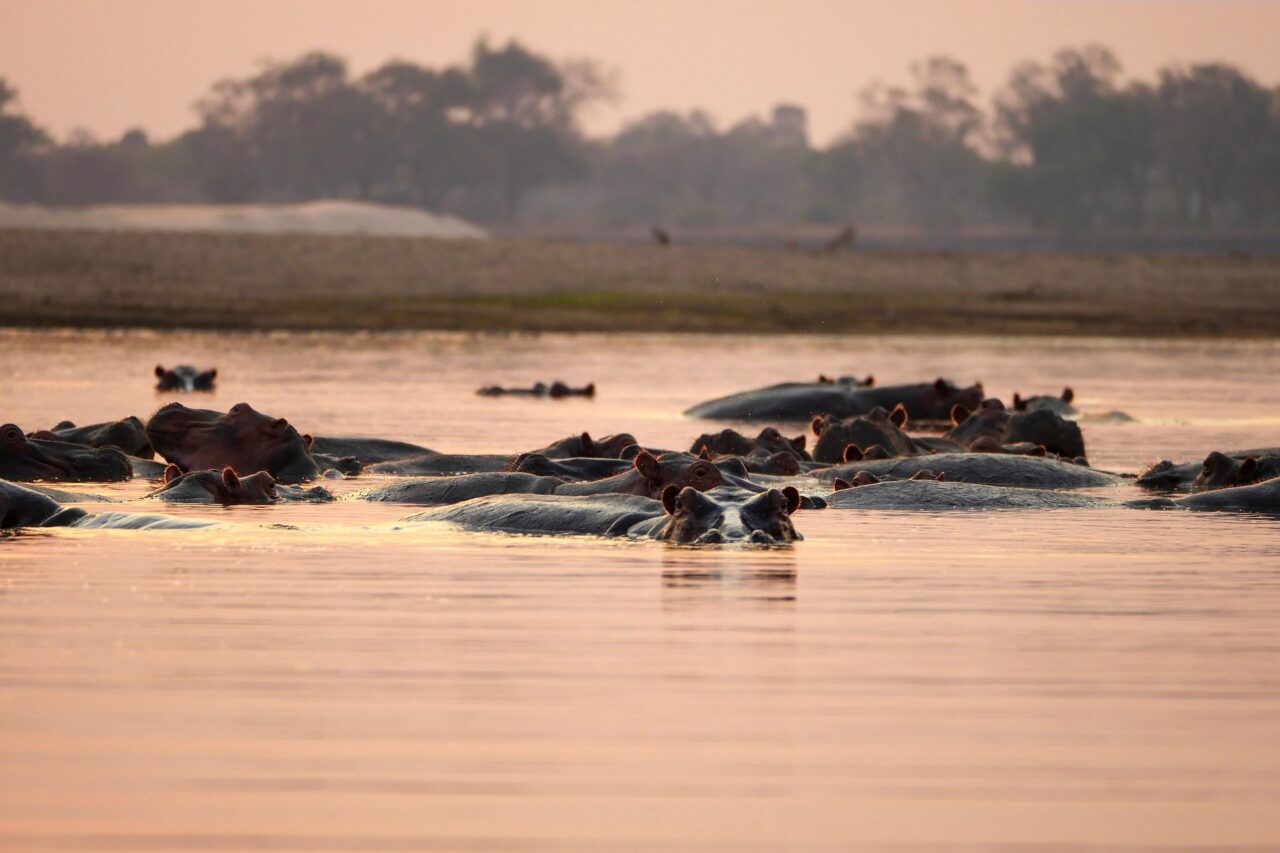
- Afternoon Boat Safari on the Rufiji River: This is often the highlight of the first day. You’ll board a boat for a leisurely cruise along the Rufiji River, looking for hippos, crocodiles, elephants coming to drink, and abundant birdlife. This unique perspective is a signature experience of Nyerere.
- Evening: Return to your camp for dinner and overnight stay. Some camps might offer a short evening game drive if time and logistics permit.
Day 2: Morning Game Drive & Departure
- Early Morning Game Drive: Wake up before dawn for an exhilarating game drive. This is prime time to spot predators like lions, leopards, and wild dogs, as well as large herds of buffalo, elephants, and various antelope species. The park’s open plains and riverine forests offer excellent viewing opportunities.
- Breakfast/Brunch: Return to the camp for a hearty breakfast or brunch.
- Optional Activities (Time Permitting): Depending on your flight or drive schedule back to Dar es Salaam, there might be time for a short walking safari or another brief game drive.
- Departure: After lunch or early afternoon, you’ll depart Nyerere National Park, either by road or flight, back to Dar es Salaam.
What’s Typically Included in the Quoted Price:
- Park entrance fees for Nyerere National Park.
- Accommodation for one night (lodge or tented camp).
- All meals (usually lunch on Day 1, dinner, breakfast, and lunch on Day 2).
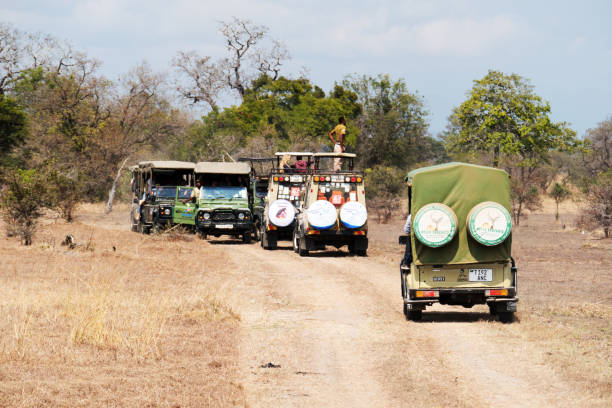
- Shared or private 4×4 safari vehicle with a professional driver-guide.
- Activities as specified in the itinerary (e.g., boat safari, game drives).
- Water during game drives.
- Government taxes and levies.
What’s Typically Excluded:
- International and domestic flights (unless specifically added).
- Visa fees.
- Travel insurance.
- Tips for guides and camp staff.
- Alcoholic and soft drinks (unless specified).
- Personal expenses (souvenirs, laundry, etc.).
- Optional activities not listed in the standard itinerary.
Understanding these inclusions and exclusions is vital for accurately estimating your total expenditure for a two-day Nyerere safari in 2026-2027.
Budget vs. Mid-Range vs. Luxury: Nyerere Safari Cost Breakdown
The most significant factor influencing the price of your two-day Nyerere safari is the level of comfort and luxury you choose. Top Guide Adventures offers options across the spectrum, ensuring there’s a safari experience to suit different budgets and preferences for 2026 and 2027. Here’s a general breakdown:
Budget-Friendly Nyerere Safari (Approx. $400 – $650 per person)
Focus: Value and essential safari experience.
- Accommodation: Basic tented camps or designated public campsites within or near the park. Facilities are clean and functional but simple, often with shared bathrooms or basic en-suite facilities.
- Transport: May involve a safari van for transfers from Dar es Salaam, or a shared 4×4 vehicle for game drives.
- Inclusions: Standard park fees, one night’s accommodation, meals (often simpler fare), guided game drives, and a boat safari.
- Ideal for: Adventurous travelers, backpackers, or those on a tight budget who prioritize experiencing Nyerere’s wildlife over luxury amenities.
Mid-Range Nyerere Safari (Approx. $650 – $950 per person)
Focus: Comfort, good service, and a well-rounded experience.
- Accommodation: Comfortable tented camps or mid-range lodges with private en-suite bathrooms, good food, and attentive service. Often situated in prime locations within or bordering the park.
- Transport: Typically a private 4×4 safari Land Cruiser with a pop-up roof for optimal game viewing, driven by an experienced guide. Road transfers from Dar es Salaam are standard.
- Inclusions: All standard inclusions, plus potentially more specialized guiding, better quality meals, and sometimes a wider range of included activities.
- Ideal for: Families, couples, and small groups seeking a balance of comfort, wildlife encounters, and value for money. This is a popular choice for many travelers in 2026-2027.
Luxury Nyerere Safari (Approx. $950 – $1,200+ per person)
Focus: Premium comfort, exclusivity, and exceptional service.
- Accommodation: High-end lodges or luxury tented camps offering spacious rooms, gourmet dining, private verandas, swimming pools, and often exclusive access to certain areas.
- Transport: Private 4×4 safari Land Cruiser, potentially with charging ports and more amenities. May include a flight from Dar es Salaam to a local airstrip, significantly reducing travel time.
- Inclusions: All of the above, plus potentially more personalized guiding, premium drinks, exclusive bush meals, and sometimes additional activities like night game drives (if permitted) or guided walks.
- Ideal for: Travelers seeking a high level of comfort, privacy, and a more personalized safari experience. Perfect for honeymoons or special occasions.
It’s important to note that these are general estimates for 2026-2027. Exact pricing will depend on the specific lodge or camp chosen, the time of year, and any customisations to your itinerary.
Factors Influencing Nyerere Safari Costs in 2026-2027
Beyond the broad categories of budget, mid-range, and luxury, several other factors can subtly or significantly alter the final price tag for your two-day Nyerere safari. Understanding these nuances helps in making informed decisions and managing expectations when booking your Tanzanian adventure for 2026 or 2027.
Accommodation Choices and Their Impact
Nyerere National Park offers a range of lodging options, each with a different price point:
- Public Campsites: The most economical choice. You’ll typically stay in your own tent or a provided basic tent, with shared ablution facilities. This is a true bush experience but offers minimal comfort.
- Budget Tented Camps: These offer a step up, with canvas tents often on concrete bases, featuring basic beds and sometimes en-suite pit latrines or bucket showers. They provide a good balance of affordability and immersion.
- Mid-Range Lodges/Camps: These are the most common choice. Expect comfortable rooms with proper beds, en-suite bathrooms with running water (showers, flushing toilets), electricity (often generator-powered), and good dining facilities. Examples might include lodges like Selous Kinga Lodge or similar standard properties.
- Luxury Lodges/Tented Camps: These offer top-tier amenities, including spacious suites, private decks, swimming pools, gourmet cuisine, fine wines, and often exceptional service. Properties like Beho Beho, Siwandu, or Sand Rivers Selous represent this category, commanding higher prices.
For a two-day trip, the accommodation choice is critical as you’ll only spend one night. A luxury lodge might significantly increase the per-person cost, while a budget camp will bring it down considerably.
Transportation Logistics: Road vs. Air
Getting to Nyerere National Park from Dar es Salaam is a key logistical consideration:
- Road Transfer (4×4 Safari Vehicle): This is the most common and cost-effective method. A private 4×4 safari vehicle with a dedicated driver-guide offers flexibility for game drives throughout your stay. The journey itself takes around 4-5 hours each way, which consumes a significant portion of Day 1 and Day 2. This option is included in most standard safari packages.
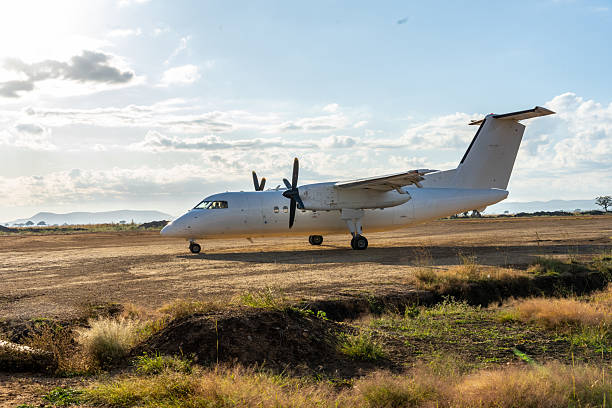
- Domestic Flight: Flying from Dar es Salaam (Julius Nyerere International Airport or a smaller domestic terminal) directly to an airstrip near Nyerere National Park (e.g., Mtemere Airstrip or Beho Beho Airstrip) drastically cuts down travel time. This allows for more time on safari activities. However, flights are considerably more expensive than road transfers. A round-trip flight can add anywhere from $300 to $600+ per person to your total cost, making it a significant upgrade for a short two-day trip where time is precious.
For a two-day safari, the decision between road and air often comes down to budget versus maximizing time in the park. Many travelers opt for the road transfer to keep costs down, while those with a higher budget might choose flights for efficiency.
Park Fees and Concession Fees
Tanzania National Parks Authority (TANAPA) sets park fees. For Nyerere National Park (formerly Selous Game Reserve), these fees are substantial and mandatory:
- Conservation Fee: Currently set at $30 per person per day for international tourists. This fee directly supports conservation efforts within the park. For a two-day safari, this amounts to $60 per person.
- Vehicle Entry Fee: A daily fee is charged per vehicle entering the park.
- Concession Fees (for private concessions): Some high-end lodges operate within private concessions adjacent to or within the park. These often have additional daily fees, which are usually bundled into the lodge’s nightly rate.
These fees are non-negotiable and form a core part of your safari package cost. They are subject to change by TANAPA, so it’s wise to check for updates closer to your travel dates in 2026-2027.
Seasonality and Its Effect on Pricing
Like most tourist destinations, Nyerere National Park experiences peak, shoulder, and low seasons, which directly influence safari prices:
- Peak Season (June – October, December – February): This is when weather conditions are generally drier and cooler, making wildlife viewing excellent as animals congregate around water sources. Demand is highest, leading to increased accommodation rates and potentially higher tour package prices.
- Shoulder Season (November, March – May): These months often represent a sweet spot. November can be transitional with some rain, while March to May is the start of the long rains. Prices might be slightly lower than peak season, but the experience can still be rewarding, especially in November. May can be very green and beautiful, though some activities might be affected by rain.
- Low Season (April – May): This period typically sees the lowest prices due to the heavy rains. While game viewing can still be good, especially early in the season, roads can become challenging, and some camps might close or reduce services. It’s a good option for budget-conscious travelers seeking fewer crowds, provided they are prepared for potential rain.
Planning your two-day Nyerere safari for 2026-2027 during the shoulder or low season could lead to significant savings, especially on accommodation.
Group Size: Private vs. Shared Safaris
The number of people traveling together dramatically impacts the per-person cost:
- Private Safari: You have exclusive use of a safari vehicle and guide. This offers maximum flexibility in terms of timing, game drive duration, and pace. While ideal for personalized experiences, the cost is higher per person, as the total vehicle and guide costs are divided among fewer people. For a two-day trip, a private safari provides unmatched efficiency.
- Shared Safari: You join a small group of other travelers in a safari vehicle. This significantly reduces the per-person cost, making it a more budget-friendly option. However, you have less flexibility, as game drive times and stops are decided collectively or by the guide for the group’s benefit. Shared safaris are often available for set departure dates or can be arranged if multiple travelers book similar itineraries.
For a short two-day trip, the efficiency and personalized attention of a private safari often justify the higher cost for many travelers seeking to maximize their limited time.
Calculating Your Estimated Two-Day Nyerere Safari Cost
To provide a more concrete estimate for your two-day Nyerere safari in 2026-2027, let’s combine these factors. Remember, these are ballpark figures and can vary based on specific tour operator packages and availability.
Scenario 1: Budget Traveler (Per Person Estimate)
- Accommodation: Public campsite or basic tented camp ($80 – $150 per night) x 1 night = $80 – $150
- Park Fees: $30/day x 2 days = $60
- Vehicle & Guide (Shared): Pro-rated cost for 2 days, assuming a shared vehicle with others = $150 – $250
- Activities (Boat Safari, Game Drives): Included in vehicle cost.
- Meals: Included in camp/lodge price.
- Road Transfer (Shared): Pro-rated cost from Dar es Salaam = $100 – $150
- Total Estimated Cost: $390 – $610 per person
Scenario 2: Mid-Range Traveler (Per Person Estimate)
- Accommodation: Mid-range lodge/tented camp ($200 – $350 per night) x 1 night = $200 – $350
- Park Fees: $30/day x 2 days = $60
- Private 4×4 Vehicle & Guide: Cost for 2 days / number of people (assuming 2 people) = ($400 – $600 total) / 2 = $200 – $300 per person
- Activities (Boat Safari, Game Drives): Included.
- Meals: Included in lodge price.
- Road Transfer (Private): Cost for 2 days / number of people (assuming 2 people) = ($200 – $300 total) / 2 = $100 – $150 per person
- Total Estimated Cost: $560 – $860 per person
Scenario 3: Luxury Traveler (Per Person Estimate)
- Accommodation: Luxury lodge/tented camp ($450 – $700+ per night) x 1 night = $450 – $700+
- Park Fees: $30/day x 2 days = $60
- Private 4×4 Vehicle & Guide: Cost for 2 days / number of people (assuming 2 people) = ($450 – $700 total) / 2 = $225 – $350 per person
- Activities (Boat Safari, Game Drives): Included.
- Meals: Included in lodge price (often gourmet).
- Optional Flight Transfer: Round trip from Dar es Salaam = $300 – $600+ per person
- Total Estimated Cost (Road Transfer): $735 – $1,110+ per person
- Total Estimated Cost (with Flight): $1,035 – $1,710+ per person
These estimates highlight the wide range of pricing. When you receive a quote from a tour operator like Top Guide Adventures, ensure it clearly itemizes these components so you understand exactly what you are paying for your 2026-2027 Nyerere safari.
Maximizing Value on a Two-Day Nyerere Safari
Even with a limited timeframe and budget considerations, a two-day Nyerere safari can offer incredible value. The key is smart planning and choosing the right operator. Here’s how to get the most out of your short adventure:
- Choose the Right Operator: Companies like Top Guide Adventures have extensive experience in Nyerere and can craft efficient itineraries that maximize wildlife viewing within two days. Look for operators with good reviews and local expertise.
- Travel During Shoulder Season: As mentioned, visiting in months like November or March-April can offer significant savings on accommodation and potentially tour packages, without a drastic reduction in wildlife viewing opportunities.
- Consider Group Travel: If you’re traveling solo or as a couple, joining a small group safari can substantially reduce costs compared to a private safari. Ensure the group size remains manageable for good game viewing.
- Be Clear About Inclusions: Understand precisely what your quoted price covers. Are meals, park fees, and specific activities like boat safaris included? Clarifying this prevents unexpected costs.
- Focus on Nyerere’s Uniqueness: Embrace the activities Nyerere is famous for – the boat safari on the Rufiji River and walking safaris (if offered by your camp). These offer different perspectives than typical game drives and are often included in standard packages.
- Pack Smart: Avoid buying unnecessary items at inflated tourist prices. Pack essentials like binoculars, camera gear, sunscreen, and insect repellent.
A two-day safari is an excellent introduction to Nyerere’s wild heart. By focusing on value and efficiency, you can have a memorable experience without breaking the bank, whether planning for 2026 or 2027.
Nyerere vs. Other Tanzanian Parks for Short Safaris
When considering a two-day safari in Tanzania, it’s useful to compare Nyerere National Park with other popular destinations, especially for short trips. Each park offers a distinct experience and varying costs.
Nyerere National Park (Selous)
- Pros: Unique boat safaris on the Rufiji River, excellent for hippos and crocodiles, good for wild dogs, less crowded than northern parks, offers walking safaris, vast and wild landscapes.
- Cons: Can be more remote and time-consuming to reach from major hubs like Arusha (though easily accessible from Dar es Salaam), game drives can cover vast distances, potentially lower densities of certain big game compared to Serengeti in peak season.
- Cost for 2 Days: Generally comparable to or slightly less than a short safari in the northern circuit parks if accessed from Dar es Salaam by road. Flights increase cost significantly.
Serengeti National Park
- Pros: World-renowned for the Great Migration, highest density of predators, iconic big cats, vast plains, diverse landscapes.
- Cons: Can be very crowded, especially during peak season; significantly more expensive to access, especially for short trips, due to higher park fees and flight costs from Arusha. A two-day trip often necessitates flying in and out, making it costly.
- Cost for 2 Days: Likely to be higher than Nyerere, potentially starting from $700-$1,500+ per person, primarily due to higher park fees ($70/day) and the necessity of flights.
Ngorongoro Conservation Area
- Pros: The “Eighth Wonder of the World,” a unique caldera ecosystem with incredible wildlife density, high chance of seeing the Big Five in a single day.
- Cons: Strictly limited time (6 hours) on the crater floor per day, can be very crowded, high conservation fees ($300 per vehicle + $70 per person per day), and often combined with other parks, making a standalone two-day trip less common or cost-effective.
- Cost for 2 Days: Difficult to price as a standalone two-day trip; usually part of a longer northern circuit. A single day’s visit can easily cost $400-$600+ per vehicle, so a two-day stay would be substantial.
Tarangire National Park
- Pros: Famous for large elephant herds, baobab trees, good predator sightings, accessible from Arusha.
- Cons: Wildlife density can vary seasonally; less diverse than Serengeti.
- Cost for 2 Days: Similar to or slightly less than a Serengeti short trip if accessed by road from Arusha. Park fees are $30/day. Expect costs in the range of $500-$900 per person for a mid-range two-day private safari.
Conclusion for Short Safaris:
For a two-day safari, Nyerere National Park, accessed from Dar es Salaam by road, often presents the best balance of unique experiences, cost-effectiveness, and manageable logistics. While Serengeti offers unparalleled wildlife spectacle, the time and cost involved in accessing it for just two days can be prohibitive. Ngorongoro is best experienced as part of a longer itinerary. Nyerere provides a distinct, water-focused safari experience that is highly rewarding even within a short timeframe.
Booking Your Two-Day Nyerere Safari in 2026-2027
Ready to plan your adventure? Booking a two-day Nyerere safari is straightforward, but choosing the right partner is key to ensuring a smooth and memorable trip. Top Guide Adventures is committed to providing exceptional safari experiences tailored to your needs.
Steps to Book:
- Inquire: Reach out to us with your desired travel dates for 2026 or 2027, the number of travelers, your preferred accommodation style (budget, mid-range, luxury), and any specific interests (e.g., photography, bird watching).
- Get a Custom Quote: Based on your requirements, we will prepare a detailed itinerary and a transparent quote outlining all inclusions and exclusions. We can discuss options for road or air transfers, specific camps, and activities.
- Confirm and Pay Deposit: Once you approve the itinerary and quote, a deposit is typically required to secure your booking, especially for accommodation and internal flights.
- Final Payment: The remaining balance is usually due a few weeks before your safari departure date.
- Pre-Departure Information: We will provide you with all the necessary information, including what to pack, visa requirements, health advice, and contact details for your guide.
We understand that planning a safari can raise many questions. Whether you’re wondering about the exact cost for a specific lodge in 2026, the best time to visit Nyerere in 2027, or how to combine Nyerere with other destinations, our team is here to help. Don’t hesitate to contact us for personalized advice and a tailor-made safari quote.
Contact Top Guide Adventures today:
- WhatsApp: +255616946642
- Email: topguideadventures@gmail.com
- Backup Email: info@topguideadventures.com
Let us help you craft the perfect two-day Nyerere safari experience, offering great value and unforgettable wildlife encounters in Tanzania.
“,
“faq_schema”: [
{
“question”: “What is the average cost of a two-day safari in Nyerere National Park?”,
“answer”: “The average cost for a two-day Nyerere National Park safari typically ranges from $400 to $1,200+ per person. This price depends heavily on accommodation standards, whether you choose a private or shared safari, included activities, and the season of travel in 2026-2027. Budget options start around $400, while luxury experiences can exceed $1,200 per person.”
},
{
“question”: “What is typically included in the price of a two-day Nyerere safari?”,
“answer”: “A standard two-day Nyerere safari package usually includes park entrance fees, one night’s accommodation at a chosen lodge or camp, all meals (from lunch on Day 1 to lunch on Day 2), a private or shared 4×4 safari vehicle with a guide, game drives, and a boat safari on the Rufiji River. Exclusions commonly are international flights, visas, travel insurance, tips, and personal expenses like alcoholic beverages.”
},
{
“question”: “Is it better to fly or drive to Nyerere for a two-day safari?”,
“answer”: “For a short two-day safari, flying to Nyerere from Dar es Salaam significantly saves travel time, allowing more hours for actual safari activities. However, flights are considerably more expensive ($300-$600+ per person round trip) than road transfers. Driving is more economical but consumes about 4-5 hours each way, reducing your time in the park. The choice depends on your budget and priority: time or cost.”
},
{
“question”: “Are Nyerere safaris more expensive than Serengeti safaris for a short trip?”,
“answer”: “For a two-day trip, a Nyerere safari accessed by road from Dar es Salaam is generally more cost-effective than a comparable short safari in the Serengeti accessed from Arusha. Serengeti has higher park fees ($70/day vs $30/day for Nyerere) and often requires expensive internal flights to maximize time, pushing its two-day cost higher, often starting from $700-$1,500+ per person.”
},
{
“question”: “When is the best time to book a two-day Nyerere safari for 2026 or 2027?”,
“answer”: “The peak safari seasons in Nyerere are June to October and December to February, offering dry weather and excellent game viewing, but also higher prices. For better value, consider the shoulder seasons (November, March-April) in 2026 or 2027, which can offer slightly lower prices and still good wildlife viewing. The low season (April-May) is the cheapest but comes with a higher chance of rain.”
}
]
}
“`
Check Availability for How Much Is A Two-Day Nyerere Safari? 2026-2027
Ready to compare dates, prices, and the best option for your group? Send the package name and travel month so the team can reply with a clear quote, availability, and what is included.
How Much Is A Private Nyerere Safari For Two In ? 2026-2027
Planning a private safari for two in Nyerere National Park? Understand the costs involved for 2026-2027, including key factors that influence pricing and what to expect for your...
View package details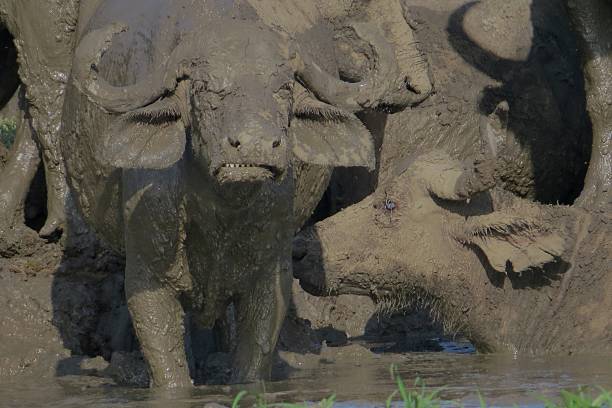
How Much Is A Nyerere Safari From Zanzibar? Guide
Planning a safari to Nyerere National Park (formerly Selous Game Reserve) from Zanzibar? This guide breaks down the costs, essential inclusions, and how to plan your trip for 2026-2027...
View package details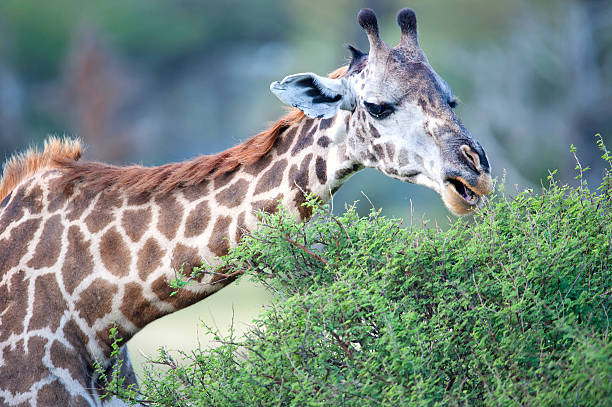
How Much Does A Nyerere Boat Safari Cost In ? 2026-2027
Planning a Nyerere Boat Safari? Understand the cost factors, typical price ranges, and what influences the budget for your 2026-2027 Tanzanian water adventure. Top Guide Adventures breaks...
View package details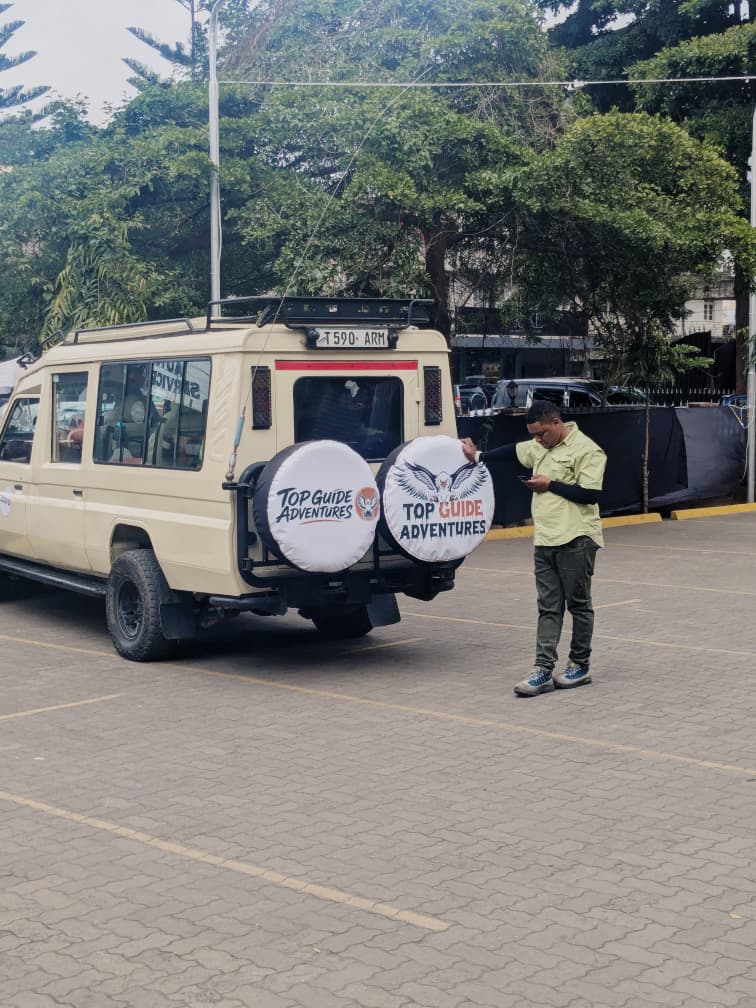
How Much Is A Nyerere Day Safari From Zanzibar? 2026-2027
How Much Is a Nyerere Day Safari from Zanzibar? is explained with current 2026-2027 planning, price, itinerary and booking information.
View package details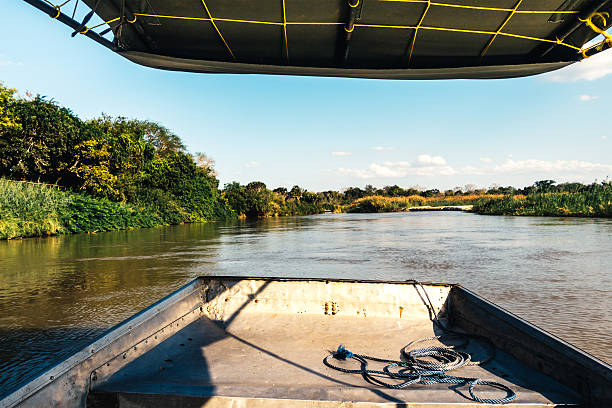
12-Day Nyerere Safari And Zanzibar Honeymoon: The Ultimate Romantic Escape
A 12-day Nyerere Safari and Zanzibar Honeymoon offers an unparalleled blend of thrilling wildlife encounters in one of Africa's largest game reserves and serene relaxation on the exotic...
View package details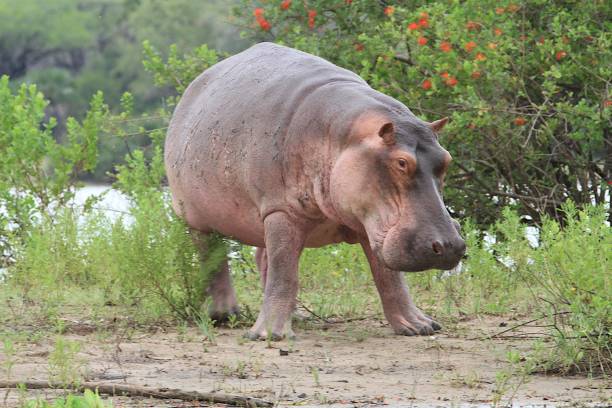
9-Day Nyerere Safari And Zanzibar Package: Ultimate Southern Tanzania
Discover the best of Tanzania's southern circuit with a 9-day Nyerere Safari and Zanzibar package. Experience thrilling game drives in Nyerere National Park, once known as Selous, followed...
View package details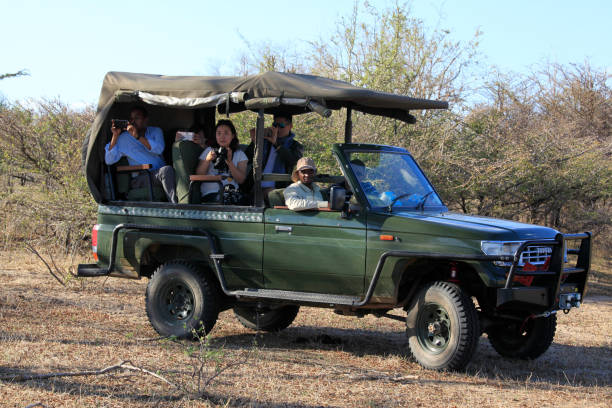
8-Day Nyerere Family Safari: The Ultimate Tanzania Adventure 2026-2027
Experience an unforgettable 8-day Nyerere Family Safari in Tanzania with Top Guide Adventures. This itinerary focuses on diverse wildlife, stunning landscapes, and family-friendly...
View package details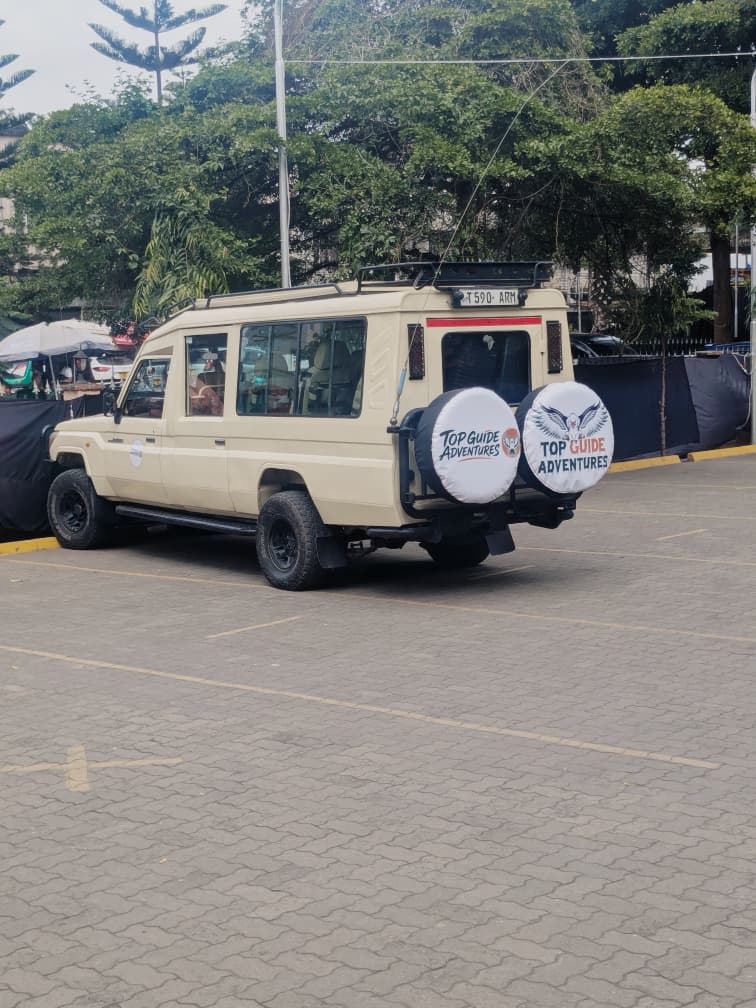
7-Day Mikumi, Udzungwa & Nyerere Safari: Your Ultimate Southern Tanzania
This 7-day itinerary covers Mikumi, Udzungwa, and Nyerere National Parks, offering a comprehensive Southern Tanzania safari experience. Explore diverse ecosystems, abundant wildlife, and...
View package details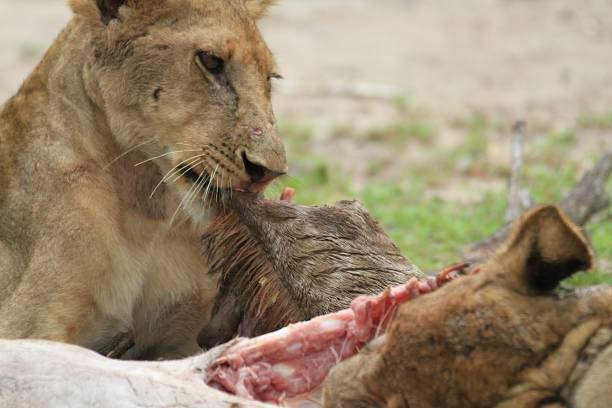
7-Day Nyerere Luxury Fly-In Safari: Your Ultimate Tanzanian Adventure
Discover the untamed beauty of southern Tanzania on a 7-day luxury fly-in safari to Nyerere National Park. This exclusive journey combines thrilling wildlife encounters with unparalleled...
View package details
7-Day Nyerere, Mikumi And Zanzibar Safari: Your Ultimate Tanzania Adventure
Discover a thrilling 7-day safari combining the wild wonders of Nyerere National Park (formerly Selous) and Mikumi with the tropical paradise of Zanzibar. This itinerary offers a perfect...
View package details6-Day Nyerere Safari And Zanzibar Holiday: Your Ultimate Tanzania Adventure
Discover the perfect blend of adventure and relaxation with a 6-day Nyerere Safari and Zanzibar holiday. Explore the vast wilderness of Nyerere National Park, renowned for its large...
View package details6-Day Nyerere And Ruaha Safari Guide
Discover the untamed beauty of Southern Tanzania with a 6-day safari combining the vast wilderness of Nyerere National Park (formerly Selous) and the dramatic landscapes of Ruaha National...
View package detailsNo related package matches those filters. Clear one or more filters to see the other topic-matched options.



