
A 6-day Nyerere and Ruaha safari offers an exceptional journey through two of Tanzania’s most iconic and wild southern parks, combining the unique boat safaris and vast plains of Nyerere National Park with the rugged terrain and large predator populations of Ruaha National Park, providing a comprehensive wildlife viewing experience over six days, typically starting from Dar es Salaam or Zanzibar.
Exploring Tanzania’s Southern Circuit: The Allure of Nyerere and Ruaha
Tanzania is globally celebrated for its unparalleled wildlife spectacles, most famously in the northern circuit’s Serengeti and Ngorongoro Crater. However, for the discerning traveler seeking a more secluded and raw wilderness experience, the southern circuit, particularly the combination of Nyerere National Park (formerly Selous Game Reserve) and Ruaha National Park, presents an equally, if not more, compelling adventure. A 6-day Nyerere and Ruaha safari is perfectly crafted to offer an in-depth exploration of these vast, less-trodden territories, revealing their unique ecosystems, abundant wildlife, and dramatic landscapes.
This itinerary is designed for those who appreciate the quiet grandeur of the African bush, the thrill of encountering wildlife in its natural, undisturbed habitat, and the opportunity to experience a safari that feels truly authentic. Unlike the more popular northern parks, Nyerere and Ruaha offer a sense of vastness and wildness that is increasingly rare. Whether you are planning for 2026 or 2027, this safari promises an unforgettable journey into the heart of Tanzania’s untamed south.
Why Choose Nyerere and Ruaha for Your Safari?
The decision to focus a safari on Nyerere and Ruaha, especially within a 6-day timeframe, is driven by several compelling factors:
- Unspoiled Wilderness: Both parks are vast, with Nyerere being one of the largest game reserves in Africa. This sheer size ensures that wildlife populations are spread out, offering a true sense of open space and minimal human impact.
- Diverse Ecosystems: Nyerere is characterized by its miombo woodlands, grasslands, and extensive river systems, including the mighty Rufiji River. Ruaha, on the other hand, boasts dramatic rocky escarpments, acacia-dotted plains, and the Great Ruaha River, creating distinct habitats that support a wide array of species.
- Unique Wildlife Encounters: Nyerere is renowned for its large elephant herds, wild dogs, hippos, crocodiles, and diverse birdlife, especially along the Rufiji River. Ruaha is a stronghold for predators, including a significant percentage of Tanzania’s lion population, cheetahs, leopards, and the endangered wild dogs. It also hosts large herds of buffalo and elephants.
- Exclusive Safari Experience: Due to their location and less developed infrastructure compared to the northern circuit, Nyerere and Ruaha attract fewer tourists. This means more intimate wildlife viewing opportunities and a more personal connection with the wilderness.
- Variety of Activities: Nyerere uniquely offers boat safaris on the Rufiji River, allowing for close-up views of hippos, crocodiles, and water birds. Walking safaris are also a highlight in both parks, offering a different perspective and a more engaging way to explore the bush.
A 6-day Nyerere and Ruaha safari is a carefully balanced itinerary that allows you to experience the distinct charms of each park without feeling rushed. It’s an ideal choice for travelers seeking a deeper connection with nature and a more adventurous safari experience.
Crafting Your 6-Day Nyerere and Ruaha Safari Itinerary
Designing a 6-day safari that effectively covers both Nyerere and Ruaha requires strategic planning to maximize wildlife viewing and minimize travel time. Typically, such a trip would begin with arrival in Dar es Salaam, followed by a flight or overland journey to Nyerere, then a flight to Ruaha, and finally a flight back to Dar es Salaam or Arusha for your onward journey. This approach conserves precious safari time.
Day 1: Arrival in Dar es Salaam & Transfer to Nyerere National Park
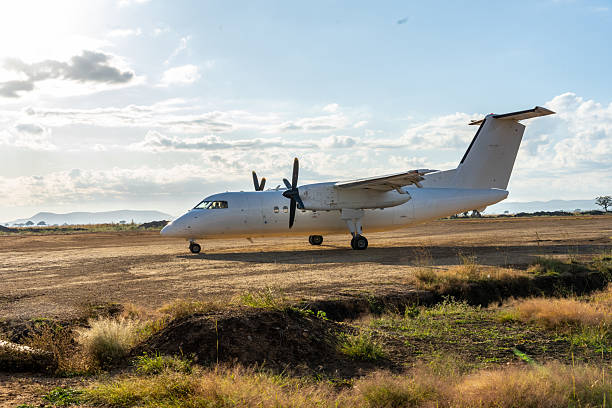
Your adventure begins upon arrival at Julius Nyerere International Airport (DAR) in Dar es Salaam. You’ll be met by your Top Guide Adventures representative and transferred to the domestic terminal for your scheduled light aircraft flight to an airstrip within or near Nyerere National Park. The flight itself offers spectacular aerial views of Tanzania’s diverse landscapes.
Upon landing, you will be greeted by your dedicated safari guide and vehicle. The journey from the airstrip to your lodge or camp is your first taste of the wild. Keep your eyes peeled – wildlife sightings often begin the moment you leave the airstrip!
Accommodation: Settle into your chosen lodge or tented camp. Options range from comfortable mid-range camps to luxurious lodges, all designed to blend harmoniously with the environment while providing essential comforts.
Afternoon Activity: After settling in and perhaps enjoying lunch, your first game drive will commence. Explore the areas around your camp, focusing on the Rufiji River’s vicinity, known for its abundant hippos, crocodiles, and diverse birdlife. The miombo woodlands and open plains will also be explored, offering chances to spot elephants, giraffes, zebras, and various antelope species.
Day 2: Full Day Exploring Nyerere National Park (Boat & Game Drive)
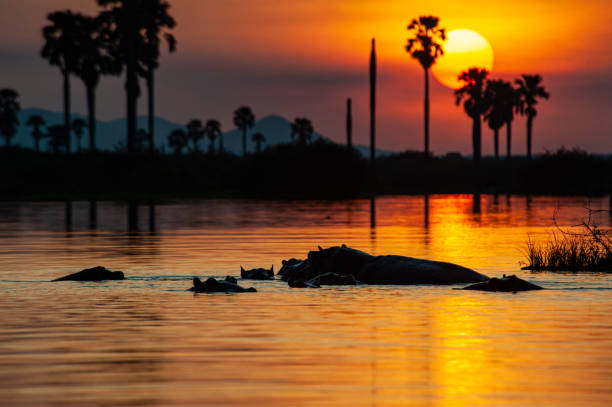
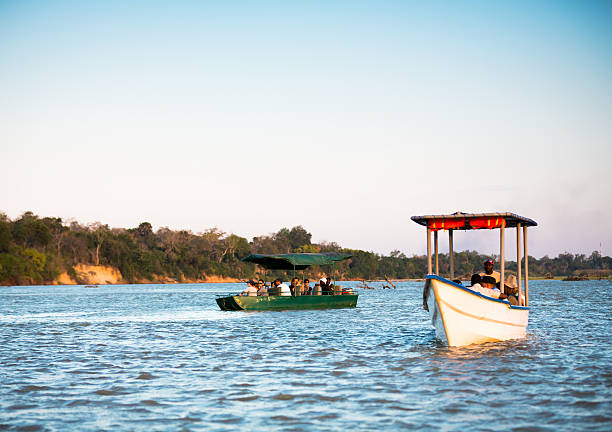
Today is dedicated to the unique experiences Nyerere National Park offers. The morning is dedicated to a boat safari on the Rufiji River. This is a highlight not typically found in other Tanzanian parks. You’ll glide along the river, getting incredibly close to large pods of hippos, basking crocodiles, and a multitude of water birds including kingfishers, fish eagles, and herons. You might also spot elephants coming down to the river to drink or bathe.
After the boat safari and returning to camp for lunch, the afternoon will be spent on a traditional game drive. Your guide will take you deeper into the park, searching for the larger mammals that roam the plains and woodlands. Nyerere is one of the best places in Tanzania to see wild dogs, and with luck, you might witness a hunt or observe a pack on the move. Lions, leopards, cheetahs, hyenas, buffaloes, and large herds of elephants are also common sightings.
Evening: Return to your lodge as the sun sets, enjoying dinner and sharing stories of the day’s sightings around a campfire.
Day 3: Morning in Nyerere & Flight to Ruaha National Park
Enjoy a final morning activity in Nyerere National Park. This could be another game drive, perhaps exploring a different sector of the park, or a walking safari if available and you’ve opted for this adventurous experience. Walking safaris offer an intimate encounter with the bush, allowing you to appreciate the smaller details – the tracks, the plants, the insects – and learn about the ecosystem from a different perspective. Your armed ranger and guide will ensure your safety while providing fascinating insights.
After breakfast and check-out, you will be transferred back to the airstrip for your light aircraft flight to Ruaha National Park. The flight offers more stunning aerial panoramas. Upon arrival at the airstrip in Ruaha, you will be met by your Ruaha-based guide and vehicle.
Transfer to Accommodation: Drive to your lodge or camp in Ruaha. The landscape here begins to change, becoming more rugged and dramatic, with the iconic acacia trees dotting the plains and rocky outcrops.
Afternoon Activity: Your first game drive in Ruaha will introduce you to its unique environment. Focus on spotting the park’s signature species, including large prides of lions, numerous elephants, and herds of greater and lesser kudu. The dramatic scenery of Ruaha provides a stunning backdrop for wildlife photography.
Day 4: Full Day Exploring Ruaha National Park
Today is dedicated to fully experiencing the wild heart of Ruaha. The park is famous for its impressive population of elephants and its concentration of predators. Your guide will use their expertise to track lions, cheetahs, and leopards, as well as the endangered African wild dogs. Ruaha is known to host up to 10% of the world’s wild dog population, making it a prime location for sightings.
The park’s landscape is dominated by the Great Ruaha River, which forms a vital water source, especially during the dry season, concentrating wildlife. You’ll explore the riverbanks, open grasslands, and the more rugged, hilly areas. Keep an eye out for the distinctive greater kudu, with its magnificent spiral horns, and the lesser kudu, which is more elusive. Sable antelopes, roan antelopes, Grant’s gazelles, and Coke’s hartebeests are also common.
Picnic Lunch: A packed lunch will often be enjoyed in a scenic spot within the park, allowing for maximum time with the wildlife.
Evening: Return to your lodge for relaxation and dinner. The sounds of the African night – distant lion roars, hyena calls – are a constant reminder of the wild environment surrounding you.
Day 5: Ruaha National Park – Further Exploration & Optional Activities
Your final full day offers another opportunity to explore the vastness of Ruaha. Depending on recent sightings and your interests, your guide might focus on specific areas or species. You could spend more time tracking predators, seeking out the elusive leopard, or observing the social dynamics of lion prides.
Ruaha is also a birdwatcher’s paradise, with over 570 species recorded. Birding enthusiasts will be delighted by the variety of raptors, water birds, and grassland species.
Optional Activities: Depending on your lodge and the park’s regulations, you might have the option for a walking safari. This provides an unparalleled sense of being in the wild, learning about tracking, plants, and the smaller details of the ecosystem under the guidance of an armed ranger.
Photography Focus: Ruaha’s dramatic landscapes and abundant wildlife make it a photographer’s dream. Consider dedicating time to capturing the golden hour light over the savanna or the intense moments of predator-prey interactions.
Day 6: Departure from Ruaha
Enjoy a final early morning game drive in Ruaha National Park, catching the wildlife as they become active in the cool morning air. This is often a prime time for predator sightings.
After breakfast, you will be transferred to the local airstrip for your scheduled light aircraft flight back to Dar es Salaam (DAR). From Dar es Salaam, you can connect with your international flight home or continue your Tanzanian adventure.
This 6-day Nyerere and Ruaha safari provides a rich and varied experience, showcasing the best of southern Tanzania’s wild heart. For travelers planning their trips in 2026 or 2027, booking in advance is highly recommended, especially for peak safari seasons.
Understanding the Parks: Nyerere and Ruaha in Detail
To truly appreciate the 6-day Nyerere and Ruaha safari, it’s beneficial to understand the unique characteristics of each park.
Nyerere National Park (Formerly Selous Game Reserve)
Nyerere National Park is a UNESCO World Heritage Site and one of the largest protected areas in Africa. Its designation as a Game Reserve historically meant that activities like hunting were permitted in certain areas, though this has largely transitioned to conservation and tourism focus. The park is dominated by the vast Rufiji River system, which creates a mosaic of habitats including riverine forests, swamps, miombo woodlands, and open grasslands.
Key Features of Nyerere:
- Rufiji River: The lifeblood of the park, offering unique boat safari opportunities. This river is teeming with hippos, crocodiles, and a staggering variety of birdlife.
- Wildlife Density: While not as densely packed as the Serengeti, Nyerere boasts impressive numbers of elephants, buffaloes, and wild dogs. It’s also a critical sanctuary for endangered species like the wild dog and black rhino (though rhino sightings are rare).
- Predators: Lions are present in good numbers, often found in larger prides. Leopards and cheetahs are also found, though sightings can be more challenging due to the dense vegetation.
- Activities: Boat safaris are a signature experience. Walking safaris are also offered, providing an intimate connection with the bush. Traditional game drives explore the diverse landscapes.
- Accessibility: Primarily accessed by light aircraft from Dar es Salaam or Zanzibar, making it a convenient addition to a southern circuit itinerary.
The vastness of Nyerere means that game drives can feel incredibly exclusive, with long stretches of wilderness all to yourself. The interplay of water and land creates a dynamic environment that supports a rich diversity of life.
Ruaha National Park
Ruaha is Tanzania’s largest national park and is renowned for its rugged beauty and dramatic landscapes, characterized by the Great Ruaha River, rocky hills, and vast acacia-studded plains. It is considered one of the most pristine and wild parks in Africa, offering a truly off-the-beaten-path safari experience.
Key Features of Ruaha:
- Predator Haven: Ruaha is a powerhouse for predators. It is estimated to hold about 8-10% of the world’s wild dog population and is home to one of the highest concentrations of lions in Tanzania, often observed in large, powerful prides. Leopards and cheetahs are also present.
- Mega-fauna: The park supports one of the largest populations of elephants in East Africa, alongside large herds of buffalo. It’s also one of the best places to see the greater kudu and the more elusive lesser kudu.
- Dramatic Scenery: The landscape is spectacular, with the Great Ruaha River carving its way through the park, creating a vital water source. The park’s topography includes rocky outcrops, escarpments, and vast open plains, offering incredible photographic opportunities.
- Birdlife: With over 570 bird species, Ruaha is a significant destination for birdwatchers.
- Accessibility: Typically accessed by light aircraft from Dar es Salaam, Arusha, or other safari hubs.
Ruaha’s wildness is palpable. The sheer scale of the park and the concentration of large mammals, especially predators, make it an exhilarating destination for any safari enthusiast. Its rugged terrain and dramatic vistas set it apart from other Tanzanian parks.
When is the Best Time for a 6-Day Nyerere and Ruaha Safari?
The timing of your 6-day Nyerere and Ruaha safari significantly impacts your wildlife viewing experience. Both parks have distinct dry and wet seasons, influencing animal movements and vegetation density.
Dry Season (June to October)
This is generally considered the peak safari season for both Nyerere and Ruaha. As water sources become scarce, animals congregate around the remaining rivers and waterholes, making them easier to spot. The vegetation thins out, improving visibility.
- Nyerere: The Rufiji River remains a magnet for wildlife. Boat safaris are particularly rewarding as animals come to drink. Predator sightings can be excellent as they stalk prey near water sources.
- Ruaha: The Great Ruaha River becomes a crucial water source, drawing large numbers of elephants, buffaloes, and predators. This is prime time for spotting lions and wild dogs actively hunting. The dry, open landscapes enhance visibility for game drives.
Pros: Excellent wildlife viewing, easier spotting, pleasant temperatures (though can be hot in October), lower humidity.
Cons: Higher prices, more tourists (though still less than northern parks), accommodation can be fully booked, especially for 2026 and 2027 peak dates.
Wet Season (November to May)
The wet season brings lush green landscapes and is a time of plenty for the animals. While game viewing can be more challenging due to thicker vegetation and dispersed water sources, it offers unique advantages.
- Nyerere: The park becomes incredibly green and vibrant. Birdlife is at its most prolific, with migratory birds present. Boat safaris remain rewarding. It’s a great time for photography due to the lush scenery. However, some areas might become inaccessible due to heavy rains.
- Ruaha: The park transforms into a verdant paradise. While predators might be harder to spot, the landscapes are stunning. This is the calving season for many herbivores, offering opportunities to see young animals. The birdwatching is exceptional. The park can be more challenging to navigate, with some roads potentially closed after heavy downpours.
Pros: Lush scenery, incredible birdwatching, baby animals, fewer tourists, lower prices (especially November-March, excluding holidays).
Cons: Thicker vegetation can make spotting animals harder, some roads may be impassable, higher humidity and heat, potential for rain to interrupt activities.
Shoulder Seasons (April-May & November)
These months can offer a good balance. April and May see the end of the long rains, with landscapes still green but starting to dry. November marks the beginning of the short rains, with occasional showers but generally good game viewing.
Recommendation for a 6-day Nyerere and Ruaha Safari: For the best overall wildlife viewing and accessibility, the dry season (June to October) is generally recommended. However, if you prioritize stunning landscapes, abundant birdlife, and fewer crowds, the wet season can be equally rewarding. When planning for 2026-2027, consider booking your preferred season well in advance.
Wildlife You Can Expect on Your 6-Day Nyerere and Ruaha Safari
The southern circuit offers a distinct set of wildlife encounters compared to its northern counterpart. A 6-day Nyerere and Ruaha safari is designed to maximize your chances of seeing these incredible creatures.
Mammals in Nyerere National Park:
- Elephants: Large herds are common, often seen near the Rufiji River.
- Buffaloes: Extensive herds roam the plains and woodlands.
- Hippos: Found in massive numbers in the Rufiji River and its tributaries.
- Crocodiles: Also abundant in the Rufiji River, often seen basking on the banks.
- Wild Dogs: Nyerere is a stronghold for this endangered species; sightings are a major highlight.
- Lions: Present in good numbers, though often found in denser vegetation.
- Leopards & Cheetahs: Present but sightings are less frequent than in other parks due to habitat.
- Giraffes, Zebras, Warthogs, various Antelopes (Waterbuck, Bushbuck, Impala, Wildebeest).
Mammals in Ruaha National Park:
- Lions: Ruaha is famous for its large prides and high lion density.
- Wild Dogs: Another critical habitat for wild dogs, offering excellent viewing opportunities.
- Elephants: The park hosts one of the largest elephant populations in East Africa.
- Buffaloes: Large, formidable herds are a common sight.
- Greater Kudu: The park’s iconic antelope, with impressive spiral horns.
- Lesser Kudu: More elusive and smaller than the greater kudu.
- Cheetahs & Leopards: Present and often seen, especially in the more open areas.
- Other Antelopes: Including Sable Antelope, Roan Antelope, Grant’s Gazelle, Topi, Hartebeest, and Oryx.
- Giraffes, Zebras, Warthogs.
Birds of Nyerere and Ruaha:
Both parks are exceptional for birdwatching, especially during the wet season when migratory birds are present.
- Nyerere: Expect to see African Fish Eagles, Kingfishers (various species), Herons, Egrets, Storks, Cormorants, Hornbills, Bee-eaters, and many more, particularly along the Rufiji River.
- Ruaha: Offers a fantastic array of raptors (eagles, falcons), ground birds, and savanna species. Look out for Crested Barbet, Helmeted Guineafowl, Secretary Bird, and various species of Vultures.
The sheer diversity and abundance of wildlife make the 6-day Nyerere and Ruaha safari a truly rewarding experience for any nature enthusiast.
Logistics and Travel Considerations for Your Safari
Planning a safari to the southern circuit involves specific logistical considerations that differ from the northern parks. Understanding these will help ensure a smooth and enjoyable trip.
Getting There and Around:
- Flights: The most efficient way to travel between Dar es Salaam, Nyerere, and Ruaha is by light aircraft. Several reputable charter and scheduled flight operators service these routes. Flights are scenic but can be weather-dependent.
- Vehicles: Safari vehicles are typically 4×4 Land Cruisers or Land Rovers, equipped with pop-up roofs for optimal game viewing and photography. Your vehicle and guide will be dedicated to you for the duration of your safari in each park.
- Internal Transfers: Transfers between airstrips and lodges are usually included in your safari package.
Accommodation Options:
Accommodation in Nyerere and Ruaha ranges from rustic yet comfortable tented camps to more luxurious lodges. Key considerations include:
- Tented Camps: Offer an authentic safari feel, often with canvas tents on permanent bases, en-suite bathrooms, and comfortable furnishings.
- Lodges: Provide more permanent structures, often with amenities like swimming pools and fine dining.
- Location: Camps and lodges are strategically located to offer excellent access to prime wildlife areas while respecting the wilderness.
- Exclusivity: Due to the nature of the parks, accommodation options are fewer, contributing to the exclusive feel of a southern circuit safari.
What to Pack:
Packing for a safari requires practical choices. Light, neutral-colored clothing is essential. Avoid bright colors and dark colors like black or blue, which can attract insects or be too hot.
- Lightweight long-sleeved shirts and trousers (for sun and insect protection).
- T-shirts and shorts.
- A warm fleece or jacket for cool mornings and evenings.
- Comfortable walking shoes or hiking boots.
- Sandals or flip-flops for relaxing at the lodge.
- Sun hat, sunglasses, and high SPF sunscreen.
- Insect repellent (with DEET).
- Camera with extra batteries and memory cards. Binoculars are highly recommended.
- Personal toiletries and any necessary medications.
- A small backpack for day trips.
- A headlamp or flashlight.
Health and Safety:
- Malaria: Both Nyerere and Ruaha are in malaria-endemic areas. Consult your doctor about malaria prophylaxis and take precautions against mosquito bites.
- Vaccinations: Ensure your routine vaccinations are up to date. Yellow fever vaccination may be required if arriving from or traveling to certain countries.
- Water: Drink bottled or purified water only.
- Safari Safety: Always follow your guide’s instructions. Stay within the vehicle during game drives unless instructed otherwise. Never approach wildlife too closely.
Booking Your Safari for 2026-2027:
Given the popularity and specialized nature of southern circuit safaris, booking well in advance is crucial, especially for peak seasons in 2026 and 2027. Early booking ensures availability of preferred accommodation and flights.
Top Guide Adventures specializes in crafting bespoke 6-day Nyerere and Ruaha safaris. We handle all the logistics, from flights and transfers to accommodation and expert guiding, ensuring a smooth and unforgettable experience. Contact us to start planning your dream safari.
Why Choose Top Guide Adventures for Your 6-Day Nyerere and Ruaha Safari?
As one of Tanzania’s most trusted tour companies, Top Guide Adventures is dedicated to providing complete, personalized travel experiences. When you choose us for your 6-day Nyerere and Ruaha safari, you benefit from:
- Local Expertise: We have intimate knowledge of Nyerere and Ruaha National Parks, their wildlife, landscapes, and the best times to visit.
- Personalized Service: We offer dedicated support from your initial inquiry through to your departure, ensuring every detail of your safari is tailored to your preferences.
- Experienced Guides: Our guides are passionate, knowledgeable, and highly skilled in tracking wildlife and sharing insights into the ecosystems and local culture.
- Quality Accommodation: We partner with the best lodges and tented camps in the region, ensuring comfortable and well-located stays.
- smooth Logistics: We manage all aspects of your safari, including flights, transfers, park fees, and activities, allowing you to relax and enjoy the experience.
- Commitment to Sustainability: We are committed to responsible tourism practices that benefit local communities and conservation efforts.
Whether you are planning your safari for 2026 or 2027, let Top Guide Adventures create an extraordinary journey for you. We understand that a safari is more than just a trip; it’s a life-changing experience.
Planning Your 2026-2027 Southern Circuit Safari
A 6-day Nyerere and Ruaha safari is an excellent introduction to Tanzania’s southern wilderness. For a more in-depth experience, consider extending your stay or combining it with other destinations like Selous’s Rufiji River activities or even a brief visit to the coast. For detailed itineraries and custom quotes for 2026 and 2027, please reach out to our team. We are ready to craft your perfect Tanzanian adventure.
Don’t miss the chance to explore the raw beauty and abundant wildlife of Nyerere and Ruaha. These parks offer a profound connection with nature that is increasingly rare in our modern world. Let us guide you through this incredible journey.
For inquiries, quotes, and to start planning your unforgettable 6-day Nyerere and Ruaha safari, please contact Top Guide Adventures:
- WhatsApp: +255616946642
- Email: topguideadventures@gmail.com
- Backup Email: info@topguideadventures.com
We look forward to helping you discover the magic of Tanzania!
Check Availability for 6-Day Nyerere And Ruaha Safari Guide
Ready to compare dates, prices, and the best option for your group? Send the package name and travel month so the team can reply with a clear quote, availability, and what is included.
10-Day Nyerere, Ruaha And Zanzibar Honeymoon: The Ultimate Romantic Safari &
Discover the perfect blend of adventure and romance with a 10-day honeymoon itinerary combining the wild wonders of Nyerere National Park and Ruaha National Park with the idyllic beaches of...
View package details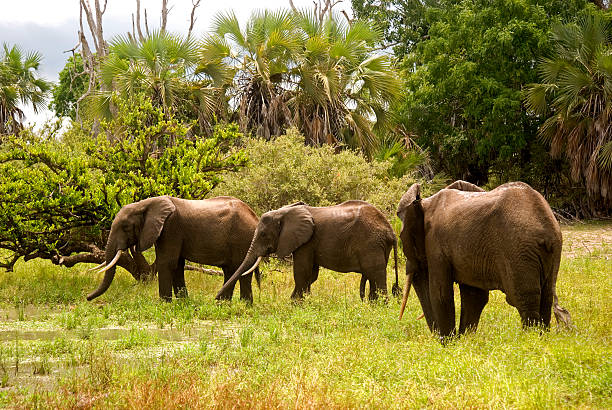
8-Day Nyerere, Mikumi & Ruaha Safari: Southern Tanzanias Wild Heart 2026-2027
An 8-day safari through Nyerere, Mikumi, and Ruaha National Parks offers an unforgettable journey into Tanzania's less-visited but incredibly rewarding Southern Circuit. This itinerary is...
View package details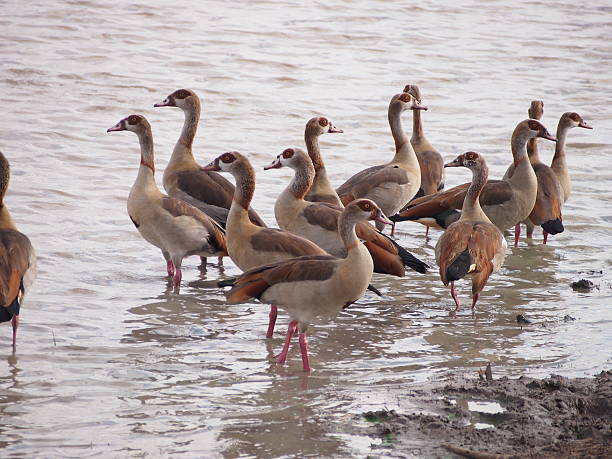
6-Day Southern Tanzania Wildlife Safari With Top Guide Adventures 2026-2027
Discover the wild heart of Tanzania on a 6-day Southern Tanzania wildlife safari. This itinerary highlights the unique ecosystems and abundant wildlife of Selous Game Reserve and Ruaha...
View package details5-Day Southern Tanzania Group Joining Safari: Your Ultimate Adventure
Discover the wild heart of Southern Tanzania on a 5-day group joining safari. This adventure offers incredible wildlife viewing in Selous Game Reserve and Ruaha National Park, perfect for...
View package details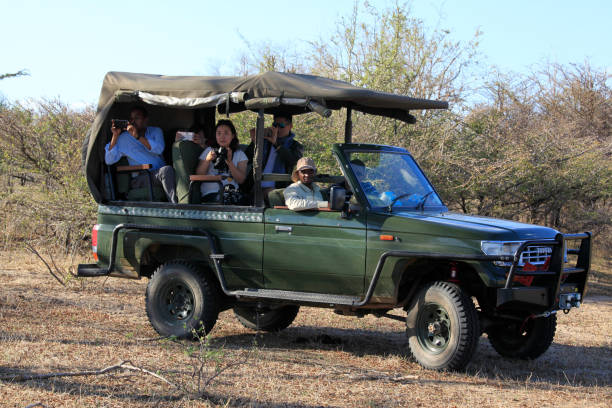
5 Days Southern Tanzania Safari From Dar Es Salaam: Ultimate Itinerary & Guide
Discover a 5-day Southern Tanzania safari adventure starting from Dar es Salaam, focusing on the wild beauty of Selous Game Reserve and Ruaha National Park. This comprehensive guide covers...
View package details
Best 6-Day Southern Tanzania Safari From Dar Es Salaam In 2026-2027
A 6-day Southern Tanzania safari from Dar es Salaam offers an unparalleled wildlife experience in vast, unspoiled parks like Ruaha and Nyerere (formerly Selous). This itinerary focuses on...
View package details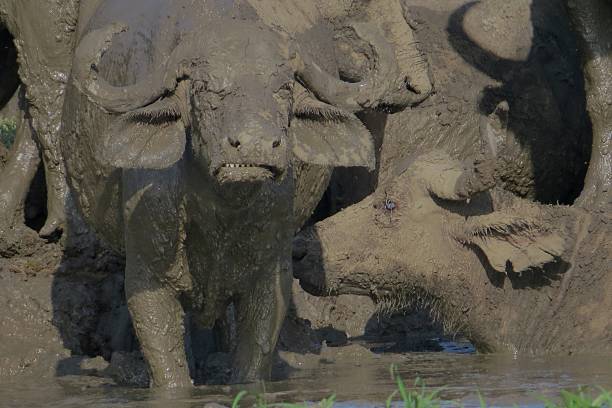
4 Days Southern Tanzania Lodge Safari From Dar Es Salaam: Your Ultimate Guide
Explore a 4-day Southern Tanzania lodge safari starting from Dar es Salaam. This itinerary focuses on the vast wilderness of Selous Game Reserve and Ruaha National Park, offering an...
View package details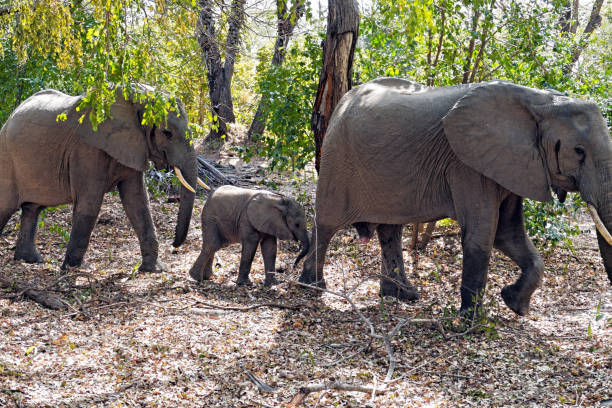
6 Days Southern Tanzania Lodge Safari From Dar Es Salaam 2026-2027
Discover a curated 6-day Southern Tanzania lodge safari departing from Dar es Salaam, designed for an unforgettable wildlife adventure. This journey focuses on two of Tanzania's most...
View package details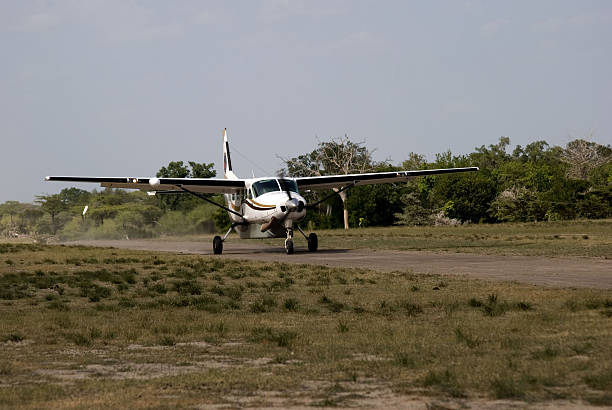
10-Day Selous, Mikumi And Ruaha Safari Guide
Discover the untamed beauty of southern Tanzania with a 10-day safari combining Selous Game Reserve, Mikumi National Park, and Ruaha National Park. This itinerary offers a comprehensive...
View package details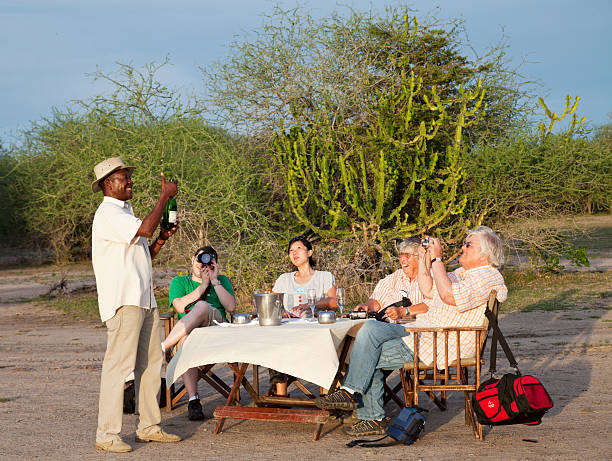
10-Day Nyerere, Ruaha & Zanzibar Package: Ultimate Southern Tanzania Adventure
Discover the best of Southern Tanzania with a meticulously crafted 10-day package combining the vast wilderness of Nyerere National Park (formerly Selous) and Ruaha National Park with the...
View package details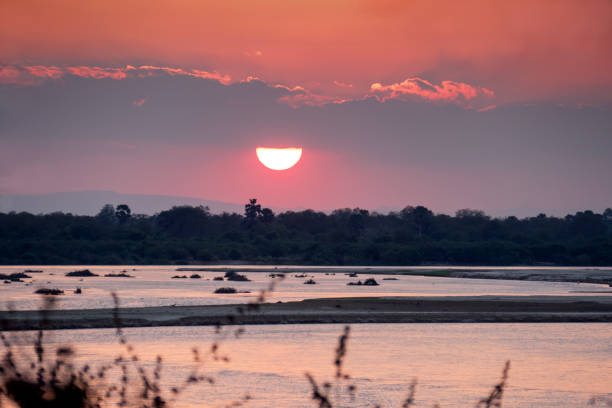
8-Day Southern Tanzania Luxury Safari: Selous & Ruaha 2026-2027
An 8-day luxury safari through Southern Tanzania's Selous Game Reserve and Ruaha National Park offers an unparalleled wildlife experience. This itinerary focuses on exclusive lodges...
View package details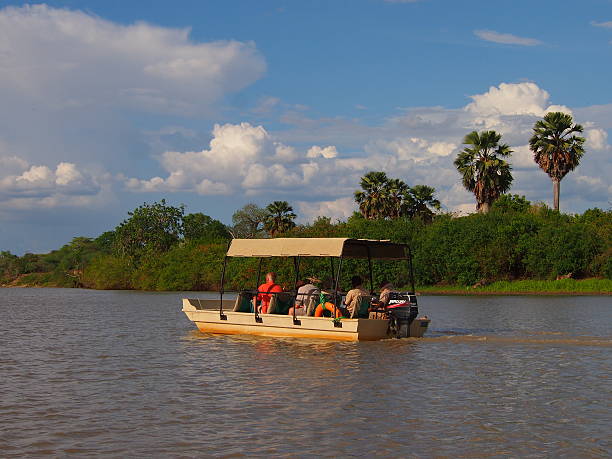
7-Day Southern Tanzania Safari: Ultimate Guide To Selous & Ruaha In 2026-2027
start an unforgettable 7-day Southern Tanzania safari adventure, exploring the vast wilderness of Selous Game Reserve and the untamed beauty of Ruaha National Park. This itinerary offers a...
View package detailsNo related package matches those filters. Clear one or more filters to see the other topic-matched options.



