
- Information
What's included
Updated planning guide for 2026-2027
Cycling Tour From Moshi: Complete Guide 2026-2027
Discover the ultimate cycling tour from Moshi, Tanzania. This comprehensive guide covers everything you need to know for planning your adventure, from route options and preparation to what to expect and booking tips.
WhatsApp +255616946642 | topguideadventures@gmail.com | info@topguideadventures.com
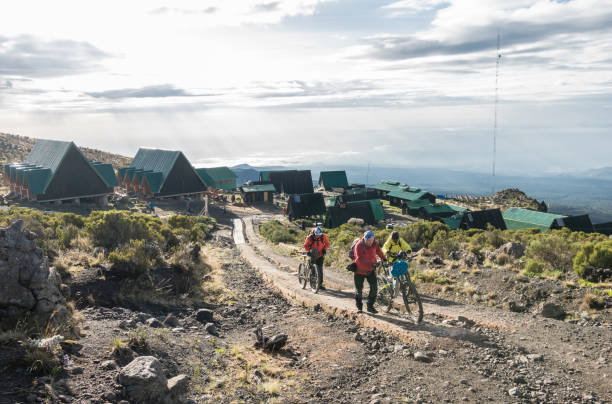
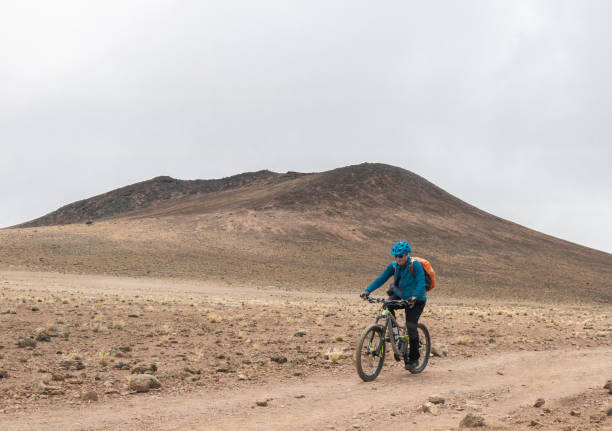
A cycling tour from Moshi offers a unique perspective on Tanzania’s diverse landscapes and vibrant culture. Far from the typical safari or Kilimanjaro trek, this adventure allows you to connect with the environment and local communities at a more intimate pace. Imagine pedaling through lush coffee plantations, past traditional Maasai villages, and along the foothills of Africa’s highest peak. This guide provides everything you need to plan an exceptional cycling tour from Moshi, covering routes, preparation, what to expect, and how to book your trip for 2026 or 2027.
Table of Contents
- Quick Facts: Cycling Tour From Moshi
- Overview of Cycling Adventures Near Moshi
- Why Choose a Cycling Tour From Moshi?
- Best Time to Go: Seasonality for Cycling in Tanzania
- Popular Cycling Routes From Moshi
- Sample Cycling Tour Itinerary (5 Days)
- What to Expect on Your Cycling Tour
- Typical Inclusions and Exclusions
- Preparation and Packing Essentials
- Common Mistakes to Avoid
- Who is a Cycling Tour From Moshi Best For?
- Alternatives to a Cycling Tour From Moshi
- Planning Your 2026-2027 Cycling Adventure
- Booking Your Cycling Tour: Expert Tips
- Frequently Asked Questions (FAQs)
Quick Facts: Cycling Tour From Moshi
| Aspect | Details |
|---|---|
| Starting Point | Moshi, Tanzania |
| Primary Activity | Bicycle touring, exploring rural Tanzania |
| Scenery | Coffee plantations, Kilimanjaro foothills, villages, farmlands, savannah |
| Difficulty Level | Varies from easy to moderate, depending on route and duration |
| Best For | Active travelers, cultural explorers, nature lovers, cyclists seeking a different pace |
| Typical Duration | 1 day to 7 days (customizable) |
| Key Considerations | Fitness, cycling experience, weather, local logistics |
Overview of Cycling Adventures Near Moshi
Moshi, a bustling town nestled at the foot of Mount Kilimanjaro, serves as an ideal launchpad for a variety of cycling excursions. These tours are designed to showcase the natural beauty and cultural richness of the Kilimanjaro region, offering an experience distinct from the usual safari circuits. Cyclists can anticipate routes that wind through verdant agricultural landscapes, including world-renowned coffee and banana farms. You’ll encounter local communities, witness daily life unfold, and gain insights into the traditions of the Chagga people, who have historically inhabited these fertile slopes. Beyond the immediate vicinity of Moshi, longer tours can extend towards areas like the West Kilimanjaro plains or even connect with routes leading towards Arusha National Park, offering varied terrain and wildlife viewing opportunities.
These tours are not about high-speed racing; they are about immersion. The pace is set to allow for stops, conversations with locals, photography, and simply absorbing the environment. Support vehicles often accompany longer tours, providing assistance, carrying gear, and offering a ride if needed, making the experience accessible to a wider range of fitness levels. The focus is on experiencing Tanzania from the saddle, enjoying the fresh air, and engaging with the land in a truly memorable way.
Why Choose a Cycling Tour From Moshi?
Opting for a cycling tour from Moshi presents several compelling advantages for the discerning traveler:
Intimate Connection with the Landscape
Unlike a vehicle-based safari or a fast-paced trek, cycling allows for a direct, sensory engagement with the environment. You feel the gradient of the hills, smell the earth after rain, hear the birdsong clearly, and notice the details of the flora and fauna that might be missed from a car. The slow pace fosters a deeper appreciation for the agricultural practices, the resilience of the terrain, and the sheer beauty of the Kilimanjaro region.
Authentic Cultural Encounters
Moshi’s surrounding areas are home to communities that maintain strong traditions. Cycling routes often pass through villages where you can observe daily life, interact with farmers tending their crops, and perhaps visit local markets. Many tours include stops at coffee or banana plantations, offering a chance to learn about these vital crops from cultivation to processing, often with a taste test included. These are genuine interactions, not staged performances, offering a true glimpse into Tanzanian life.
Health and Fitness Benefits
For those who enjoy an active holiday, a cycling tour is an excellent way to stay fit while exploring. It’s a rewarding physical challenge that rewards you with stunning vistas and a sense of accomplishment. The moderate exertion levels, combined with the fresh air and stunning scenery, make for a feel-good experience.
Environmental Friendliness
Cycling is one of the most sustainable ways to travel. By choosing a bike tour, you minimize your carbon footprint, aligning your travel choices with a more eco-conscious approach to experiencing Tanzania’s natural wonders.
Accessibility to Remote Areas
Bicycles can navigate narrow tracks and paths that are inaccessible to vehicles. This allows tour operators to craft routes that venture into off-the-beaten-path locations, revealing hidden valleys, secluded viewpoints, and authentic village settings that remain untouched by mass tourism.
A Complementary Experience
If you’re already in Moshi for Kilimanjaro climbing, a cycling tour can be a perfect pre- or post-trek activity. It offers a gentler way to acclimatize or recover, providing a different kind of challenge and reward. It also complements a safari by offering a more ground-level perspective on the country.
Best Time to Go: Seasonality for Cycling in Tanzania
Tanzania’s climate is generally favorable for cycling, but understanding the seasons is key to planning the most comfortable and enjoyable trip. The Kilimanjaro region experiences two main dry seasons and two rainy seasons.
| Season | Months | Conditions for Cycling | Notes |
|---|---|---|---|
| Long Dry Season | June – October | Ideal. Sunny, warm days, cooler nights. Low humidity. Minimal rain. | Peak tourist season for Kilimanjaro and safaris. Roads are generally in good condition. |
| Short Rains | November – December | Moderate. Intermittent showers, often in the afternoon. Can be humid. | Less crowded. Landscapes become greener. Roads can become muddy in places. |
| Long Rains | March – May | Challenging. Frequent and heavy rainfall, can be persistent. High humidity. | Off-peak season. Can disrupt travel and make cycling difficult or impossible on unpaved routes. |
| Short Dry Season | January – February | Very good. Warm and dry, though can be hotter than the June-October period. | Good for cycling. Often combined with other activities like Kilimanjaro climbs. |
Recommendation for 2026-2027: The best periods for a cycling tour from Moshi are during the long dry season (June to October) and the short dry season (January to February). These months offer the most reliable weather for cycling, with ample sunshine and minimal disruption from rain. If you prefer fewer crowds and don’t mind occasional afternoon showers, the short rains (November-December) can also be a good option. The long rains (March-May) should generally be avoided for extensive cycling trips due to potentially challenging road conditions and frequent downpours.
Popular Cycling Routes From Moshi
The Kilimanjaro region offers a diverse range of cycling experiences, from gentle excursions through coffee farms to more demanding routes with significant elevation changes. Here are some popular route types and areas:
1. Coffee Plantation & Chagga Villages Loop
Area: Foothills of Kilimanjaro, west and north of Moshi (e.g., Marangu, Machame areas).
Description: This is a classic and highly recommended route. It typically involves cycling on a mix of paved and unpaved roads through lush coffee and banana plantations. You’ll pass through small Chagga villages, offering opportunities to stop, interact with locals, and learn about their agricultural practices. Many tours include a visit to a coffee processing demonstration. The terrain is generally rolling with some climbs, offering beautiful views of the surrounding landscape and, on clear days, Kilimanjaro itself.
2. West Kilimanjaro Plains & Maasai Land
Area: West of Kilimanjaro, towards the Kenyan border.
Description: This route offers a contrast to the green slopes. It can involve more open terrain, passing through drier plains and areas inhabited by Maasai communities. The landscape is vast and often dramatic, with Mount Kilimanjaro providing a stunning backdrop. This route might be flatter in parts but can also be more exposed to the elements. It provides a different cultural perspective, focusing on pastoralist communities.
3. Mamba Cave & Local Markets
Area: Closer to Moshi, with extensions.
Description: Combine cycling with historical and cultural exploration. Routes can be designed to include visits to historical sites like Mamba Cave, a significant Chagga cave dwelling, and vibrant local markets (e.g., the weekly market in Mwika or Himo). This offers a rich blend of physical activity and cultural immersion.
4. Kilimanjaro Foothills Traverse
Area: Spanning different sides of Kilimanjaro.
Description: For those seeking a longer adventure, a multi-day traverse of the Kilimanjaro foothills is possible. This involves connecting various trails and roads around the mountain, potentially covering significant distances and experiencing diverse microclimates and landscapes. This requires good fitness and logistical planning, often with camping or lodge stays.
Route Illustration (Conceptual – 3 Day Example)
| Day | Route Segment | Terrain & Highlights | Approx. Distance |
|---|---|---|---|
| 1 | Moshi to Marangu | Rolling hills, coffee plantations, Chagga villages. Visit a coffee farm. | 30-40 km |
| 2 | Marangu to Himo/Mwika Area | More rural roads, banana farms, local markets (if timed correctly), scenic viewpoints. | 35-45 km |
| 3 | Himo/Mwika Area back to Moshi | Varied terrain, potentially passing through smaller hamlets and farmlands. Final views of Kilimanjaro. | 30-40 km |
Note: Distances are approximate and can be adjusted based on fitness levels and desired pace. Support vehicles are crucial for longer or more challenging routes.
Sample Cycling Tour Itinerary (5 Days)
This sample itinerary focuses on the rich agricultural and cultural landscape around Moshi, suitable for moderately fit cyclists. It can be customized to be longer, shorter, or more challenging.
Day 1: Arrival in Moshi & Shakedown Ride
Arrive at Kilimanjaro International Airport (JRO) or in Moshi. Meet your guide and transfer to your accommodation. After a briefing and bike fitting, enjoy a short, gentle ride around Moshi town and its immediate outskirts to test your equipment and get a feel for the local cycling conditions. This might include a visit to a local market or a viewpoint. Dinner and overnight in Moshi.
Cycling: ~15-20 km, easy pace.
Focus: Acclimatization, bike check, local introduction.
Day 2: Coffee Plantations & Chagga Heritage
After breakfast, begin your cycling tour heading towards the lower slopes of Kilimanjaro. Cycle through vibrant coffee and banana plantations. Your route will take you past small Chagga villages, offering opportunities to see traditional homesteads and perhaps meet local farmers. A highlight today is a visit to a local coffee farm for a demonstration of the coffee-making process, from bean to cup, often including a tasting. Enjoy a picnic lunch amidst the scenery. Continue cycling to your lodge or guesthouse in the Kilimanjaro foothills.
Cycling: ~35-45 km, moderate rolling hills.
Focus: Coffee farming, Chagga culture, scenic beauty.
Day 3: Towards the Waterfalls & Village Life
Today’s ride takes you deeper into the Kilimanjaro region, exploring areas known for their lush vegetation and small waterfalls. The terrain will involve more climbing and descending as you navigate rural tracks. You’ll cycle through more villages, observing daily life and perhaps stopping at a local school or community project (pre-arranged). Enjoy lunch at a local eatery or a packed meal. The afternoon offers more cycling opportunities before reaching your accommodation for the night.
Cycling: ~40-50 km, moderate to challenging with climbs.
Focus: Rural life, natural beauty, waterfalls, cultural interaction.
Day 4: West Kilimanjaro Plains & Maasai Encounters
Transition to a different landscape as you cycle towards the western plains. This route offers a more open, savanna-like environment with expansive views of Kilimanjaro. You may encounter Maasai herders and their cattle. The terrain can be flatter in sections but may also include more challenging gravel roads depending on the chosen route. This day provides a contrast in scenery and culture. Depending on the tour, you might visit a Maasai boma (homestead) for a cultural exchange. Overnight in a lodge or tented camp in the West Kilimanjaro area.
Cycling: ~45-60 km, moderate, potentially mixed terrain.
Focus: Open plains, Maasai culture, Kilimanjaro views.
Day 5: Final Ride & Departure
Enjoy a final breakfast with views of Kilimanjaro. Depending on your flight schedule or onward travel plans, you might have a shorter, leisurely ride in the morning, or you might be transferred directly back to Moshi or Kilimanjaro International Airport (JRO) for your departure. Reflect on the incredible journey you’ve had cycling through Tanzania.
Cycling: ~10-20 km (optional, depending on schedule).
Focus: Leisurely ride, transfer, departure.
What to Expect on Your Cycling Tour
A cycling tour from Moshi is an adventure that blends physical activity with cultural immersion and stunning natural beauty. Here’s what you can generally expect:
Terrain and Road Conditions
The routes around Moshi are varied. You’ll encounter paved roads, but more often, you’ll be on unpaved tracks, gravel roads, and dirt paths. These can range from well-maintained tracks to more rugged, uneven surfaces. Expect rolling hills and some steeper climbs, especially as you ascend the foothills of Kilimanjaro. The condition of unpaved roads can be significantly affected by recent rainfall, potentially becoming muddy or rutted during the rainy seasons.
Pace and Distance
Tours are typically designed at a moderate pace to allow for sightseeing, photography, and interaction. Daily distances can vary from 20 km to 60 km or more, depending on the tour’s duration, the terrain, and the group’s fitness level. Most tours include regular breaks for hydration, snacks, and to admire the views. Support vehicles are usually available to provide assistance, carry gear, and offer a ride if fatigue sets in.
Cultural Immersion
Expect to cycle through active agricultural areas and local villages. You’ll see people working in the fields, children walking to school, and daily life unfolding. Many tours incorporate stops at coffee or banana plantations for demonstrations and tastings, and visits to local community projects or historical sites. Interactions with local people are a key part of the experience; a friendly greeting and an open mind go a long way.
Scenery
The visual rewards are immense. You’ll pedal through lush green coffee and banana farms, past vibrant tropical foliage, and enjoy panoramic views of the Kilimanjaro massif on clear days. The contrast between the fertile slopes and the drier plains offers diverse landscapes. The scenery is constantly changing, offering new vistas around every bend.
Support and Logistics
Reputable tour operators provide a support vehicle that follows the cycling group. This vehicle carries water, snacks, spare parts, first-aid equipment, and can transport cyclists if they need a break or if mechanical issues arise. Guides are knowledgeable about the routes, local culture, and history, and are trained in basic first aid. Accommodation can range from comfortable lodges and guesthouses to basic campsites, depending on the tour’s style and location.
Weather
Even during the dry seasons, temperatures can be warm during the day, especially at lower altitudes. Mornings and evenings can be cooler, particularly in the highlands. Sun protection is essential. Be prepared for potential changes in weather, including occasional rain showers, especially outside the main dry periods.
Typical Inclusions and Exclusions
Understanding what is included in your cycling tour package is vital for budgeting and preparation. While specifics vary between operators, here’s a general guide:
Common Inclusions:
- Bicycle Rental: Well-maintained mountain bikes or touring bikes suitable for the terrain. Often includes helmet rental.
- Professional Guide: An experienced local guide knowledgeable about the route, culture, and safety.
- Support Vehicle: A vehicle to carry luggage, water, snacks, spare parts, and to provide transport if needed.
- Meals: Typically includes breakfast, lunch, and dinner on cycling days. This can vary, so check your specific itinerary. Often includes water and some snacks.
- Accommodation: Nights spent in lodges, guesthouses, or campsites as specified in the itinerary.
- Activity Fees: Entrance fees for specific attractions like coffee farms or cultural sites included in the itinerary.
- Park Fees: If any part of the route passes through protected areas where fees apply.
Common Exclusions:
- Flights: International and domestic flights to and from Tanzania.
- Visas: Tanzanian visa fees.
- Travel Insurance: Comprehensive travel and medical insurance, which is highly recommended.
- Personal Expenses: Souvenirs, alcoholic beverages, soft drinks, laundry, tips for guides and support staff.
- Pre/Post Tour Accommodation: Nights spent in Moshi or Arusha before or after the tour dates unless specified.
- Cycling Gear: Personal cycling clothing, gloves, cycling shoes (unless specified), sunglasses, sunscreen.
- Gratuities: Tips for guides and drivers/support staff are customary and appreciated.
- Optional Activities: Any activities not explicitly mentioned in the tour itinerary.
Preparation and Packing Essentials
Proper preparation is key to a successful and enjoyable cycling tour from Moshi. Focus on fitness, gear, and practical items.
Fitness Preparation:
While tours are not races, a reasonable level of cardiovascular fitness is beneficial. Aim to cycle regularly in the weeks leading up to your trip. Include some hill training if possible. Focus on endurance rather than speed. If you’re not a regular cyclist, start with shorter rides and gradually increase distance and intensity. Familiarity with your bike will also boost confidence.
Essential Packing List:
Cycling Gear:
- Cycling Shorts/Bibs: Padded shorts are essential for comfort on longer rides. Bring 2-3 pairs.
- Jerseys: Lightweight, moisture-wicking cycling jerseys (2-3).
- Gloves: Padded cycling gloves for grip and comfort.
- Helmet: A well-fitting cycling helmet. Most operators provide these, but bringing your own ensures a perfect fit.
- Cycling Shoes & Pedals: If you use clipless pedals, bring your own shoes and pedals. Otherwise, comfortable athletic shoes that can be used with flat pedals are fine.
- Eyewear: Cycling glasses to protect from sun, dust, and insects.
- Base Layers: Moisture-wicking base layers for cooler mornings or evenings.
- Arm/Leg Warmers: Optional, useful for temperature regulation.
Clothing & Personal Items:
- Casual Clothes: Comfortable clothing for evenings and rest days (t-shirts, shorts, trousers).
- Rain Gear: A lightweight, waterproof and windproof jacket. Waterproof trousers are also advisable.
- Warm Layer: A fleece or light jacket for cooler evenings or higher altitudes.
- Footwear: Comfortable walking shoes or sandals for evenings.
- Sun Protection: High SPF sunscreen, a wide-brimmed hat, and lip balm with SPF.
- Insect Repellent: Especially for evenings.
- Water Bottles/Hydration Pack: Essential for staying hydrated. Most tours provide access to water refills.
- First-Aid Kit: A small personal kit with blister treatment, pain relievers, antiseptic wipes, and any personal medications.
- Camera & Power Bank: To capture memories and keep devices charged.
- Toiletries: Biodegradable options are preferred.
- Small Backpack/Daypack: For essentials needed during the ride (camera, snacks, extra layer).
- Travel Towel: Quick-drying if staying in more basic accommodations.
- Hand Sanitizer: Always useful.
Important Documents:
- Passport (with at least 6 months validity)
- Visa (if required)
- Flight details
- Travel insurance documents
- Vaccination certificates (e.g., Yellow Fever, if applicable)
- Emergency contact information
Common Mistakes to Avoid
Planning a cycling tour from Moshi is exciting, but avoiding common pitfalls can ensure a smoother and more enjoyable experience.
1. Underestimating the Fitness Required
While not a race, cycling in Tanzania involves hills and potentially rougher terrain than you might be used to. Not preparing physically can lead to exhaustion, discomfort, and a reduced ability to enjoy the tour. Ensure you have a base level of fitness and have cycled recently.
2. Inadequate Gear and Clothing
Relying on unsuitable clothing (e.g., cotton t-shirts) or not bringing essential items like padded shorts, gloves, or rain gear can make the trip miserable. The sun can be intense, and sudden downpours are possible. Investing in good quality, moisture-wicking cycling apparel and appropriate layers is crucial.
3. Ignoring Sun Protection and Hydration
The equatorial sun is strong, and dehydration can happen quickly, especially at altitude or during exertion. Not using sufficient sunscreen, wearing a hat, and drinking enough water can lead to sunburn, heatstroke, or severe dehydration, impacting your health and ability to cycle.
4. Not Booking with a Reputable Operator
Choosing an operator solely based on the lowest price can be a false economy. Poorly maintained bikes, inexperienced guides, lack of adequate support vehicles, or unreliable logistics can ruin a trip. Research operators, read reviews, and ensure they prioritize safety and quality.
5. Expecting Paved Roads Everywhere
Tanzania’s infrastructure varies greatly. Many scenic routes will be on unpaved tracks or gravel roads. If you are only comfortable on smooth asphalt, you might be disappointed. Embrace the adventure of varied terrain.
6. Not Being Culturally Sensitive
While locals are generally welcoming, remember you are visiting their communities. Dress modestly when not cycling, ask permission before taking photos of people, and be respectful of local customs and traditions. Avoid loud or disruptive behavior.
7. Over-Scheduling or Under-Estimating Time
Tanzanian travel can sometimes involve unforeseen delays due to road conditions, mechanical issues, or simply the pace of local life. Trying to cram too much into each day or rushing between locations can lead to stress. Build in some flexibility.
8. Forgetting Travel Insurance
This is a critical oversight. Medical emergencies, trip cancellations, or lost luggage can occur. Comprehensive travel insurance that covers cycling activities and medical evacuation is non-negotiable.
Who is a Cycling Tour From Moshi Best For?
A cycling tour from Moshi is an excellent choice for a specific type of traveler seeking an active, immersive, and authentic Tanzanian experience. It’s particularly well-suited for:
- Active Adventurers: Individuals who enjoy physical activity and view cycling as a primary means of exploration. Those who like to engage with their surroundings actively will find this rewarding.
- Cultural Enthusiasts: Travelers keen on experiencing local life beyond the typical tourist trail. The routes through villages and farms offer genuine insights into Chagga and Maasai cultures.
- Nature Lovers: Anyone who appreciates beautiful landscapes, from lush coffee plantations to open plains, and enjoys experiencing them at a pace that allows for appreciation.
- Independent Travelers Seeking Authenticity: Those who prefer to connect with a destination on a more personal level, away from large groups and conventional tourist activities.
- Cyclists Seeking a Unique Challenge: Experienced cyclists looking for a new environment and a different kind of terrain, combined with the thrill of exploring a foreign country.
- Eco-Conscious Travelers: Individuals who prioritize sustainable travel methods and wish to minimize their environmental impact.
- Complementary Activity Seekers: People climbing Kilimanjaro who want a gentle but engaging activity before or after their trek, or safari-goers looking for a different perspective on the Tanzanian landscape.
- Couples and Small Groups: The pace and nature of these tours are ideal for couples or small groups of friends who enjoy shared experiences and mutual support.
It is generally less suited for those who prefer a purely relaxing holiday with minimal physical exertion, travelers who are uncomfortable with basic road conditions, or those who are not interested in cultural interactions.
Alternatives to a Cycling Tour From Moshi
While a cycling tour offers a unique way to experience the region, several other excellent activities are available from Moshi, catering to different interests and energy levels:
1. Kilimanjaro Trekking
Description: The most famous activity from Moshi. Numerous routes (Machame, Marangu, Lemosho, etc.) allow you to ascend Africa’s highest peak. This is a challenging high-altitude trek requiring significant physical and mental preparation.
Best For: Ambitious hikers, adventure seekers, those wanting to conquer a world-renowned summit.
2. Day Hikes and Nature Walks
Description: For those who want a taste of Kilimanjaro’s lower slopes without a full ascent, day hikes are available. These can explore montane forests, visit waterfalls (like Materuni or Kilimanjaro’s forest reserve waterfalls), and offer stunning views. Guided walks through coffee plantations also fall into this category.
Best For: Nature lovers, those with limited time, individuals seeking moderate physical activity and scenic beauty.
3. Safari Day Trips
Description: While Moshi isn’t a primary safari hub like Arusha, day trips can be arranged to nearby parks such as Arusha National Park (known for Mount Meru, Ngurdoto Crater, and diverse wildlife including colobus monkeys) or even a longer day trip to Tarangire National Park.
Best For: Wildlife enthusiasts, those on a tighter schedule, travelers wanting a glimpse of Tanzania’s iconic animals.
4. Cultural Tours
Description: Focused on deeper cultural immersion. This could include visiting Maasai villages, Chagga cultural heritage centers, local markets, or participating in community-based tourism initiatives. Often combined with short walks or drives.
Best For: Travelers interested in anthropology, local traditions, and authentic human connections.
5. Relaxation and Local Exploration
Description: Simply exploring Moshi town itself, visiting local cafes, craft shops, and enjoying the laid-back atmosphere. Many hotels and lodges offer comfortable amenities for relaxation.
Best For: Travelers needing rest, those who prefer a slower pace, or those arriving early/departing late.
Choosing between these options depends on your interests, fitness level, available time, and overall travel goals for your Tanzanian adventure.
Planning Your 2026-2027 Cycling Adventure
Planning ahead is crucial for securing the best experiences and ensuring a smooth trip, especially for travel in 2026 and 2027. Here are key considerations:
1. Book in Advance
Popular tour operators and specific dates, especially during peak seasons (June-October), can fill up quickly. For 2026 and 2027, consider booking your cycling tour at least 6-12 months in advance, particularly if you have specific date requirements or wish to customize your itinerary.
2. Choose Your Operator Wisely
Research companies that specialize in cycling tours in Tanzania. Look for those with good safety records, experienced local guides, well-maintained equipment, and positive reviews regarding their customer service and sustainability practices. Ask detailed questions about their bikes, support, and guide qualifications.
3. Define Your Ideal Itinerary
Consider the duration, daily distance, and type of terrain you are comfortable with. Do you want a short day trip or a multi-day immersive experience? Do you prefer focusing on coffee farms, cultural villages, or more remote landscapes? Discuss these preferences with your chosen operator to tailor a route that suits you.
4. Understand the Seasonality
As detailed earlier, the dry seasons (June-October and January-February) are ideal for cycling. For 2026-2027, if you aim for these months, book even earlier. The shoulder seasons (November-December) can offer good value and fewer crowds but come with a higher chance of rain.
5. Budget Accordingly
Cycling tours vary in price based on duration, accommodation standard, inclusions, and the operator’s reputation. Factor in not just the tour cost but also flights, visas, insurance, personal expenses, and tips. Get detailed quotes from potential operators.
6. Health and Vaccinations
Consult your doctor or a travel clinic well in advance of your 2026 or 2027 trip regarding recommended vaccinations and malaria precautions for Tanzania. Ensure your routine vaccinations are up to date.
7. Visa Requirements
Check the latest visa requirements for your nationality entering Tanzania. Many nationalities can obtain a visa on arrival or online, but it’s best to confirm this well ahead of time.
8. Packing Strategy
Start gathering your gear early. Ensure your cycling clothing is comfortable and functional. Test any new equipment before you travel. Remember to pack essentials like sunscreen, insect repellent, and any personal medications.
Booking Your Cycling Tour: Expert Tips
Securing the right cycling tour from Moshi involves more than just picking an option. Here’s how to approach booking like an expert:
1. Direct Communication is Key
Reach out directly to tour operators. This allows for personalized recommendations, itinerary customization, and clear understanding of what’s included. It also helps you gauge their responsiveness and professionalism.
2. Ask Detailed Questions
Don’t hesitate to ask about:
- The type and condition of bicycles provided.
- The qualifications and experience of your guides.
- The support vehicle and its capabilities.
- The exact daily routes, distances, and elevation profiles.
- Accommodation standards and meal arrangements.
- Emergency procedures and first-aid provisions.
- Cancellation and refund policies.
3. Verify Inclusions and Exclusions
Carefully review the tour itinerary and the list of inclusions and exclusions. Ensure it aligns with your expectations and budget. For instance, clarify if water and snacks are provided throughout the day or only at specific meal stops.
4. Read Reviews and Seek Recommendations
Look for independent reviews on platforms like TripAdvisor or through travel forums. Recommendations from friends or travel agents who have used a particular operator can also be invaluable.
5. Understand Payment Terms
Most operators require a deposit to confirm a booking, with the balance due closer to the departure date. Clarify the payment methods accepted and the deadlines for each payment.
6. Confirm Your Travel Insurance
Ensure your policy covers adventure activities like cycling and includes emergency medical evacuation. Provide your operator with your insurance details.
7. Get Everything in Writing
All agreements, customized itinerary details, and important inclusions should be confirmed in writing (email is fine) by the tour operator. This serves as a reference and helps prevent misunderstandings.
8. Consider a Local Operator
Using a local Tanzanian company like Best Tanzania tour operator (Top Guide Adventures) often means better local knowledge, more competitive pricing, and direct support for the local economy. Their expertise in navigating the region is unparalleled.
Ready to plan your cycling tour from Moshi? Contact us today for a personalized quote and itinerary. We specialize in creating unforgettable active adventures in Tanzania.
WhatsApp: +255616946642
Email: topguideadventures@gmail.com
Backup Email: info@topguideadventures.com
Frequently Asked Questions (FAQs)
Q1: What is the typical fitness level required for a cycling tour from Moshi?
A1: A moderate level of fitness is generally recommended. You should be comfortable cycling for several hours a day, with some hills. If you cycle regularly, even for moderate distances, you should be well-prepared. Most tours are not races and have support vehicles, so it’s manageable for those with a reasonable base fitness.
Q2: What kind of bicycle will I be riding?
A2: Reputable operators provide sturdy, well-maintained mountain bikes or hybrid touring bikes suitable for varied terrain, including unpaved roads and gravel. Many offer a choice of bike types or can fit you with the best option for the planned routes. Helmets are usually provided, but bringing your own ensures a good fit.
Q3: Are the tours suitable for beginners?
A3: Shorter, easier routes focusing on coffee plantations and village roads can be suitable for beginners. Longer or more challenging tours requiring significant climbing or rougher terrain might be better for those with some cycling experience. Always discuss your experience level with the tour operator when booking.
Q4: What happens if I get tired or have a mechanical issue?
A4: Support vehicles are a standard part of most cycling tours. They carry spare parts, tools, and can provide a lift to cyclists who are tired, injured, or experiencing bike problems. Your guide is also trained to handle basic mechanical issues.
Q5: How much water and food will be provided?
A5: Tour operators typically provide ample bottled water and snacks (like fruit, biscuits, or energy bars) during cycling days. Meals (breakfast, lunch, dinner) are usually included as per the itinerary. It’s always wise to carry your own personal favorite snacks and ensure you drink plenty of water.
Q6: What is the best time of year for a cycling tour from Moshi in 2026-2027?
A6: The dry seasons are best for cycling. This includes the period from June to October and again from January to February. These months offer sunny days and minimal rain. The short rains (November-December) can also be feasible with occasional showers. The long rains (March-May) are generally not recommended due to potentially difficult road conditions.
Q7: Can I bring my own bicycle?
A7: Yes, some operators allow you to bring your own bike, especially if you have a specific type or preference. However, you’ll need to factor in airline charges for transporting your bike and ensure it’s suitable for the terrain. Most travelers find it more convenient to rent a bike from the operator.
Q8: What should I pack besides cycling gear?
A8: Pack comfortable casual clothes for evenings, a warm layer, rain gear, sunscreen, insect repellent, personal toiletries, a camera, and any personal medications. A small backpack for daily essentials is also useful. Refer to the detailed packing list in this guide.
Q9: Is tipping expected for guides and support staff?
A9: Yes, tipping is customary and highly appreciated in Tanzania for guides, drivers, and support staff who have provided excellent service. Your tour operator can usually provide guidelines on appropriate tipping amounts.
Q10: What about safety on the roads?
A10: Safety is a priority. Guides are trained in safety protocols. While cycling on rural roads, you’ll encounter local traffic, including vehicles, pedestrians, and other cyclists. Staying alert, following your guide’s instructions, and riding predictably are key. The support vehicle also helps manage traffic and ensure safety.
Ready for Your Cycling Tour From Moshi?
Experience the heart of Tanzania from the saddle with a custom cycling tour from Moshi. Whether you’re seeking cultural immersion through coffee plantations, scenic routes with Kilimanjaro views, or an active adventure unlike any other, we can craft the perfect itinerary for you. Our expert local guides and reliable support ensure a safe, enjoyable, and unforgettable journey. Plan your cycling tour from Moshi for 2026 or 2027 and discover the beauty of Tanzania at your own pace.
Contact us today to start planning:
WhatsApp: +255616946642
Email: topguideadventures@gmail.com
Backup Email: info@topguideadventures.com
Plan your Cycling Tour From Moshi with Top Guide Adventures
Tell us your travel dates, group size, comfort level, and dream experience. We will help you shape a clear, realistic, and memorable Tanzania itinerary.







 Veedesigner
 Fatma Kizanga
 Benjamin Waryuba
 Philip Philip
 John jr Itaja
 Antonia Optatus
 Edith Kanyere
 Neema Iddy
 Kelvin Boniphace
 Damari Maiga



