
- Information
What's included
Updated planning guide for 2026-2027
Kilimanjaro Day Trek Via Lemosho Route: Expert Trekking Guide 2026-2027
Discover the best way to experience Kilimanjaro with a day trek on the Lemosho Route. This comprehensive guide covers everything from itinerary planning to essential preparation for your 2026-2027 adventure.
WhatsApp +255616946642 | topguideadventures@gmail.com | info@topguideadventures.com
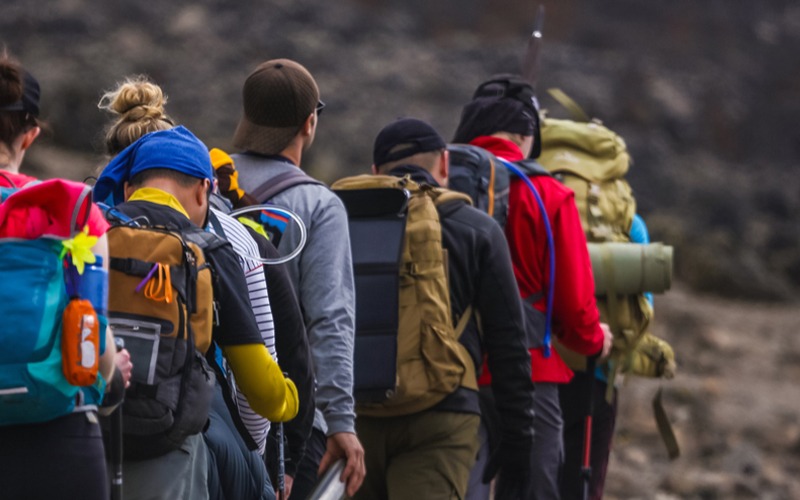
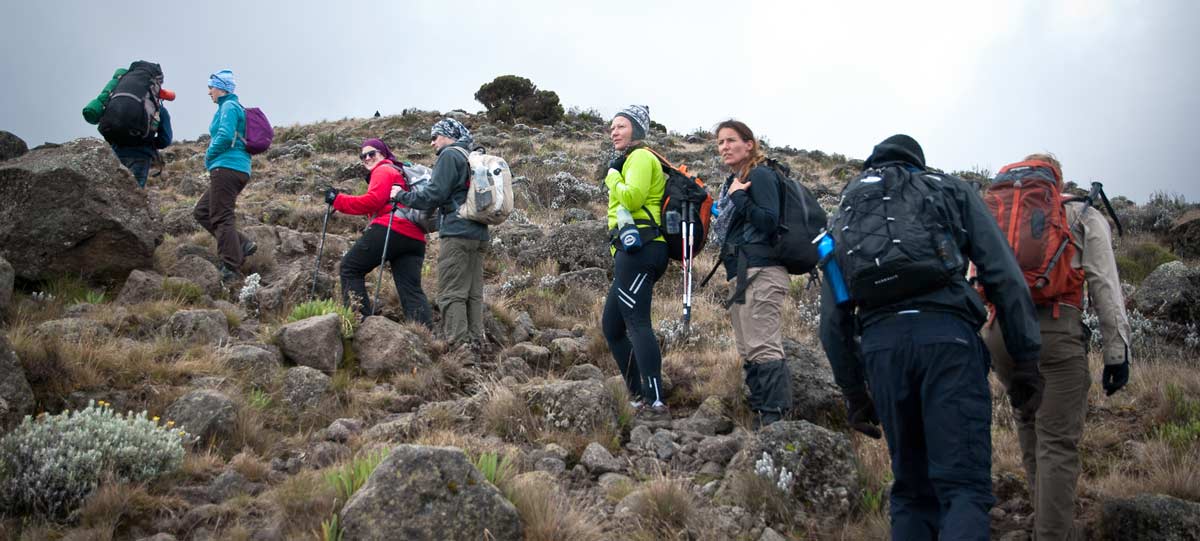
Kilimanjaro Day Trek via Lemosho Route: Your Expert Planning Guide
For many, climbing Mount Kilimanjaro is a dream, but the full summit ascent can be a significant undertaking. Fortunately, there’s an incredible way to experience the majesty of Africa’s highest peak without committing to the entire climb: a Kilimanjaro day trek via the Lemosho Route. This option allows you to immerse yourself in the unique ecosystems and stunning scenery of Kilimanjaro for a shorter period, making it accessible to a wider range of fitness levels and time constraints. This guide provides everything you need to know to plan a memorable day trek, focusing on the Lemosho Route’s advantages and what to expect during your 2026-2027 adventure.
| Feature | Details |
|---|---|
| Mountain | Mount Kilimanjaro |
| Route Focus | Lemosho Route (initial stages) |
| Typical Duration | 1 to 3 days (can be customized) |
| Starting Point | Lemosho Gate (approx. 2,360m / 7,742 ft) |
| Ending Point | Usually Mweka Gate or back to Lemosho Gate |
| Scenery | Rainforest, moorland, high alpine desert |
| Accommodation | Camping (for multi-day treks) or day return to hotel |
| Best Time to Go | January-March, June-October |
| Fitness Level Required | Moderate to good |
Table of Contents
- Understanding the Lemosho Route for Day Treks
- Why Choose a Lemosho Route Day Trek?
- Best Time for Your Kilimanjaro Day Trek (2026-2027)
- Lemosho Route Overview for Day Treks
- Sample Kilimanjaro Day Trek Itinerary (Lemosho Focus)
- What to Expect on a Lemosho Day Trek
- Preparation and Packing Essentials
- Common Mistakes to Avoid
- Who is a Lemosho Day Trek Best For?
- Alternatives to a Lemosho Day Trek
- Planning Your 2026-2027 Kilimanjaro Day Trek
- Booking Your Kilimanjaro Day Trek
- Frequently Asked Questions
Understanding the Lemosho Route for Day Treks
The Lemosho Route is renowned as one of the most scenic and arguably most enjoyable routes for climbing Mount Kilimanjaro. While typically a longer, multi-day expedition to the summit, its initial stages offer a fantastic opportunity for a day trek. Starting from the west side of the mountain, Lemosho offers gradual acclimatization and traverses diverse landscapes, beginning in lush rainforests before transitioning into moorland and eventually alpine desert. For a day trek, you would typically start at the Lemosho Gate and trek for a portion of the first day or two of the standard Lemosho itinerary. This allows you to experience the initial beauty and unique flora and fauna of the mountain without the commitment of a full summit climb. It’s an excellent way to get a feel for Kilimanjaro’s environment and the trekking experience.
A Kilimanjaro day trek via the Lemosho Route is designed to give you a taste of the mountain’s grandeur. You won’t reach the summit, of course, but you will ascend to significant altitudes, experience the changing vegetation zones, and breathe in the crisp mountain air. The focus is on enjoying the journey, the views, and the unique environment of Kilimanjaro’s lower slopes. The Lemosho Route’s gentle initial ascent makes it a suitable choice for those who might find steeper, more challenging starting points daunting.
Why Choose a Lemosho Route Day Trek?
Opting for a day trek on the Lemosho Route offers several compelling advantages:
- Accessibility: It’s a viable option for individuals with limited time, those not physically prepared for a multi-day climb, or travelers who want a shorter, impactful experience of Kilimanjaro.
- Scenery: The initial parts of the Lemosho Route are exceptionally beautiful, passing through dense rainforests teeming with wildlife and offering stunning panoramic views as you gain altitude.
- Acclimatization Preview: Even for a day, you’ll gain altitude, giving you a sense of how your body responds to higher elevations, which can be valuable information if you consider a full climb in the future.
- Lower Risk: Compared to a full summit climb, the risks associated with altitude sickness and extreme weather are significantly reduced for a day trek.
- Cost-Effective: A day trek is considerably more affordable than a full Kilimanjaro expedition, making the mountain’s experience more attainable.
- Flexibility: You can often customize the duration and specific points you wish to reach within the initial Lemosho stages, working with your tour operator.
This approach allows you to appreciate Kilimanjaro’s diverse ecosystems, from the vibrant rainforests to the open moorlands, all within a manageable timeframe. It’s a perfect introduction to Kilimanjaro’s magic.
Best Time for Your Kilimanjaro Day Trek (2026-2027)
While you can technically attempt a Kilimanjaro day trek at any time of year, certain periods offer more favorable weather conditions, enhancing your experience. The best times to trek are during the dry seasons:
| Season | Months | Weather Conditions | Pros for Day Treks | Cons for Day Treks |
|---|---|---|---|---|
| Dry Season 1 (Summer) | January – March | Clear skies, moderate temperatures, less rain. Can be cold at higher altitudes. | Excellent visibility, stable weather, good for photography. | Can be colder, especially in the mornings and evenings. |
| Dry Season 2 (Winter) | June – October | Cooler temperatures, clear skies, minimal rain. Windy conditions can occur. | Pleasant trekking temperatures, very clear views, lower humidity. | Can be cooler, especially at higher elevations. Wind can be a factor. |
| Wet Season 1 (Shoulder) | April – May | Longer rains, heavy mist, muddy trails. Unpredictable weather. | Fewer crowds. | Poor visibility, slippery trails, higher chance of rain impacting the experience. |
| Wet Season 2 (Shoulder) | November – December | Short rains, intermittent showers, can be humid. | Fewer crowds. | Rain can disrupt views and make trails wet. |
For your 2026-2027 Kilimanjaro day trek, aiming for the dry seasons (January-March and June-October) is highly recommended. These periods offer the highest probability of clear skies, allowing you to enjoy the expansive views and the lush rainforest environment without the distraction of heavy rain or persistent fog. Even during these months, weather can change rapidly on the mountain, so always be prepared for variations.
Lemosho Route Overview for Day Treks
The Lemosho Route typically starts from the Lemosho Gate, located on the western side of Kilimanjaro. For a day trek, you’ll follow the initial path of this route. The exact distance and altitude gained will depend on the specific itinerary agreed upon with your tour operator, but a common approach involves trekking from the gate towards the Mti Mkubwa camp (meaning ‘Big Tree’).
Simplified Lemosho Route Day Trek Path:
- Lemosho Gate (approx. 2,360m / 7,742 ft): Start point. Formal park entrance where registration occurs.
- Rainforest Trail: The path immediately enters the dense montane rainforest. Expect a well-defined trail, often muddy, with rich biodiversity. You might see Colobus monkeys and various bird species.
- Mti Mkubwa Campsite Area (approx. 2,820m / 9,252 ft): This is a common turnaround point or overnight stop for the first day of a full Lemosho climb. For a day trek, you might trek to this general vicinity or slightly beyond, depending on your chosen duration and pace. The altitude gain here is significant, offering a good introduction to mountain trekking.
- Return Journey: You will retrace your steps back down to Lemosho Gate. The descent is usually faster than the ascent.
Note: This is a simplified representation. Actual trekking may vary based on operator and specific trek plan.
The key characteristic of this section is the immersion in the rainforest. The trail is generally gentle in the initial kilometers, making it suitable for a day hike. The altitude gain is progressive, allowing for some level of acclimatization even within a single day.
Sample Kilimanjaro Day Trek Itinerary (Lemosho Focus)
This is a sample itinerary for a single-day Kilimanjaro trek utilizing the Lemosho Route’s initial section. It can be adapted for a two or three-day experience with camping.
One-Day Kilimanjaro Day Trek (Lemosho Route)
- Day 1: Lemosho Gate to Rainforest and Return
- Morning (approx. 8:00 AM): Pick up from your hotel in Moshi or Arusha and transfer to Lemosho Gate (approx. 3-4 hours drive).
- Late Morning (approx. 11:00 AM – 12:00 PM): Arrive at Lemosho Gate (2,360m / 7,742 ft). Complete park registration formalities with your guide. Meet your trekking crew.
- Lunch: Enjoy a packed lunch provided by your tour operator before starting the trek.
- Trek Start (approx. 12:30 PM): Begin trekking through the beautiful montane rainforest. The trail is generally well-maintained but can be muddy. Keep an eye out for monkeys, birds, and unique plant life.
- Trekking Pace: Your guide will set a steady, comfortable pace. The focus is on enjoying the journey and the environment.
- Mid-Afternoon (approx. 3:00 PM – 4:00 PM): Reach a suitable turnaround point. This could be near the Mti Mkubwa campsite area (approx. 2,820m / 9,252 ft) or another designated scenic spot chosen by your guide, depending on time and conditions. You will have gained significant altitude and experienced the rainforest environment.
- Descent: Begin your descent back to Lemosho Gate, retracing your steps.
- Late Afternoon (approx. 5:00 PM – 6:00 PM): Arrive back at Lemosho Gate.
- Evening: Drive back to your hotel in Moshi or Arusha (approx. 3-4 hours).
For a multi-day day trek experience (e.g., 2 or 3 days), you would typically camp at Mti Mkubwa on the first night and then continue trekking further on the second day, perhaps towards Shira One Camp or a viewpoint on the Shira Plateau, before descending. This allows for more substantial altitude gain and a deeper immersion into the mountain’s ecosystems.
What to Expect on a Lemosho Day Trek
A Kilimanjaro day trek via the Lemosho Route is a rewarding experience, but it’s important to have realistic expectations:
- Terrain: The initial trails are predominantly rainforest paths. Expect uneven ground, roots, and potentially slippery mud, especially after rain. As you ascend, the terrain will open up into moorland.
- Altitude: You will gain significant altitude within a single day, potentially reaching altitudes around 2,800 meters (9,200 feet) or higher. While this is far from the summit, you may feel the effects of thinner air, especially during exertion. Listen to your body and your guide.
- Weather: Mountain weather is unpredictable. Even in dry seasons, you can encounter mist, rain, or cooler temperatures as you climb. Be prepared for rapid changes. The rainforest can be humid and warm, while higher elevations will be cooler.
- Flora and Fauna: The rainforest is a highlight. You have a good chance of spotting Colobus monkeys, various bird species, and unique plants like ferns and mosses. Higher up, the landscape shifts to heather and grasses.
- Guides and Crew: You will be accompanied by experienced local guides who are knowledgeable about the mountain, its flora, fauna, and safety protocols. For a day trek, you might have a smaller crew, perhaps just a guide and a porter, depending on the operator and your specific arrangements.
- Physical Exertion: While not a summit climb, it’s a trek on a mountain. You should expect several hours of continuous walking with some inclines. A moderate level of fitness is required.
- Views: On clear days, the views from the lower slopes can be spectacular, offering glimpses of the surrounding plains and, as you gain altitude, the curvature of the earth and Kilimanjaro’s own unique volcanic features.
The key is to be present, enjoy the journey, and appreciate the natural beauty surrounding you. It’s an opportunity to connect with Kilimanjaro’s environment in a profound yet accessible way.
Preparation and Packing Essentials
Even for a day trek, proper preparation and packing are crucial for comfort and safety. You don’t need the extensive gear for a full summit climb, but essentials are still important.
Day Trek Packing List (Lemosho Route Focus)
- Clothing:
- Moisture-wicking base layers (top and bottom)
- Trekking trousers (quick-drying, comfortable)
- Long-sleeved shirt (for sun protection and warmth)
- Fleece jacket or warm mid-layer
- Waterproof and windproof outer jacket (essential!)
- Warm hat (beanie)
- Gloves (lightweight)
- Sun hat or cap
- Footwear:
- Broken-in hiking boots or sturdy trail shoes (waterproof recommended)
- Comfortable hiking socks (wool or synthetic)
- Camp shoes or sandals (optional, for after the trek)
- Backpack:
- Daypack (20-30 liters) for essentials
- Rain cover for your daypack
- Hydration and Nutrition:
- Water bottles or hydration reservoir (at least 2 liters capacity)
- Water purification tablets or filter (as a backup)
- Snacks (energy bars, nuts, dried fruit)
- Packed lunch (usually provided by your tour operator)
- Health and Safety:
- Personal first-aid kit (band-aids, antiseptic wipes, pain relievers, blister treatment)
- Sunscreen (high SPF)
- Insect repellent (especially for the rainforest section)
- Hand sanitizer
- Personal medications
- Other Essentials:
- Sunglasses
- Camera and extra batteries/power bank
- Headlamp or flashlight (with spare batteries) – useful if starting very early or finishing late
- Trekking poles (highly recommended for stability and reducing knee strain)
- Small towel
- Personal identification (passport copy)
- Cash for tips (optional but customary)
Preparation:
- Fitness: Engage in regular cardiovascular exercise and hiking in the weeks leading up to your trek. Focus on activities that build stamina and leg strength.
- Footwear: Ensure your hiking boots are well broken-in to prevent blisters.
- Hydration: Practice drinking plenty of water daily.
- Research: Familiarize yourself with the Lemosho Route’s initial stages and the general conditions on Kilimanjaro.
Common Mistakes to Avoid
To ensure your Kilimanjaro day trek is enjoyable and safe, be aware of these common pitfalls:
- Underestimating the Altitude: Even a day trek can take you to significant heights. Symptoms of altitude sickness can occur. Don’t push yourself too hard, and communicate any discomfort to your guide.
- Inadequate Clothing: Mountain weather is unpredictable. Not bringing layers, including waterproofs, can lead to discomfort or even hypothermia in adverse conditions.
- Poor Footwear: Trekking in new or unsuitable shoes can result in painful blisters, ruining your experience. Always break in your boots beforehand.
- Dehydration: Not drinking enough water is a common mistake that can exacerbate altitude sickness symptoms and lead to fatigue. Carry and drink water consistently.
- Not Using Trekking Poles: Poles significantly reduce strain on your knees during descents and provide stability on uneven terrain.
- Ignoring Your Guide: Your guide is experienced. Trust their judgment regarding pace, safety, and turnaround points.
- Packing Too Much or Too Little: For a day trek, you need essentials but not the weight of a multi-day expedition. Conversely, forgetting critical items like rain gear or warm layers can be problematic.
- Ignoring the Mud: The rainforest section can be very muddy. Waterproof boots and gaiters (if you have them) are useful.
- Not Booking with a Reputable Operator: This is crucial for safety, logistics, and the overall quality of your experience.
Avoiding these mistakes will contribute greatly to a positive and memorable Kilimanjaro day trek via the Lemosho Route.
Who is a Lemosho Day Trek Best For?
A Kilimanjaro day trek via the Lemosho Route is an excellent choice for several types of travelers:
- Time-Constrained Travelers: Those on a tight schedule in Tanzania who want to experience Kilimanjaro without dedicating a full week or more.
- Beginner Hikers: Individuals new to mountain trekking who want a gentle introduction to the environment and physical demands of Kilimanjaro.
- Fitness Enthusiasts Wanting a Taste: People who are fit but perhaps not ready for the full commitment of a summit climb, or who want to gauge their physical response to altitude.
- Nature Lovers: Anyone keen to explore Kilimanjaro’s unique rainforest ecosystem and observe its wildlife and diverse plant life.
- Photographers: Those looking to capture the stunning landscapes and biodiversity of Kilimanjaro’s lower slopes.
- Families: Older children (with parental discretion and good fitness) might enjoy a shorter trek as part of a larger Tanzanian holiday.
- Those Considering a Full Climb: A day trek can serve as a valuable ‘test run’ to build confidence and gather information for a future summit attempt.
It’s important to note that while easier than a summit climb, it still involves hiking at altitude. Individuals with significant health issues, particularly heart or lung conditions, should consult their doctor before considering any Kilimanjaro trek.
Alternatives to a Lemosho Day Trek
If a Lemosho Route day trek doesn’t perfectly align with your interests or capabilities, consider these alternatives:
- Day Trek on Marangu Route: The Marangu Route, also known as the ‘Coca-Cola’ route, is popular for day trips. You can trek to Mandara Huts (approx. 2,700m / 8,858 ft) through the rainforest. It’s often considered more accessible logistically for day trips from Moshi.
- Day Trek on Machame Route: Similar to Lemosho, Machame starts in the rainforest and offers beautiful scenery. A day trek would follow the initial stages towards Machame Camp.
- Day Trip to Materuni Waterfalls and Coffee Plantation: Located on the lower slopes of Kilimanjaro, this excursion offers a cultural experience, stunning waterfall views, and insight into local coffee farming. It’s a great option for those seeking a less strenuous Kilimanjaro experience.
- Day Trip to Kibo Base (via Marangu/Mweka): Some operators might offer a day trip that goes higher up the mountain, perhaps towards the tree line or a viewpoint accessible within a day, though reaching Kibo Base itself is impossible as a day trip.
- Short Kilimanjaro Treks (2-3 days): If you have a bit more time, a short 2-day or 3-day trek on routes like Marangu or Machame can offer a more immersive experience, including camping and reaching higher altitudes than a typical day trek.
Each alternative offers a different perspective on Kilimanjaro and its surroundings. The Lemosho Route day trek stands out for its initial scenic beauty and the opportunity to experience a less-trafficked starting point.
Planning Your 2026-2027 Kilimanjaro Day Trek
Planning ahead is key to a successful Kilimanjaro day trek, especially if you’re looking at dates in 2026 or 2027. Here’s a guide to help you:
| Timeframe | Action Items |
|---|---|
| 6-12 Months Before |
|
| 3-6 Months Before |
|
| 1-3 Months Before |
|
| 2-4 Weeks Before |
|
| 1 Week Before |
|
| Trek Day |
|
Key Considerations for 2026-2027:
- Booking Early: For peak seasons in 2026 and 2027, booking well in advance is advisable, as popular dates can fill up.
- Operator Reliability: Choose an operator with a strong reputation for safety, ethical treatment of staff, and excellent logistical planning. Look for companies that specialize in Kilimanjaro treks.
- Customization: Discuss with your operator if you have specific requests for your day trek, such as a particular turnaround point or a slightly longer duration (e.g., 2 days with camping).
- Travel Insurance: Ensure your travel insurance covers trekking activities at the altitude you will reach.
Booking Your Kilimanjaro Day Trek
Selecting the right tour operator is paramount for a safe, enjoyable, and well-organized Kilimanjaro day trek via the Lemosho Route. Here’s what to look for and how to proceed:
- Reputation and Reviews: Look for operators with a proven track record. Check independent review sites and testimonials. A reputable company will be transparent about their operations and pricing.
- Safety Standards: Inquire about their safety protocols, emergency procedures, and the qualifications of their guides. Guides should be certified and experienced.
- Inclusions and Exclusions: Clearly understand what is included in the price. This typically covers park fees, guide fees, meals (if camping), and transport to the gate. Exclusions might be tips, personal gear, and travel insurance.
- Communication: A good operator will be responsive to your queries and provide clear, detailed information. Don’t hesitate to ask questions.
- Pricing: While competitive pricing is important, be wary of suspiciously low prices, as these can sometimes indicate compromises on safety, guide pay, or equipment quality. For a Kilimanjaro day trek via the Lemosho Route in 2026-2027, expect a mid-range price point reflecting quality service.
- Customization: If you want a slightly different experience (e.g., a 2-day trek with camping), discuss this with the operator. Many are flexible.
Contact Us:
Ready to plan your unforgettable Kilimanjaro day trek via the Lemosho Route? We specialize in creating incredible mountain experiences. Get in touch with our expert team for personalized advice and to tailor your 2026-2027 adventure:
- WhatsApp: +255616946642
- Email: topguideadventures@gmail.com
- Backup Email: info@topguideadventures.com
Let us help you make your Kilimanjaro dream a reality, one step at a time!
Frequently Asked Questions
Is a day trek on Kilimanjaro safe?
Yes, a day trek on Kilimanjaro, particularly on the initial stages of the Lemosho Route, is generally safe when undertaken with a reputable tour operator and experienced guides. The risks are significantly lower than a full summit climb. However, it’s essential to be aware of altitude effects, unpredictable weather, and trail conditions. Always follow your guide’s instructions.
What is the main difference between a day trek and a full summit climb?
The primary difference is the objective and duration. A day trek focuses on experiencing the lower slopes and rainforest for a few hours or one day, without aiming for the summit. A full summit climb is a multi-day expedition (typically 5-9 days) that ascends to Uhuru Peak, the summit of Kilimanjaro, requiring significant physical and mental endurance and careful acclimatization.
Do I need special permits for a Kilimanjaro day trek?
Yes, all visitors entering Mount Kilimanjaro National Park, including day trekkers, are required to pay park entrance fees and are accompanied by licensed guides. Your tour operator will handle all necessary permit and park fee arrangements as part of your booking.
Can I do a Lemosho Route day trek in 2026?
Absolutely. The Lemosho Route is accessible for day treks in 2026 and 2027. It’s advisable to book in advance, especially if you plan to travel during the peak dry seasons (January-March and June-October) to secure your preferred dates and guides.
What altitude will I reach on a Lemosho day trek?
On a typical one-day Lemosho Route trek, you can expect to reach altitudes around 2,800 meters (9,200 feet) or potentially a bit higher, depending on the exact turnaround point. This is a significant elevation gain for a single day.
What if I get altitude sickness during my day trek?
While less common on a day trek than a summit climb, altitude sickness can still occur. If you experience symptoms like headache, nausea, or dizziness, inform your guide immediately. They are trained to assess the situation and may recommend descending to a lower altitude, which is the most effective treatment.
Do I need to carry a lot of gear for a day trek?
No, not a large amount. You’ll need a daypack containing essentials like water, snacks, a packed lunch, rain gear, a warm layer, sunscreen, and a camera. Your tour operator will provide larger equipment if you opt for a multi-day camping trek, but for a day trip, you carry your own essentials.
What is the best time of year for a Kilimanjaro day trek in 2027?
The best times for a Kilimanjaro day trek in 2027 are the dry seasons: January to March and June to October. These periods offer the clearest skies and most stable weather, enhancing visibility and the overall trekking experience. Avoid the main rainy seasons (April-May and November).
How physically demanding is a Lemosho Route day trek?
It requires a moderate level of fitness. You should be comfortable walking for several hours (typically 4-7 hours round trip) on uneven terrain with some inclines. Regular walking, hiking, or cardio exercise in the weeks prior will prepare you well.
Can I customize my Kilimanjaro day trek?
Yes, many reputable tour operators, including us, can customize your Kilimanjaro day trek. You can discuss the desired duration, turnaround point, or even extend it into a 2-day or 3-day camping experience. Contact us to discuss your specific needs.
Plan Your Kilimanjaro Day Trek via Lemosho Route Today!
Experiencing the lower slopes of Mount Kilimanjaro via the Lemosho Route is an accessible and incredibly rewarding adventure. Whether you’re seeking a brief encounter with this iconic mountain or a stepping stone to a future summit attempt, a day trek offers breathtaking scenery, a unique ecosystem, and a sense of accomplishment. For your 2026-2027 travel plans, let Best Tanzania tour operator guide you. We offer expertly guided Kilimanjaro day treks via the Lemosho Route, ensuring your safety, comfort, and enjoyment every step of the way.
Contact our travel specialists to start planning your unforgettable Kilimanjaro day trek via the Lemosho Route:
- WhatsApp: +255616946642
- Email: topguideadventures@gmail.com
- Backup Email: info@topguideadventures.com
Plan your Kilimanjaro Day Trek via Lemosho Route with Top Guide Adventures
Tell us your travel dates, group size, comfort level, and dream experience. We will help you shape a clear, realistic, and memorable Tanzania itinerary.







 Veedesigner
 Fatma Kizanga
 Benjamin Waryuba
 Philip Philip
 John jr Itaja
 Antonia Optatus
 Edith Kanyere
 Neema Iddy
 Kelvin Boniphace
 Damari Maiga



