
Tailored Tanzania Safari Tours - Top Guide Adventures Best Safari Complete Guide
- Information
- Similar Tours
What's included
Lake Manyara Birding Safari - Book Flamingos, Forest and Rift Valley Views
The Lake Manyara Birding Safari is a scenic birdwatching experience from Arusha to Lake Manyara National Park, combining groundwater forest, acacia woodland, wetlands, open floodplains, lake-edge habitats and Great Rift Valley scenery.
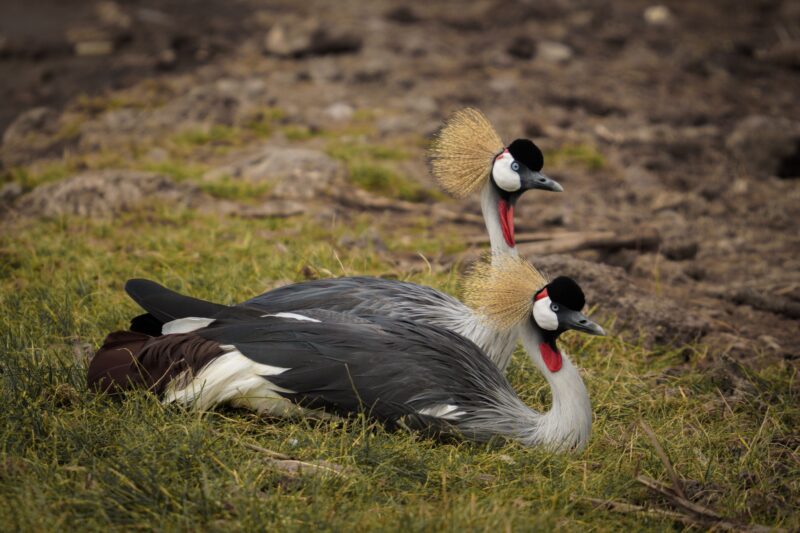
Search for forest birds, raptors, kingfishers, hornbills, storks, herons, egrets, pelicans, cormorants, bee-eaters, rollers, sunbirds, weavers and seasonal migrant species.
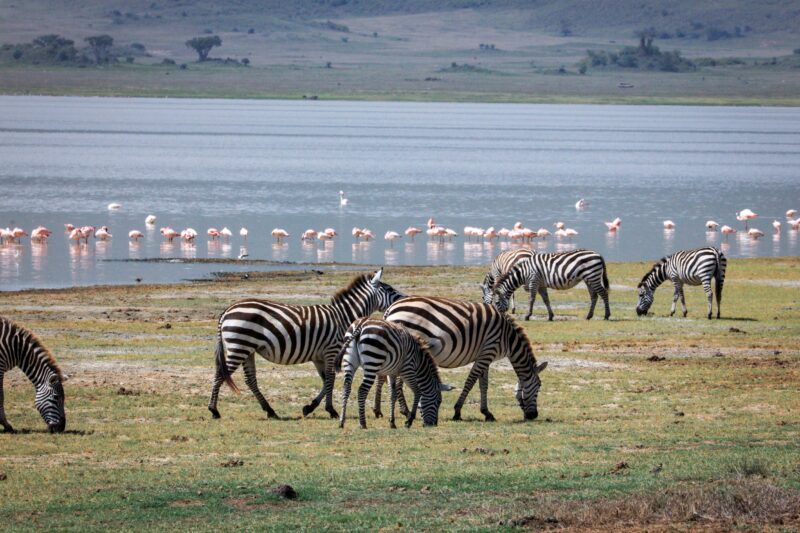
Flamingos may occur along suitable lake-edge habitats when water depth, food availability, salinity and seasonal conditions support their presence.
Explore the park with a professional safari driver-guide or request a specialist birding guide for detailed identification, habitat interpretation, bird-call awareness and photography-focused stops.
The Lake Manyara birding safari can be booked as a private day trip, small-group birdwatching tour, luxury lodge experience or part of a longer Northern Tanzania birding itinerary during 2026-2027.
Birding Safari Overview
What Is the Lake Manyara Birding Safari?
The Lake Manyara birding safari is a nature-focused wildlife tour designed for travelers who want to spend more time observing birds, habitats and Rift Valley landscapes.
Unlike a standard wildlife safari, a birding itinerary may include slower driving, longer observation stops, repeated scanning of trees, wetlands and shoreline habitats, and careful listening for bird calls.
Lake Manyara National Park supports a variety of habitats within a relatively compact area, allowing birdwatchers to search for forest birds, woodland species, open-country birds, raptors, wetland birds and seasonal migrants.
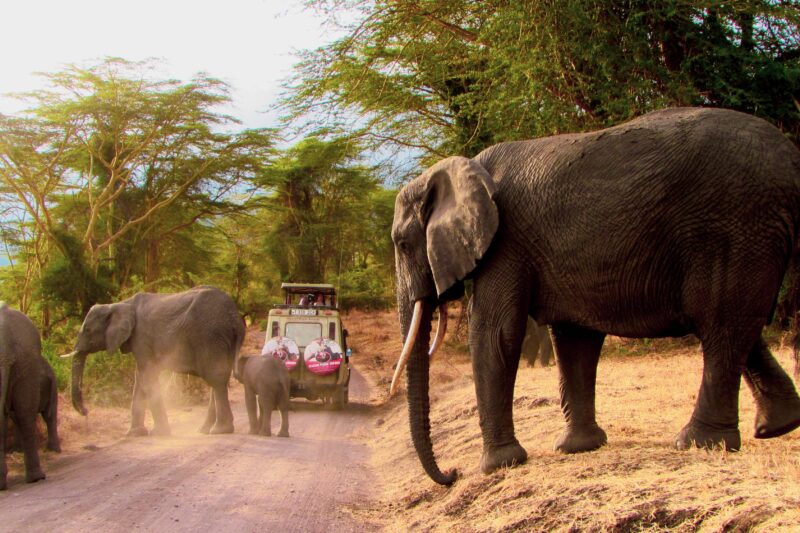
The safari may also include sightings of elephants, baboons, blue monkeys, giraffes, buffaloes, zebras, hippos and other mammals.
Private birding arrangements provide the greatest flexibility for photography, identification, checklists and extended habitat observation.
Best For
- Experienced birdwatchers building a Tanzania checklist.
- Beginners learning African bird identification.
- Wildlife photographers focusing on birds.
- Couples booking a private nature safari.
- Families interested in birds and wildlife.
- Solo travelers joining a small birding group.
- Travelers interested in seasonal flamingos.
- Visitors exploring Great Rift Valley scenery.
- Kilimanjaro climbers adding a nature excursion.
- Zanzibar travelers combining beach and birding.
Why Book a Lake Manyara Birdwatching Safari?
Forest to Lake Birding
Explore multiple habitats within one compact national park.
Seasonal Lake-Edge Viewing
Search suitable shoreline areas when conditions support flamingos.
Groundwater Forest Species
Look for birds among dense trees, vines and shaded vegetation.
Wetlands and Lake Habitats
Search for herons, storks, pelicans and other waterbirds.
Eagles, Vultures and Hawks
Scan trees, cliffs and open skies for birds of prey.
Great Rift Valley Views
Photograph escarpments, forest, wetlands and lake landscapes.
Flexible Birding Stops
Spend more time with selected species on a private safari.
Birds and Mammals Combined
Observe birds together with elephants, primates and hippos.
Arusha Pickup and Return
Complete the birding experience in one day from Arusha.
Lake Manyara Birding Safari Itinerary
Arusha to Lake Manyara National Park and Return
Begin the Lake Manyara birding safari with early morning pickup from your Arusha hotel, lodge, residence, Arusha Airport or confirmed meeting point.
Meet your professional safari driver-guide or confirmed specialist birding guide, organize your binoculars, camera equipment, field guide and day bag, then enter the private or shared safari vehicle.
Receive a short birding briefing covering the expected habitats, target bird families, photography preferences, lunch plan, park regulations, wildlife safety and approximate return time.
Leave Arusha and travel through Northern Tanzania countryside, farmland, villages and open landscapes toward Makuyuni.
During the transfer, scan roadside habitats for rollers, bee-eaters, doves, starlings, weavers, hornbills, raptors and other open-country species.
Continue toward Mto wa Mbu, located near the entrance to Lake Manyara National Park below the Great Rift Valley escarpment.
Arrive at the park entrance, complete the required procedures and begin the morning birding drive.
Enter the groundwater forest and reduce driving speed to search dense vegetation, canopy openings, fruiting trees and forest edges.
Possible forest and woodland sightings may include hornbills, turacos, sunbirds, flycatchers, bulbuls, barbets, woodpeckers, drongos, shrikes, cuckoos and mixed feeding groups.
Listen for calls and watch for movement among leaves, vines, tree trunks and shaded undergrowth.
Baboons, blue monkeys, elephants and bushbuck may also be observed within the forest.
Continue into acacia woodland and open habitats where the guide may search for rollers, bee-eaters, starlings, hornbills, shrikes, weavers, doves, francolins and birds of prey.
Scan tall trees, exposed branches and open skies for eagles, vultures, buzzards, falcons and other raptors.
Continue toward floodplains, marshes, pools and suitable lake-edge habitats.
Search for herons, egrets, storks, ibises, spoonbills, pelicans, cormorants, ducks, geese, jacanas, lapwings and other water-associated birds.
Flamingos may be visible in suitable parts of the lake when seasonal water conditions, salinity, food availability and access permit.
Their abundance may range from absent to scattered individuals or larger concentrations, depending on natural lake conditions.
Use binoculars, spotting equipment or telephoto lenses to observe distant shoreline birds without disturbing them.
Stop for a picnic lunch at an authorized location or enjoy a lodge meal when included in the selected package.
During lunch, continue scanning nearby trees, open ground and the sky for opportunistic bird sightings.
Continue the afternoon birding safari through selected woodland, wetland, open-country and lake-edge routes.
The guide may revisit productive habitats or focus on species missed during the morning, depending on time, bird activity and road conditions.
Stop at suitable scenic areas for Great Rift Valley views, lake photography and landscape observation.
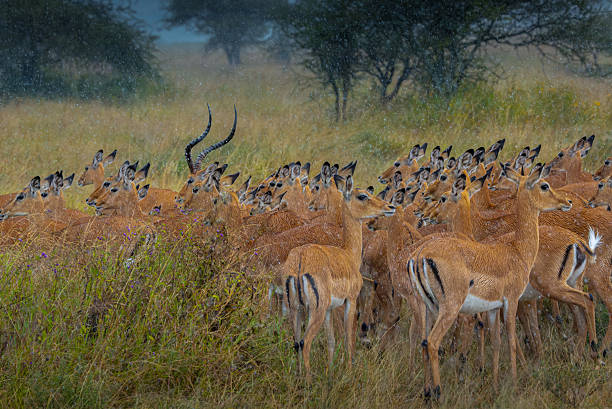
Mammal sightings may include elephants, giraffes, buffaloes, zebras, wildebeest, impalas, waterbuck, warthogs, baboons, monkeys and hippos.
Later, leave Lake Manyara National Park and begin the return journey through Mto wa Mbu, Makuyuni and the Northern Tanzania countryside.
Arrive in Arusha during the late afternoon or evening and receive drop-off at your hotel, residence or airport-area location.
Lake Manyara Birdwatching Safari Timeline
Meet the guide, organize birding equipment and begin the journey.
Scan open countryside for rollers, bee-eaters, starlings and raptors.
Search shaded forest for hornbills, sunbirds, turacos and mixed bird groups.
Observe rollers, shrikes, weavers, doves and birds of prey.
Enjoy lunch while continuing opportunistic bird observation.
Search for herons, storks, pelicans, ducks and seasonal flamingos.
Photograph escarpment, forest, wetlands and lake landscapes.
Complete the birding safari with scheduled drop-off.
Lake Manyara Birding Safari Route Map
Arusha to Lake Manyara Birding Route
The birding route begins in Arusha, includes roadside birdwatching near Makuyuni, passes through Mto wa Mbu and explores Lake Manyara’s groundwater forest, acacia woodland, wetlands, lake-edge habitats and Rift Valley scenery.
Lake Manyara Birding Route Flow
Hotel, lodge, residence or airport-area collection.
Scan for rollers, bee-eaters, starlings, weavers and raptors.
Enter the Rift Valley landscape near Lake Manyara.
Search for hornbills, sunbirds, turacos, flycatchers and forest species.
Search for rollers, shrikes, weavers, doves and birds of prey.
Search for herons, storks, pelicans, ducks and seasonal flamingos.
Photograph escarpment, lake, forest and wetland landscapes.
Complete the birding safari with evening drop-off.
Lake Manyara Birding Safari Packages 2026-2027
Group Birding Day Trip
- Shared safari vehicle.
- Scheduled group departure.
- General safari driver-guide.
- Lake Manyara birding game drive.
- Picnic lunch and water.
- Arusha collection and return.
Private Birding Safari
- Private 4x4 safari vehicle.
- Dedicated local guide.
- Flexible birding stops.
- Forest and wetland focus.
- Picnic or lodge lunch.
- Private Arusha transfers.
Expert Bird Guide Safari
- Private safari vehicle.
- Specialist birding guide.
- Species identification support.
- Bird-call and habitat interpretation.
- Checklist-focused itinerary.
- Photography assistance.
Luxury Birding Safari
- Premium private 4x4.
- Specialist birding guide option.
- Luxury lodge lunch.
- Flexible private itinerary.
- Premium refreshments.
- Airport transfer options.
Lake Manyara Birding Safari Price 2026-2027
A broad planning range for a Lake Manyara Birding Safari is approximately USD 200 to USD 1,000+ per person.
Group departures generally provide the lowest cost, while private and specialist-guided tours are priced according to group size, guide level, vehicle arrangement and selected services.
| Birding Package | Estimated Price Per Person | Guide | Vehicle | Best For |
|---|---|---|---|---|
| Group Birding Safari | USD 200-350+ | General safari guide | Shared 4x4 | Solo travelers and lower budgets. |
| Private Safari for 2 | USD 400-750+ | Dedicated safari guide | Private 4x4 | Couples and friends. |
| Private Safari for 3-4 | USD 320-600+ | Dedicated local guide | Private safari vehicle | Small private groups and families. |
| Specialist Bird Guide | USD 500-950+ | Specialist birding guide | Private 4x4 | Experienced birdwatchers and checklist tours. |
| Luxury Birding Safari | USD 700-1,500+ | Specialist or premium guide | Premium private 4x4 | Luxury travelers and photographers. |
| Children | Custom age-based quotation | Family-friendly guide | Private or shared arrangement | Families traveling with children. |
What Affects the Lake Manyara Birding Safari Price?
Private or Shared Safari
Shared tours generally cost less than private birding safaris.
General or Specialist Guide
Expert bird identification may require a specialist guide.
Vehicle Cost Sharing
Larger private groups divide vehicle and guide costs.
Arusha, Moshi or Airport
Longer transfers may increase the package cost.
Standard or Photography Setup
Extra camera space or fewer passengers may increase the price.
Picnic or Lodge Meal
Lodge dining may cost more than a standard picnic lunch.
Standard or Extended Birding
Extended observation time may require customized planning.
Binoculars and Spotting Scope
Rental equipment may be quoted separately when available.
Culture, Lodge or Extra Parks
Optional experiences increase the final total.
Flamingos at Lake Manyara National Park
Changing Flamingo Numbers
Flamingo abundance changes according to natural lake conditions.
Depth and Chemistry
Water level, salinity and food availability influence flamingo distribution.
Binocular and Lens Use
Birds may be distant, making binoculars and telephoto lenses useful.
Regional Lake Changes
Flamingos may move between suitable lakes in the wider Rift Valley.
Lake and Escarpment Backgrounds
Photograph shoreline birds with scenic Rift Valley landscapes.
Do Not Disturb Birds
Observe from authorized routes and follow guide instructions.
Groundwater Forest Birding Experience
Hornbills
Search tree canopies and forest edges for hornbill species.
Turacos
Listen for calls and watch dense vegetation for turacos.
Sunbirds
Search flowering plants and forest edges for sunbirds.
Woodpeckers and Barbets
Scan trunks, branches and dead wood for tree-feeding birds.
Flycatchers
Observe exposed perches and shaded forest openings.
Bulbuls and Cuckoos
Use calls and movement to locate birds in dense vegetation.
Feeding Flocks
Watch for several species moving together through the forest.
Low-Light Forest Conditions
Prepare for shade, movement and changing exposure.
Lake Manyara Wetland Birding Highlights
Herons and Egrets
Search shallow water, pools and wetland edges.
Storks
Scan wetlands, floodplains and open grassland areas.
Pelicans
Pelicans may occur around suitable water and feeding areas.
Cormorants
Observe pools, channels and lake-associated habitats.
Lapwings and Sandpipers
Search exposed shorelines, mud and shallow water.
Jacanas
Look across suitable wetland plants and shallow pools.
Ducks and Geese
Scan open water, marshes and quiet pools.
Flamingos
Search suitable lake-edge zones when natural conditions permit.
Raptors, Rollers, Bee-Eaters and Savannah Birds
Eagles
Scan tall trees, open skies and escarpment areas.
Vultures
Watch thermals, distant skies and large trees.
Rollers
Search exposed branches and roadside perches.
Bee-Eaters
Watch open areas and wires for insect-hunting birds.
Weavers
Search colonies, grassland edges and acacia habitats.
Starlings
Observe colorful species around woodland and open ground.
Shrikes
Scan exposed perches across woodland and open habitats.
Francolins and Doves
Search roadsides, grass and woodland edges.
Mammals You May See During the Birding Safari
Baboons
Large baboon groups may be seen in forest and woodland.
Blue Monkeys
Blue monkeys may move through groundwater forest.
Elephants
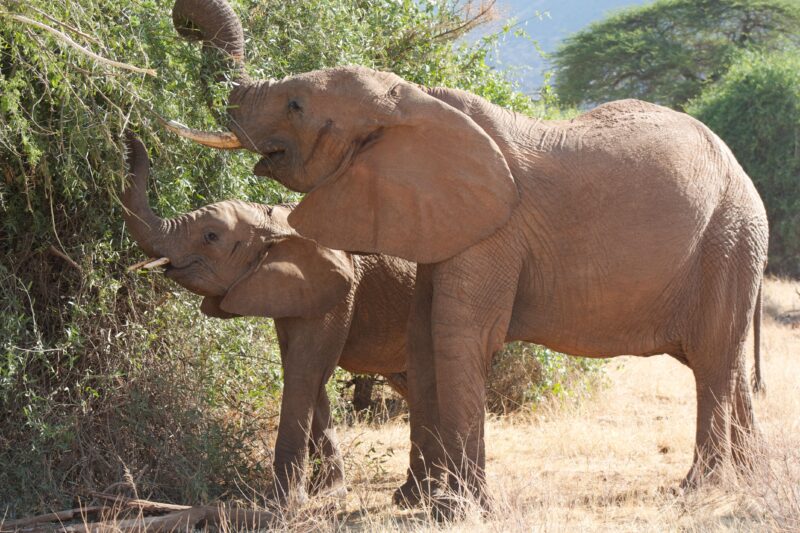
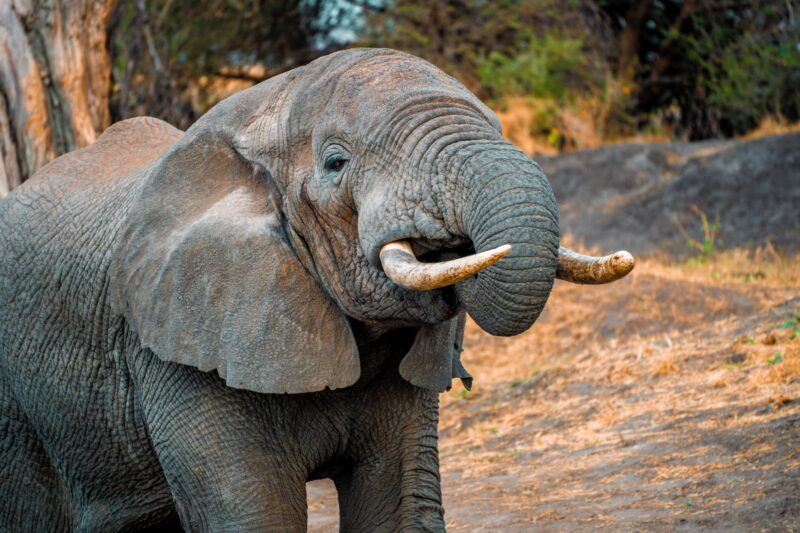
Elephants may occur in forest, woodland and open habitats.
Hippos
Hippos may be observed in suitable pools and wetlands.
Giraffes
Giraffes may browse within woodland and open areas.
Buffaloes
Buffaloes may occur individually or in herds.
Zebras and Wildebeest
Grazers may gather on floodplains and open grassland.
Lions and Leopards
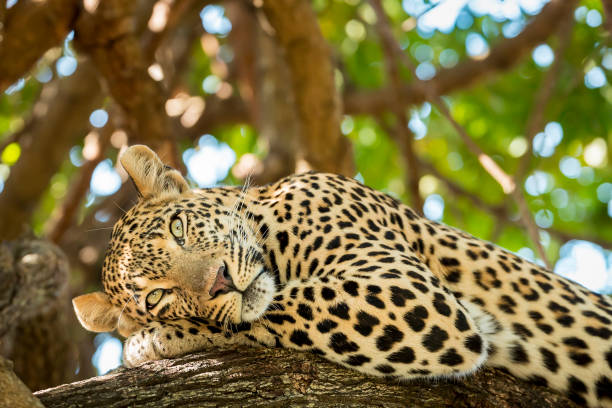
Predators may occur, but sightings cannot be guaranteed.
Best Time for a Lake Manyara Birding Safari
| Travel Period | General Conditions | Birding Advantages | Planning Advice |
|---|---|---|---|
| January-March | Green landscapes, warm conditions and seasonal showers. | Active birdlife, breeding behavior, fresh vegetation and migratory species. | Carry rain protection and prepare for changing light. |
| April-May | Long rains, lush forest and changing water levels. | Strong green-season birding, fewer safari vehicles and dramatic scenery. | Allow flexible routing and protect equipment from rain. |
| June-August | Drier conditions, cool mornings and reduced vegetation in some areas. | Comfortable daytime birding and easier observation in selected habitats. | Carry warm morning layers and book busy dates early. |
| September-October | Dry landscapes, warm afternoons and concentrated water use. | Productive wetland scanning, raptor observation and clear road access. | Carry sun protection, water and dust protection. |
| November-December | Short rains, greener vegetation and increasing seasonal bird activity. | Migrant arrivals, fresh scenery, insects and active bird behavior. | Book festive dates early and carry light rainwear. |
Private and Group Lake Manyara Birding Safari Comparison
| Feature | Private Birding Safari | Group Birding Safari |
|---|---|---|
| Vehicle | Reserved for one booking only. | Shared with other travelers. |
| Birding Pace | Adjusted to private birding interests. | Balanced for the entire group. |
| Species Stops | Longer observation at selected birds. | Observation time follows the group schedule. |
| Photography | Greater control over position and time. | Camera space and sight lines are shared. |
| Guide Level | Specialist bird guide can be requested. | Usually a general safari guide. |
| Checklist Focus | Target species can guide route selection. | General bird and wildlife observation. |
| Price | Depends strongly on private group size. | Usually lower for solo travelers. |
General Safari Guide vs Specialist Bird Guide
General Safari Driver-Guide
- Manages transport and park procedures.
- Identifies common birds and mammals.
- Provides general habitat information.
- Suitable for casual birdwatchers.
- Combines birding with general wildlife viewing.
- Usually included in standard safari packages.
Specialist Birding Guide
- Focuses on detailed bird identification.
- Uses habitat and behavior to locate species.
- Recognizes more bird calls and vocalizations.
- Supports checklist and target-species planning.
- Provides photography-focused birding assistance.
- Recommended for experienced birdwatchers.
Lake Manyara Birdwatching Safari Vehicle Features
4x4 Safari Vehicle
Travel in a vehicle suitable for park roads and wildlife observation.
Pop-Up Safari Roof
Observe birds and mammals from an elevated position.
Window and Roof Access
Confirm the seating plan according to group size.
Extra Camera Space
Request fewer passengers for photography equipment.
Drinking Water
Water is supplied according to the confirmed package.
Binocular and Equipment Space
Carry reasonable day bags, binoculars and camera equipment.
Recommended Equipment for Lake Manyara Birding
Binoculars
Bring comfortable binoculars suitable for forest and distant waterbirds.
Telephoto Lens
Use a telephoto lens for distant and small bird species.
Bird Field Guide
Carry a Tanzania or East Africa bird guide.
Notebook or Birding App
Record species, habitats, numbers and observations.
Spotting Scope
Useful for distant lake birds when practical and permitted.
Spare Batteries
Bring charged batteries for cameras, phones and accessories.
Memory Cards
Carry enough storage for bird and landscape photography.
Rain and Dust Covers
Protect binoculars, lenses and electronics.
What Is Included in the Lake Manyara Birding Safari?
Typical Inclusions
- Professional safari driver-guide.
- Specialist birding guide when confirmed.
- Private or shared 4x4 safari vehicle.
- Pop-up roof for bird and wildlife viewing.
- Pickup from a confirmed Arusha location.
- Return transport to Arusha.
- Fuel for the confirmed route.
- Lake Manyara National Park birding game drive.
- Forest, woodland and wetland observation.
- Picnic lunch stated in the itinerary.
- Drinking water during the safari.
- Bird and habitat interpretation.
- Park-related services stated in the quotation.
- Taxes stated in the confirmed package.
Typical Exclusions
- International and domestic flights.
- Tanzania visa and passport expenses.
- Arusha accommodation.
- Airport transfers unless included.
- Binocular rental unless listed.
- Spotting scope rental unless included.
- Alcoholic and premium drinks.
- Personal purchases and souvenirs.
- Travel insurance.
- Medical and evacuation expenses.
- Guide tips.
- Optional cultural activities.
- Canopy walk unless listed.
- Services not stated in the final quotation.
Experiences You Can Add to the Birding Safari
Mto wa Mbu Nature Walk
Add guided birding around farms, village habitats and vegetation.
Lake Manyara Canopy Walk
Add a forest canopy experience when available and suitable.
Private Bird Photo Safari
Add extra vehicle space and photography-focused planning.
Tarangire Birding Extension
Add savannah, baobab and raptor birding.
Ngorongoro Birding Safari
Add crater, highland and grassland bird habitats.
Serengeti Birding Extension
Add plains birds, raptors and wetland habitats.
Kilimanjaro Airport Transfer
Add private transport between the airport and Arusha.
Luxury Lodge Lunch
Upgrade the picnic meal to a selected lodge lunch.
Zanzibar Birding Extension
Combine mainland birding with coastal habitats and beach accommodation.
What to Pack for a Lake Manyara Birding Safari
Neutral Birding Clothes
- Neutral-colored shirt.
- Comfortable trousers.
- Warm jacket or fleece.
- Light rain jacket.
- Closed shoes.
- Hat or cap.
Birding Equipment
- Binoculars.
- Camera.
- Telephoto lens.
- Spotting scope if practical.
- Field guide.
- Bird checklist.
Health and Comfort
- Sunscreen.
- Sunglasses.
- Personal medication.
- Insect repellent.
- Tissues or wipes.
- Hand sanitizer.
Travel Essentials
- Passport or identification.
- Safari confirmation.
- Travel insurance details.
- Hotel information.
- Emergency contacts.
- Flight details.
Responsible Birding Guidelines
Observe Without Disturbance
Use binoculars and long lenses instead of approaching birds.
Limit Playback Use
Avoid repeatedly playing calls that may stress or distract birds.
Protect Breeding Birds
Do not crowd nests, chicks or territorial birds.
Stay on Authorized Roads
Follow park regulations and guide instructions.
Leave No Waste
Keep food packaging and personal waste inside the vehicle.
Share Viewing Space
Avoid blocking other visitors or pressuring wildlife.
How to Book a Lake Manyara Birding Safari
Provide your preferred 2026 or 2027 birding date.
State the number of adults, children and exact child ages.
Select a private vehicle or an available shared departure.
Choose a general safari guide or specialist birding guide.
Mention flamingos, forest birds, raptors, waterbirds or photography interests.
Share your Arusha hotel, residence, airport or Moshi location.
Request binocular or spotting-scope information when required.
Mention vegetarian, vegan, allergy or child meal needs.
Confirm guide, vehicle, lunch, inclusions, exclusions and group size.
Follow the stated payment, booking and cancellation conditions.
Questions to Ask Before Confirming the Birding Safari
Guide, Vehicle and Birding Plan
- Is the safari private or shared?
- Is the guide a specialist bird guide?
- How many travelers share the vehicle?
- Does every traveler receive suitable viewing access?
- Can the safari focus on target species?
- Can observation stops be extended?
- Is photography space available?
- What is the exact pickup time?
- What is the expected return time?
Price, Equipment and Services
- Is lunch included?
- Is drinking water included?
- Are park-related services included?
- Are taxes included?
- Can binoculars be rented?
- Is a spotting scope available?
- Are airport transfers included?
- Can dietary needs be supported?
- What are the cancellation conditions?
Lake Manyara Birding Safari FAQs
How much does a Lake Manyara birding safari cost?
A broad planning range is approximately USD 200 to USD 1,000+ per person, depending on the arrangement.
Is Lake Manyara good for birdwatching?
Yes. The park contains forest, woodland, wetlands, floodplains and lake-edge habitats that support varied birdlife.
Can we see flamingos at Lake Manyara?
Flamingos may be present when natural lake conditions are suitable, but their presence cannot be guaranteed.
Are flamingos present throughout the year?
Flamingo numbers may change throughout the year according to water level, chemistry, food supply and regional movement.
Can flamingos be close to the safari road?
Flamingos may be distant from accessible roads, so binoculars and telephoto lenses are recommended.
What birds can we see in the groundwater forest?
Possible sightings include hornbills, turacos, sunbirds, woodpeckers, barbets, flycatchers and mixed forest species.
What waterbirds may be seen?
Possible sightings include herons, egrets, storks, pelicans, cormorants, ducks, geese, jacanas and shorebirds.
Can we see eagles and vultures?
Raptors may be seen in trees, open skies and suitable escarpment habitats.
Can we book a specialist bird guide?
Yes. A specialist birding guide may be requested subject to availability.
What is the difference between a safari guide and bird guide?
A specialist bird guide normally provides more detailed bird identification, call recognition, habitat interpretation and target-species support.
Can beginners join the birding safari?
Yes. The safari is suitable for beginners, casual nature travelers and experienced birdwatchers.
Can children join the birding safari?
Yes. Exact child ages should be provided for pricing, seating and meal arrangements.
Can solo travelers join?
Yes. Solo travelers may join a shared departure or reserve a private vehicle.
Can couples book privately?
Yes. A private birding safari is ideal for couples wanting flexible observation stops.
How long is the birding safari?
The safari normally begins early in the morning and returns to Arusha in the late afternoon or evening.
What time does the safari leave Arusha?
Pickup is normally arranged early in the morning, with the exact time confirmed before travel.
What time does the safari return?
Return is normally in the late afternoon or evening, depending on birding stops and traffic.
Does the safari include Rift Valley views?
Yes. The route includes scenery associated with the Great Rift Valley escarpment and Lake Manyara basin.
Is lunch included?
A picnic lunch is normally included when stated in the final package.
Can a lodge lunch be arranged?
Yes. A selected lodge meal may be added according to route and availability.
Is drinking water included?
Drinking water is normally provided according to the confirmed quotation.
Can vegetarian or vegan meals be arranged?
Yes. Dietary requirements should be communicated before the safari.
Can food allergies be supported?
Allergy information should be shared clearly before booking.
Do I need my own binoculars?
Personal binoculars are recommended. Rental availability should be confirmed in advance.
Can a spotting scope be provided?
A spotting scope may be available through selected specialist arrangements.
Is the safari suitable for bird photography?
Yes. A private vehicle offers greater flexibility for photography stops and equipment space.
Can we request fewer travelers in the vehicle?
Yes. A private or premium package can provide more space for photographers.
Can we see mammals during the birding safari?
Yes. Possible mammal sightings include elephants, primates, giraffes, buffaloes, zebras and hippos.
Can we see lions or leopards?
Lions and leopards may occur in the park, but predator sightings cannot be guaranteed.
Does the safari begin in Arusha?
Yes. Standard packages normally begin from a confirmed Arusha location.
Can the safari start from Moshi?
Yes. Moshi pickup may be arranged with additional transfer planning.
Can Kilimanjaro Airport transfer be included?
Yes. Airport transfer may be added according to flight timing.
Can a Mto wa Mbu birding walk be added?
Yes. A guided village or nature walk may be added when timing permits.
Can the canopy walk be added?
Yes. A canopy activity may be included when available and compatible with the itinerary.
Can Tarangire be added?
Yes. Add another day for baobab, savannah, elephant and raptor birding.
Can Ngorongoro be added?
Yes. Add a second day for crater, highland and grassland birding.
Can Serengeti be added?
Yes. A longer birding safari may include Serengeti plains, wetlands and predator habitats.
Can the safari be combined with Zanzibar?
Yes. Mainland birding can be combined with Zanzibar coastal habitats and beach accommodation.
Is the safari available in 2026 and 2027?
Yes. Private and group birding safaris may be arranged for available dates in 2026 and 2027.
Are the displayed prices fixed?
No. Prices depend on group size, guide level, travel date, vehicle arrangement and included services.
How do I receive the exact birding safari price?
Send your travel date, number of travelers, exact child ages, private or group preference, guide level, target species, equipment needs and pickup location.
Book a Lake Manyara Birding Safari
Contact Top Guide Adventures with your preferred travel date, number of adults, exact child ages, private or group preference, general or specialist guide request, target bird species, photography interests, equipment needs, pickup location, dietary requirements and optional safari extensions.







 Veedesigner
 Fatma Kizanga
 Benjamin Waryuba
 Philip Philip
 John jr Itaja
 Antonia Optatus
 Edith Kanyere
 Neema Iddy
 Kelvin Boniphace
 Damari Maiga



