
Updated planning guide for 2026-2027
1-Day Conservation Workshop For Kids: Complete Guide 2026-2027
Discover how to arrange an engaging 1-day conservation workshop for kids in Tanzania. This comprehensive guide covers everything from planning and itineraries to what your young conservationists will experience.
WhatsApp +255616946642 | topguideadventures@gmail.com | info@topguideadventures.com
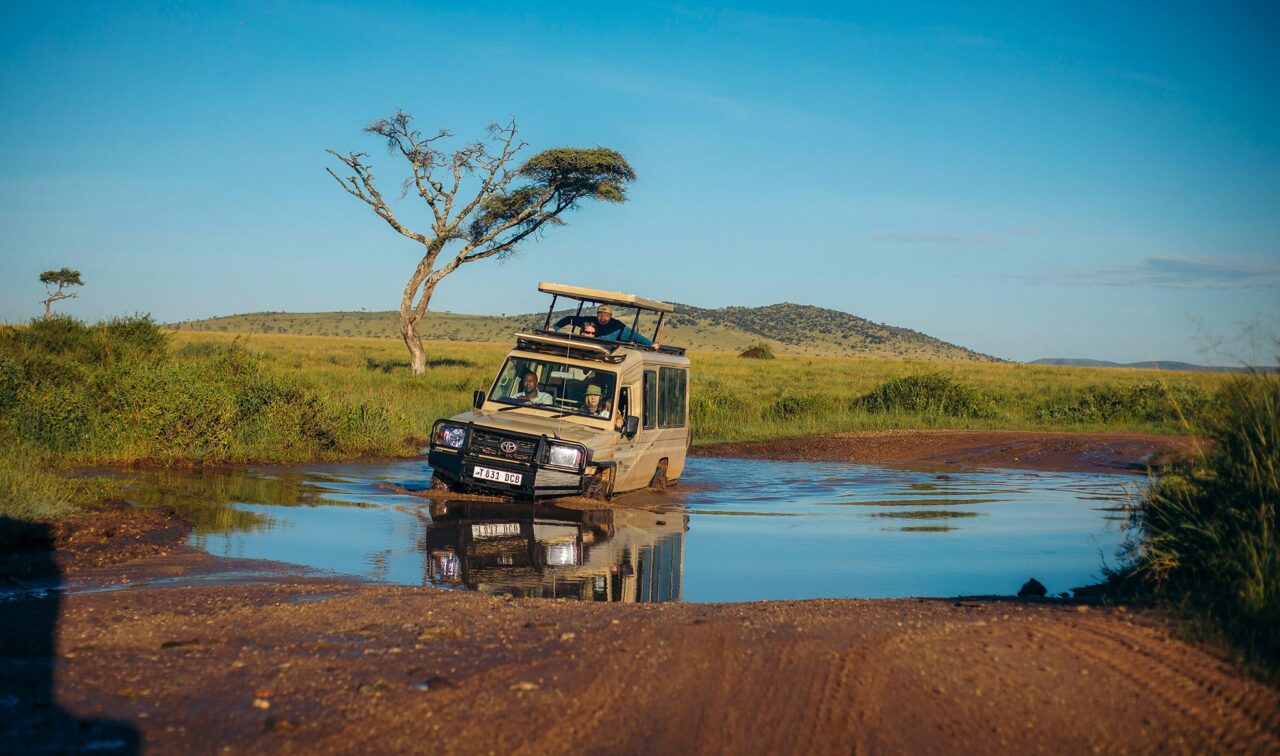
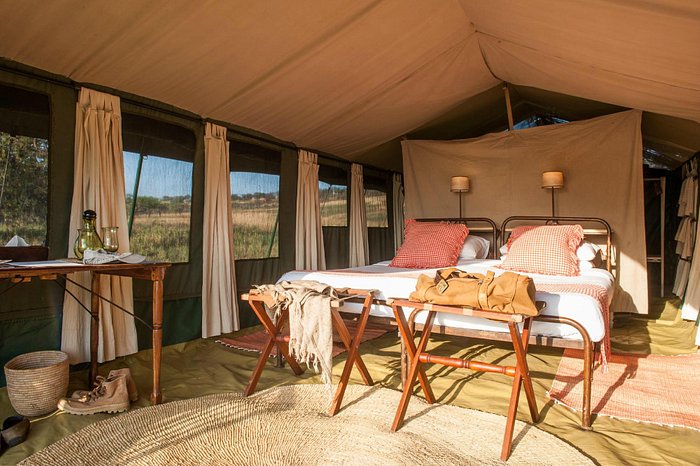
1-Day Conservation Workshop for Kids: Your Complete Tanzania Planning Guide
Introducing a 1-day conservation workshop for kids in Tanzania offers a unique opportunity for young minds to connect with the natural world and understand the importance of wildlife protection. As a leading Tanzania tour operator, we specialize in creating memorable and educational experiences. This guide provides everything you need to know to plan and book an enriching day for your children, focusing on practical details, educational value, and fun, specifically tailored for the 2026-2027 travel seasons.
Quick Answer
A 1-day conservation workshop for kids in Tanzania is a focused, hands-on educational program designed to teach children about local wildlife, ecosystems, and conservation efforts through interactive activities, animal encounters, and learning sessions, typically held within or near national parks or conservation areas. It’s an excellent way to foster environmental awareness and a love for nature in young travelers.
Table of Contents
- Workshop Overview: What to Expect
- Why a Conservation Workshop Matters for Kids
- Best Time for a Workshop in Tanzania
- Potential Workshop Locations & Areas
- Sample 1-Day Conservation Workshop Itinerary
- What Your Child Needs: Packing & Preparation
- Common Mistakes to Avoid
- Who is This Workshop Best Suited For?
- Alternatives to a Dedicated Workshop
- Planning Your 2026-2027 Tanzania Trip
- Booking Your Workshop: Expert Tips
- Frequently Asked Questions
Workshop Overview: What to Expect
A 1-day conservation workshop for kids is designed to be an immersive and engaging experience. It’s more than just a safari drive; it’s a structured program that aims to educate and inspire. Typically, these workshops are tailored for children aged roughly 6 to 14, though age appropriateness can vary depending on the specific program. The focus is on making learning fun and interactive, ensuring that children leave with a deeper appreciation for Tanzania’s incredible biodiversity and the challenges it faces.
The day usually begins early, often with a briefing from a local conservationist or guide. Activities can range from:
- Guided Nature Walks: Exploring smaller ecosystems, identifying plants, insects, and smaller wildlife often missed on game drives.
- Wildlife Spotting Sessions: Focused game drives with an emphasis on understanding animal behavior, tracking, and identification.
- Interactive Learning Modules: Engaging talks or activities about specific animals (e.g., elephants, rhinos, big cats), their habitats, and conservation status.
- Community Interaction: Sometimes, workshops include visits to local conservation projects or community initiatives, showing how people and wildlife coexist.
- Conservation Challenges Discussion: Age-appropriate explanations of issues like poaching, habitat loss, and human-wildlife conflict, and what is being done to address them.
- Creative Activities: Drawing, journaling, or simple craft activities related to the day’s learning.
The day concludes with a recap and a certificate of participation, reinforcing the lessons learned and encouraging continued interest in conservation.
Why a Conservation Workshop Matters for Kids
In today’s world, fostering a sense of environmental responsibility in children is more critical than ever. A 1-day conservation workshop for kids provides a powerful platform for this:
- Direct Connection to Nature: Experiencing Tanzania’s wildlife firsthand creates a lasting emotional connection that classroom learning cannot replicate.
- Understanding Real-World Issues: Children learn about conservation not as an abstract concept, but as a vital effort protecting species they’ve just seen.
- Developing Empathy: Learning about the challenges faced by animals and their habitats helps children develop empathy and a caring attitude.
- Inspiring Future Generations: These workshops can spark a lifelong passion for wildlife and conservation, potentially influencing future career choices or advocacy.
- Promoting Responsible Tourism: Educating children about conservation encourages them to be responsible travelers and advocates for sustainable practices.
- Enhancing Safari Experience: It adds a deeper layer of meaning to a safari, moving beyond just ‘seeing animals’ to understanding their significance.
For families visiting Tanzania, integrating such a workshop into their itinerary transforms a holiday into an educational adventure that benefits both the child and the environment.
Best Time for a Workshop in Tanzania
Tanzania offers incredible wildlife viewing year-round, but the timing for a 1-day conservation workshop for kids can be influenced by weather and animal movements, especially if the workshop involves outdoor activities or specific wildlife sightings.
| Season | Months | Pros for Workshops | Cons for Workshops |
|---|---|---|---|
| Dry Season (Peak) | June – October | Clear skies, excellent game viewing, animals congregate around water sources, easier tracking. Ideal for outdoor activities. | Can be cooler, especially in the mornings and evenings. Higher tourist numbers. |
| Short Rains | November – December | Lush landscapes, fewer crowds, good birdwatching. Animals start dispersing. | Intermittent rain showers can interrupt outdoor activities. |
| Long Rains (Green Season) | March – May | Spectacular green scenery, newborn animals, excellent photography. Lower prices. | Heavy rains can make some roads impassable and disrupt game drives. Less ideal for outdoor learning. |
| Shoulder Season (End of Dry/Start of Rains) | January – February | Generally good weather, calving season in Serengeti (great for predator viewing), fewer crowds than peak dry season. | Can experience isolated showers. |
For a 1-day conservation workshop for kids, the dry season (June to October) is often preferred due to reliable weather and accessible park conditions, allowing for more consistent outdoor activities. However, the shoulder seasons can also be excellent, offering a balance of good conditions and fewer people.
Potential Workshop Locations & Areas
Tanzania is vast, and conservation workshops can be adapted to various locations. The most common and impactful settings are within or near its renowned national parks and conservation areas. The choice of location will influence the type of wildlife and ecosystems the children learn about.
Here are some prime areas where a 1-day conservation workshop for kids could be organized:
Tanzania’s Conservation Hubs for Youth Programs
- Serengeti National Park: Famous for the Great Migration and abundant predators. Workshops could focus on predator-prey dynamics, ecosystem balance, and anti-poaching efforts.
- Ngorongoro Conservation Area: A unique caldera ecosystem with high animal density, including the endangered black rhino. Focus could be on biodiversity within a confined space and human-wildlife coexistence.
- Tarangire National Park: Known for its large elephant herds and baobab trees. Workshops might explore elephant behavior, migration patterns, and the impact of drought.
- Lake Manyara National Park: Home to tree-climbing lions and diverse birdlife. A workshop could cover avian conservation, wetland ecosystems, and adaptations of animals to different environments.
- Arusha National Park: Offers varied landscapes (forest, savannah, volcanic peaks) and is easily accessible from Arusha town. Good for learning about smaller mammals, primates, and forest ecology.
- Zanzibar Archipelago (Conservation Focus): While not a safari destination in the traditional sense, Zanzibar has marine conservation initiatives (e.g., coral reef protection, turtle rehabilitation) and forest reserves (e.g., Jozani Forest for Red Colobus monkeys) that could host workshops.
The feasibility of a 1-day workshop often depends on accessibility from major tourist hubs like Arusha or Zanzibar. Parks closer to Arusha (Arusha NP, Tarangire, Lake Manyara, Ngorongoro) are generally easier for day trips.
Sample 1-Day Conservation Workshop Itinerary
This sample itinerary is designed for a 1-day conservation workshop for kids, assuming a location near Arusha, such as Arusha National Park or a dedicated conservation center. It balances learning with activity and fun.
Sample Day: Kids’ Wildlife Conservation Adventure
Target Location: Arusha National Park or nearby conservation education center
Age Group: 7-12 years
-
7:30 AM – 8:00 AM: Arrival & Welcome Briefing
Children arrive at the designated meeting point. Welcome by the lead conservation educator. Introduction to the day’s theme: ‘Guardians of the Wild’. Icebreaker activity.
-
8:00 AM – 9:30 AM: Morning Game Drive & Observation
Depart for a guided game drive within Arusha National Park. Focus on identifying common mammals (giraffes, zebras, buffaloes) and birds. Educator prompts children to observe animal behaviors and discuss their roles in the ecosystem.
-
9:30 AM – 10:00 AM: Snack Break & Nature Scavenger Hunt
Enjoy a healthy snack. Followed by a short, guided nature walk to find specific leaves, insects, or animal tracks. Focus on the smaller wonders of the bush.
-
10:00 AM – 11:30 AM: Interactive Session: ‘Meet the Animals’
Gather at a designated educational spot or classroom. Engaging session using visuals and stories about key Tanzanian animals (e.g., elephants, lions, rhinos). Discussion on their challenges and conservation efforts. Might include a mock tracking exercise.
-
11:30 AM – 12:30 PM: Habitat Exploration & Ecosystem Game
Explore a specific habitat (e.g., Momella Lakes area for birdlife or forest trails for primates). Play an ecosystem game illustrating predator-prey relationships and resource competition.
-
12:30 PM – 1:30 PM: Picnic Lunch & Wildlife Drawing
Enjoy a packed lunch in a scenic, safe picnic area. Children are encouraged to draw or sketch animals they’ve seen or learned about, fostering observational skills.
-
1:30 PM – 2:30 PM: Conservation Heroes: Local Projects
Session focused on what local people and organizations are doing to protect wildlife. Could involve a short talk from a ranger (if available) or a case study about community conservation initiatives.
-
2:30 PM – 3:30 PM: ‘Young Ranger’ Activities & Q&A
Fun, practical activities like learning to identify animal tracks, understanding the importance of water sources, or a quiz on wildlife facts. Open Q&A session for all their curious questions.
-
3:30 PM – 4:00 PM: Wrap-up & Certificate Ceremony
Recap of the day’s learnings. Awarding ‘Young Conservationist’ certificates. Final thoughts on how they can be conservation heroes at home and abroad.
This itinerary is flexible and can be adapted based on the specific park, available resources, and the children’s engagement levels. The key is to maintain a balance between structured learning and spontaneous discovery.
What Your Child Needs: Packing & Preparation
Proper preparation ensures children are comfortable and ready to learn during their 1-day conservation workshop for kids. Here’s a guide to what they should wear and bring:
Essential Packing List for Young Conservationists
- Clothing:
- Lightweight, neutral-colored clothing (khaki, beige, green, brown). Avoid bright colors which can startle wildlife.
- Long sleeves and long trousers for sun and insect protection.
- A light fleece or jacket for cooler mornings/evenings.
- Comfortable, sturdy walking shoes or hiking boots.
- A hat with a wide brim for sun protection.
- Gear:
- Small, comfortable backpack to carry essentials.
- Reusable water bottle (essential for hydration).
- Sunscreen (high SPF).
- Insect repellent (consider child-friendly options).
- Sunglasses.
- Personal binoculars (if they have them, enhances viewing).
- A small notebook and pencils/pens for sketching and notes.
- Health & Safety:
- Any personal medication the child needs, clearly labeled and communicated to the organizers.
- Hand sanitizer.
- A basic first-aid kit (though organizers will have one).
- Optional:
- Camera (child-friendly or with supervision).
- A field guide for birds or mammals (if age-appropriate and they are keen).
Important Notes for Parents/Guardians:
- Ensure your child is well-rested the night before.
- Communicate any allergies, dietary needs, or medical conditions to the tour operator in advance.
- Brief your child on the importance of listening to guides, staying close, and respecting wildlife and the environment.
Common Mistakes to Avoid
To ensure the 1-day conservation workshop for kids is a success, here are common pitfalls to avoid:
- Choosing the Wrong Operator: Not all tour operators have specialized programs for children or genuine conservation expertise. Research is key.
- Over-scheduling: Packing too many activities into one day can overwhelm children. A balance of structured learning and free time is crucial.
- Lack of Age Appropriateness: Content that is too complex or too simplistic will disengage children. Ensure the program is tailored to the target age group.
- Ignoring Safety Protocols: Especially in wildlife areas, safety is paramount. Ensure the operator has robust safety measures and clear guidelines for children.
- Insufficient Preparation: Not packing the right clothing or essentials can lead to discomfort, making it hard for children to focus.
- Setting Unrealistic Expectations: While wildlife sightings are a highlight, conservation is about more than just seeing the ‘Big Five’. Emphasize the broader ecosystem and smaller creatures.
- Not Involving Parents/Guardians: Clear communication with parents about the program, expectations, and what to bring is vital for a smooth experience.
- Focusing Only on ‘Cute’ Animals: Broaden the scope to include insects, plants, and the interconnectedness of all living things.
By being aware of these points, you can significantly enhance the quality and impact of the workshop experience for your child.
Who is This Workshop Best Suited For?
A 1-day conservation workshop for kids is ideal for:
- Curious & Nature-Loving Children: Kids who already show an interest in animals, plants, or the outdoors will find this particularly engaging.
- Families Seeking Educational Experiences: Parents who want their children to learn beyond typical sightseeing and gain a deeper understanding of the world.
- Young Eco-Warriors: Children who are passionate about protecting the environment and want to learn how they can make a difference.
- First-Time Safari-Goers (with a twist): It can be a gentle introduction to wildlife for younger children, focusing on education rather than just the thrill of spotting large animals.
- Children Aged 6-14: While adaptable, this age range generally has the cognitive ability to grasp conservation concepts and the physical stamina for a day of activities.
- Families Visiting Tanzania for Longer Stays: It’s a perfect addition to a multi-day safari or a Zanzibar holiday, offering a focused educational break.
It might be less suitable for very young children (under 5) who may struggle with the structured learning components, or for families solely focused on ticking off animal sightings without a deeper educational interest.
Alternatives to a Dedicated Workshop
If a full 1-day conservation workshop for kids isn’t available, or doesn’t fit your schedule, several alternative ways exist to incorporate conservation education into your Tanzania trip:
- Kid-Focused Safari Guides: Request a guide who is experienced and enthusiastic about engaging children. They can tailor game drives to include educational commentary on animal behavior, tracks, and conservation challenges.
- Community-Based Tourism Projects: Many local communities offer cultural visits that sometimes include insights into traditional conservation practices or modern eco-initiatives.
- Park Ranger Interactions: Some national parks have visitor centers or ranger stations where children can learn about conservation efforts directly from park staff.
- Wildlife Research Centers/Sanctuaries: If your itinerary allows, visiting facilities focused on specific species (e.g., chimpanzee sanctuaries, elephant orphanages) can provide excellent educational opportunities.
- Educational Lodges: Some safari lodges offer in-house educational programs or activities for children, such as guided walks or talks by resident naturalists.
- DIY Learning: Equip your children with age-appropriate books, apps, or journals about Tanzanian wildlife and conservation. Encourage them to document their observations and ask questions throughout the trip.
While these alternatives may not be as structured as a dedicated workshop, they can still provide valuable learning experiences for young travelers.
Planning Your 2026-2027 Tanzania Trip
Planning a trip to Tanzania, especially one that includes a specialized activity like a 1-day conservation workshop for kids, requires foresight. For travel in the 2026-2027 seasons, consider these planning steps:
Key Planning Considerations for 2026-2027
- Book in Advance: Popular times, especially the dry season (June-October 2026/2027), fill up quickly. For specialized workshops, booking slots can be limited. Aim to book your main safari/accommodation at least 6-9 months ahead.
- Choose Your Operator Wisely: Look for tour operators with a proven track record in family travel and conservation education. Check reviews and ask specific questions about their children’s programs.
- Itinerary Flexibility: While planning is essential, build some flexibility into your itinerary. Children’s energy levels and interests can change.
- Visa Requirements: Check the latest visa regulations for Tanzania for your nationality well in advance of your 2026 or 2027 travel dates.
- Health Precautions: Consult your doctor about recommended vaccinations and malaria prophylaxis for Tanzania. Ensure children are up-to-date with their routine immunizations.
- Budgeting: Factor in the cost of the workshop, which might be an add-on to a safari package or a standalone booking. Consider accommodation, park fees, transport, and guide costs.
- Travel Insurance: Ensure you have comprehensive travel insurance that covers medical emergencies, trip cancellations, and activities like safaris.
- Sustainability Focus: When booking, inquire about the operator’s commitment to responsible tourism and conservation.
By starting your planning early for 2026-2027, you can secure the best options and ensure a stress-free, enriching experience for your family.
Booking Your Workshop: Expert Tips
Securing the right 1-day conservation workshop for kids involves more than just clicking a button. Here’s how to approach booking:
- Direct Inquiry is Best: Contact reputable tour operators directly. This allows for personalized advice and customization. We at Best Tanzania Tour Operator are happy to discuss your needs.
- Ask Specific Questions: Don’t hesitate to ask about the workshop’s curriculum, the qualifications of the educators, the age suitability, safety measures, group sizes, and what is included (transport, meals, materials, certificates).
- Check for Customization: Can the workshop be tailored slightly to your child’s specific interests (e.g., focusing more on birds, or primates)?
- Read Reviews (with caution): Look for reviews from families who have used the operator for similar programs. Remember that individual experiences can vary.
- Understand Inclusions & Exclusions: Clarify what the price covers. Does it include park entry fees, meals, snacks, transport to the meeting point, and any materials?
- Confirm Logistics: How will your child get to the workshop location? Is transport included, or do you need to arrange it? What is the exact meeting point and time?
- Payment Terms: Understand the deposit requirements, cancellation policies, and final payment due dates.
- Emergency Contact: Ensure you have clear emergency contact details for the operator and that they have yours.
Booking directly with a trusted operator like Best Tanzania Tour Operator ensures you get accurate information and a program designed to be both fun and educational for your child.
Frequently Asked Questions
Your Questions Answered
Q1: What age group is a 1-day conservation workshop for kids typically designed for?
A1: Most workshops are geared towards children aged 6 to 14. However, some programs might offer variations for younger or older children. It’s always best to confirm the specific age recommendations with the tour operator.
Q2: Do I need to accompany my child during the workshop?
A2: This depends on the operator’s policy and the child’s age. For younger children, parental accompaniment might be required or recommended. For older, more independent children, they may participate on their own. Clarify this when booking.
Q3: Are meals and snacks provided during the workshop?
A3: Typically, a 1-day workshop will include at least a snack break and often a packed lunch. Some may offer full board. It’s crucial to confirm this detail when booking, especially regarding dietary restrictions.
Q4: What if the weather is bad on the day of the workshop?
A4: Reputable operators will have contingency plans. This might involve moving activities indoors, rescheduling the workshop for another day, or offering a partial refund. Ask about their weather policy.
Q5: How can I book a 1-day conservation workshop for kids for my trip in 2026 or 2027?
A5: You can book by contacting a specialized tour operator like Best Tanzania Tour Operator directly. We can help you integrate this into your safari or holiday plans. Reach out via WhatsApp or email.
Q6: What is the typical cost of a 1-day conservation workshop for kids?
A6: Prices vary based on the operator, location, inclusions, and group size. Expect it to be an additional cost on top of standard safari or tour packages. Exact pricing should be obtained directly from the provider.
Q7: What are the safety measures in place for children during the workshop?
A7: Safety is a top priority. Operators use experienced guides, follow park regulations, maintain appropriate group sizes, and ensure vehicles are well-maintained. They will have first-aid kits and emergency protocols.
Q8: Can a workshop be organized in Zanzibar?
A8: Yes, while the focus might shift to marine conservation, primate protection (Jozani Forest), or community eco-projects, conservation-focused activities can be arranged in Zanzibar.
Q9: What if my child is very shy or nervous around animals?
A9: Good workshop leaders are skilled at managing different personalities. They can ensure shy children participate at their own comfort level, perhaps focusing more on observation and learning before direct interaction.
Q10: How does a workshop contribute to actual conservation efforts?
A10: Many operators partner with local conservation organizations or parks. A portion of the fee may go towards conservation projects, and more importantly, these workshops educate future advocates and responsible tourists, which is a long-term conservation strategy.
Q11: What should I do if my child has specific learning needs?
A11: Communicate any special educational needs or learning styles to the tour operator well in advance. They may be able to adapt the program or ensure the educator is prepared to support your child effectively for your 2027 trip.
Ready to Inspire the Next Generation of Conservationists?
A 1-day conservation workshop for kids in Tanzania is more than just an activity; it’s an investment in your child’s understanding of the world and their place within it. It’s a chance for them to connect with nature in a profound way, fostering a lifelong appreciation for wildlife and the environment.
At Best Tanzania Tour Operator, we are passionate about creating meaningful experiences for families. We can help you find or design the perfect conservation workshop tailored to your child’s age and interests, integrating it seamlessly into your Tanzania safari or holiday plans for 2026-2027.
Let us help you craft an unforgettable educational adventure that will inspire your young explorer. Contact us today to start planning!
WhatsApp: +255616946642
Email: topguideadventures@gmail.com
Backup Email: info@topguideadventures.com
Plan your 1-Day Conservation Workshop for Kids with Top Guide Adventures
Tell us your travel dates, group size, comfort level, and dream experience. We will help you shape a clear, realistic, and memorable Tanzania itinerary.







 Veedesigner
 Fatma Kizanga
 Benjamin Waryuba
 Philip Philip
 John jr Itaja
 Antonia Optatus
 Edith Kanyere
 Neema Iddy
 Kelvin Boniphace
 Damari Maiga



