
Updated planning guide for 2026-2027
1-Day Pack Animal Hike & Picnic Family Friendly: Complete Guide 2026-2027
Discover the joy of a 1-day pack animal hike and picnic, a wonderfully family-friendly way to experience Tanzania's stunning landscapes. This guide covers everything you need to know for an unforgettable adventure in 2026-2027.
WhatsApp +255616946642 | topguideadventures@gmail.com | info@topguideadventures.com
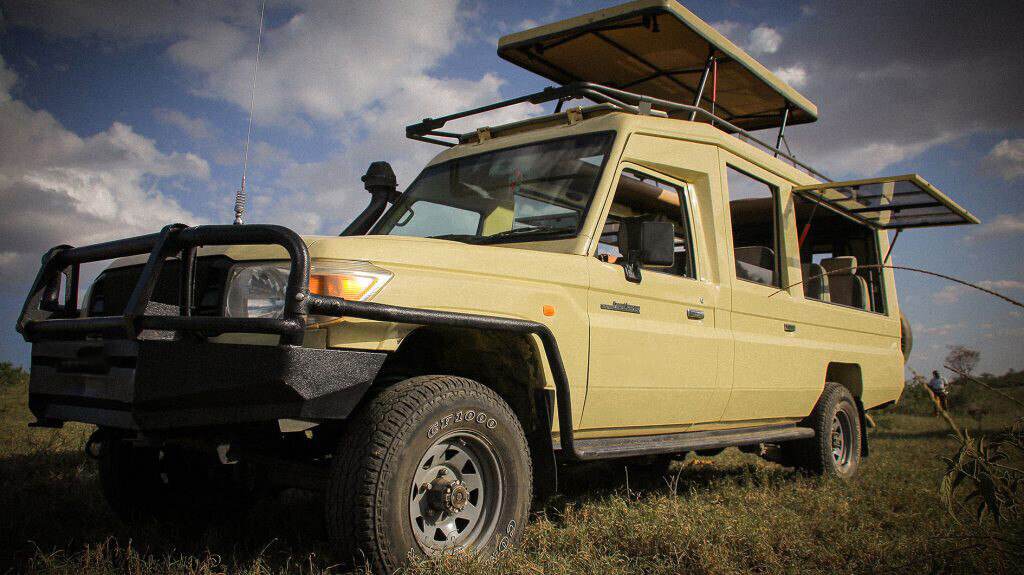
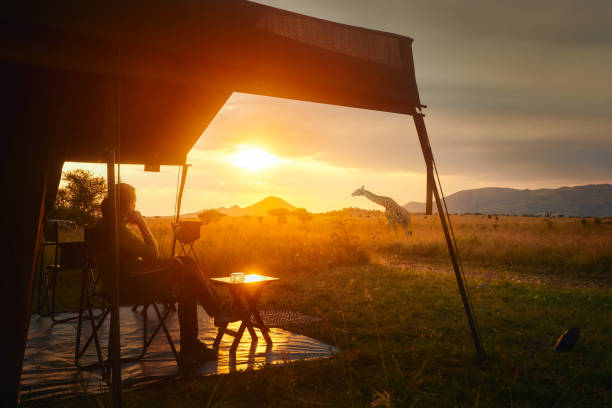
Your Ultimate Guide to a 1-Day Pack Animal Hike & Picnic Family Friendly Adventure in Tanzania
Imagine a day where the sounds of nature replace electronic devices, where gentle, reliable pack animals carry your supplies, and where a delicious picnic awaits amidst breathtaking scenery. A 1-day pack animal hike and picnic offers exactly this—a unique, accessible, and memorable family-friendly experience perfect for exploring the diverse beauty of Tanzania. This comprehensive guide will walk you through planning, preparing for, and enjoying this special kind of day trip, ensuring it’s a highlight of your 2026-2027 travel plans.
Quick Answer: What is a 1-Day Pack Animal Hike & Picnic Family Friendly?
A 1-day pack animal hike & picnic is a guided day trip where specially trained animals, such as donkeys or mules, carry food, water, and gear for a group. It involves a moderate hike through scenic natural areas, culminating in a catered picnic lunch. This activity is designed to be enjoyable and manageable for families with children of various ages, offering a comfortable way to access beautiful locations without the need for everyone to carry heavy loads.
Table of Contents
- Quick Facts: Pack Animal Hike & Picnic
- Overview: The Charm of Pack Animal Hikes
- Why Choose a Pack Animal Hike for Your Family?
- Best Time for Your Pack Animal Adventure
- Potential Routes and Areas
- Sample 1-Day Pack Animal Hike & Picnic Itinerary
- What to Expect on the Day
- Inclusions and What to Pack
- Common Mistakes to Avoid
- Who is This Adventure Best Suited For?
- Alternatives to Pack Animal Hikes
- Planning Your 2026-2027 Trip
- Booking Your Pack Animal Hike
- Frequently Asked Questions
Quick Facts: Pack Animal Hike & Picnic
| Feature | Details |
|---|---|
| Activity Type | Guided Day Trip, Hiking, Nature Experience |
| Primary Mode of Transport (Gear) | Pack Animals (e.g., Donkeys, Mules) |
| Key Experience | Scenic hiking, picnic lunch, wildlife viewing potential |
| Family Friendliness | High, suitable for most ages with modifications |
| Duration | Full Day (approx. 6-8 hours) |
| Difficulty | Easy to Moderate (customizable based on route) |
| Location Examples | Foothills of Kilimanjaro, Usambara Mountains, rural areas near Arusha |
| Typical Inclusions | Guide, pack animals, picnic lunch, water, park/conservation fees |
Overview: The Charm of Pack Animal Hikes
Tanzania is renowned for its iconic wildlife safaris and challenging mountain treks. However, the country also offers countless opportunities for gentler, yet equally rewarding, explorations. A 1-day pack animal hike and picnic taps into this less-traveled path, providing an intimate connection with the land. Unlike a strenuous trek where the focus is on altitude and endurance, this experience prioritizes immersion in the natural environment. The presence of pack animals transforms the dynamic; they are not just carriers but also companions on your journey, their steady pace allowing for observation and conversation.
The ‘picnic’ aspect elevates the day from a simple walk to a curated event. Imagine a beautifully laid-out meal in a picturesque spot, perhaps with views of distant mountains or alongside a flowing river. This combination creates a sense of occasion and relaxation, making it an ideal activity for families, couples, or anyone seeking a peaceful escape without the logistical burdens of carrying extensive supplies.
Why Choose a Pack Animal Hike for Your Family?
For families, a 1-day pack animal hike and picnic presents a unique set of advantages:
- Accessibility: The pack animals carry the bulk of the weight (food, water, extra clothing), significantly reducing the physical strain on participants, especially younger children or older adults. This allows everyone to focus on enjoying the scenery and company.
- Pacing: The natural pace of the pack animals encourages a slower, more observant approach to hiking. This is perfect for children who might otherwise tire quickly or become bored on longer treks. It allows for spontaneous stops to admire flora, fauna, or interesting geological features.
- Comfort: Knowing that refreshments and a substantial meal are being carried makes the hike feel less demanding. It removes the worry about rationing water or carrying heavy lunchboxes, contributing to a more relaxed overall experience.
- Educational Value: Children can learn about the animals, their care, and their role in local life. Guides can point out different plants, birds, and insects, turning the hike into an interactive learning adventure.
- Memorable Experience: The novelty of hiking with pack animals, combined with the joy of a well-deserved picnic in a beautiful setting, creates lasting memories that differ from typical safari or beach holidays.
- Reduced Environmental Impact: When managed responsibly, pack animal treks can have a lower impact on trails compared to large groups on foot, especially in sensitive ecosystems.
Best Time for Your Pack Animal Adventure
Tanzania’s climate varies by region, but generally, the dry seasons are most favorable for outdoor activities like hiking.
| Season | Description | Suitability for Pack Animal Hike |
|---|---|---|
| Dry Season (June – October) | Cooler temperatures, minimal rainfall, clear skies. Ideal for visibility and comfortable hiking. | Excellent. This is the prime time. Trails are dry and accessible. The weather is pleasant for both hiking and picnicking. |
| Long Rains (March – May) | Heavy, consistent rainfall. Landscapes are lush and green. | Challenging. Trails can become muddy, slippery, and difficult to navigate. Some routes may be inaccessible. Visibility can be poor. Generally not recommended unless specifically prepared for wet conditions. |
| Short Rains (November – February) | Intermittent, often brief showers, usually in the afternoon. Warm temperatures. | Good, with caution. Mornings are usually sunny and pleasant for hiking. Pack rain gear. Afternoon showers can occur, but often pass quickly. This period can offer beautiful green scenery. |
For the best experience in 2026-2027, aim for the dry season (June to October). If traveling during the shoulder seasons (late May, early June, November, February), be prepared for variable weather and check local conditions with your tour operator.
Potential Routes and Areas
While specific routes are often customized, here are some areas in Tanzania that lend themselves well to a 1-day pack animal hike and picnic:
1. Foothills of Kilimanjaro (Near Marangu/Moshi)
Area Overview: The lower slopes of Mount Kilimanjaro offer lush rainforests, coffee plantations, and stunning views of the mountain (weather permitting). Numerous trails wind through villages and into the montane forest.
Route Style: Gentle ascents through cultivated areas and into the lower forest zones. Trails are generally well-maintained.
Picnic Spot Potential: Clearings in the forest, viewpoints overlooking the plains, or near small waterfalls.
Example: A hike from a village like Marangu, passing through coffee farms, with a picnic lunch at a scenic spot before returning.
2. Usambara Mountains (Eastern Arc Mountains)
Area Overview: These ancient mountains are a biodiversity hotspot, featuring cloud forests, rolling hills, and unique flora and fauna. Towns like Lushoto and Mtae are good starting points.
Route Style: Trails can range from easy village walks to more moderate hikes through dense forest. Pack animals can navigate many of these paths comfortably.
Picnic Spot Potential: Forest clearings, viewpoints offering panoramic vistas of the surrounding mountains and valleys, or tranquil spots near streams.
Example: A hike from Lushoto towards a viewpoint like Irente Peak or a scenic spot within the Shagayu Forest Reserve, with a picnic amidst the verdant landscape.
3. Rural Arusha Region (Near Arusha Town)
Area Overview: The areas surrounding Arusha offer rolling hills, Maasai bomas (traditional homesteads), and agricultural landscapes. This provides a cultural and scenic blend.
Route Style: Mostly gentle terrain, suitable for a relaxed pace. Trails often pass through local communities, offering glimpses into daily life.
Picnic Spot Potential: Open fields with views of Mount Meru, alongside seasonal rivers, or in shaded groves.
Example: A walk from a village on the outskirts of Arusha, perhaps interacting briefly with local communities (respectfully), and enjoying a picnic in a peaceful rural setting.
Note: Specific trail conditions and accessibility can change. Always consult with your tour operator for the most current information and route recommendations suitable for your family’s abilities.
Sample 1-Day Pack Animal Hike & Picnic Itinerary
This is a sample itinerary for a family-friendly 1-day pack animal hike and picnic, typically starting and ending near Arusha or Moshi. Adjustments can be made based on the chosen location and group preferences.
| Time | Activity | Notes |
|---|---|---|
| 8:00 AM | Hotel Pickup | Your driver and guide will pick you up from your accommodation. |
| 8:30 AM – 9:00 AM | Arrival at Trailhead & Briefing | Meet your pack animals and local handlers. Receive a safety briefing and introduction to the animals. Pack animals are loaded with picnic supplies. |
| 9:00 AM | Begin Hike | Start your gentle trek. The pack animals will lead the way, carrying your lunch and gear. Your guide will point out interesting sights. |
| 9:00 AM – 12:00 PM | Scenic Hiking & Exploration | Enjoy the changing landscapes. Stop for photos, bird watching, and learning about local flora and fauna. Pace is relaxed. |
| 12:00 PM – 1:30 PM | Picnic Lunch at Scenic Spot | Arrive at a pre-selected beautiful location. Your guide will help set up the picnic. Enjoy a delicious, freshly prepared meal. |
| 1:30 PM – 2:00 PM | Relaxation & Pack Up | Enjoy the surroundings, perhaps a short walk around the picnic site. Animals are re-loaded. |
| 2:00 PM | Begin Return Hike | Follow a different, or the same, scenic trail back towards the trailhead. |
| 2:00 PM – 4:00 PM | Return Hike | Continue enjoying the scenery at a comfortable pace. |
| 4:00 PM | Arrival at Trailhead & Farewell | Unload pack animals. Thank your guides and handlers. |
| 4:00 PM – 4:30 PM | Transfer Back to Hotel | Return to your accommodation after a fulfilling day. |
What to Expect on the Day
A 1-day pack animal hike & picnic is designed to be an enjoyable and stress-free experience. Here’s a breakdown of what you can anticipate:
- The Animals: You’ll typically be accompanied by donkeys or mules, known for their sure-footedness and calm temperament. They are handled by experienced local guides or handlers who ensure their well-being and manage the pack loads. Children often find the animals fascinating and enjoy walking alongside them.
- The Hike: Trails are selected to be manageable for a range of fitness levels. Expect gentle inclines and declines, well-trodden paths, and plenty of opportunities to pause and take in the views. The focus is on the journey and the environment, not speed or distance.
- The Scenery: Depending on the location, you might hike through coffee plantations, lush forests, rolling hills, or open savanna-like areas. The beauty lies in the details – the vibrant birdlife, the unique plant species, and the expansive vistas.
- The Picnic: This is a highlight. Your guide will lead you to a picturesque spot. The picnic will be set up, often with blankets or mats, and will feature a delicious meal prepared by your tour operator. Expect fresh, local ingredients and a satisfying spread.
- Guides: You will have a knowledgeable local guide who can share insights into the area’s culture, history, and natural environment. They are also responsible for the safety and welfare of the group and the animals.
- Interaction: The experience is interactive. You’ll walk, talk, observe, and learn. The pack animals add a unique element, and interactions with local handlers offer cultural exchange.
- Pace: The pace is leisurely. The animals set a comfortable rhythm, allowing ample time for everyone to keep up, rest, and appreciate their surroundings.
Inclusions and What to Pack
Understanding what’s included and what you need to bring ensures you are well-prepared.
Typical Inclusions:
- Professional local guide(s)
- Experienced pack animal handlers
- Trained pack animals (donkeys/mules)
- All necessary equipment for carrying supplies
- Delicious picnic lunch
- Sufficient drinking water
- Conservation or park entry fees (if applicable to the specific route)
- Round-trip transportation from your accommodation to the trailhead
What to Pack (Family Friendly Focus):
- Comfortable Walking Shoes: Broken-in hiking boots or sturdy trainers are essential.
- Layered Clothing: Weather can change. Pack light, breathable layers like t-shirts, long-sleeved shirts for sun protection, and a fleece or light jacket for cooler mornings or higher elevations.
- Sun Protection: Wide-brimmed hats, sunglasses, and high SPF sunscreen are crucial, even on cloudy days.
- Insect Repellent: Especially important for forest areas or during the warmer months.
- Small Backpack: For personal items like your camera, snacks (if desired), hand sanitizer, and any personal medication.
- Camera: To capture the beautiful scenery and memorable moments.
- Reusable Water Bottle: While water is provided, having your own bottle is good practice.
- Personal Medications: Any necessary personal prescriptions or first-aid items.
- Hand Sanitizer/Wipes: For hygiene before and after eating.
- Light Rain Jacket (Seasonal): Particularly if traveling during the short rains.
- Snacks (Optional): While a picnic is provided, some families prefer to bring a few extra familiar snacks for picky eaters.
- Identification: A copy of your passport or ID.
Note: Your tour operator will provide a more specific packing list based on the chosen route and season.
Common Mistakes to Avoid
To ensure your 1-day pack animal hike & picnic is as enjoyable as possible, be aware of these common pitfalls:
- Underestimating the Sun: Tanzania is near the equator. Even on cooler days, the sun can be intense. Always prioritize sun protection.
- Wearing New Shoes: Blisters can ruin any hike. Ensure footwear is well-worn before the trip.
- Not Packing Layers: Temperatures can fluctuate significantly between morning, midday, and shaded forest areas.
- Overpacking Personal Gear: Remember, the animals carry the bulk. Pack only essentials for your daypack.
- Ignoring Guide Instructions: Guides are experienced. Follow their advice regarding trail safety, animal handling, and wildlife encounters.
- Not Staying Hydrated: Drink water regularly, even if you don’t feel thirsty. Dehydration can lead to fatigue and headaches.
- Choosing the Wrong Route for Your Family: Be honest about your family’s fitness levels and the ages of your children when selecting a route. A challenging hike can quickly turn into a stressful ordeal.
- Expecting a Safari Experience: While wildlife might be spotted, this is primarily a hiking and nature immersion activity, not a dedicated safari. Manage expectations accordingly.
- Not Booking in Advance: Especially during peak seasons (2026-2027), popular operators and specific dates can fill up.
Who is This Adventure Best Suited For?
A 1-day pack animal hike & picnic is a versatile activity, ideal for several types of travelers:
- Families with Young Children: The reduced physical load and gentle pace make it perfect for families where little legs might tire easily on standard hikes.
- Families with Mixed Ages/Abilities: It allows everyone, from grandparents to toddlers, to participate and enjoy the experience together without significant disparity in effort.
- First-Time Hikers: For those new to hiking or seeking a less strenuous introduction to Tanzania’s natural beauty.
- Nature Lovers: Anyone who appreciates scenic landscapes, birdwatching, and a peaceful immersion in nature.
- Travelers Seeking Cultural Immersion: Routes through rural areas offer opportunities to observe and respectfully interact with local communities.
- Photography Enthusiasts: The picturesque settings provide ample opportunities for stunning photographs.
- Couples or Small Groups: For a relaxed, romantic, or bonding day out away from the usual tourist crowds.
Alternatives to Pack Animal Hikes
If a pack animal hike isn’t quite what you’re looking for, Tanzania offers many other family-friendly day trip options:
- Guided Nature Walks in National Parks/Reserves: Many parks offer guided walks with rangers, often focusing on tracking, botany, and smaller wildlife. These are typically without pack animals but are well-guided.
- Cultural Tours: Visiting Maasai villages, Hadzabe hunter-gatherer communities (with ethical operators), or local craft centers provides cultural insights and light walking.
- Chimpanzee Trekking (e.g., Gombe, Mahale): While these are often multi-day affairs, shorter guided treks to see chimpanzees are possible in certain locations, though they can be more physically demanding.
- Birdwatching Excursions: Dedicated birdwatching trips often involve gentle walks in specific habitats.
- Short Safari Game Drives: A half-day game drive in a nearby park like Arusha National Park can offer wildlife viewing opportunities without extensive hiking.
- Zanzibar Spice Tours & Coastal Walks: On Zanzibar, explore spice farms or take guided walks along the coast, enjoying the island’s unique environment.
Planning Your 2026-2027 Trip
Planning ahead is key to a successful 2026-2027 adventure. Here’s a guide to help you organize:
When to Book:
For peak seasons (June-October 2026 and 2027), it’s advisable to book at least 3-6 months in advance. For the shoulder or off-peak seasons, 1-3 months may suffice, but early booking is always recommended to secure your preferred dates and operators.
Choosing Your Operator:
Look for reputable local tour operators with experience in family-friendly tours and pack animal treks. Check reviews, ask for detailed itineraries, and ensure they prioritize animal welfare and responsible tourism practices.
Customization:
Discuss your family’s specific needs and interests with the operator. Can the hike be tailored to a very short duration? Are there options for dietary restrictions for the picnic? Can younger children ride the pack animals for short stretches if needed (this is rare and depends on animal/operator policy, but worth asking)?
Health and Safety:
Consult your doctor regarding any necessary vaccinations or malaria precautions for the region you’ll be visiting. Ensure your travel insurance covers day trips and hiking activities.
Budgeting for 2026-2027:
While exact prices vary, factor in the cost of the tour operator’s package, which typically includes transport, guide, animals, picnic, and fees. Personal spending money for tips or souvenirs should also be considered.
Booking Your Pack Animal Hike
Securing your 1-day pack animal hike & picnic is straightforward when you know who to contact. We specialize in creating memorable and family-friendly experiences across Tanzania.
To inquire about availability, customize an itinerary, or book your adventure for 2026 or 2027, please reach out to us:
- WhatsApp: +255616946642
- Email: topguideadventures@gmail.com
- Backup Email: info@topguideadventures.com
When you contact us, please mention your interest in a 1-day pack animal hike & picnic family friendly tour, your desired travel dates in 2026-2027, the number of people in your group, and any specific interests or requirements you may have. We are here to help you craft the perfect day out!
Frequently Asked Questions
Q1: Are pack animals suitable for children?
Yes, pack animals like donkeys and mules are generally very calm and steady, making them excellent companions for children. The animals carry the load, so children don’t have to, and their presence often makes the hike more engaging and less tiring for them. Always ensure children are supervised by the guide when interacting with the animals.
Q2: What happens if the weather is bad?
Your tour operator will monitor weather forecasts closely. If conditions are deemed unsafe or significantly unpleasant (e.g., heavy, continuous rain during the long rains), they will typically offer to reschedule your trip for another day or a suitable alternative. Communication is key, so expect them to contact you in advance.
Q3: Can we ride the pack animals?
Generally, pack animals are used for carrying gear, not passengers. While some operators might allow very short, controlled rides for small children in specific, safe circumstances, it’s not the standard practice and depends heavily on the animal’s training, the terrain, and the operator’s policy. It’s best to clarify this directly with your tour provider.
Q4: What kind of food is included in the picnic?
The picnic lunches are usually substantial and delicious, prepared with fresh, local ingredients. Expect a main dish (like grilled chicken or a hearty salad with protein), fresh bread, fruits, vegetables, and perhaps a local dessert. Dietary requirements (vegetarian, vegan, allergies) can almost always be accommodated if communicated in advance.
Q5: How physically demanding is the hike?
These hikes are typically designed to be easy to moderate. The pack animals carry the weight, allowing for a relaxed pace. Trails are chosen for their scenic beauty and accessibility rather than steepness or extreme length. Most families find them very manageable.
Q6: What if someone in our group has mobility issues?
While the hike itself is gentle, the terrain can still be uneven. If you have specific concerns about mobility, discuss them thoroughly with your tour operator. They may be able to select an even flatter, shorter route or advise if the activity is suitable.
Q7: Do we need special gear?
No highly specialized gear is usually required. Comfortable walking shoes, layered clothing, sun protection, and a light daypack are the essentials. Your tour operator will provide a detailed packing list.
Q8: What is the best time of year for this activity in 2026-2027?
The dry season, from June to October, is generally the best time for pack animal hikes due to pleasant weather and dry trails. However, the short rains (November to February) can also be good, with sunny mornings offering beautiful scenery, provided you pack for potential light showers.
Q9: How do we ensure the welfare of the animals?
Reputable tour operators prioritize animal welfare. They use well-trained animals, ensure they are not overloaded, provide adequate rest, and have experienced handlers. Choosing an operator committed to ethical tourism practices is crucial.
Q10: Can this be combined with other activities?
Yes, a 1-day pack animal hike can often be combined with other local day activities, such as a short safari drive in a nearby park (like Arusha National Park) or a cultural village visit, depending on your location and time constraints. Discuss possibilities with your operator.
Ready for Your Family Adventure?
A 1-day pack animal hike & picnic family friendly tour offers a refreshing perspective on Tanzania’s natural beauty. It’s an opportunity to slow down, connect with nature, and create cherished family memories. Let us help you plan this unique experience for your 2026-2027 travels.
Contact Us to Book Your Day Trip!
For expert planning, customized itineraries, and a seamless booking process for your 1-day pack animal hike & picnic family friendly adventure, get in touch with our team:
WhatsApp: +255616946642
Email: topguideadventures@gmail.com
Backup Email: info@topguideadventures.com
We look forward to helping you plan an unforgettable day!
Plan your 1-Day Pack Animal Hike & Picnic Family Friendly with Top Guide Adventures
Tell us your travel dates, group size, comfort level, and dream experience. We will help you shape a clear, realistic, and memorable Tanzania itinerary.







 Veedesigner
 Fatma Kizanga
 Benjamin Waryuba
 Philip Philip
 John jr Itaja
 Antonia Optatus
 Edith Kanyere
 Neema Iddy
 Kelvin Boniphace
 Damari Maiga



