
For the dedicated birder, Southern Tanzania presents a frontier of avian discovery, offering a rich diversity of species often overlooked in favor of the more frequented Northern Circuit. A 10-Day Southern Tanzania Birding Expedition is meticulously crafted to immerse you in some of East Africa’s most pristine and biodiverse birding hotspots. This itinerary focuses on the vast Selous Game Reserve (now Nyerere National Park) and the rugged landscapes of Ruaha National Park, two jewels in Tanzania’s southern crown, each boasting unique ecosystems and a spectacular array of birdlife. Planning for 2026 and 2027 offers an excellent opportunity to experience these remarkable areas with potentially fewer crowds and the best conditions for wildlife viewing.
This comprehensive guide aims to provide you with all the essential information needed to plan an unforgettable birding adventure. We will explore the potential species you might encounter, the optimal times for visiting, the logistical considerations, and what makes a 10-day expedition through this captivating region a must-do for serious birdwatchers. Whether you are a seasoned ornithologist or a passionate nature lover eager to expand your avian knowledge, Southern Tanzania promises an experience that is both rewarding and profoundly wild.
Why Choose Southern Tanzania for Your Birding Expedition?
Southern Tanzania offers a compelling proposition for birdwatchers seeking a less-trodden path. While the Northern Circuit is famed for its Great Migration and iconic mammals, the south provides a different, yet equally compelling, narrative of biodiversity. Its sheer scale, vast wilderness areas, and varied habitats create sanctuaries for a staggering number of bird species, including endemics and rarities.
The key attractions for a 10-Day Southern Tanzania Birding Expedition include:
- Unspoiled Wilderness: Areas like Nyerere National Park and Ruaha National Park are vast and relatively undeveloped, offering an authentic wilderness experience free from mass tourism. This isolation is crucial for the well-being of many bird species.
- Habitat Diversity: From the Rufiji River’s floodplains and miombo woodlands to the dry acacia savannas and rocky kopjes of Ruaha, the varied landscapes support a wide spectrum of avian life. This includes waterbirds, raptors, woodland birds, and savanna specialists.
- Endemic and Rare Species: Southern Tanzania is home to several species and subspecies that are either endemic to Tanzania or have significant populations here, making it a prime location for ticking off special birds.
- Excellent Raptor Populations: Ruaha National Park, in particular, is renowned for its exceptional diversity of raptors, with over 40 species recorded.
- Unique Mammal Encounters: While birds are the primary focus, the southern parks also host impressive mammal populations, including large herds of elephants and buffalo, lions, cheetahs, wild dogs, and the endemic Grant’s gazelle and Greater kudu in Ruaha.
For travelers planning their trips for 2026 and 2027, booking in advance is recommended to secure preferred accommodations and expert guides, especially during peak birding seasons.
Understanding the Birding Hotspots: Nyerere and Ruaha
A typical 10-Day Southern Tanzania Birding Expedition will focus on two primary, yet distinct, areas: Nyerere National Park (formerly Selous Game Reserve) and Ruaha National Park. Each offers a unique birding experience.
Nyerere National Park (Formerly Selous Game Reserve)
Nyerere National Park is one of Africa’s largest protected areas and a UNESCO World Heritage Site. Its landscape is dominated by the mighty Rufiji River system, creating extensive wetlands, lakes, and riverine forests that are magnets for a vast array of birdlife, particularly waterbirds and riverine specialists.
Key Birding Features of Nyerere:
- Wetlands and Rivers: The Rufiji River and its tributaries are critical habitats for numerous waterbirds. Expect to see large flocks of Egyptian Geese, Spur-winged Geese, various egrets (Great White, Little, Cattle), herons (Grey, Black-headed, Goliath), storks (Marabou, Saddle-billed, Yellow-billed), and ibises (Sacred, Glossy). Kingfishers are abundant, including the iconic Malachite Kingfisher, Pied Kingfisher, and Giant Kingfisher.
- Miombo Woodlands: Surrounding the riverine areas are extensive miombo woodlands, home to species like the Crested Barbet, Miombo Rock Thrush, White-browed Robin-chat, and various sunbirds and weavers.
- Riverine Forests: These dense forests along the riverbanks harbor secretive species. Look for African Finfoot (a sought-after specialty), Pel’s Fishing Owl (especially on night drives or boat trips), and various woodpeckers and barbets.
- Mammal-Watching Synergy: While birding, you’ll also encounter significant mammal populations, including elephants, buffalo, hippos, crocodiles, and lions. This offers a well-rounded safari experience.
Notable Species in Nyerere:
- African Finfoot
- Pel’s Fishing Owl
- Bat Hawk
- Palm-nut Vulture
- African Fish Eagle
- Malachite Kingfisher
- Giant Kingfisher
- White-fronted Bee-eater
- Various weavers, starlings, and hornbills.
Ruaha National Park
Ruaha is Tanzania’s largest national park and is characterized by its dramatic landscapes, including vast plains dotted with iconic acacia trees, rocky hills, and the Great Ruaha River. It is a drier, more rugged environment than Nyerere, supporting a different suite of species, especially raptors and dry-country birds.
Key Birding Features of Ruaha:
- Raptor Haven: Ruaha is a paradise for raptor enthusiasts. The park supports an incredible diversity of eagles, buzzards, falcons, and vultures. Species like the Bateleur, Martial Eagle, Tawny Eagle, Verreaux’s Eagle, and Long-crested Eagle are common. Rare species like the Eleonora’s Falcon and Sooty Falcon can also be found.
- Miombo and Acacia Woodlands: The dominant vegetation types provide habitat for numerous woodland birds. Expect to see Helmeted Guineafowl, Crested Francolin, various hornbills (Cinnamon-breasted, Trumpeter, Yellow-billed), barbets, woodpeckers, and sunbirds.
- Open Savannas and Rocky Kopjes: These areas are ideal for spotting ground birds and species that favor open habitats. Look for Ostrich, Secretarybird, Lanner Falcon, and various larks and pipits.
- The Great Ruaha River: While often dry for parts of the year, the riverbed and remaining waterholes attract a variety of birds, including waterbirds and birds of prey that hunt along the river.
- Endemic Species: Ruaha is a stronghold for several species, including the Ruaha Chat (a localized species), and is excellent for dry-country specialists.
Notable Species in Ruaha:
- Rüppell’s Vulture
- White-headed Vulture
- Bateleur
- Martial Eagle
- Verreaux’s Eagle
- Lanner Falcon
- Secretarybird
- Ostrich
- Ruaha Chat
- Orange-bellied Parrot (rare but possible)
- Red-billed Hornbill
- Cinnamon-breasted Hornbill
- Various species of rollers, bee-eaters, and starlings.
Crafting Your 10-Day Southern Tanzania Birding Expedition Itinerary
A 10-Day Southern Tanzania Birding Expedition requires careful planning to maximize birding opportunities while allowing for travel time between locations. This sample itinerary provides a framework, which can be customized to your specific interests and pace. For 2026 and 2027 trips, flexibility is key, as local conditions can influence bird movements.
Sample 10-Day Southern Tanzania Birding Itinerary
Day 1: Arrival in Dar es Salaam & Transfer to Nyerere National Park
Arrive at Julius Nyerere International Airport (DAR) in Dar es Salaam. You will be met by your guide and transferred to your lodge or camp on the outskirts of Nyerere National Park. Depending on arrival time, you may have a brief introductory birding session around the lodge grounds.
Day 2-4: Nyerere National Park (Birding Focus)
Three full days dedicated to exploring Nyerere National Park. Activities will include:
- Boat Safaris: Crucial for exploring the Rufiji River and its delta, offering excellent views of waterbirds, kingfishers, and riverine species. You might spot crocodiles and hippos up close.
- Game Drives: Morning and afternoon game drives will focus on woodland and savanna areas, searching for terrestrial birds, raptors, and large mammals.
- Walking Safaris (if available and permitted): An excellent way to experience the smaller details of the bush and identify resident bird species in their habitat.
Key target species include African Finfoot, Pel’s Fishing Owl, various waterbirds, and woodland species.
Day 5: Transfer to Ruaha National Park
After a final morning birding session in Nyerere, you will be transferred to the airstrip for a light aircraft flight to Ruaha National Park. Upon arrival, you’ll be met by your Ruaha guide and transferred to your camp or lodge. The afternoon can be spent on an initial game drive, getting acquainted with Ruaha’s unique environment.
Day 6-8: Ruaha National Park (Birding Focus)
Three full days dedicated to birding in Ruaha National Park. Emphasis will be placed on:
- Game Drives: Extensive morning and afternoon game drives targeting raptors, dry-country birds, and ground-dwelling species. Exploring different sectors of the park to cover diverse habitats.
- Raptor Spotting: Dedicated time will be spent searching for the park’s impressive array of eagles, vultures, and falcons, particularly around water sources and open plains.
- Miombo Woodland Exploration: Specific drives will focus on penetrating the miombo woodlands to find specialist species like the Ruaha Chat.
Key target species include raptors, Ruaha Chat, dry-country birds, and miombo specialists.
Day 9: Ruaha National Park & Fly to Dar es Salaam
Enjoy a final morning birding activity in Ruaha National Park. After lunch, you will take a light aircraft flight back to Dar es Salaam. You will be transferred to a hotel in Dar es Salaam for an overnight stay, allowing for relaxation before your departure.
Day 10: Departure from Dar es Salaam
Depending on your flight schedule, you may have time for some last-minute souvenir shopping or a visit to a local market. You will then be transferred to Julius Nyerere International Airport (DAR) for your onward flight.
When to Plan Your 10-Day Southern Tanzania Birding Expedition (2026-2027)
The best time for birding in Southern Tanzania depends on what you want to see. Generally, the dry season offers the best conditions for spotting birds, as they congregate around dwindling water sources, and the vegetation is less dense, improving visibility.
- Dry Season (June to October): This is often considered the prime birding season. Migratory birds from Europe and Asia are present, and resident birds are easier to spot due to less foliage and concentrated water sources. Temperatures are pleasant, and rainfall is minimal. This is an excellent period for 2026 and 2027 travel.
- Green Season (November to May): This period coincides with the rainy season. While birding can still be excellent, especially for resident breeding species and local migrants, visibility can be reduced due to dense vegetation. Some roads may become impassable. However, this is also a time of spectacular scenery, with lush landscapes and fewer tourists, potentially offering a more intimate experience. Nesting birds are often in full plumage, and many species are in their breeding colors.
For a 10-Day Southern Tanzania Birding Expedition aiming for maximum species count and ease of spotting, the dry season (June-October) is highly recommended for 2026 and 2027 bookings. However, if you are interested in breeding plumage and a more verdant landscape, the shoulder months of the green season (November, April-May) can also be rewarding.
Bird Species Highlights for Your Expedition
A 10-Day Southern Tanzania Birding Expedition can yield an impressive species list. While it’s impossible to list all potential birds, here are some highlights and target species that make this region so special:
Waterbirds and Riverine Species (Nyerere Focus)
- African Finfoot: A shy, elusive bird of riverine habitats.
- Pel’s Fishing Owl: A magnificent nocturnal predator, best spotted on boat trips or night drives.
- Saddle-billed Stork: A large, striking stork often seen wading in shallow waters.
- Marabou Stork: A common, large scavenger with a distinctive appearance.
- Malachite Kingfisher: A jewel-like kingfisher, small and vibrant.
- Giant Kingfisher: The largest kingfisher species, often seen perched along larger rivers.
- White-fronted Bee-eater: Often seen in large, noisy colonies nesting in riverbanks.
- African Fish Eagle: The iconic raptor of African waterways, with its distinctive call.
Raptors and Dry-Country Species (Ruaha Focus)
- Bateleur: A striking and acrobatic eagle, easily identifiable by its short tail and colorful plumage.
- Martial Eagle: One of Africa’s largest and most powerful eagles.
- Verreaux’s Eagle: A large, dark eagle adapted to hunting in rocky terrain.
- Lanner Falcon: A fast and agile falcon often seen hunting in open areas.
- Secretarybird: A unique terrestrial bird of prey, known for its long legs and snake-hunting prowess.
- Rüppell’s Vulture: A large vulture with distinctive head and neck coloration.
- White-headed Vulture: A strikingly patterned vulture, often seen in drier areas.
Woodland and Savanna Specialists
- Ruaha Chat: A localized species, a real prize for birders visiting Ruaha.
- Crested Barbet: A common and colorful bird of woodland areas.
- Miombo Rock Thrush: Found in miombo woodlands, a beautiful thrush species.
- Various Hornbills: Including Yellow-billed, Trumpeter, Red-billed, and Cinnamon-breasted Hornbills.
- Orange-bellied Parrot: A critically endangered species, very rare but a possibility in Ruaha.
- Ground Hornbill: A large, terrestrial hornbill, often seen in small family groups.
This is just a glimpse. A dedicated 10-Day Southern Tanzania Birding Expedition with an expert guide can help you locate and identify hundreds of species.
Logistics and Practicalities for Your Expedition
Planning a trip to Southern Tanzania requires attention to detail. Here are key logistical considerations for your 10-Day Southern Tanzania Birding Expedition, especially when planning for 2026 or 2027.
Getting There and Around
- International Flights: Most international travelers fly into Julius Nyerere International Airport (DAR) in Dar es Salaam.
- Domestic Flights: To access Nyerere and Ruaha efficiently within a 10-day timeframe, light aircraft flights are essential. These flights connect Dar es Salaam to airstrips within the parks. This significantly reduces travel time compared to road transfers.
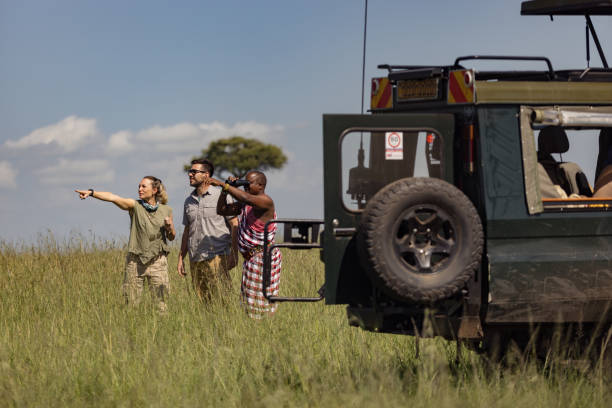
- In-Park Transport: Within the parks, you will travel in specially adapted 4×4 safari vehicles, essential for navigating the terrain and for excellent game viewing (and birding) with pop-up roofs.
Accommodation
Accommodation options range from comfortable tented camps to more luxurious lodges. For serious birders, staying in strategically located camps that offer early morning and late afternoon birding opportunities around the lodge grounds is beneficial.
- Nyerere National Park: Options include riverside lodges and tented camps, many offering boat safaris directly from their location.
- Ruaha National Park: Lodges and camps are often situated with views of the plains or river, providing excellent opportunities for spotting birds and mammals from your room or common areas.
For 2026 and 2027 travel, booking your preferred accommodation well in advance is crucial, as popular options fill up quickly, especially during peak seasons.
Guides
The quality of your guide is paramount for a successful birding expedition. An experienced birding guide will:
- Possess extensive knowledge of local bird species, their calls, and habitats.
- Be adept at spotting even well-camouflaged birds.
- Understand bird behavior and optimal viewing times.
- Be able to identify birds by sound.
- Help you navigate the parks efficiently to find target species.
Ensure your tour operator provides a specialist birding guide for your 10-Day Southern Tanzania Birding Expedition.
What to Pack
Packing smart is essential for comfort and effectiveness. Key items include:
- Binoculars: High-quality binoculars (8×42 or 10×42 are recommended) are non-negotiable.
- Field Guide: A good field guide to the birds of East Africa.
- Camera: With a good zoom lens for photographing birds.
- Appropriate Clothing: Lightweight, neutral-colored clothing (khaki, olive, brown). Long sleeves and trousers for sun and insect protection. A warm fleece or jacket for cool mornings and evenings.
- Sun Protection: Wide-brimmed hat, sunglasses, and high SPF sunscreen.
- Insect Repellent: Containing DEET or Picaridin.
- Comfortable Walking Shoes: And sandals for relaxing at the lodge.
- Personal First-Aid Kit: Including any personal medications.
- Water Bottle: Reusable bottles are encouraged.
Health and Safety
Consult your doctor well in advance regarding necessary vaccinations and malaria prophylaxis. Tanzania is a malaria-endemic country. Ensure you have adequate travel insurance.
Cost Considerations for Your Expedition (2026-2027)
The cost of a 10-Day Southern Tanzania Birding Expedition can vary significantly based on the level of accommodation, mode of transport (especially domestic flights), group size, and the inclusions of the tour package. For 2026 and 2027 trips, it’s wise to get detailed quotes early.
Generally, expect costs to range from $4,500 to $9,000+ per person, sharing basis. This typically includes:
- Accommodation in mid-range to luxury lodges/camps.
- All meals (full board).
- Park entrance fees.
- All game drives and activities in 4×4 vehicles.
- Expert birding guide.
- Domestic flights (e.g., Dar es Salaam to Nyerere, Nyerere to Ruaha, Ruaha to Dar es Salaam).
- Crater service fees where applicable.
- Bottled water in the safari vehicle.
Not typically included:
- International flights.
- Visa fees.
- Travel insurance.
- Gratuities for guides and lodge staff.
- Alcoholic and soft drinks.
- Personal expenses.
Factors influencing price for 2026-2027:
- Accommodation Level: Tented camps versus luxury lodges.
- Season: Peak season (dry season) is usually more expensive.
- Private vs. Group Tour: Private tours offer more flexibility but are generally more expensive per person than shared departures.
- Number of Domestic Flights: Minimizing flights can reduce costs but increase travel time.
For accurate pricing and to discuss options for your 10-Day Southern Tanzania Birding Expedition in 2026 or 2027, contacting a reputable tour operator like Top Best Tanzania Tour Operator is highly recommended. You can reach them via WhatsApp +255616946642 or email at topguideadventures@gmail.com.
Why Book with Top Best Tanzania Tour Operator?
Choosing the right tour operator is crucial for a specialized trip like a birding expedition. Top Best Tanzania Tour Operator is a local company with deep knowledge of Tanzania’s parks and birdlife. They offer:
- Expert Birding Guides: Experienced guides who are passionate and knowledgeable about ornithology.
- Customizable Itineraries: Tailoring your 10-Day Southern Tanzania Birding Expedition to your specific interests, pace, and budget for 2026-2027.
- Logistical Expertise: Handling all bookings for domestic flights, accommodations, and park permits efficiently.
- Local Insight: Providing authentic experiences and supporting local communities.
- Competitive Pricing: Offering excellent value for money without compromising on quality.
They understand the nuances of birding in Southern Tanzania and can help you plan a trip that maximizes your chances of seeing your target species. Their commitment to responsible tourism ensures your adventure contributes positively to conservation efforts.
Preparing for Your 2026-2027 Birding Adventure
As you finalize plans for your 10-Day Southern Tanzania Birding Expedition for 2026 or 2027, consider these final preparation steps:
- Physical Fitness: While not overly strenuous, some walking safaris might be involved. Ensure you are comfortable with moderate activity.
- Mental Preparation: Birding requires patience. Enjoy the journey, the landscapes, and the unexpected sightings as much as ticking off specific species.
- Photography Gear: Test your camera equipment and ensure you have sufficient memory cards and batteries.
- Learning Bird Calls: Familiarizing yourself with common bird calls beforehand can significantly enhance your experience.
- Communication: Inform your tour operator of any specific birding interests or dietary requirements well in advance.
Southern Tanzania offers a raw, untamed beauty that captivates every visitor, especially those with a keen eye for avian wonders. A 10-Day Southern Tanzania Birding Expedition is more than just a safari; it’s an immersion into a vibrant ecosystem teeming with life. Planning for 2026 and 2027 gives you ample time to prepare for an extraordinary journey.
To start planning your bespoke 10-Day Southern Tanzania Birding Expedition, get in touch with the experts at Top Best Tanzania Tour Operator. You can reach them via WhatsApp +255616946642, email at topguideadventures@gmail.com, or their backup email info@topguideadventures.com. Let them craft your perfect birding adventure in the wild heart of Tanzania.



