
A 12-Day Tanzania Primates and Wildlife Safari offers an unparalleled journey into the heart of East Africa’s most biodiverse and captivating landscapes. This isn’t just any safari; it’s a carefully curated expedition that begins with the intimate, awe-inspiring world of chimpanzees and culminates in the vast, dramatic plains teeming with iconic African wildlife. For those planning their adventure in 2026 or 2027, this itinerary promises an experience that balances the thrill of primate tracking with the classic spectacle of the Serengeti and Ngorongoro Crater, ensuring a comprehensive and deeply rewarding exploration of Tanzania’s natural wonders.
This unique 12-day program is designed for travelers who wish to witness two distinct yet equally magnificent facets of Tanzania’s wildlife heritage. We start in the western regions, renowned for their ancient forests and the habituated chimpanzee communities studied by Jane Goodall, before transitioning to the northern circuit’s legendary savanna ecosystems. This approach allows for a profound connection with primates in their natural, undisturbed habitat, followed by the breathtaking scale of the Great Migration and the concentrated wildlife of the Ngorongoro Crater.
Why a 12-Day Tanzania Primates and Wildlife Safari is Exceptional
The allure of Tanzania lies in its staggering diversity. While many associate Tanzania solely with the sweeping plains of the Serengeti and the Ngorongoro Crater, the country also harbors ancient rainforests in its western reaches, offering a sanctuary for our closest primate relatives. A 12-Day Tanzania Primates and Wildlife Safari strategically combines these contrasting environments, providing a richer, more complete picture of Tanzania’s ecological marvels. This itinerary is ideal for travelers looking to maximize their time and experience the full spectrum of what Tanzania offers, from the delicate social structures of chimpanzees to the majestic herds of wildebeest and zebras.
By dedicating time to both primate trekking and classic game drives, you gain a multifaceted understanding of the African wilderness. The intimate encounters with chimpanzees, where you can observe their complex behaviors and social bonds, offer a humbling perspective. This is followed by the grand, sweeping vistas and the sheer abundance of large mammals that make the northern circuit world-famous. This duality is what makes a 12-Day Tanzania Primates and Wildlife Safari particularly rewarding, especially for those planning their trip for 2026 or 2027, allowing ample time for both types of experiences without feeling rushed.
Understanding the Two Key Components of Your 12-Day Tanzania Primates and Wildlife Safari
This comprehensive safari is structured around two primary wildlife experiences:
- Primate Tracking in Western Tanzania: This segment focuses on the ancient forests of Gombe Stream National Park or Mahale Mountains National Park. Here, the primary goal is to locate and observe wild chimpanzees. This involves hiking through dense vegetation, guided by experienced trackers who know the habits and territories of the chimpanzee families. It’s a deeply immersive experience, offering close-up views of these intelligent primates in their natural environment.
- Classic Wildlife Viewing in Northern Tanzania: This part of the safari takes you to the iconic Serengeti National Park and the Ngorongoro Conservation Area. These regions are celebrated for their vast open plains, acacia woodlands, and the sheer density and diversity of wildlife, including the “Big Five” (lion, leopard, elephant, rhino, and buffalo), giraffes, cheetahs, and vast herds of herbivores, particularly during the migration season.
The sequence of these experiences is crucial. Typically, the primate tracking is undertaken first, allowing for focused observation of chimpanzees. Following this, the journey moves to the northern circuit for a more traditional safari experience. This flow ensures that each environment is appreciated for its unique offerings, providing a holistic view of Tanzania’s incredible biodiversity. Planning for 2026 or 2027 allows us to fine-tune this itinerary based on the best times for both primate viewing and wildlife migration patterns.
Proposed 12-Day Tanzania Primates and Wildlife Safari Itinerary
This is a sample itinerary designed to maximize your experience. Exact timings and park choices (Gombe vs. Mahale) can be customized. All internal flights and transfers are included for a smooth journey.
Days 1-3: Arrival in Dar es Salaam & Transfer to Gombe Stream National Park
Your adventure begins upon arrival at Julius Nyerere International Airport (DAR) in Dar es Salaam. You’ll be met by our representative and transferred to your hotel for an overnight stay, allowing you to rest and acclimatize. The next morning, you’ll fly from Dar es Salaam to Kigoma, the gateway town to Gombe Stream National Park. From Kigoma, a boat transfer will take you to your lodge located on the shores of Lake Tanganyika, adjacent to the park. Days 2 and 3 are dedicated to your first chimpanzee trekking experiences in Gombe, following the trails of the famous Kasakela chimpanzee community.
Day 4: Gombe Stream National Park Exploration
Continue your exploration of Gombe Stream. Besides chimpanzees, the park is home to diverse birdlife, colobus monkeys, and other primates. You can also enjoy a boat trip on Lake Tanganyika, the world’s second-deepest freshwater lake, offering a different perspective of the surrounding landscape and its inhabitants.
Days 5-6: Transfer to Mahale Mountains National Park (Optional Alternative to Gombe)
For a more remote and perhaps even more rewarding chimpanzee experience, we can substitute Gombe with Mahale Mountains National Park. This involves a scenic boat trip or a short flight from Kigoma to Mahale. Mahale offers stunning landscapes where the mountains meet the lake, and its chimpanzee population is equally fascinating. Days 5 and 6 will be spent trekking and observing chimpanzees here, often with fewer visitors than Gombe.
Day 7: Fly to Arusha & Prepare for Northern Circuit
After your primate adventures, you’ll take a flight from Kigoma (or a nearby airstrip if from Mahale) back to Dar es Salaam, connecting to a flight to Arusha, the safari capital of northern Tanzania. You’ll check into your lodge in Arusha, where you can relax and prepare for the iconic northern circuit safari. This day also serves as a buffer for any travel delays.
Days 8-9: Serengeti National Park – The Endless Plains
Your journey into the heart of the Serengeti begins with a scenic flight from Arusha to a central airstrip in the Serengeti. Upon landing, you’ll be met by your dedicated safari guide and vehicle. The next two days are devoted to exploring the vast plains of Serengeti National Park. Depending on the time of year, your guide will position you to witness the Great Migration or focus on the resident wildlife populations known for their abundance, including lions, cheetahs, leopards, elephants, and giraffes. Game drives will be conducted in the morning and late afternoon, the prime times for wildlife activity.
Day 10: Ngorongoro Conservation Area & Crater Exploration
After a final morning game drive in the Serengeti, you’ll drive towards the Ngorongoro Conservation Area. En route, you might visit a Maasai village for a cultural interaction. You’ll then descend into the Ngorongoro Crater, a UNESCO World Heritage Site and one of the most densely populated wildlife areas in Africa. This natural amphitheater is home to an incredible array of animals, including the rare black rhino, lions, hyenas, wildebeest, zebras, and hippos. A full day of game driving within the crater floor is planned.
Day 11: Lake Manyara National Park or Tarangire National Park
On your final full day of safari, you have the option to visit either Lake Manyara National Park or Tarangire National Park. Lake Manyara is famous for its tree-climbing lions, large troops of baboons, and diverse birdlife, set against the backdrop of the Rift Valley escarpment. Tarangire, on the other hand, is renowned for its large elephant herds and baobab trees, especially prominent during the dry season. Your guide will help you choose based on recent wildlife sightings and your preferences.
Day 12: Departure from Kilimanjaro International Airport (JRO)
After breakfast, you will be driven to Kilimanjaro International Airport (JRO) for your international flight home, filled with memories of your incredible 12-Day Tanzania Primates and Wildlife Safari. Alternatively, you could extend your trip with a visit to Zanzibar for some beach relaxation.
Choosing Between Gombe and Mahale for Primate Encounters
Both Gombe Stream and Mahale Mountains National Parks offer extraordinary chimpanzee trekking, but they differ in accessibility, landscape, and overall experience. Understanding these differences is key to planning your 12-Day Tanzania Primates and Wildlife Safari, especially when booking for 2026 or 2027.
Gombe Stream National Park: The Pioneering Research Site
- Accessibility: Gombe is generally more accessible, requiring a flight to Kigoma and then a short boat ride. This makes it a slightly easier add-on to northern circuit safaris.
- Research Legacy: Famous for Dr. Jane Goodall’s groundbreaking research, Gombe has well-habituated chimpanzee communities, particularly the Kasakela group, making sightings very reliable.
- Landscape: It’s a relatively small park with steep valleys and lush forest, situated on the shores of Lake Tanganyika. The terrain can be challenging with muddy slopes.
- Other Wildlife: Besides chimpanzees, you can spot olive baboons, vervet monkeys, red-tailed monkeys, and a variety of birds.
- Accommodation: Options are more limited, typically including a guesthouse and a few tented camps.
Mahale Mountains National Park: The Remote Wilderness
- Accessibility: Mahale is more remote and requires a longer journey, usually involving a flight to a nearby airstrip followed by a boat transfer. This adds to its exclusivity and sense of adventure.
- Landscape: The park boasts dramatic mountainous terrain covered in dense rainforest, cascading down to the pristine waters of Lake Tanganyika. The views are spectacular.
- Chimpanzee Experience: Chimpanzee tracking here can be more challenging due to the steeper terrain, but the reward is a truly wild experience in a breathtaking setting. The habituated groups are also excellent for viewing.
- Other Wildlife: Mahale is also home to red colobus monkeys, Angolan colobus monkeys, and a rich birdlife. The lake itself is a highlight.
- Accommodation: Lodges here are often more luxurious and eco-friendly, designed to blend with the natural environment.
For a 12-Day Tanzania Primates and Wildlife Safari, choosing Mahale offers a more exclusive and visually stunning primate experience, while Gombe provides a more accessible and historically significant encounter. Your choice will influence travel times and costs, which we can detail when planning for 2026 or 2027.
The Northern Circuit: Serengeti and Ngorongoro – A Wildlife Spectacle
The second half of your 12-Day Tanzania Primates and Wildlife Safari immerses you in the world-renowned northern circuit. This is where you’ll encounter the quintessential African safari experience.
Serengeti National Park: The Land of Endless Plains
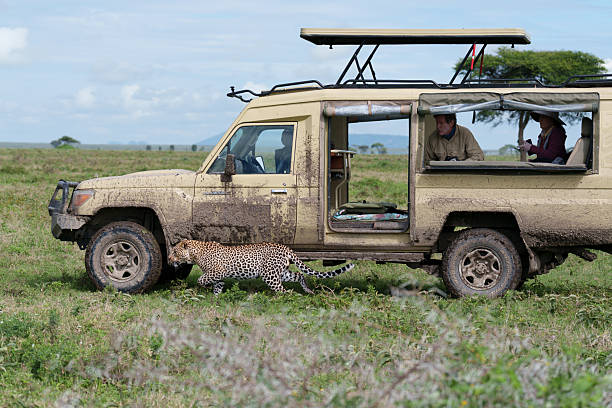
Serengeti is synonymous with the Great Migration, an annual spectacle where millions of wildebeest, zebras, and gazelles traverse the plains in search of greener pastures. The timing of your 2026 or 2027 safari will determine where best to witness this phenomenon. Beyond the migration, the Serengeti is a year-round wildlife haven, boasting an incredible density of predators like lions, leopards, and cheetahs, as well as elephants, giraffes, and a myriad of other species. Game drives here are conducted in open-top 4×4 vehicles, offering unobstructed views and photographic opportunities.
Ngorongoro Conservation Area: The Eighth Wonder of the World
The Ngorongoro Crater is a geological marvel, a vast caldera formed by a collapsed volcano, now a self-contained ecosystem supporting an astonishing concentration of wildlife. The sheer density of animals within its 260 square kilometers is astounding. You can expect to see the Big Five, including the critically endangered black rhino, in a single day. The landscape within the crater is diverse, featuring grasslands, swamps, and a soda lake, attracting a wide variety of animals. The experience of descending into the crater and spending a full day exploring its floor is unforgettable.
Logistics and Travel Considerations for Your 12-Day Tanzania Primates and Wildlife Safari
A safari of this scope requires careful planning, particularly the internal flights connecting the western and northern circuits. For your 12-Day Tanzania Primates and Wildlife Safari in 2026 or 2027, we handle all these intricate details.
Internal Flights
The journey involves several internal flights: Dar es Salaam to Kigoma (for Gombe), Kigoma to Mahale (if applicable), Kigoma back to Dar es Salaam, and then Dar es Salaam to Arusha, followed by a flight into the Serengeti. These flights are essential for covering the vast distances efficiently and maximizing your time for wildlife viewing. We partner with reliable local airlines to ensure smooth transit.
Accommodation
Accommodation ranges from comfortable lodges and tented camps in the western parks to a variety of options in the northern circuit, from luxury tented camps within Serengeti and Ngorongoro to comfortable lodges. We select accommodations that offer excellent locations, service, and opportunities for wildlife viewing, catering to different budget levels.
Best Time to Travel for Primates and Wildlife
The best time for a 12-Day Tanzania Primates and Wildlife Safari depends on your priorities:
- Chimpanzee Trekking: Chimpanzees can be tracked year-round in Gombe and Mahale. However, the dry seasons (June to October and December to February) are often preferred as the forest trails are less muddy, and animals may congregate around water sources.
- Serengeti Migration: The location of the Great Migration shifts throughout the year. For river crossings, July to September is ideal. For calving season, January to March is best. We can tailor your 2026 or 2027 itinerary to align with the migration’s predicted path.
- Ngorongoro Crater: Wildlife is present year-round in the Ngorongoro Crater, with resident populations making it a consistently excellent viewing destination.
Combining these elements means that a 12-Day Tanzania Primates and Wildlife Safari is generally excellent throughout the year, but specific months might offer advantages for certain sightings. We will guide you on the optimal timing for your 2026-2027 travel dates.
Pricing and Budget Considerations for 2026-2027
The cost of a 12-Day Tanzania Primates and Wildlife Safari can vary significantly based on several factors. Understanding these will help you budget effectively for your 2026 or 2027 adventure.
- Accommodation Level: From mid-range lodges to ultra-luxury tented camps, the choice of accommodation is a major cost driver.
- Park Fees: Tanzania has some of the highest park fees in Africa. These are charged per person, per day, and are non-negotiable.
- Internal Flights: The multiple internal flights required for this itinerary add a significant cost.
- Private vs. Group Safari: A private safari offers maximum flexibility and exclusivity but comes at a higher price point per person compared to joining a scheduled group departure.
- Time of Year: Peak seasons (e.g., July-September for migration) may see slightly higher prices for accommodation and flights.
As a rough guide, a 12-Day Tanzania Primates and Wildlife Safari typically ranges from $4,500 to $10,000+ per person, excluding international flights. This includes accommodation, most meals, park fees, vehicle and guide, and internal flights for the primate sector. We can provide a detailed, personalized quote for 2026 or 2027 based on your specific requirements and preferences. Please reach out to us directly for a custom quote.
Get Your Personalized Quote for 2026-2027
Ready to plan your dream 12-Day Tanzania Primates and Wildlife Safari? Contact us today for a detailed itinerary and a no-obligation quote tailored to your budget and interests for travel in 2026 or 2027.
WhatsApp: +255616946642
Email: topguideadventures@gmail.com
Backup Email: info@topguideadventures.com
What to Pack for Your 12-Day Tanzania Primates and Wildlife Safari
Packing smart is essential for comfort and enjoyment on your 12-Day Tanzania Primates and Wildlife Safari. The climate varies between the western forests and the northern savanna, so versatile clothing is key.
- Clothing: Lightweight, neutral-colored clothing (khaki, beige, olive green) is best. Avoid bright colors. Include long-sleeved shirts and trousers for sun and insect protection, especially during primate treks. Pack a warm fleece or jacket for cooler evenings and early mornings.
- Footwear: Comfortable, broken-in hiking boots are essential for primate trekking. Additionally, comfortable walking shoes or trainers for around the lodge and camp.
- Rain Gear: A lightweight, waterproof and breathable rain jacket is advisable, especially during the shoulder seasons or if traveling during a wetter period.
- Sun Protection: High SPF sunscreen, a wide-brimmed hat, and sunglasses are crucial.
- Insect Repellent: A strong insect repellent containing DEET is recommended.
- Camera Gear: Bring a good quality camera with extra batteries and memory cards. Binoculars are highly recommended for wildlife viewing.
- Health: Consult your doctor about necessary vaccinations and malaria prophylaxis well in advance of your 2026 or 2027 travel dates. A small first-aid kit is also advisable.
- Documents: Passport, visa (if required), travel insurance details, and copies of all important documents.
Frequently Asked Questions about the 12-Day Tanzania Primates and Wildlife Safari
Here are some common questions travelers have when considering this unique safari package for 2026 or 2027:
- Q1: Is a 12-day itinerary enough for both primates and wildlife?
- Yes, a 12-day itinerary is well-paced to cover both primate tracking in the west and classic wildlife viewing in the north. It allows sufficient time for travel between regions and dedicated days for each type of experience.
- Q2: How challenging is chimpanzee trekking?
- Chimpanzee trekking involves hiking through sometimes steep and muddy forest terrain. While not overly strenuous for most, a moderate level of fitness is recommended. Guides will assist you, and the duration of the trek can vary based on chimpanzee movements.
- Q3: Can I see the Great Migration on this 12-day trip?
- It is possible to see the Great Migration, but it depends on the specific month of your 2026 or 2027 safari. We will advise on the best timing and locations within Serengeti to maximize your chances of witnessing this incredible event.
- Q4: What is the difference in cost between Gombe and Mahale?
- Mahale is generally more expensive due to its remoteness, requiring more complex and costly logistics (flights, boat transfers). Gombe is more accessible and thus typically a more budget-friendly option for the primate component.
- Q5: What is the best time of year for this safari?
- For a balance of good primate viewing and wildlife sightings, the dry seasons (June-October and December-February) are often recommended. However, Tanzania offers excellent wildlife viewing year-round. We can help you choose the best time for your specific interests for 2026 or 2027.
- Q6: What are the visa and vaccination requirements?
- Visa requirements vary by nationality; please check with your local Tanzanian embassy. Recommended vaccinations often include Yellow Fever (depending on your travel route), Hepatitis A & B, Typhoid, and Tetanus. Malaria prophylaxis is usually advised. Always consult your doctor or a travel clinic at least 4-6 weeks before departure.
Booking Your 12-Day Tanzania Primates and Wildlife Safari for 2026-2027
A 12-Day Tanzania Primates and Wildlife Safari is an ambitious yet incredibly rewarding journey. It offers a depth of experience that few other itineraries can match, connecting you with both our closest primate relatives and the magnificent wildlife of Tanzania’s most famous parks. For those planning their dream safari in 2026 or 2027, this is an opportunity to create memories that will last a lifetime.
At Top Best Tanzania Tour operator, we specialize in crafting bespoke safari experiences. Our expert guides and extensive local knowledge ensure that your 12-Day Tanzania Primates and Wildlife Safari is not just a trip, but an adventure tailored to your specific interests and comfort level. We handle all the complex logistics, from internal flights and park permits to selecting the best accommodations and ensuring you have experienced, knowledgeable guides.
Don’t miss the chance to witness the wonders of Gombe or Mahale and the iconic landscapes of Serengeti and Ngorongoro. Book your 2026 or 2027 safari now to secure your preferred dates and accommodations. Contact us today to start planning your ultimate Tanzanian adventure.
WhatsApp: +255616946642
Email: topguideadventures@gmail.com
Backup Email: info@topguideadventures.com
Visit our website at www.topguideadventures.com for more safari options and inspiration, or check out our group departures at group departures. For Kilimanjaro treks, see our Machame route options. Follow us on Instagram @top_guide_adventures and read reviews on TripAdvisor here.



