
Planning an extensive exploration of Tanzania in 2026 or 2027? A 14-Day Tanzania Landscapes and Culture Tour offers the perfect blend of iconic wildlife viewing, breathtaking natural scenery, and deep dives into the heart of Swahili and Maasai traditions. This isn’t just a safari; it’s a journey that connects you with the soul of Tanzania, showcasing its diverse ecosystems and the warm hospitality of its people. From the endless savannas teeming with wildlife to the historical alleys of Stone Town and the tranquil shores of Zanzibar, this itinerary provides a comprehensive and deeply rewarding experience.
This detailed guide is crafted to help you envision and plan your 14-day adventure, covering everything from the must-see destinations and cultural highlights to practical considerations for 2026-2027 travel. We aim to provide the insights of a seasoned local operator, ensuring your journey is as enriching as it is logistically sound.
Understanding the Essence of a 14-Day Tanzania Landscapes and Culture Tour
The allure of Tanzania lies in its sheer diversity. A 14-day tour is an ideal duration to experience its most celebrated attractions without feeling rushed. It allows for sufficient time in each key location to truly absorb the atmosphere, witness significant wildlife movements, and engage meaningfully with local communities. This type of tour typically balances the thrill of game drives in world-renowned national parks with cultural immersion activities, providing a holistic view of what makes Tanzania so unique.
When we talk about Tanzania landscapes, we’re referring to the dramatic Great Rift Valley, the vast plains of the Serengeti, the unique caldera of the Ngorongoro Crater, the misty slopes of Mount Kilimanjaro (even if not climbing it, its presence is majestic), and the tropical beaches of Zanzibar. Coupled with this are the rich Tanzania cultures, from the ancient traditions of the Maasai people to the vibrant Swahili heritage of the coast and islands.
Crafting Your 14-Day Tanzania Itinerary: A Sample Journey
While every tour can be customized, a classic 14-Day Tanzania Landscapes and Culture Tour often follows a logical geographical flow, maximizing your time and minimizing travel disruptions. Here’s a potential itinerary that balances iconic wildlife encounters with profound cultural experiences, perfect for planning your 2026 or 2027 trip:
Day 1: Arrival in Arusha – Gateway to Northern Tanzania
Your journey begins upon arrival at Kilimanjaro International Airport (JRO). You’ll be met by our representative and transferred to your lodge in Arusha, the vibrant hub of Northern Tanzania. This is a chance to relax, acclimatize, and prepare for the adventures ahead. Enjoy a welcome dinner and briefing about your upcoming 14-Day Tanzania Landscapes and Culture Tour.
Accommodation: Arusha Coffee Lodge (or similar)
Day 2: Arusha – Cultural Immersion and Preparation
Today is dedicated to understanding the local context. Visit a local Maasai village to learn about their traditional way of life, their connection to the land, and their community structures. You’ll also have the opportunity to visit a local market or craft center, offering insights into daily life and local artistry. This cultural exchange is a cornerstone of our Tanzania culture tour experiences. In the afternoon, we’ll finalize any last-minute preparations for your safari.
Accommodation: Arusha Coffee Lodge (or similar)
Day 3: Tarangire National Park – Land of Giants
After breakfast, we depart for Tarangire National Park, famous for its large elephant herds and iconic baobab trees. Enjoy your first exhilarating game drive as you explore the park’s diverse landscapes, from its acacia woodlands to its rocky kopjes. Keep an eye out for lions, leopards, zebras, giraffes, and a plethora of bird species. Tarangire offers a more intimate safari experience compared to some of the larger parks.
Accommodation: Tarangire Sopa Lodge (or similar)
Day 4: Tarangire to Lake Manyara National Park
Morning game drive in Tarangire, seeking out any wildlife you may have missed. Later, we drive to Lake Manyara National Park. This park is renowned for its tree-climbing lions, although sightings are not guaranteed. The park is also home to a large population of baboons and offers stunning views of the Great Rift Valley escarpment. Enjoy a game drive around the lake, observing flamingos, hippos, and diverse birdlife.
Accommodation: Lake Manyara Serena Safari Lodge (or similar)
Day 5: Lake Manyara to Serengeti National Park
Today, we venture into the legendary Serengeti National Park, arguably the most famous wildlife sanctuary in the world. The name ‘Serengeti’ comes from the Maasai word ‘Siringet,’ meaning ‘endless plains.’ As you drive towards the central Serengeti, you’ll witness the vastness of this iconic landscape, a true marvel of Tanzania landscapes. Upon entering, your game drive begins, searching for the ‘Big Five’ (lion, leopard, elephant, rhino, buffalo) and countless other species.
Accommodation: Serengeti Sopa Lodge (or similar)
Day 6 & 7: Serengeti National Park – The Great Migration and Beyond
Two full days are dedicated to exploring the Serengeti. Depending on the time of year, you will be positioned to witness the Great Migration – the annual movement of millions of wildebeest, zebras, and gazelles across the plains in search of fresh grazing. Even outside of migration season, the Serengeti offers incredible predator-prey interactions and abundant resident wildlife. Optional activities like hot air balloon safaris can provide a breathtaking aerial perspective of the park’s landscapes and wildlife.
Accommodation: Serengeti Sopa Lodge (or similar)
Day 8: Serengeti to Ngorongoro Conservation Area
After a final morning game drive in the Serengeti, we depart for the Ngorongoro Conservation Area. En route, you might stop at Olduvai Gorge, a significant paleoanthropological site where early human fossils have been discovered, offering a glimpse into prehistoric Tanzania culture and history. Arrive at your lodge perched on the rim of the Ngorongoro Crater, offering spectacular views.
Accommodation: Ngorongoro Sopa Lodge (or similar)
Day 9: Ngorongoro Crater – A Natural Amphitheater of Wildlife
Descend into the Ngorongoro Crater, a UNESCO World Heritage Site and one of the most densely populated wildlife areas on Earth. This natural caldera, formed by a volcanic eruption, is a self-contained ecosystem supporting an astonishing array of animals, including the rare black rhino. Spend the day on a thrilling game drive, with opportunities to see lions, elephants, buffalo, hippos, flamingos, and a vast number of other species in this unique landscape.
Accommodation: Ngorongoro Sopa Lodge (or similar)
Day 10: Ngorongoro to Zanzibar – Island Paradise Awaits
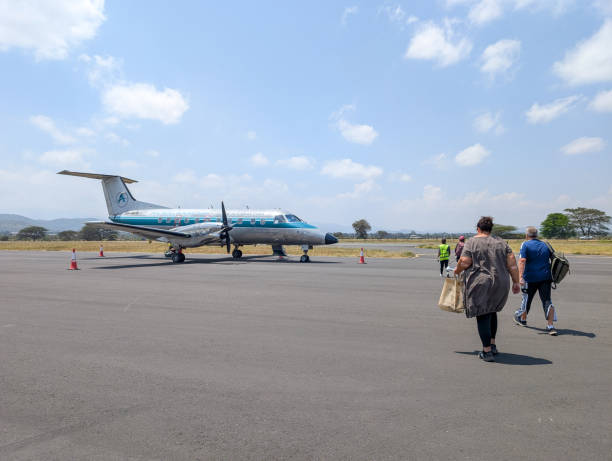
After breakfast and perhaps a final look at the crater, we drive back towards Arusha. From Arusha, you will take a short flight to the exotic island of Zanzibar. Upon arrival at Zanzibar Airport (ZNZ), you’ll be transferred to your beachfront hotel. The contrast between the savanna and the tropical coast is striking, marking a significant shift in your Tanzania landscapes experience.
Accommodation: Zanzibar Beach Resort (or similar)
Day 11 & 12: Zanzibar – Stone Town Heritage and Spice Tours
These days are dedicated to exploring Zanzibar’s rich history and vibrant culture. Visit Stone Town, a UNESCO World Heritage Site, with its labyrinthine alleys, intricately carved wooden doors, bustling bazaars, and historical landmarks like the House of Wonders and the Old Fort. Engage with the unique Swahili culture, a blend of African, Arab, Indian, and European influences. A guided spice tour is essential, allowing you to discover the island’s fragrant history as the ‘Spice Island,’ tasting and smelling exotic spices, fruits, and herbs.
Accommodation: Zanzibar Beach Resort (or similar)
Day 13: Zanzibar – Relaxation and Coastal Exploration
Enjoy a day at your leisure on Zanzibar’s pristine beaches. Relax by the turquoise waters of the Indian Ocean, swim, snorkel, or simply soak up the sun. You can also opt for additional activities such as a sunset dhow cruise, visiting Prison Island to see giant tortoises, or exploring local fishing villages. This day allows you to reflect on the incredible journey of your 14-Day Tanzania Landscapes and Culture Tour.
Accommodation: Zanzibar Beach Resort (or similar)
Day 14: Departure from Zanzibar
Depending on your flight schedule, you may have some free time for last-minute souvenir shopping or a final stroll along the beach. You will then be transferred to Zanzibar Airport (ZNZ) for your onward flight, carrying memories of Tanzania’s spectacular landscapes and rich culture.
Key Destinations and Their Significance
This 14-Day Tanzania Landscapes and Culture Tour itinerary highlights several of Tanzania’s most significant natural and cultural landmarks. Understanding their unique appeal is crucial for appreciating the depth of this journey.
Arusha: The Starting Point and Cultural Gateway
Arusha serves as the primary gateway to the northern safari circuit. Beyond its logistical importance, it offers a glimpse into Tanzanian urban life and provides excellent opportunities for initial cultural engagement. Visits to local communities near Arusha are often arranged to introduce travelers to the traditions of groups like the Maasai and Meru people. This initial cultural immersion sets the tone for the rest of the tour, emphasizing interaction and understanding rather than mere observation.
Tarangire National Park: Elephants and Baobabs
Tarangire is distinct for its massive elephant herds, particularly prominent during the dry season when they congregate around the Tarangire River. The park’s iconic baobab trees, with their distinctive silhouettes, create a surreal and memorable landscape. It’s also a birdwatcher’s paradise, boasting over 500 bird species. For those seeking a slightly less crowded, yet equally rewarding safari experience, Tarangire is a superb choice within any Tanzania landscapes exploration.
Lake Manyara National Park: A Compact Gem
Though smaller in size, Lake Manyara packs a punch. It’s celebrated for its diverse habitats within a compact area, including groundwater forests, alkaline lake shores, and acacia woodlands. This variety supports a rich wildlife population, including the famous tree-climbing lions, large troops of baboons, and thousands of flamingos that often paint the lake pink. The dramatic Rift Valley escarpment provides a stunning backdrop.
Serengeti National Park: The Endless Plains
The Serengeti is the heart of the safari experience for many. Its name, derived from the Maasai word for ‘endless plains,’ perfectly describes its vast, open grasslands that stretch to the horizon. This park is the stage for the Great Migration, an unparalleled natural spectacle. Beyond the migration, the Serengeti is home to an astonishing density of predators, including lions, leopards, cheetahs, and hyenas, making it a prime location for observing predator-prey dynamics. Planning your 2026 Tanzania safari or 2027 Tanzania safari around the migration season can be a highlight.
Ngorongoro Conservation Area: The Eighth Wonder
The Ngorongoro Crater is a geological marvel and a UNESCO World Heritage Site. Its sheer walls enclose a thriving ecosystem that supports an incredible density of wildlife, including the critically endangered black rhino. The crater floor is a microcosm of African wildlife, offering high chances of spotting the ‘Big Five’ in a single day. The conservation area also provides a unique model for human- wildlife coexistence, as Maasai communities still live within its boundaries, contributing to the rich Tanzania culture narrative.
Zanzibar: Spice Island and Swahili Coast
Zanzibar offers a dramatic contrast to the mainland’s wildlife-rich interiors. Its history as a trading hub has resulted in a fascinating cultural fusion, most evident in Stone Town. The island’s beaches are world-renowned for their white sands and clear turquoise waters. Exploring spice farms, learning about the island’s history of trade and slavery, and enjoying the relaxed island pace are integral parts of this segment of the 14-Day Tanzania Landscapes and Culture Tour.
Cultural Encounters: Beyond the Wildlife
A significant aspect of a 14-Day Tanzania Landscapes and Culture Tour is the opportunity for genuine cultural interaction. Tanzania is a mosaic of ethnic groups, each with unique traditions, languages, and customs. While the Maasai are perhaps the most internationally recognized, engaging with local communities offers a more nuanced understanding of Tanzanian society.
Maasai Village Visits
Visits to Maasai villages are often included. These are typically arranged in a way that is respectful and beneficial to the community. You’ll learn about their semi-nomadic lifestyle, their deep connection to cattle, their traditional dwellings (manyattas), and their social structures. Participating in a traditional dance or sharing a cup of fermented milk can be memorable experiences. It’s important to approach these visits with respect and an open mind, recognizing that these are living communities, not just tourist exhibits.
Stone Town Exploration
Stone Town in Zanzibar is a living museum. Its architecture tells tales of Omani sultans, Indian merchants, and European colonial powers. Wandering through its narrow streets, you’ll encounter spice shops, artisan workshops, and bustling markets. Engaging with local guides here provides invaluable insights into the history of trade, slavery, and the unique Swahili culture that defines the coast. The fusion of influences is palpable in the food, music, and daily life.
Spice Tours
Zanzibar’s identity as the ‘Spice Island’ is deeply rooted in its history. Spice tours offer a sensory journey through the island’s plantations. You’ll see, smell, and taste cloves, nutmeg, cinnamon, vanilla, cardamom, and various fruits. Learning about the cultivation and uses of these spices, both culinary and medicinal, connects you to a vital part of Zanzibar’s economy and heritage. These tours often include a traditional Swahili lunch, offering a taste of local cuisine.
Local Markets and Interactions
Throughout your journey, opportunities to visit local markets in towns like Arusha or near the parks provide a window into everyday Tanzanian life. Observing the vibrant trade, the array of produce, and the social interactions offers a grounded perspective. Engaging politely with vendors and locals, even with just a smile, can lead to more meaningful connections.
Practicalities for Your 2026-2027 Tanzania Adventure
Planning a trip for 2026 or 2027 requires attention to detail. Here are some practical considerations to ensure your 14-Day Tanzania Landscapes and Culture Tour is as smooth and enjoyable as possible.
Best Time to Travel
Tanzania has distinct seasons. The peak safari seasons are generally from June to October (the dry season, ideal for wildlife viewing and the Great Migration river crossings) and December to February (short rains, pleasant temperatures, good for birdwatching and calving season). The shoulder seasons (March-May, November) can offer lower prices and fewer crowds but may experience longer rains.
For 2026 and 2027 travel, booking well in advance is highly recommended, especially if you plan to travel during peak seasons or wish to secure specific lodges or dates. The Great Migration’s timing can vary slightly year to year, so consulting with experienced operators for the best viewing opportunities is advisable.
Visa Requirements
Most nationalities require a visa to enter Tanzania. This can often be obtained online in advance (e-visa) or upon arrival at major airports. It’s crucial to check the latest visa regulations for your specific nationality well before your travel dates for 2026-2027. Ensure your passport is valid for at least six months beyond your intended stay and has sufficient blank pages.
Health and Vaccinations
Consult your doctor or a travel clinic at least 4-6 weeks before your trip regarding recommended vaccinations and malaria precautions. Yellow fever vaccination is mandatory for entry from certain countries and may be required if you travel to Zanzibar from the mainland. While safari areas are generally low-risk for malaria, precautions are advised. Staying hydrated and using insect repellent is essential.
What to Pack
Packing for Tanzania involves layering and considering both safari and beach environments. Key items include:
- Lightweight, neutral-colored clothing (khaki, beige, green) for safaris. Avoid bright colors and dark blue/black, which can attract insects.
- Warm layers for early morning and evening game drives (fleece, jacket).
- Comfortable walking shoes and sandals.
- Sun protection: hat, sunglasses, high SPF sunscreen.
- Insect repellent with DEET.
- Binoculars for wildlife viewing.
- Camera with extra batteries and memory cards.
- Personal first-aid kit.
- Swimsuit for Zanzibar.
- A good book for relaxation.
Connectivity and Communication
Wi-Fi is available in most lodges and hotels, though speeds can vary. Purchasing a local SIM card upon arrival can be cost-effective for calls and data. For immediate assistance during your tour, our team is reachable via WhatsApp at +255616946642.
Choosing Your Safari Vehicle and Accommodation
The type of vehicle and accommodation significantly impacts your safari experience. For a 14-Day Tanzania Landscapes and Culture Tour, these choices are key.
Safari Vehicles
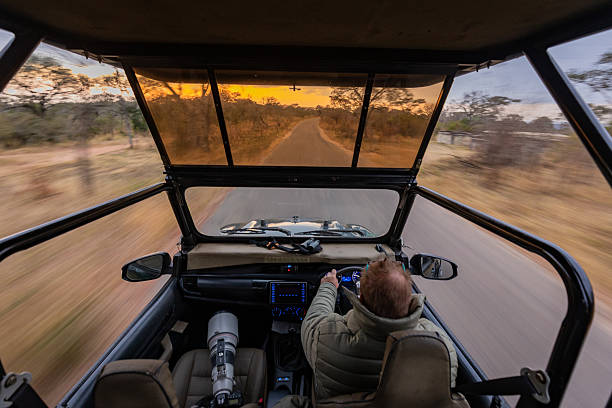
We primarily use custom-built 4×4 Land Cruisers or Land Rovers, equipped with pop-up roofs for optimal game viewing and photography. These vehicles are robust, comfortable, and designed for the challenging terrain of the parks. Private tours offer flexibility in game drive times and routes, while group tours follow a set itinerary for efficiency. For 2026 group departures, early booking is advised.
Accommodation Options
Tanzania offers a wide range of lodging, from comfortable mid-range lodges to luxurious tented camps and high-end hotels. Your choice impacts the overall budget and experience:
- Budget: Basic guesthouses and public campsites.
- Mid-Range: Comfortable lodges and tented camps with en-suite facilities, good amenities, and excellent locations. This is often the sweet spot for value on a 14-Day Tanzania Landscapes and Culture Tour.
- Luxury: High-end lodges and exclusive tented camps offering premium services, gourmet dining, and often more secluded locations.
For Zanzibar, beachfront resorts range from boutique hotels to larger establishments, offering various levels of comfort and amenities.
Budget Considerations for Your 2026-2027 Tour
The cost of a 14-Day Tanzania Landscapes and Culture Tour can vary significantly based on several factors:
- Accommodation level: Luxury lodges will be considerably more expensive than mid-range options.
- Group size: Private tours are generally more expensive per person than shared group tours.
- Time of year: Peak season travel commands higher prices.
- Inclusions: Whether park fees, meals, activities (like hot air ballooning), and internal flights are included.
A typical mid-range 14-day tour, including accommodation, park fees, most meals, a safari vehicle, guide, and internal flights, could range from $4,500 to $7,000+ per person for 2026-2027 travel. Luxury options can easily exceed $10,000 per person.
Estimated Tour Cost Factors (Per Person, Mid-Range):
| Category | Estimated Cost Range (USD) | Notes |
|---|---|---|
| Accommodation (13 nights) | $1,800 – $3,500 | Based on mid-range lodges and beach resorts. |
| Park Entrance Fees | $800 – $1,200 | Serengeti, Ngorongoro, Tarangire, Lake Manyara. |
| Vehicle, Guide & Fuel | $1,500 – $2,500 | For a 14-day private safari. Shared costs are lower. |
| Internal Flights (Arusha-Zanzibar) | $150 – $300 | Prices vary by airline and booking time. |
| Meals & Drinks | $500 – $1,000 | Depends on inclusions; some lodges are full board. |
| Cultural Activities/Tips | $100 – $300 | Village visits, guide tips, driver tips. |
Note: This is a general estimate. Exact pricing for 2026 and 2027 will depend on specific lodge choices, group size, and chosen inclusions. For a personalized quote, please contact us.
Included vs. Excluded Costs
When reviewing quotes for your 14-Day Tanzania Landscapes and Culture Tour, pay close attention to what is included. Typically, park fees, accommodation, vehicle, guide, and meals (often full board on safari, half board or breakfast in Zanzibar) are covered. Exclusions often include international flights, visa fees, travel insurance, tips, personal expenses, and optional activities like hot air balloon safaris.
Booking Your 2026-2027 Tanzania Tour
Securing your 14-Day Tanzania Landscapes and Culture Tour for 2026 or 2027 is a significant step towards an unforgettable adventure. As a dedicated Tanzania tour operator, we specialize in crafting personalized itineraries that capture the essence of this incredible country.
We recommend booking at least 6-12 months in advance, especially for popular travel dates or specific lodge preferences. Early booking ensures availability and allows us to secure the best rates for your chosen accommodations and internal flights. Our team is ready to assist you every step of the way, from initial planning to your departure.
To discuss your dream 14-Day Tanzania Landscapes and Culture Tour, get a personalized quote, or inquire about 2026 and 2027 group departures, please reach out to us:
Contact Us:
- WhatsApp: +255616946642
- Email: topguideadventures@gmail.com
- Backup Email: info@topguideadventures.com
Let us help you design the perfect Tanzanian experience, blending its breathtaking landscapes with its rich cultural heritage for a journey you’ll cherish for a lifetime.
Whether you’re dreaming of witnessing the Great Migration, exploring the depths of the Ngorongoro Crater, or immersing yourself in the vibrant culture of Zanzibar, our 14-Day Tanzania Landscapes and Culture Tour is designed to deliver an extraordinary adventure in 2026 or 2027.



