
Updated planning guide for 2026, 2027-2028
2 Days Lake Manyara And Ngorongoro Safari From Moshi: Best Guide
Discover the magic of a 2-day safari adventure from Moshi, combining the unique soda lake of Lake Manyara with the breathtaking Ngorongoro Crater. This comprehensive guide provides all the details you need to plan your unforgettable Tanzanian wildlife experience.
WhatsApp +255616946642 | topguideadventures@gmail.com | info@topguideadventures.com
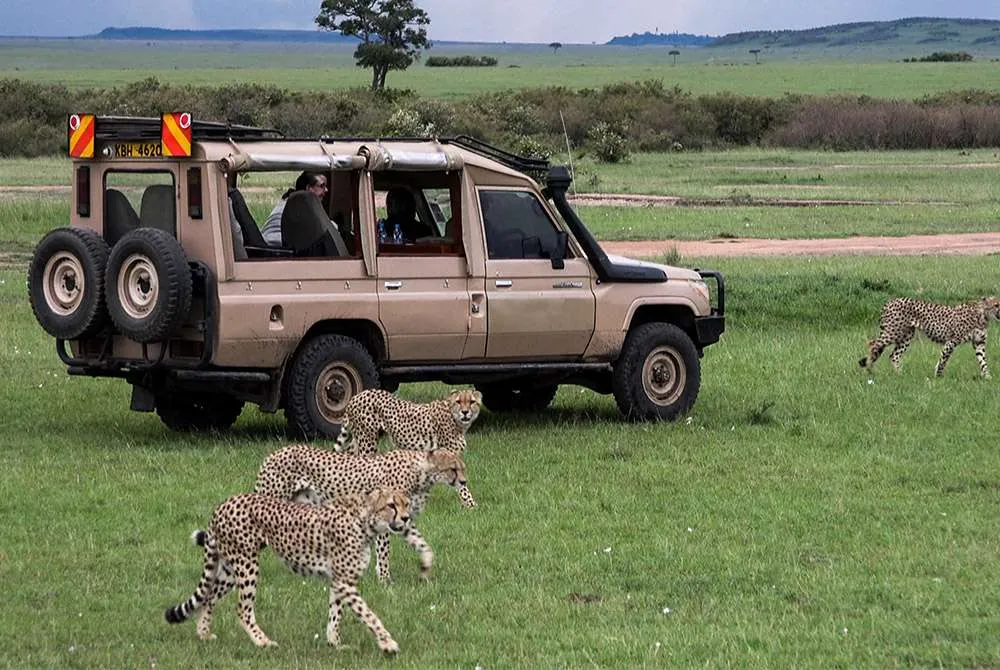
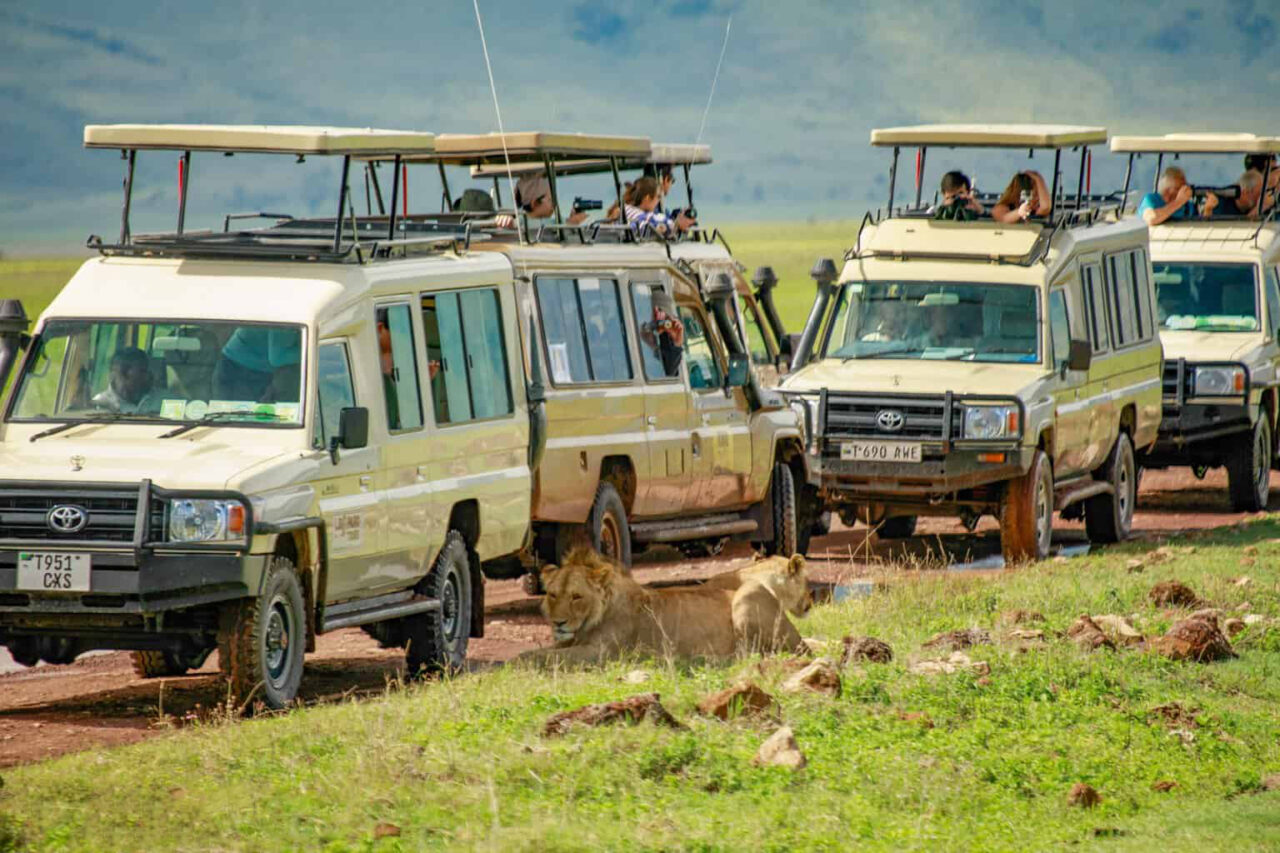
A 2 Days Lake Manyara and Ngorongoro Safari From Moshi offers an incredible introduction to Tanzania’s world-renowned wildlife and stunning landscapes. This short, yet impactful, safari is perfectly suited for those with limited time, perhaps before or after climbing Mount Kilimanjaro, or as a standalone taste of East African safari magic. Starting from the bustling town of Moshi, gateway to Kilimanjaro, this itinerary efficiently packs in two of the Northern Circuit’s most captivating destinations.
Lake Manyara National Park is famed for its tree-climbing lions, diverse birdlife, and its beautiful soda lake that attracts large flocks of flamingos. Following this, the Ngorongoro Conservation Area, and specifically the Ngorongoro Crater, presents a unique ecosystem often called ‘Africa’s Eden’ due to its high concentration of wildlife within a natural caldera. This guide will walk you through everything you need to know to plan your 2-day journey, from understanding the logistics to making the most of your wildlife encounters in 2026 and 2027.
Quick Facts: 2 Days Lake Manyara & Ngorongoro Safari from Moshi
| Duration | 2 Days / 1 Night |
|---|---|
| Starting Point | Moshi, Tanzania |
| Ending Point | Moshi, Tanzania (or Arusha) |
| Key Parks | Lake Manyara National Park, Ngorongoro Conservation Area (Crater Floor) |
| Wildlife Highlights | Lions (tree-climbing), elephants, hippos, flamingos, buffalo, wildebeest, zebras, diverse bird species. Potential for rhino in Ngorongoro. |
| Accommodation Type | Mid-range lodge/tented camp (typically outside park gates or on crater rim) |
| Travel Style | Private safari vehicle (4×4 Land Cruiser) with dedicated driver-guide. |
| Best Time to Travel | Dry seasons: June to October; December to February. Wet seasons can offer lush scenery and fewer crowds. |
Table of Contents
- Safari Overview
- Why Choose a 2-Day Lake Manyara & Ngorongoro Safari from Moshi?
- Best Time to Visit (2026 & 2027)
- Route & Area Overview
- Sample 2-Day Itinerary
- What to Expect on Your Safari
- Wildlife Spotting: Lake Manyara vs. Ngorongoro Crater
- Accommodation Options
- Typical Inclusions & Exclusions
- Packing & Preparation Checklist
- Common Mistakes to Avoid
- Who is This Safari Best Suited For?
- Alternatives to Consider
- Planning Your Safari for 2026-2027
- Booking Advice
- Frequently Asked Questions (FAQs)
Safari Overview
This 2-day safari is designed for efficiency and impact, maximizing your chances of seeing diverse wildlife in two distinct but nearby ecosystems. You’ll depart from Moshi early on day one, driving towards Lake Manyara National Park. After a morning game drive, you’ll continue to the Ngorongoro Conservation Area, checking into your lodge and preparing for an early start the next day.
Day two is dedicated to descending into the Ngorongoro Crater, a UNESCO World Heritage Site, for an intensive game drive. The crater floor is a compact 260 square kilometers, but it teems with an astonishing array of animals. After a fulfilling morning and early afternoon exploring the crater, you will begin your journey back to Moshi, arriving in the late afternoon or early evening. This whirlwind trip provides a concentrated dose of Tanzania’s natural wonders.
Why Choose a 2-Day Lake Manyara & Ngorongoro Safari from Moshi?
Several compelling reasons make this 2-day safari an excellent choice for many travelers:
- Time Efficiency: It’s the perfect option for those with a tight schedule. You can experience two iconic safari destinations without committing to a longer trip.
- Proximity to Moshi: For travelers based in Moshi, whether for Kilimanjaro climbs or local exploration, this safari is logistically convenient, minimizing travel time to the parks.
- Diverse Ecosystems: You’ll witness the unique groundwater forest of Lake Manyara and the compact, wildlife-rich caldera of Ngorongoro, offering varied landscapes and animal viewing opportunities.
- High Wildlife Concentration: Both parks boast impressive wildlife densities. Lake Manyara is known for its baboons, large elephant herds, and the elusive tree-climbing lions, while the Ngorongoro Crater is home to a remarkable concentration of predators and herbivores, including the possibility of seeing the endangered black rhino.
- Affordability (Relative): Compared to longer Northern Circuit safaris, a 2-day trip can be a more budget-friendly way to experience Tanzania’s premier wildlife destinations.
- Introduction to Tanzania’s Safari: It serves as a fantastic introduction for first-time safari-goers, showcasing the magic of African wildlife in a manageable timeframe.
Best Time to Visit (2026 & 2027)
The best time for a 2 Days Lake Manyara and Ngorongoro Safari From Moshi largely depends on your preferences regarding weather and wildlife viewing conditions. Tanzania experiences distinct wet and dry seasons.
Dry Seasons (Recommended for optimal game viewing):
- June to October: This is the peak of the dry season. Wildlife congregates around permanent water sources, making them easier to spot. The vegetation is less dense, improving visibility. Skies are generally clear, offering excellent photography opportunities. However, this is also the peak tourist season, meaning higher accommodation rates and more visitors.
- December to February: This is another dry period, often referred to as the ‘short rains’ or ‘little dry season’. It’s a good time to visit, with pleasant weather and good game viewing. It’s also when many wildebeest and zebras calve in the Serengeti, though this is less relevant for a short trip focused on Manyara and Ngorongoro. This period can be popular around Christmas and New Year.
Wet Seasons (Can offer unique advantages):
- March to May: This is the long rainy season. The landscape is lush and green, providing stunning backdrops. Tourist numbers are lower, and prices may be more affordable. However, game viewing can be more challenging as animals disperse and water is plentiful. Some roads within parks might become difficult to navigate, though major routes are usually accessible.
- November: This month often sees the ‘short rains’ or transitional period. You might experience occasional showers, but game viewing is generally still good.
For planning your 2026 or 2027 safari, consider that the dry seasons offer the most predictable and concentrated wildlife viewing. However, shoulder months like November or early December can offer a good balance of decent weather, fewer crowds, and potentially better value.
Route & Area Overview
The safari route is relatively straightforward, taking advantage of the proximity of these parks to Moshi and each other.
| Leg | Direction | Distance (Approx.) | Travel Time (Approx.) | Notes |
|---|---|---|---|---|
| Moshi to Lake Manyara NP | South-West | 180-200 km | 3-4 hours | Roads are generally good. Pass through Arusha. |
| Lake Manyara NP to Ngorongoro Conservation Area (Entry Gate) | West | 50-60 km | 1-1.5 hours | Scenic drive, entering the conservation area. |
| Ngorongoro Crater Floor Game Drive | Descent into Crater | N/A | 4-6 hours | Requires special park permits and vehicle access. |
| Ngorongoro Conservation Area (Crater Rim/Gate) back to Moshi | East | 220-250 km | 4-5 hours | Roads can be bumpy in parts, especially after rain. |
Note: Travel times are estimates and can vary significantly based on road conditions, traffic, and stops.
Sample 2-Day Itinerary
This is a typical itinerary for a 2 Days Lake Manyara and Ngorongoro Safari From Moshi. Your tour operator will customize this based on your preferences and accommodation choices.
| Day | Morning | Afternoon | Evening |
|---|---|---|---|
| Day 1: Moshi to Lake Manyara National Park | 07:00 AM: Depart from Moshi after breakfast. Your driver-guide will pick you up in a custom 4×4 safari vehicle. The drive takes approximately 3-4 hours, passing through Arusha. | 11:00 AM: Arrive at Lake Manyara National Park. Begin your game drive, exploring the park’s diverse habitats, from groundwater forests to acacia woodlands and the soda lake shore. Look for elephants, baboons, giraffes, buffalo, and the famous tree-climbing lions. Enjoy a picnic lunch within the park. Continue your game drive until late afternoon. | 04:00 PM: Depart from Lake Manyara and drive towards the Ngorongoro Conservation Area. Check into your lodge, typically located near the crater rim or on the outer slopes. Enjoy dinner and relax, preparing for an early start tomorrow. |
| Day 2: Ngorongoro Crater & Return to Moshi | 06:00 AM: Early breakfast. Descend into the Ngorongoro Crater for a morning game drive. This is the prime time to spot predators like lions, hyenas, and jackals. You’ll also see large herds of wildebeest, zebras, buffalo, and potentially the rare black rhino. Spend time at the hippo pool and enjoy the stunning scenery within the caldera. A picnic lunch will be served on the crater floor. | 01:00 PM: Ascend from the crater floor. Begin your drive back towards Moshi. You might stop briefly at a Maasai village (optional, usually at extra cost) or for souvenir shopping if time permits. | 05:00 PM – 06:00 PM: Arrive back in Moshi. Your safari concludes, with memories to last a lifetime. |
What to Expect on Your Safari
A 2 Days Lake Manyara and Ngorongoro Safari From Moshi is a dynamic and rewarding experience. Here’s what you can anticipate:
- Early Starts: Safaris typically begin very early to maximize wildlife viewing opportunities. The best game viewing often occurs at dawn and dusk when animals are most active.
- Vehicle Comfort: You will travel in a custom-built 4×4 safari vehicle (usually a Land Cruiser) designed for rough terrain and optimal viewing. These vehicles have pop-up roofs for game viewing and photography.
- Expert Guides: Your driver-guide is crucial to your safari experience. They are knowledgeable about animal behavior, local flora and fauna, and the best spots for sightings. They are also trained in basic first aid and vehicle mechanics.
- Wildlife Sightings: While no safari guarantees specific sightings, Lake Manyara and Ngorongoro Crater are among the best places in Africa for wildlife viewing. Expect to see a wide variety of animals.
- Scenery: Prepare for breathtaking landscapes, from the acacia-dotted plains of Manyara to the verdant, enclosed ecosystem of the Ngorongoro Crater.
- Accommodation: Overnight stays are usually in comfortable lodges or tented camps. These range from mid-range to luxury, often situated with scenic views or convenient access to the parks. Lodges typically offer full board (breakfast, lunch, dinner).
- Picnic Lunches: Due to the remote locations and park regulations, lunches are often enjoyed as picnics in designated scenic spots within the parks.
- Road Conditions: Roads within the parks and conservation areas can vary from smooth to rough and dusty, especially during the wet season. Your safari vehicle is equipped to handle these conditions.
- Interaction: While you’ll have close encounters with wildlife from the safety of your vehicle, remember these are wild animals. Maintain a respectful distance and follow your guide’s instructions.
Wildlife Spotting: Lake Manyara vs. Ngorongoro Crater
Both destinations offer incredible wildlife viewing, but with distinct characteristics:
Lake Manyara National Park:
- Unique Feature: Famous for its tree-climbing lions, though sightings are not guaranteed.
- Habitats: A narrow strip of land between the Rift Valley escarpment and the soda lake. Features groundwater forests, acacia woodlands, and open grasslands.
- Key Animals: Large herds of elephants, large troops of baboons, giraffes, zebras, wildebeest, hippos, buffalo. Also a birdwatcher’s paradise with flamingos, pelicans, and numerous other species.
- Viewing Experience: The park is relatively small, allowing for good sightings in a shorter game drive. The dense forest can sometimes make spotting animals challenging, but the open lake shore and grasslands are excellent.
Ngorongoro Crater:
- Unique Feature: A UNESCO World Heritage Site and a natural caldera, renowned for its high density of wildlife in a confined space. Often called ‘Africa’s Eden’.
- Habitats: A diverse landscape within the crater floor includes grasslands, swamps, forests, and a soda lake.
- Key Animals: Excellent chances of seeing the Big Five (lion, leopard, elephant, buffalo, rhino). It is one of the best places to spot the endangered black rhino. Also abundant wildebeest, zebras, hippos, hyenas, jackals, flamingos, and over 500 bird species.
- Viewing Experience: The crater floor is a compact ecosystem, meaning you can see a vast array of animals in a single game drive. Predators are often seen hunting, and herbivores graze in large numbers. The steep walls of the crater create a dramatic backdrop.
While Lake Manyara offers unique species and environments, the Ngorongoro Crater provides an unparalleled concentration of animals in a spectacular setting, making the combination ideal for a short safari.
Accommodation Options
For a 2-day safari, accommodation is typically chosen for its proximity to the parks and its balance of comfort and value. Options usually fall into these categories:
- Mid-Range Lodges/Tented Camps: These offer comfortable rooms or tents with en-suite bathrooms, often with communal dining areas and lounges. They provide a good balance of amenities and an authentic safari feel without the ultra-luxury price tag. Many are located just outside the park gates or on the slopes leading up to the Ngorongoro Crater rim.
- Budget Camps: More basic tented camps or guesthouses might be available, offering simpler facilities but still providing a safe and clean place to stay. This is a good option for those on a tighter budget.
- Crater Rim Lodges (Luxury): For a splurge, some lodges are situated directly on the Ngorongoro Crater rim, offering spectacular views. These are typically more expensive and might be less practical for a quick 2-day trip unless the view is a priority.
Your tour operator will recommend options based on your budget and preferences. Most lodges offer full board, including breakfast, lunch, and dinner.
Typical Inclusions & Exclusions
Understanding what’s included in your safari package is crucial for budgeting and planning. While packages vary, here’s a general guide:
Likely Inclusions:
- Safari vehicle (4×4 Land Cruiser) with a professional English-speaking driver-guide.
- Fuel for the entire safari.
- Park entrance fees for Lake Manyara National Park and Ngorongoro Conservation Area (including crater service fee).
- Accommodation for 1 night (based on chosen lodge/camp type).
- Meals: Usually full board for the duration of the safari (breakfast, lunch, dinner).
- Drinking water in the safari vehicle.
- Crater descent fees.
Likely Exclusions:
- International and domestic flights.
- Visa fees.
- Tips for your driver-guide and lodge staff.
- Gratuities.
- Travel insurance.
- Personal expenses (e.g., souvenirs, laundry, drinks other than water).
- Optional activities like Maasai village visits.
- Alcoholic and soft drinks (often available for purchase at lodges).
- Any activities not specified in the itinerary.
Always confirm the exact inclusions and exclusions with your tour operator before booking.
Packing & Preparation Checklist
Packing smart is key for a comfortable safari. Focus on lightweight, practical items.
Clothing:
- Neutral-colored clothing: Khaki, beige, olive green, or brown are best to blend in with the environment. Avoid bright colors and white.
- Lightweight long-sleeved shirts and trousers: For sun protection and to ward off insects.
- T-shirts and shorts/skirts: For warmer afternoons.
- Fleece jacket or warm sweater: Evenings and early mornings can be cool, especially at higher altitudes like the Ngorongoro Crater rim.
- Rain jacket or poncho: Lightweight and waterproof, useful even in the dry season for unexpected showers.
- Comfortable walking shoes/trainers: You won’t be doing much walking, but comfortable footwear is essential.
- Sandals or flip-flops: For relaxing at the lodge.
- Swimsuit: If your lodge has a pool.
Gear & Essentials:
- Sunscreen: High SPF.
- Insect repellent: With DEET.
- Hat: Wide-brimmed for sun protection.
- Sunglasses: To protect your eyes.
- Camera and extra batteries/memory cards: You’ll take a lot of photos! Consider a zoom lens.
- Binoculars: Highly recommended for spotting distant wildlife.
- Reusable water bottle: Stay hydrated.
- Small backpack or daypack: For carrying essentials during game drives.
- Personal first-aid kit: With any personal medications, bandages, antiseptic wipes, pain relievers.
- Hand sanitizer.
- Wet wipes.
- Adapter: For charging electronics (check voltage and plug type for Tanzania).
- Headlamp or small flashlight: Useful around the lodge at night.
- Identification: Passport, visa, flight details, safari booking confirmation.
Preparation:
- Book in advance: Especially if traveling during peak seasons (June-Oct, Dec-Jan).
- Get necessary vaccinations and malaria prophylaxis: Consult your doctor or a travel clinic well in advance of your trip.
- Pack light: Most safari vehicles have limited luggage space. Soft duffel bags are often preferred over hard suitcases.
- Inform your bank: About your travel dates to avoid issues with card usage.
- Learn a few Swahili phrases: A little goes a long way.
Common Mistakes to Avoid
To ensure your 2 Days Lake Manyara and Ngorongoro Safari From Moshi is as smooth and enjoyable as possible, be aware of these common pitfalls:
- Underestimating travel times: Tanzania’s roads can be slow. Always factor in buffer time.
- Not booking in advance: Especially for popular lodges and during peak seasons (2026 and 2027 travel should be booked early).
- Overpacking: Space in safari vehicles is limited. Stick to essentials.
- Forgetting essential items: Sunscreen, insect repellent, and a hat are non-negotiable.
- Expecting guaranteed sightings: Wildlife is wild. While these parks offer high chances, flexibility and patience are key.
- Not listening to your guide: They are experts for a reason. Follow their advice on safety and wildlife viewing.
- Wearing bright or white clothing: Neutral colors are best for camouflage and respect.
- Not staying hydrated: The African sun can be intense. Drink plenty of water.
- Trying to cram too much into 2 days: This itinerary is already packed. Resist the urge to add more destinations.
- Not confirming inclusions/exclusions: Be clear on what your package covers to avoid unexpected costs.
Who is This Safari Best Suited For?
This 2-day safari is ideal for a variety of travelers:
- Time-Constrained Travelers: Those with only a weekend or a few extra days available.
- Kilimanjaro Climbers: A perfect add-on before or after a climb, starting and ending conveniently in Moshi.
- First-Time Safari Goers: A fantastic introduction to the magic of African wildlife without a long commitment.
- Budget-Conscious Travelers: A more affordable way to experience two of Tanzania’s top parks compared to longer safaris.
- Photography Enthusiasts: Offers diverse landscapes and abundant wildlife for stunning photos.
- Couples and Small Groups: Offers an intimate wildlife experience.
- Travelers Seeking Variety: Experience different environments within a short period.
Alternatives to Consider
While the 2-day Lake Manyara and Ngorongoro safari from Moshi is excellent, other options might better suit different preferences or timeframes:
Longer Northern Circuit Safaris:
- 3-4 Day Safari (Tarangire, Manyara, Ngorongoro): Adds Tarangire National Park, famous for its large elephant herds and baobab trees. Offers a more relaxed pace.
- 5-7 Day Safari (Serengeti, Manyara, Ngorongoro, Tarangire): Includes the iconic Serengeti National Park, essential for experiencing the vast plains and the Great Migration (depending on the season). This is the classic Northern Circuit itinerary.
Day Trips from Arusha/Moshi:
- 1 Day Arusha National Park: Closer to Moshi, offering opportunities to see colobus monkeys, diverse birdlife, and Mount Meru views. Good for a very short wildlife fix.
- 1 Day Tarangire National Park: A long day trip, but possible for those who want to see Tarangire’s elephants and baobabs.
Other Tanzanian Destinations:
- Zanzibar Beach Holiday: If relaxation and culture are priorities after a safari or climb.
- Southern Tanzania Safaris (Selous, Ruaha): Offers a more remote and wild experience, but requires more travel time and is not easily combined with a Moshi-based itinerary.
For those specifically looking for a 2-day experience from Moshi, the Lake Manyara and Ngorongoro combination remains the most popular and rewarding choice.
Planning Your Safari for 2026-2027
Planning ahead is key for a successful safari, especially for travel in 2026 and 2027. Here are some tips:
Booking Timeline:
- 12+ Months Ahead: If you’re planning during peak seasons (June-Oct, Dec-Jan) or have specific lodge requests, booking this far in advance is advisable. This is especially true for popular 2026 dates.
- 6-9 Months Ahead: A good window for most bookings, ensuring availability for your preferred dates and accommodation type for 2027 travel.
- 3-6 Months Ahead: Still possible, but options might be more limited, particularly for the 2-day itinerary which often uses specific lodges.
Budgeting Considerations for 2026-2027:
- Park Fees: These are set by the Tanzanian government and are subject to change annually. Expect them to remain a significant portion of the safari cost.
- Accommodation: Prices vary widely. Mid-range lodges are common for this itinerary. Luxury options will increase the cost.
- Vehicle and Guide: This is usually a fixed cost per day for the private vehicle and guide.
- Seasonality: Peak seasons (dry months) will generally be more expensive than the green/rainy seasons.
Visa and Health Requirements:
- Visas: Check current visa requirements for your nationality for Tanzania. Many can be obtained online or on arrival.
- Vaccinations & Malaria: Consult a travel clinic 4-6 weeks before departure. Yellow fever vaccination may be required if arriving from or transiting through certain countries. Malaria prophylaxis is highly recommended for most visitors.
Customization for 2026/2027:
Your tour operator can tailor the 2 Days Lake Manyara and Ngorongoro Safari From Moshi to your needs. Discuss:
- Accommodation preferences (mid-range, luxury).
- Dietary requirements.
- Specific interests (e.g., birdwatching, photography).
- Pace of the safari.
Booking Advice
Choosing the right tour operator is crucial for a memorable safari experience. Here’s how to approach booking your 2 Days Lake Manyara and Ngorongoro Safari From Moshi:
Choosing a Tour Operator:
- Reputation and Reviews: Look for operators with a strong track record and positive reviews on platforms like TripAdvisor.
- Local Knowledge: Prefer local Tanzanian operators. They often have better ground knowledge, support the local economy, and can offer more competitive pricing.
- Communication: A good operator will respond promptly and clearly to your inquiries. They should be transparent about itineraries, inclusions, and costs.
- Customization: Ensure they can tailor the trip to your specific needs and budget.
- Safety Standards: Inquire about their safety protocols, vehicle maintenance, and guide training.
The Booking Process:
- Get Quotes: Contact several reputable operators for quotes based on your desired dates and accommodation level.
- Compare Itineraries: Look beyond just the price. Compare what’s included, the quality of lodges, and the proposed daily schedule.
- Ask Questions: Don’t hesitate to ask about anything you’re unsure of. A good operator will be happy to clarify.
- Deposit and Payment: Most operators require a deposit (typically 20-50%) to confirm your booking, with the balance due closer to your departure date. Understand their payment terms and cancellation policy.
- Confirmation: Ensure you receive a detailed booking confirmation and itinerary.
Booking for 2026 & 2027:
As mentioned, booking for 2026 and 2027, especially if traveling during peak seasons, should be done well in advance. Early booking secures your preferred dates and accommodations, and often locks in prices before any potential increases.
Ready to plan your unforgettable 2-day safari? Contact us today to discuss your trip and receive a personalized quote. We are experienced local guides dedicated to providing exceptional safari experiences.
Get Your Custom Safari Quote:
WhatsApp: +255616946642
Email: topguideadventures@gmail.com
Backup Email: info@topguideadventures.com
Frequently Asked Questions (FAQs)
Q1: Is 2 days enough for Lake Manyara and Ngorongoro?
A1: Yes, a 2-day safari is sufficient to experience the highlights of Lake Manyara and the Ngorongoro Crater. It’s a fast-paced itinerary designed to maximize wildlife viewing in a limited time. You’ll get a good taste of both parks, but it won’t allow for a deep exploration or a relaxed pace.
Q2: What is the best time of year for this safari in 2026 or 2027?
A2: The dry seasons, from June to October and December to February, are generally considered the best times for optimal wildlife viewing due to concentrated animals around water sources and less dense vegetation. However, the green season can offer lush scenery and fewer crowds.
Q3: Can I see the Big Five on this 2-day safari?
A3: It is possible to see all of the Big Five (lion, leopard, elephant, buffalo, rhino) on this safari, especially within the Ngorongoro Crater. The crater has a high density of animals, and the chances of spotting most of them are good. Leopard sightings can be more elusive. Lake Manyara is less likely to yield a rhino sighting.
Q4: What is the difference between Lake Manyara and Ngorongoro Crater for wildlife?
A4: Lake Manyara is known for its tree-climbing lions, large baboon troops, and diverse birdlife in its groundwater forests and soda lake. Ngorongoro Crater is famous for its incredibly high concentration of wildlife within a compact caldera, offering excellent chances for spotting all Big Five, including the endangered black rhino, in a dramatic landscape.
Q5: What should I pack for a 2-day safari from Moshi?
A5: Pack light, neutral-colored clothing (long sleeves, trousers), a warm layer for mornings/evenings, a rain jacket, comfortable shoes, sunscreen, insect repellent, a hat, sunglasses, camera, and binoculars. A small backpack is useful for game drives. Refer to the detailed packing list in this guide.
Q6: How much does a 2 Days Lake Manyara and Ngorongoro Safari from Moshi cost?
A6: Exact prices vary based on the operator, accommodation level, season, and group size. Generally, expect costs to cover park fees, accommodation, vehicle, guide, and meals. Gratuities, personal expenses, and tips are usually extra. It’s best to get a custom quote from a reputable tour operator.
Q7: Are there any malaria risks on this safari?
A7: Yes, malaria is present in Tanzania, including the areas around Lake Manyara and Ngorongoro. It is highly recommended to consult your doctor or a travel clinic about malaria prophylaxis and other necessary vaccinations well in advance of your 2026 or 2027 trip.
Q8: Can I customize this itinerary?
A8: Absolutely. Most reputable tour operators can customize this 2 Days Lake Manyara and Ngorongoro Safari From Moshi to fit your interests, budget, and pace. You can discuss accommodation choices, dietary needs, and any specific wildlife you are particularly keen to see.
Q9: What is the best way to book this safari?
A9: The best way is to book through a reputable, local Tanzanian tour operator. Research their reviews, ensure clear communication, and get detailed quotes. Booking directly with an experienced operator like Best Tanzania Tour Operator ensures local expertise and often better value.
Ready for Your Adventure?
Your 2 Days Lake Manyara and Ngorongoro Safari From Moshi awaits! This carefully crafted itinerary offers an exceptional wildlife experience within a short timeframe, showcasing two of Tanzania’s most magnificent natural treasures. Whether you’re an avid wildlife enthusiast or a first-time visitor, this safari promises unforgettable encounters and breathtaking scenery.
Let us help you plan every detail for your 2026 or 2027 adventure. We are a dedicated team of local safari experts committed to providing authentic, high-quality, and memorable Tanzanian experiences. Get in touch to discuss your dream safari!
Contact Us for Your Custom Safari Quote:
WhatsApp: +255616946642
Email: topguideadventures@gmail.com
Backup Email: info@topguideadventures.com
Plan your 2 Days Lake Manyara and Ngorongoro Safari From Moshi with Top Guide Adventures
Tell us your travel dates, group size, comfort level, and dream experience. We will help you shape a clear, realistic, and memorable Tanzania itinerary.







 Veedesigner
 Fatma Kizanga
 Benjamin Waryuba
 Philip Philip
 John jr Itaja
 Antonia Optatus
 Edith Kanyere
 Neema Iddy
 Kelvin Boniphace
 Damari Maiga



