
Updated planning guide for 2026-2027
3-Day Budget Camping Masai Mara Shared Vehicle: Affordable Planning Guide
Discover how to experience the magic of the Masai Mara on a 3-day budget camping safari using a shared vehicle. This comprehensive guide covers everything from planning and itineraries to what to pack and booking essentials for your 2026-2027 adventure.
WhatsApp +255616946642 | topguideadventures@gmail.com | info@topguideadventures.com
Your Essential Guide to a 3-Day Budget Camping Masai Mara Shared Vehicle Safari
A 3-day budget camping Masai Mara shared vehicle safari offers an accessible and authentic way to witness one of Africa’s most iconic wildlife destinations. This short but impactful trip is perfect for travelers seeking adventure without a high price tag, allowing for close encounters with the Great Migration, the Big Five, and the rich Maasai culture. This guide provides everything you need to plan, book, and enjoy your safari experience, from understanding the logistics of shared vehicles to packing essentials and choosing the right tour operator for your 2026-2027 adventure.
Opting for a shared vehicle safari is a smart choice for budget-conscious travelers. It significantly reduces the per-person cost of park fees, vehicle hire, and guide services, making the Masai Mara more attainable. While you’ll share the vehicle with other like-minded explorers, the experience remains deeply personal and thrilling. This detailed guide will walk you through the nuances of a 3-day budget camping Masai Mara shared vehicle safari, ensuring you make the most of your time and budget.
Table of Contents
- Quick Facts: 3-Day Budget Camping Masai Mara Shared Vehicle Safari
- Understanding the 3-Day Budget Camping Masai Mara Shared Vehicle Experience
- Why Choose the Masai Mara for a Short Safari?
- Best Time for Your 3-Day Budget Camping Masai Mara Shared Vehicle Safari
- Masai Mara Game Reserve: A Brief Area Overview
- Sample 3-Day Budget Camping Masai Mara Shared Vehicle Itinerary
- What to Expect on a Budget Camping Safari
- Typical Inclusions and Exclusions
- Packing Essentials for Your Safari
- Common Mistakes to Avoid on a Budget Safari
- Who is a 3-Day Budget Camping Masai Mara Shared Vehicle Safari Best For?
- Alternatives to a Shared Vehicle Budget Camping Safari
- Planning Your 2026-2027 Safari: Key Considerations
- Booking Your 3-Day Budget Camping Masai Mara Shared Vehicle Tour
- Frequently Asked Questions
Quick Facts: 3-Day Budget Camping Masai Mara Shared Vehicle Safari
| Aspect | Details |
|---|---|
| Duration | 3 Days / 2 Nights |
| Accommodation | Budget camping (tents, shared facilities) |
| Vehicle Type | Shared 4×4 safari vehicle (minibus or pop-top Land Cruiser) |
| Group Size | Typically 4-7 travelers per vehicle |
| Starting Point | Nairobi, Kenya |
| Key Activities | Game drives, wildlife viewing, bird watching, optional Maasai village visit |
| Meals | Included (usually full board) |
| Park Fees | Usually included in package price (confirm with operator) |
| Best For | Solo travelers, couples, small groups on a budget seeking wildlife immersion |
| Travel Years | 2026, 2027 |
Understanding the 3-Day Budget Camping Masai Mara Shared Vehicle Experience
A 3-day budget camping Masai Mara shared vehicle safari is designed for travelers who want to experience the raw beauty and incredible wildlife of the Masai Mara without the significant expense of private safaris. This model relies on pooling resources, meaning you’ll share a sturdy 4×4 safari vehicle with other travelers. This arrangement significantly lowers costs for vehicle hire, fuel, and the guide’s services, making it a highly economical option.
Accommodation is typically in comfortable, yet basic, safari tents at designated campsites within or near the reserve. These campsites often provide essential amenities such as shared ablution blocks (toilets and showers), a mess tent for dining, and sometimes even a campfire area. The focus is on immersion in nature and wildlife, rather than luxury amenities. Your days will be filled with game drives, seeking out lions, elephants, giraffes, zebras, wildebeest, and countless other species. Evenings are for recounting the day’s sightings around a campfire (if available) or enjoying a hearty meal prepared by your safari chef.
The shared vehicle aspect means you’ll be traveling with a small group of fellow adventurers. This can lead to shared excitement and camaraderie. While you won’t have the sole say on where the vehicle goes or how long you spend at a sighting, experienced guides are adept at balancing group interests and ensuring everyone gets a fantastic viewing experience. For a 3-day trip, this format is efficient, allowing you to maximize your time in the park between your start and end point, usually Nairobi.
Why Choose the Masai Mara for a Short Safari?
The Masai Mara National Reserve is arguably the most famous wildlife park in Kenya, and for good reason. Its vast, open grasslands teem with an astonishing density of wildlife year-round. Even on a short 3-day trip, the chances of seeing a wide array of animals are exceptionally high.
- Abundant Wildlife: The Mara is home to a spectacular concentration of predators, including lions, leopards, cheetahs, and hyenas. It also hosts large herds of elephants, buffalo, giraffes, zebras, and wildebeest.
- The Great Migration: If your trip coincides with the migration season (typically July to October), you’ll witness one of the planet’s most awe-inspiring natural spectacles – millions of wildebeest and zebras crossing the plains and the Mara River.
- Iconic Landscape: The rolling savannas, acacia-dotted plains, and winding Mara River create a quintessential African landscape that is both beautiful and dramatic.
- Accessibility: While remote, the Masai Mara is well-established as a safari destination, making it relatively accessible from Nairobi, even for shorter trips.
- Maasai Culture: The reserve is the ancestral home of the Maasai people, offering opportunities to learn about their traditional way of life through respectful village visits.
For a 3-day budget camping Masai Mara shared vehicle safari, the Mara offers the best return on investment in terms of wildlife sightings and iconic scenery. It’s a place that truly lives up to its reputation, even on a condensed schedule.
Best Time for Your 3-Day Budget Camping Masai Mara Shared Vehicle Safari
The Masai Mara is a year-round destination, but certain periods offer distinct advantages for wildlife viewing and overall experience. Understanding these nuances can help you plan your 3-day budget camping Masai Mara shared vehicle safari for optimal enjoyment.
| Period | Wildlife & Weather | Crowds & Costs |
|---|---|---|
| June – October (Dry Season / Migration Peak) | Excellent game viewing as animals congregate around permanent water sources. This is the prime time for the Great Migration river crossings (July-October). Weather is generally sunny and dry. | Highest tourist season. Campsites and lodges are busier. Prices may be higher, though budget camping still offers value. Shared vehicles are plentiful. |
| November – December (Short Rains) | Wildlife remains abundant, and the landscape becomes greener. Fewer crowds. Possible short, intense rain showers. | Moderate tourist season. Prices can be more attractive. Good value for budget safaris. |
| January – March (Dry Season) | Another dry period with excellent game viewing. Predominantly sunny and warm. Calving season for wildebeest and zebras occurs, attracting predators. | Moderate to high tourist season, especially around holidays. Good visibility. |
| April – May (Long Rains) | The landscape is lush and green, with fewer tourists. Wildlife is dispersed, which can make sightings more challenging, though still rewarding. Birdlife is exceptional. Roads can be muddy. | Low tourist season. This is the best time for budget travelers seeking the lowest prices and fewest crowds. However, rain can impact game drives. |
For a 3-day trip, the dry seasons (June-October and January-March) offer the most reliable game viewing. If the Great Migration is your primary focus, aim for July to October. If you prioritize fewer crowds and lower costs, consider the shoulder seasons or the early part of the long rains, provided you are prepared for potential rain.
Masai Mara National Reserve: A Brief Area Overview
The Masai Mara is a vast ecosystem, covering approximately 1,510 square kilometers (580 sq mi) of protected land, but it’s part of a larger conservation area that includes the Mara Triangle and numerous Maasai conservancies bordering the reserve. For a 3-day budget camping Masai Mara shared vehicle safari, your tour operator will typically focus on the main reserve and potentially the adjacent areas depending on the season and wildlife movements.
The reserve is characterized by open grasslands, acacia woodlands, and riverine forests along the Mara River. Different areas offer varying landscapes and wildlife concentrations:
General Route & Key Areas:
- Entry Points: Most safaris enter the park via gates like the main Sekanani Gate or Oloolaimutia Gate, often after a drive from Nairobi.
- Central Mara Plains: This is the most popular area, known for its high density of predators and large herds, especially during the migration. It’s often where campsites are located.
- Mara River: Famous for dramatic wildebeest river crossings during the migration. The riverine areas also attract hippos, crocodiles, and a variety of birds.
- The Mara Triangle: Located in the western part of the reserve, it’s known for its lush grasslands and is particularly good for big cats and elephants. It is often less crowded than the central areas.
- Conservancies (Optional/Higher Cost): While budget camping often stays within the main reserve, some operators might include conservancy visits, which offer more exclusive game drives, walking safaris, and night drives (though these usually come with extra fees not typical for a basic 3-day shared budget trip).
Your 3-day itinerary will likely involve game drives covering the central plains and areas around the Mara River, offering a good cross-section of the reserve’s habitats and wildlife.
Sample 3-Day Budget Camping Masai Mara Shared Vehicle Itinerary
This sample itinerary is typical for a 3-day budget camping Masai Mara shared vehicle safari starting and ending in Nairobi. It balances travel time with game viewing opportunities.
| Day | Morning | Afternoon | Evening |
|---|---|---|---|
| Day 1: Nairobi to Masai Mara | After an early breakfast in Nairobi, meet your guide and fellow travelers. Depart for the Masai Mara National Reserve. The scenic drive takes approximately 5-6 hours, often with a brief stop at the Great Rift Valley viewpoint and possibly Narok town for supplies. | Arrive at your campsite in the Masai Mara, check in, and have lunch. After a short rest, embark on your first afternoon game drive, exploring the plains and looking for wildlife. | Return to the campsite before sunset. Enjoy dinner prepared by the safari chef. Relax by the campfire (if available) or share stories with your group. Overnight camping. |
| Day 2: Full Day Game Drive in Masai Mara | An early morning game drive is essential to catch predators during their most active hours. Explore different sectors of the reserve, focusing on areas known for high animal concentrations. Return to the campsite for breakfast/brunch. | After lunch at the campsite, head out for another extensive game drive. This is a great opportunity to search for any animals you may have missed or to witness the dramatic Mara River crossings if it’s migration season. Optional visit to a Maasai village can be arranged (extra cost, confirm with operator). | Return to camp for dinner and overnight. Enjoy the sounds of the African bush. |
| Day 3: Morning Game Drive & Departure | An early morning game drive to catch the last of the morning action. You might track a pride of lions or spot elusive leopards. Return to the campsite for a final breakfast. | Pack up and check out from the campsite. Begin your drive back to Nairobi, with a final game drive en route as you exit the park. Stop for lunch at a local restaurant en route. | Arrive back in Nairobi in the late afternoon or early evening, where you will be dropped off at your hotel or the airport. End of your 3-day budget camping Masai Mara shared vehicle safari. |
Note: This itinerary is a suggestion. Actual timings and routes may vary based on wildlife movements, road conditions, and group preferences. The inclusion of a Maasai village visit is usually an optional extra and requires negotiation with the guide.
What to Expect on a Budget Camping Safari
A budget camping safari is about experiencing the wilderness directly, which means embracing a more rustic and hands-on approach compared to lodge safaris.
- Accommodation: You’ll sleep in dome tents, usually provided with sleeping mats and mosquito nets. Campsites can range from basic designated areas to slightly more developed sites with basic amenities. Shared ablution blocks with cold showers are common. Hot showers might be available at some campsites, but don’t expect hotel standards.
- Food: Meals are typically prepared by a dedicated safari chef or the driver-guide. Expect hearty, simple, and filling meals like stews, rice, pasta, grilled meats, fresh vegetables, and fruits. Dietary requirements can usually be accommodated if communicated in advance.
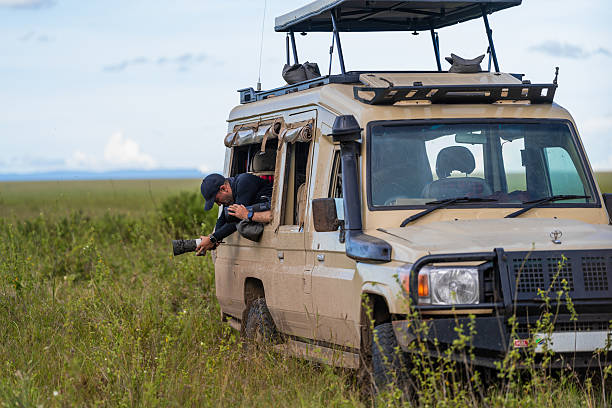
- Vehicle: You’ll be in a shared 4×4 safari vehicle, usually a pop-top Land Cruiser or a robust safari minibus. While comfortable enough for game drives, space can be limited, especially with luggage. Windows/hatches allow for excellent viewing and photography.
- Guide: Your driver-guide is your expert on wildlife, local culture, and safety. They are skilled at spotting animals, navigating the terrain, and ensuring the group’s well-being. They are often also responsible for setting up camp and preparing meals on budget tours.
- Wildlife: Expect incredible wildlife encounters. The Masai Mara is renowned for its density of animals, making sightings common. However, wildlife is unpredictable, and there are no guarantees.
- Hygiene: Basic hygiene is key. Carry hand sanitizer, wet wipes, and be mindful of water usage, especially in dry areas.
- Community: Traveling with a shared vehicle means interacting with other travelers from around the world, sharing experiences and stories.
Embrace the simplicity and the adventure. The lack of luxury is compensated by the authenticity of the experience and the unparalleled proximity to nature.
Typical Inclusions and Exclusions
Understanding what’s included in your 3-day budget camping Masai Mara shared vehicle safari package is crucial for budgeting and avoiding surprises. Always confirm the specifics with your tour operator.
Common Inclusions:
- Shared 4×4 safari vehicle for game drives.
- Professional English-speaking driver-guide.
- Accommodation in budget safari tents at designated campsites.
- All meals as specified in the itinerary (usually full board: breakfast, lunch, dinner).
- Masai Mara National Reserve entrance fees (confirm if per day or for the duration).
- Water during game drives.
- Vehicle insurance and park entry for the vehicle.
- Government taxes and levies.
Common Exclusions:
- International and domestic flights.
- Visa fees.
- Travel insurance (essential!).
- Drinks (alcoholic and non-alcoholic) apart from specified water.
- Tips for the driver-guide and camp staff.
- Optional activities such as Maasai village visits, hot air balloon safaris (very expensive), or guided walks.
- Personal expenses (souvenirs, laundry, etc.).
- Sleeping bags and pillow (sometimes provided, sometimes to be brought).
- Gratuities for driver-guide and cook/staff.
When comparing quotes, pay close attention to what is included, especially park fees and meals. A slightly higher price might be justified if it includes more services.
Packing Essentials for Your Safari
Packing smart for a budget camping safari is key to comfort and practicality. Space in shared vehicles is limited, so pack light and efficiently. Aim for soft duffel bags rather than hard suitcases.
Clothing:
- Neutral-colored clothing: Khaki, beige, olive green, or brown are best. Avoid bright colors or dark blue/black, which can attract insects or scare wildlife.
- Lightweight long-sleeved shirts and trousers: For sun protection and to ward off insects in the evenings.
- T-shirts and shorts: For warmer daytime temperatures.
- Fleece jacket or warm sweater: Evenings and early mornings can be cool, especially during certain months.
- Rain jacket or poncho: Essential, especially during the rainy seasons.
- Comfortable walking shoes or trainers: For around the campsite.
- Sandals or flip-flops: For relaxing at camp.
- Swimsuit: Some lodges or campsites might have pools, though unlikely on a basic camping trip.
- Hat: Wide-brimmed for sun protection.
Other Essentials:
- Sunscreen: High SPF.
- Insect repellent: With DEET.
- Sunglasses.
- Personal toiletries: Biodegradable options are preferred.
- Basic first-aid kit: Including any personal medications, plasters, antiseptic wipes, pain relievers, and motion sickness medication.
- Camera and extra batteries/memory cards: A zoom lens is highly recommended.
- Binoculars: Crucial for spotting distant wildlife.
- Headlamp or flashlight: With extra batteries.
- Reusable water bottle: To reduce plastic waste.
- Power bank or car adapter: For charging electronics (charging opportunities can be limited).
- Small backpack or daypack: For carrying essentials on game drives.
- Wet wipes and hand sanitizer.
- Passport and copies: Keep copies separate.
- Cash: For tips and small purchases.
- Book or journal: For downtime.
Remember to pack light, in soft bags. Most operators have strict luggage limits for shared vehicles, often around 15-20 kg per person.
Common Mistakes to Avoid on a Budget Safari
To ensure your 3-day budget camping Masai Mara shared vehicle safari is a success, be aware of potential pitfalls:
- Underestimating Travel Time: Nairobi to Masai Mara takes time. A 3-day trip means two long travel days and only one full day for game drives. Manage your expectations for how much ground you can cover.
- Expecting Luxury: Budget camping is basic. If you need en-suite bathrooms and gourmet dining, this isn’t the trip for you. Embrace the rustic charm.
- Packing Too Much: Soft bags are a must, and space is limited. Overpacking will make your trip uncomfortable and may inconvenience others.
- Not Bringing Binoculars or a Good Camera: These are essential tools for wildlife viewing and photography. You’ll regret not having them.
- Ignoring the Guide’s Advice: Your guide is experienced. Listen to their recommendations regarding safety, wildlife, and timing.
- Not Booking in Advance (Especially for Peak Seasons): Even budget options can fill up, particularly during the migration season or holidays. Book your 2026 or 2027 trip early.
- Assuming Everything is Included: Always clarify what park fees, meals, and activities are covered.
- Not Being Prepared for Weather Changes: The weather can be unpredictable. Pack layers and a rain jacket.
- Not Tipping Appropriately: Tipping is customary and appreciated for good service. Factor this into your budget.
- Not Staying Hydrated or Using Sun Protection: The African sun is intense. Drink plenty of water and protect your skin.
Avoiding these common mistakes will significantly enhance your overall safari experience.
Who is a 3-Day Budget Camping Masai Mara Shared Vehicle Safari Best For?
This type of safari is ideal for a specific type of traveler:
- Budget-Conscious Travelers: The primary appeal is affordability, making the Masai Mara accessible to those with limited funds.
- Solo Travelers: Sharing a vehicle and campsite is a great way to meet new people and share costs, making it less intimidating and more affordable for individuals.
- Young Adventurers: Backpackers, students, or anyone looking for an authentic, immersive experience rather than luxury.
- Short-Term Visitors: Those with only a few days available who want to maximize their wildlife viewing in one of Africa’s best parks.
- First-Time Safari Goers on a Budget: It’s an excellent introduction to safari life without a huge financial commitment.
- Travelers Seeking Authenticity: Camping in the wild, waking up to the sounds of nature, and sharing experiences with others offers a raw and genuine safari feel.
It is generally *not* ideal for families with very young children who might struggle with shared facilities and basic camping, or for travelers seeking high-end comfort, privacy, and extensive personalized service.
Alternatives to a Shared Vehicle Budget Camping Safari
If a 3-day budget camping Masai Mara shared vehicle safari doesn’t perfectly align with your preferences, consider these alternatives:
- 3-Day Private Vehicle Safari (Budget Camping): You’ll still camp but have your own vehicle and guide. This offers more flexibility in game drives but at a higher cost than shared.
- 3-Day Lodge Safari (Budget to Mid-Range): Stay in basic lodges or tented camps with private facilities. This is more comfortable than camping but more expensive. Shared vehicles may still be used for game drives depending on the lodge package.
- Longer Safari Durations: A 4-day or 5-day safari (even budget camping) allows for more exploration of the Masai Mara and can sometimes offer better value per day than a very short trip, as travel time is spread out.
- Other Parks in Kenya: For a 3-day trip, consider parks closer to Nairobi like Lake Nakuru National Park (known for flamingos and rhinos) or Amboseli National Park (famous for elephants with Kilimanjaro views). These might offer slightly shorter travel times.
- Budget Camping in Other Regions: Explore other regions of Kenya or Tanzania with budget camping options, which might offer different wildlife viewing experiences or cultural interactions.
- Self-Drive (Not Recommended for First-Timers): While possible in some areas, self-driving in Kenya requires significant experience with local conditions and vehicle maintenance. It’s not practical or advisable for a short 3-day trip to Masai Mara.
Each alternative comes with different cost implications and comfort levels. Assess your priorities to choose the best fit.
Planning Your 2026-2027 Safari: Key Considerations
Planning ahead is crucial, especially if you’re targeting popular periods like the 2026 or 2027 migration season. Here’s what to consider:
Booking Timeline:
- 12-18 Months in Advance: For peak season (migration, Christmas/New Year) and popular operators.
- 6-12 Months in Advance: For shoulder seasons or if you have specific operator preferences.
- 3-6 Months in Advance: For off-peak seasons or if you’re flexible.
Operator Selection:
- Reputation: Look for established operators with good reviews focusing on budget camping and shared vehicles. Check for transparency in their offerings.
- Customization: While budget tours are often fixed itineraries, some operators might allow minor adjustments.
- Communication: A good operator will respond promptly and clearly to your queries.
- Safety Record: Ensure they adhere to safety standards for vehicles and camping.
Budgeting:
- Core Package Cost: This is the main expense.
- Tips: Budget for gratuities for your guide and cook (typically $10-20 per person per day for the guide, less for cook).
- Optional Activities: Maasai village visits ($20-30), souvenirs.
- Drinks: Factor in the cost of sodas, beers, etc.
- Contingency: Always have a small buffer for unexpected expenses.
Health & Safety:
- Vaccinations: Consult your doctor about recommended vaccinations (e.g., Yellow Fever, Hepatitis A, Typhoid) and malaria prophylaxis.
- Travel Insurance: Comprehensive insurance covering medical emergencies, evacuation, and trip cancellation is mandatory.
- First-Aid Kit: Pack a personal kit.
By planning meticulously for 2026-2027, you can secure your spot on a popular safari and ensure a smooth, memorable experience.
Booking Your 3-Day Budget Camping Masai Mara Shared Vehicle Tour
Booking the right tour operator is paramount for a successful and enjoyable budget safari. Here’s how to approach it:
- Research Reputable Operators: Look for tour companies specializing in budget safaris in Kenya. Websites like TripAdvisor, travel forums, and reputable travel blogs can offer recommendations. Focus on those that clearly detail their budget camping and shared vehicle options.
- Request Detailed Itineraries and Inclusions: Don’t settle for vague descriptions. Ask for a day-by-day breakdown of activities, accommodation details, and a clear list of what is included and excluded. Confirm park fees are covered.
- Inquire About Vehicle Type: For a shared vehicle safari, clarify whether it’s a pop-top Land Cruiser or a safari minibus, as this can impact comfort and viewing angles. Standard safari vehicles are usually 4×4 Land Cruisers with pop-up roofs.
- Check Group Size: Understand the typical number of people per vehicle. Most shared vehicles accommodate 4-7 passengers, ensuring a relatively intimate group.
- Ask About Camping Standards: What kind of tents are provided? Are sleeping bags included? What are the campsite facilities like (showers, toilets)?
- Read Reviews: Look for recent reviews specifically mentioning budget camping and shared vehicle experiences. Pay attention to comments about guides, food, and overall value.
- Compare Quotes Carefully: Don’t just go for the cheapest option. Evaluate what’s included and the operator’s reputation. A slightly higher price might offer significantly better value and service.
- Clear Communication is Key: A good operator will be responsive and answer all your questions clearly and promptly. This is often a good indicator of their service quality.
- Payment Terms: Understand the deposit required, balance payment schedule, and cancellation policy. Most operators require a deposit to secure your booking.
- Confirm Pickup/Drop-off: Clarify where and when you will be picked up in Nairobi and dropped off at the end of your safari.
When you are ready to book your 3-day budget camping Masai Mara shared vehicle adventure, consider reaching out to experienced local operators. For expert advice and reliable service, you can contact us at WhatsApp +255616946642 or email us at topguideadventures@gmail.com. For backup, use info@topguideadventures.com. We specialize in creating memorable and affordable safari experiences in Kenya and Tanzania for 2026 and 2027.
Frequently Asked Questions
How much luggage can I bring on a 3-day budget camping Masai Mara shared vehicle safari?
Luggage is typically restricted to one soft duffel bag per person, usually around 15-20 kg. This is due to space limitations in shared safari vehicles. Hard suitcases are generally not permitted.
Will I have my own tent?
On a budget camping safari, you will typically share a tent with one other person of the same gender, unless you are a couple. If you are traveling solo and prefer a single tent, you may need to pay a single supplement, which should be clarified with your operator.
What if I have dietary restrictions?
Most reputable tour operators can cater to dietary restrictions (vegetarian, vegan, gluten-free, allergies) if notified in advance. It’s essential to communicate your needs clearly when booking.
Is it safe to camp in the Masai Mara?
Yes, camping in designated campsites within or near the Masai Mara is generally safe. Camps are usually fenced, and guides are experienced in managing the environment. You will be advised on safety protocols, such as not leaving your tent after dark.
Can I do a 3-day budget camping Masai Mara shared vehicle safari in 2026 or 2027?
Absolutely. These safaris are popular year-round, and planning for 2026 and 2027 is highly recommended, especially if you aim for peak migration seasons. Booking in advance is advised.
What is the difference between a shared vehicle and a private vehicle safari?
A shared vehicle safari means you’ll travel with other travelers, splitting costs. A private vehicle safari means you have the vehicle and guide exclusively for your group, offering more flexibility but at a higher price.
Are park fees included in the price of a 3-day budget camping Masai Mara shared vehicle safari?
Typically, yes, park fees are included in most budget safari packages. However, it is crucial to confirm this with your tour operator before booking, as it’s a significant cost component.
What kind of food can I expect on a camping safari?
Expect hearty, freshly prepared meals cooked by a safari chef or your guide. This usually includes dishes like stews, rice, pasta, grilled meats, vegetables, and fruits. It’s designed to be filling and nutritious for active days.
Can I visit a Maasai village on this tour?
Yes, a visit to a Maasai village is often an optional activity that can be arranged. It typically incurs an additional fee, which goes towards supporting the local community. Confirm with your guide if it can be fitted into your 3-day itinerary.
What currency should I bring for tips and personal expenses?
US Dollars are widely accepted in Kenya for tourist-related expenses and tipping. Kenyan Shillings are used for local markets. It’s advisable to have a mix, with USD for larger tips and small USD bills or Shillings for incidentals.
Ready for Your Masai Mara Adventure?
A 3-day budget camping Masai Mara shared vehicle safari offers an incredible opportunity to witness the wonders of East Africa without breaking the bank. It’s an experience that combines adventure, wildlife, and cultural immersion in one of the world’s most celebrated wildlife destinations. Whether you’re a solo traveler, a couple, or a small group of friends looking for an authentic safari experience in 2026 or 2027, this option provides excellent value.
Let us help you craft your perfect safari. We are experts in organizing memorable and affordable 3-day budget camping Masai Mara shared vehicle tours. Get in touch with our team of safari specialists today to discuss your plans and receive a personalized quote. We are committed to making your dream safari a reality.
Contact us:
WhatsApp: +255616946642
Email: topguideadventures@gmail.com
Backup Email: info@topguideadventures.com
Plan your 3-Day Budget Camping Masai Mara Shared Vehicle with Top Guide Adventures
Tell us your travel dates, group size, comfort level, and dream experience. We will help you shape a clear, realistic, and memorable Tanzania itinerary.

 Veedesigner
 Fatma Kizanga
 Benjamin Waryuba
 Philip Philip
 John jr Itaja
 Antonia Optatus
 Edith Kanyere
 Neema Iddy
 Kelvin Boniphace
 Damari Maiga



