
Updated planning guide for 2026-2027
3-Day Community & Cultural Exchange — Homestays Near Bwindi: Complete Guide
Discover the heart of Uganda with a 3-day community and cultural exchange homestay near Bwindi. This guide offers practical planning, itinerary ideas, and insights for an authentic experience.
WhatsApp +255616946642 | topguideadventures@gmail.com | info@topguideadventures.com
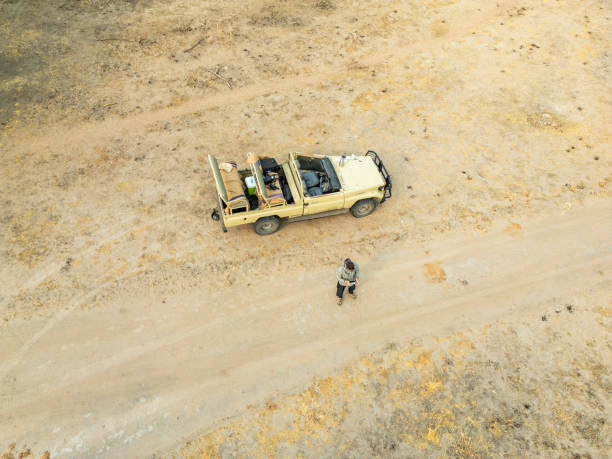
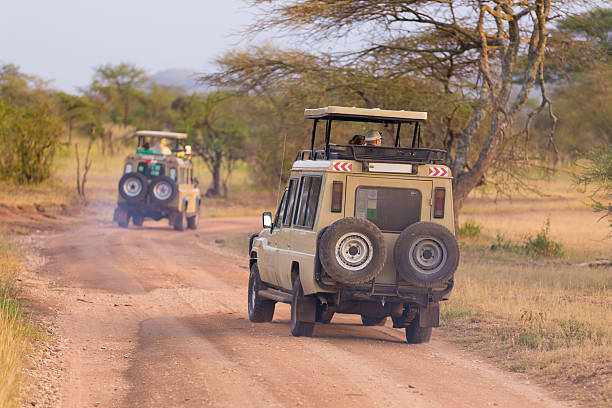
Your Essential Guide to a 3-Day Community & Cultural Exchange Homestay Near Bwindi
A 3-day community & cultural exchange homestay near Bwindi offers a profound connection to local life, far beyond the well-trodden paths of gorilla trekking. While Bwindi Impenetrable National Park is globally renowned for its mountain gorillas, the surrounding communities hold a rich cultural heritage waiting to be explored. This immersive experience allows travelers to live alongside local families, participate in daily activities, and gain a genuine understanding of their traditions, challenges, and joys. It’s an opportunity to contribute directly to the local economy and foster meaningful cross-cultural relationships.
This comprehensive guide is designed for travelers seeking an authentic and impactful short break near Bwindi. We’ll cover everything from understanding the concept of community-based tourism to practical planning for 2026-2027, including itineraries, what to expect, and how to book your stay.
Quick Navigation
- Quick Facts: 3-Day Homestay Near Bwindi
- Overview of the Experience
- Why a Cultural Exchange Homestay Matters
- Best Time to Visit for Cultural Exchange
- Geographic Area: Homestays Near Bwindi
- Sample 3-Day Itinerary
- What to Expect During Your Homestay
- Inclusions, Packing, and Preparation
- Common Mistakes to Avoid
- Who is This Experience Best For?
- Alternatives to a Homestay
- Planning Your 2026-2027 Trip
- Booking Your Community Homestay
- Frequently Asked Questions
Quick Facts: 3-Day Homestay Near Bwindi
| Aspect | Details |
|---|---|
| Duration | Typically 3 Days / 2 Nights |
| Location | Villages surrounding Bwindi Impenetrable National Park, Uganda |
| Primary Activity | Community immersion, cultural exchange, local life participation |
| Accommodation | Homestay with a local family (basic but clean facilities) |
| Included Meals | Usually all meals, prepared with local ingredients |
| Transportation | Often arranged by the tour operator, may involve local transport |
| Key Benefit | Authentic cultural understanding, direct community support |
| Best Suited For | Travelers seeking deep cultural immersion, responsible tourism advocates |
Overview of the Experience
A 3-day community & cultural exchange homestay near Bwindi is an invitation to step into the daily rhythm of rural Ugandan life. Unlike a typical tourist lodge, you’ll be hosted by a local family in their home. This means sharing meals, learning about their farming practices, understanding their social structures, and perhaps even joining in on chores like fetching water or preparing food. The focus is on genuine interaction and mutual learning.
These homestays are often organized through community-based tourism initiatives, ensuring that a significant portion of your payment directly benefits the host family and the wider community. You’ll likely be situated in villages inhabited by the Bakiga people, known for their resilience and welcoming nature. While the accommodation is basic, it is clean, safe, and provides an unparalleled window into local living. Expect simple furnishings, shared facilities, and a warm, familial atmosphere.
The exchange is two-way. While you learn about their culture, they are also curious about yours. This creates a rich environment for sharing stories, perspectives, and building connections that transcend the short duration of your stay.
Why a Cultural Exchange Homestay Matters
The significance of a community & cultural exchange homestay near Bwindi extends far beyond a personal travel experience. It’s a form of responsible tourism that:
- Empowers Local Communities: Your visit provides direct economic benefits to host families, helping to fund education, healthcare, and small business development. This is often more impactful than standard tourism spending.
- Preserves Cultural Heritage: By engaging with and valuing local traditions, you help to keep them alive and relevant in a changing world. It encourages pride in cultural identity.
- Fosters Mutual Understanding: In an increasingly globalized world, direct interaction between people from different backgrounds is crucial for breaking down stereotypes and building empathy.
- Offers Authentic Insights: You gain an unfiltered view of daily life, challenges, and aspirations that are rarely accessible through conventional tourism.
- Promotes Sustainable Tourism: Community-based initiatives often have a lower environmental footprint and are designed to be sustainable in the long term, integrating tourism with local livelihoods.
For travelers, it’s a chance to return home with a deeper appreciation for different ways of life and a tangible connection to a place and its people.
Best Time to Visit for Cultural Exchange
While Bwindi Impenetrable National Park has two dry seasons (June to August and December to February) that are ideal for gorilla trekking due to clearer trails, the timing for a community & cultural exchange homestay can be more flexible. The best time often depends on what you wish to experience:
- Dry Seasons (June-August, December-February): These months offer pleasant weather, making it easier to participate in outdoor activities like farming demonstrations or village walks. However, they are also peak seasons for gorilla trekking, so communities might be busier catering to trekkers.
- Wet Seasons (March-May, September-November): While there will be rain, it often comes in short, heavy bursts. These periods are less crowded. The landscape is lush and green, and agricultural activities are at their peak, offering a vibrant look at rural life. Prices for tours might also be slightly lower.
For a 3-day community & cultural exchange homestay, any time of year can be rewarding. Consider visiting during planting or harvest seasons if you are particularly interested in agricultural life. It’s always advisable to check with your tour operator about local events or specific activities happening during your intended travel dates for 2026-2027.
Geographic Area: Homestays Near Bwindi
Homestays are typically located in villages bordering the four sectors of Bwindi Impenetrable National Park: Buhoma, Ruhija, Rushaga, and Nkuringo. These areas are characterized by steep, verdant hills, agricultural terraces, and scattered homesteads.
Illustrative Area Overview:
| Sector/Region | Proximity to Bwindi | Typical Village Setting | Cultural Notes |
|---|---|---|---|
| Buhoma (North) | Northern edge, main gateway for many | Rolling hills, small trading centers, close to park headquarters | Often the first point of contact for trekkers, diverse community interactions |
| Ruhija (East) | Eastern edge, higher altitude | Steeper terrain, cooler climate, smaller communities | Known for birding and primate tracking, community projects focus on conservation education |
| Rushaga (South) | Southern edge, close to the border with Rwanda | More spread out, agricultural focus, larger villages | Often hosts gorilla habituation experiences, community initiatives focus on sustainable agriculture |
| Nkuringo (Southwest) | Southwestern edge, very steep terrain | Dramatic landscapes, strong community ties, close-knit villages | Famous for its challenging gorilla treks, community projects often involve local guides and craft production |
Your specific homestay location will depend on the community tourism project you engage with and the arrangements made by your tour operator. The journey to these villages often involves scenic drives through rural landscapes, offering glimpses of local life even before you arrive.
Sample 3-Day Itinerary
This is a sample itinerary for a 3-day community & cultural exchange homestay near Bwindi. Actual activities may vary based on the specific community, your interests, and local conditions.
| Day | Morning | Afternoon | Evening |
|---|---|---|---|
| Day 1: Arrival & Community Welcome | Arrive at your designated homestay village. Meet your host family and receive a traditional welcome. Briefing on the homestay experience and community protocols. | Participate in a village tour, learning about local housing, social structures, and community facilities. Visit a local school or health center (if appropriate and arranged). | Share a home-cooked dinner with your host family, learning about local cuisine. Engage in conversation, perhaps sharing stories about your home country. |
| Day 2: Daily Life Immersion | Join your host family in their daily activities. This could include assisting with farming (e.g., planting, weeding, harvesting depending on season), fetching water, or preparing local crafts. | Learn traditional skills such as basket weaving, pottery, or preparing local food dishes. Visit a local market if one is operating. | Enjoy another traditional dinner. Participate in or listen to local storytelling, music, or dance performances. |
| Day 3: Cultural Exchange & Departure | Engage in a final cultural exchange activity. This might be a cooking lesson, a guided walk through the local landscape, or a session learning about local medicinal plants. | Participate in a farewell ceremony or a final shared meal with your host family. Reflect on your experiences and exchange final greetings. | Depart from the homestay village, carrying with you memories and a deeper understanding of rural Ugandan life. Transfer to your next destination. |
What to Expect During Your Homestay
A 3-day community & cultural exchange homestay near Bwindi is an authentic, not a luxury, experience. Understanding this is key to enjoying it fully.
- Accommodation: Expect a clean, simple room within a local family’s home. Beds are usually provided, but bedding might be basic. Facilities are shared, and may include pit latrines and bucket showers (cold water). Electricity may be limited or non-existent.
- Food: Meals are prepared using local ingredients and traditional methods. Expect staples like matoke (steamed bananas), posho (maize flour porridge), sweet potatoes, beans, and local vegetables. You’ll likely eat communally with the family. Be open to trying new flavors.
- Hygiene: While host families maintain cleanliness, standards may differ from what you are accustomed to. Hand sanitizer is highly recommended. Ensure you have any personal hygiene items you require.
- Language: The primary local language is Rukiga, though English is the official language of Uganda and widely spoken by guides and some community members. Learning a few basic Rukiga phrases can greatly enhance your interactions.
- Activities: Activities are participatory and driven by the daily routines of the family and community. Be prepared to engage, ask questions, and be flexible.
- Privacy: You will be sharing living spaces with your host family. While personal space is respected, expect a high degree of interaction.
- Connectivity: Mobile phone reception and internet access are often unreliable or unavailable in these rural settings. Embrace the opportunity to disconnect.
Inclusions, Packing, and Preparation
Typical Inclusions:
A well-organized 3-day community & cultural exchange homestay package typically includes:
- Accommodation with a host family for 2 nights.
- All meals (breakfast, lunch, dinner) during your stay.
- Guided village tours and cultural activities as per the itinerary.
- Local guide services and interpretation.
- Community contribution/fee.
- Basic transportation from a designated meeting point (e.g., a nearby town or park gate).
What’s Usually Not Included:
- Transportation to the starting point of the homestay program.
- Personal expenses (souvenirs, extra snacks).
- Tips for the host family and local guides (discretionary but appreciated).
- Travel insurance.
- Donations (it’s often better to arrange these through your tour operator or community leaders).
Essential Packing List:
| Category | Items |
|---|---|
| Clothing | Lightweight, long-sleeved shirts and trousers (for sun/insect protection and cultural respect). Comfortable walking shoes. Sandals or flip-flops for around the homestay. A light jacket or fleece for cooler evenings. Modest clothing is recommended. |
| Toiletries | Biodegradable soap, shampoo, toothbrush, toothpaste. Hand sanitizer (crucial!). Personal medications. Sunscreen. Insect repellent. Small, quick-drying towel. |
| Health & Safety | Personal first-aid kit. Any prescription medications. Anti-malarial medication (consult your doctor). Water purification tablets or a reusable water bottle with filter. |
| Documents & Money | Passport and visa (if applicable). Copy of passport. Travel insurance details. Cash for tips and small personal purchases (local currency – Ugandan Shillings). |
| Miscellaneous | Headlamp or flashlight with extra batteries. Reusable water bottle. Small backpack for day activities. Camera (optional, ask permission before taking photos of people). Small gifts for the host family (optional, see below). |
Gifts for Host Families:
If you wish to bring a gift, consider practical items that benefit the whole family or children’s education. Examples include:
- School supplies (notebooks, pens, pencils).
- Soap or basic toiletries.
- A useful kitchen item (e.g., a sturdy pot, if practical to transport).
- A book in English for older children or adults.
Avoid giving money directly unless advised by your tour operator or community leader, as it can sometimes cause unintended social dynamics. It’s also best to avoid sweets for children, as dental hygiene can be a concern.
Common Mistakes to Avoid
To ensure a smooth and rewarding 3-day community & cultural exchange homestay near Bwindi, be aware of these common pitfalls:
- Expecting Luxury: This is the biggest mistake. Go with an open mind, ready for basic but authentic living.
- Lack of Respect: Be mindful of local customs, dress modestly, ask permission before taking photos, and be sensitive to the family’s privacy and routines.
- Being Overly Demanding: Your hosts are opening their homes; be appreciative and understanding, not demanding.
- Not Engaging: Don’t be a passive observer. Ask questions, participate in activities, and show genuine interest in their lives.
- Judging Differences: What might seem different or unusual to you is normal life for your hosts. Avoid making comparisons or judgmental comments.
- Ignoring Health Precautions: Not using hand sanitizer regularly or drinking unpurified water can lead to illness, spoiling your experience.
- Not Informing Your Operator: If you have dietary restrictions or specific needs, communicate them well in advance.
- Over-Packing: Pack light. You’ll be carrying your luggage, and the focus should be on essentials.
- Assuming Understanding: Even if English is spoken, nuances can be lost. Be patient and clear in your communication.
Who is This Experience Best For?
A 3-day community & cultural exchange homestay near Bwindi is ideal for:
- Curious Travelers: Those who want to understand a culture beyond surface-level observations.
- Responsible Tourism Advocates: Individuals committed to making a positive impact with their travel spending.
- Adventurous Spirits: People comfortable with basic living conditions and stepping outside their comfort zones.
- Cultural Enthusiasts: Anyone fascinated by different ways of life, traditions, and local interactions.
- Families (with older children): Can be an educational experience for children aged 10+, teaching them about global diversity and empathy.
- Solo Travelers: Offers a safe and engaging way to connect with local communities.
- Short-Term Visitors: A perfect add-on to a gorilla trekking trip, offering a concentrated dose of cultural immersion.
It is generally *not* suitable for travelers seeking luxury accommodation, those who are easily uncomfortable with basic facilities, or individuals who prefer to remain detached observers.
Alternatives to a Homestay
If a full homestay isn’t quite right for you, or if you’re looking for complementary experiences near Bwindi, consider these alternatives:
- Community Walks & Village Tours: Many lodges and community tourism projects offer guided walks through nearby villages and agricultural lands. This provides insight without the overnight immersion.
- Cultural Performances: Some communities offer traditional dance and music performances, often held at lodges or dedicated cultural centers.
- Batwa Pygmy Cultural Experiences: While the Batwa have a unique history and culture distinct from the Bakiga, some communities offer specific experiences detailing their traditional forest life and current integration challenges.
- Local Craft Markets: Visiting local markets allows you to see and purchase local crafts, interact with vendors, and observe daily commerce.
- Day Visits to Community Projects: Some homestay programs or NGOs offer opportunities to visit schools, women’s groups, or agricultural projects for a few hours to learn about their work.
- Cultural Centers: Some areas have established cultural centers that provide information, displays, and sometimes interactive sessions about local traditions.
These alternatives can offer valuable cultural insights and contribute to the local economy, though they typically provide less in-depth immersion than a homestay.
Planning Your 2026-2027 Trip
Planning a 3-day community & cultural exchange homestay near Bwindi for 2026 or 2027 requires thoughtful preparation. Here’s a step-by-step approach:
- Define Your Interests: What aspects of culture are you most interested in? Farming, crafts, daily routines, storytelling? Knowing this helps tailor your experience.
- Choose Your Operator: Select a reputable tour operator specializing in community-based tourism in Uganda. Look for those with strong local partnerships and a clear commitment to ethical tourism. Best Tanzania tour operator (Top Guide Adventures) can assist with this, leveraging their extensive network.
- Timing: Decide on your travel dates. Consider the best time for weather and any specific cultural events you might want to witness. For 2026-2027, booking 6-12 months in advance is recommended, especially if combining with gorilla permits.
- Combine with Gorilla Trekking: Most travelers visit Bwindi for gorilla trekking. Factor in the time needed for permits, park entry, and the trek itself. A 3-day homestay can be a perfect addition before or after your trek.
- Logistics: Discuss transportation with your operator. How will you get to the homestay location? Does it include transfers from Entebbe/Kampala or a nearby town?
- Health Preparations: Consult your doctor about necessary vaccinations and malaria prophylaxis well in advance. Ensure your travel insurance covers medical emergencies and evacuation.
- Budget: While homestays are generally affordable, factor in costs for the tour package, transportation to the starting point, tips, and any personal expenses. Prices can vary based on inclusions and the operator.
- Packing: Use the packing list provided to ensure you have all essentials. Remember to pack light and consider practical gifts.
- Learn Basic Phrases: Familiarize yourself with a few greetings and common phrases in Rukiga or Swahili (often used by guides).
- Set Expectations: Understand that this is an immersive, basic experience. Embrace the differences and focus on learning and connection.
Booking Your Community Homestay
Booking a 3-day community & cultural exchange homestay near Bwindi is best done through a trusted tour operator. Here’s how to approach it:
- Research Operators: Look for companies with experience in community-based tourism in Uganda. Reviews, testimonials, and their website content can offer insights into their approach. Operators like Top Guide Adventures have strong connections with local communities.
- Direct Communication: Contact your chosen operator directly. Be clear about your interest in a 3-day community & cultural exchange homestay near Bwindi. Discuss your dates, interests, and any specific requirements.
- Inquire About Details: Ask for a detailed itinerary, what is included and excluded, the nature of the accommodation, meal arrangements, and the specific community you will be visiting.
- Confirm Community Benefits: Understand how your booking directly benefits the local community. A good operator will be transparent about this.
- Payment and Confirmation: Understand the payment schedule and cancellation policy. Secure your booking with a deposit as required.
- Pre-Trip Information: Ensure you receive comprehensive pre-trip information, including packing lists, health advice, and contact details for your local guide.
- Booking Timeline for 2026-2027: For popular travel periods in 2026 and 2027, especially when combined with gorilla trekking, book at least 6-9 months in advance. For less busy periods, 3-4 months might suffice, but early booking is always recommended for peace of mind.
Contact Us for Your Homestay Experience:
Ready to plan your authentic 3-day community & cultural exchange homestay near Bwindi? Our team at Best Tanzania tour operator (Top Guide Adventures) has the local knowledge and community connections to craft an unforgettable experience for you. We ensure your visit is meaningful for both you and the host community.
WhatsApp: +255616946642
Email: topguideadventures@gmail.com
Backup Email: info@topguideadventures.com
Frequently Asked Questions
Q1: Is a 3-day community & cultural exchange homestay near Bwindi safe?
A: Yes, these homestays are generally safe when organized through reputable operators. Host families are welcoming, and communities are accustomed to visitors. Your operator will brief you on safety protocols. Standard travel precautions apply.
Q2: What if I have dietary restrictions?
A: It’s crucial to inform your tour operator well in advance about any dietary restrictions or allergies. While local cuisine is limited, operators can often work with host families to accommodate specific needs, though options might be simpler.
Q3: Can I take photos of people during the homestay?
A: Always ask for permission before taking photographs of individuals, especially children. Some people may decline, and their wishes should be respected. It’s a matter of courtesy and respect for privacy.
Q4: What is the typical cost of a 3-day homestay?
A: Exact prices vary significantly based on the operator, inclusions, and the specific community. Generally, expect it to be an affordable add-on to a safari or trek, with a good portion of the cost going directly to the community. A rough estimate might range from $150-$300 USD per person for the 3-day/2-night package, but always get a detailed quote.
Q5: How basic is the accommodation?
A: Accommodation is very basic. Expect a clean room in a family home, possibly with a shared latrine and bucket shower. Electricity may be limited. It’s about immersion, not comfort.
Q6: What if I don’t speak the local language?
A: Most guides speak English, and many community members have some understanding. Learning a few Rukiga greetings can be appreciated, but it’s not essential for communication. Your guide will facilitate interactions.
Q7: Can I book this experience for 2026 or 2027?
A: Absolutely. Booking for 2026-2027 is highly recommended, especially if you plan to combine it with gorilla trekking, as permits and accommodations can fill up quickly. Early planning ensures availability.
Q8: What is the difference between a homestay and staying in a lodge near Bwindi?
A: A homestay offers direct immersion with a local family and direct community benefit. Lodges offer more comfort and privacy but less direct cultural interaction and community economic benefit.
Q9: Should I tip my host family?
A: Tipping is discretionary but appreciated. It’s often best to give a collective gift or tip to the family through your tour operator or community representative, rather than directly to individuals, to ensure it’s shared appropriately.
Ready for an Authentic Cultural Exchange?
A 3-day community & cultural exchange homestay near Bwindi is more than just a trip; it’s an opportunity to connect, learn, and contribute. It offers a perspective on life that is both humbling and enriching, leaving you with memories and insights that last a lifetime. If you are planning your Uganda adventure for 2026 or 2027 and seek an experience that goes beyond the ordinary, this is it.
Let us help you arrange this meaningful journey. Contact Top Guide Adventures today to start planning your immersive cultural experience. We are dedicated to creating responsible and authentic travel opportunities that benefit both our travelers and the communities they visit.
Get in Touch:
WhatsApp: +255616946642
Email: topguideadventures@gmail.com
Backup Email: info@topguideadventures.com
Plan your 3-Day Community & Cultural Exchange — Homestays Near Bwindi with Top Guide Adventures
Tell us your travel dates, group size, comfort level, and dream experience. We will help you shape a clear, realistic, and memorable Tanzania itinerary.







 Veedesigner
 Fatma Kizanga
 Benjamin Waryuba
 Philip Philip
 John jr Itaja
 Antonia Optatus
 Edith Kanyere
 Neema Iddy
 Kelvin Boniphace
 Damari Maiga



