
A 3-day Eastern Serengeti remote safari offers an exclusive and intimate wildlife viewing experience in the less-visited sections of the Serengeti National Park, focusing on areas like the Grumeti River corridor or the Ndutu region (depending on the season) to avoid peak season crowds and witness abundant wildlife in a more pristine setting. This short but impactful trip typically includes game drives, accommodation in private camps or lodges, and guided exploration, ensuring a memorable encounter with Tanzania’s natural wonders for travelers in 2026 and 2027.
Why Choose a Remote Eastern Serengeti Safari for a Short Trip?
When planning a safari, especially one limited to three days, the temptation is often to visit the most famous, easily accessible areas. However, for those seeking a truly profound connection with the African wilderness, a 3-day Eastern Serengeti remote safari presents a unique opportunity. The Eastern Serengeti, often characterized by its vast open plains, dramatic kopjes, and the life-giving Grumeti River, offers a different pace and perspective compared to the more crowded central or western corridors. Opting for a remote experience means sacrificing the convenience of high-traffic tourist hubs for the immense reward of solitude, undisturbed wildlife sightings, and a deeper sense of discovery. This is particularly relevant for travelers planning for 2026 and 2027 who want to secure an authentic, less-commercialized African safari adventure.
The Eastern Serengeti, while sharing the same ecosystem as its more frequented counterparts, often receives fewer vehicles. This allows for more personal wildlife encounters. Imagine watching a pride of lions without another safari vehicle in sight, or observing a herd of elephants as they move across the plains, feeling as though you have the entire landscape to yourself. This is the essence of a remote safari, and for a 3-day itinerary, it maximizes the impact of your limited time by ensuring quality over quantity of sightings, prioritizing moments of genuine connection with nature.
The Allure of Solitude and Pristine Landscapes
The Eastern Serengeti is a realm of sweeping savannas, dotted with acacia trees and punctuated by ancient rock formations known as kopjes. These landscapes are not just visually stunning; they are vital ecosystems supporting a diverse array of wildlife. The remoteness means that the natural behaviors of animals are less influenced by human presence, offering a more authentic and thrilling spectacle. For a 3-day trip, this translates to an intensified safari experience, where every turn in the track can reveal something extraordinary. The vastness of the Eastern Serengeti creates a profound sense of freedom and awe, a stark contrast to the hustle and bustle of modern life, making it an ideal escape for those looking to recharge and reconnect with the natural world.
Maximizing Wildlife Encounters in Limited Time
A 3-day safari is short, so strategic planning is key. Choosing the Eastern Serengeti allows for a focused exploration of areas known for their resident wildlife populations, even outside the main Great Migration periods. Depending on the specific location within the East, you can expect to see large herds of wildebeest and zebras, numerous predators like lions, cheetahs, and leopards, as well as elephants, giraffes, and a variety of plains game. The Grumeti River area, for instance, is famous for its large crocodiles and hippos, and is a crucial crossing point for the migration during certain months, though it remains a rich wildlife habitat year-round. By concentrating on these productive yet less-visited zones, a 3-day remote safari can deliver a rich mix of wildlife sightings, ensuring that your limited time is spent in prime viewing locations.
Understanding the Eastern Serengeti: Geography and Wildlife Dynamics
The Serengeti ecosystem is vast, and the term ‘Eastern Serengeti’ can encompass several distinct regions, each with its unique characteristics and wildlife patterns. For a 3-day remote safari, understanding these nuances is crucial for maximizing your experience. Top Guide Adventures focuses on areas that offer the best balance of wildlife density, accessibility (given the remote nature), and exclusivity.
Key Regions within the Eastern Serengeti for Remote Safaris
When we refer to the Eastern Serengeti for a remote safari, we are generally considering areas that lie east of the central Seronera Valley and north of the Ngorongoro Conservation Area. This often includes:
- The Grumeti River Corridor: This area is known for its permanent wildlife populations, including large herds of wildebeest and zebras, as well as resident prides of lions, leopards, and cheetahs. The Grumeti River itself is home to formidable Nile crocodiles and pods of hippos. While it’s a critical crossing point for the Great Migration during its western movement (typically June-July), it remains a wildlife hotspot year-round due to its permanent water sources. Its relative remoteness means fewer vehicles, offering a more intimate safari experience.
- Ndutu Area (Southern Serengeti/Northern Ngorongoro): While technically straddling the border, the Ndutu plains are often included in discussions of eastern Serengeti experiences, especially during the calving season of the Great Migration (typically December-March). The short grass plains here teem with millions of wildebeest and zebras, attracting a high concentration of predators. Even outside the calving season, Ndutu offers excellent resident game viewing. Its vast, open landscapes provide a dramatic backdrop for wildlife photography and viewing.
- Areas East of Seronera towards the Lobo Valley: These regions offer a transition zone, with a mix of open plains, woodlands, and rocky outcrops. They can be less frequented by tourists and still provide excellent opportunities for spotting lions, leopards, cheetahs, and various herbivores.
Seasonal Variations and Wildlife Movements
The wildlife in the Serengeti is dynamic, largely dictated by the annual Great Migration and rainfall patterns. For a 3-day remote safari, understanding these movements helps in choosing the best time to visit and the most productive areas.
- December to March (Calving Season): The Ndutu plains are the heart of the action, with millions of wildebeest and zebras congregating for the calving season. Predators are abundant, making this a prime time for spotting lion, cheetah, and hyena activity. This period offers incredible wildlife density in a relatively remote setting compared to other migration hotspots.
- April to May (Long Rains): This is the low season, with fewer tourists and lush green landscapes. While some migration herds may be moving north, resident game remains plentiful. It’s a great time for budget-conscious travelers or those seeking a quiet safari, though rain can occasionally impact game drives.
- June to July (Western Migration): The herds begin their journey north, often crossing the Grumeti River. This is a spectacular time to witness river crossings, though these events are unpredictable and can be intense. The Grumeti corridor becomes a focal point.
- August to October (Dry Season): Wildlife concentrates around permanent water sources, including the Grumeti River and other smaller rivers and waterholes in the eastern sectors. This is a peak season for game viewing across the Serengeti, but choosing remote eastern areas can still offer a more exclusive experience.
- November (Short Rains): The migration begins its southern return. This can be a dynamic period with herds moving across various parts of the ecosystem.
For a 3-day remote Eastern Serengeti safari in 2026 or 2027, planning around these seasonal movements, or focusing on areas with strong resident populations, will ensure a rewarding experience. Top Guide Adventures can advise on the optimal location based on your travel dates.
Predator Hotspots in the Eastern Sectors
The Eastern Serengeti is not just about the migration; it’s a thriving predator territory. The vast open plains are ideal hunting grounds for cheetahs and lions, while leopards are often found in more wooded areas or near riverine vegetation. The Grumeti River area, with its dense populations of prey, is particularly known for its lion prides and resident leopards. The Ndutu region, during the calving season, is a predator’s paradise, with lions, cheetahs, and hyenas feasting on the vulnerable young. Even outside these peak times, the Eastern Serengeti offers excellent chances of observing these magnificent hunters in their natural habitat, often with fewer interruptions from other safari vehicles.
Crafting Your 3-Day Eastern Serengeti Remote Safari Itinerary
A 3-day itinerary requires careful planning to maximize wildlife viewing and minimize travel time. The key is to select a base camp or lodge in a strategically chosen remote area and conduct focused game drives from there. Top Guide Adventures specializes in creating efficient yet deeply engaging safari experiences, even for short durations.
Sample Itinerary: Focusing on the Grumeti River Corridor
This sample itinerary focuses on the Grumeti River area, known for its permanent wildlife and dramatic riverine landscapes. It’s ideal for travelers seeking a remote experience year-round, with particular excitement during migration crossing periods.
Day 1: Arrival and First Remote Game Drive
- Morning: Arrive at Seronera Airstrip (SEU) or a nearby airstrip designated for remote access. You will be met by your Top Guide Adventures safari guide.
- Transfer: Begin your safari with a game drive en route to your exclusive tented camp or lodge situated near the Grumeti River. This drive itself is an introduction to the Serengeti’s wonders.
- Afternoon: Check into your accommodation, enjoy lunch, and then head out for your first afternoon game drive. Explore the areas along the Grumeti River, searching for crocodiles, hippos, elephants, and big cats.
- Evening: Return to camp for sundowners, dinner, and a night under the vast African sky.
Day 2: Full Day Exploration of the Eastern Serengeti
- Morning: An early start for a full-day game drive. Pack a picnic lunch to maximize your time in the wilderness. Explore further afield, perhaps venturing towards the kopjes and woodlands that fringe the plains, looking for leopards and cheetahs.
- Afternoon: Continue your exploration, focusing on areas with high concentrations of resident wildlife. Your guide will use their expertise to track animals and find optimal viewing spots, ensuring you experience the Serengeti’s magic without the crowds.
- Evening: Return to camp, share stories of the day’s sightings around the campfire, and enjoy a delicious meal.
Day 3: Morning Game Drive and Departure
- Morning: One last early morning game drive to catch the predators on the move or witness the sunrise over the plains.
- Late Morning: Return to camp for breakfast and check-out.
- Transfer: Drive to the designated airstrip for your onward flight, with a final opportunity for wildlife sightings along the way.
Alternative Itinerary: Ndutu Plains during Calving Season
If your travel dates fall between December and March, a 3-day safari focusing on the Ndutu plains offers an unparalleled experience of wildlife density.
Day 1: Arrival in Ndutu and Calving Season Spectacle
- Morning: Arrive at Ndutu Airstrip (NDT) or Lake Manyara Airstrip (LKY) with a transfer to Ndutu. You’ll be met by your guide.
- Transfer: Begin your safari with a game drive towards your chosen Ndutu camp, often situated amidst the short grass plains.
- Afternoon: Settle into your camp and start an afternoon game drive. Witness the incredible spectacle of millions of wildebeest and zebras, and the predators that follow them.
- Evening: Enjoy dinner and the sounds of the African night at your camp.
Day 2: Predator Encounters and Plains Game
- Full Day: Dedicate the day to exploring the vast Ndutu plains. Focus on observing predator-prey interactions, lion prides, cheetah hunts, and the sheer numbers of plains game. Your guide will take you to areas with high activity, ensuring a thrilling experience.
- Picnic Lunch: Enjoy a bush lunch amidst the stunning scenery.
- Evening: Return to camp for relaxation and dinner.
Day 3: Final Ndutu Views and Departure
- Morning: A final morning game drive in Ndutu, perhaps focusing on specific species or areas you wish to see more of.
- Late Morning: Return to camp for breakfast and check-out.
- Transfer: Drive to Ndutu Airstrip for your departing flight.
These are sample itineraries. Top Guide Adventures can customize your 3-day Eastern Serengeti remote safari to perfectly match your interests, pace, and travel dates for 2026-2027.
Choosing Your Accommodation: Remote Camps vs. Lodges
For a remote safari, accommodation plays a vital role in the overall experience. The Eastern Serengeti offers a range of options designed to blend with the environment while providing comfort and excellent access to wildlife.
- Exclusive Tented Camps: These offer an authentic safari feel, often featuring spacious canvas tents with comfortable beds, en-suite bathrooms, and private verandas. They are typically situated in prime wildlife areas, providing an intimate connection with nature. The sounds of the bush at night, from your tent, are unforgettable.
- Boutique Lodges: For those seeking a bit more luxury, smaller, well-appointed lodges in remote locations offer excellent amenities, fine dining, and personalized service, all while maintaining a low-impact presence in the ecosystem.
The choice between a tented camp and a lodge often depends on personal preference for comfort and the desired level of immersion. Both provide excellent bases for exploring the Eastern Serengeti.
What to Expect on Your Remote Eastern Serengeti Safari
A remote safari is an adventure that requires a certain mindset – one that embraces the wild, the unpredictable, and the sheer beauty of nature. For a 3-day trip, managing expectations while anticipating incredible experiences is key.
Wildlife Viewing: Quality Over Quantity
While the Serengeti is famous for the Great Migration, a 3-day remote Eastern Serengeti safari focuses on the resident wildlife and the unique ecosystems of the eastern sectors. You can expect:
- Predator Sightings: The Eastern Serengeti is excellent for lions, cheetahs, and leopards. The Grumeti area is known for its large lion prides, and the open plains are hunting grounds for cheetahs. Leopards are often spotted in trees or dense thickets.
- Herbivore Abundance: Expect to see large herds of wildebeest and zebras, buffalo, giraffes, elephants, and various antelopes like Thomson’s gazelles, Grant’s gazelles, impalas, and elands.
- Birdlife: The Serengeti boasts over 500 species of birds. Keep an eye out for ostriches, secretary birds, kori bustards, eagles, and many more.
- Grumeti River Specials: If exploring the Grumeti corridor, look for large crocodiles and hippos in the river.
The remoteness means that sightings are often more intimate, with fewer vehicles present. Your guide’s expertise in tracking and understanding animal behavior is paramount.
The Safari Experience: Game Drives and Guide Expertise
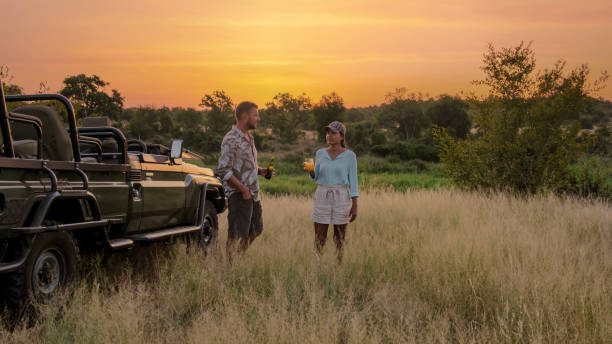
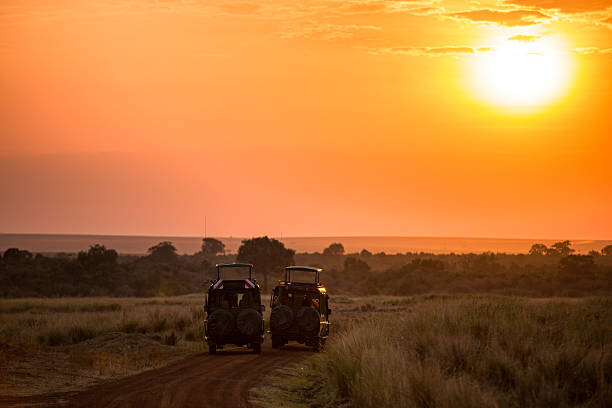
Your primary activity will be game drives in a custom-designed 4×4 safari vehicle. These vehicles are equipped for optimal viewing and comfort, with pop-up roofs and ample space.
- Guided Exploration: Your experienced Top Guide Adventures guide is your key to unlocking the secrets of the Eastern Serengeti. They possess intimate knowledge of the terrain, animal behavior, and the best times and places to find wildlife.
- Off-Road Driving: In designated areas and when necessary for optimal viewing (e.g., tracking a leopard), guides may venture slightly off-road, always adhering to park regulations and ethical wildlife viewing practices.
- Bush Walks (Optional, where permitted): In some remote camps outside the main park boundaries, guided bush walks might be an option, offering a different perspective of the flora and fauna. However, for a 3-day safari, game drives are the main focus.
Daily Schedule and Pace
A typical day on a 3-day remote safari involves:
- Early Morning Starts: To catch animals when they are most active, especially predators.
- Midday Breaks: Often spent at the lodge or camp, enjoying lunch and relaxing during the hottest part of the day.
- Afternoon/Evening Game Drives: Continuing the search for wildlife until sunset.
The pace is dynamic, driven by wildlife activity. Your guide will adapt the schedule to ensure the best possible sightings.
Planning Your 3-Day Eastern Serengeti Remote Safari for 2026-2027
Booking a safari, especially a specialized one like a remote Eastern Serengeti experience, requires careful consideration. Early planning is recommended, particularly for travel in the popular 2026-2027 seasons.
Best Time to Travel for a Remote Experience
While the Serengeti offers incredible wildlife viewing year-round, certain times are better suited for a remote experience:
- Avoid Peak Migration Crossings (if seeking absolute solitude): While migration crossings are spectacular, they can attract more vehicles to areas like the Grumeti River. If pure solitude is your priority, consider times just before or after major crossing periods.
- Dry Season (August – October): Wildlife is concentrated around water sources, making game viewing reliable. Remote eastern areas remain less crowded than central Serengeti.
- Calving Season (December – March): Ndutu offers unparalleled wildlife density and predator action. While popular, the sheer scale of the plains can still provide a sense of remoteness.
- Shoulder Seasons (April-May, November): These periods often offer good game viewing with fewer crowds and potentially lower prices.
Logistics and Travel Considerations
Getting to a remote part of the Eastern Serengeti involves specific logistics:
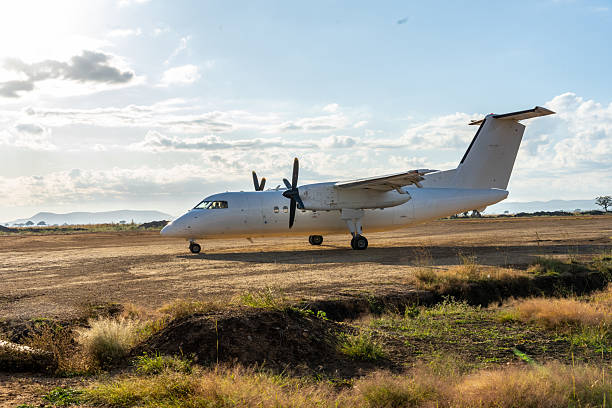
- Flights: Most remote safaris begin with a flight from Arusha (ARK) to a designated airstrip within or near the Serengeti, such as Seronera (SEU), Ndutu (NDT), or smaller private airstrips. Top Guide Adventures will arrange these internal flights for you.
- Vehicle: You will be provided with a custom 4×4 safari vehicle with a knowledgeable guide for the duration of your safari.
- Park Fees: Serengeti National Park entry fees are typically included in safari packages. These are substantial and contribute to conservation efforts.
- Accommodation: Booking accommodation in advance is crucial, especially for remote camps which often have limited availability.
What to Pack for Your Safari
Packing light and smart is essential for safari travel, especially with internal flights which have luggage restrictions.
- Clothing: Neutral-colored clothing (khaki, beige, olive green) is best to avoid startling wildlife. Pack layers, including a warm jacket for cool mornings and evenings. Avoid bright colors and camouflage patterns.
- Footwear: Comfortable walking shoes or hiking boots are recommended, along with sandals for relaxing at camp.
- Sun Protection: A wide-brimmed hat, sunglasses, and high-SPF sunscreen are vital.
- Insect Repellent: Especially important for evenings and around water sources.
- Camera and Binoculars: Essential for capturing memories and spotting distant wildlife. Extra batteries and memory cards are a good idea.
- Personal Items: A small backpack for day trips, personal medications, a basic first-aid kit, and any personal toiletries.
Top Guide Adventures provides a detailed packing list upon booking.
Budget Considerations for a 3-Day Remote Safari
A 3-day remote Eastern Serengeti safari is an investment in an exclusive experience. Costs are influenced by several factors:
- Accommodation Level: Luxury lodges and high-end tented camps will be more expensive than mid-range options.
- Type of Safari: A private safari is more costly than a shared group departure.
- Time of Year: Peak seasons (dry season, migration periods) are generally more expensive than the low season.
- Inclusions: Packages typically include accommodation, meals, park fees, game drives, and guide services. Flights to/from the Serengeti are often additional.
For a 3-day remote safari, expect costs to range from approximately $750 to $1500+ per person per day, depending on the level of luxury and exclusivity chosen. This includes park fees, accommodation, meals, and safari activities. Internal flights to the Serengeti are an additional cost, typically ranging from $350-$500 round trip per person.
Top Guide Adventures offers customized quotes based on your specific requirements for 2026-2027. Contact us for a personalized itinerary and pricing.
Why Top Guide Adventures for Your Remote Serengeti Safari?
Choosing the right tour operator is paramount for an exceptional safari experience, especially for a specialized trip like a 3-day Eastern Serengeti remote safari. Top Guide Adventures brings local expertise, a commitment to personalized service, and a deep understanding of Tanzania’s wilderness.
Local Expertise and Personalized Service
As a Tanzanian-based company, we have an intimate knowledge of the Serengeti’s ecosystems, wildlife patterns, and the best remote locations. Our guides are highly trained, passionate about wildlife conservation, and dedicated to providing you with an unforgettable journey. We pride ourselves on crafting bespoke itineraries that cater to your specific interests, ensuring your 3-day safari is exactly as you envision.
Commitment to Conservation and Community
We believe in responsible tourism that benefits both the environment and local communities. A portion of our proceeds supports conservation initiatives and community development projects. By choosing Top Guide Adventures, you are contributing to the preservation of the Serengeti for future generations, including planning for 2026 and beyond.
Customized 3-Day Eastern Serengeti Safari Packages
Whether you’re a solo traveler, a couple, or a small group, we can design the perfect 3-day Eastern Serengeti remote safari for you. We work closely with you to select the ideal location, accommodation, and activities to match your budget and preferences. Our goal is to provide a smooth and enriching safari experience from the moment you inquire to your departure.
Ready to plan your adventure? Get in touch with Top Guide Adventures today. You can reach us via WhatsApp at +255616946642 or email us at topguideadventures@gmail.com. For alternative inquiries, feel free to use info@topguideadventures.com. Let us help you create an unforgettable 3-day Eastern Serengeti remote safari for 2026 or 2027.
Check Availability for 3-Day Eastern Serengeti Remote Safari: An Unforgettable Adventure In…
Ready to compare dates, prices, and the best option for your group? Send the package name and travel month so the team can reply with a clear quote, availability, and what is included.
How Much Is A Three-Day Selous Safari? Costs And Whats Included In 2026-2027
Planning a short but impactful safari? A 3-day safari in Tanzania's Selous Game Reserve (now Nyerere National Park) offers a fantastic wildlife experience. Discover the typical costs...
View package details
3-Day Selous Honeymoon Safari From Zanzibar: Your Ultimate Romantic Escape
A 3-day Selous honeymoon safari from Zanzibar offers newlyweds an unforgettable blend of wildlife encounters and romantic seclusion in one of Africa's most iconic parks. This short...
View package details
2-Day Mikumi Weekend Safari From Dar Es Salaam In 2026-2027
Discover the magic of Mikumi National Park on a convenient 2-day weekend safari from Dar es Salaam. This short trip offers incredible wildlife viewing opportunities, perfect for those with...
View package details3-Day Budget Mikumi Safari From Dar Es Salaam Guide
Discover how to experience a thrilling 3-day budget Mikumi National Park safari starting from Dar es Salaam. This guide covers everything from wildlife viewing and essential packing to...
View package details
3-Day Luxury Selous Safari From Zanzibar: Your Ultimate Escape 2026-2027
Discover the magic of a 3-day luxury Selous safari departing from Zanzibar. This comprehensive guide covers itinerary options, lodge experiences, wildlife viewing, travel logistics, and...
View package details
2-Day Private Mikumi Safari From Zanzibar: Your Quick Wildlife Escape
Discover the thrill of a 2-day private Mikumi safari departing from Zanzibar. This concise adventure offers a fantastic opportunity to witness Tanzania's iconic wildlife in a short...
View package details
2-Day Shared Nyerere Safari From Zanzibar: Your Essential Guide 2026-2027
Discover the magic of Nyerere National Park (formerly Selous Game Reserve) with a 2-day shared safari departing from Zanzibar. This compact adventure offers a thrilling glimpse into one of...
View package details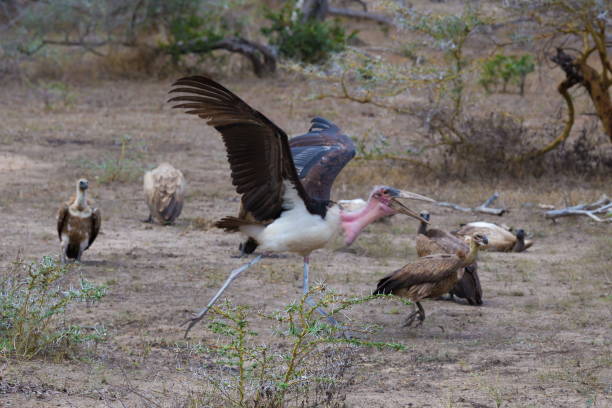
3-Day Nyerere Safari With Night Game Drive 2026-2027
3-Day Nyerere Safari with Night Game Drive is explained with current 2026-2027 planning, price, itinerary and booking information.
View package details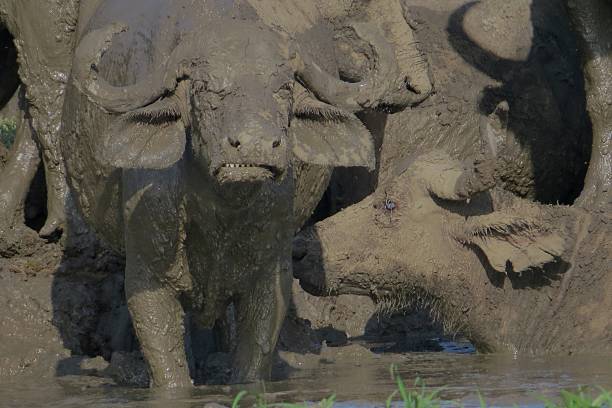
3-Day Nyerere Safari With Accommodation Inside The Park 2026-2027
3-Day Nyerere Safari with Accommodation Inside the Park is explained with current 2026-2027 planning, price, itinerary and booking information.
View package details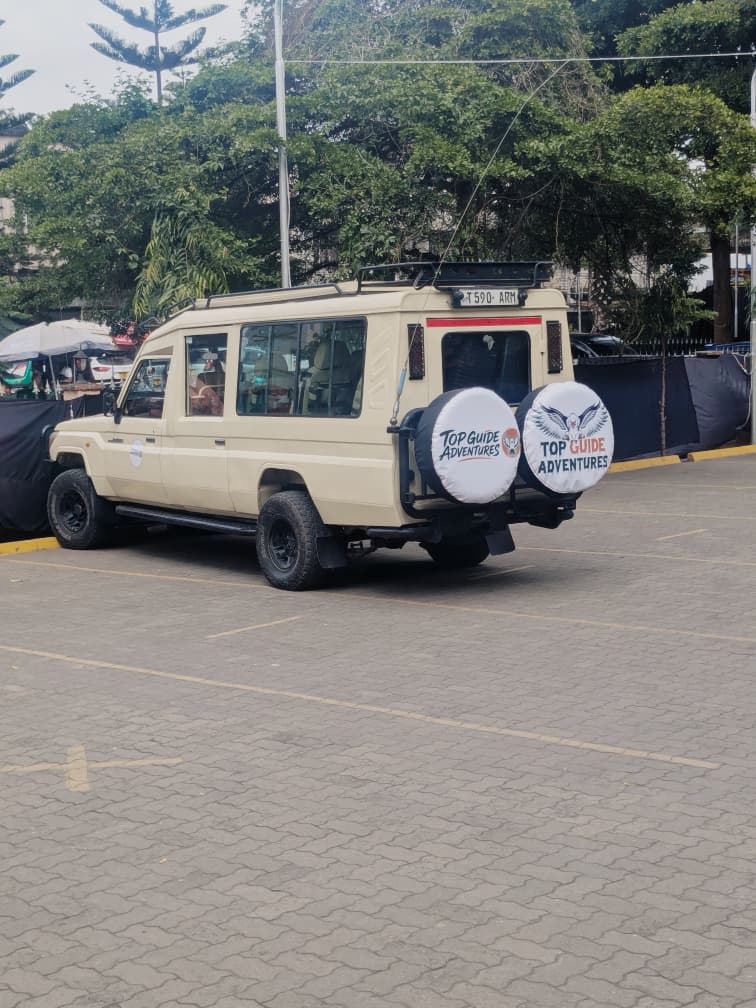
3-Day Nyerere Boat, Walking And Game Drive Safari: An Unforgettable Southern
Discover the unique blend of water and land-based wildlife viewing on a 3-day safari in Nyerere National Park (formerly Selous Game Reserve). This itinerary focuses on boat safaris along...
View package details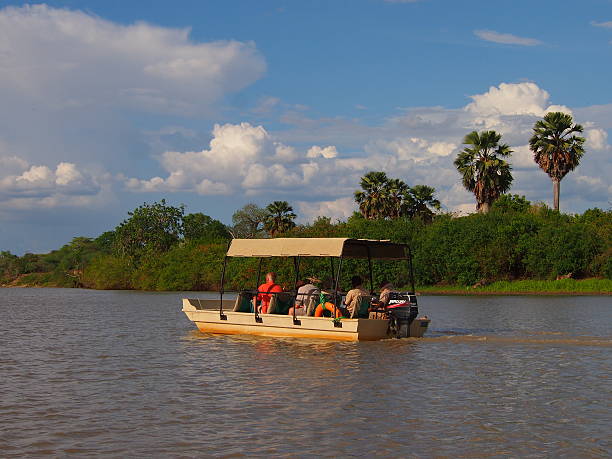
2-Day Nyerere Boat And Game Drive Safari: Your Ultimate Tanzania Adventure
Discover the wild heart of Tanzania on a 2-day Nyerere National Park safari, combining thrilling boat excursions on the Rufiji River with classic game drives. This short yet impactful...
View package details
3-Day Mikumi Fly-In Safari From Zanzibar: Best Price 2026-2027
Discover the magic of a 3-day Mikumi fly-in safari from Zanzibar, offering an efficient and thrilling wildlife encounter. Perfect for those short on time, this package brings you...
View package detailsNo related package matches those filters. Clear one or more filters to see the other topic-matched options.



