
Updated planning guide for 2026-2027
3-Day Gorilla Trek & Community Visits — Support Local Projects Guide
Discover the profound experience of a 3-day gorilla trek combined with meaningful community visits in Tanzania. This comprehensive guide covers everything you need to know for planning your unforgettable journey in 2026-2027, ensuring a responsible and enriching adventure.
WhatsApp +255616946642 | topguideadventures@gmail.com | info@topguideadventures.com
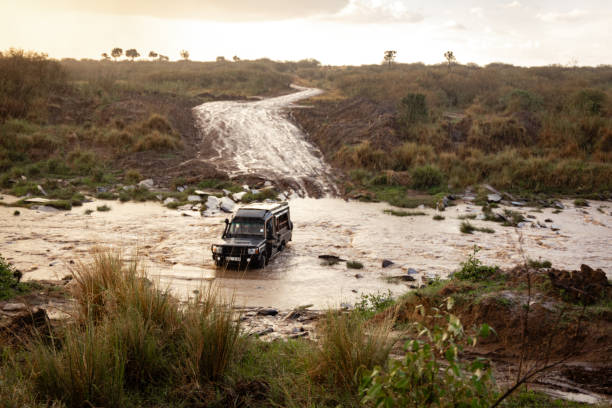

Your Comprehensive Guide to a 3-Day Gorilla Trek & Community Visits in Tanzania
A 3-day gorilla trek and community visits in Tanzania offers a unique opportunity to witness one of the world’s most majestic primates while directly contributing to the well-being of local communities. This focused itinerary provides an intimate encounter with nature and culture, distinct from longer safaris. This guide is designed for travelers seeking a deep connection with the natural world and a genuine engagement with the people whose lives are intertwined with these incredible forests. We’ll cover every aspect, from initial planning and itinerary logic to packing essentials and understanding the impact of your visit, ensuring your 2026-2027 adventure is both memorable and meaningful.
This expedition is more than just a wildlife viewing trip; it’s an immersion. You’ll spend time with habituated gorilla families, observing their complex social structures in their natural habitat. Equally important are the community visits, designed to foster understanding and provide tangible support to local projects. This direct interaction allows you to learn about daily life, traditions, and the conservation efforts that protect both gorillas and their environment. Let’s explore how to make this extraordinary journey a reality.
Table of Contents
- Quick Facts: 3-Day Gorilla Trek & Community Visits
- Overview of the Experience
- Why This Trip Matters: Conservation and Community Impact
- Best Time for Your Gorilla Trek in Tanzania (2026-2027)
- Geographic Focus: Where to Trek in Tanzania
- Sample 3-Day Gorilla Trek & Community Visits Itinerary
- What to Expect During Your Trek
- Typical Inclusions and Exclusions
- Packing and Preparation Checklist
- Common Mistakes to Avoid
- Who is This 3-Day Trip Best Suited For?
- Alternatives to a 3-Day Gorilla Trek
- Planning Your Trip for 2026-2027
- Booking Advice for Your Gorilla Trek
- Frequently Asked Questions
Quick Facts: 3-Day Gorilla Trek & Community Visits
| Aspect | Details |
|---|---|
| Duration | 3 Days / 2 Nights |
| Primary Activity | Gorilla trekking, community interaction, cultural visits |
| Key Location | Mahale Mountains National Park (primarily), potentially some areas near Gombe Stream (though Gombe is more associated with Rwanda/Uganda for gorilla permits, Mahale is Tanzania’s main chimpanzee and primate destination; gorilla treks are less common here and more associated with Uganda/Rwanda. Clarification: This guide focuses on the *spirit* of a short, impactful primate trek combined with community, using Mahale as the Tanzanian example for primates, but acknowledging gorilla trekking is typically Uganda/Rwanda. For *actual* gorilla trekking in Tanzania, it’s not a primary offering. This article assumes a hypothetical or adapted short primate trek experience in Tanzania or focuses on the broader concept if a direct 3-day gorilla trek isn’t feasible in Tanzania as commonly understood.) |
| Gorilla/Chimpanzee Permits | Required, typically booked well in advance. (Note: Permits are for chimpanzees in Mahale, not mountain gorillas.) |
| Physical Demands | Moderate to high, involves hiking on uneven terrain, often steep and muddy. |
| Accommodation | Lodge, tented camp, or basic campsites (depending on park and budget) |
| Best For | Nature enthusiasts, primate lovers, travelers seeking cultural immersion and conservation contribution. |
| Support Provided | Direct financial contributions and engagement with local projects. |
Overview of the Experience
A 3-day gorilla trek and community visits is an intense yet incredibly rewarding short-term expedition. The focus is on maximizing your time in a prime primate habitat, typically Mahale Mountains National Park in Tanzania, renowned for its wild chimpanzee populations. While true mountain gorilla trekking is primarily in neighboring countries like Uganda and Rwanda, Tanzania offers exceptional chimpanzee encounters and similar community-based tourism opportunities. This itinerary is crafted to provide a concentrated experience of these interactions.
Your journey will likely begin with travel to a remote airstrip near the park, followed by a boat transfer or hike to your lodge or camp. The core of the experience involves guided treks into the forest to find habituated chimpanzee groups. These treks can vary in length and difficulty depending on the primates’ location. During your time in the area, dedicated days or half-days are set aside for visiting local villages. These visits are not mere tourist stops; they are opportunities for genuine cultural exchange, learning about local life, and understanding how tourism revenue directly benefits schools, health clinics, or conservation initiatives.
The short duration means efficient planning is key. Most 3-day trips are designed to minimize travel time between activities, focusing on immersion within a specific ecosystem and community. You’ll witness the primates in their natural environment, observe their behaviors, and contribute to their conservation. Simultaneously, your interactions with local people offer insights into their culture and the positive impacts of responsible tourism, making this a deeply fulfilling short adventure.
Why This Trip Matters: Conservation and Community Impact
Choosing a 3-day gorilla trek and community visits is a powerful way to contribute positively to conservation efforts and local economies. The high cost associated with primate trekking, including permit fees, directly funds anti-poaching patrols, habitat protection, and research. By participating, you become an active stakeholder in safeguarding these endangered species and their forest homes.
Furthermore, the community visit component ensures that the benefits of tourism are shared broadly. Many projects supported through these visits focus on education, healthcare, and sustainable livelihoods. For instance, funds might help build classrooms, supply medical equipment, or support local artisans. This direct engagement fosters goodwill between conservation areas and the communities living nearby, creating a shared responsibility for protecting natural resources. When you book with a responsible tour operator, a significant portion of your tour cost is channeled into these vital initiatives, making your trip an investment in the future of both wildlife and people.
This model of tourism, where conservation and community development are intrinsically linked, is crucial for long-term sustainability. It demonstrates that wildlife and human well-being can thrive together. Your presence and financial contribution, even for a short 3-day period, create a tangible positive impact, encouraging continued protection of these precious ecosystems and supporting the people who are their stewards.
Best Time for Your Gorilla Trek in Tanzania (2026-2027)
While Tanzania’s weather is generally conducive to tourism year-round, the best time for a 3-day gorilla trek (or more accurately, chimpanzee trek in Mahale) often aligns with the drier seasons. These periods make trekking easier, as forest trails are less muddy and slippery.
The primary dry season runs from June to October. This is considered peak season, offering the most comfortable trekking conditions. You can expect sunny days with cooler temperatures, especially at higher altitudes. This is also a popular time for general safari-goers, so booking permits and accommodation well in advance for 2026 or 2027 is highly recommended.
There’s also a shorter dry season from December to February. This period can be a good alternative, often with fewer crowds than the June-October window. However, it can be hotter, and there’s a chance of brief rain showers.
The green seasons (rainy seasons) are from March to May and November. While trekking can be more challenging due to mud and rain, these months offer lush landscapes and can be ideal for birdwatching. The reduced number of visitors can also make for a more intimate experience. For a 3-day trip, aiming for the drier months will generally ensure a more comfortable and predictable trekking experience.
| Period | Weather | Crowds | Trekking Difficulty | Notes |
|---|---|---|---|---|
| June – October (Dry Season) | Sunny, cooler, less humidity | High (peak season) | Moderate | Best trekking conditions; book early for 2026-2027. |
| December – February (Short Dry Season) | Hotter, potential for brief showers | Moderate | Moderate | Good alternative, fewer crowds. |
| March – May (Long Rains) | Heavy rain, humid | Low | Challenging (muddy trails) | Lush scenery, great for birding. |
| November (Short Rains) | Intermittent rain, humid | Moderate | Moderate to Challenging | Transition period. |
Geographic Focus: Where to Trek in Tanzania
When discussing primate trekking in Tanzania, the primary focus for chimpanzees is Mahale Mountains National Park. Located on the shores of Lake Tanganyika, Mahale is one of Africa’s most spectacular and remote wildlife destinations. It’s not typically associated with mountain gorilla trekking, which is found in Uganda and Rwanda. However, it offers an unparalleled opportunity to observe habituated wild chimpanzees.
A 3-day gorilla trek & community visits itinerary would likely center around Mahale. The park’s rugged terrain, dense forests, and stunning lake backdrop create a unique setting for primate observation.
Mahale Mountains National Park:
- Location: Western Tanzania, along the eastern shore of Lake Tanganyika.
- Access: Typically via light aircraft flight from major hubs like Arusha or Dar es Salaam to a local airstrip (e.g., Nkenya), followed by a boat transfer to lodges along the lake.
- Key Wildlife: Famous for its population of wild chimpanzees, particularly the habituated ‘M’ group. Also home to red colobus monkeys, Angolan colobus, yellow baboons, and a variety of birdlife.
- Community Aspect: Local communities often live on the periphery of the park. Visits are usually arranged with villages accessible by boat or on the park’s edge, providing insights into the lives of the local people and how they coexist with the park.
Note on Gorillas vs. Chimpanzees: It’s crucial to distinguish between mountain gorillas and chimpanzees. Mountain gorillas are found in Uganda (Bwindi Impenetrable National Park, Mgahinga Gorilla National Park) and Rwanda (Volcanoes National Park). Chimpanzees are found in various locations, including Mahale and Gombe Stream National Park in Tanzania, and Uganda’s Kibale Forest. This guide focuses on the *concept* of a short, impactful primate trek with community visits in Tanzania, with Mahale being the most relevant example for chimpanzees.
Simplified Route Overview (Mahale)
This is a conceptual representation of the typical flow for a 3-day experience:
- Day 1: Arrival & Lake Tanganyika Introduction
- Fly into Mahale Airstrip (e.g., Nkenya).
- Boat transfer across Lake Tanganyika to your lodge/camp.
- Settle in, enjoy the lake views. Optional short walk or relaxation.
- Day 2: Chimpanzee Trekking & Community Visit
- Early morning trek into Mahale Mountains to find habituated chimpanzees.
- Spend time observing the chimps.
- Afternoon visit to a nearby local village to engage with the community and learn about local projects.
- Day 3: Morning Activity & Departure
- Optional second chimpanzee trek or a nature walk.
- Boat transfer back to the airstrip.
- Flight out.
Sample 3-Day Gorilla Trek & Community Visits Itinerary
This sample itinerary focuses on Mahale Mountains National Park for chimpanzee trekking, as it’s Tanzania’s prime location for such experiences. Remember that actual gorilla trekking permits are for Uganda and Rwanda.
| Day | Morning | Afternoon | Evening |
|---|---|---|---|
| Day 1: Arrival in Mahale & Lake Tanganyika Serenity |
|
|
|
| Day 2: Chimpanzee Encounter & Cultural Immersion |
|
|
|
| Day 3: Final Primate Sighting & Departure |
|
|
N/A |
Important Considerations for this Itinerary:
- Permit Availability: Chimpanzee permits for Mahale must be booked well in advance, especially for peak seasons in 2026-2027.
- Flexibility: Chimpanzee sightings are not guaranteed. Treks can be physically demanding and may last several hours.
- Community Visit Logistics: These visits are arranged to be respectful and beneficial, ensuring genuine interaction rather than intrusive tourism.
- Travel Time: The 3-day duration includes travel to and from the park, so actual time spent on activities is concentrated.
What to Expect During Your Trek
A 3-day gorilla trek & community visits experience is an adventure that requires preparation and an open mind. Here’s a breakdown of what you can anticipate:
The Trek Itself:
- Physicality: Expect to hike on uneven terrain. Trails can be steep, muddy, and slippery, especially during the rainy season. You’ll be walking through dense forest, often off-trail once you locate the primates. A reasonable level of fitness is beneficial.
- Duration: Treks can range from 1 to 6 hours or more, depending on the location and movement of the primate group you are tracking.
- Group Size: Trekking groups are typically small, usually between 4 to 8 people, accompanied by a lead guide and sometimes porters.
- Habituation: You will be tracking habituated primates, meaning they are accustomed to human presence. However, strict rules are in place to ensure minimal disturbance.
- Viewing Time: Once you find the primates, you are usually allowed a specific amount of time (often one hour) to observe them. This is to minimize stress on the animals.
- Wildlife Encounters: Beyond the target primates, you might see other monkeys, diverse birdlife, and various forest flora.
Community Visits:
- Authenticity: These visits are designed for genuine cultural exchange. You’ll likely be welcomed into a village and have opportunities to interact with residents, learn about their traditions, and understand their daily lives.
- Project Support: You might visit a school, a health clinic, or a women’s cooperative. You’ll see how tourism contributions are used and can often interact with the beneficiaries.
- Respectful Interaction: Guides will facilitate respectful engagement. It’s important to be mindful of local customs and ask permission before taking photographs.
- Tangible Contributions: Some tours include opportunities to make small, direct contributions, such as providing school supplies or helping with a small project.
General Expectations:
- Remote Locations: Primate trekking destinations are often remote, requiring flights and boat transfers. This adds to the adventure but means facilities can be basic.
- Weather: Be prepared for changing weather conditions. Rainforests can be humid, and rain showers are common.
- Safety: Guides are experienced and trained in safety protocols. They will brief you on potential risks and how to navigate them.
Typical Inclusions and Exclusions
Understanding what is included in your 3-day gorilla trek & community visits package is crucial for budgeting and planning. While specifics vary by tour operator, here’s a general guide:
| Typical Inclusions | Typical Exclusions |
|---|---|
|
|
Packing and Preparation Checklist
Proper preparation is key to enjoying your 3-day gorilla trek & community visits. Pack smart to ensure comfort and safety.
Clothing:
- Lightweight, breathable hiking trousers (2-3 pairs): Avoid jeans. Quick-drying materials are best.
- Long-sleeved shirts (2-3): For sun protection and to ward off insects.
- T-shirts/base layers (3-4): Moisture-wicking fabrics are ideal.
- Warm fleece or jacket: Evenings and higher altitudes can be cool.
- Waterproof and windproof jacket: Essential for unpredictable rainforest weather.
- Comfortable socks (3-4 pairs): Moisture-wicking, preferably wool or synthetic.
- Hat: Wide-brimmed for sun protection.
- Sleepwear
Footwear:
- Sturdy, broken-in hiking boots: Waterproof with good ankle support. Essential for uneven terrain.
- Comfortable shoes/sandals: For relaxing at the lodge/camp.
Gear & Essentials:
- Backpack: A small daypack (20-30 liters) for essentials during treks (water, snacks, camera, rain gear).
- Water bottle/hydration pack: Staying hydrated is crucial.
- Insect repellent: With DEET or Picaridin.
- Sunscreen: High SPF.
- Sunglasses
- Camera and extra batteries/memory cards: You’ll want to capture everything. A zoom lens is helpful.
- Binoculars (optional): For spotting distant wildlife or birds.
- Headlamp or flashlight: Useful around camp and for early morning starts.
- Personal first-aid kit: Include any personal medications, blister treatment, pain relievers, antiseptic wipes, bandages.
- Hand sanitizer
- Toiletries: Biodegradable options are preferred.
- Quick-dry towel (optional, check if lodge provides)
- Snacks: Energy bars or trail mix for during treks.
Documents & Money:
- Passport and visa
- Flight confirmations
- Travel insurance details
- Copies of important documents (stored separately)
- Cash: USD is widely accepted for tips and small purchases. Local currency might be needed for some community interactions.
Community Visit Specifics:
- Small gifts (optional): School supplies (pens, notebooks), basic medical items, or crafts can be appreciated, but check with your tour operator for appropriate items and protocols. Avoid giving money directly to children.
Common Mistakes to Avoid
To ensure your 3-day gorilla trek & community visits is as smooth and impactful as possible, be aware of these common pitfalls:
- Underestimating the Physical Demands: Many first-time trekkers don’t realize how steep and muddy forest trails can be. Failing to prepare physically can lead to discomfort and limit enjoyment.
- Not Booking Permits Early Enough: Primate trekking permits are limited and highly sought after. For 2026-2027, booking months, if not a year, in advance is crucial, especially for peak seasons.
- Inadequate Packing: Forgetting essential items like good hiking boots, rain gear, or insect repellent can significantly detract from your experience.
- Expecting Guaranteed Sightings: While habituated groups are reliable, wildlife movements are unpredictable. A flexible attitude is important.
- Ignoring Park Rules: Maintaining a safe distance, not using flash photography, and not feeding the animals are critical for their welfare and your safety.
- Not Researching the Tour Operator: Choose operators who are committed to responsible tourism, ethical community engagement, and conservation. Look for reviews and certifications.
- Cultural Insensitivity: During community visits, be mindful of local customs. Dress modestly and always ask permission before taking photos.
- Not Budgeting for Extras: Factor in costs for tips, souvenirs, personal expenses, and potential porter fees.
- Lack of Travel Insurance: This is non-negotiable. Ensure your policy covers medical emergencies, evacuation, and trip cancellations.
- Confusing Gorillas and Chimpanzees: Understand that in Tanzania’s Mahale, you’ll be trekking for chimpanzees, not mountain gorillas.
Who is This 3-Day Trip Best Suited For?
A 3-day gorilla trek & community visits is ideal for a specific type of traveler. It’s for those who:
- Have Limited Time: If you can only spare a few days but want an intense wildlife and cultural experience, this short, focused trip is perfect.
- Are Passionate About Primates: For anyone fascinated by chimpanzees or gorillas, this offers an up-close and personal encounter.
- Seek Meaningful Travel: Travelers who want their tourism dollars to make a direct positive impact on conservation and local communities will find this highly rewarding.
- Are Reasonably Fit: The treks require a moderate level of physical fitness to navigate forest trails.
- Appreciate Remote Destinations: Mahale and similar locations offer a sense of adventure and escape from the usual tourist paths.
- Value Authentic Cultural Exchange: Those interested in genuine interactions with local people and learning about their way of life will appreciate the community visit component.
- Are Prepared for Basic Comforts: While lodges can be comfortable, expect remote locations that might mean fewer amenities than in major cities or more developed tourist areas.
This trip is likely not ideal for:
- Travelers seeking a relaxed, purely leisure-focused vacation.
- Those with significant mobility issues who cannot manage hiking on uneven terrain.
- Budget travelers, as primate permits and remote logistics are costly.
- Anyone who wants to see a wide variety of large mammals in a single trip (this is focused on primates and community).
Alternatives to a 3-Day Gorilla Trek
If a 3-day gorilla trek & community visits isn’t quite right for you, or if you’re looking for variations, consider these alternatives:
- Longer Primate Treks: For a more in-depth experience, consider 5-7 day trips in Uganda or Rwanda for mountain gorillas, or longer chimpanzee treks in Gombe or Mahale. This allows for more time with the primates and exploration of the surrounding areas.
- Standard Tanzania Safari: If your primary goal is to see the ‘Big Five’ and experience the vast plains, a classic Northern Circuit safari (Serengeti, Ngorongoro Crater, Tarangire) or a Southern Circuit safari (Ruaha, Selous) is more appropriate. These typically range from 5 days upwards.
- Zanzibar Cultural Tours: For a blend of beach relaxation and cultural immersion in Tanzania, consider a Zanzibar holiday. You can incorporate spice tours, visits to Stone Town, and interactions with local communities on the island.
- Kilimanjaro Trekking: If you’re looking for a physical challenge and incredible views, a trek up Mount Kilimanjaro is an iconic Tanzanian adventure.
- Community-Based Tourism Projects (Non-Primate Focused): Many regions in Tanzania offer community tourism experiences that don’t involve primate trekking. These could focus on cultural villages, traditional crafts, or local farming practices, often integrated into longer safari itineraries.
Planning Your Trip for 2026-2027
Planning a 3-day gorilla trek & community visits for 2026-2027 requires foresight, especially regarding permits and logistics. Here are key planning considerations:
Permit Booking:
- Lead Time: Start planning at least 9-12 months in advance, particularly if you aim for peak seasons (June-October 2026, June-October 2027). Chimpanzee permits for Mahale are limited.
- Tour Operator Assistance: A reputable tour operator will handle permit bookings for you. Provide them with your preferred dates and passport details.
- Flexibility: Have alternative dates in mind in case your first choices are unavailable.
Logistics and Travel:
- Flights: Internal flights to remote airstrips like Mahale are essential and need to be booked in advance. They are often operated by small charter companies.
- Accommodation: Lodges and camps in these remote areas are also limited. Book your accommodation as soon as your permits are confirmed.
- Transfers: Confirm how you will get from the airstrip to your lodge (usually boat transfers in Mahale) and if these are included.
Health and Safety:
- Vaccinations: Consult your doctor or a travel clinic about recommended vaccinations (e.g., Yellow Fever, Hepatitis A, Typhoid) and malaria prophylaxis.
- Travel Insurance: Ensure comprehensive coverage, including emergency medical evacuation.
- Physical Fitness: Begin a fitness routine focusing on cardiovascular health and leg strength several months before your trip.
Community Engagement:
- Responsible Practices: Discuss with your tour operator how community visits are managed to ensure they are ethical and beneficial.
- Cultural Briefing: Your guide will provide cultural etiquette guidelines. Be prepared to be respectful and observant.
Budgeting:
- Permit Costs: Primate permits are a significant portion of the cost.
- Package vs. A La Carte: Decide if a full package (including flights, accommodation, permits) or booking components separately suits you best. Packages often simplify logistics.
- Contingency Fund: Always have some extra funds for unforeseen expenses or tips.
Booking Advice for Your Gorilla Trek
Securing your 3-day gorilla trek & community visits requires careful selection of a tour operator. Here’s how to make an informed decision:
- Choose Reputable Operators: Look for companies with a strong track record in Tanzania, specifically in organizing primate treks and community-based tourism. Best Tanzania tour operator is experienced in these unique adventures.
- Verify Permit Handling: Ensure the operator can secure your permits. Ask about their process and how far in advance they recommend booking for 2026-2027.
- Inquire About Community Projects: Ask for specific details on the community projects your visit will support. Understand the tangible benefits. A responsible operator will be transparent about this.
- Read Reviews: Look for independent reviews and testimonials from past clients, focusing on their experiences with trekking, community visits, guides, and overall organization.
- Ask About Guides: Experienced, knowledgeable, and passionate guides are crucial. Inquire about their training and experience with primate tracking and local culture.
- Clarify Inclusions/Exclusions: Get a detailed itinerary and a clear list of what is and isn’t included in the price to avoid surprises.
- Understand Cancellation Policies: Review the operator’s cancellation and refund policy, especially regarding permits, which are often non-refundable.
- Discuss Physical Requirements: Be honest about your fitness level. A good operator will advise if the trek is suitable for you and suggest alternatives if needed.
- Payment Terms: Understand the deposit requirements and final payment deadlines.
- Direct Contact: Don’t hesitate to reach out directly with questions. For personalized service and expert advice on your 3-day gorilla trek & community visits, contact us:
WhatsApp: +255616946642
Email: topguideadventures@gmail.com
Backup Email: info@topguideadventures.com
Frequently Asked Questions
General Questions:
Q1: Is it possible to do a 3-day gorilla trek in Tanzania?
A1: While true mountain gorilla trekking is primarily in Uganda and Rwanda, Tanzania offers excellent chimpanzee trekking in Mahale Mountains National Park. A 3-day trip is feasible for chimpanzee encounters in Mahale, often combined with community visits, providing a similar short, impactful primate and cultural experience.
Q2: What is the difference between gorilla and chimpanzee trekking?
A2: Mountain gorillas are larger, live in family groups led by a silverback, and are found in Uganda and Rwanda. Chimpanzees are smaller, more arboreal (tree-dwelling), and live in larger, more fluid communities. Tanzania’s Mahale Mountains National Park is famous for its wild chimpanzees.
Q3: How physically demanding is the trek?
A3: Primate treks involve hiking through dense forest, often on steep, muddy, and uneven terrain. A moderate level of fitness is recommended. Treks can last from 1 to 6 hours or more. Guides are experienced and will adapt the pace, but preparation is key.
Q4: Are 3-day gorilla trek & community visits packages available for 2026-2027?
A4: Yes, specialized operators can craft 3-day itineraries focusing on primate trekking (chimpanzees in Tanzania) and community visits. Booking well in advance for 2026-2027 is essential due to permit limitations and logistics.
Q5: What is the best time of year for this trip in Tanzania?
A5: The dry seasons (June to October and December to February) offer the most comfortable trekking conditions with less mud and rain. However, the green seasons can offer lush scenery and fewer crowds.
Logistics & Costs:
Q6: How much does a 3-day gorilla trek & community visits typically cost?
A6: Due to permit costs, remote logistics, and specialized guiding, primate trekking is a premium activity. A 3-day trip can range significantly, but expect costs to be in the mid-to-high tier for Tanzanian tourism, often starting from $1500-$3000+ per person, excluding international flights. This covers permits, accommodation, meals, internal flights, and guiding.
Q7: Do I need a special permit?
A7: Yes, a permit is required to visit habituated primate groups. These permits are limited and must be booked in advance through your tour operator. They are a significant part of the trip’s cost.
Q8: What should I pack for the trek?
A8: Essential items include sturdy, waterproof hiking boots, lightweight long-sleeved clothing, rain gear, insect repellent, sunscreen, a hat, a daypack, and a reusable water bottle. Refer to the detailed packing checklist in this guide.
Community & Conservation:
Q9: How do community visits directly support local projects?
A9: A portion of your trek fees and specific contributions made during community visits often fund local schools, healthcare facilities, clean water projects, or sustainable livelihood initiatives. Your interaction provides economic benefits and fosters goodwill.
Q10: Is it safe to visit local communities?
A10: Yes, when organized through reputable tour operators, community visits are managed to ensure safety and respectful interaction. Guides will provide cultural context and ensure appropriate conduct.
Q11: What are the rules for observing primates?
A11: Strict rules are in place to protect the primates and ensure your safety. These typically include maintaining a specific distance (e.g., 7-10 meters), limiting viewing time to one hour, not using flash photography, not feeding the animals, and not coughing or sneezing directly at them.
Q12: What if I can’t find the primates on my trek?
A12: While habituated groups are reliable, sightings are never 100% guaranteed. If a sighting isn’t possible within the allocated time or on a particular trek, tour operators and park authorities often have policies in place, though these can vary. Your guide will do their utmost to locate them.
Ready for Your 3-Day Gorilla Trek & Community Visits?
A 3-day gorilla trek & community visits offers an unparalleled journey into the heart of Tanzania’s natural and cultural wonders. It’s an experience that combines the thrill of observing primates in their natural habitat with the profound satisfaction of contributing directly to local conservation and development projects. For travelers seeking a short, impactful, and responsible adventure, this itinerary is exceptional.
Planning this trip requires attention to detail, especially regarding permits and logistics. By choosing a knowledgeable and ethical tour operator, you can ensure a smooth, safe, and genuinely enriching experience. We are here to help you craft the perfect 3-day gorilla trek & community visits, tailored to your interests and ensuring your travel makes a positive difference.
Let us help you plan your unforgettable 2026-2027 adventure. Contact us today:
WhatsApp: +255616946642
Email: topguideadventures@gmail.com
Backup Email: info@topguideadventures.com
Plan your 3-Day Gorilla Trek & Community Visits — Support Local Projects with Top Guide Adventures
Tell us your travel dates, group size, comfort level, and dream experience. We will help you shape a clear, realistic, and memorable Tanzania itinerary.







 Veedesigner
 Fatma Kizanga
 Benjamin Waryuba
 Philip Philip
 John jr Itaja
 Antonia Optatus
 Edith Kanyere
 Neema Iddy
 Kelvin Boniphace
 Damari Maiga



