
Updated planning guide for 2026-2027
3-Day Primates & Cultural Tour — Kibale & Local Villages: Complete Guide
Explore the rich biodiversity and vibrant local culture of Uganda with this detailed guide to a 3-Day Primates & Cultural Tour in Kibale National Park and surrounding villages. Perfect for nature lovers and cultural enthusiasts.
WhatsApp +255616946642 | topguideadventures@gmail.com | info@topguideadventures.com

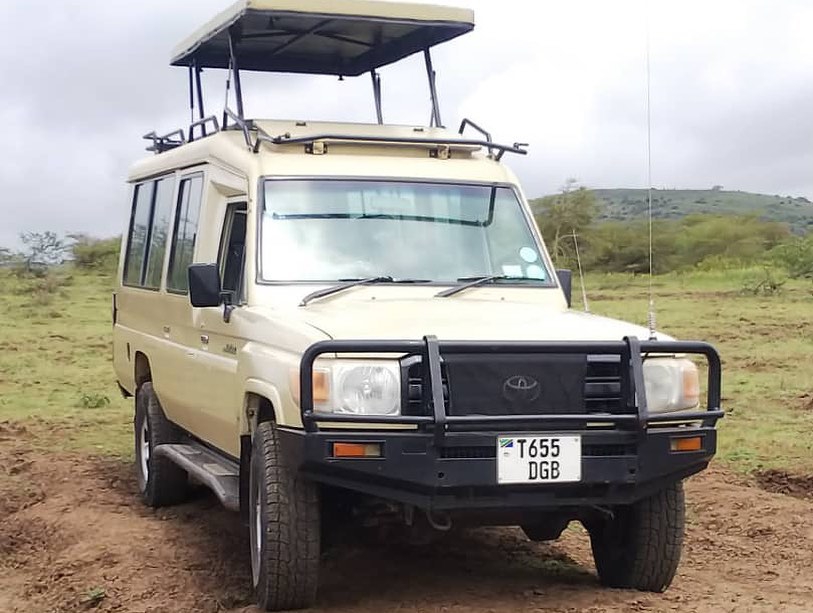
3-Day Primates & Cultural Tour: Kibale & Local Villages Expert Guide
Welcome to the ultimate guide for an unforgettable 3-Day Primates & Cultural Tour in Kibale National Park and its adjacent local communities. This focused itinerary offers a deep dive into one of Africa’s most biodiverse regions, combining thrilling primate encounters with authentic cultural experiences. If you’re seeking a short yet impactful journey into Uganda’s natural and human heritage, this tour is designed for you. We’ll cover everything you need to know for planning your 2026-2027 adventure, from what to expect on the ground to how to make the most of your limited time.
Quick Facts: 3-Day Kibale Primates & Culture Tour
| Duration | 3 Days / 2 Nights |
|---|---|
| Primary Focus | Chimpanzee Trekking, Local Culture, Bird Watching |
| Key Location | Kibale National Park, Fort Portal area, Uganda |
| Best Time to Travel | Dry seasons: June-August, December-February. Wet seasons offer lush scenery and fewer crowds. |
| Accommodation Style | Mid-range to Luxury lodges, budget guesthouses |
| Physical Activity | Moderate trekking (uneven terrain, humidity) |
| Cultural Immersion | Visits to local villages, community projects, traditional life observation |
Understanding the 3-Day Primates & Cultural Tour Experience
A 3-day excursion to Kibale is a concentrated dose of Uganda’s natural wonders and cultural richness. It’s ideal for travelers with limited time, perhaps as an extension to a longer safari or a standalone short break. The tour’s core is chimpanzee trekking in Kibale National Park, renowned as the primate capital of Africa. Beyond the thrilling prospect of walking among chimpanzees, this itinerary intentionally integrates visits to local communities. This dual focus ensures you experience not only the incredible wildlife but also the warm hospitality and daily life of the people who call this region home. Expect to learn about traditional farming, local crafts, and community initiatives, offering a well-rounded perspective of Uganda.
Why Choose a Short Kibale & Cultural Tour?
The appeal of a 3-day tour lies in its efficiency and depth. In just three days, you can achieve significant travel goals:
- Prime Primate Encounters: Kibale boasts the highest density of primates in East Africa, with chimpanzees being the main draw. You have a high chance of observing them in their natural habitat.
- Cultural Authenticity: Direct interaction with local communities offers insights that guidebooks cannot provide. It’s a chance to understand daily life, traditions, and the impact of conservation efforts.
- Biodiversity Hotspot: Beyond chimps, Kibale is home to 12 other primate species, a vast array of birds, and diverse forest flora.
- Manageable Itinerary: For those with tight schedules, a 3-day trip is perfectly achievable without feeling rushed, offering a satisfying experience.
- Educational Value: It’s an excellent introduction to conservation challenges and successes, and the importance of community involvement in preserving natural resources.
Best Time to Visit Kibale for Primates and Culture
While Kibale National Park is a year-round destination, certain periods offer distinct advantages for this specific 3-Day Primates & Cultural Tour. The best time to visit is generally during the dry seasons, which typically run from June to August and again from December to February.
Dry Seasons (June-August, December-February)
- Advantages: The trails are less muddy and slippery, making trekking more comfortable. Skies are often clearer, offering better photographic opportunities. Wildlife tends to congregate around water sources, potentially making sightings easier.
- Considerations: These are peak tourist seasons, meaning higher demand for lodges and permits. Bookings should be made well in advance, especially for 2026 and 2027 travel. Prices might be slightly higher.
Wet Seasons (March-May, September-November)
- Advantages: The landscape is incredibly lush and green, offering stunning photographic backdrops. You’ll encounter fewer tourists, leading to a more intimate experience. Prices for accommodation can sometimes be lower. It’s also a fantastic time for birdwatchers.
- Considerations: Trails can be muddy and challenging, requiring sturdy waterproof footwear. Rain showers can be frequent, though they often occur in short, intense bursts. Primate sightings might be slightly more challenging as they can move deeper into the forest.
For a 3-day tour, the dry seasons are often preferred for ease of movement and predictable weather. However, the wet seasons offer a unique beauty and a chance for a more secluded experience, which can also be very rewarding.
Kibale National Park & Surrounding Areas: A Geographic Overview
Kibale National Park is located in Western Uganda, approximately 300-350 kilometers (about 185-215 miles) west of Kampala, the capital city. The park is part of a larger forest ecosystem that includes Queen Elizabeth National Park to the south.
Route Area Overview
The typical starting point for a 3-Day Primates & Cultural Tour is either arriving from Kampala/Entebbe or proceeding from another destination in Western Uganda, such as Murchison Falls or Queen Elizabeth National Park. The journey to Kibale itself is scenic, passing through rolling hills, tea plantations, and small towns.
- Starting Point: Usually Kampala/Entebbe (or another safari location).
- Travel to Fort Portal: A major town near Kibale, serving as a gateway. This leg of the journey takes approximately 5-7 hours by road.
- Kibale National Park Entrance: Located south-east of Fort Portal. The main visitor center is Kanyanchu.
- Local Villages: These are scattered around the park’s boundaries, often accessible via dirt roads from Fort Portal or the park entrance. Communities like Bigodi are well-known for their ecotourism initiatives.
- Accommodation: Lodges and guesthouses are situated both near the park entrance and in the surrounding hills, offering varying levels of comfort and proximity to activities.
Sample 3-Day Primates & Cultural Tour Itinerary
This itinerary is a template and can be customized. It assumes arrival on Day 1 and departure on Day 3, focusing on maximizing your experience within the limited timeframe.
Day 1: Arrival, Transfer & Village Immersion
- Morning: Depart from Kampala/Entebbe or your previous safari location. Enjoy a scenic drive towards Fort Portal (approx. 5-7 hours).
- Lunch: Arrive in Fort Portal and have lunch at a local restaurant.
- Afternoon: Transfer to your lodge near Kibale. After settling in, embark on a guided visit to a local village, such as Bigodi. Engage with community members, learn about their daily lives, farming practices, and perhaps visit a local school or craft cooperative.
- Evening: Return to your lodge for dinner and overnight.
Day 2: Chimpanzee Trekking & Forest Exploration
- Morning: After an early breakfast, head to the Kanyanchu Visitor Centre for your chimpanzee trekking briefing.
- Late Morning: Begin your trek into Kibale Forest. Accompanied by experienced guides, you’ll search for habituated chimpanzee families. This trek can take 2-5 hours, depending on the chimps’ movements.
- Lunch: Enjoy a packed lunch amidst the forest or return to the lodge for a meal.
- Afternoon: Choose between a guided nature walk in the Magombe Swamp (excellent for birdwatching and other primates) or a visit to a local community project focusing on conservation or education.
- Evening: Relax at your lodge, enjoy dinner, and share stories of your primate encounters.
Day 3: Bird Watching, Optional Activities & Departure
- Morning: Early morning bird watching walk around the lodge or a dedicated session in the Magombe Swamp, known for its rich avian life and the Great Blue Turaco.
- Late Morning: Enjoy a final Ugandan breakfast. Depending on your departure schedule, you might have time for a brief visit to the crater lakes region near Fort Portal for scenic views.
- Lunch: Have lunch before beginning your journey back to Kampala/Entebbe or your next destination.
- Afternoon: Drive back, arriving in the late evening.
What to Expect During Your Kibale & Cultural Tour
This tour is designed to be immersive and educational. Here’s a breakdown of what you can anticipate:
Chimpanzee Trekking
- The Search: Trekking involves walking through dense rainforest. Guides use their knowledge and sometimes trackers to locate the habituated chimpanzee groups.
- The Encounter: Once found, you’ll have a set amount of time (usually one hour) to observe the chimps. This includes watching them feed, play, groom, and interact. It’s a truly captivating experience.
- Physical Demands: The terrain can be steep and slippery, especially after rain. You’ll need a reasonable level of fitness and sturdy footwear. The humidity in the rainforest can also be intense.
- Permits: Chimpanzee trekking permits are mandatory and must be booked in advance, as they are limited daily.
Cultural Village Visits
- Authenticity: These visits are typically arranged through local community-based tourism initiatives. They offer genuine interactions, not staged performances.
- Activities: You might participate in traditional activities, learn about local agriculture (like coffee or banana farming), see how local crafts are made, or visit a traditional healer.
- Community Impact: Funds generated from these visits often go directly back into community projects, such as schools, healthcare, or conservation efforts.
- Respectful Engagement: It’s crucial to approach these interactions with respect, openness, and a willingness to learn. Ask questions politely and be mindful of local customs.
Forest Environment
- Biodiversity: Kibale is a lush rainforest teeming with life. Besides chimpanzees, expect to see other primates like the Red-tailed Monkey, Blue Monkey, and potentially the rare L’Hoest’s Monkey.
- Birdlife: Kibale is a birder’s paradise, with over 370 bird species recorded, including many endemic to the Albertine Rift.
- Other Wildlife: You might also encounter forest elephants, bush pigs, various small antelopes, and a stunning array of butterflies and insects.
Packing and Preparation Essentials
For a successful 3-Day Primates & Cultural Tour, careful packing is key. Focus on practical items that will enhance your comfort and safety.
What to Pack:
- Clothing:
- Lightweight, breathable long-sleeved shirts and trousers (for sun and insect protection).
- A good waterproof and windproof jacket (essential for rain showers).
- Comfortable walking shoes or hiking boots with good grip (broken in).
- Extra socks (moisture-wicking are best).
- A hat with a brim for sun protection.
- Casual wear for evenings at the lodge.
- Gear:
- Insect repellent (with DEET or Picaridin).
- High SPF sunscreen.
- Reusable water bottle.
- Binoculars (highly recommended for wildlife and bird viewing).
- Camera with extra batteries and memory cards.
- A small backpack for day treks.
- Headlamp or flashlight (useful for evenings).
- Health & Hygiene:
- Personal first-aid kit (band-aids, antiseptic wipes, pain relievers, any personal medications).
- Hand sanitizer.
- Malaria prophylaxis (consult your doctor).
- Yellow Fever vaccination certificate (may be required for entry into Uganda).
- Documents & Money:
- Passport and visa (if required).
- Trekking permits (provided by your tour operator).
- Travel insurance details.
- Cash (USD is widely accepted for tips and small purchases; Ugandan Shillings for local markets).
Preparation Tips:
- Fitness: Engage in regular walking and hiking in the weeks leading up to your trip to prepare for the trekking.
- Vaccinations: Consult your doctor or a travel clinic about necessary vaccinations and malaria prevention well in advance.
- Book in Advance: Especially for 2026-2027 travel, secure your permits, accommodation, and tour operator early.
- Research: Familiarize yourself with basic Ugandan customs and phrases to enhance your cultural interactions.
Common Mistakes to Avoid on a Kibale & Cultural Tour
To ensure a smooth and enjoyable experience, be aware of potential pitfalls:
- Underestimating the Trek: Don’t assume chimpanzee trekking is a casual walk. The terrain and humidity require some preparation.
- Not Booking Permits Early: Chimpanzee permits are limited. Last-minute bookings are often impossible, especially during peak seasons for 2026-2027.
- Inadequate Gear: Forgetting rain gear, sturdy shoes, or insect repellent can significantly impact your comfort.
- Disrespecting Local Culture: Be mindful of dress codes (cover shoulders and knees when visiting villages) and always ask permission before taking photos of people.
- Expecting Guaranteed Sightings: While chances are high, wildlife sightings are never guaranteed. Appreciate the forest and other wildlife even if the chimps are elusive.
- Overpacking: For a 3-day trip, pack light. You’ll be moving between locations, and heavy luggage can be cumbersome.
- Not Tipping Appropriately: Tipping guides and lodge staff is customary. Discuss expected amounts with your tour operator.
Who is This 3-Day Tour Best Suited For?
This specific itinerary is a fantastic option for several types of travelers:
- Time-Constrained Travelers: Those on a tight schedule who want to experience Uganda’s highlights without committing to a longer trip.
- Nature Enthusiasts: Anyone fascinated by primates, birdlife, and lush forest ecosystems.
- Cultural Explorers: Individuals interested in authentic interactions with local communities and understanding rural Ugandan life.
- First-Time Uganda Visitors: It serves as an excellent introduction to the country’s natural beauty and cultural diversity.
- Travelers Seeking Focused Experiences: Those who prefer a concentrated focus on specific activities (primates and culture) rather than a broad safari.
- Couples and Small Groups: The intimate nature of the tour is ideal for couples or small groups of friends.
Alternatives to a 3-Day Kibale & Cultural Tour
If this specific itinerary doesn’t quite fit your needs, consider these alternatives:
Alternative Tour Options
| Alternative | Description | Pros | Cons |
|---|---|---|---|
| Longer Kibale Primate Safari (5-7 Days) | Includes chimpanzee trekking, guided walks, and potentially visits to nearby parks like Queen Elizabeth for game drives. | More in-depth primate and wildlife viewing, relaxed pace, covers more ground. | Requires more time and budget. |
| Kibale & Bwindi Impenetrable Forest (4-5 Days) | Combines Kibale’s chimpanzees with gorilla trekking in Bwindi Impenetrable National Park. | Experience two of Africa’s most iconic primate treks. Highly rewarding. | Requires higher budget (gorilla permits are costly), more physically demanding. |
| Short Uganda Safari (3-4 Days) | Focuses on game drives in parks like Queen Elizabeth or Murchison Falls for savanna wildlife. | See iconic safari animals like lions, elephants, buffaloes, and giraffes. | Less focus on primates and forest ecosystems. |
| Cultural Immersion Tour (3-5 Days) | Focuses solely on visiting various ethnic groups, traditional villages, and cultural sites across Uganda. | Deep dive into Uganda’s diverse cultures. | Minimal wildlife or primate focus. |
Planning Your 2026-2027 Trip
Planning a trip for the near future, especially for popular destinations like Kibale, requires foresight. Here are key considerations for your 2026-2027 travel plans:
Booking Timeline
- 12+ Months Ahead: For peak season travel (June-August, December-February) in 2026 or 2027, start researching and booking your tour operator and accommodation. This is crucial for securing preferred lodges and permits.
- 6-9 Months Ahead: Confirm your itinerary, book chimpanzee trekking permits, and finalize your international flights.
- 3-6 Months Ahead: Arrange necessary visas, vaccinations, and travel insurance.
- 1-3 Months Ahead: Purchase any specific gear you need (hiking boots, rain gear). Confirm all bookings and arrangements.
Budget Considerations for 2026-2027
While exact prices fluctuate, understanding the cost components is vital:
- Tour Operator Fees: This covers your guide, vehicle, driver, accommodation, and often park entry fees.
- Chimpanzee Trekking Permits: These are a significant cost and are set by Uganda Wildlife Authority (UWA). Prices can change annually, so check for 2026-2027 rates.
- Accommodation: Prices vary widely from budget guesthouses to luxury lodges.
- Meals: Often included in lodge rates, but budget for lunches on travel days or extra snacks.
- Tips: For guides, drivers, and lodge staff.
- Personal Expenses: Souvenirs, drinks, etc.
It’s advisable to get a detailed quote from your chosen tour operator, specifying what is included and excluded.
Health and Safety in 2026-2027
Uganda is generally safe for tourists, but standard precautions apply:
- Malaria: Kibale is a malaria-risk area. Take prescribed antimalarials and use insect repellent diligently.
- Yellow Fever: Proof of vaccination is often required.
- Water: Drink only bottled or purified water.
- Food: Eat at reputable establishments. Be cautious with street food.
- Safety: Always listen to your guides. Do not wander off alone, especially in the forest or at night. Keep valuables secure.
Booking Your 3-Day Primates & Cultural Tour
Choosing the right tour operator is crucial for a well-organized and enriching experience. Look for companies with a strong reputation, local expertise, and a commitment to responsible tourism.
What to Look for in a Tour Operator:
- Local Knowledge: They should have in-depth understanding of Kibale National Park, the best trekking routes, and reliable local guides.
- Customization: Can they tailor the itinerary to your interests and pace?
- Transparency: Clear pricing, detailed itineraries, and honest information about what’s included and excluded.
- Responsible Tourism: Do they work with local communities ethically? Do they support conservation efforts?
- Customer Reviews: Check independent reviews for feedback on service quality, guide expertise, and overall traveler satisfaction.
Ready to Plan Your Adventure?
We specialize in creating unforgettable Ugandan experiences. Our 3-Day Primates & Cultural Tour to Kibale is meticulously crafted for maximum impact in a short time. Let us handle the details so you can focus on the wonder.
Contact us today to start planning your 2026-2027 journey:
WhatsApp: +255616946642
Email: topguideadventures@gmail.com
Backup Email: info@topguideadventures.com
Let’s create your perfect 3-Day Primates & Cultural Tour — Kibale & Local Villages!
Frequently Asked Questions (FAQs)
1. How difficult is the chimpanzee trek in Kibale?
The difficulty can vary. The terrain is often uneven, muddy (especially in the wet season), and humid. However, the trek duration is usually 2-5 hours. A moderate level of fitness is recommended. You can discuss your fitness level with your guide beforehand.
2. What is the success rate for seeing chimpanzees in Kibale?
Kibale National Park has a very high success rate, often cited as over 90%, for seeing habituated chimpanzees due to the large population and experienced guides. However, sightings are never guaranteed as they are wild animals.
3. Can children participate in the 3-Day Primates & Cultural Tour?
Generally, children under 12 years old are not permitted for chimpanzee trekking due to safety and conservation reasons. The minimum age is typically 15 years for trekking. Cultural visits are usually suitable for children, but check with your tour operator regarding age restrictions for specific activities.
4. What should I wear for the cultural village visit?
It’s respectful to dress modestly. This means covering your shoulders and knees. Long trousers or skirts and t-shirts or blouses are appropriate. Avoid overly revealing clothing. Comfortable walking shoes are also recommended.
5. How much should I tip my guide and driver?
Tipping is customary and appreciated. A general guideline for a 3-day tour is around $10-20 USD per day for the driver/guide and $5-10 USD per day for lodge staff. Your tour operator can provide more specific recommendations for 2026-2027.
6. Are there other primates to see in Kibale besides chimpanzees?
Yes, Kibale is home to 12 other primate species! You have good chances of spotting Red-tailed Monkeys, Blue Monkeys, Grey-cheeked Mangabeys, and potentially L’Hoest’s Monkeys, Olive Baboons, and Bush Babies (nocturnal). This makes it a primate paradise.
7. What is the difference between chimpanzee trekking and chimpanzee habituation?
Chimpanzee trekking involves a shorter, more focused experience of about one hour with a habituated family. Chimpanzee habituation is a longer, full-day activity where you accompany researchers and guides to observe a chimpanzee group that is still becoming accustomed to human presence. For a 3-day tour, trekking is the standard option.
8. Can I visit local villages independently?
While you might pass by villages, it’s highly recommended to visit them with a guide or through a pre-arranged community tour. This ensures respectful interaction, provides context, and often contributes directly to the community’s benefit. Independent visits can sometimes be disruptive or lead to misunderstandings.
9. What kind of accommodation is available near Kibale?
Options range from basic campsites and budget guesthouses in or around Fort Portal to mid-range lodges offering comfortable bandas (huts) and full board services, up to luxury lodges with premium amenities and stunning forest views. Your choice will depend on your budget and preference.
10. How do I book my chimpanzee permits for 2026 or 2027?
The easiest way is to book through your reputable tour operator. They will secure these permits on your behalf from the Uganda Wildlife Authority (UWA). It’s essential to do this well in advance, especially for popular dates in 2026 and 2027.
Final Call to Action
Your 3-Day Primates & Cultural Tour — Kibale & Local Villages awaits. This expertly designed itinerary offers a compelling blend of Uganda’s natural wonders and its vibrant human spirit. Whether you’re an avid wildlife enthusiast or a curious cultural explorer, this short but impactful journey promises lasting memories. Planning for 2026 and 2027 is already underway, and securing your spot early is advisable.
Let us craft your personalized Ugandan adventure. We pride ourselves on delivering authentic experiences with excellent service.
Get in touch with our travel experts:
WhatsApp: +255616946642
Email: topguideadventures@gmail.com
Backup Email: info@topguideadventures.com
We look forward to helping you discover the magic of Kibale and Uganda!
Plan your 3-Day Primates & Cultural Tour — Kibale & Local Villages with Top Guide Adventures
Tell us your travel dates, group size, comfort level, and dream experience. We will help you shape a clear, realistic, and memorable Tanzania itinerary.







 Veedesigner
 Fatma Kizanga
 Benjamin Waryuba
 Philip Philip
 John jr Itaja
 Antonia Optatus
 Edith Kanyere
 Neema Iddy
 Kelvin Boniphace
 Damari Maiga



