
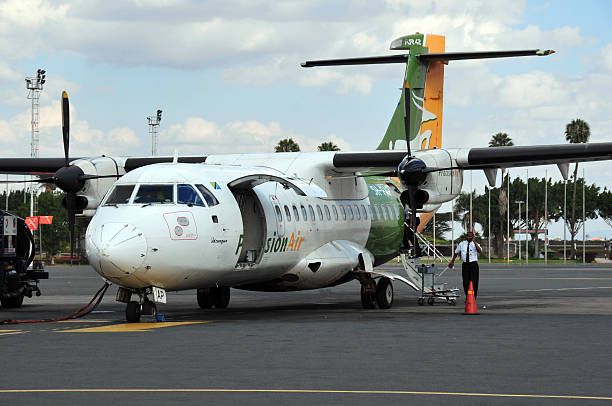

The 3-Day Rubeho Mountains Trek offers an immersive, accessible adventure into Tanzania’s lesser-known highlands, typically focusing on the southern Rubeho range near Kilosa. This trek is ideal for those seeking a shorter, yet rewarding, experience that combines stunning natural beauty, encounters with local communities, and unique wildlife viewing opportunities, often including a visit to the vibrant local markets and serene waterfalls. It’s a perfect introduction to trekking in Tanzania for travelers with limited time, or for those looking to complement a safari or beach holiday during the 2026-2027 travel seasons.
Introducing the Rubeho Mountains: Tanzania’s less crowded place
Tanzania is globally renowned for its iconic peaks like Kilimanjaro and Mount Meru, and its vast, wildlife-rich national parks. However, beyond these well-trodden paths lies a wealth of natural beauty waiting to be discovered. The Rubeho Mountains, nestled in the Morogoro region, represent one such treasure. Often overlooked by mass tourism, this range provides a sanctuary of pristine forests, diverse flora and fauna, and a glimpse into the authentic rural Tanzanian lifestyle. The 3-Day Rubeho Mountains Trek is specifically designed to showcase the most accessible and rewarding aspects of this magnificent area, offering a concentrated yet profound experience.
This trek is perfect for adventurers who have a shorter timeframe but still desire an authentic connection with nature and culture. Whether you are planning for 2026 or 2027, the Rubeho Mountains present a compelling alternative or addition to more strenuous climbs. It’s an opportunity to witness the dramatic landscapes that transition from rolling hills to dense woodlands, to hear the calls of exotic birds, and to interact with the friendly local communities who call these mountains home.
Why Choose a 3-Day Rubeho Mountains Trek?
The appeal of a 3-day trek in the Rubeho Mountains lies in its balance of accessibility, natural beauty, and cultural immersion. Unlike multi-week expeditions, this shorter duration makes it feasible for a wider range of travelers, including families, those new to trekking, or individuals looking for a rejuvenating escape. Here’s what makes this trek stand out:
- Manageable Duration: Three days allow for a significant exploration without requiring extensive time off work or demanding peak physical conditioning. It’s an excellent option for those who want to experience Tanzania’s natural wonders in a concentrated burst.
- Biodiversity Hotspot: The Rubeho Mountains are part of the Eastern Arc Mountains, an ancient mountain range known for its exceptional biodiversity. While a 3-day trek won’t cover the entire range, it offers a chance to see unique plant species, indigenous trees, and potentially spot various bird species and small mammals.
- Cultural Encounters: The lower slopes and surrounding areas are home to agricultural communities, primarily the indigenous peoples of the region. The trek provides opportunities to visit local villages, learn about their traditional way of life, and perhaps sample local produce or crafts. This is a significant draw for travelers seeking authentic cultural exchange.
- Stunning Scenery: Expect rolling hills, verdant valleys, clear streams, and cascading waterfalls. The higher viewpoints offer panoramic vistas of the surrounding plains, providing breathtaking photographic opportunities.
- Escape the Crowds: While Kilimanjaro and other major attractions draw large numbers, the Rubeho Mountains remain relatively untouched. This offers a more peaceful and intimate trekking experience.
- Ideal for Beginners and Experienced Trekkers Alike: The terrain can be varied, offering challenges for beginners while also providing a refreshing and scenic hike for seasoned trekkers.
Understanding the Rubeho Mountains Region
The Rubeho Mountains are part of the larger Eastern Arc Mountains, a chain of ancient forest-covered mountains that stretch across eastern Tanzania and southern Kenya. These mountains are recognized globally for their high levels of endemism – species found nowhere else on Earth. The Rubeho range itself is characterized by its lush, tropical montane forests, which transition into drier savannah on the lower slopes. The region is crucial for water catchment, feeding rivers that sustain communities and agriculture in the surrounding lowlands.
The starting point for most 3-day treks is typically near the town of Kilosa, which serves as a gateway to the southern part of the Rubeho range. Kilosa is accessible by road from Dar es Salaam and Morogoro. The elevation in the trekking areas can vary significantly, with the highest peaks reaching over 2,000 meters (approximately 6,500 feet). The 3-day itinerary usually focuses on trails that ascend to moderate altitudes, offering stunning views without extreme acclimatization challenges.
The climate in the Rubeho Mountains is generally cooler and wetter than the surrounding plains, especially at higher elevations. This supports the rich vegetation. Understanding the local climate is key for planning your trek, particularly for the 2026-2027 travel seasons.
Typical Itinerary: A 3-Day Rubeho Mountains Trek
While specific itineraries can be customized, a standard 3-day Rubeho Mountains Trek usually follows a well-established route that balances hiking, cultural interaction, and natural exploration. This structure ensures you experience the highlights of the region within the given timeframe.
Day 1: Arrival in Kilosa and Ascent to the Foothills
Your adventure begins with travel to Kilosa, the main gateway town to the southern Rubeho Mountains. After meeting your guide and ensuring all equipment is ready, you’ll typically drive or walk a short distance to the starting point of the trek. The first day involves an ascent through cultivated land and into the lower montane forests. The trail is often well-defined but can be steep in sections. You’ll be accompanied by experienced local guides who know the terrain and the local flora and fauna intimately. The goal for the day is to reach a designated campsite or a simple lodge/homestay in a village nestled in the foothills. This allows for an early immersion into the mountain environment and provides opportunities to interact with the local community.
Highlights: Scenic drive/walk to the trailhead, introduction to mountain flora, first views of the Rubeho landscape, cultural interaction in a local village, overnight camping or in a basic guesthouse.
Day 2: Exploring Waterfalls and Forest Trails
Day two is often the most active hiking day, taking you deeper into the mountains. The trek may lead you to one of the region’s beautiful waterfalls, such as the Kifaru Falls or others hidden within the forest. These are perfect spots for a refreshing break and a picnic lunch. The trails can take you through dense woodland, offering opportunities to spot various bird species and, if you’re lucky, small antelopes or monkeys. Your guides will share insights into the medicinal properties of local plants and the ecological significance of the Eastern Arc Mountains. The day concludes with a return to the same accommodation or a different campsite higher up, depending on the specific route planned.
Highlights: Hiking through diverse forest ecosystems, visiting spectacular waterfalls, bird watching, learning about local plants and ecology, panoramic viewpoints, overnight camping or guesthouse stay.
Day 3: Descent and Cultural Immersion
The final day involves a descent back towards Kilosa. The route down often offers different perspectives and may pass through different village areas, providing further opportunities for cultural exchange. You might visit a local market if the timing aligns, offering a vibrant display of local produce and crafts. The descent is generally easier than the ascent, allowing for more relaxed conversation and reflection on the journey. Upon reaching the base, you will have a final meal with your guides before transferring back to Kilosa or continuing your onward journey. This day solidifies the connection between the natural beauty and the human element of the Rubeho Mountains.
Highlights: Scenic descent with new vistas, potential visit to a local market, last interactions with local communities, reflection on the trek, return to Kilosa.
Best Time to Trek the Rubeho Mountains
The Rubeho Mountains have a tropical climate, meaning they experience distinct wet and dry seasons. Understanding these seasons is crucial for planning your trek for 2026 or 2027 to ensure the best possible experience.
- Dry Seasons (June to October, and December to February): These are generally considered the best times for trekking. The weather is typically sunny, with less rainfall, making the trails easier to navigate and offering clearer views. Temperatures are moderate, especially at higher elevations. This period often coincides with peak tourist seasons in Tanzania, but the Rubeho Mountains tend to be less crowded.
- Shoulder Seasons (November, March to May): These months can experience transitional weather. November can be pleasant with occasional short showers. March, April, and May are typically the wettest months, characterized by heavier and more prolonged rainfall. While trekking is still possible, trails can become muddy and slippery, and cloud cover might obscure views. However, the landscape is incredibly lush and vibrant during these times, and you might find fewer trekkers.
For the 2026-2027 period, aiming for the dry seasons (June-October 2026, December 2026 – February 2027, June-October 2027) will offer the most predictable and comfortable trekking conditions. However, if you don’t mind the possibility of rain and prefer a greener landscape and fewer people, the shoulder seasons can also be rewarding.
What to Pack for Your 3-Day Rubeho Mountains Trek
Packing efficiently for a 3-day trek is essential. Since this is a shorter trek, you won’t need extensive expedition gear, but comfort and preparedness are key. Here’s a recommended packing list:
Clothing:
- Moisture-wicking base layers (tops and bottoms)
- Hiking trousers (quick-drying, comfortable)
- T-shirts (breathable)
- Fleece jacket or warm mid-layer
- Waterproof and windproof outer jacket (essential for unpredictable mountain weather)
- Waterproof trousers
- Hiking socks (wool or synthetic)
- Camp clothes (comfortable, warm)
- Hat (for sun protection)
- Warm hat and gloves (for cooler evenings/mornings)
Footwear:
- Broken-in hiking boots (waterproof recommended)
- Camp shoes or sandals (lightweight, comfortable for evenings)
Gear:
- Backpack (30-45 liters)
- Daypack (if you prefer to carry essentials separately)
- Sleeping bag (rated for cool mountain temperatures)
- Sleeping pad (if not provided)
- Headlamp or flashlight with extra batteries
- Water bottles or hydration reservoir (at least 2 liters capacity)
- Trekking poles (optional, but helpful for ascents and descents)
- Sunscreen (high SPF)
- Insect repellent
- Personal first-aid kit (with any personal medications)
- Toiletries (biodegradable soap, toothbrush, toothpaste, wet wipes)
- Camera and extra batteries/power bank
- Snacks (energy bars, nuts, dried fruit)
- Small towel (quick-drying)
Documents & Money:
- Passport and visa (if required)
- Travel insurance details
- Emergency contact information
- Cash (for local purchases, tips, or emergencies)
Note: Your tour operator, like Top Guide Adventures, can provide specific guidance on gear rental if needed, especially for sleeping bags or trekking poles.
Fitness and Preparation for the Trek
While the 3-day Rubeho Mountains Trek is not as physically demanding as climbing Kilimanjaro, a moderate level of fitness is still recommended. The trails can be uneven, steep, and sometimes muddy, especially during or after the rainy season. Consistent cardiovascular exercise and strength training for your legs will greatly enhance your enjoyment and ability to complete the trek comfortably.
Preparation recommendations:
- Cardiovascular Exercise: Engage in activities like brisk walking, jogging, cycling, or swimming at least 3-4 times a week for several weeks leading up to your trek.
- Hiking Practice: If possible, go on day hikes with a backpack that simulates the weight you’ll carry. Focus on trails with inclines to prepare your leg muscles.
- Strength Training: Incorporate exercises that target your legs and core, such as squats, lunges, and step-ups.
- Acclimatization: While a 3-day trek doesn’t typically pose significant acclimatization risks due to moderate altitudes, arriving a day or two early in Tanzania and staying hydrated can help your body adjust to the local climate.
Your guides will set a comfortable pace, but being reasonably fit will allow you to appreciate the scenery more fully without feeling excessively strained.
Wildlife and Nature in the Rubeho Mountains
The Rubeho Mountains are a biodiversity hotspot within the Eastern Arc Mountains, an area recognized for its unique ecosystems. While the 3-day trek may not venture into the deepest parts of the range, you can still expect to encounter a rich variety of flora and fauna.
Flora: The forests are characterized by indigenous trees, ferns, and a variety of plant species adapted to the montane environment. You’ll likely see different types of evergreen trees, flowering plants, and possibly orchids, depending on the season and altitude. Guides are often knowledgeable about the traditional uses of various plants for medicinal purposes.
Fauna: Birdlife is particularly abundant. Keep an eye out for species endemic to the region, such as various sunbirds, flycatchers, and turacos. While larger mammals are less common on the frequently trekked paths, you might spot smaller creatures like monkeys (e.g., Sykes’ monkeys or blue monkeys), bushbucks, or various types of rodents. The presence of reptiles and amphibians is also notable in the moist forest environment.
The Rubeho Mountains are also vital for conserving water resources, and the trekking routes often follow or cross streams and rivers, showcasing the importance of this ecosystem.
Cultural Significance and Local Communities
Trekking in the Rubeho Mountains offers a valuable opportunity to connect with the local communities, primarily the indigenous peoples of the region. These communities have lived in harmony with the mountains for generations, relying on the land for agriculture and resources. The 3-day trek often includes visits to villages where you can observe daily life, interact with residents, and learn about their customs and traditions.
Community Engagement:
- Village Visits: Experience the warmth and hospitality of the local people. You might have the chance to visit a local school, a community center, or simply engage in conversations with villagers.
- Local Markets: If your trek coincides with a market day, you’ll witness a vibrant hub of activity where locals trade produce, livestock, and crafts. This is a great place to understand the local economy and culture.
- Traditional Practices: Learn about traditional farming methods, local crafts, and perhaps even witness traditional music or dance performances if arrangements are made.
- Homestays/Guesthouses: Staying in local accommodations, even basic ones, provides an intimate glimpse into rural Tanzanian life.
It’s important to approach these interactions with respect and cultural sensitivity. Learning a few basic Swahili phrases can go a long way in building rapport. Your guides will facilitate these interactions, ensuring they are respectful and mutually beneficial.
Safety and Guide Considerations
Safety is paramount on any trek. When undertaking the 3-Day Rubeho Mountains Trek, choosing a reputable and experienced tour operator is essential. Top Guide Adventures prioritizes the safety and well-being of its clients.
Key Safety Aspects:
- Experienced Guides: Ensure your guides are certified, knowledgeable about the terrain, first aid, and local conditions. They should be able to identify potential hazards and manage them effectively.
- Communication: Guides should have reliable communication methods (e.g., mobile phones) to contact emergency services if needed. For remote areas, satellite phones might be necessary, though less common for a 3-day trek.
- First Aid: Guides should carry a comprehensive first-aid kit and be trained in its use. Clients should also carry their personal medications and a small personal kit.
- Route Planning: The trek should be planned with appropriate acclimatization in mind, even for moderate altitudes. The chosen routes should be safe and well-maintained.
- Weather Monitoring: Guides should be adept at reading weather patterns and making informed decisions about continuing the trek or seeking shelter.
- Emergency Procedures: A clear emergency plan should be in place, including evacuation procedures if necessary.
Top Guide Adventures employs highly trained local guides who possess extensive knowledge of the Rubeho Mountains, ensuring a safe and enriching experience for all trekkers. We ensure our guides are equipped with the necessary first-aid training and communication tools.
Environmental Responsibility and Sustainable Trekking
As visitors to the Rubeho Mountains, it is our collective responsibility to minimize our impact on this fragile ecosystem and support the local communities ethically. Sustainable trekking practices are vital for preserving the natural beauty and cultural integrity of the region for future visitors, including those planning for 2026-2027.
Leave No Trace Principles:
- Pack It In, Pack It Out: Carry out all trash, including food scraps and wrappers. Do not bury or burn trash.
- Stay on Trails: Stick to designated paths to prevent erosion and protect vegetation.
- Respect Wildlife: Observe animals from a distance and never feed them.
- Minimize Campfire Impacts: Use designated fire pits where permitted, or opt for portable stoves. Ensure fires are completely extinguished.
- Respect Cultural Norms: Be mindful of local customs and traditions. Ask permission before taking photographs of people.
- Support Local Economy: Purchase local crafts and services directly from the community where possible.
- Water Sources: Avoid contaminating water sources with soaps or waste. Use biodegradable soaps and dispose of greywater away from streams.
Top Guide Adventures is committed to responsible tourism. We educate our guides and clients on sustainable practices and work with local communities to ensure that tourism benefits them directly and ethically.
Comparing Rubeho Mountains Trek with Other Tanzanian Treks
When considering trekking in Tanzania, the Rubeho Mountains offer a distinct experience compared to more prominent destinations.
vs. Kilimanjaro:
- Duration: Rubeho (3 days) is significantly shorter than Kilimanjaro (5-9 days).
- Altitude & Difficulty: Kilimanjaro is Africa’s highest peak (5,895m) and requires serious acclimatization and fitness. Rubeho treks are at much lower altitudes and are less physically demanding.
- Scenery: Kilimanjaro offers dramatic alpine desert and glacial landscapes. Rubeho provides lush montane forests, waterfalls, and rolling hills.
- Cultural Immersion: Rubeho offers more direct and accessible interaction with local communities compared to the more expeditionary nature of Kilimanjaro climbs.
- Cost: Generally, a 3-day Rubeho trek is considerably less expensive than a Kilimanjaro climb due to shorter duration, fewer logistics, and less required infrastructure.
vs. Mount Meru:
- Duration: Meru (2-4 days) is comparable in length but often considered more challenging than Rubeho.
- Altitude & Difficulty: Meru stands at 4,566m and requires good fitness and some acclimatization. Rubeho is at lower altitudes.
- Scenery: Meru offers varied landscapes from forest to savannah, with dramatic cliffs and volcanic features. Rubeho is characterized by dense forests and rolling highlands.
- Wildlife: Meru is known for its wildlife within Arusha National Park, including buffalo, giraffes, and monkeys, offering a safari-like trekking experience. Rubeho’s wildlife is more focused on birds and smaller forest dwellers.
The 3-Day Rubeho Mountains Trek is ideal for those who want a taste of Tanzania’s natural beauty and culture without the extreme physical demands or time commitment of its higher peaks. It offers a unique blend of accessible adventure and authentic local experience.
Planning Your 2026-2027 Rubeho Mountains Adventure with Top Guide Adventures
Planning your trip to Tanzania for the 2026 or 2027 travel seasons should be exciting and straightforward. Top Guide Adventures specializes in creating memorable and authentic Tanzanian experiences, including the Rubeho Mountains Trek.
Why book with Top Guide Adventures?
- Local Expertise: We are a Tanzanian-based company with deep knowledge of the Rubeho Mountains and the surrounding regions.
- Customizable Itineraries: We can tailor the 3-day Rubeho Mountains Trek to your specific interests, fitness level, and time constraints.
- Experienced Guides: Our guides are certified, local experts passionate about sharing their knowledge of the environment and culture.
- Safety First: We adhere to strict safety protocols to ensure your well-being throughout the trek.
- Community Focus: We are committed to responsible tourism that benefits local communities and preserves the environment.
- Comprehensive Packages: We offer packages that can include accommodation, meals, guides, porters (if needed), park fees, and transportation.
Whether you’re looking to combine the Rubeho Mountains Trek with a safari in the Serengeti or a relaxing holiday in Zanzibar, we can help craft the perfect Tanzanian itinerary. Our commitment is to provide you with an unforgettable journey filled with adventure, culture, and natural beauty.
To discuss your 3-Day Rubeho Mountains Trek for 2026-2027, or to inquire about custom packages, please feel free to contact us:
- WhatsApp: +255616946642
- Email: topguideadventures@gmail.com
- Backup Email: info@topguideadventures.com
Let us help you discover the magic of the Rubeho Mountains!
Check Availability for 3-Day Rubeho Mountains Trek: A Comprehensive Guide For 2026-2027
Ready to compare dates, prices, and the best option for your group? Send the package name and travel month so the team can reply with a clear quote, availability, and what is included.
3-Day South Pare Mountains Trek GuideA 3-day trek through Tanzania's South Pare Mountains offers a refreshing alternative to higher peaks, blending scenic beauty, cultural…View package 3-Day Udzungwa Mountains Adventure: Trekking & Wildlife 2026-2027Discover the unparalleled biodiversity of Udzungwa Mountains National Park on an immersive 3-day adventure. This itinerary is designed for…View package
 3-Day Uluguru Mountains Trek: Your Essential Guide For Adventures 2026-2027Plan your 3-day Uluguru Mountains trek with this comprehensive guide. Covering routes, what to expect, packing essentials, and booking tips for…View package
 3-Day Ukaguru Mountains Expedition: A Comprehensive Guide For 2026-2027start a captivating 3-Day Ukaguru Mountains Expedition, a unique adventure showcasing Tanzania's biodiversity and cultural heritage. This guide…View package
 3-Day Nguru Mountains Hiking Tour: An Unforgettable Tanzanian AdventureExplore the less crowded place of Tanzania's Nguru Mountains with a carefully curated 3-day hiking tour. This package offers an immersive…View package
 Ai. Eastern Arc Mountains Packages: Your Ultimate Tanzania Adventure GuideExplore the unique biodiversity and cultural richness of Tanzania's Eastern Arc Mountains with tailored adventure packages for 2026-2027…View package
 3-Day North Pare Cultural Adventure: An Immersive Tanzania ExperienceExperience the rich heritage of Tanzania's North Pare Mountains on an unforgettable 3-day cultural adventure. This itinerary offers deep dives…View package
 3-Day West Usambara Hiking Package: Your Ultimate Guide 2026-2027Experience the natural beauty and cultural richness of Tanzania with a 3-Day West Usambara Hiking Package. This guided trek offers a unique…View package


