
Updated planning guide for 2026-2027
3-Day Samburu Wildlife Express: Complete Guide 2026-2027
A comprehensive guide to planning and experiencing a 3-day safari in Samburu National Reserve, Tanzania. Learn about wildlife, itineraries, costs, and booking essentials for your adventure.
WhatsApp +255616946642 | topguideadventures@gmail.com | info@topguideadventures.com
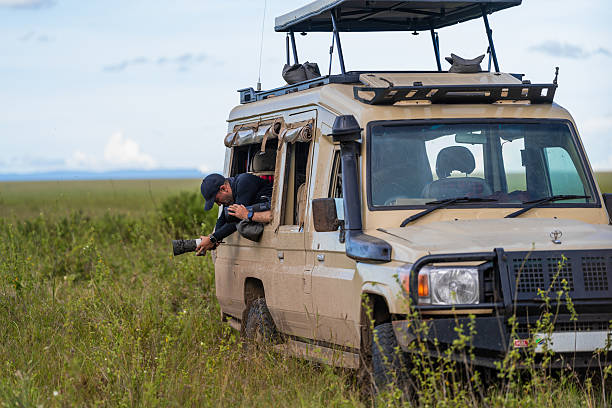
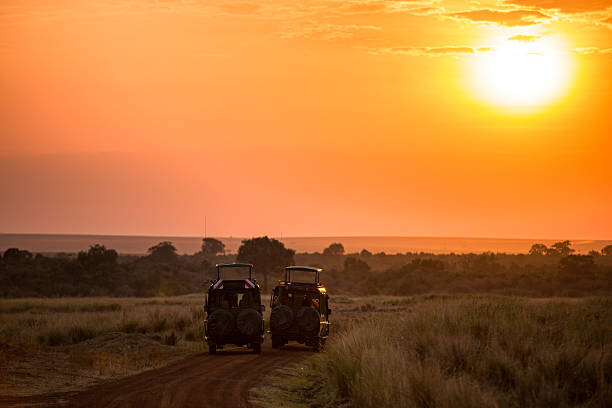
Experience the Magic of a 3-Day Samburu Wildlife Express
For travelers seeking a concentrated yet profound wildlife encounter in Tanzania, the 3-Day Samburu Wildlife Express offers an exceptional solution. This express safari is designed for those with limited time but a strong desire to witness the unique biodiversity and stunning landscapes of Samburu National Reserve. While many associate Tanzania with the vast plains of the Serengeti or the Ngorongoro Crater, Samburu presents a distinct ecosystem, famous for its arid-adapted species and the picturesque Ewaso Nyiro River. This guide provides an in-depth look at what makes a 3-day trip to Samburu so rewarding, covering everything from itinerary planning and wildlife viewing opportunities to practical advice for your 2026-2027 adventure.
This focused safari is perfect for fitting into a broader East African itinerary, offering a concentrated dose of nature without demanding weeks of travel. You’ll discover why this compact safari is a favorite for those who want to see more in less time.
Quick Answers for Your 3-Day Samburu Wildlife Express
What is a 3-Day Samburu Wildlife Express? It’s a short, efficiently planned safari focusing on Samburu National Reserve, designed to maximize wildlife viewing in a limited timeframe, typically three days and two nights.
Is 3 days enough for Samburu? For a focused experience of Samburu’s highlights, three days is a good duration. It allows for travel time to and from the reserve, plus two full days of game drives.
What wildlife can I see? Samburu is known for the “Samburu Special Five”: the Grevy’s zebra, reticulated giraffe, Somali ostrich, gerenuk, and beisa oryx. You can also expect elephants, lions, leopards, cheetahs, and diverse birdlife.
When is the best time to visit? Samburu is a year-round destination, but the dry seasons (June to October and December to March) offer the best game viewing as animals congregate near water sources.
What’s the typical cost? Prices vary based on accommodation and inclusions, but expect a mid-range to upper-mid-range budget for a 3-day express safari, covering transport, park fees, accommodation, and meals.
Table of Contents
- Overview of Samburu National Reserve
- Why Choose a 3-Day Samburu Safari?
- Samburu Quick Facts
- Best Time for Your 3-Day Samburu Wildlife Express
- Samburu Region Overview & Route
- Sample 3-Day Samburu Wildlife Express Itinerary
- What to Expect on Your Express Safari
- Inclusions, Packing, and Preparation
- Common Mistakes to Avoid
- Who is the 3-Day Samburu Wildlife Express Best For?
- Alternatives to a 3-Day Samburu Express
- Planning Your 2026-2027 Trip
- Booking Your Safari
- Frequently Asked Questions
Overview of Samburu National Reserve
Samburu National Reserve is situated in the north of Kenya, a semi-arid region characterized by its rugged beauty. The landscape is a dramatic mix of dry savannah, acacia woodlands, and the life-giving Ewaso Nyiro River, which attracts a significant concentration of wildlife. Unlike the more southern parks, Samburu’s terrain is more open in places, allowing for excellent visibility of its unique inhabitants. The reserve is part of a larger ecosystem that includes Buffalo Springs National Reserve and Shaba National Reserve, offering a vast area for wildlife to roam.
The reserve is managed by the Samburu County Council and is home to the Samburu people, whose traditional way of life is deeply connected to the land and its animals. This cultural backdrop adds another layer of richness to the safari experience, though the primary focus remains on wildlife.
Why Choose a 3-Day Samburu Safari?
Opting for a 3-Day Samburu Wildlife Express safari is a strategic choice for several compelling reasons:
- Time Efficiency: In just three days, you can experience the core attractions of Samburu. This is ideal for travelers on a tight schedule or those looking to combine it with other destinations in Kenya or Tanzania.
- Unique Wildlife: Samburu is one of the best places in East Africa to see the “Samburu Special Five” – species uniquely adapted to this arid environment. These include the Grevy’s zebra (with its narrow stripes), the reticulated giraffe (with its distinctive network of polygonal patches), the Somali ostrich (larger and bluer than the common ostrich), the gerenuk (a long-necked antelope that stands on its hind legs to feed), and the beisa oryx.
- Dramatic Scenery: The stark, beautiful landscapes with acacias, doum palms, and the winding Ewaso Nyiro River provide a stunning backdrop for wildlife viewing and photography.
- Less Crowded: While popular, Samburu often feels less crowded than some of Tanzania’s more famous parks, offering a more intimate safari experience.
- Accessibility: Samburu is relatively accessible, often reached by a scenic drive or a short internal flight, making a 3-day trip logistically feasible.
Samburu Quick Facts
| Feature | Details |
|---|---|
| Location | Northern Kenya, Samburu County |
| Size | Approximately 165 sq km (64 sq mi) |
| Key Wildlife | Samburu Special Five (Grevy’s zebra, reticulated giraffe, Somali ostrich, gerenuk, beisa oryx), elephants, lions, leopards, cheetahs, wild dogs, diverse birdlife. |
| Landscape | Semi-arid savannah, acacia woodlands, doum palms, Ewaso Nyiro River |
| Activities | Game drives (day and night), guided bush walks (in certain areas), cultural visits (optional). |
| Nearest Airstrip | Samburu Airport (Uaso Nyiro) |
| Travel Time from Nairobi | Approx. 7-8 hours by road, or 1 hour by flight. |
Best Time for Your 3-Day Samburu Wildlife Express
Samburu National Reserve is a fantastic safari destination throughout the year, but certain periods offer distinct advantages for wildlife viewing, especially on a shorter trip where maximizing sightings is key.
| Period | Weather | Wildlife Viewing | Crowds |
|---|---|---|---|
| June to October (Dry Season) | Sunny, dry, cooler temperatures. Minimal rainfall. | Excellent. Animals congregate around the Ewaso Nyiro River and remaining waterholes. This is often considered the prime time for seeing predators and large herds. | Moderate to High. Popular months for tourism. |
| November (Short Rains) | Brief, intermittent showers. Temperatures start to warm up. | Good. Wildlife is still relatively concentrated, but can disperse slightly with rain. Landscape begins to green up. | Moderate. |
| December to March (Dry & Hot Season) | Hot and dry. Can be intensely hot. Occasional short showers. | Very Good. Animals are heavily reliant on the river. Excellent for spotting elephants and other mammals near water. | Moderate. Holiday season can see higher numbers. |
| April to May (Long Rains) | Heavy rainfall, lush green landscape. Cooler temperatures. | Fair to Good. Wildlife disperses across the wider landscape as water is abundant. Can be harder to spot animals, and some tracks may be impassable. This is the low season. | Low. Best for budget travelers and photographers seeking lush scenery. |
For a 3-Day Samburu Wildlife Express, the dry seasons (June-October and December-March) are generally recommended. This is when animal sightings are most reliable, especially near the Ewaso Nyiro River, ensuring you get the most out of your short trip. Traveling in the shoulder months like November or early December can offer a good balance of decent wildlife viewing and fewer crowds.
Samburu Region Overview & Route
Samburu National Reserve is located in the northern part of Kenya’s Rift Valley Province. While it is part of a larger ecosystem including Buffalo Springs and Shaba, a 3-day express safari typically focuses on Samburu National Reserve itself due to its accessibility and high density of wildlife.
The reserve is roughly rectangular, bordered by the Ewaso Nyiro River to the south and west. The main access point is via the West Gate. Roads within the reserve are generally well-maintained dirt tracks, suitable for 4×4 safari vehicles.
Simplified Route Illustration:
Day 1: Arrival & Southern Plains
Nairobi -> Drive/Fly to Samburu -> Check-in -> Afternoon Game Drive (focus on areas near the Ewaso Nyiro River, southern part of the reserve).
Day 2: Full Day Exploration
Morning Game Drive (explore different sectors, perhaps heading north towards the arid scrublands to find the ‘Special Five’) -> Lunch -> Afternoon Game Drive (focus on predator sightings or revisiting favorite spots).
Day 3: Final Game Drive & Departure
Early Morning Game Drive (last chance for sightings) -> Breakfast -> Check-out -> Drive/Fly back to Nairobi.
The core of game viewing revolves around the Ewaso Nyiro River, where elephants, lions, leopards, and crocodiles are frequently seen. Moving away from the river into the drier acacia plains increases chances of spotting the “Special Five” and cheetahs.
Sample 3-Day Samburu Wildlife Express Itinerary
This is a sample itinerary, and can be customized based on your interests and pace. It assumes travel from Nairobi.
Day 1: Arrival in Samburu & First Game Drive
Morning: Depart from Nairobi by road (approx. 7-8 hours) or take a short flight to Samburu Airport (Uaso Nyiro). The drive offers glimpses of Kenya’s changing landscapes, from highlands to semi-arid north.
Midday: Arrive at your chosen lodge or camp within or near Samburu National Reserve. Check-in and enjoy lunch with views of the surrounding wilderness.
Afternoon: Your first game drive begins shortly after lunch. You’ll explore the southern sector of the reserve, focusing on areas along the Ewaso Nyiro River. This is a prime location to see large herds of elephants, lions, and possibly leopards. Keep an eye out for reticulated giraffes browsing along the riverine forests.
Evening: Return to your lodge/camp for dinner and overnight. Some lodges offer optional night drives (check availability and park regulations).
Day 2: Full Day of Wildlife Discovery
Early Morning: Wake up for an early morning game drive. This is often the best time to spot predators, such as cheetahs and lions, as they are most active during the cooler hours of the day. You’ll venture into the drier plains, increasing your chances of spotting the “Samburu Special Five” – the Grevy’s zebra, Somali ostrich, gerenuk, beisa oryx, and reticulated giraffe.
Mid-morning: Return to the lodge for a late breakfast or brunch.
Late Morning/Early Afternoon: Relax at the lodge, perhaps by the pool, or opt for a guided bush walk if available and permitted.
Afternoon: After lunch, head out for another extensive game drive. You might choose to explore a different section of the reserve or revisit areas where you had promising sightings the previous day. Your guide will use their knowledge to track down specific animals or look for species you haven’t yet seen.
Evening: Enjoy dinner at your lodge and share stories of your day’s sightings.
Day 3: Final Game Drive & Departure
Early Morning: One last early morning game drive to catch any elusive animals or to witness the sunrise over the Samburu landscape. This is your final opportunity to tick off any animals on your must-see list.
Late Morning: Return to your lodge for breakfast. After breakfast, check out.
Midday: Drive back to Nairobi, or transfer to the airstrip for your flight back to the city. You’ll arrive in Nairobi by late afternoon.
What to Expect on Your Express Safari
A 3-Day Samburu Wildlife Express is designed for efficiency and impact. Here’s what you can generally expect:
- Intensive Game Drives: You’ll spend a significant portion of your days in a safari vehicle, driven by an experienced guide. The focus is on covering ground and maximizing sightings within the reserve’s boundaries.
- Concentrated Wildlife: Samburu’s unique ecosystem means you’re likely to see a high concentration of animals, especially around the Ewaso Nyiro River. The “Special Five” are a major draw.
- Adaptable Itinerary: While a sample itinerary is provided, your guide will adapt the schedule based on recent animal movements, weather conditions, and your specific interests.
- Accommodation: Options range from comfortable tented camps to more luxurious lodges, all designed to blend into the environment. Expect amenities like en-suite bathrooms, comfortable beds, and dining areas.
- Meals: Typically, your safari package will include all meals (breakfast, lunch, dinner). Meals are usually served at your lodge/camp, with picnic lunches sometimes offered during full-day game drives.
- Scenery: Prepare for dramatic, semi-arid landscapes. The contrast between the dry scrubland and the lush riverine vegetation is striking.
- Temperature: Samburu can be hot, especially between December and March. Mornings and evenings are cooler. Pack accordingly.
Inclusions, Packing, and Preparation
Understanding what’s included in your safari package and how to prepare is crucial for a smooth 3-Day Samburu Wildlife Express. While specific inclusions vary by operator, common elements are listed below.
Typical Inclusions:
- Park entrance fees for Samburu National Reserve.
- Accommodation for 2 nights.
- All meals (breakfast, lunch, dinner) as per the itinerary.
- Game drives in a 4×4 safari vehicle with a professional driver-guide.
- Bottled water during game drives.
- Transportation to and from Nairobi (if a road safari is booked).
- Airport transfers in Nairobi (if applicable).
Exclusions (Commonly):
- International flights and visa fees.
- Travel insurance (highly recommended).
- Gratuities for guides and lodge staff.
- Drinks (alcoholic and non-alcoholic) and snacks unless specified.
- Optional activities like night drives or cultural visits.
- Personal expenses.
Packing Essentials:
Pack light and smart. Neutral-colored clothing is best for safaris to avoid startling wildlife.
- Clothing: Lightweight, breathable long-sleeved shirts and trousers (neutral colors like khaki, beige, olive green), t-shirts, shorts, a warm fleece or jacket for cool mornings/evenings, a hat with a wide brim, comfortable walking shoes or hiking boots, sandals or flip-flops for camp.
- Gear: Binoculars (essential for wildlife viewing), camera with extra batteries and memory cards, power bank or adapter, sunglasses, sunscreen (high SPF), insect repellent.
- Health: Personal first-aid kit, any personal medications, anti-malarial medication (consult your doctor).
- Documents: Passport, visa, flight tickets, safari booking confirmation, vaccination certificates. Keep copies separate.
- Miscellaneous: Small backpack for day trips, reusable water bottle, hand sanitizer.
Preparation:
- Consult Your Doctor: Discuss necessary vaccinations and malaria prophylaxis for the region.
- Book in Advance: Especially for the 2026-2027 travel season, book your safari and accommodation well ahead of time.
- Fitness: No special fitness is required, but you should be able to get in and out of a safari vehicle.
- Mindset: Be prepared for an adventure. Wildlife sightings are not guaranteed, but the experience of being in the wild is always rewarding.
Common Mistakes to Avoid on a 3-Day Samburu Safari
To ensure your 3-Day Samburu Wildlife Express is as successful and enjoyable as possible, be aware of these common pitfalls:
- Underestimating Travel Time: While it’s an ‘express’ trip, remember that travel to and from Samburu from Nairobi takes significant time, whether by road or flight. Factor this into your overall schedule.
- Overpacking: Luggage restrictions, especially on small bush flights, are common. Stick to soft-sided bags if possible and pack only essentials.
- Wearing Bright Colors: Bright clothing can scare wildlife. Stick to muted, natural tones for your safari attire.
- Not Bringing Binoculars: Samburu’s wildlife can be spread out. Binoculars are crucial for spotting distant animals and appreciating details.
- Expecting Guaranteed Sightings: Wildlife operates on its own schedule. While Samburu is known for its inhabitants, patience and flexibility are key. Don’t get discouraged if you don’t see everything immediately.
- Ignoring Your Guide: Your guide is an expert. Listen to their advice regarding safety, animal behavior, and optimal viewing times and locations.
- Not Staying Hydrated: The climate in Samburu can be very dry and hot. Drink plenty of water to avoid dehydration.
- Leaving Valuables Unattended: While generally safe, it’s always wise to be mindful of your belongings at camps and lodges.
- Booking Too Late: For popular travel periods in 2026-2027, especially during peak seasons, lodges and safari vehicles can book up months in advance.
Who is the 3-Day Samburu Wildlife Express Best For?
The 3-Day Samburu Wildlife Express is an excellent choice for several types of travelers:
- Time-Constrained Travelers: Those with only a few days available who want to experience a significant wildlife destination.
- First-Time Safari Goers: It offers a manageable introduction to the safari experience without the commitment of a longer trip.
- Nature Enthusiasts: Individuals keen on seeing unique species like the “Samburu Special Five” and appreciating distinct arid landscapes.
- Photographers: The dramatic scenery and unique animals provide fantastic photographic opportunities, especially during the golden hours.
- Travelers Combining Destinations: Perfect for adding a wildlife component to a trip that might also include Mount Kilimanjaro, Zanzibar, or other Kenyan attractions.
- Solo Travelers & Couples: The express nature and focused experience are well-suited for individuals or pairs.
- Budget-Conscious Adventurers (relatively): While not the cheapest option, a 3-day trip is more affordable than longer safaris, making it accessible to a wider range of budgets, especially if choosing mid-range accommodation.
It is less ideal for those who prefer a very slow pace, extensive cultural immersion, or wish to cover vast distances across multiple parks in one short trip.
Alternatives to a 3-Day Samburu Express
While the 3-Day Samburu Wildlife Express is a fantastic option, other short safari experiences might suit your needs:
| Option | Duration | Focus | Pros | Cons |
|---|---|---|---|---|
| 4-Day Samburu & Buffalo Springs | 4 Days / 3 Nights | Samburu & Buffalo Springs Reserves. | More time to explore both reserves, higher chance of seeing diverse wildlife, potentially more relaxed pace. | Requires an extra day. |
| 2-Day Masai Mara Express | 2 Days / 1 Night | Masai Mara National Reserve. | Iconic wildlife, famous for the Great Migration (seasonal), very accessible from Nairobi. | Very short, can feel rushed. Mara can be more crowded. |
| 3-Day Masai Mara Safari | 3 Days / 2 Nights | Masai Mara National Reserve. | Classic safari experience, excellent predator sightings, stunning landscapes, good for general wildlife viewing. | Less unique species compared to Samburu, can be busy. |
| Lake Nakuru Day Trip/Overnight | 1-2 Days | Lake Nakuru National Park. | Famous for flamingos (though numbers vary), rhinos, Rothschild giraffes. Easy day trip from Nairobi. | Limited range of large mammals compared to Samburu or Mara. Shorter duration. |
| Amboseli 3-Day Safari | 3 Days / 2 Nights | Amboseli National Park. | Iconic views of Mount Kilimanjaro, large elephant herds, good general wildlife. | Different landscape and wildlife focus than Samburu. |
The 3-Day Samburu Wildlife Express stands out for its focus on unique arid-adapted species and its specific landscape, making it a distinct choice even when compared to other short safari options.
Planning Your 2026-2027 Trip
Planning ahead is key for a successful safari, especially as you look towards the 2026-2027 travel seasons. Here’s how to approach it:
When to Book:
For the 2026-2027 travel period, it’s advisable to start planning and booking at least 6-12 months in advance, particularly if you are targeting peak seasons (June-October, December-March) or specific lodges.
Choosing Your Operator:
Selecting the right tour operator is paramount. Look for:
- Local Expertise: Operators based in Tanzania or Kenya often have the best local knowledge, contacts, and pricing.
- Reputation: Check reviews and testimonials from previous clients.
- Customization: Can they tailor the 3-day express safari to your specific interests?
- Inclusions: Clearly understand what is and isn’t covered in the price.
Budgeting for 2026-2027:
While exact prices fluctuate, a 3-day Samburu express safari typically falls into the mid-range to upper-mid-range category. Key cost factors include:
- Accommodation: Tented camps and lodges vary significantly in price.
- Transportation: Flying is more expensive than driving but saves time.
- Time of Year: Peak seasons are more costly.
- Group Size: Solo travelers often pay a single supplement, making group travel more economical.
Factor in park fees (which are set by the authorities), guide fees, vehicle hire, and meal costs. Your operator will provide a detailed quote.
Health & Safety for 2026-2027:
As mentioned, consult your doctor about vaccinations and malaria prevention well in advance. Ensure you have comprehensive travel insurance that covers medical emergencies and evacuation.
Visa Requirements:
Check the latest visa requirements for your nationality entering Kenya (if flying into Nairobi first) or Tanzania (if you plan to extend your trip). This can often be done online.
Booking Your Safari
Ready to book your 3-Day Samburu Wildlife Express? Here’s how to proceed with confidence for your 2026-2027 travel plans:
- Research & Inquire: Identify a few reputable tour operators. For Tanzania and Kenya safaris, operators like Best Tanzania tour operator (Top Guide Adventures) are excellent resources.
- Request a Custom Quote: Contact them with your desired dates, number of travelers, preferred accommodation style (budget, mid-range, luxury), and any specific interests. Be clear that you are looking for a 3-day express safari to Samburu.
- Review the Itinerary & Inclusions: Carefully examine the proposed itinerary. Ensure it aligns with your expectations and that all costs are clearly itemized. Pay attention to what is included (park fees, meals, accommodation, guide, vehicle) and what is not.
- Ask Questions: Don’t hesitate to ask for clarification on any aspect of the safari. A good operator will be transparent and responsive.
- Payment Terms: Understand the deposit requirements and final payment schedule. Typically, a deposit is required to confirm the booking, with the balance due a few weeks before departure.
- Confirmation: Once you are satisfied, confirm your booking. You will receive a detailed confirmation and itinerary.
- Final Preparations: Closer to your departure date, you’ll receive final details regarding meeting points, what to pack, and contact information.
For a seamless booking experience, consider reaching out directly to experienced local operators who can offer competitive pricing and in-depth knowledge.
Contact Us for Your 3-Day Samburu Wildlife Express:
Ready to plan your adventure? Let us help you craft the perfect 3-Day Samburu Wildlife Express safari. We specialize in creating unforgettable wildlife experiences in Tanzania and Kenya.
WhatsApp: +255616946642
Email: topguideadventures@gmail.com
Backup Email: info@topguideadventures.com
Frequently Asked Questions
Q: Is a 3-day safari enough to see wildlife in Samburu?
A: Yes, for a focused experience, three days is a good duration. It allows for two full days of game drives, which is usually sufficient to see the main attractions and the “Samburu Special Five.” It’s an express trip, so the pace is quicker, but you will get a solid introduction to the reserve.
Q: What are the “Samburu Special Five”?
A: These are five unique species found in Samburu and surrounding arid regions: Grevy’s zebra, reticulated giraffe, Somali ostrich, gerenuk, and beisa oryx. They are adapted to the dry environment and are a major draw for visitors.
Q: How do I get to Samburu for a 3-day express safari?
A: You can typically fly from Nairobi (Wilson Airport) to Samburu Airport (Uaso Nyiro), which is a quick flight of about 1 hour. Alternatively, you can drive from Nairobi, a scenic journey of approximately 7-8 hours. For a 3-day trip, flying is often recommended to maximize your time on safari.
Q: What kind of accommodation is available in Samburu?
A: Samburu offers a range of accommodation options, from comfortable mid-range lodges and tented camps to more luxurious safari camps. These are usually situated either within the reserve or in nearby conservancies, offering excellent access to game drives.
Q: Is Samburu safe for tourists?
A: Yes, Samburu National Reserve is considered safe for tourists. The safari operations are well-established, and your guides are trained to ensure your safety. It’s important to follow their instructions, especially regarding wildlife encounters and staying within designated areas.
Q: What should I pack for a 3-day Samburu safari in 2026-2027?
A: Pack light, neutral-colored clothing (khaki, beige, olive), long sleeves and trousers for sun/insect protection, a warm layer for cool mornings/evenings, a hat, sunglasses, sunscreen, insect repellent, a camera with extra batteries, binoculars, and personal medications. Always check specific recommendations from your tour operator.
Q: Can I do a night game drive in Samburu?
A: Night game drives are sometimes available in Samburu, depending on the lodge or camp you choose and park regulations. They offer a chance to see nocturnal animals. It’s best to inquire with your tour operator about availability and cost.
Q: What is the cost of a 3-day Samburu Wildlife Express?
A: The cost varies significantly based on accommodation level, transport method (road vs. flight), and inclusions. Generally, expect it to be a mid-range safari. A rough estimate for a 3-day express safari might range from $600 to $1500+ per person, but it’s best to get a personalized quote from a tour operator for accurate pricing for 2026-2027.
Q: Is Samburu suitable for families with children?
A: Yes, Samburu can be suitable for families. However, the terrain can be hot and dry, and children need to be supervised closely. Some lodges offer family-friendly amenities. It’s recommended to discuss age appropriateness and specific needs with your tour operator.
Q: What’s the difference between Samburu and the Masai Mara?
A: Samburu is known for its unique arid-adapted species (the “Special Five”) and its rugged, semi-arid landscape. The Masai Mara is famous for its vast grasslands, high predator density, and the Great Migration (seasonal). Both offer incredible wildlife viewing but with different characteristics.
Book Your Unforgettable 3-Day Samburu Wildlife Express
A 3-Day Samburu Wildlife Express safari promises an exhilarating and efficient wildlife adventure. Witness the unique creatures of this arid landscape, marvel at the dramatic scenery, and create lasting memories. Let us, as your trusted Tanzania tour operator, help you plan and execute this incredible journey for your 2026-2027 travels.
We offer expertly crafted safari packages tailored to your preferences. Contact us today to discuss your dream safari!
WhatsApp: +255616946642
Email: topguideadventures@gmail.com
Backup Email: info@topguideadventures.com
Plan your 3-Day Samburu Wildlife Express with Top Guide Adventures
Tell us your travel dates, group size, comfort level, and dream experience. We will help you shape a clear, realistic, and memorable Tanzania itinerary.







 Veedesigner
 Fatma Kizanga
 Benjamin Waryuba
 Philip Philip
 John jr Itaja
 Antonia Optatus
 Edith Kanyere
 Neema Iddy
 Kelvin Boniphace
 Damari Maiga



