
Updated planning guide for 2026-2027
3-Day Southern Omo Valley Cultural Immersion Tribal Visits: Complete Guide
Discover the vibrant cultures of Ethiopia's Southern Omo Valley on an unforgettable 3-day tribal visit. This guide provides practical planning details, itinerary suggestions, and essential tips for an authentic experience.
WhatsApp +255616946642 | topguideadventures@gmail.com | info@topguideadventures.com
3-Day Southern Omo Valley Cultural Immersion Tribal Visits: Your Complete Planning Guide
For travelers seeking an experience far beyond the typical tourist path, a 3-day Southern Omo Valley cultural immersion tribal visits offers a profound connection with ancient traditions. Located in southwestern Ethiopia, the Omo Valley is a UNESCO World Heritage site, renowned for its diverse indigenous tribes, each with unique customs, adornments, and ways of life. This concentrated itinerary focuses on maximizing your understanding and respectful interaction with these communities within a limited timeframe.
This guide is designed for those who want to understand the practicalities of such a journey, from logistics and seasonality to what to pack and how to approach these visits with respect. We will cover itinerary logic, common considerations, and how to make the most of a short yet impactful trip to this extraordinary region. Whether you are planning for 2026 or 2027, understanding the nuances of Omo Valley travel is key to a successful and meaningful adventure.
Quick Answer: What is a 3-Day Southern Omo Valley Cultural Immersion Tribal Visits?
A 3-day Southern Omo Valley cultural immersion tribal visits is a short, intensive tour designed to provide travelers with a respectful and insightful introduction to the diverse indigenous tribes living in Ethiopia’s Omo Valley. This type of trip typically involves visiting several tribal villages, observing daily life, learning about traditions, and engaging with local communities under the guidance of experienced local guides who ensure cultural sensitivity and safety.
Table of Contents
- Omo Valley: A Living Museum
- Why Undertake a 3-Day Omo Valley Tribal Visit?
- Best Time for Your Omo Valley Tribal Visit
- Omo Valley: Key Areas for a 3-Day Itinerary
- Sample 3-Day Omo Valley Cultural Immersion Tribal Visits Itinerary
- What to Expect During Your Tribal Visits
- Inclusions, Packing, and Preparation
- Common Mistakes to Avoid
- Who is a 3-Day Omo Valley Trip Best For?
- Alternatives to a 3-Day Omo Valley Visit
- Planning Your 2026-2027 Omo Valley Trip
- Booking Your Omo Valley Cultural Immersion
- Frequently Asked Questions
Omo Valley: A Living Museum
The Omo Valley is a region of unparalleled cultural richness. It is home to over 50 distinct ethnic groups, including the Mursi, Hamer, Karo, Suri, Bodi, and Nyangatom, among others. For centuries, these communities have maintained their unique traditions, often in isolation from the outside world. Their distinct body art, elaborate clothing, and complex social structures make the Omo Valley a fascinating destination for anthropological and cultural exploration.
A 3-day Southern Omo Valley cultural immersion tribal visits is designed to offer a concentrated, yet respectful, introduction to this vibrant landscape. It prioritizes meaningful interactions over a superficial overview, focusing on a few key tribes to allow for deeper understanding and appreciation. This approach ensures that your visit is not just observational but also contributes positively to the communities you engage with.
Why Undertake a 3-Day Omo Valley Tribal Visit?
Choosing a short, focused trip like a 3-day Southern Omo Valley cultural immersion tribal visits serves several purposes for the modern traveler:
- Cultural Depth: Even in three days, with expert guidance, you can gain significant insights into the lives, beliefs, and social systems of specific tribes.
- Authenticity: The Omo Valley remains one of the few places on Earth where traditional lifestyles are still actively practiced.
- Photography: The visual richness of the Omo Valley, from body paint and scarification to traditional attire and ceremonies, offers unparalleled photographic opportunities.
- Personal Growth: Engaging with different cultures challenges perspectives and fosters a deeper understanding of humanity.
- Accessibility: While remote, a well-organized 3-day trip makes this often-inaccessible region reachable for those with limited time.
It’s crucial to approach these visits with an open mind and a genuine interest in learning. The experience is about connection, not just observation.
Best Time for Your Omo Valley Tribal Visit
The Omo Valley has a distinct climate that influences the best times to visit for cultural immersion and comfort. The region experiences a dry season and a wet season.
| Period | Description | Pros for Tribal Visits | Cons for Tribal Visits |
|---|---|---|---|
| Dry Season (June – October) | Temperatures are warm to hot, with very little rainfall. Roads are generally in better condition. | Easier travel, clearer skies for photography, many traditional ceremonies (like the Hamer’s Ukpi initiation) often occur during this time. | Can be very hot, dust can be prevalent. Villages may be more spread out as people seek water. |
| Shoulder Season (November – February) | Temperatures remain warm, with occasional short rains. | Still good for travel, fewer crowds than peak dry season, landscapes can start to green up after rains. | Unpredictable rains can sometimes affect road conditions. |
| Wet Season (March – May) | Higher humidity, significant rainfall. Temperatures can be more moderate. | Landscapes are lush and green, fewer tourists. | Roads can become impassable, making travel difficult and potentially leading to itinerary changes. Villages are concentrated around water sources. |
For a 3-day Southern Omo Valley cultural immersion tribal visits, the dry season (June to October) is generally preferred for ease of travel and the higher likelihood of witnessing cultural events. However, the shoulder months of November and February can also be excellent, offering a balance of good weather and fewer tourists. Planning for 2026 or 2027 requires checking specific local conditions closer to the travel dates.
Omo Valley: Key Areas for a 3-Day Itinerary
A 3-day trip requires strategic focus. Given the travel distances and the need for meaningful interaction, it’s best to concentrate on a specific cluster of tribes. The most accessible and commonly visited tribes for short tours are found in the southern part of the valley, accessible from towns like Jinka or Turmi.
A simplified route illustration might look like this:
| Day | Location/Focus | Key Tribes/Activities |
|---|---|---|
| Day 1 | Arrival in Jinka / Mursi Village | Fly into Jinka. Drive to Mursi village. Observe Mursi lip plates and body art. Overnight near Jinka or Turmi. |
| Day 2 | Hamer & Karo Villages | Travel to Turmi. Visit a Hamer village, learn about their customs (e.g., bull jumping ceremonies if timing is right). Visit a Karo village along the Omo River, known for their distinctive body painting. Overnight in Turmi. |
| Day 3 | Further Exploration / Departure | Morning visit to another Hamer village or a local market (e.g., Turmi market on Saturdays). Drive back towards Jinka for departure, or onward travel. |
This route prioritizes tribes that are relatively accessible and offer distinct cultural experiences. The exact villages visited will depend on local conditions, community availability, and your guide’s knowledge.
Sample 3-Day Southern Omo Valley Cultural Immersion Tribal Visits Itinerary
This sample itinerary provides a framework for a 3-day Southern Omo Valley cultural immersion tribal visits. It emphasizes depth over breadth, allowing for genuine interaction.
| Day | Morning | Afternoon | Evening | Accommodation Area |
|---|---|---|---|---|
| Day 1: Arrival & Mursi Culture | Arrive at Jinka Airport (JNK). Meet your guide and driver. Drive towards Mursi territory (approx. 1-2 hours). | Visit a Mursi village. Learn about the significance of their lip plates and body decorations. Observe daily life and perhaps witness traditional practices. Discussion with elders (facilitated by guide). | Drive towards the Turmi area, the heartland of the Hamer people. Check into your lodge/camp. Dinner and briefing for the next day. | Lodge/Camp near Turmi |
| Day 2: Hamer & Karo Immersion | Visit a Hamer village near Turmi. Understand their social structure, cattle herding practices, and unique adornments. If a bull jumping ceremony (Ukpi) is happening, this is a highlight, though not guaranteed. | Travel to the Karo village of Korcho, perched on a cliff overlooking the Omo River. Admire the Karo’s intricate body painting and their distinctive style. Learn about their history and relationship with neighboring tribes. | Return to Turmi. Enjoy dinner. Optional: Attend a traditional Hamer evening song and dance performance (if arranged). | Lodge/Camp near Turmi |
| Day 3: Market Day & Departure | If it’s a Saturday, visit the vibrant Hamer market in Turmi, a crucial social and economic gathering point. Otherwise, visit another Hamer community to gain further insights or explore a local school (if possible and appropriate). | Begin the drive back towards Jinka. Depending on flight schedules, you might stop at the South Omo Research Center in Jinka for additional context. | Transfer to Jinka Airport for your onward flight. | N/A (Departure) |
Note: This itinerary is intense. Travel times can be long due to road conditions. Flexibility is key. The presence of specific ceremonies is not guaranteed and depends on local timing.
What to Expect During Your Tribal Visits
A 3-day Southern Omo Valley cultural immersion tribal visits is a deeply engaging experience, but it’s important to set realistic expectations:
- Authenticity vs. Performance: While the Omo Valley is authentic, interactions are often facilitated by guides. Some aspects may be presented for visitors, but the core of the culture remains genuine. Your guide’s role is to bridge this gap respectfully.
- Living Conditions: Tribal villages are not tourist resorts. Expect basic conditions. Huts are made of natural materials, and amenities are minimal. This is part of the immersion.
- Photography: Photography is usually permitted, but always ask your guide to facilitate permission before taking close-ups, especially of individuals. Some communities may request a small fee for photography. Be respectful and avoid intrusive behavior.
- Cultural Sensitivity: You will witness practices and customs that may be very different from your own. Approach with respect, curiosity, and an open mind. Avoid judgment.
- Interaction: Interaction is facilitated by your guide. Learning a few basic Amharic or local greetings can be appreciated, but your guide will handle most communication.
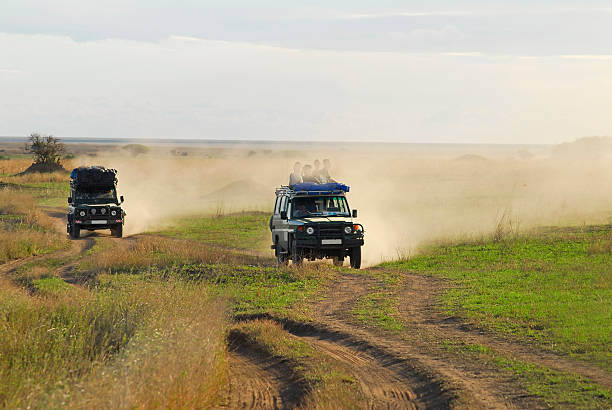
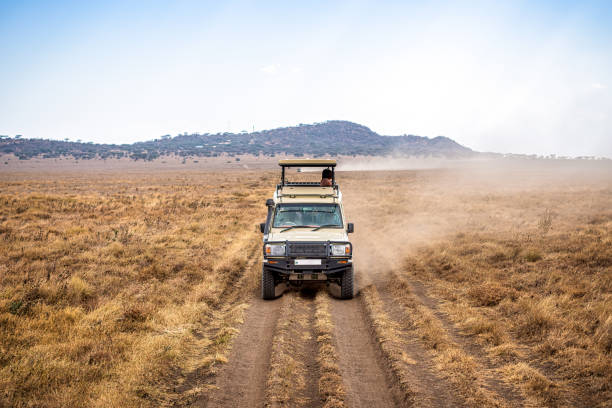
- Road Conditions: Roads can be rough, dusty, and bumpy, especially outside the main routes. 4×4 vehicles are essential. Travel times can be longer than anticipated.
- Guides are Crucial: Your local guide is your lifeline. They possess invaluable knowledge of local customs, facilitate communication, ensure safety, and manage interactions ethically.
Inclusions, Packing, and Preparation
To ensure a smooth 3-day Southern Omo Valley cultural immersion tribal visits, thorough preparation is necessary.
Typical Inclusions on a Guided Tour:
| Included | Likely Not Included |
|---|---|
| Ground transportation (4×4 vehicle) | International flights |
| English-speaking local guide | Ethiopian visa fees |
| Accommodation (lodges/camps) | Domestic flights (e.g., to/from Jinka) |
| Meals (as specified by tour operator) | Travel insurance |
| Community visit fees/contributions | Personal expenses (souvenirs, drinks) |
| Water during drives | Tips for guides and drivers |
Packing Essentials:
Pack light but smart. Consider the heat, dust, and basic facilities.
- Clothing: Lightweight, breathable, long-sleeved shirts and trousers (to protect from sun and insects). Neutral colors are best for photography and blending in. A light jacket for cooler evenings. Comfortable walking shoes/boots. Sandals for camp.
- Sun Protection: Wide-brimmed hat, sunglasses, high SPF sunscreen.
- Insect Repellent: Especially important for evenings.
- Personal Toiletries: Including hand sanitizer, wet wipes, and any personal medications. Basic toiletries might be scarce.
- Camera Gear: Extra batteries, memory cards, and a dust-proof bag. A zoom lens is useful.
- Power Bank: For charging devices, as power outlets may be limited.
- Water Bottle: Reusable to minimize waste.
- Small Backpack: For day trips and carrying essentials.
- Cash: Small denominations of Ethiopian Birr for small purchases, tips, or photography fees. USD is also useful for some payments.
- First-Aid Kit: Basic medical supplies.
- Scarf/Bandana: Useful for dust protection.
Preparation:
- Vaccinations: Consult your doctor or a travel clinic about recommended vaccinations for Ethiopia (e.g., Hepatitis A, Typhoid, Yellow Fever – check current requirements).
- Malaria Prevention: The Omo Valley is a malaria risk area. Discuss prophylaxis with your doctor.
- Travel Insurance: Essential for medical emergencies and trip cancellations. Ensure it covers remote areas.
- Visa: Check Ethiopian visa requirements for your nationality. Many can obtain e-visas.
- Cultural Briefing: Read up on the tribes you will visit. Understanding basic customs will enhance your experience.
Common Mistakes to Avoid
To ensure your 3-day Southern Omo Valley cultural immersion tribal visits is respectful and enriching, be aware of these common pitfalls:
- Treating villages like a zoo: Remember these are people’s homes. Be respectful, ask before photographing, and avoid intrusive behavior.
- Assuming all tribes are the same: Each tribe has unique customs, languages, and traditions. Educate yourself beforehand.
- Ignoring your guide: Your guide is essential for communication, cultural understanding, and safety. Trust their expertise.
- Not carrying enough cash: While tours cover main costs, small purchases, tips, and photography fees often require cash.
- Expecting luxury accommodations: Embrace the rustic nature of the Omo Valley. Basic but clean and comfortable is the standard.
- Being unprepared for the heat and dust: Pack appropriate clothing and sun protection.
- Arriving without a pre-arranged tour: Independent travel in the Omo Valley is extremely difficult and not recommended due to logistics, safety, and cultural access.
- Disrespecting local customs: Dress modestly, avoid public displays of affection, and be mindful of local taboos.
Who is a 3-Day Omo Valley Trip Best For?
A 3-day Southern Omo Valley cultural immersion tribal visits is ideal for:
- Adventurous Travelers: Those who enjoy off-the-beaten-path destinations and are comfortable with basic facilities.
- Culture Enthusiasts: Individuals with a deep interest in anthropology, ethnography, and learning about diverse human societies.
- Photographers: Anyone seeking unique and visually striking photographic subjects.
- Time-Constrained Explorers: Travelers who want a meaningful cultural experience but have limited time.
- Respectful Visitors: Those who approach different cultures with humility, curiosity, and a desire to learn rather than judge.
This trip is generally not suitable for travelers seeking luxury, comfort, or predictable tourist attractions. It requires a spirit of adventure and a genuine appreciation for cultural diversity.
Alternatives to a 3-Day Omo Valley Visit
While the Omo Valley is unique, other cultural experiences in Ethiopia and Tanzania can offer different, yet rewarding, insights:
| Destination/Tour Type | Focus | What it Offers | Compared to Omo Valley |
|---|---|---|---|
| Harar, Ethiopia | Islamic culture, ancient city walls, hyena feeding. | Rich history, unique architecture, distinct religious traditions. | More urban and historical, less focus on distinct tribal groups. |
| Lalibela, Ethiopia | Rock-hewn churches, ancient Christian traditions. | Incredible religious architecture, deep spiritual atmosphere, historical significance. | Primarily religious and historical, not tribal immersion. |
| Maasai Mara/Serengeti Safari (Tanzania/Kenya) | Wildlife, Maasai culture (village visits often included). | World-class wildlife viewing, interaction with Maasai people. | Omo Valley is more about diverse tribal cultures; safaris focus on wildlife with a cultural component. Offers a different perspective on tribal life. |
| Datoga & Hadzabe Tribes, Tanzania | Hunter-gatherer traditions (Hadzabe), pastoralist life (Datoga). | Direct interaction with one of Africa’s last hunter-gatherer groups, traditional crafts. | Similar in focus on traditional peoples, but different tribes and geographical location. Often more accessible from major safari circuits. |
For those with limited time wanting a cultural focus, a 3-day Omo Valley trip is highly concentrated. If you have more time, extending your stay or exploring other cultural regions of Ethiopia would be beneficial.
Planning Your 2026-2027 Omo Valley Trip
Planning ahead is crucial for a successful 3-day Southern Omo Valley cultural immersion tribal visits, especially for trips in 2026 and 2027. Here’s a breakdown:
- Book Well in Advance: The Omo Valley is remote, and good guides and vehicles are in demand. For 2026-2027, secure your booking at least 6-12 months prior, especially if you have specific dates or wish to witness ceremonies.
- Choose Your Operator Wisely: Opt for local operators with a strong reputation for ethical tourism, knowledgeable guides, and reliable logistics. They understand the Omo Valley intimately.
- Flexibility is Key: Be prepared for last-minute changes due to weather, local conditions, or community events. A good operator will manage these smoothly.
- Understand Community Fees: Most tours include community fees, which directly support the tribes. Clarify what these cover.
- Health Preparations: Start consulting your doctor about vaccinations and malaria prophylaxis 4-6 weeks before your trip.
- Visa Requirements: Check the latest visa regulations for Ethiopia for your nationality well in advance of your 2026 or 2027 travel dates.
- Budgeting: While specific prices vary, factor in flights, tour costs, insurance, tips, and personal expenses. The Omo Valley is not a budget destination due to logistical complexities.
Booking Your Omo Valley Cultural Immersion
Securing your 3-day Southern Omo Valley cultural immersion tribal visits requires careful consideration of your tour operator. As a Tanzania tour operator with extensive experience in East African travel, we understand the complexities of remote cultural tourism. Here’s how to proceed:
When booking, consider these points:
- Reputation and Reviews: Look for operators with positive testimonials focusing on ethical interactions, knowledgeable guides, and well-managed logistics.
- Local Expertise: Operators with strong local connections in the Omo Valley are best placed to arrange authentic and respectful visits.
- Ethical Tourism Practices: Ensure the operator prioritizes the well-being and dignity of the communities they visit. This includes fair compensation and respectful engagement.
- Itinerary Customization: While a 3-day trip is short, a good operator can tailor it slightly to your interests, if feasible.
- Inclusions and Exclusions: Clearly understand what is covered in your package to avoid unexpected costs.
Ready to plan your unforgettable 3-day Southern Omo Valley cultural immersion tribal visits? We specialize in creating unique and responsible travel experiences across East Africa. Our local guides are deeply knowledgeable and committed to ethical cultural tourism. Let us help you craft an itinerary that respects traditions while offering profound insights.
Contact us today to discuss your Omo Valley adventure for 2026 or 2027:
- WhatsApp: +255616946642
- Email: topguideadventures@gmail.com
- Backup Email: info@topguideadventures.com
Frequently Asked Questions
Q1: Is a 3-day trip enough for the Omo Valley?
A: A 3-day Southern Omo Valley cultural immersion tribal visits is a short but intensive introduction. It allows you to visit a few key tribes and gain significant insights, but it doesn’t cover the full diversity of the region. For a deeper understanding, 5-7 days is recommended, but 3 days can be very impactful if well-planned.
Q2: Can I visit the Omo Valley independently?
A: Independent travel in the Omo Valley is extremely challenging due to the remote location, poor road conditions, and the necessity of local guides for cultural navigation and safety. It is highly recommended to book a tour with a reputable operator.
Q3: What is the cost of a 3-day Omo Valley tour?
A: Exact prices vary significantly based on the operator, level of accommodation, vehicle type, and inclusions. However, due to the logistical complexities and remote nature, Omo Valley tours are generally considered mid-to-high range. Expect costs to cover transportation, guide fees, accommodation, meals, and community contributions.
Q4: Is it ethical to visit tribal communities?
A: Yes, when done respectfully and ethically. Reputable tours ensure that visits benefit the communities through direct fees, support for local initiatives, and by promoting understanding and appreciation of their culture. The key is to be a respectful observer and learner, not an intruder.
Q5: What should I wear when visiting tribes?
A: Modest, loose-fitting clothing is recommended. Long trousers or skirts and long-sleeved shirts are ideal to protect from the sun and for cultural sensitivity. Neutral colors are often preferred. Avoid revealing clothing.
Q6: How much should I tip my guide?
A: Tipping is customary for guides and drivers. A common guideline is to tip per day, but this can vary. Your tour operator can provide specific recommendations based on the tour duration and your satisfaction.
Q7: What are the main tribes visited on a 3-day trip?
A: Typically, a 3-day Southern Omo Valley cultural immersion tribal visits will focus on accessible tribes like the Mursi (known for lip plates), Hamer (known for bull jumping ceremonies and adornments), and Karo (known for body painting). The exact tribes may vary based on logistics and guide expertise.
Q8: Can I buy handicrafts directly from the tribes?
A: Sometimes. Some communities produce crafts, and if available and appropriate, you may have the opportunity to purchase them. Always go through your guide for any transactions to ensure fair practice.
Q9: What about health and safety in the Omo Valley for 2026-2027?
A: Safety is paramount. Reputable tour operators prioritize your well-being. Standard health precautions for Ethiopia apply, including vaccinations, malaria prevention, and drinking bottled water. Guides are trained to navigate any potential local sensitivities. Ensure you have comprehensive travel insurance.
Q10: How do I book a 3-day Southern Omo Valley cultural immersion tribal visits?
A: The best way to book is through experienced tour operators who specialize in Ethiopian cultural tours. Contact us directly via WhatsApp or email to discuss your travel plans and receive a personalized itinerary and quote for your 2026 or 2027 trip.
Plan Your Unforgettable Omo Valley Cultural Immersion
A 3-day Southern Omo Valley cultural immersion tribal visits promises an experience that stays with you long after you leave. It’s a journey into the heart of human diversity, offering profound insights and unforgettable memories. For travelers planning their trips for 2026 and 2027, now is the time to start organizing this extraordinary adventure.
Let us, as experienced East African tour specialists, guide you through the planning process. We are committed to responsible tourism, ensuring your visit is both enriching for you and beneficial for the communities you encounter. We handle the complexities of logistics, guide selection, and community access, so you can focus on the incredible cultural immersion.
Contact us today to start planning your 3-day Southern Omo Valley cultural immersion tribal visits:
- WhatsApp: +255616946642
- Email: topguideadventures@gmail.com
- Backup Email: info@topguideadventures.com
We look forward to helping you create a meaningful journey into the heart of Ethiopia’s Omo Valley.
Plan your 3-Day Southern Omo Valley Cultural Immersion Tribal Visits with Top Guide Adventures
Tell us your travel dates, group size, comfort level, and dream experience. We will help you shape a clear, realistic, and memorable Tanzania itinerary.







 Veedesigner
 Fatma Kizanga
 Benjamin Waryuba
 Philip Philip
 John jr Itaja
 Antonia Optatus
 Edith Kanyere
 Neema Iddy
 Kelvin Boniphace
 Damari Maiga



